UGC for telehealth
UGC agency for healthcare and telehealth brands
UGC in telehealth is not the same job as UGC for skincare or snacks. A creator talking about a prescription treatment touches prescription drug rules, testimonial rules and personal attribute rules in one sentence.
Telehealth Media makes UGC-style video, and the rest of the ad set, only for telehealth brands. We deliver it in batches: one angle made into 10 ads, 5 videos and 5 statics, with every video reviewed for compliance.
Telehealth Media works only with telehealth brands.
What makes telehealth UGC harder
- Testimonials. A creator who has not used the treatment cannot describe results as their own. Paid endorsements need clear disclosure. Source: FTC: Endorsements, Influencers, and Reviews.
- Results claims. Health claims in ads need evidence behind them, and "results not typical" language does not fix an untypical result. Meta also bans weight loss ads that promise a specific result within a set time without qualifiers. Sources: FTC Health Products Compliance Guidance, Meta's Health and Wellness ad policy.
- Personal attributes. Lines like "Are you losing your hair?" imply the viewer has a condition, which Meta does not allow. The script has to talk about the creator, the service or the situation instead.
- Releases and usage rights. A creator release for a health brand should cover paid usage, whitelisting, the length of use and what the creator may not say.
- Casting. Patients for TRT, HRT, GLP-1 and hair loss are specific ages and situations. A generic creator pool rarely fits.
What you get from a telehealth UGC agency
You get finished ads, not raw clips. Each batch starts from an angle, a specific reason a specific patient would act. The UGC video is one of 5 formats for that angle, next to formats like a street interview, a podcast cut or a whiteboard explainer, plus 5 statics. Each video has one hook.
Scripts are written inside the platform rules from the first draft, and every video is reviewed for compliance before you get it. That review does not replace your legal sign-off; it means fewer surprises when ads go to review.
Hiring UGC creators yourself versus an agency
Hiring creators directly can be cheaper per video. You also take on the sourcing, briefing, release forms, compliance edits and reshoots. For many telehealth teams that coordination is the real cost, not the creator fee.
A self-serve UGC platform gives you access to creators and a payment flow. It does not write angles, check claims against health ad rules or plan which formats to test together. The agency versus platform comparison covers the trade-offs in a table.
If you do hire directly, brief creators on what they may not say before they film. Our guide to briefing UGC creators for compliance lists the lines that get rejected.
Questions to ask any UGC agency in this category
- Which telehealth verticals have you made ads for, and can I see spec or public work?
- Who reviews scripts against Meta health policy before filming?
- What does your creator release cover: paid use, whitelisting, length of use?
- How do you handle testimonials from people who have not used the treatment?
- How do you decide what to test next after a round of ads?
How a batch works
A batch is one angle made into 10 ads: 5 videos in 5 different formats and 5 statics. The whole batch goes into one ad set. Each video has one hook, so you test formats of the same angle instead of hook versions of the same video. Every video is reviewed for compliance. The next batch is a different angle.
Example batch · Formats across categories
1 ad set
5 videos
Note-card confession Claymation Snapchat POV Podcast confession Paperwork skit
5 statics

Unaware
Hair loss · Emoji equation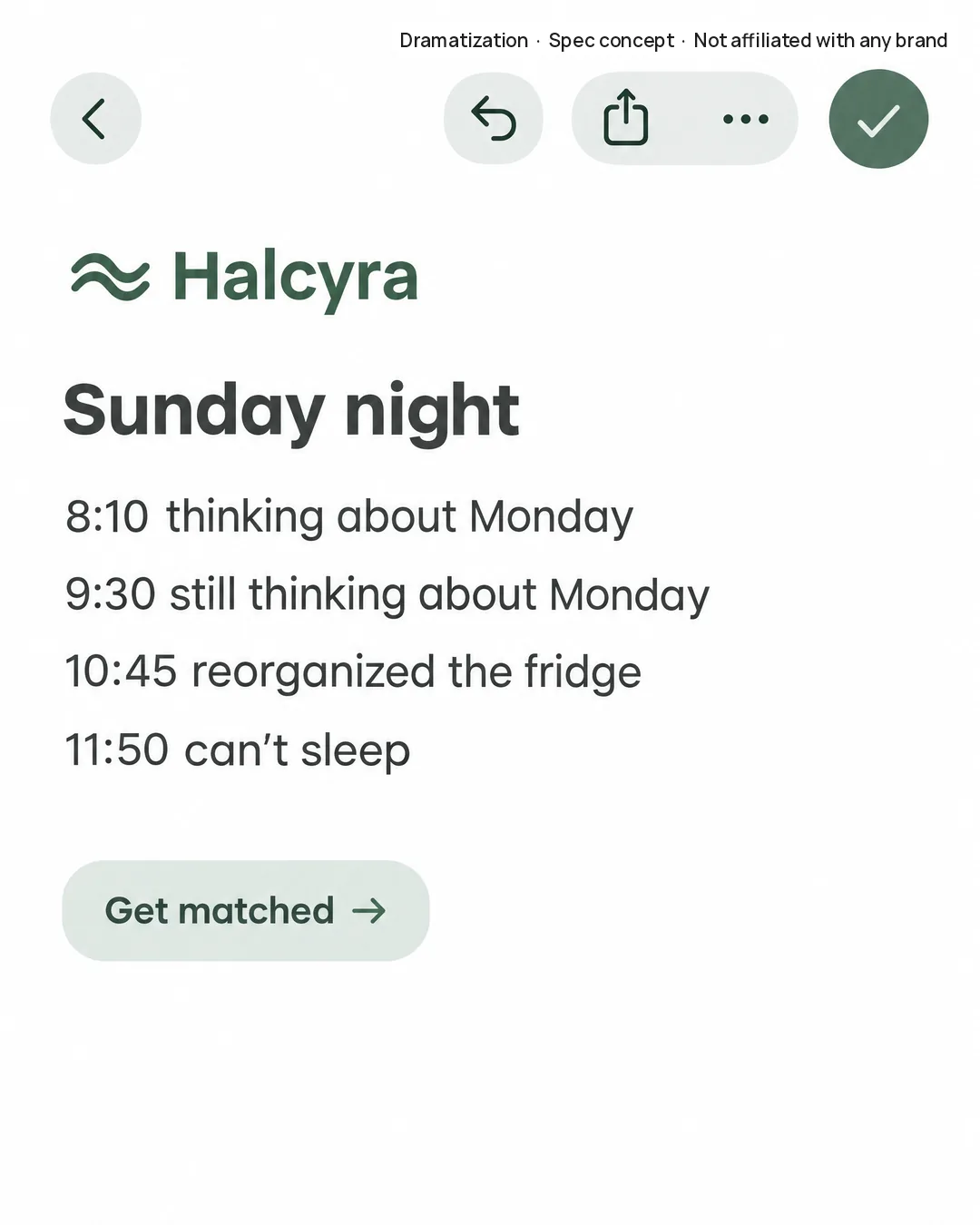
Problem aware
Mental health · Phone Notes timestamped log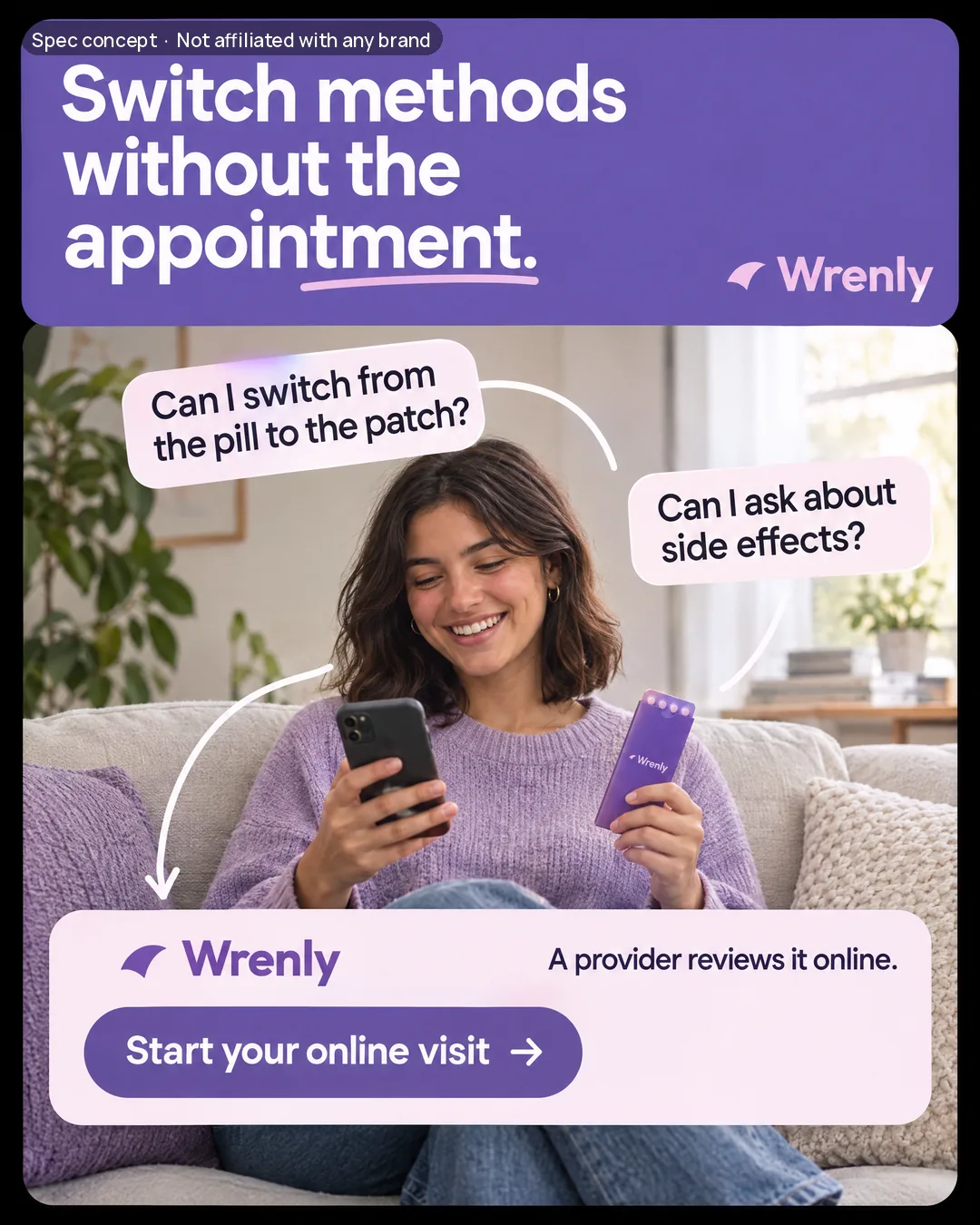
Solution aware
Birth control · Headline block + chat bubbles over photo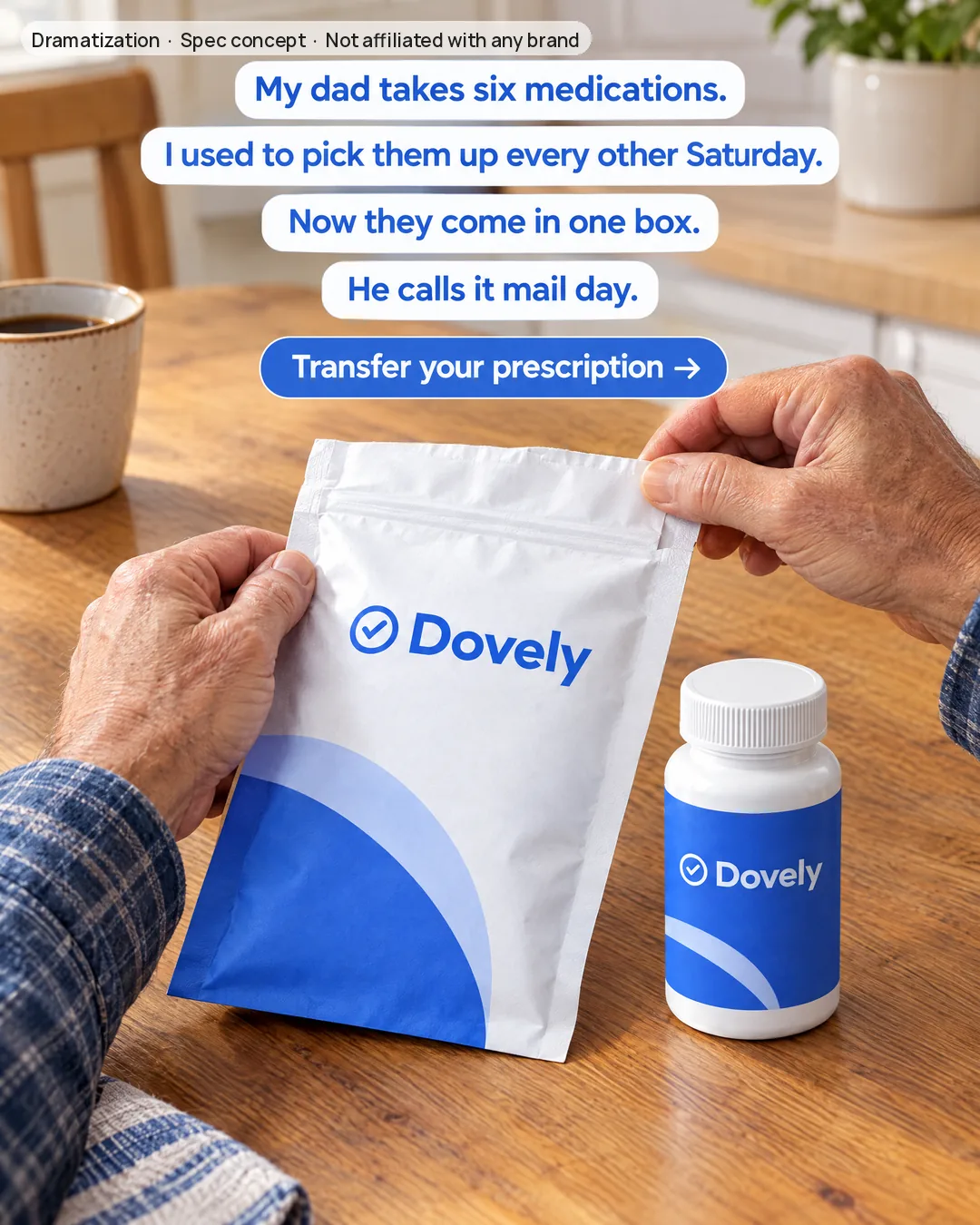
Product aware
Medication delivery · Photo with stacked story text boxes
Most aware
GLP-1 · Editorial 'We're open' with hours block
The brands in the statics are spec concepts made by Telehealth Media, not real companies. See the monthly packages.
UGC and the formats around it
UGC is one format among several. These posters are spec concepts made to show the formats.
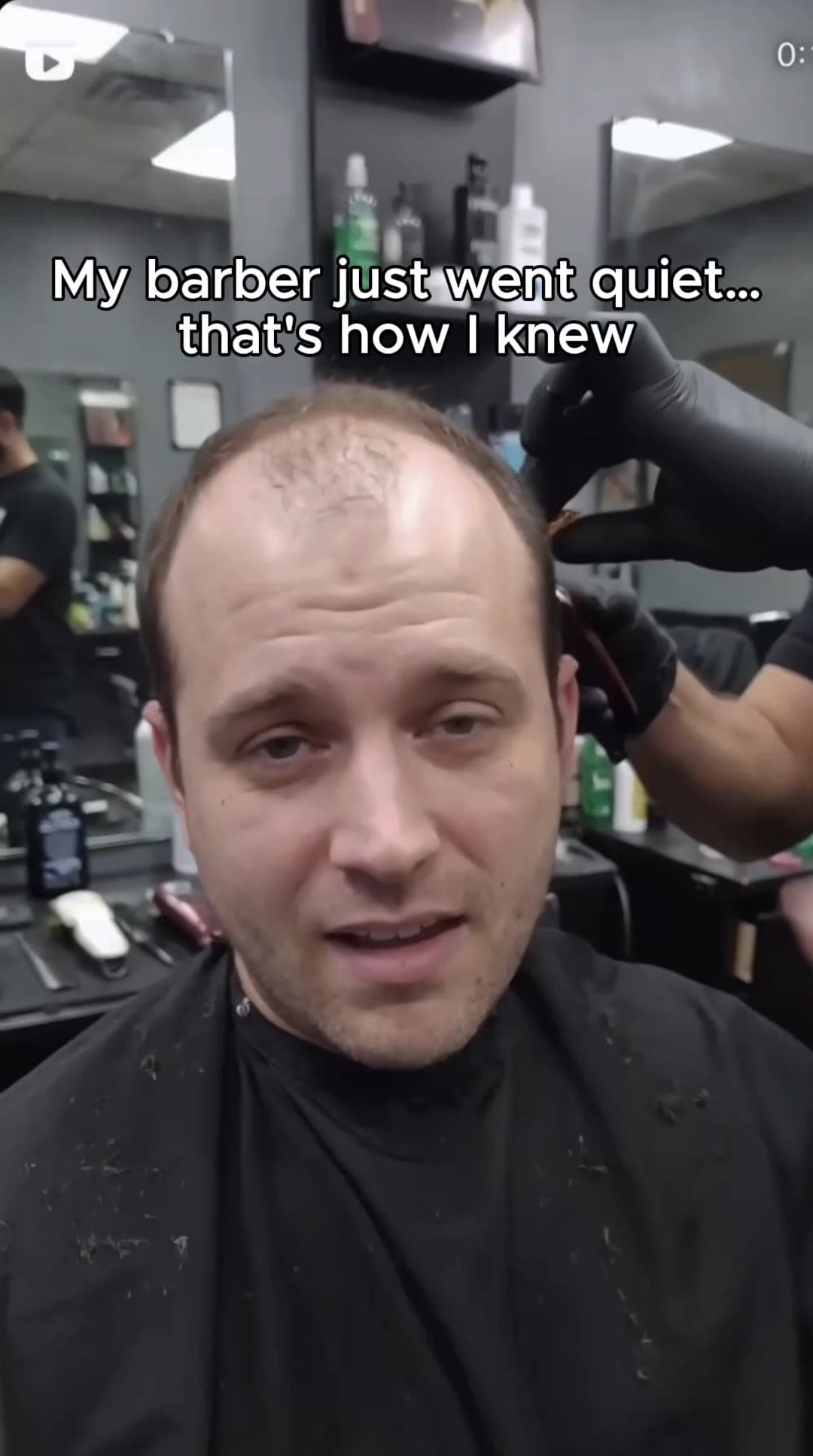
UGC scene 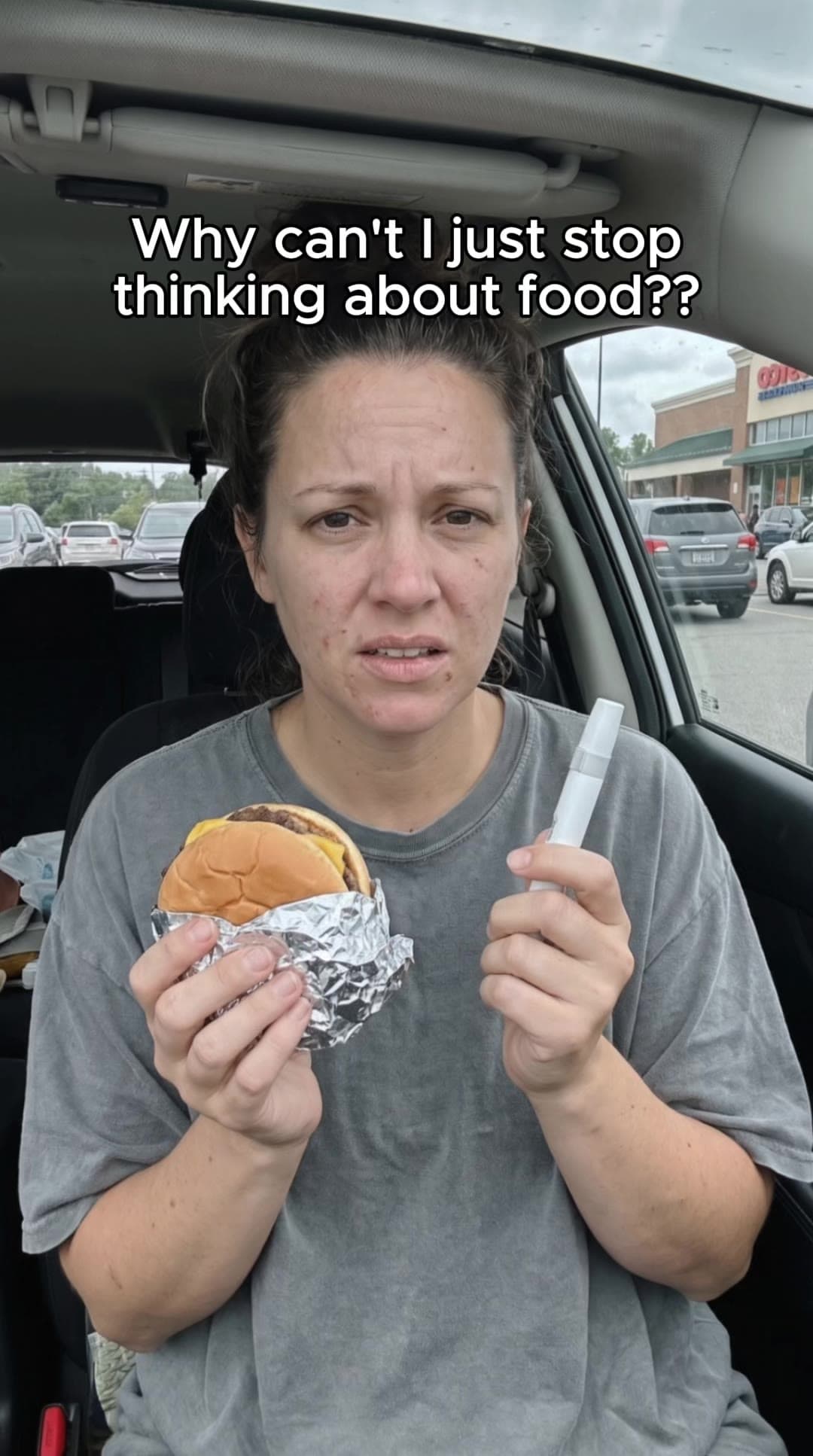
In-car POV 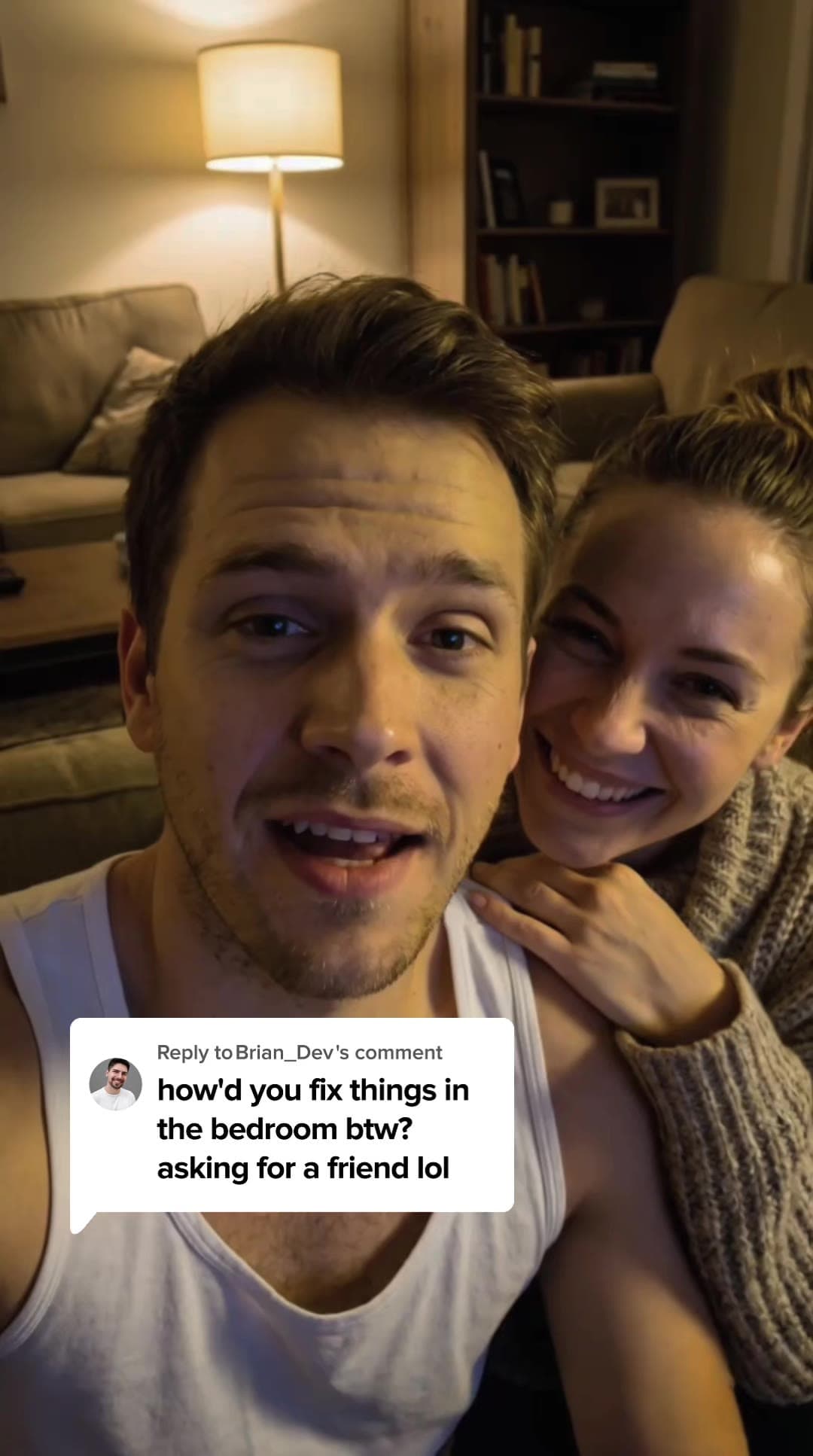
Testimonial 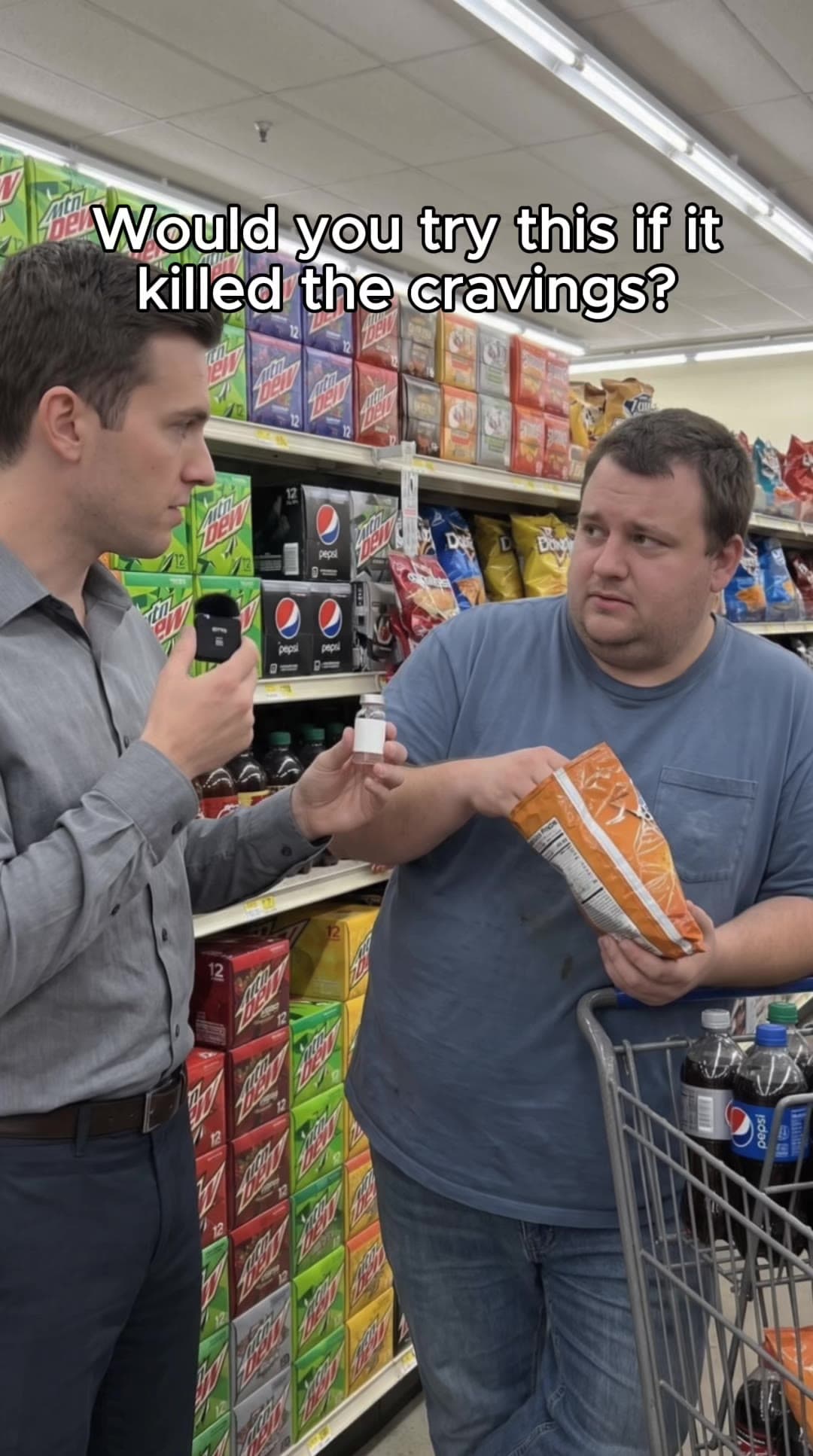
Street interview 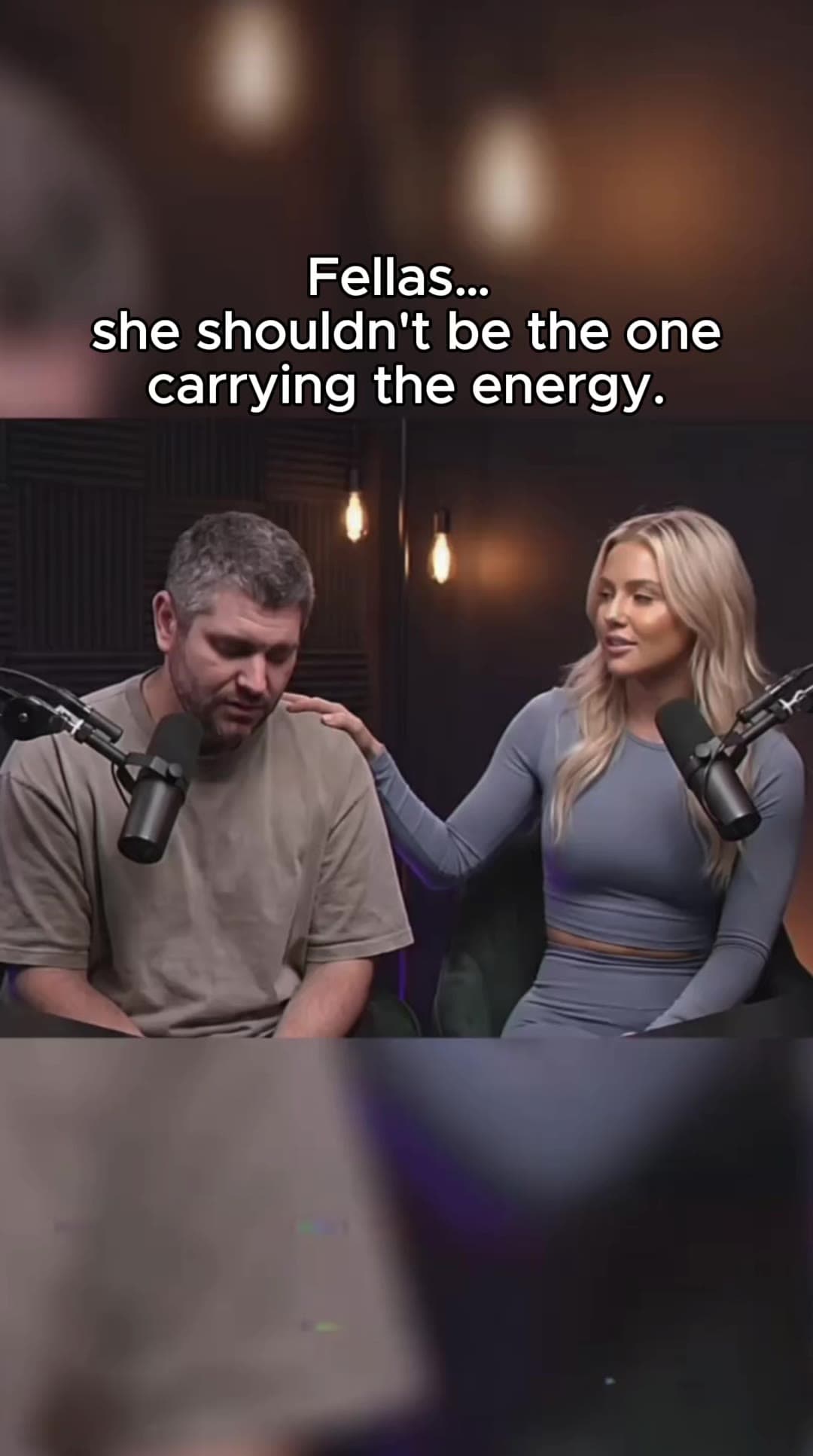
Podcast cut 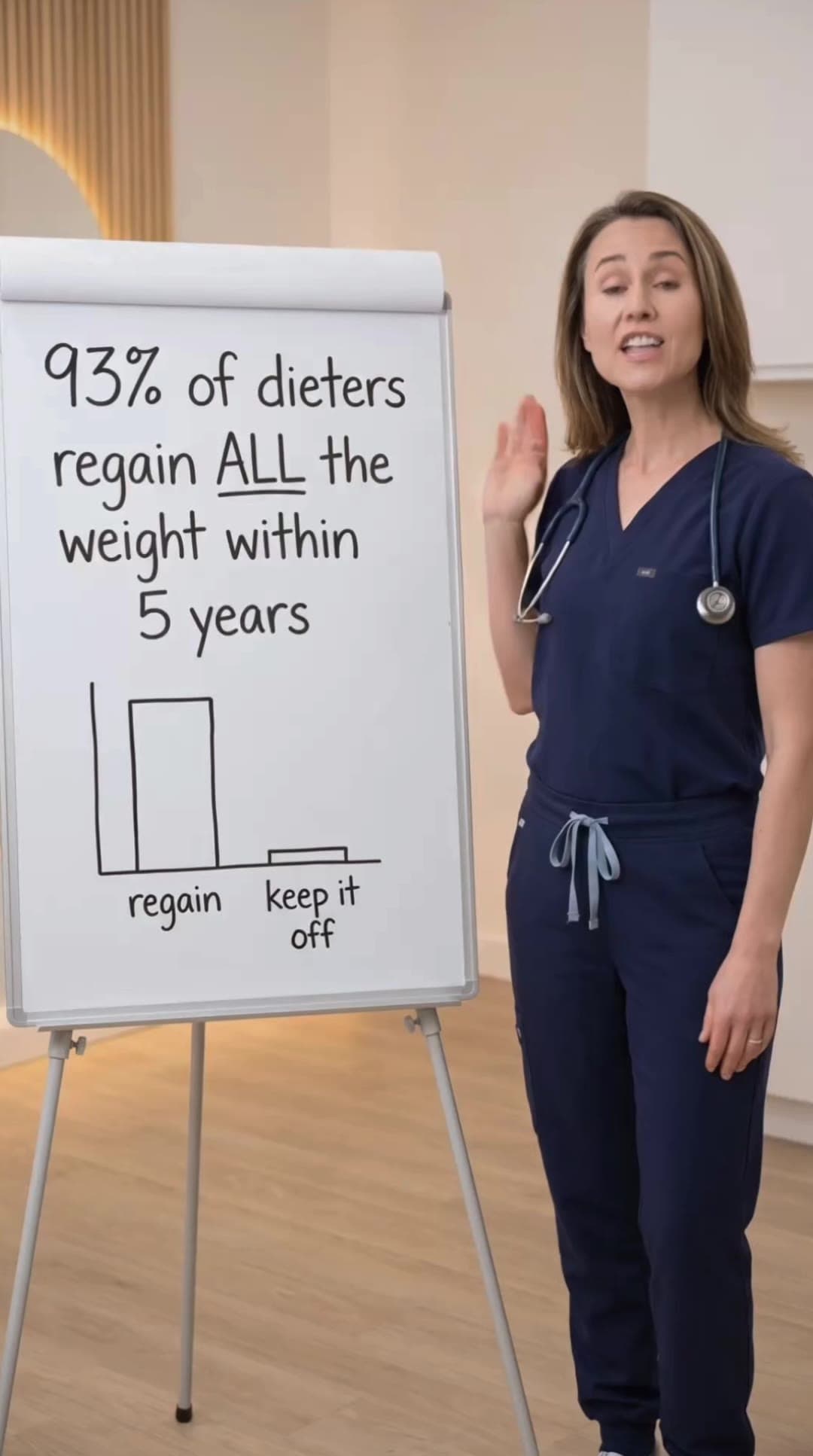
Whiteboard 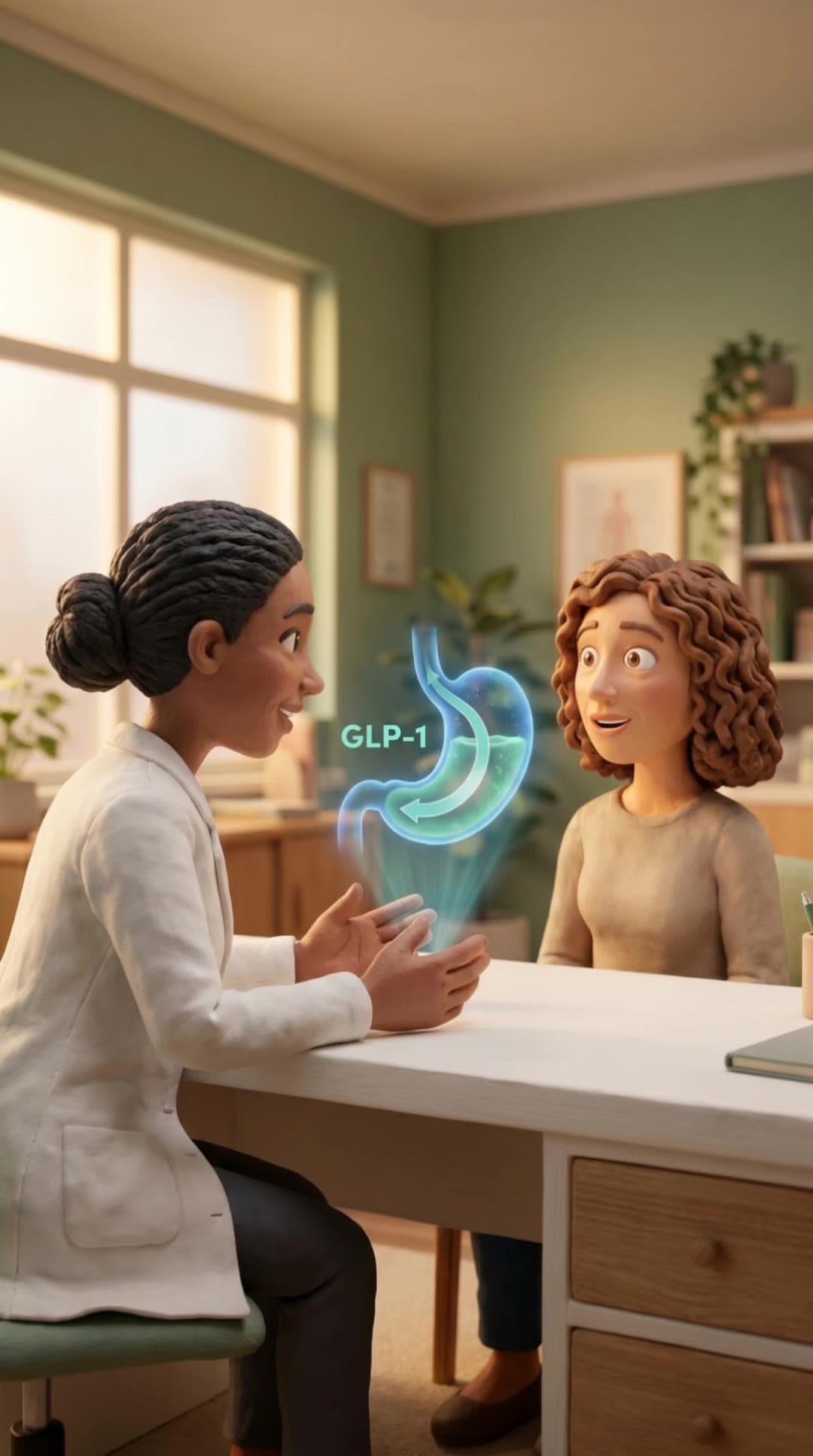
Claymation 
Split screen 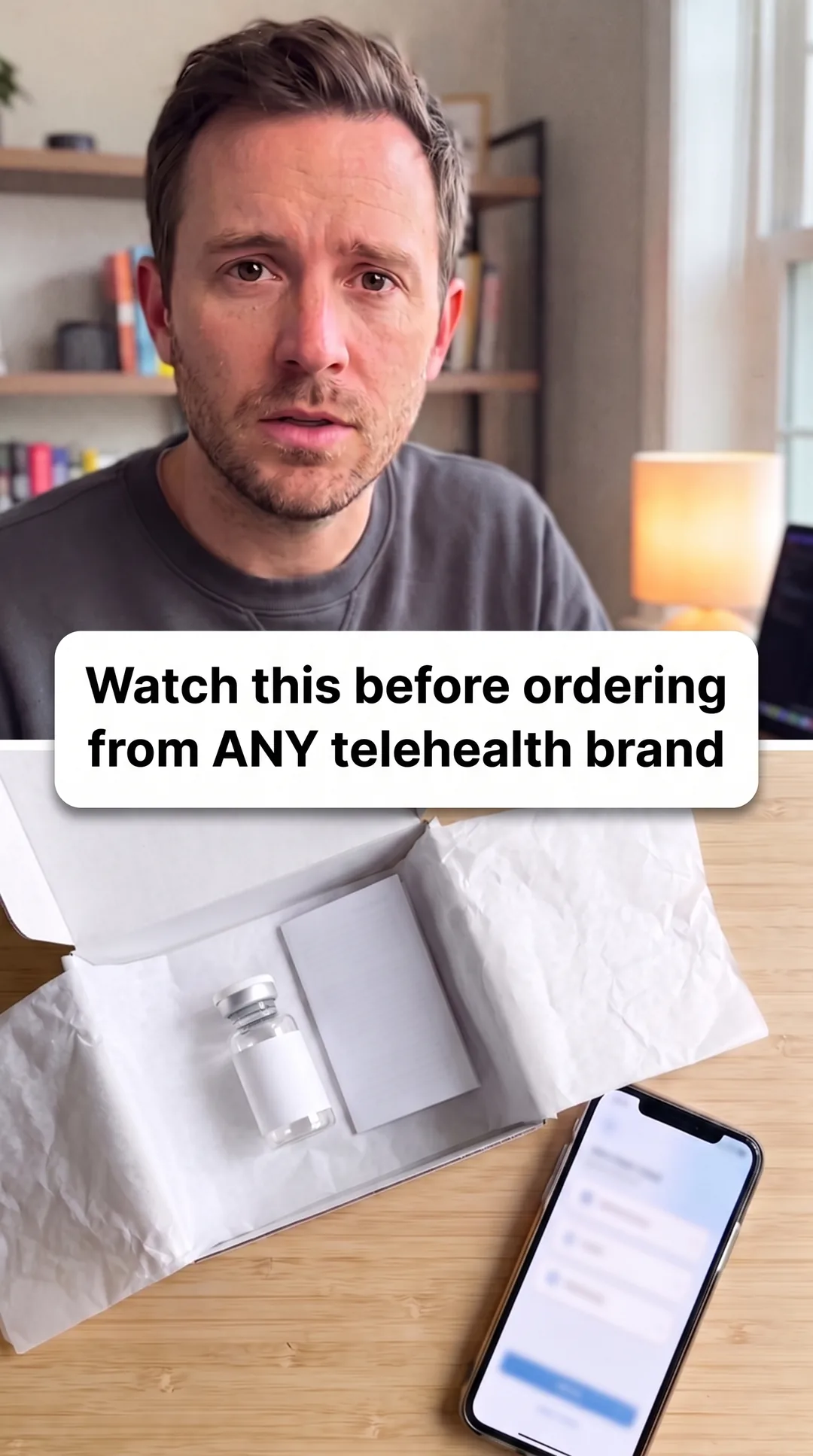
Founder voiceover 
Cinematic
Free tools for this
Further reading
Questions
Do you only make UGC?
No. UGC is one of 5 video formats in each batch, alongside 5 statics. Mixing formats on one angle shows you which format works, not just which creator.
Can you find creators for a specific patient, like women over 45 or men in their 30s?
Tell us on the call who the patient is. Each angle is written for a specific patient, and the people on camera are chosen to match that patient.
Do you handle compliance?
Every video is reviewed for compliance before delivery. Platform certification, such as LegitScript, and legal sign-off stay with your brand and your counsel. We make the creative to fit the rules you work under.
Our best ads stop working after a few weeks. Do batches fix that?
Batches are built for it. Ads usually fade because the audience has seen the same reason to buy too many times. Each batch is a new angle, so when an angle tires you replace it with a different reason to buy, not another cut of the same video.
Do you run our ads?
Only on Performance Partner, for proven brands spending $500K+ a month. On the batch packages, we make the creative and your media buyer or in-house team runs the account. We can introduce media buyers we trust.
This is general information about platform policies, not legal advice. Check the current policy before you run ads. Policies checked on 29 October 2026.