How to Find UGC Creators for Telehealth Brands
Concepts shown are internal creative studies, not client campaigns.
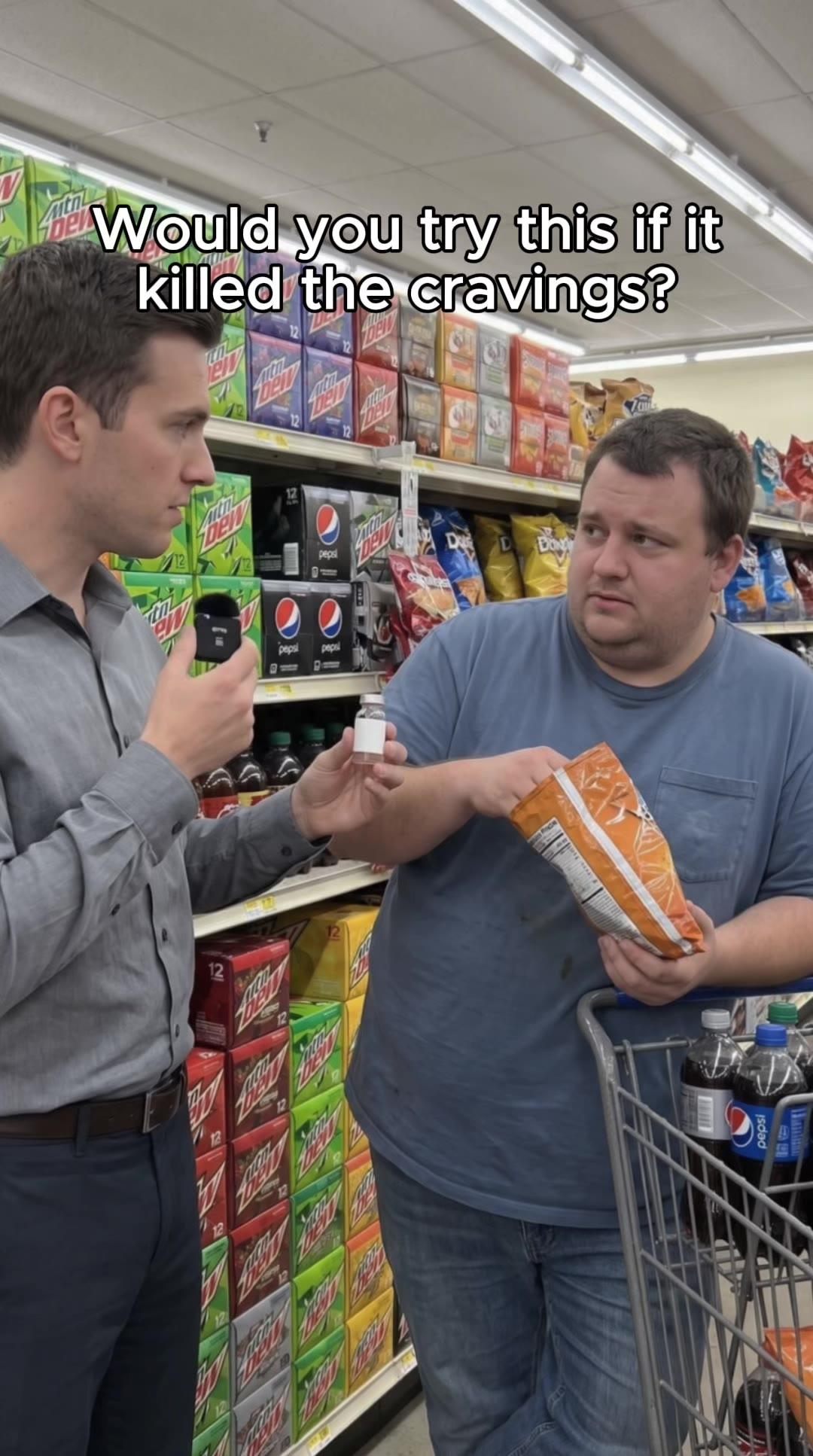
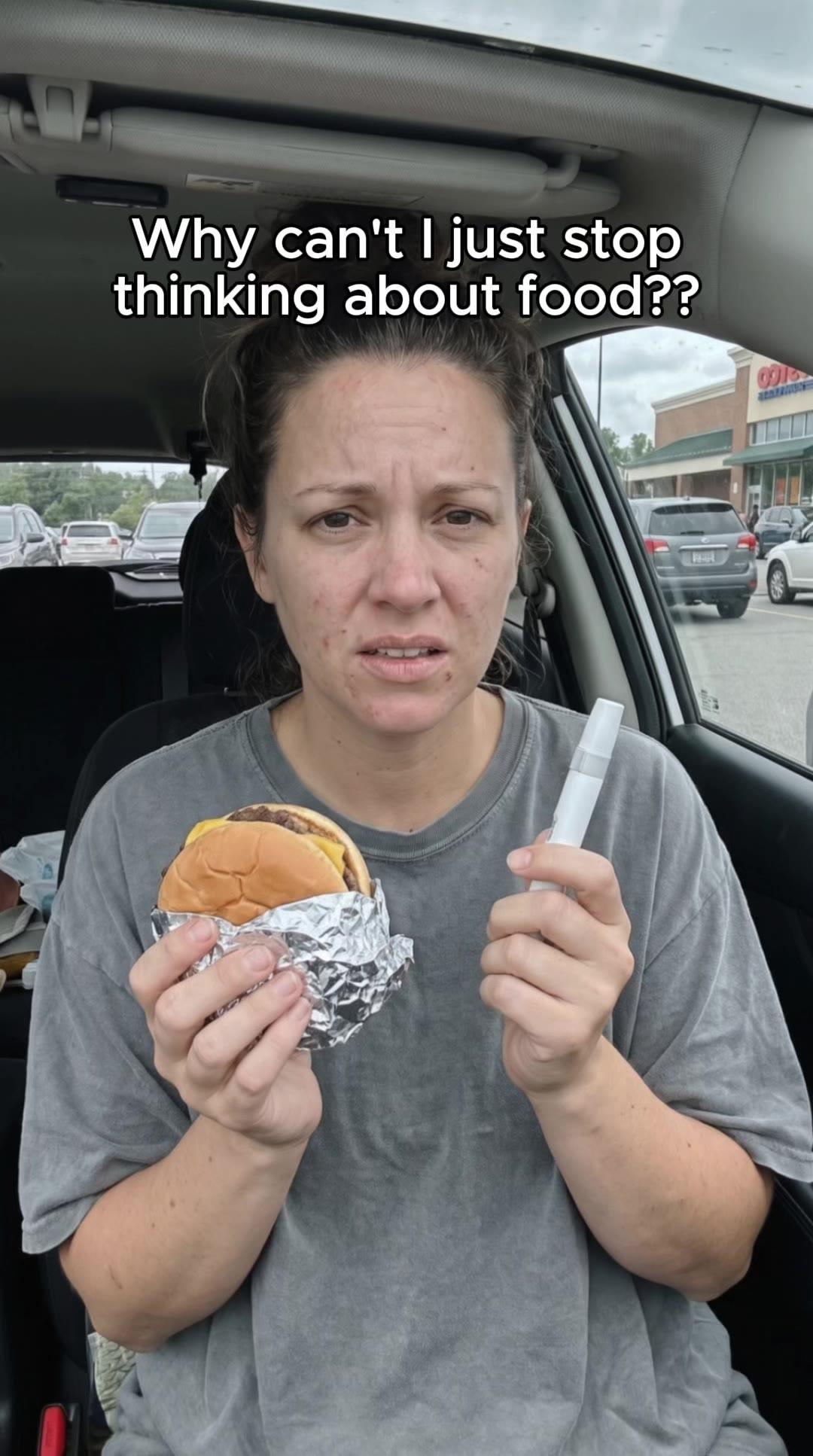
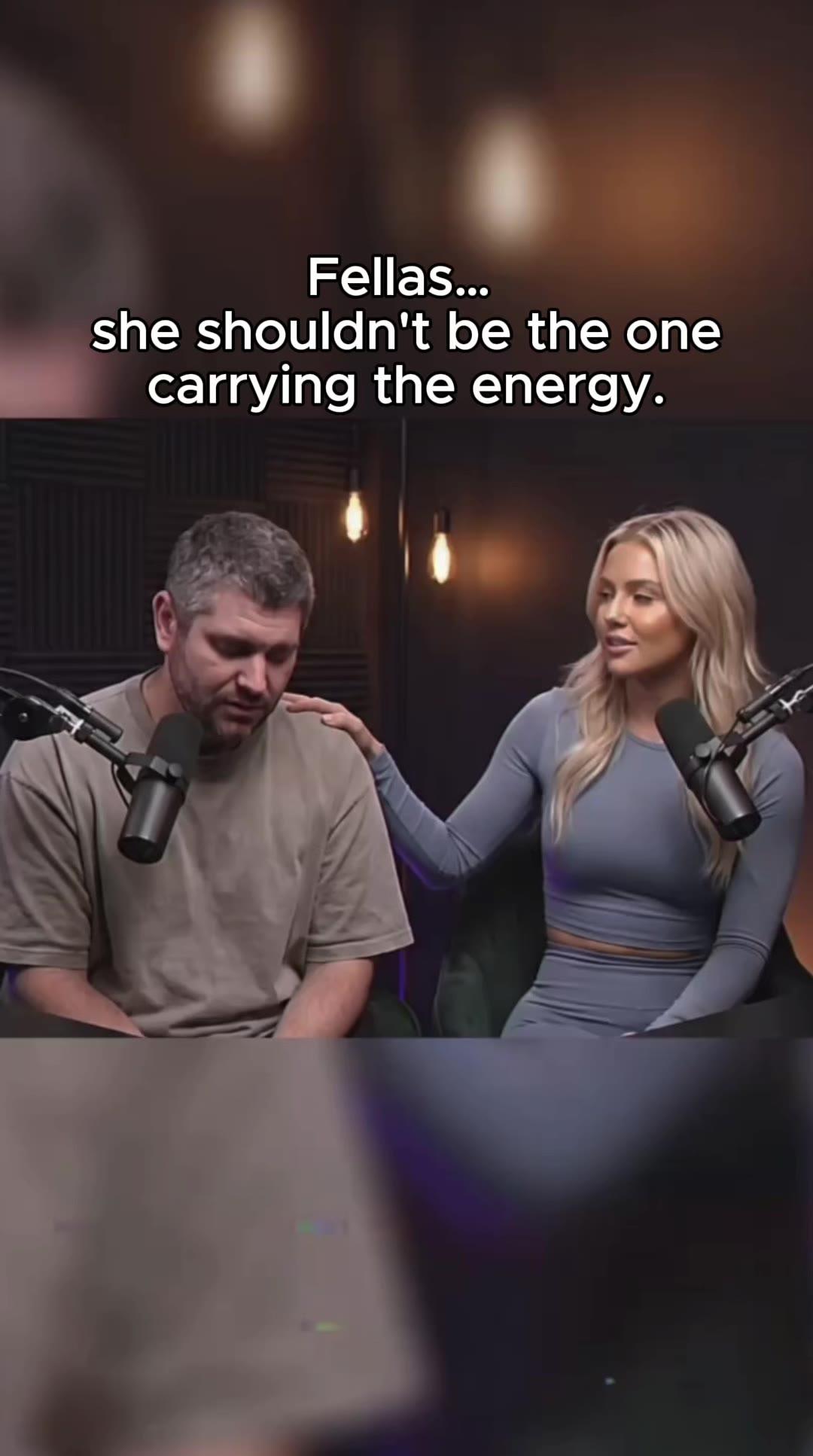
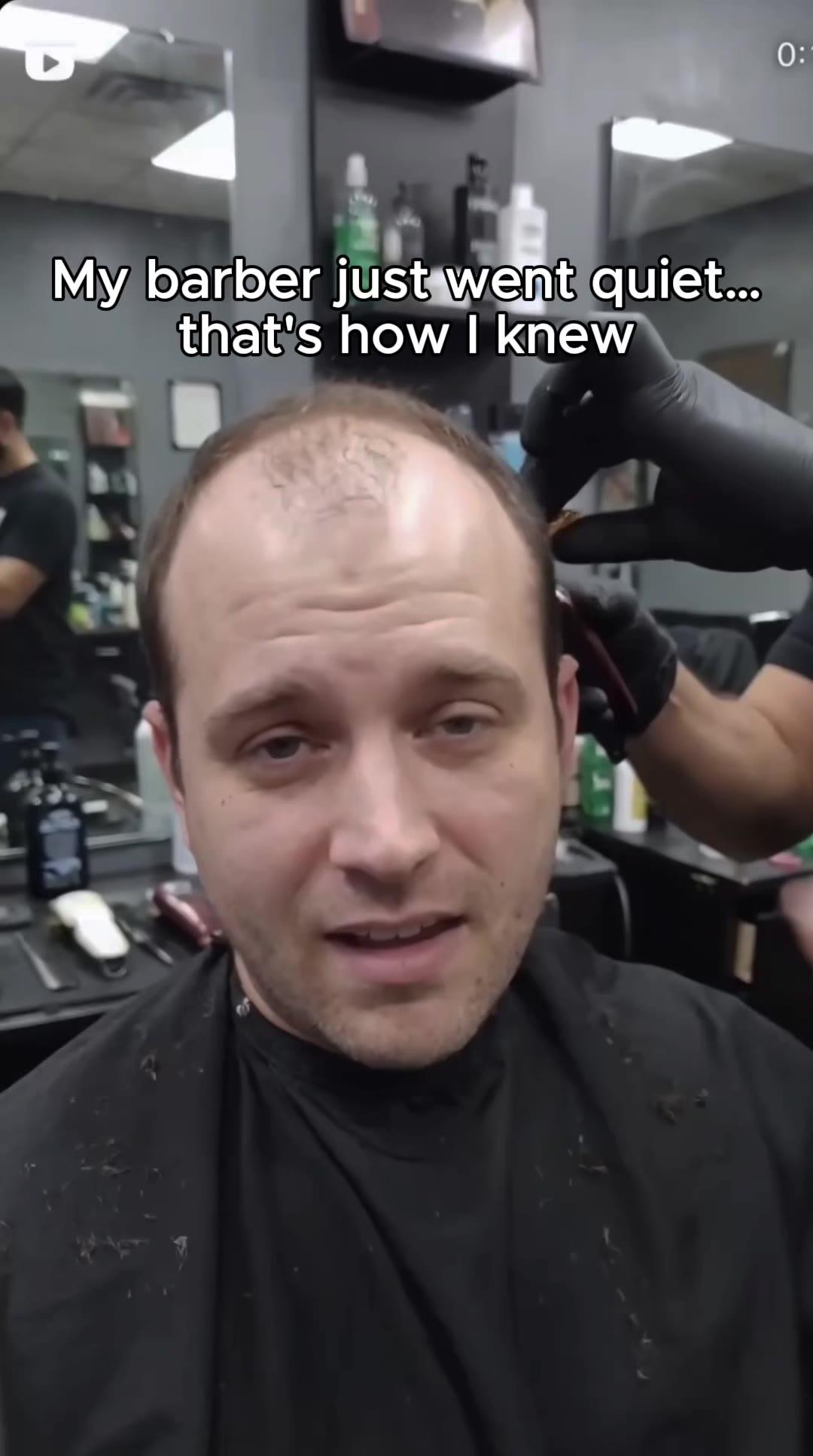

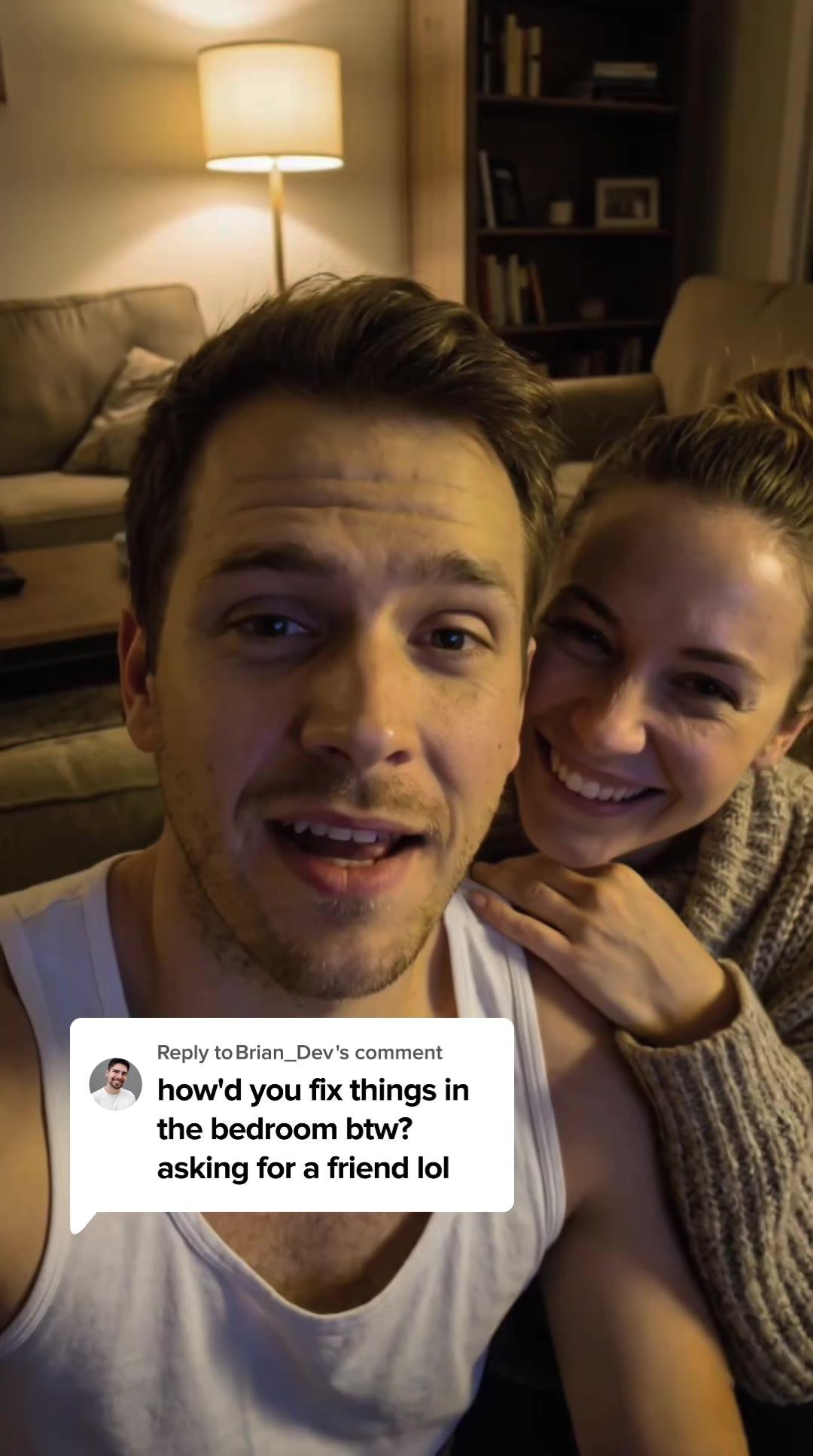

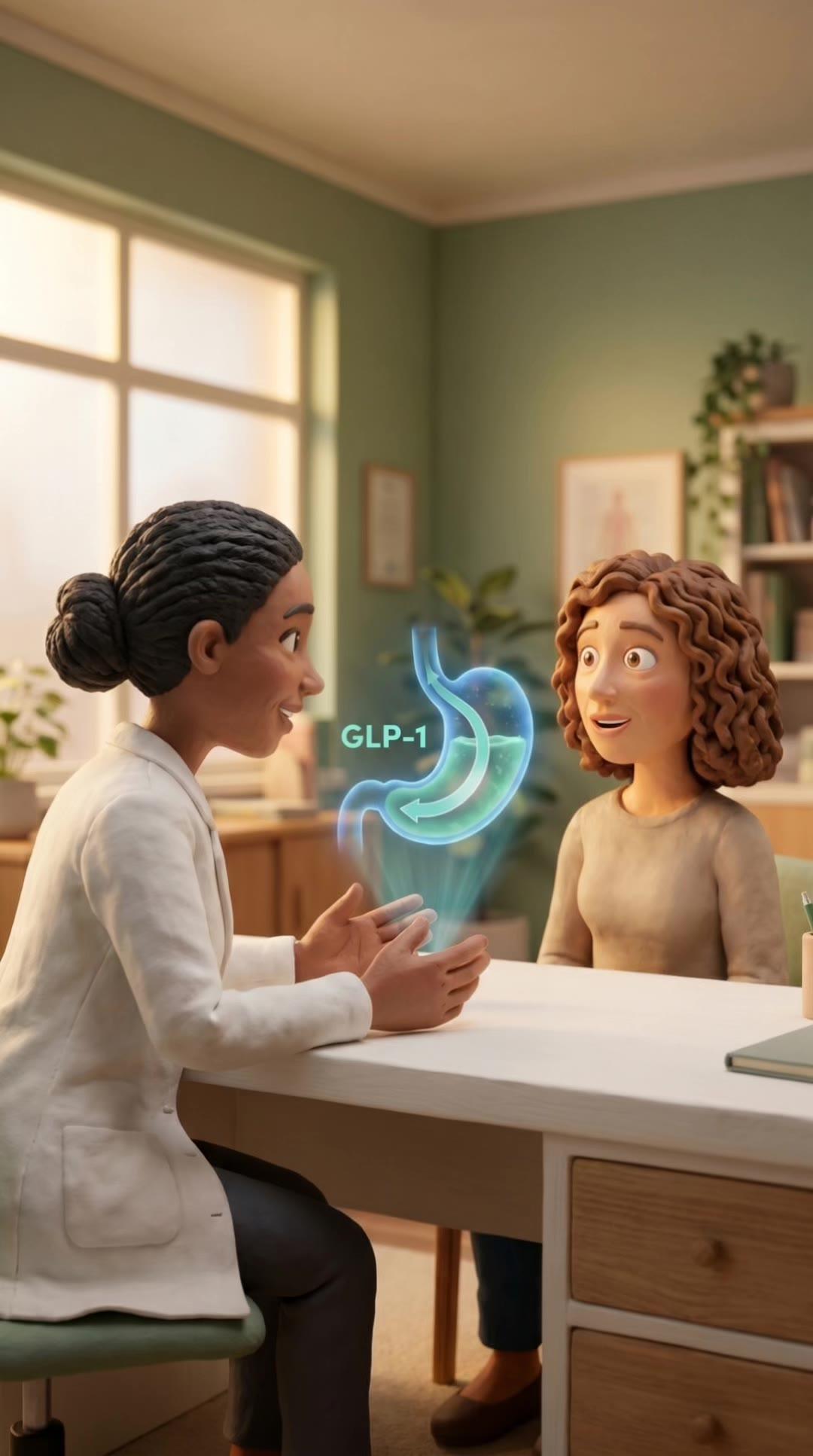
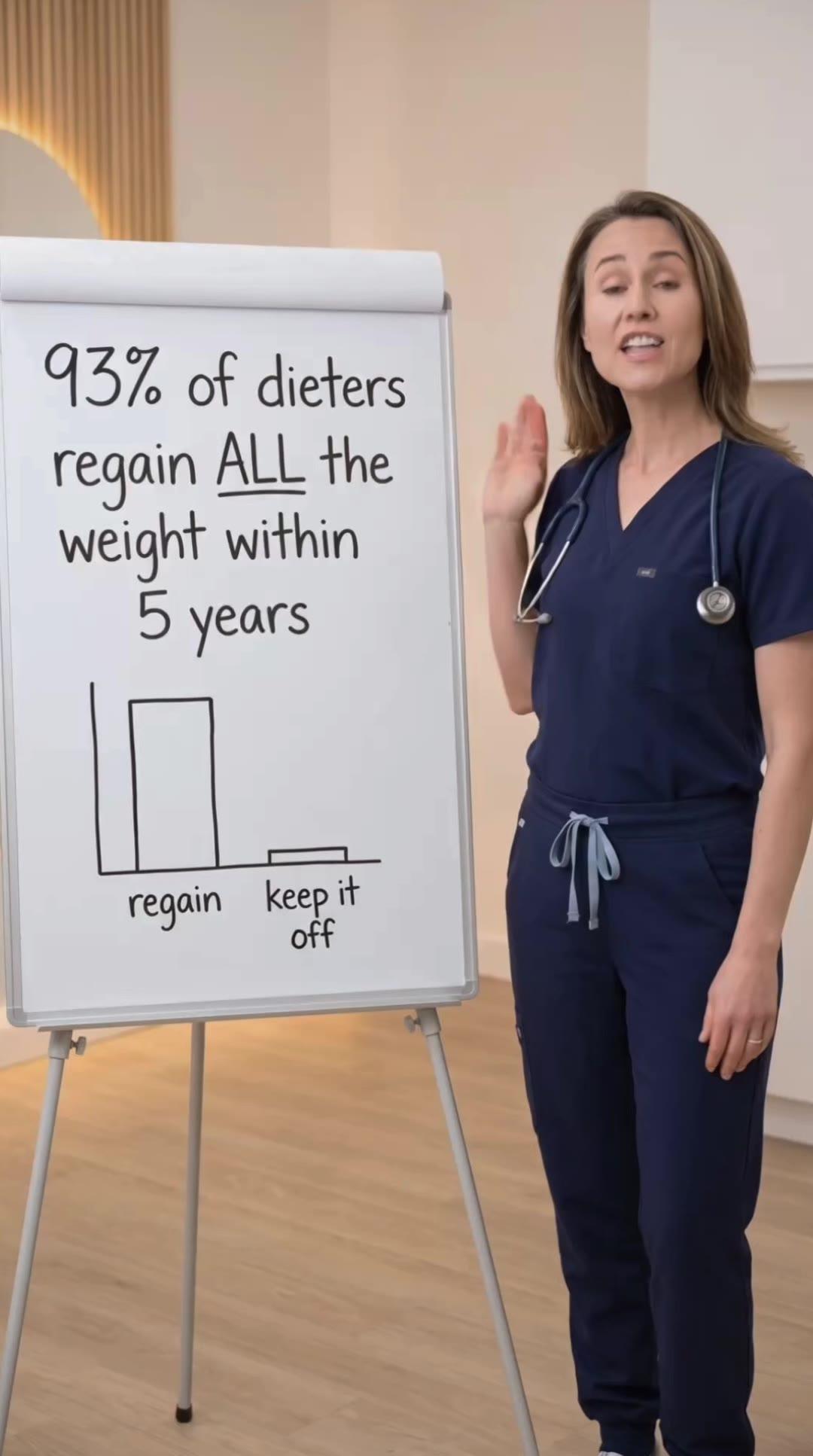
Finding UGC creators for telehealth brands is harder than sourcing for standard DTC. Most creators who post health content aren't willing to appear in paid ads for GLP-1 weight loss, TRT, ED treatment, or peptide therapy. They worry about their audience reaction, platform guidelines, or being associated with regulated medical categories. The ones who are willing often lack the polish or compliance awareness needed to produce usable content.
The best telehealth UGC comes from creators who understand the category, can follow a compliance brief without sounding robotic, and bring authentic energy to their delivery. This guide explains where to find them, how to vet candidates, and what to prioritize when building your creator roster.
Start With Platform-Specific Searches on TikTok and Instagram
The fastest way to find UGC creators is to search for content in your vertical on TikTok and Instagram. Look for creators who are already posting about weight loss, fitness, men's health, or health optimization. They're comfortable with the category and have proven they can create engaging content without crossing compliance lines.
On TikTok, search hashtags like #glp1journey, #semaglutideweightloss, #testosterone, #edtreatment, #peptidetherapy, and #menshealth. Filter by view count and engagement rate to find creators who have built an audience. Check their comment sections to see if they're responding to questions and building trust with their followers. Engagement matters more than follower count for UGC creators.
On Instagram, search the same hashtags and look for Reels with high save rates and shares. Creators who produce shareable content understand pacing, hooks, and storytelling. These skills translate directly to paid UGC ads. Also check Story highlights to see if they're actively posting about their health journey or recommending products. Consistent posting signals they're serious about the category.
Use UGC Creator Marketplaces With Health Filters
UGC marketplaces like Billo, Insense, and CreatorIQ allow you to search for creators by niche and filter by health and wellness experience. These platforms vet creators for basic quality standards and handle payments, contracts, and communication. They're faster than sourcing manually but often more expensive per creator.
When using marketplaces, filter by "health and wellness," "fitness," or "lifestyle" categories. Review each creator's portfolio to confirm they have experience with health-adjacent content. Look for authenticity over production quality. The best performing telehealth UGC feels unpolished and conversational, not overly edited or scripted.
Be aware that marketplace creators often produce generic UGC that lacks vertical-specific nuance. A creator who filmed a supplement ad might not understand the compliance requirements for telehealth. Always send a detailed brief and require a compliance checklist sign-off before filming. Don't assume marketplace creators know the rules.
We produce paid social creative exclusively for telehealth brands. From 18 to 200 assets per month.
Get in TouchRecruit From Your Customer Base
Your customers are the best source of authentic UGC. They're already using your service, understand the benefits, and can speak credibly about their experience. Recruit them through post-purchase emails, SMS campaigns, or member communities. Offer compensation for content creation and clearly explain what you're looking for.
When recruiting customers, prioritize those who have documented results. For GLP-1 brands, look for customers who have lost 20+ pounds and are willing to share before-and-after photos. For TRT brands, find men who report improved energy, mood, or performance. For ED treatment, focus on customers who mention relationship improvements or restored confidence. Results-driven stories perform better than generic testimonials.
Be transparent about how you'll use the content. Explain that their video will appear in paid ads on Meta, TikTok, and YouTube. Some customers will decline because they don't want to be publicly associated with ED treatment or weight loss. Respect their decision and move on to the next candidate. The creators who say yes are often your strongest performers because they're genuinely enthusiastic about the service.
Look for Credentialed Creators in Health Verticals
Credentialed creators like nurses, personal trainers, nutritionists, or health coaches add credibility to telehealth ads. They understand medical terminology, can explain processes clearly, and carry implicit authority. Audiences trust them more than general lifestyle creators, which improves ad performance and reduces skepticism.
Search LinkedIn for nurses, PAs, or health coaches who also have active TikTok or Instagram accounts. Many healthcare professionals are building side businesses in health education and are open to brand partnerships. Reach out via DM with a clear pitch: rate, deliverables, usage rights, and compliance expectations. Frame it as a collaboration, not a transactional gig.
Be cautious about compliance when working with credentialed creators. They can explain medical concepts more clearly, but they can't make diagnosis or treatment claims in ads. Your brief should specify that they're sharing educational information or personal perspective, not providing medical advice. Even credentialed creators need clear compliance guardrails.
UGC formats we produce for telehealth.
See the work →Build Long-Term Relationships With Top Performers
Once you find creators who produce high-performing content, lock them in with recurring contracts. Offer monthly retainers for 2-4 videos per month with guaranteed usage rights and whitelisting permissions. Recurring relationships improve quality because creators learn your brand voice, compliance requirements, and what performs best over time.
Top-performing creators are worth paying above market rate to retain. If a creator consistently delivers videos that drive conversions at or below your target CPA, increase their rate to prevent them from working with competitors. Exclusivity costs more but protects your investment in their audience and credibility.
Track performance by creator and share results with them. When a creator's video drives strong performance, send them the data and explain why it worked. This feedback loop helps them improve future content and reinforces that you value their work. Creators who see their impact are more motivated to deliver high-quality content consistently.
Vet Creators for Compliance Awareness Before Hiring
Before hiring a creator, check their past content for compliance red flags. Look for videos where they make medical claims, guarantee results, or use before-and-after imagery without disclaimers. If they've posted non-compliant content organically, they'll likely repeat those mistakes in paid ads. Skip creators with a history of exaggerated claims or misleading statements.
Ask creators directly if they've worked with telehealth, supplements, or regulated health brands before. If they have, request portfolio examples and ask how they approached compliance. Creators who understand FTC guidelines, platform policies, and telehealth advertising restrictions are easier to work with and produce usable content faster.
During the vetting process, send a sample brief and ask the creator to outline how they'd approach filming. Their response reveals whether they understand the constraints. If they pitch ideas that include medical claims or before-and-after transformations, they don't understand the category. Move on to someone who demonstrates compliance awareness upfront.
Prioritize Diversity in Age, Gender, and Body Type
Telehealth ads perform better when you test diverse creator profiles. Different audiences relate to different faces, body types, and demographics. A 45-year-old man speaking about TRT resonates differently than a 28-year-old fitness creator. A woman discussing GLP-1 for metabolic health connects with a different audience than someone focused on aesthetic weight loss.
For GLP-1 brands, recruit creators across the weight loss spectrum. Some audiences respond better to creators who lost 20 pounds, others to those who lost 50+. For TRT and ED brands, recruit men in their 30s, 40s, and 50s to test which age group drives stronger performance. For peptide brands, recruit both fitness-focused creators and those interested in longevity or cognitive performance.
Diversity also protects against creative fatigue. If you're running the same face in every ad variation, audiences tune out. Testing multiple creators keeps your content fresh and allows you to rotate winning faces across different campaigns. Build a roster of 10-15 creators and cycle through them based on performance data.
Test Micro-Creators Before Scaling to Larger Accounts
Micro-creators (5K-50K followers) are often better for telehealth UGC than influencers with 100K+ audiences. They charge less, are more willing to work with regulated brands, and produce content that feels more relatable. Larger influencers often have agents, longer negotiation cycles, and higher rates that don't justify the performance difference.
Start by testing 5-10 micro-creators per month and tracking which ones produce content that drives conversions. Scale budget toward the top 20% and phase out underperformers. This test-and-iterate approach builds a pipeline of proven creators without locking you into expensive contracts with unproven talent.
Micro-creators are also more responsive and easier to work with. They reply to DMs faster, agree to terms without extensive negotiation, and are open to feedback. At scale, responsiveness matters. If you need to produce 50+ UGC videos per month, working with micro-creators who deliver on time is more valuable than chasing high-profile influencers who ghost after payment.
Avoid Creators Who Promote Competing Brands
Before hiring a creator, check if they've posted content for competing telehealth brands. If they recently promoted another GLP-1 service, TRT clinic, or ED treatment brand, skip them. Audiences notice when creators endorse multiple competing products, which erodes trust and dilutes your brand message.
Even if the creator worked with a competitor six months ago, proceed cautiously. Their audience associates them with the other brand, and your ad might trigger negative sentiment or confusion. Unless the creator has a large enough following to segment audiences, avoid creators with recent competitor relationships.
Include non-compete clauses in your creator contracts to prevent them from working with competitors during and after your engagement. Standard terms are 12 months from the contract date. This protects your investment and ensures the creator's face remains associated with your brand, not your competitors.
Need help sourcing and managing UGC creators for your telehealth brand? Book a call or explore our creative services.
Related Articles
- UGC Ads for Telehealth: What Works and What Gets Rejected
- How to Brief UGC Creators for Telehealth Ad Compliance
- UGC Creator Rates for Telehealth Brands: What to Pay in 2026
- How to Build a UGC Creator Pipeline for a Telehealth Brand
- Credentialed Creator Strategy for Telehealth: Doctors and Nurses in Ads
- How to Source GLP-1 Creators Who Are Real Users
UGC systems built for telehealth.
A 30-minute call. We audit your creative approach and show you exactly what a complete angle-format-hook system looks like for your vertical.