How to Brief UGC Creators for Telehealth Ad Compliance
Concepts shown are internal creative studies, not client campaigns.
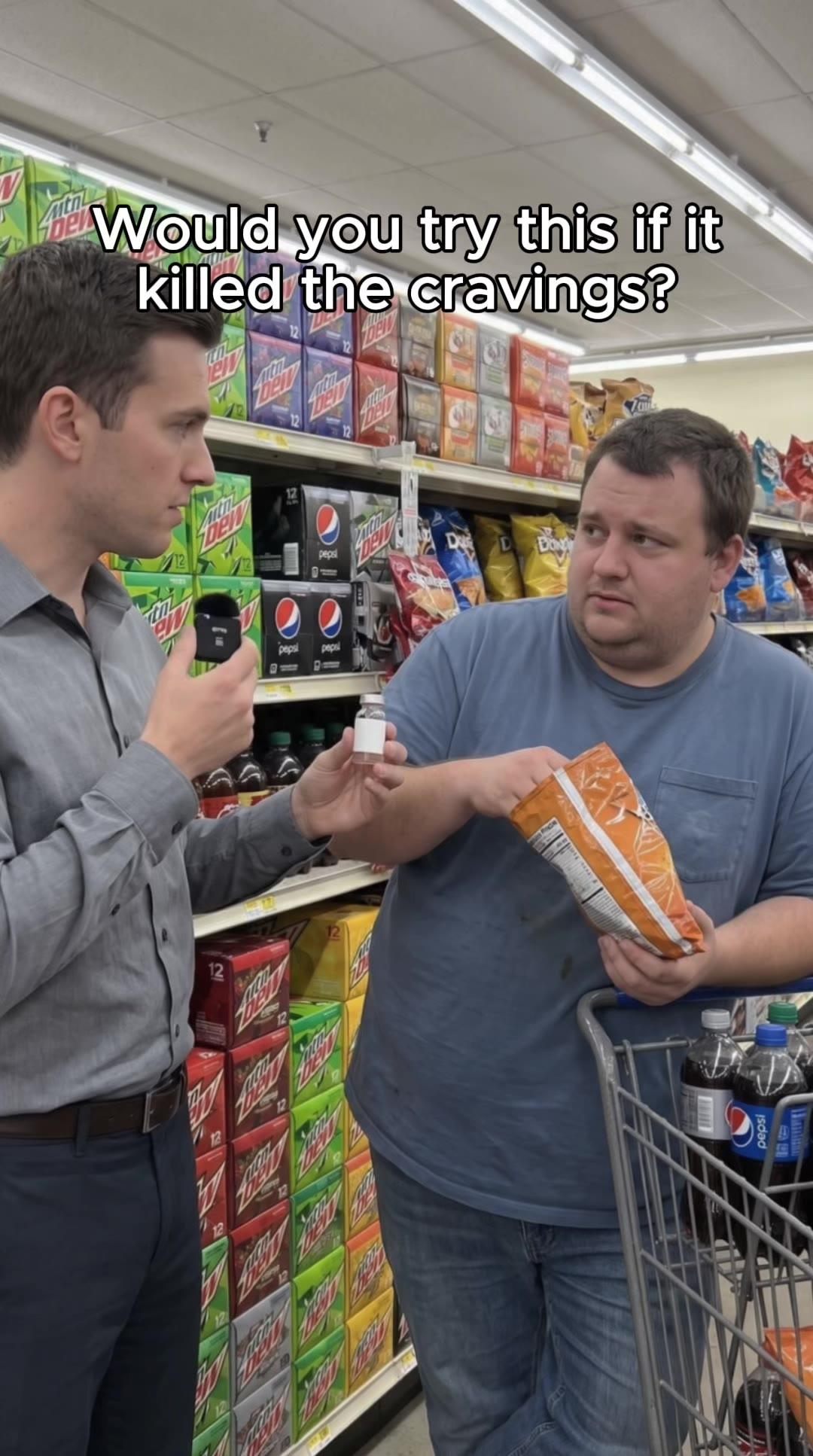
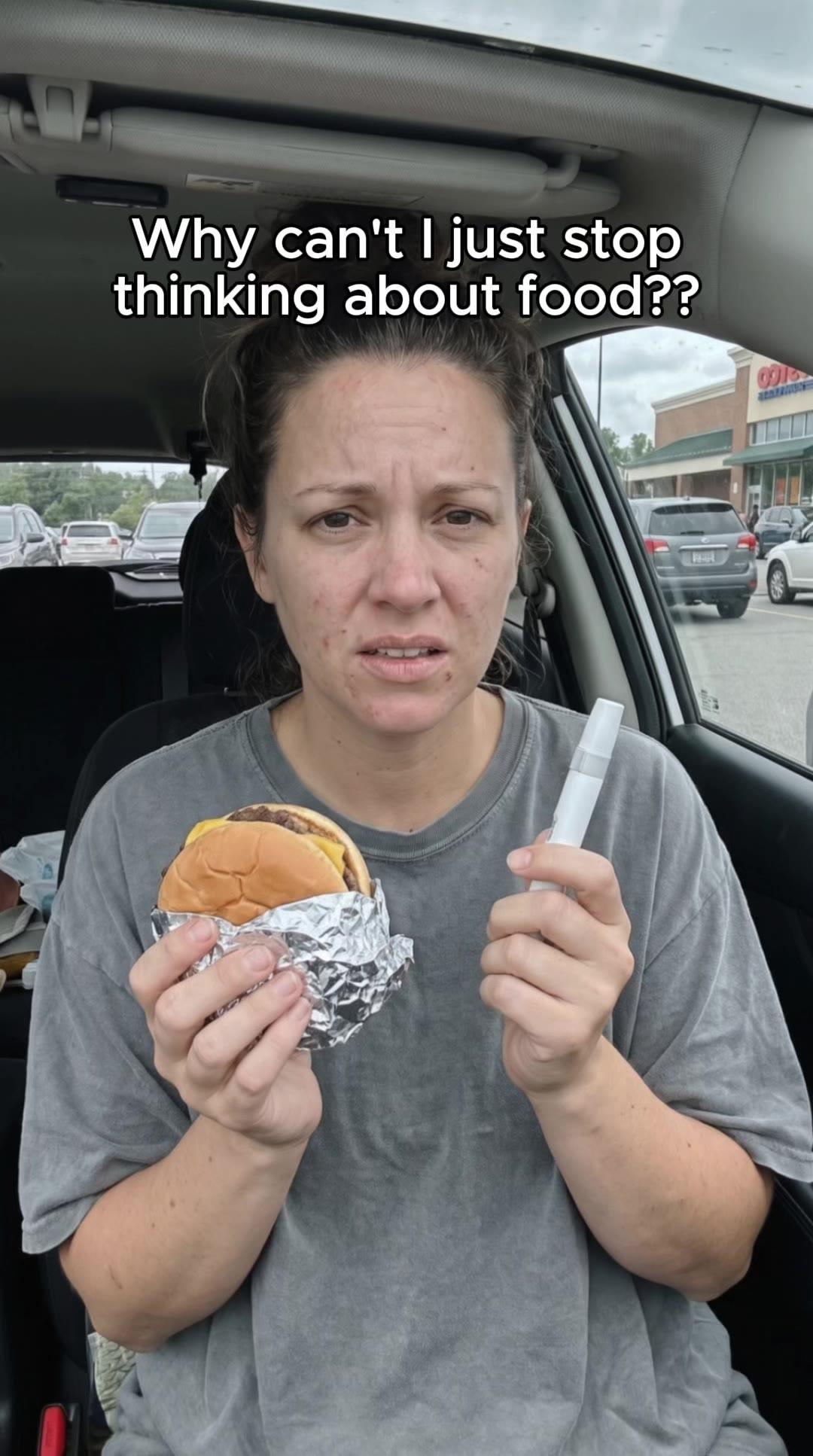
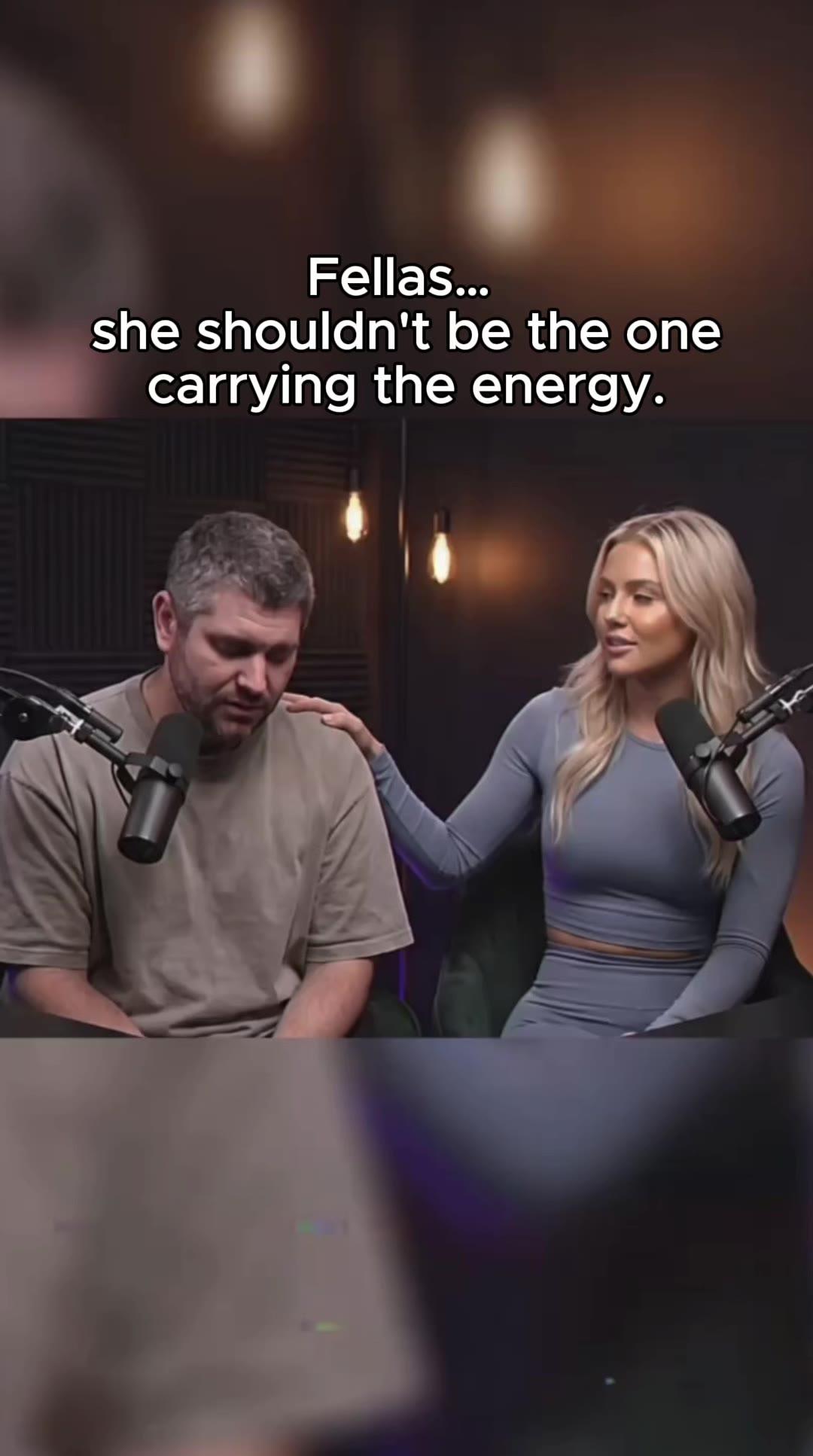
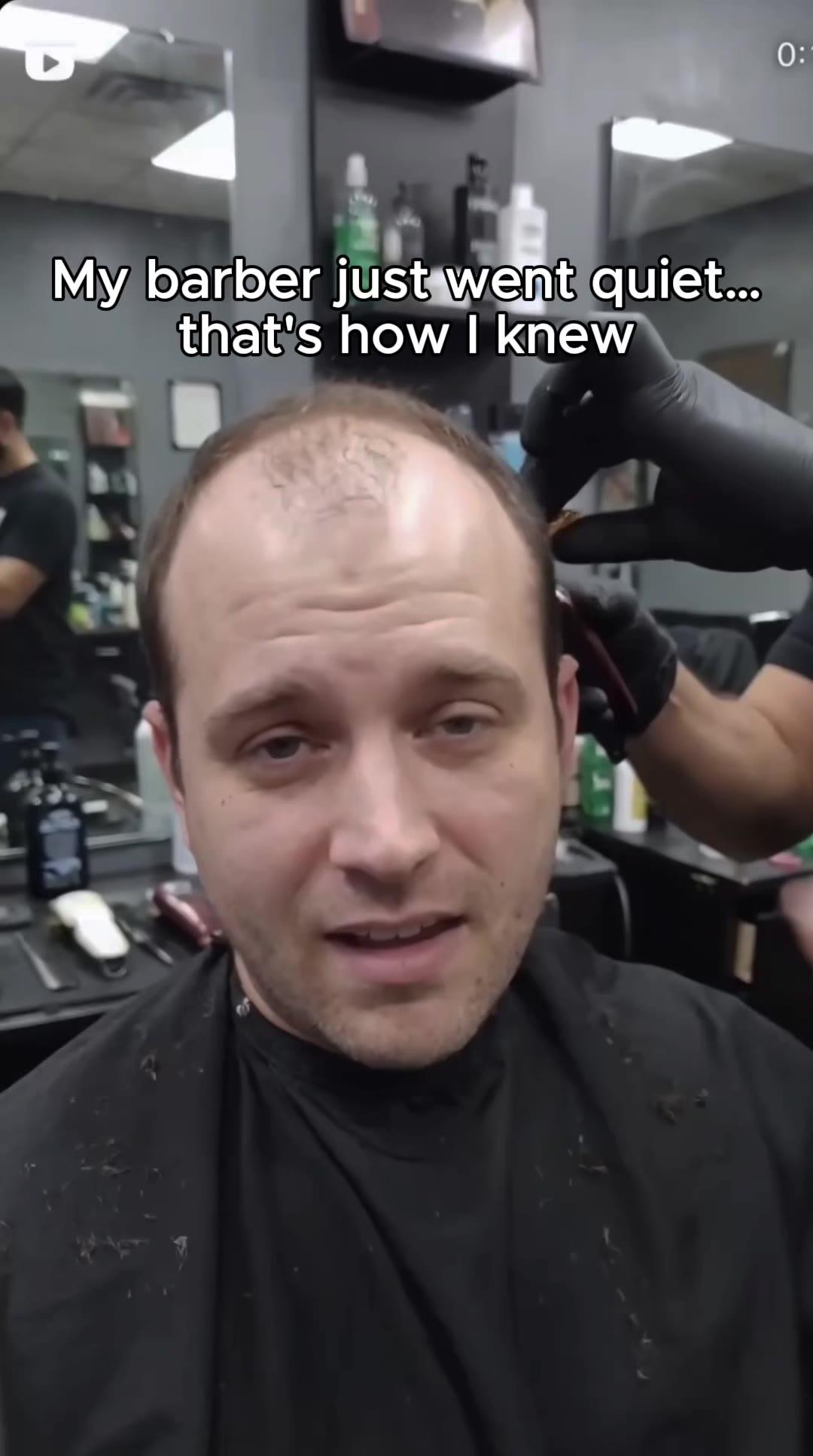

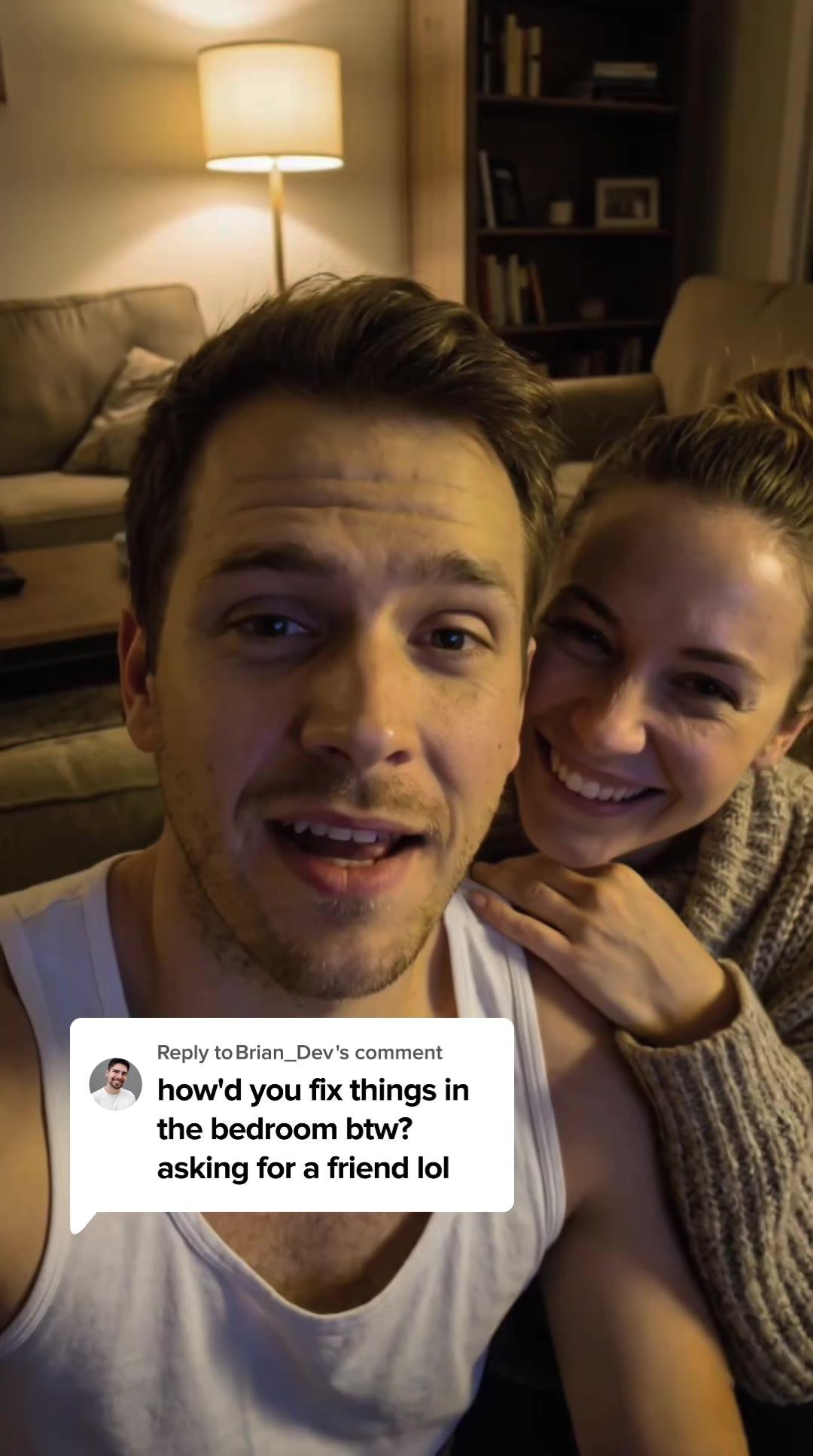

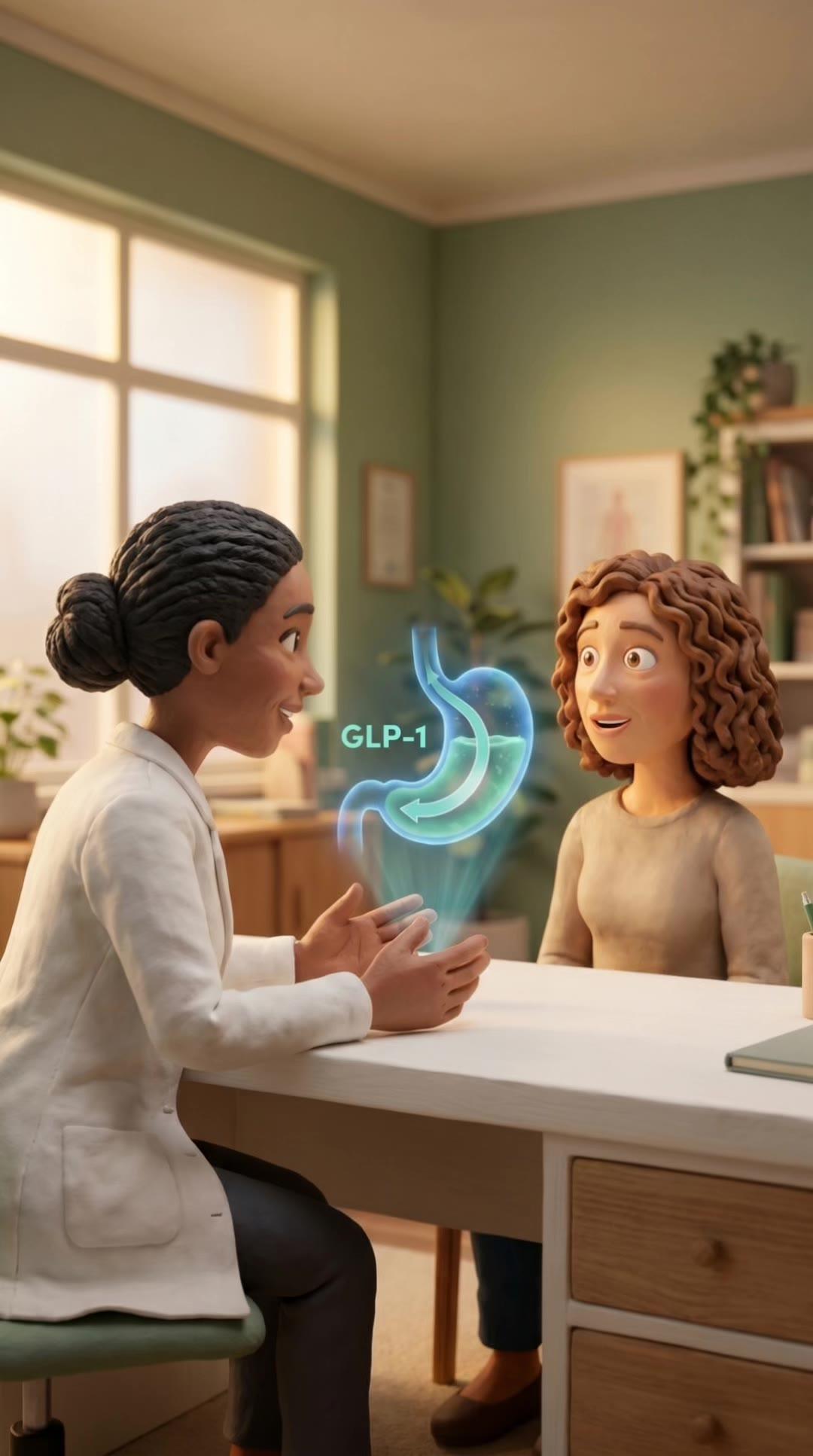
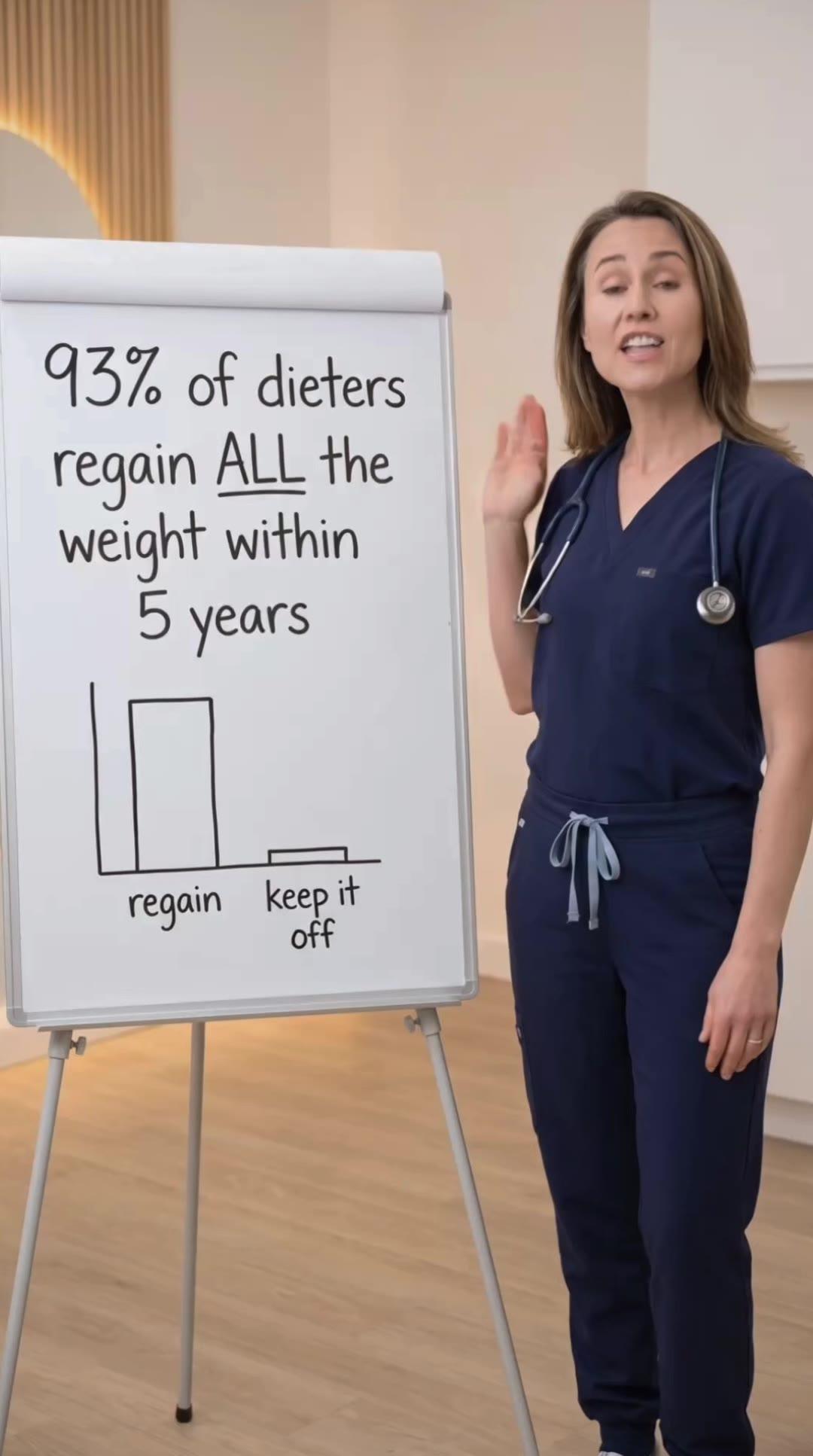
Most UGC creators don't understand telehealth ad compliance. They're used to filming supplement ads or skincare content where they can make bold claims without consequence. When they film for a GLP-1, TRT, ED, or peptide brand using the same approach, the content gets rejected by platforms or flagged by compliance review. The problem isn't the creator's skill. It's the brief.
A compliant UGC brief for telehealth needs to be specific about what creators can and cannot say, how to structure the video, and what visual elements to avoid. It should feel like a constraint that protects both the creator and the brand, not a creative straitjacket. This guide explains how to write briefs that produce usable, compliant content without sacrificing authenticity.
Start With a Clear Compliance Checklist
Your brief should begin with a compliance checklist that outlines what's prohibited. This checklist should be the first thing creators see, not buried in the middle of the document. Make it bold, clear, and non-negotiable. Creators need to know the boundaries before they start brainstorming ideas.
Include these items in every telehealth UGC brief: no medical claims, no before-and-after images, no guarantees of results, no diagnosis or treatment language, no exaggerated urgency, and no unapproved statistics. Also specify that creators cannot claim to be medical professionals unless they hold valid credentials and you've verified them.
For GLP-1 brands, add restrictions on weight loss claims and transformation imagery. For TRT and ED brands, emphasize that creators cannot suggest the treatment cures or fixes underlying medical conditions. For peptide brands, clarify that creators cannot make anti-aging, cognitive enhancement, or performance claims without clinical evidence. Vertical-specific restrictions prevent the most common compliance failures.
Provide Suggested Language and Framing
Don't just tell creators what they can't say. Give them examples of compliant language they can use. This reduces the guesswork and helps them understand how to frame their message without crossing lines. Suggested language also speeds up production because creators don't need to rewrite scripts multiple times.
For GLP-1 brands, suggest phrases like "I've been working with a telehealth provider" or "This was part of my weight management plan." Avoid "I lost 30 pounds in 60 days" or "This drug melted my fat." For TRT brands, use "I talked to my doctor about low testosterone" instead of "TRT fixed my energy." For ED treatment, say "I explored treatment options" rather than "This cured my ED."
Include a short script or talking points that creators can adapt to their voice. The script should be 80% compliant structure and 20% room for personalization. Creators who feel like they're reading a legal disclaimer won't deliver authentic content. Give them a framework, not a word-for-word script they have to memorize.
We produce paid social creative exclusively for telehealth brands. From 18 to 200 assets per month.
Get in TouchSpecify Visual Guidelines and Filming Environment
Your brief should include visual guidelines to prevent compliance issues during filming. Specify where creators should film (home, gym, outdoors), what they should wear (casual, neutral colors, no branded clothing), and what props or backgrounds to avoid (medical equipment, prescription bottles, clinical settings).
For telehealth ads, natural lighting and casual environments perform better than staged or polished setups. Brief creators to film in their living room, kitchen, or car. These settings feel authentic and don't trigger platform flags for medical advertising. Avoid filming in bathrooms, bedrooms, or clinical-looking spaces that suggest medical procedures.
Also specify shot composition. Request vertical video (9:16) for TikTok and Reels, and horizontal (16:9) for YouTube. Ask creators to frame themselves from the chest up for talking-head shots, or full-body if they're demonstrating movement or lifestyle context. Clear framing guidelines reduce the need for reshoots and ensure the content fits platform specs.
Define the Hook and Structure Upfront
The hook determines whether viewers watch or scroll. Your brief should specify the hook structure and provide examples. For telehealth, effective hooks are curiosity-driven, relatable, or contrarian. Avoid clickbait or sensational hooks that overpromise results.
Examples of compliant hooks: "I finally talked to a doctor about my energy levels," "Here's what I wish I knew before starting weight management," or "This is how telehealth actually works." These hooks create curiosity without making medical claims. They invite viewers to keep watching without triggering skepticism or compliance flags.
After the hook, define the video structure. A simple three-part structure works for most telehealth UGC: problem (relatable struggle), solution (how the creator explored options), and outcome (what they learned or experienced). This structure keeps the video focused and prevents creators from rambling or adding non-compliant claims. Brief structure reduces editing time and improves content quality.
UGC formats we produce for telehealth.
See the work →Include Disclaimers and Legal Language
Your brief should specify what disclaimers need to be included in the video or caption. For telehealth, standard disclaimers include "Results may vary," "Consult a healthcare provider before starting treatment," and "This is not medical advice." These disclaimers protect your brand from FTC violations and platform rejections.
Clarify whether the disclaimer should be spoken by the creator, displayed as text overlay, or included in the caption. For paid ads, spoken disclaimers are more effective because viewers don't always read text overlays. For organic posts, caption disclaimers are sufficient. Match the disclaimer format to the distribution channel.
Also brief creators on FTC disclosure requirements. If they're being paid to create content, they must disclose the relationship. For paid ads that you run, the platform handles disclosure automatically. For organic posts by the creator, they need to include "#ad" or "#sponsored" in the caption. Make this requirement explicit in the brief to avoid FTC scrutiny.
Set Expectations for Delivery and Revisions
Your brief should include delivery timelines, file format requirements, and revision policies. Specify that creators must deliver raw, unedited footage in vertical and horizontal formats. This gives you flexibility to edit, add text overlays, or repurpose content across platforms without relying on the creator for revisions.
Standard delivery timelines for telehealth UGC are 5-7 business days from brief approval. If you need content faster, specify the rush timeline and adjust compensation accordingly. Creators who deliver on time are more valuable than those who ghost or miss deadlines, so prioritize responsiveness when building your roster.
Clarify your revision policy upfront. One round of revisions is standard. Additional revisions are billed at 50% of the original rate. This protects you from creators who deliver off-brief content and expect unlimited revisions. It also motivates creators to read the brief carefully before filming.
Test Multiple Hook and Angle Variations
Don't ask creators to film one video and call it done. Brief them to film 2-3 variations with different hooks or angles. Testing multiple variations upfront is faster and cheaper than hiring new creators for every test. It also gives you data on which angles perform best for each creator's voice.
For example, brief a creator to film one video with a curiosity hook ("I didn't expect this"), one with a problem-focused hook ("I was struggling with low energy"), and one with a contrarian hook ("Everyone told me not to try telehealth"). All three videos can use the same core message but test different entry points. This approach maximizes creative testing without increasing production cost.
Specify that variations should be filmed back-to-back in the same session. Creators who film multiple takes in one sitting deliver faster and maintain consistency in lighting, background, and energy. Sequential filming also reduces the risk that creators forget key compliance points between sessions.
Provide Examples of Winning Content
Include links to 2-3 examples of high-performing UGC ads in your vertical. These examples help creators understand the tone, pacing, and style you're looking for. Visual references are more effective than written descriptions because creators can see exactly what works.
When sharing examples, annotate what made each video successful. Did the hook stop the scroll? Was the pacing fast enough to retain attention? Did the creator use relatable language? These notes help creators understand what to replicate and what to avoid. Context turns examples into actionable guidance.
If you don't have examples from your own brand, share high-performing ads from competitors or adjacent categories. Just clarify that these are inspiration, not templates to copy verbatim. Creators who understand the performance benchmarks are more likely to deliver content that meets your standards.
Require Compliance Sign-Off Before Filming
Before creators start filming, require them to sign off on the compliance checklist. This creates accountability and ensures they've read the restrictions. A simple checkbox confirmation like "I have reviewed the compliance checklist and understand what is prohibited" is sufficient. This step prevents misunderstandings and reduces the likelihood of non-compliant content.
If a creator delivers content that violates the compliance checklist after signing off, they're responsible for refilming at no additional cost. This policy protects you from paying for unusable content and motivates creators to follow the brief. Accountability upfront saves time and budget on the back end.
For high-risk verticals like GLP-1, TRT, or ED treatment, consider requiring creators to submit a script outline before filming. This adds a review step but prevents costly reshoots. Script review is optional for experienced creators who have delivered compliant content before, but mandatory for first-time collaborations.
Need help writing compliant UGC briefs for your telehealth brand? Book a call or explore our creative services.
Related Articles
UGC systems built for telehealth.
A 30-minute call. We audit your creative approach and show you exactly what a complete angle-format-hook system looks like for your vertical.