UGC Scripting for Telehealth: How to Write Without Sounding Scripted
Concepts shown are internal creative studies, not client campaigns.
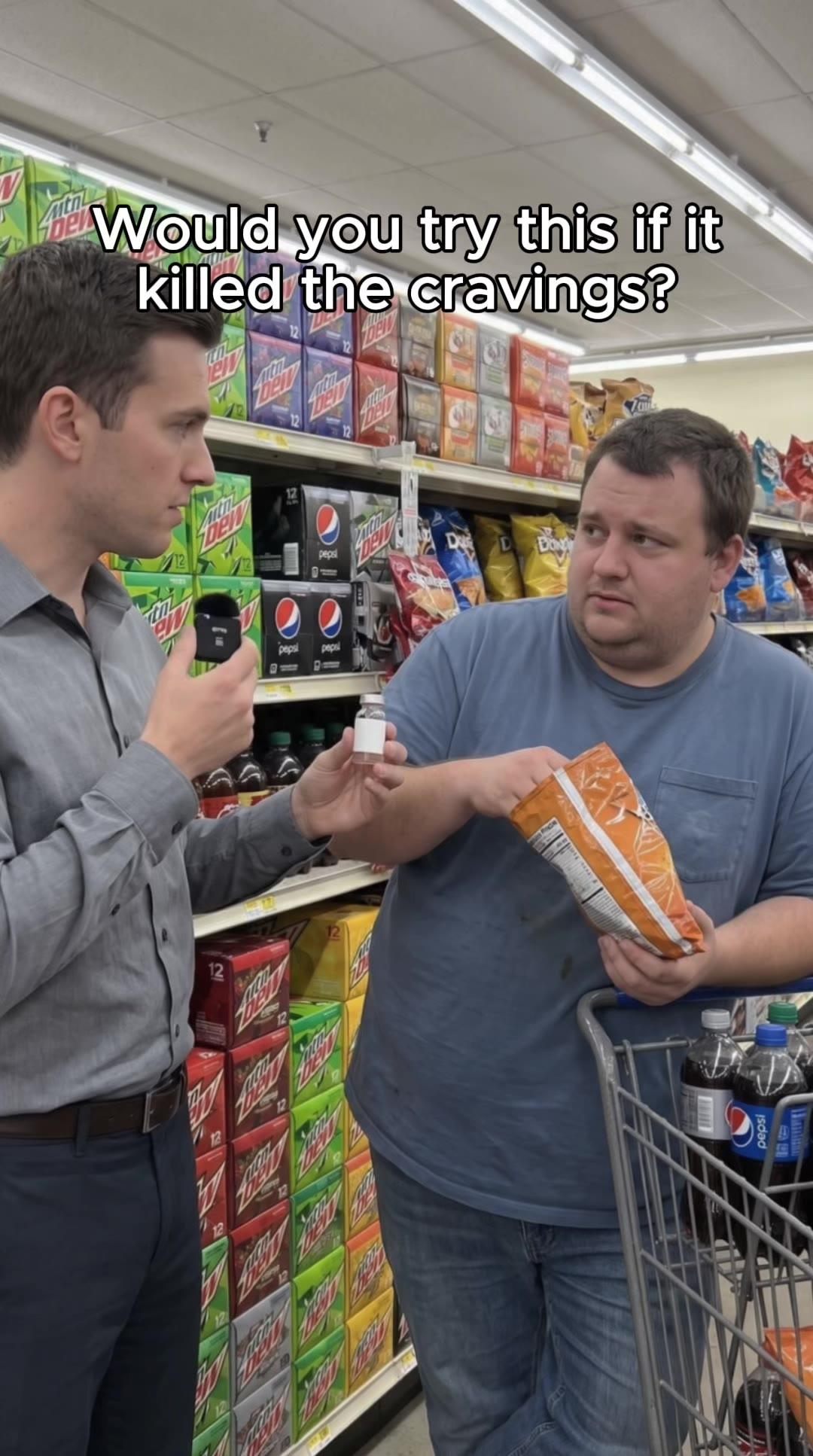
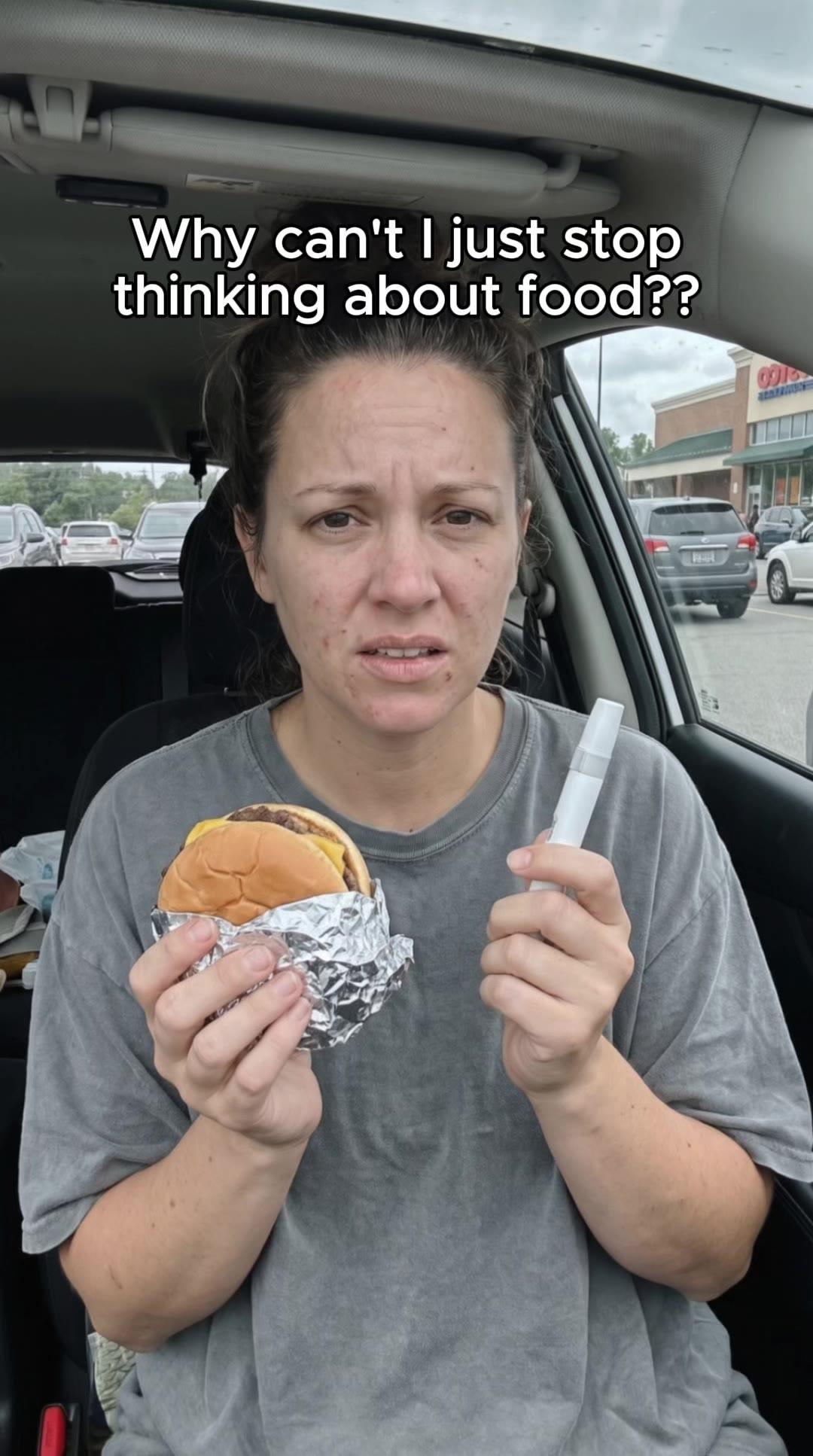
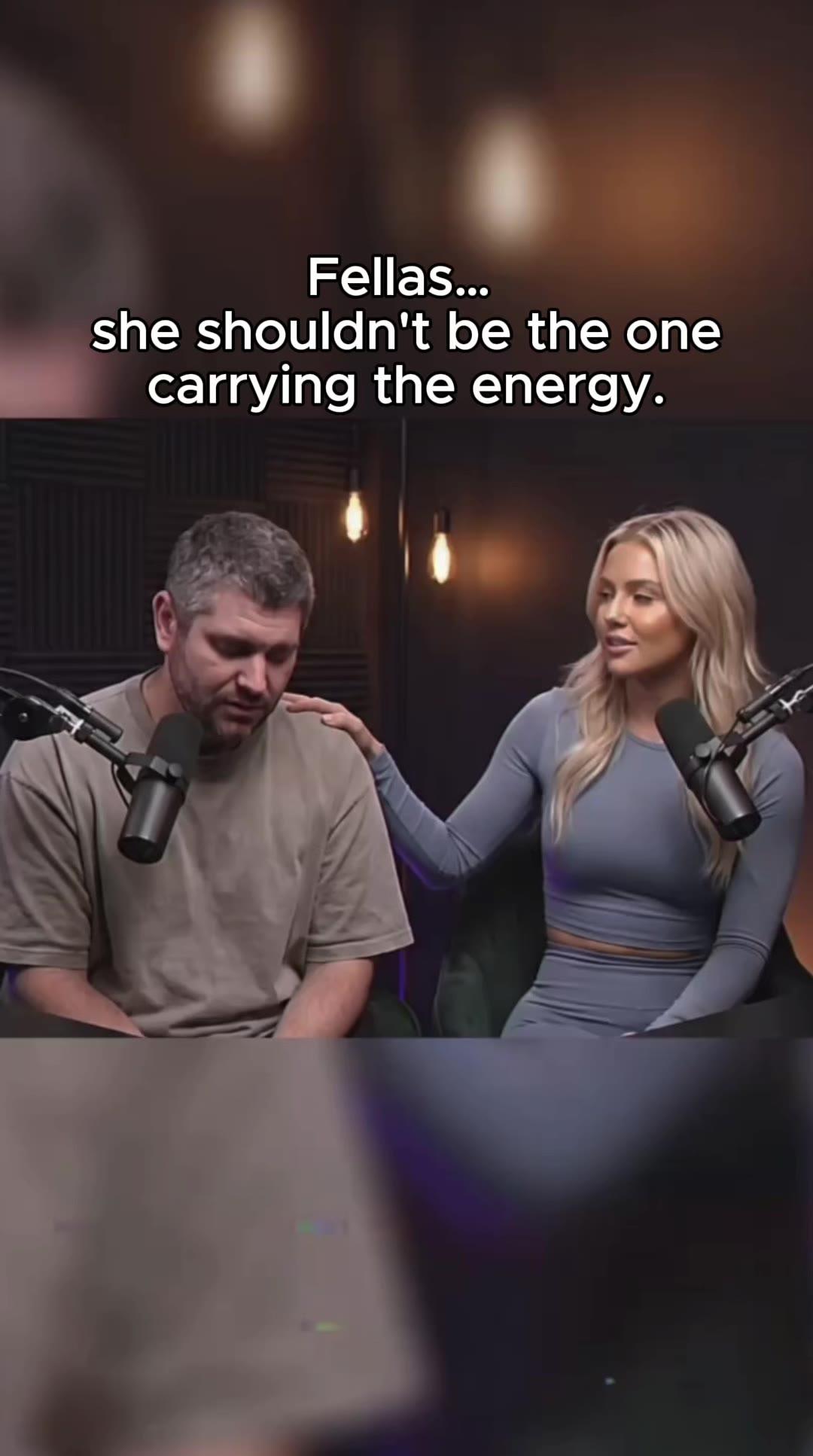
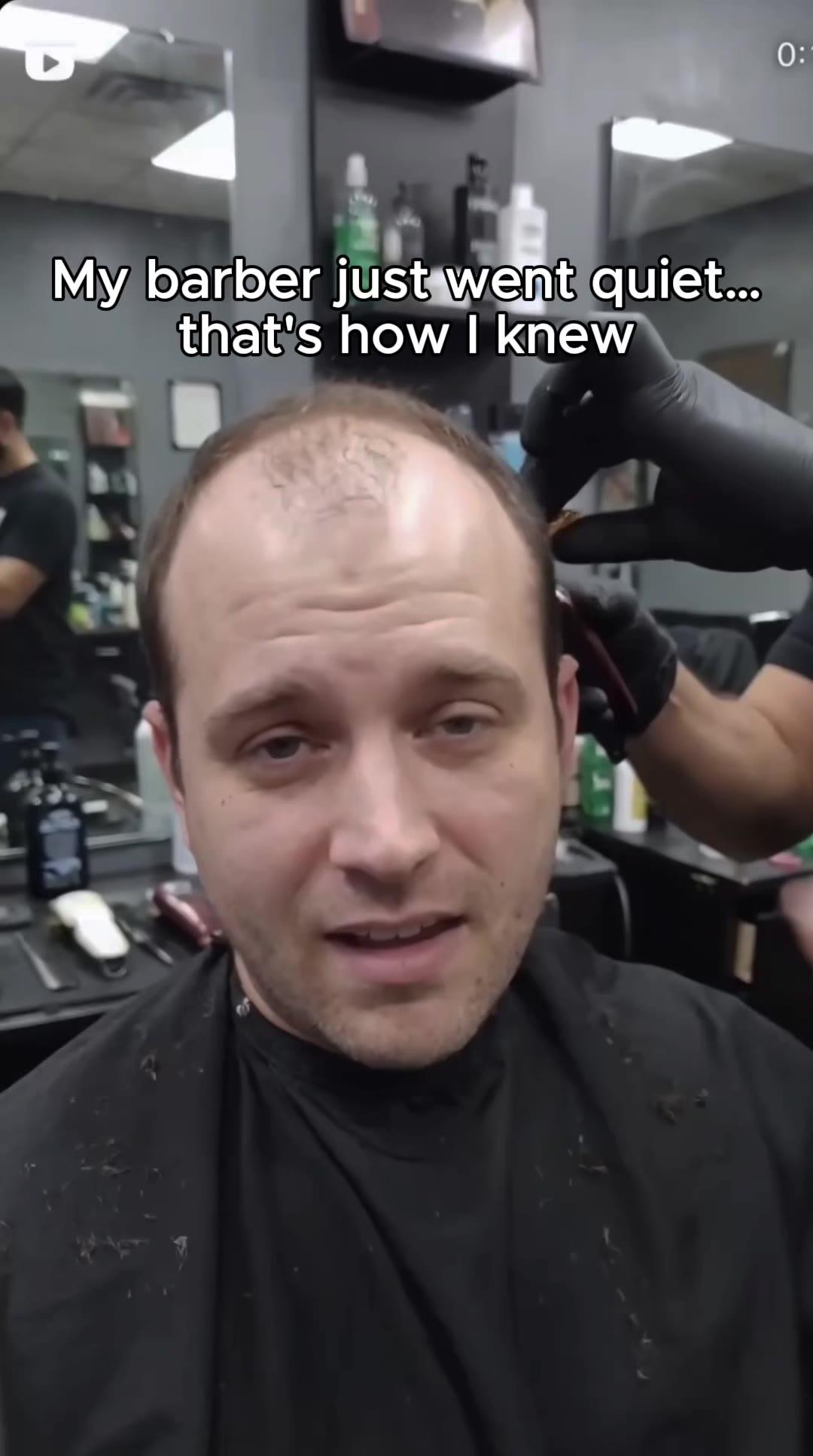

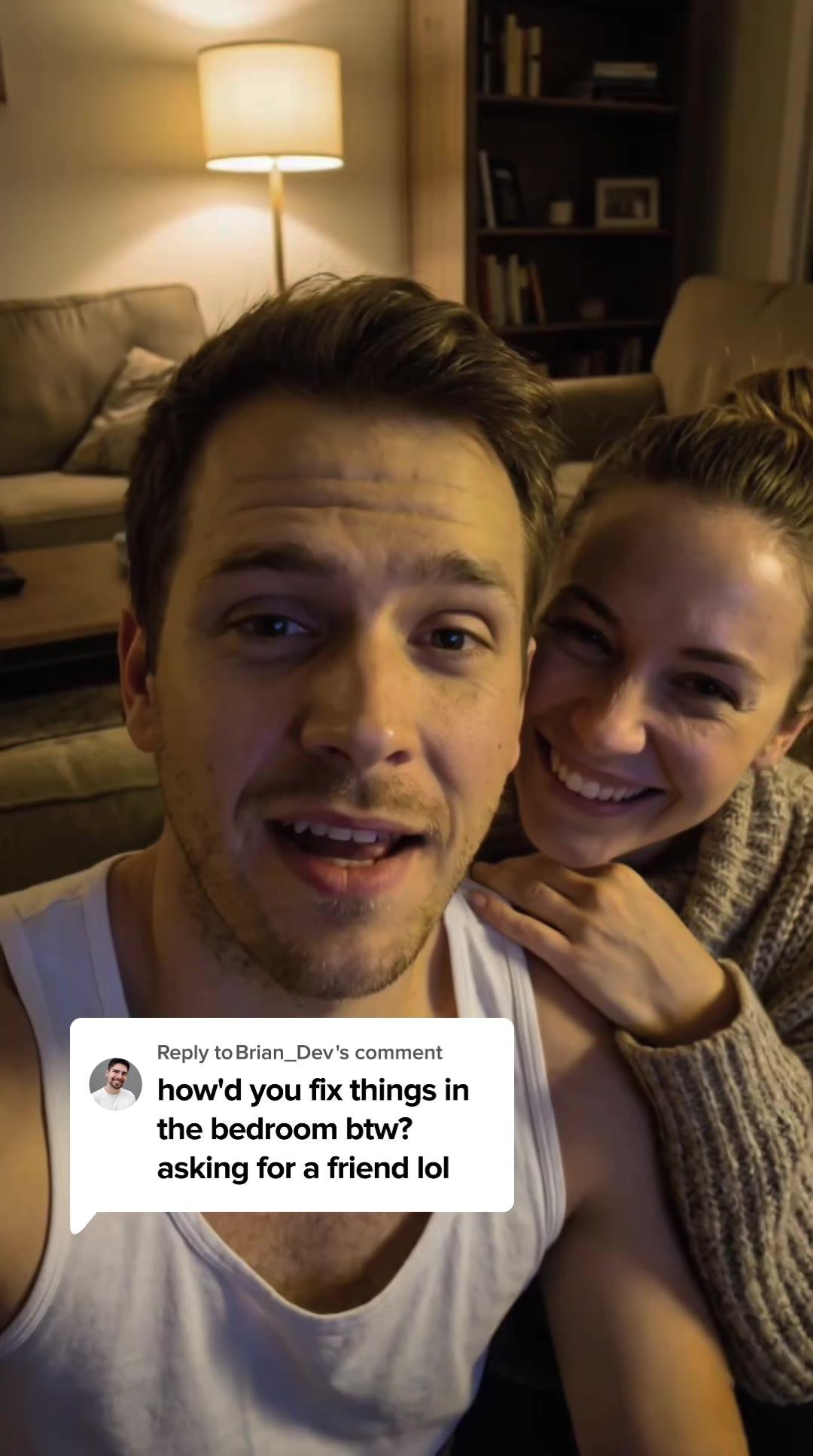


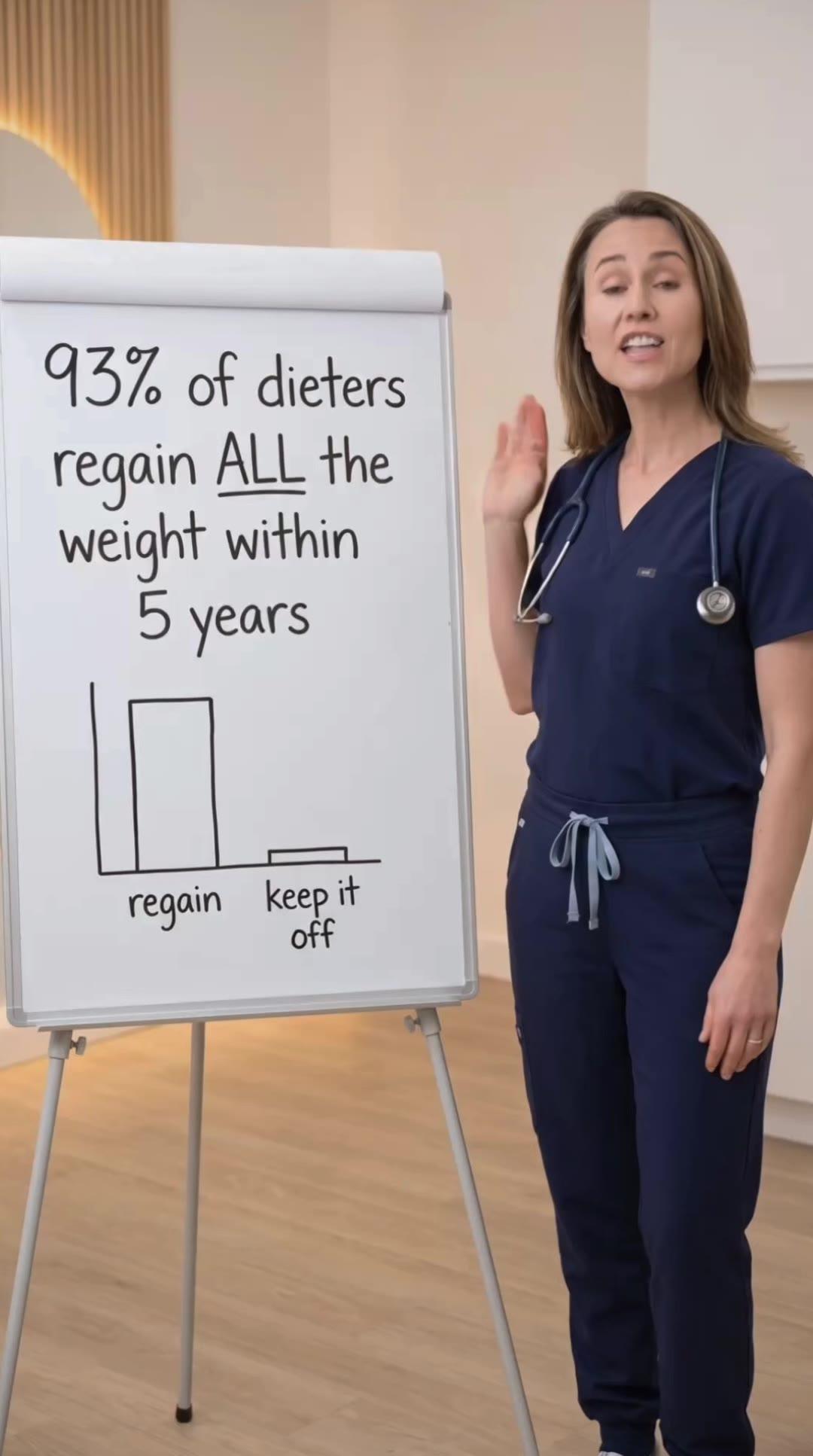
Most telehealth UGC scripts fail because they sound like legal disclaimers read aloud. Creators memorize every word, deliver it robotically, and the result feels fake. Audiences can tell when someone is reading from a script, which destroys trust and kills performance. But going fully off-script creates compliance risk because creators make claims you can't approve. The solution is structured flexibility: scripts that provide guardrails without dictating every word.
Effective UGC scripting for telehealth balances compliance requirements with authentic delivery. This guide explains how to write scripts that keep creators on-message while allowing them to speak naturally. Follow this approach to produce content that feels real, stays compliant, and drives conversions for GLP-1, TRT, ED, hair loss, and peptide brands.
Use Talking Points Instead of Word-for-Word Scripts
Instead of writing a script that creators must memorize, provide 4-6 talking points they can adapt to their voice. Each talking point is a message or idea, not a sentence. For example: "Talk about what motivated you to try telehealth" or "Explain what surprised you about the process." This structure gives creators freedom to express ideas in their own words while ensuring they cover the key messages you need.
Talking points work because they respect the creator's voice. A 35-year-old woman will phrase things differently than a 50-year-old man, and that's good. Authentic delivery resonates with audiences who match the creator's demographic. Forcing everyone to say the same words makes the content feel manufactured. Talking points create consistency in message, not delivery.
For compliance-critical statements, provide exact language but frame it as "include this phrase somewhere in your video." For example: "Make sure to say 'This is just my experience, everyone's different.'" The creator knows they need to include the disclaimer but can place it naturally within their story. This approach balances compliance with authenticity.
We produce paid social creative exclusively for telehealth brands. From 18 to 200 assets per month.
Get in TouchWrite in Conversational Language, Not Marketing Copy
UGC scripts should sound like someone talking to a friend, not a brand delivering a pitch. Use contractions ("I'm" instead of "I am"), casual phrasing ("here's" instead of "here is"), and simple sentence structures. Avoid corporate language like "explore options" or "consider treatment." Instead, say "I talked to a doctor" or "I wanted to see if this could help." Conversational language feels natural when spoken aloud.
Read your script out loud before sending it to creators. If it sounds like you're reading an ad, rewrite it. Good UGC scripts flow naturally when spoken. They don't require the creator to remember complex phrasing or unnatural transitions. If you stumble over words while reading it aloud, the creator will too. Simplicity beats clever copy every time.
Also avoid industry jargon unless it's commonly used by your audience. For GLP-1 brands, "weight management" is fine because audiences understand it. "Semaglutide" is too technical unless your audience is research-oriented. For TRT brands, "optimizing testosterone" works. "Hormone replacement therapy" sounds clinical. Match your language to how real people talk about the topic, not how medical professionals describe it.
Structure Scripts Around a Story Arc
The best UGC scripts follow a simple story structure: before, turning point, after. Before: describe the problem or frustration. Turning point: what prompted action. After: what changed. This structure feels natural because it's how people tell stories. Creators don't need to memorize it; they just need to fill in their own details.
Example for GLP-1: Before - "I tried every diet and nothing stuck." Turning point - "I finally talked to a doctor about weight management." After - "The consultation was way easier than I expected." This structure takes 20 seconds to deliver and provides a complete narrative. The creator can add personal details that make it feel authentic without deviating from the core message.
For TRT: Before - "I couldn't figure out why I felt off all the time." Turning point - "My doctor suggested checking my testosterone levels." After - "The whole process was straightforward and private." Same structure, different vertical. The story arc works because it mirrors how audiences process information: relate to the problem, understand the action, imagine the outcome.
Provide Language Options for Key Phrases
For critical messages, provide 2-3 phrasing options so creators can choose what feels natural to them. For example, to convey "I used telehealth," give them options: "I talked to a provider online," "I did a virtual consultation," or "I worked with a telehealth service." All three are compliant and convey the same idea, but different creators will prefer different phrasing.
This approach reduces the chance creators go off-script in ways that create compliance issues. If they don't like your phrasing, they're more likely to improvise. If you give them options, they'll pick one that works for them. The slight variation between creators also prevents all your content from sounding identical, which helps with creative freshness.
For hooks, provide 3-5 options and let creators test which one feels most comfortable. Some creators deliver curiosity hooks well. Others excel at problem-focused hooks. Letting them choose increases the likelihood they'll deliver it authentically. You can still test all the hooks by assigning different creators to different options and comparing performance.
UGC formats we produce for telehealth.
See the work →Keep Scripts Short and Dense
UGC scripts should be 60-80 words for 15-20 second videos and 120-150 words for 45-60 second videos. Anything longer feels like a monologue. Shorter scripts also reduce the burden on creators to memorize content, which leads to more natural delivery. If your script requires creators to remember five key points and three disclaimers, simplify it.
Every sentence should serve a purpose. Remove filler like "So basically" or "What I want to say is." These phrases add length without adding value. Also cut redundant ideas. If you've already established that the creator talked to a doctor, you don't need to say "I worked with a healthcare provider" in the next sentence. Tight scripts perform better because they respect the audience's time.
Test different script lengths to find what works for your audience. Some audiences tolerate 60-second storytelling. Others lose interest after 20 seconds. Use performance data (CTR, completion rate, CPA) to identify the optimal length. Once you find it, standardize your scripts around that length so creators know what to expect.
Incorporate Pauses and Natural Speech Patterns
When writing scripts, indicate where creators should pause or emphasize words. Pauses make delivery feel conversational rather than rushed. Use ellipses (...) to signal pauses or line breaks to indicate where the creator should take a breath. This helps creators pace their delivery naturally without sounding like they're reading.
Example: "I was tired of feeling stuck... so I finally talked to a doctor. The consultation was way easier than I expected." The pause after "stuck" creates emphasis and gives the audience a moment to process before the turning point. Without the pause, the sentence runs together and loses impact. Small formatting choices like this improve delivery quality.
Also encourage creators to use verbal fillers sparingly. A single "like" or "you know" can make delivery feel authentic. But too many fillers make the creator sound uncertain or unprepared. Aim for one filler per 20 seconds maximum. During editing, you can remove excess fillers without losing authenticity. The key is capturing natural speech without letting it become distracting.
Test Scripts With Creators Before Filming
Before a creator films, ask them to read the script aloud and provide feedback. If they stumble over certain phrases or find the language unnatural, revise it. Creators know what sounds authentic in their voice better than you do. Their input improves script quality and increases the likelihood they'll deliver it well. This quick review step prevents reshoots and compliance issues.
For first-time creators, consider doing a quick video call to walk through the script and answer questions. This builds rapport and ensures they understand compliance requirements. It also gives you a chance to gauge their communication style and adjust the script to match their energy. Five minutes upfront prevents hours of back-and-forth later.
For experienced creators who've worked with you before, trust them to adapt the script without a review call. Over time, top performers learn what works and develop their own approach to delivering your talking points. Give them more freedom and focus your review efforts on new or unproven creators. Efficiency at scale means knowing when to intervene and when to let creators work independently.
Build a Library of Tested Language
As you produce UGC at scale, document which phrases and structures perform best. Build a script library with proven hooks, transitions, and CTAs. When writing new scripts, reference the library for language that's already been tested and approved. This reduces guesswork and ensures consistency across creators.
Your library should include compliant alternatives to common prohibited phrases. For example: instead of "I lost 30 pounds," use "I've been working with a provider on weight management." Instead of "This fixed my ED," use "I explored treatment options with a doctor." Pre-approved language speeds up script writing and reduces compliance review time.
Also track which scripts drive the best performance by CPA and CTR. If a particular script structure consistently outperforms others, make it your default template. Don't reinvent the wheel every time you brief a creator. Start with what works and iterate from there. Continuous improvement compounds over time.
Allow Room for Creator Personality
The best UGC happens when creators bring their personality to the script. Don't micromanage delivery. If a creator adds a joke, changes the phrasing slightly, or emphasizes different words than you expected, that's good. Personality is what makes UGC feel authentic. As long as they stay within compliance guardrails, let them make the content their own.
Some creators are naturally energetic. Others are calm and thoughtful. Don't force everyone into the same delivery style. Match script tone to creator personality. An energetic creator should get a script with exclamation points and upbeat language. A calm creator should get measured, reflective language. Alignment between script and personality produces better content.
Also encourage creators to film multiple takes with different delivery styles. One take can be fast-paced and energetic. Another can be slower and more conversational. You can choose the best version in post-production. Multiple takes give you options without requiring the creator to guess which style you prefer. This approach respects their time while maximizing your editing flexibility.
Need help writing UGC scripts that perform for your telehealth brand? Book a call or explore our creative services.
Related Articles
UGC systems built for telehealth.
A 30-minute call. We audit your creative approach and show you exactly what a complete angle-format-hook system looks like for your vertical.