How to Use Patient Stories in Telehealth UGC Without FTC Violations
Concepts shown are internal creative studies, not client campaigns.
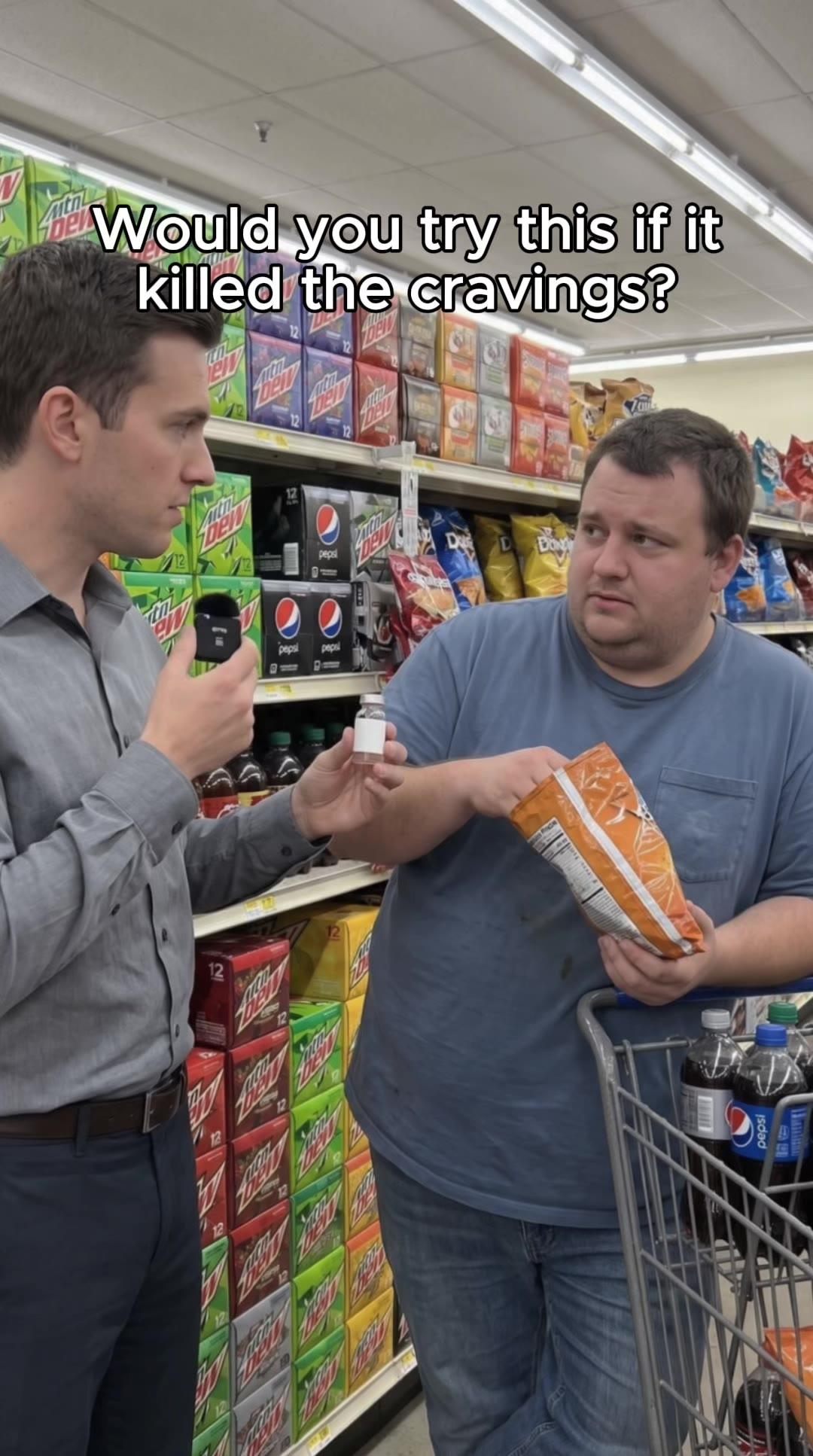
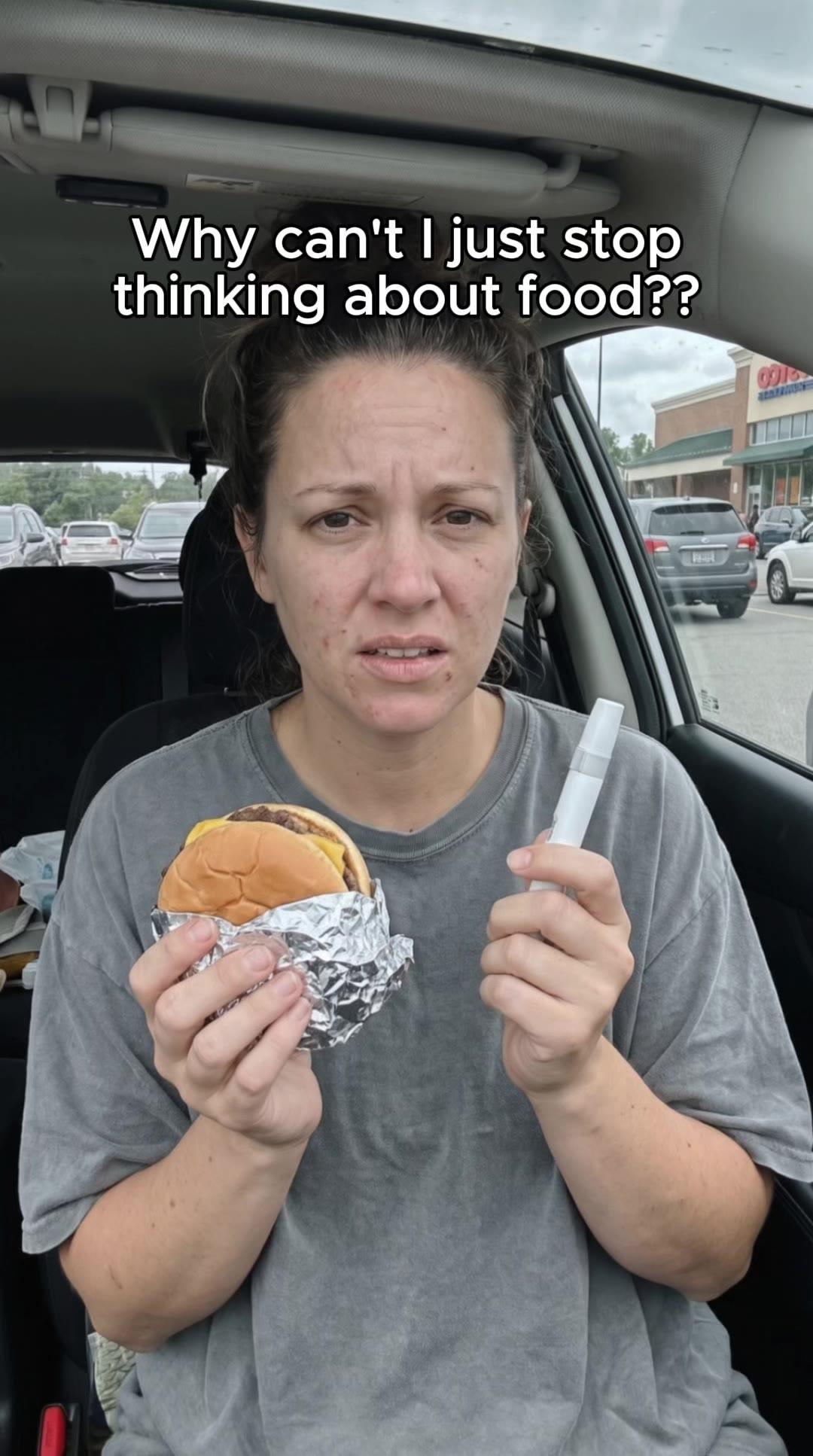

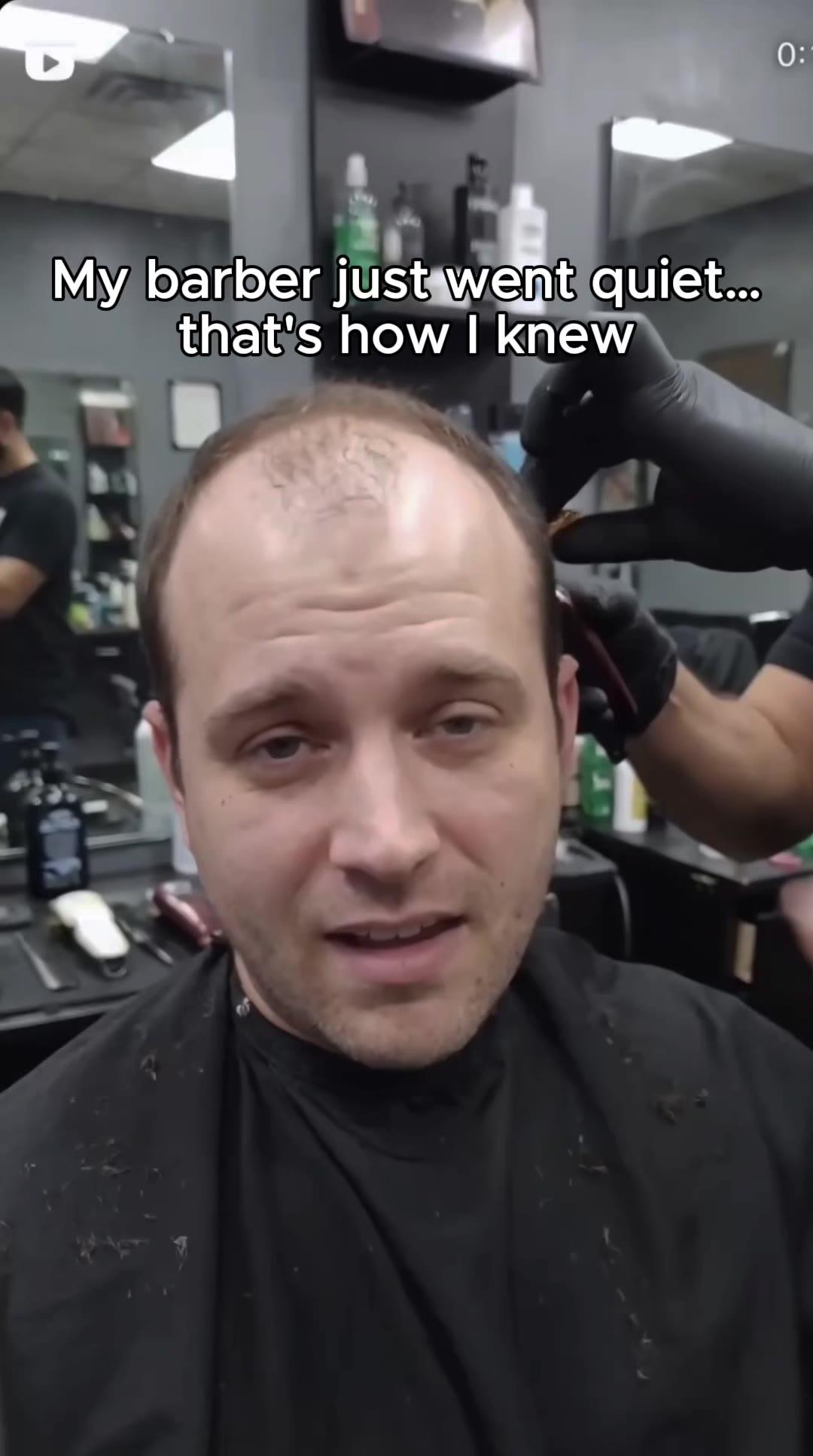

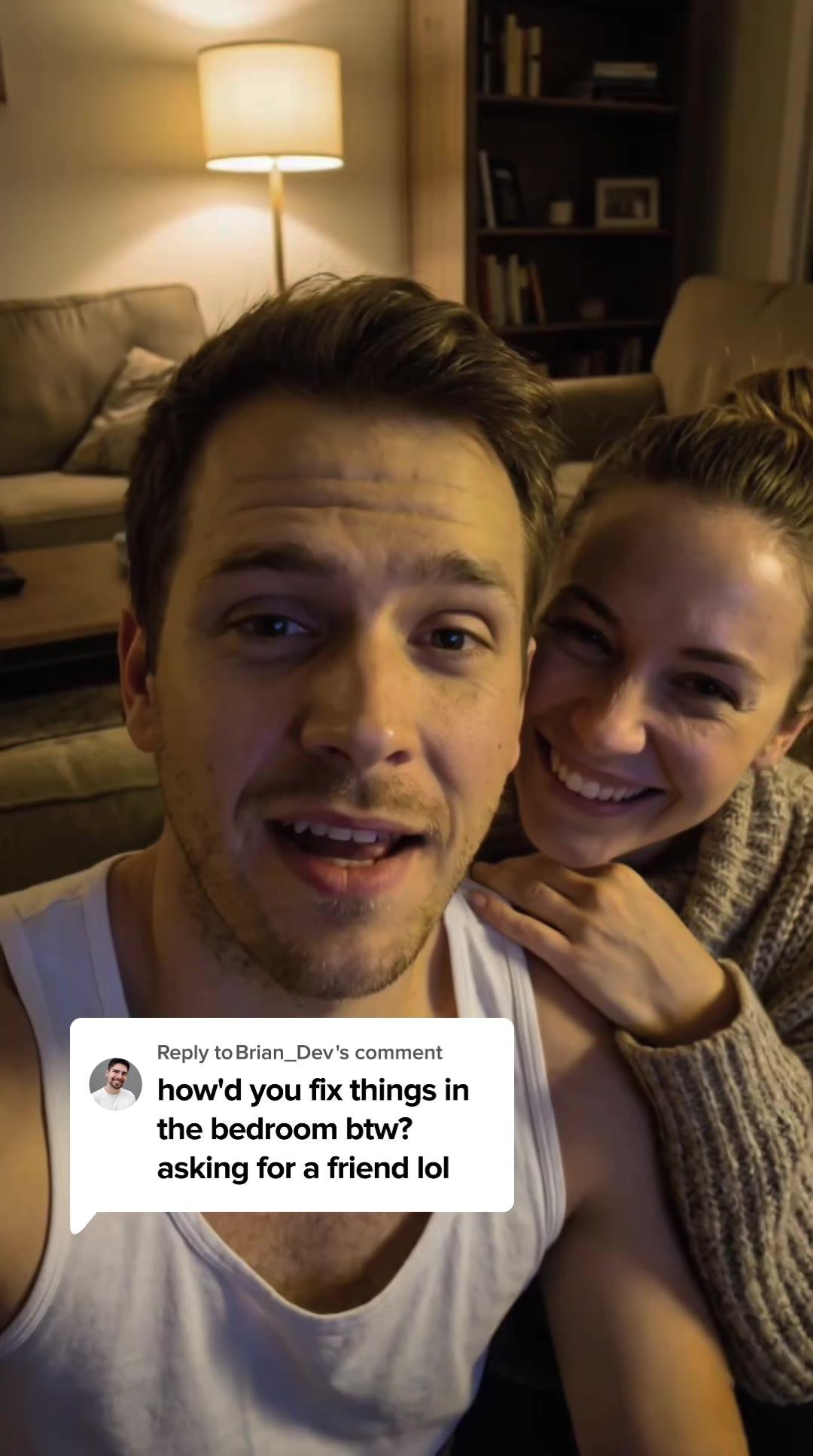


Customer testimonials are the highest-converting UGC for telehealth brands. Real patients sharing genuine experiences build trust faster than any scripted ad. But testimonial content also carries the highest compliance risk. The FTC requires that testimonials be truthful, typical, and clearly disclosed. Most telehealth brands violate one or more of these requirements without realizing it.
Using patient stories in UGC ads requires careful scripting, proper disclaimers, and transparent compensation disclosure. You can't cherry-pick the best outcomes, pay customers for positive reviews, or imply that their results are typical. This guide explains how to collect and feature patient stories in telehealth UGC while staying compliant with FTC endorsement guidelines.
FTC Rules for Testimonials and Endorsements
The FTC defines a testimonial as any advertising message that consumers are likely to believe reflects the opinions or experiences of someone other than the sponsoring brand. If you pay a customer to create content about their experience, it's a testimonial subject to FTC rules. Those rules require three things: the testimonial must be truthful, it must reflect the customer's honest experience, and any material connection between the customer and the brand must be disclosed.
Material connection includes payment, free products, discounts, or any other incentive. If you gave a customer free GLP-1 treatment in exchange for a video, that's a material connection that must be disclosed. If you paid them $200 to film their story, that must be disclosed. The disclosure needs to be clear and conspicuous, not buried in fine print or obscure hashtags.
The FTC also prohibits misleading testimonials. If a customer says "I lost 30 pounds in 60 days," but that outcome isn't typical for most customers, you must include a disclaimer like "Results not typical" or "Individual results may vary." You can't feature outlier success stories without clarifying that they're not representative of average outcomes.
How to Recruit Customers for Testimonial UGC
Recruit customers who have had positive experiences with your service and are willing to appear on camera. The best candidates are those who have documented results (weight loss, improved energy, better sleep) and can articulate their experience clearly. Reach out via post-purchase email, SMS, or member communities with a clear ask: compensation amount, what you're asking them to share, and how the content will be used.
Be transparent about compensation upfront. Explain that you're paying them for their time to create content, not for a positive review. Frame it as hiring them to share their honest experience, not incentivizing them to exaggerate results. This distinction matters for FTC compliance. You're paying for content creation, not opinion manipulation.
Screen candidates carefully. Review their social media presence to ensure they haven't posted contradictory health claims or promoted competing brands. Ask if they're comfortable being featured in paid ads and having their face associated with your brand publicly. Some customers will decline because they value privacy, especially for sensitive categories like ED or TRT. Respect their decision and move on.
We produce paid social creative exclusively for telehealth brands. From 18 to 200 assets per month.
Get in TouchScript Patient Stories Without Making Medical Claims
Patient testimonials should focus on experience and process, not medical outcomes. Instead of "This treatment fixed my ED," the customer should say "I talked to a doctor and explored treatment options." Instead of "I lost 40 pounds with GLP-1," they say "I've been working with a provider on weight management and seeing progress." The message conveys value without making outcome guarantees.
Provide customers with talking points rather than word-for-word scripts. Talking points keep the content authentic while ensuring compliance. For example: "Talk about what motivated you to try telehealth," "Explain what the consultation process was like," and "Share what surprised you about the experience." These prompts guide the customer without putting words in their mouth.
Avoid asking customers to quantify results. Don't ask "How much weight did you lose?" or "How much did your energy improve?" Quantifiable claims are harder to defend as typical results. Instead, ask "How has your experience been so far?" or "What changes have you noticed?" These questions elicit subjective responses that are inherently individual, not claims of typical outcomes.
Include Required Disclaimers in Every Video
Every testimonial video must include disclaimers that clarify the content represents one person's experience, not a guarantee of results. Standard disclaimers include "Results not typical," "Individual results may vary," and "This is one person's experience." These disclaimers protect you from FTC scrutiny by acknowledging that the customer's outcome may not reflect what others will achieve.
Place disclaimers where viewers will actually see them. Spoken disclaimers are more effective than text overlays because viewers can't ignore them. Have the customer say "This is just my experience, everyone's different" at the end of the video. You can also add text overlays and caption disclaimers as backup, but the spoken disclaimer is primary.
If the customer received compensation or free products, disclose that relationship clearly. The disclosure should be in the first few seconds of the video or prominently in the caption. Use language like "Paid partnership with [Brand Name]" or "I was compensated for sharing my experience." Don't bury the disclosure in hashtags or fine print. The FTC requires that disclosures be clear and conspicuous.
UGC formats we produce for telehealth.
See the work →Balance Authenticity With Compliance Guardrails
The tension in testimonial UGC is between authenticity and compliance. Customers want to share their genuine enthusiasm, but unfiltered enthusiasm often leads to non-compliant claims. Your job is to guide them toward compliant language without making the video sound scripted or insincere. This requires clear briefing and post-production editing.
During filming, encourage customers to speak naturally and edit later if needed. If a customer makes a non-compliant claim during filming, don't interrupt. Let them finish, then ask them to rephrase using compliant language. You can choose the compliant version in post-production. This approach preserves authenticity while ensuring the final video is safe to run.
If a customer insists on making claims you can't approve, walk away from the content. Don't try to salvage non-compliant footage by editing around problematic statements. The risk isn't worth it. A single FTC violation can cost more in fines and reputation damage than you'd gain from running the video. Prioritize compliance over creative ambition.
Differentiate Testimonials From Creator UGC
Customer testimonials are different from UGC created by hired creators. Testimonials come from real customers sharing their experience after using your service. Creator UGC comes from people who may not be customers but are paid to produce content based on a brief. Both have value, but they serve different purposes and carry different compliance requirements.
Testimonials build trust through genuine social proof. They're more credible because viewers know the person actually used the service. But testimonials are harder to scale because you're limited to customers willing to appear on camera. Creator UGC is easier to scale because you can hire creators who haven't used the service, but it's less credible as social proof.
Use testimonials for top-of-funnel trust-building and retargeting audiences who need reassurance. Use creator UGC for testing concepts, generating volume, and targeting cold audiences. Don't try to make creator UGC look like testimonials by implying the creator is a customer when they're not. That's deceptive and violates FTC rules.
Manage Customer Consent and Usage Rights
Before filming, obtain written consent from customers that specifies how their likeness and story will be used. The consent form should cover usage rights, duration, platforms, and compensation. Make it clear that their video will appear in paid ads on Meta, TikTok, YouTube, and potentially other channels. Some customers are comfortable with limited distribution but not unlimited use. Clarify terms upfront to avoid disputes later.
Also include a clause that allows you to stop using the content if circumstances change. For example, if a customer later posts contradictory statements or engages in behavior that damages your brand, you need the right to remove their content. This protects you from being locked into promoting someone whose public behavior no longer aligns with your brand values.
Store signed consent forms centrally and link them to the corresponding video assets. If you're ever questioned about a testimonial's authenticity or compensation, you need to be able to produce the consent form and contract immediately. FTC audits require documentation, not verbal agreements. Treat consent forms as legal protection, not administrative paperwork.
Test Testimonials Versus Educational UGC
Don't assume testimonials always outperform other UGC formats. In some cases, educational or process-focused UGC drives better performance because it avoids the skepticism that testimonials trigger. Test testimonials against creator-led educational content to see which performs better for your audience and vertical.
For GLP-1 brands, testimonials may underperform because audiences are skeptical of weight loss success stories. Educational content explaining how the service works or what to expect during consultations may drive better CPA. For TRT and ED brands, testimonials may perform well because personal stories reduce stigma and normalize seeking treatment.
Track testimonial performance separately from other UGC. Measure CPA, CTR, and conversion rate for testimonial content versus non-testimonial content. If testimonials consistently underperform, shift budget toward other formats. Don't default to testimonials just because they feel more authentic. Let performance data guide your creative strategy.
Monitor Testimonial Content for Ongoing Compliance
Compliance isn't one-time. Monitor testimonial content regularly to ensure it remains compliant as platform policies evolve. What was acceptable six months ago may violate updated guidelines today. Review your testimonial library quarterly and flag any content that no longer meets current standards. Pause or archive non-compliant content before platforms flag it.
Also monitor customer behavior after they've created content. If a customer later posts contradictory health claims, promotes competing brands, or engages in controversial behavior, consider pulling their content. You're not obligated to continue promoting someone whose actions no longer align with your brand. Ongoing monitoring protects your brand reputation.
Build a compliance review schedule into your content management process. Every 90 days, review active testimonial content and confirm it still meets FTC and platform standards. This proactive approach prevents compliance issues from accumulating and reduces the risk of sudden ad account suspensions or FTC inquiries.
Need help collecting and featuring compliant patient stories for your telehealth brand? Book a call or explore our creative services.
Related Articles
- UGC Ads for Telehealth: What Works and What Gets Rejected
- How to Review and Approve UGC for Telehealth Ad Compliance
- UGC Scripting for Telehealth: How to Write Without Sounding Scripted
- Telehealth Ad Compliance — What Platforms Allow and Reject
- UGC Contracts for Telehealth Brands: Usage Rights and Licensing
UGC systems built for telehealth.
A 30-minute call. We audit your creative approach and show you exactly what a complete angle-format-hook system looks like for your vertical.