How to Review and Approve UGC for Telehealth Ad Compliance
Concepts shown are internal creative studies, not client campaigns.
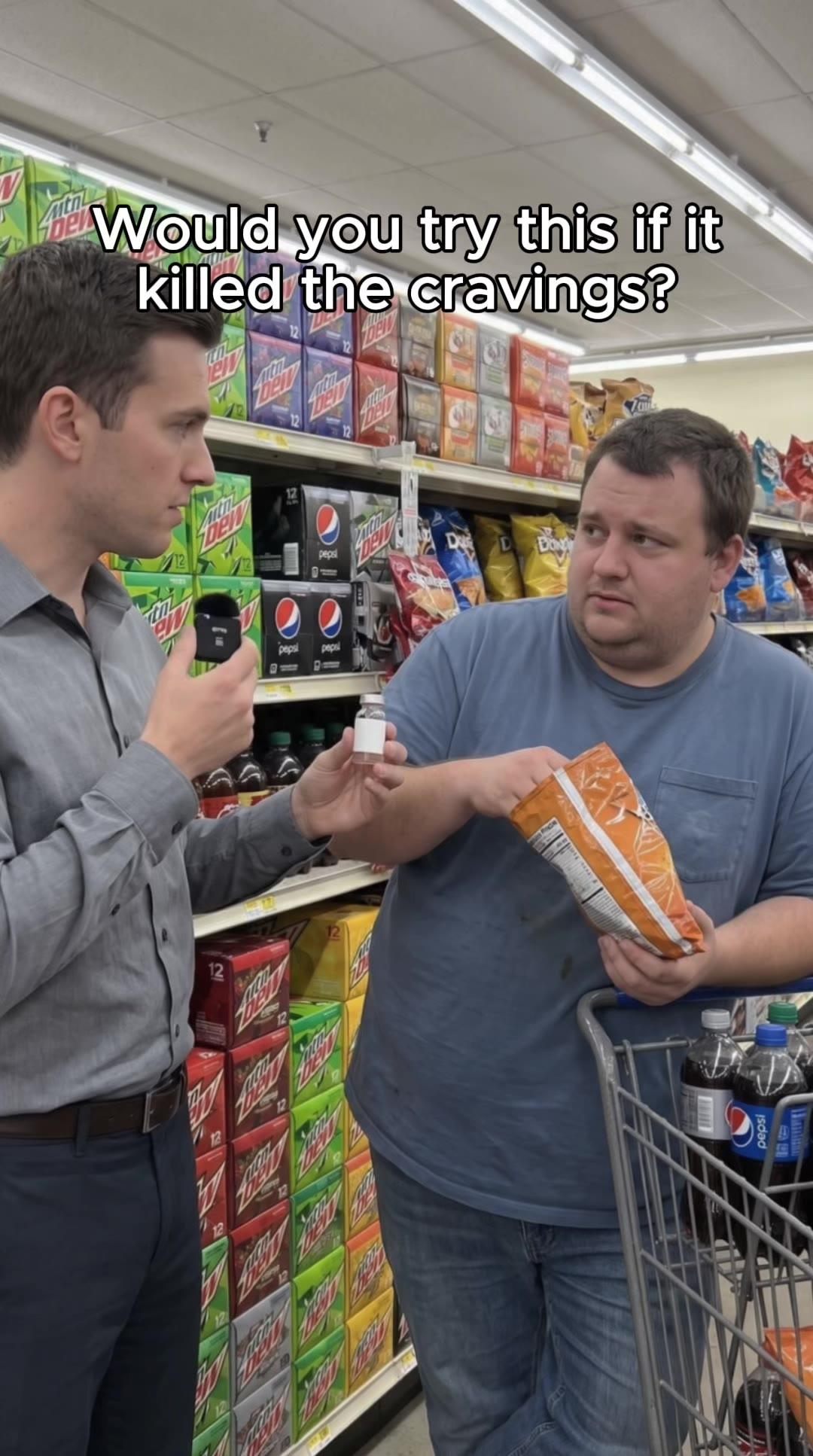
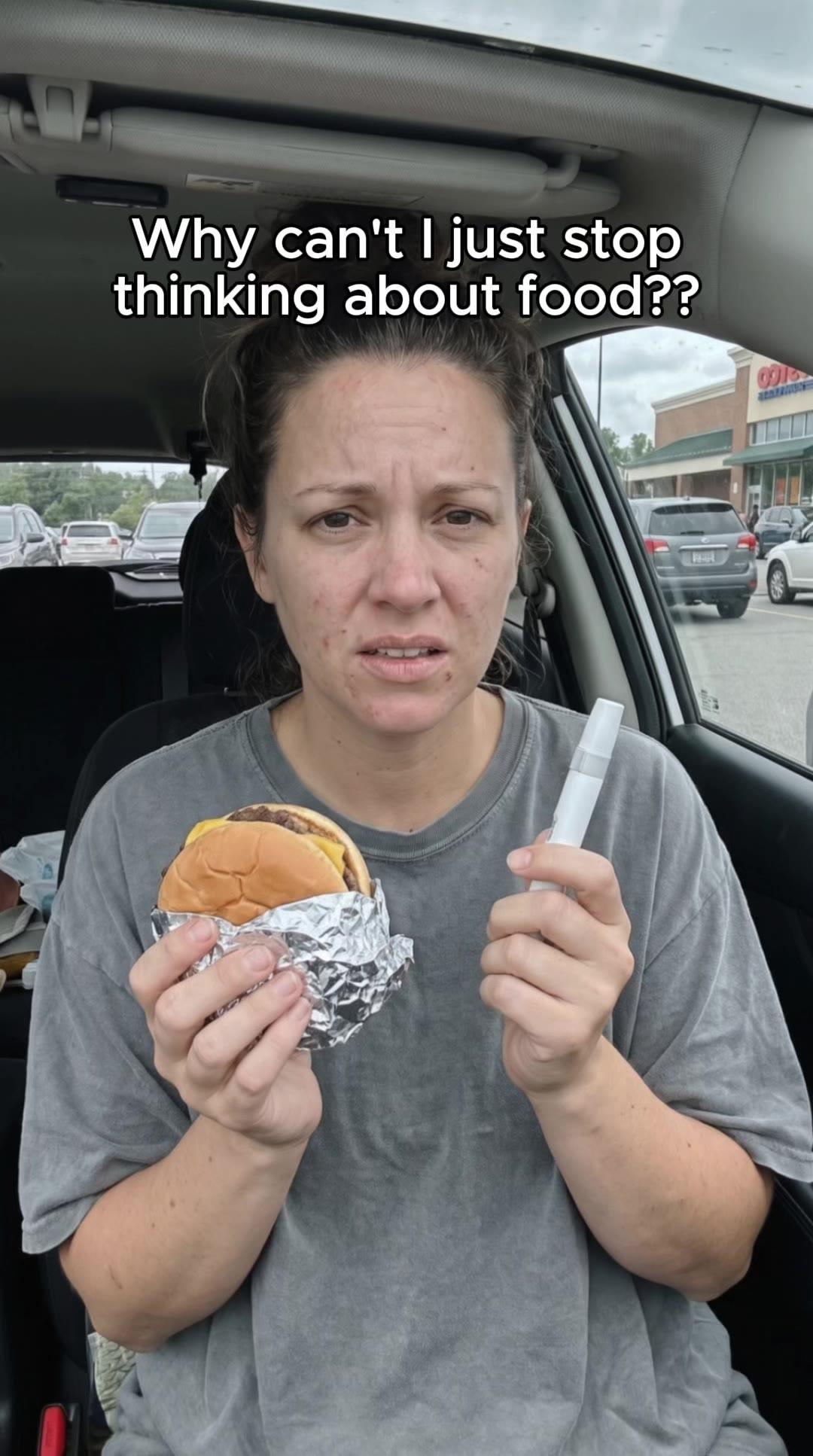

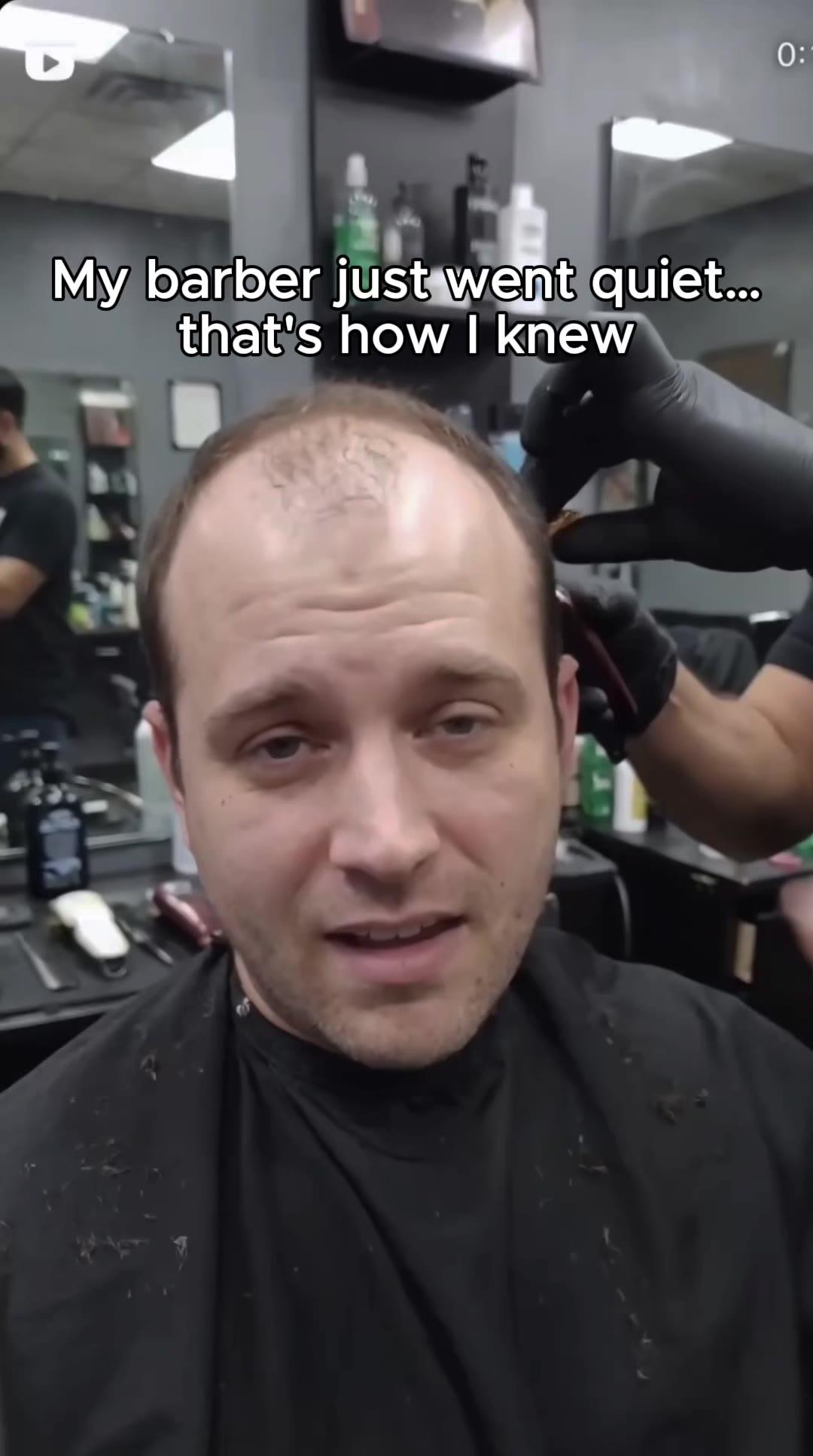




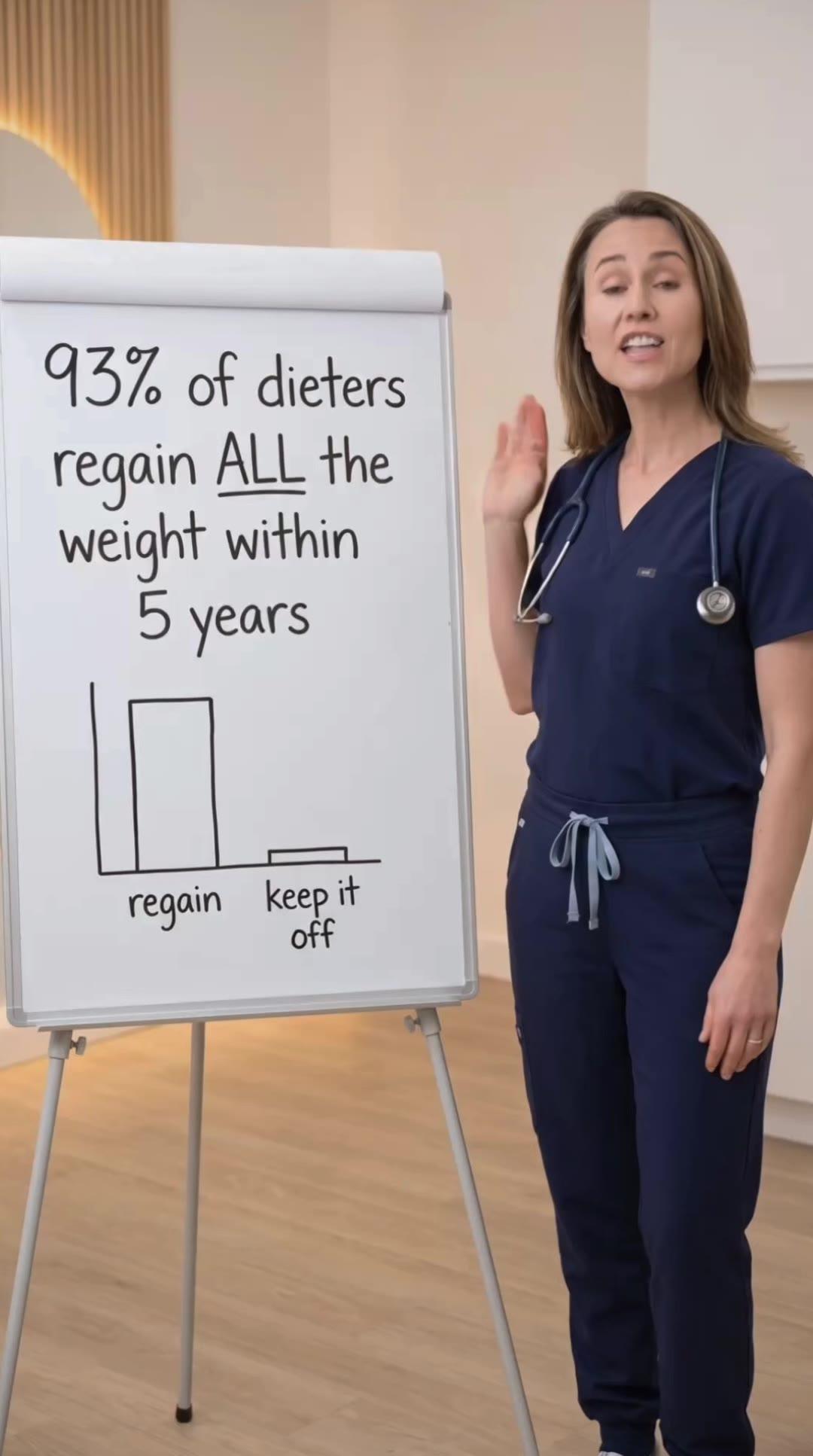
Most telehealth brands approve UGC videos based on gut feeling rather than systematic compliance review. They watch the video once, decide it "feels fine," and upload it to ads manager. This approach works until a video gets rejected by the platform, flagged by the FTC, or generates customer complaints. By then, you've wasted time, budget, and creator relationships on content that should never have gone live.
Compliance review for telehealth UGC requires a structured checklist that covers language, visuals, disclaimers, and platform-specific policies. This guide explains how to review UGC videos systematically to catch compliance issues before they become problems. Follow this process for every video you run, whether it's your first or your hundredth.
Start With Language and Claims Review
The first step in compliance review is checking the script for prohibited language. Watch the video with captions or transcribe the audio using a tool like Descript or Rev. Review every word the creator says and flag any medical claims, diagnosis language, treatment promises, or result guarantees. These are the most common reasons telehealth ads get rejected.
Prohibited phrases include: "cures," "treats," "fixes," "guarantees results," "clinically proven to," "FDA-approved for," or any statement that implies the service diagnoses or treats a specific medical condition. For GLP-1 brands, avoid "lose X pounds in Y weeks" or transformation promises. For TRT and ED brands, avoid "restores function" or "fixes low testosterone." Use softer language like "supports" or "part of a treatment plan."
If the creator makes a prohibited claim, flag the video for revision. Don't try to salvage it by editing around the claim or adding a disclaimer. Request a refilm with compliant language. Disclaimers don't excuse non-compliant claims. They're supplementary, not a workaround for bad scripting.
Check for Before-and-After Imagery and Transformation Content
Platform policies prohibit or restrict before-and-after imagery for weight loss, body transformation, and appearance-related health treatments. Review every frame of the video to ensure the creator isn't showing comparison photos, progress pictures, or transformation timelines. Even if the creator mentions results verbally without showing imagery, it can still trigger rejection.
For GLP-1 and weight loss content, avoid any visual content that implies weight loss results. Don't show the creator standing in front of a mirror, holding old jeans, or discussing clothing sizes. These visual cues signal transformation content to platform moderators. Focus on process, not outcomes. Show the creator talking to a doctor, receiving a delivery, or explaining how the service works.
For ED and TRT content, avoid imagery that suggests physical or sexual performance outcomes. Don't show intimate settings, bedroom scenes, or romantic situations. Keep the setting neutral and conversational. The goal is to explain the service without implying specific results. Process over outcomes is the safest approach for sensitive verticals.
We produce paid social creative exclusively for telehealth brands. From 18 to 200 assets per month.
Get in TouchVerify Disclaimers and FTC Disclosure Requirements
Every telehealth ad needs clear disclaimers that communicate limitations and responsibilities. Standard disclaimers include "Results may vary," "Consult a healthcare provider before starting treatment," and "This is not medical advice." These should appear as text overlays or in the video caption, not just spoken by the creator.
For paid partnerships, FTC rules require disclosure of the commercial relationship. If you paid the creator to produce the content, the video or caption must include language like "Paid partnership" or "#ad." Platforms handle this automatically for paid ads, but if the creator posts organically, they're responsible for disclosure. Verify that the disclosure is present and visible.
Also check that the creator isn't claiming to be a medical professional unless they hold valid credentials. If the creator says "as a nurse" or "from a medical perspective," verify their credentials before approving the video. False credentialing is a serious FTC violation. If the creator isn't credentialed, they should speak only from personal experience, not professional authority.
Review Visual Setting and Production Quality
The visual setting matters for compliance. Avoid clinical-looking environments like doctor's offices, hospitals, or medical facilities. These settings suggest that the content is medical advice or professional recommendation, which triggers stricter scrutiny. Film in casual settings like homes, cars, or outdoor spaces where the content clearly represents personal experience, not medical guidance.
Also check for visible branding, logos, or products that might trigger trademark or intellectual property issues. If the creator is wearing branded clothing, using branded equipment, or showing competitor products, flag the video. Remove or blur any unintended branding before uploading to ads manager. Unintentional brand appearances can lead to legal disputes or platform rejections.
For production quality, balance polish with authenticity. Overly produced videos look like traditional ads and perform worse. Unpolished videos with poor lighting or audio issues look unprofessional and erode trust. The sweet spot is casual but clear: good lighting, clean audio, steady framing, and authentic delivery. If the video looks like a friend recorded it on their phone, it's probably right.
UGC formats we produce for telehealth.
See the work →Cross-Check Against Platform-Specific Policies
Each platform has different policies for health and medical advertising. Meta's policies differ from TikTok's, which differ from YouTube's. Before approving a video, review the specific policies for the platform where you'll run it. What's acceptable on TikTok might get rejected on Meta, and vice versa. Don't assume universal compliance.
Meta prohibits before-and-after imagery, weight loss transformations, and content that implies body-shaming. They also restrict targeting for housing, employment, credit, and health-related ads. Review Meta's advertising policies for "health and wellness" and "prescription drugs" to ensure your content meets their standards. Use Meta's ad review tool to prescreen content before launching campaigns.
TikTok is stricter on medical misinformation and health claims. They flag content that includes specific drug names, medical terminology, or references to prescription medications. Even compliant content can get shadowbanned if it includes terms TikTok associates with misinformation. Test content organically before running paid ads to ensure it doesn't trigger suppression.
Use a Standardized Review Checklist
Don't rely on memory or intuition when reviewing compliance. Build a standardized checklist that covers all the key review criteria. Use this checklist for every video, regardless of creator or concept. Consistency prevents subjective approvals and ensures every video meets the same standards. Here's a basic checklist structure:
Language: No medical claims, no guarantees, no diagnosis language. Visuals: No before-and-after imagery, no clinical settings, no transformation content. Disclaimers: "Results may vary" and "Not medical advice" present. FTC: Paid partnership disclosed if applicable. Platform: Content meets Meta/TikTok/YouTube policies. Credentials: Creator claims verified if applicable. Final approval: Video meets all standards and matches the brief.
Store your checklist in a shared document or project management tool where your team can access it. Every reviewer should use the same checklist to prevent inconsistent approvals. At scale, standardized checklists are what allow you to review 50+ videos per month without missing compliance issues.
Flag Edge Cases for Senior Review
Not every compliance decision is black and white. Some videos fall into gray areas where the language is borderline, the visuals are ambiguous, or the context creates uncertainty. For these edge cases, escalate to a senior reviewer or legal counsel. Don't approve questionable content just to keep production moving. The risk isn't worth it.
Examples of edge cases: a creator says "improved my energy" without specifying how; a video shows a prescription bottle but doesn't name the drug; a credentialed creator provides educational information that's factually accurate but might be interpreted as medical advice. These situations require judgment calls based on platform policies, FTC guidelines, and risk tolerance.
For telehealth brands in highly regulated verticals like GLP-1, TRT, or ED treatment, err on the side of caution. If you're unsure whether content is compliant, don't approve it. Request a revision or move on to the next video. The cost of a compliance violation far exceeds the value of any single piece of content.
Track Rejection Rates and Identify Patterns
After launching a video, track whether it gets approved or rejected by the platform. If a video gets rejected, document the reason and update your checklist to prevent similar issues. Over time, rejection data reveals patterns: certain language triggers more rejections, specific creators struggle with compliance, or certain formats perform better.
Calculate your compliance pass rate: the percentage of videos that pass platform review on the first submission. High-performing teams have 90%+ pass rates. If your pass rate is below 80%, investigate root causes. Common issues: unclear briefs, inadequate creator training, or inconsistent internal review standards. Fix the upstream problem, not just the symptoms.
Also track which creators consistently deliver compliant content. Prioritize these creators for future projects and offer them retainers. Creators who understand compliance reduce your review burden and speed up production. Conversely, phase out creators who repeatedly deliver non-compliant content. Consistency is more valuable than creative brilliance when it comes to telehealth advertising.
Build a Library of Pre-Approved Language and Examples
Speed up compliance review by building a library of pre-approved language, hooks, and phrases. When a piece of language passes review repeatedly, add it to the library. Future creators can use this language without requiring full review. This creates consistency and reduces the time spent vetting every word.
Your library should include compliant alternatives to common prohibited phrases. For example: instead of "cures ED," use "supports sexual health." Instead of "guaranteed weight loss," use "part of a weight management plan." Instead of "treats low testosterone," use "helps optimize hormone levels." Pre-approved language makes briefing faster and reduces creator confusion.
Also build a library of approved video examples. When a video performs well and passes compliance review consistently, save it as a reference. Share these examples with new creators so they understand what good looks like. Visual examples are more effective than written guidelines because creators can see exactly what you expect.
Need help building a compliance review process for your telehealth brand? Book a call or explore our creative services.
Related Articles
UGC systems built for telehealth.
A 30-minute call. We audit your creative approach and show you exactly what a complete angle-format-hook system looks like for your vertical.