UGC Contracts for Telehealth Brands: Usage Rights and Licensing
Concepts shown are internal creative studies, not client campaigns.
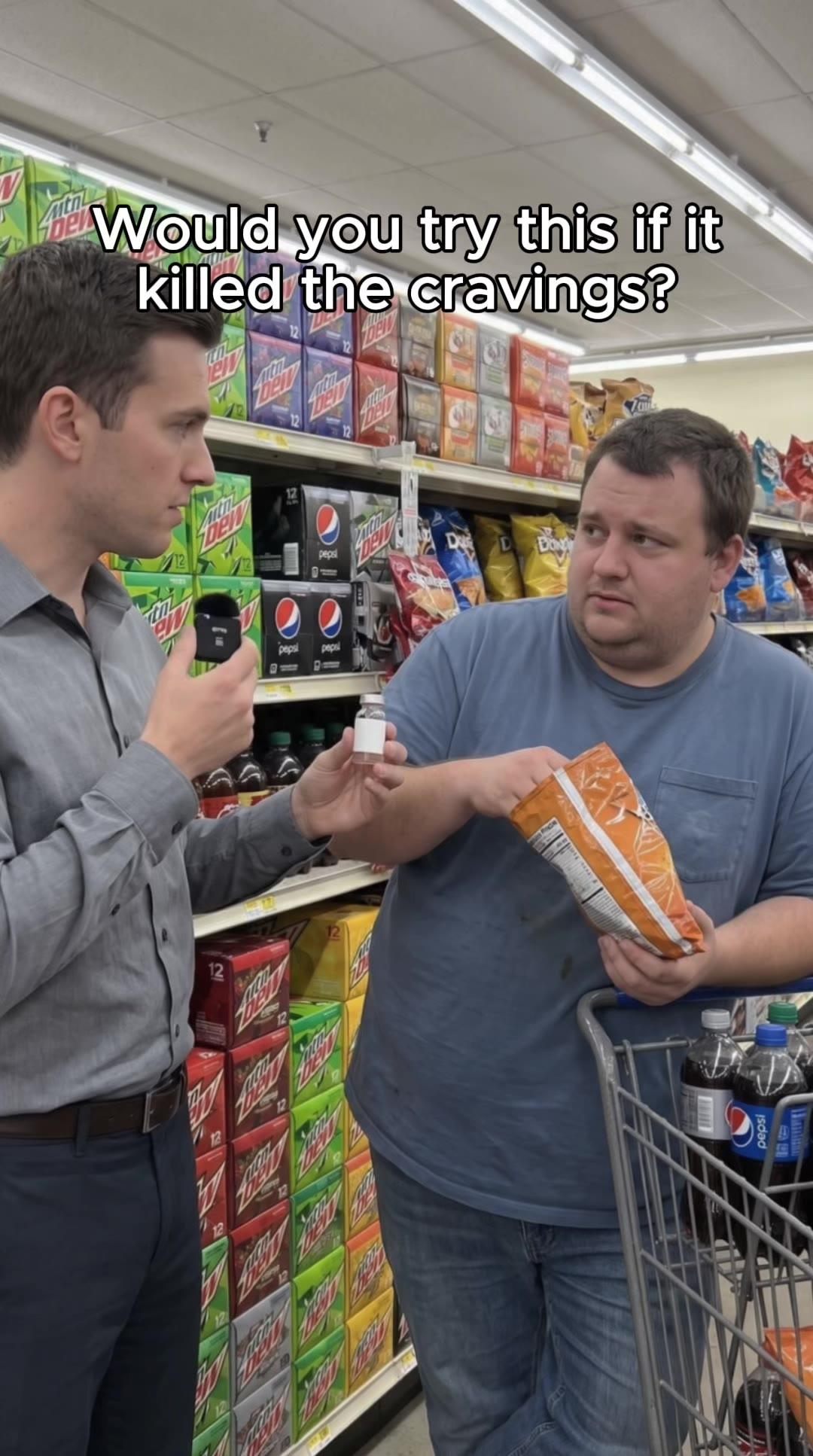
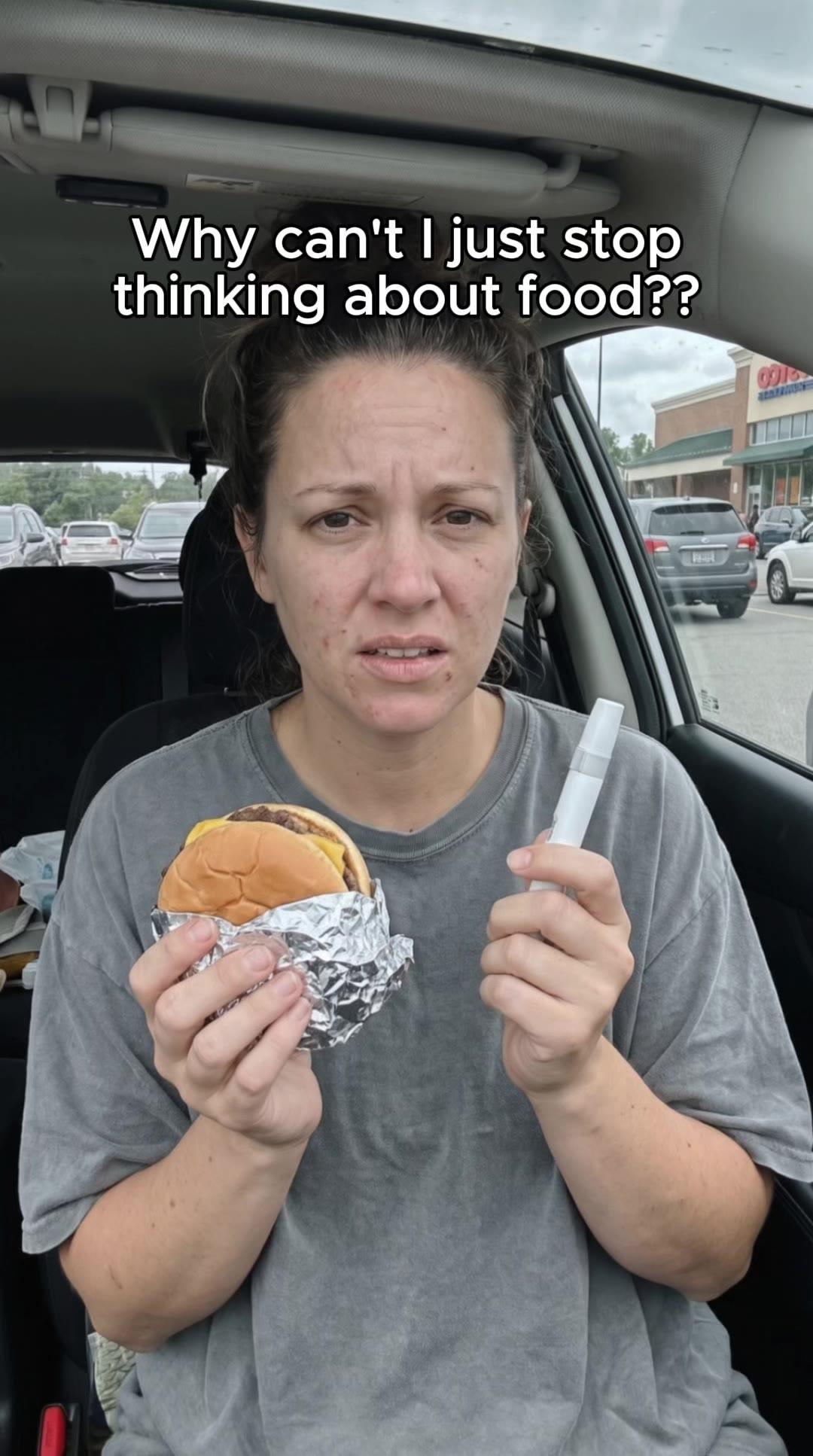
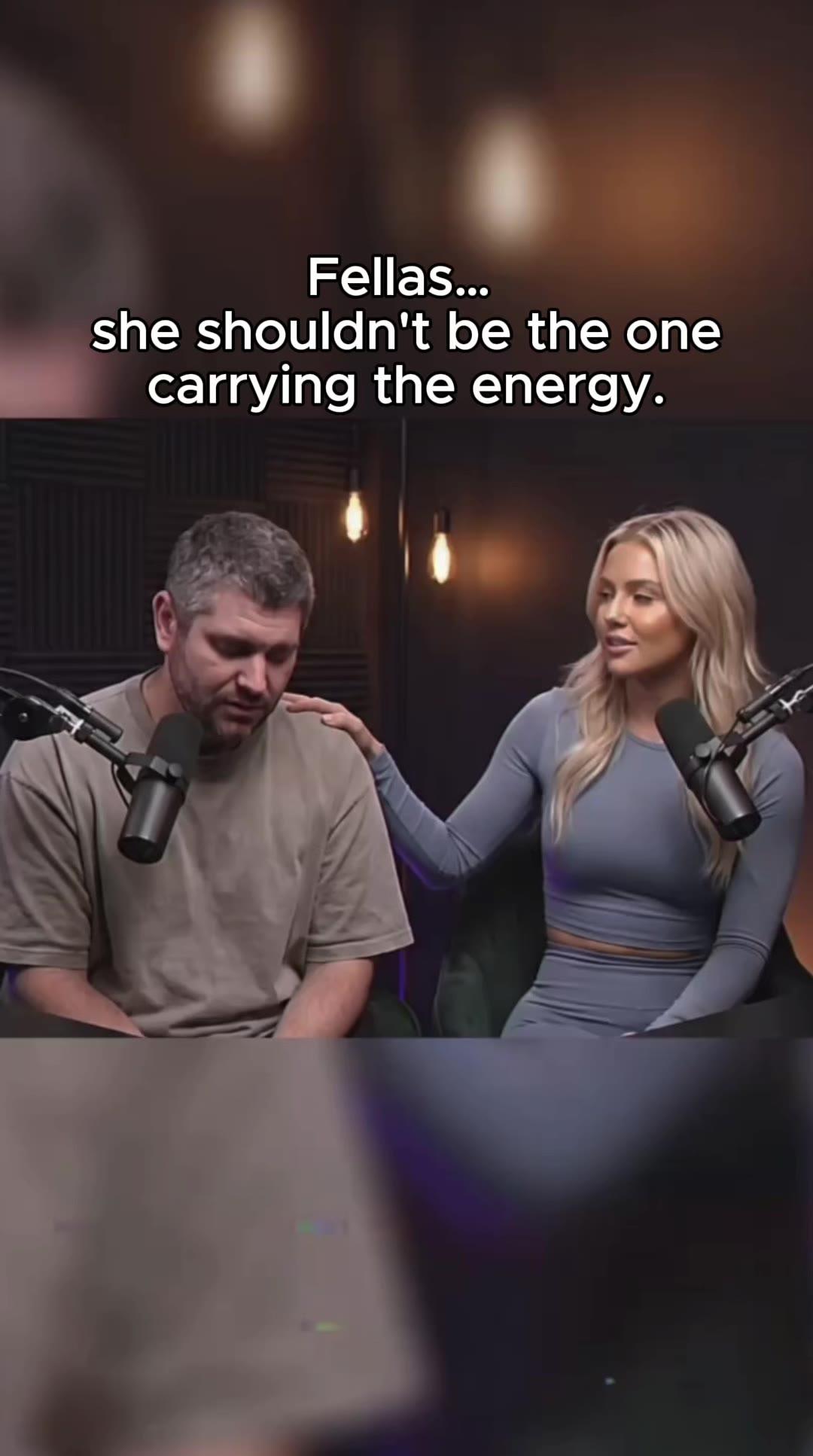
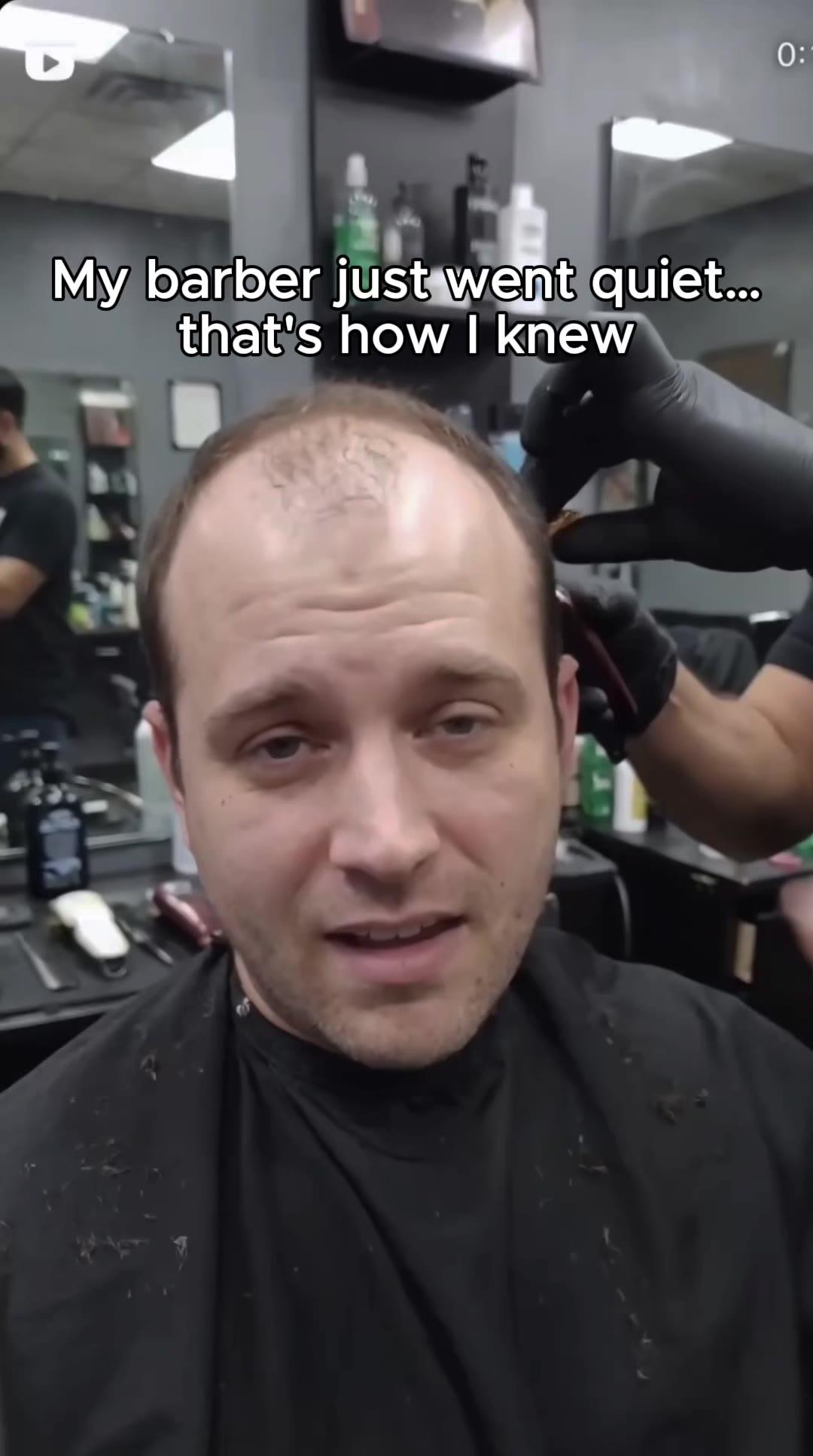

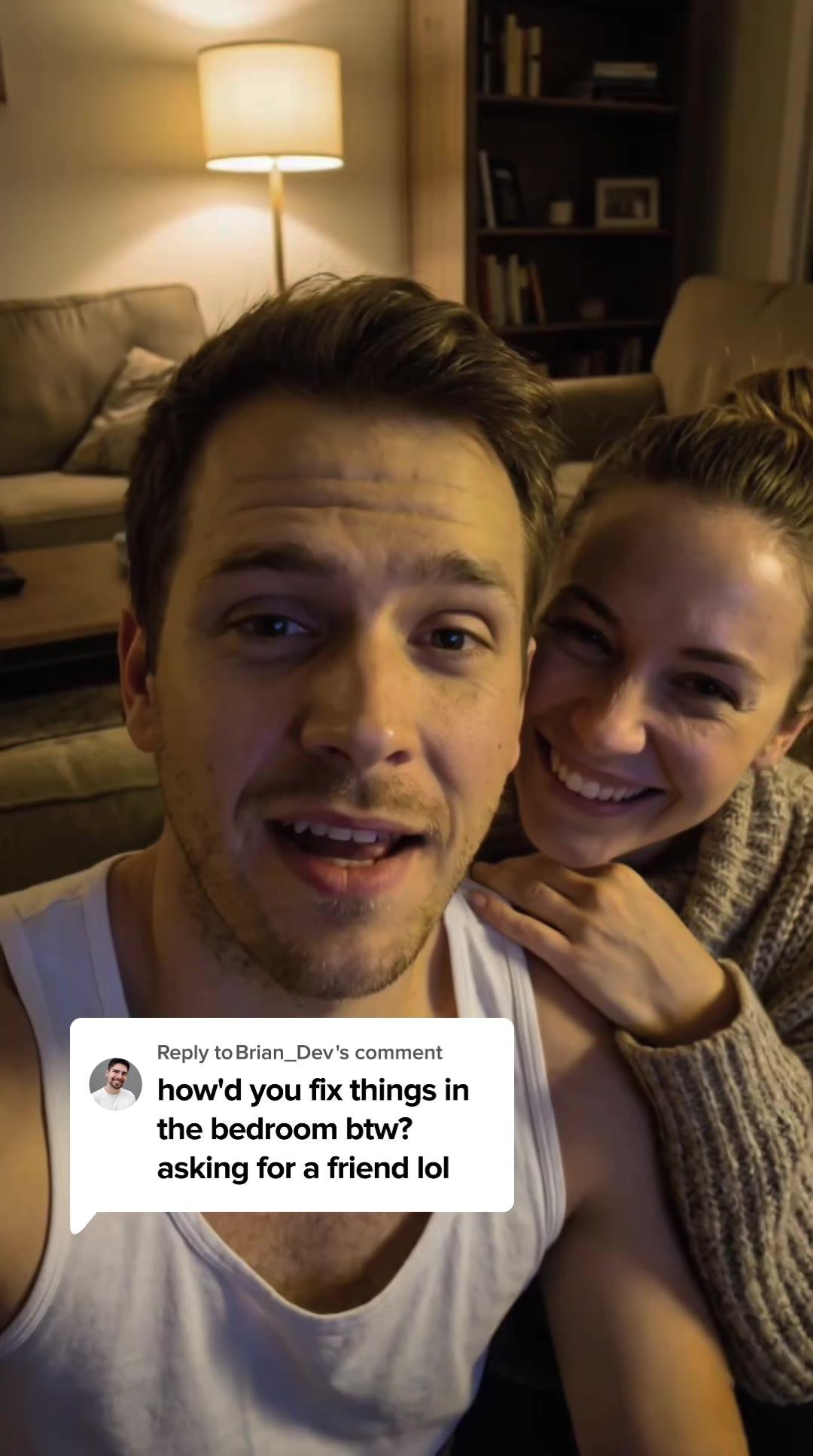

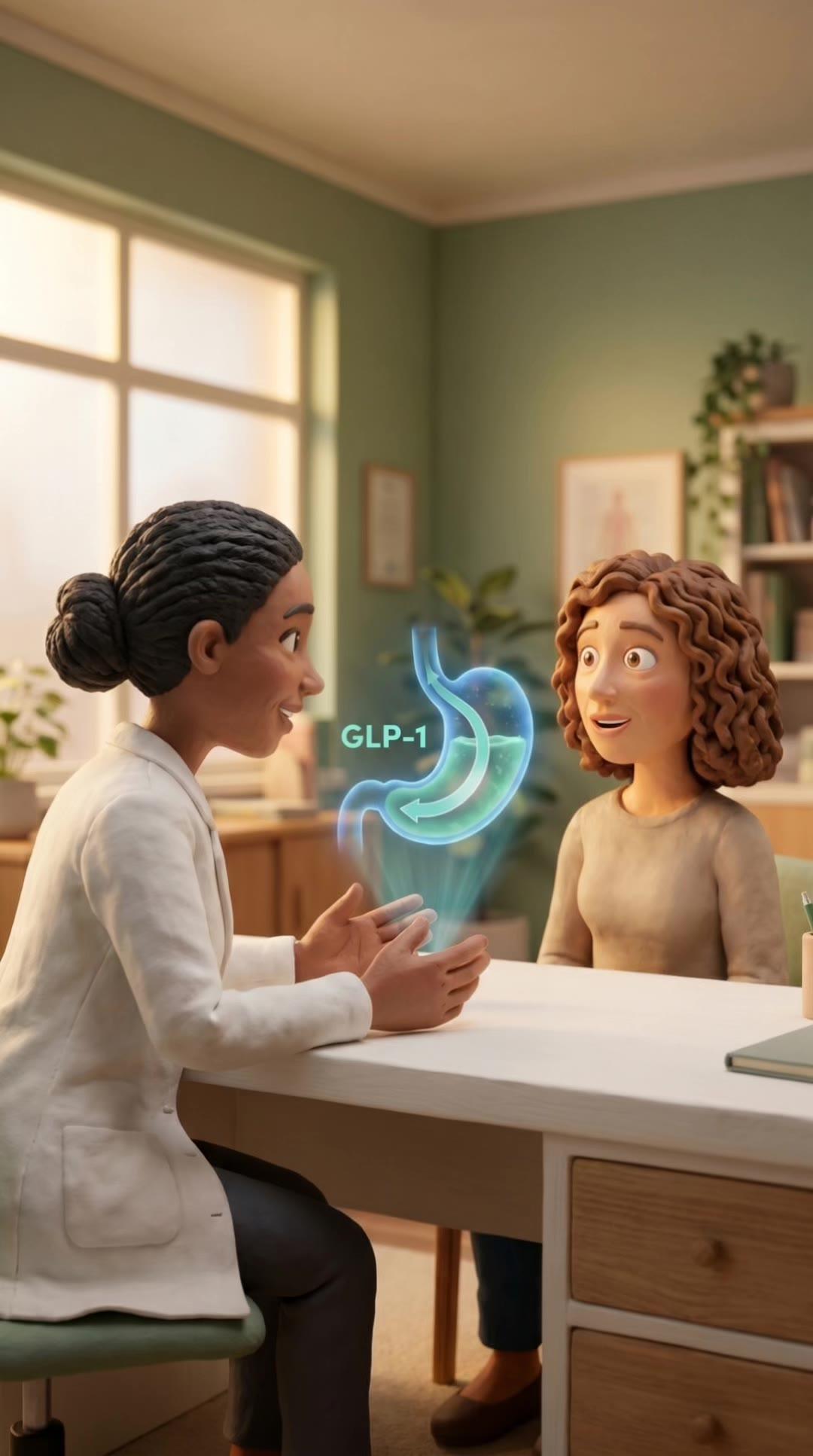
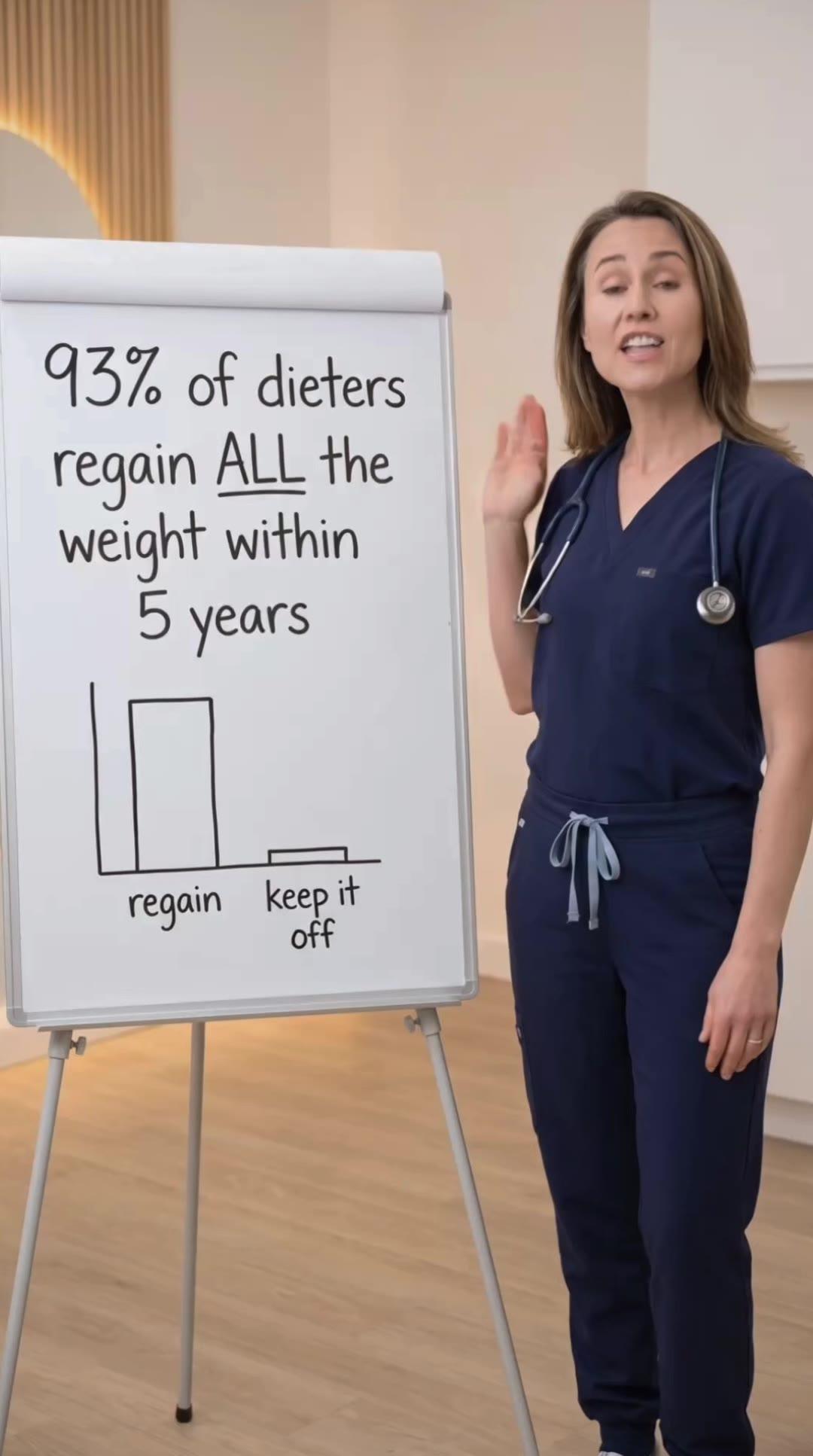
Most telehealth brands don't use contracts when hiring UGC creators. They agree to terms over DM, pay via PayPal, and hope nothing goes wrong. This works until a creator demands more money to use their footage in a new campaign, refuses whitelisting permissions, or threatens legal action because they saw their face in an ad they didn't approve. Without a contract, you have no protection.
For telehealth brands running compliant ads in regulated categories, contracts aren't optional. You need clear documentation of usage rights, whitelisting permissions, compliance responsibilities, and liability protection. This guide explains what to include in your UGC creator contracts to protect your brand and avoid legal issues.
Define Full Usage Rights Upfront
Your contract should state clearly that the creator is transferring full usage rights to the content they create. This means you can use the footage in paid ads, organic posts, landing pages, email campaigns, and any other marketing materials for the duration specified in the agreement. Without this clause, the creator retains ownership and can restrict how you use the content.
Specify which platforms and formats are included. For telehealth, your usage rights should cover Meta, TikTok, YouTube, Google Ads, and any future platforms you might use. Also include rights to edit, modify, and repurpose the content without requiring additional approval from the creator. You want maximum flexibility to iterate on winning creative without renegotiating every time.
For duration, negotiate 12 to 24 months of usage rights. Shorter terms create administrative burden when you want to repurpose content after six months. Longer terms protect you from having to take down performing ads because the license expired. Some creators will push for shorter terms or per-campaign licensing. Push back and explain that telehealth ads run longer than standard DTC campaigns.
Secure Whitelisting and Spark Ads Permissions
Whitelisting (Meta) and Spark Ads (TikTok) allow you to run paid ads from the creator's account, which increases trust and performance. Your contract must include explicit permission for these features. The creator needs to grant access to their account and agree not to revoke permissions during the license period.
For Meta whitelisting, specify that the creator will add your brand's business account as an authorized advertiser and will not remove access until the license expires. For TikTok Spark Ads, the creator must post the organic video to their account and approve the Spark Ads request. Include timelines so the creator knows when they need to complete these steps.
Some creators are hesitant to whitelist because they worry about their audience seeing too many ads from their account. Address this by clarifying that you control the frequency and targeting. You're not spamming their followers; you're using their account to reach new audiences who trust organic-looking content. Most creators agree once they understand the benefit.
Assign Compliance Responsibility Clearly
Your contract should state that the creator is responsible for following the brief and avoiding non-compliant language. If they deviate from the script and make a medical claim that gets your ad rejected, that's their responsibility, not yours. Include language that requires the creator to review the compliance checklist before filming and to refilm at their expense if they deliver non-compliant content.
However, also clarify that your brand retains final approval rights over all content before it goes live. The creator can't claim they didn't know something was non-compliant if you approved the final video. This shared responsibility protects both parties. The creator is responsible for following the brief; you're responsible for reviewing the content before it's used.
For telehealth specifically, include a clause that the creator will not make medical claims, diagnosis, or treatment recommendations beyond what's specified in the approved script. This protects you if a creator goes off-script during filming and says something that triggers FTC or platform violations.
We produce paid social creative exclusively for telehealth brands. From 18 to 200 assets per month.
Get in TouchInclude Disclosure and Compensation Terms
The FTC requires that paid endorsements be disclosed. Your contract should state that the creator is being compensated for their work and that they agree to disclose the relationship if they post the content organically. For paid ads that you run, you're responsible for the disclosure. For organic posts by the creator, they're responsible.
Specify the total compensation amount, payment terms, and what deliverables are included. For example: "Creator will receive $300 upon delivery of one 60-second vertical video with full usage rights and whitelisting permissions for 12 months." This prevents disputes about what's included in the rate and when payment is due.
If you're offering free or discounted products or services in addition to payment, document that as well. The FTC treats free products as compensation, so if you're giving a creator free GLP-1 treatment in exchange for UGC, that must be disclosed and included in the contract. Full transparency protects both parties from FTC scrutiny.
Address Revisions and Delivery Timelines
Your contract should specify how many revisions are included in the base rate and what happens if the creator misses the delivery deadline. Standard terms for telehealth UGC are: one round of revisions included, additional revisions billed at 50% of the original rate, delivery within five business days of brief approval.
If the creator delivers content that's completely off-brief or unusable, clarify whether they're required to refilm at no additional cost. This protects you from paying for content that can't be used. Most contracts include language like "Creator agrees to refilm content at no charge if the delivered content does not meet the specifications outlined in the brief."
Also address what happens if the creator ghosts or fails to deliver. Include a refund clause that states if the creator does not deliver usable content within 10 business days of the agreed deadline, the brand is entitled to a full refund. This gives you recourse if a creator takes payment and disappears.
UGC formats we produce for telehealth.
See the work →Protect Against Competing Brand Restrictions
For telehealth brands, you don't want a creator filming for your GLP-1 service one month and your competitor the next. Include a non-compete clause that prevents the creator from working with direct competitors for the duration of the license. Define "direct competitor" clearly so there's no ambiguity about what's allowed.
For example: "Creator agrees not to create content for competing telehealth brands offering GLP-1, semaglutide, tirzepatide, or weight loss services for 12 months from the date of this agreement." This prevents the creator from diluting their credibility by endorsing multiple competing services simultaneously.
Some creators will push back on non-compete clauses, especially if they work regularly in the health and wellness space. Negotiate a narrower definition of "competitor" or offer higher compensation in exchange for exclusivity. The cost of a non-compete is worth it if the creator's face becomes associated with your brand.
Include Liability and Indemnification Clauses
Your contract should include an indemnification clause that protects your brand if the creator's content results in legal action. For example, if the creator makes false claims about being a licensed medical professional or uses copyrighted music without permission, they're liable, not you. This clause shifts the risk back to the creator for their actions.
Also include a liability waiver that clarifies the creator is an independent contractor, not an employee. This protects you from being held responsible for the creator's taxes, benefits, or insurance. It also clarifies that the creator is responsible for their own equipment, filming location, and any costs associated with producing the content.
For telehealth specifically, include language that the creator is not providing medical advice and that any claims they make are personal opinions, not medical recommendations. This protects you if someone interprets the creator's content as medical guidance and takes action based on it.
Use a Standardized Template With Room for Customization
Don't write a new contract for every creator. Build a standardized template that covers all the key terms and customize only the specifics: creator name, compensation amount, deliverables, and license duration. This speeds up onboarding and ensures consistency across all your creator agreements.
Your template should be two to three pages maximum. Longer contracts intimidate creators and slow down the negotiation process. Keep the language clear and straightforward. Avoid legalese that requires a lawyer to interpret. The goal is mutual understanding, not legal complexity.
Have your template reviewed by a lawyer who specializes in influencer marketing or advertising law. For telehealth, the lawyer should understand FTC endorsement guidelines and health advertising regulations. An hour of legal review upfront prevents thousands of dollars in legal fees later if a contract dispute arises.
How to Handle Creator Pushback on Contracts
Some creators will refuse to sign contracts, especially if they're used to informal agreements. Explain that contracts protect both parties by clarifying expectations and preventing disputes. Frame it as a professionalism standard, not a lack of trust. Most creators appreciate the clarity once they understand the benefit.
If a creator pushes back on specific terms like whitelisting or non-compete clauses, negotiate. You can adjust rates, shorten the license duration, or remove optional clauses. But never waive usage rights or compliance responsibilities. Those are non-negotiable for telehealth brands running regulated ads at scale.
If a creator still refuses to sign after negotiation, walk away. A creator who won't agree to clear terms is a liability waiting to happen. You'll spend more time and money dealing with disputes than you save by working with them. The best creators understand that contracts are standard for professional UGC work.
Store Signed Contracts Centrally and Reference Them
Keep signed contracts in a central location like Google Drive or a project management tool. Tag each contract with the creator's name, project date, and license expiration date. This makes it easy to reference terms if a dispute arises or if you need to verify usage rights for an old piece of content.
Also track which creators have active contracts and which ones have expired licenses. If a creator's license expires and you want to keep using their content, reach out to renew the agreement before the expiration date. Don't assume implied permission to keep using content after the license ends.
For high-volume production, consider using contract management software like PandaDoc or DocuSign. These tools automate reminders for renewals, track signature status, and integrate with your CRM or project management system. At 20+ creators per month, manual contract management becomes a bottleneck.
Need help structuring UGC contracts for your telehealth brand? Book a call or explore our creative services.
Related Articles
- UGC Ads for Telehealth: What Works and What Gets Rejected
- How to Find UGC Creators for Telehealth Brands
- How to Brief UGC Creators for Telehealth Ad Compliance
- UGC Creator Rates for Telehealth Brands: What to Pay in 2026
- How to Scale UGC Production for a Telehealth Brand
- Combining UGC and Whitelisting for Telehealth Ads
UGC systems built for telehealth.
A 30-minute call. We audit your creative approach and show you exactly what a complete angle-format-hook system looks like for your vertical.