UGC Hook Formulas That Work for Telehealth Brands
Concepts shown are internal creative studies, not client campaigns.
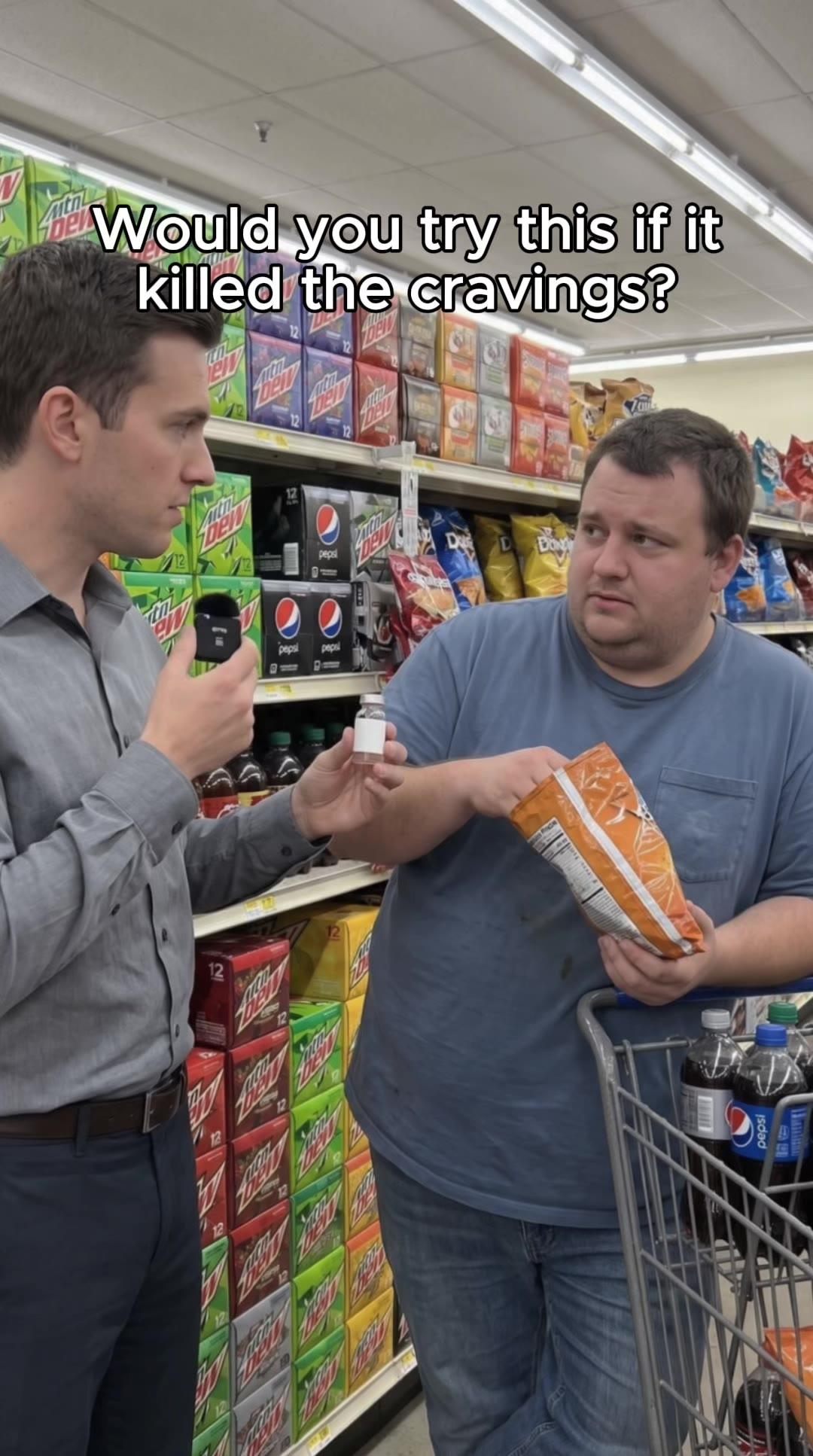
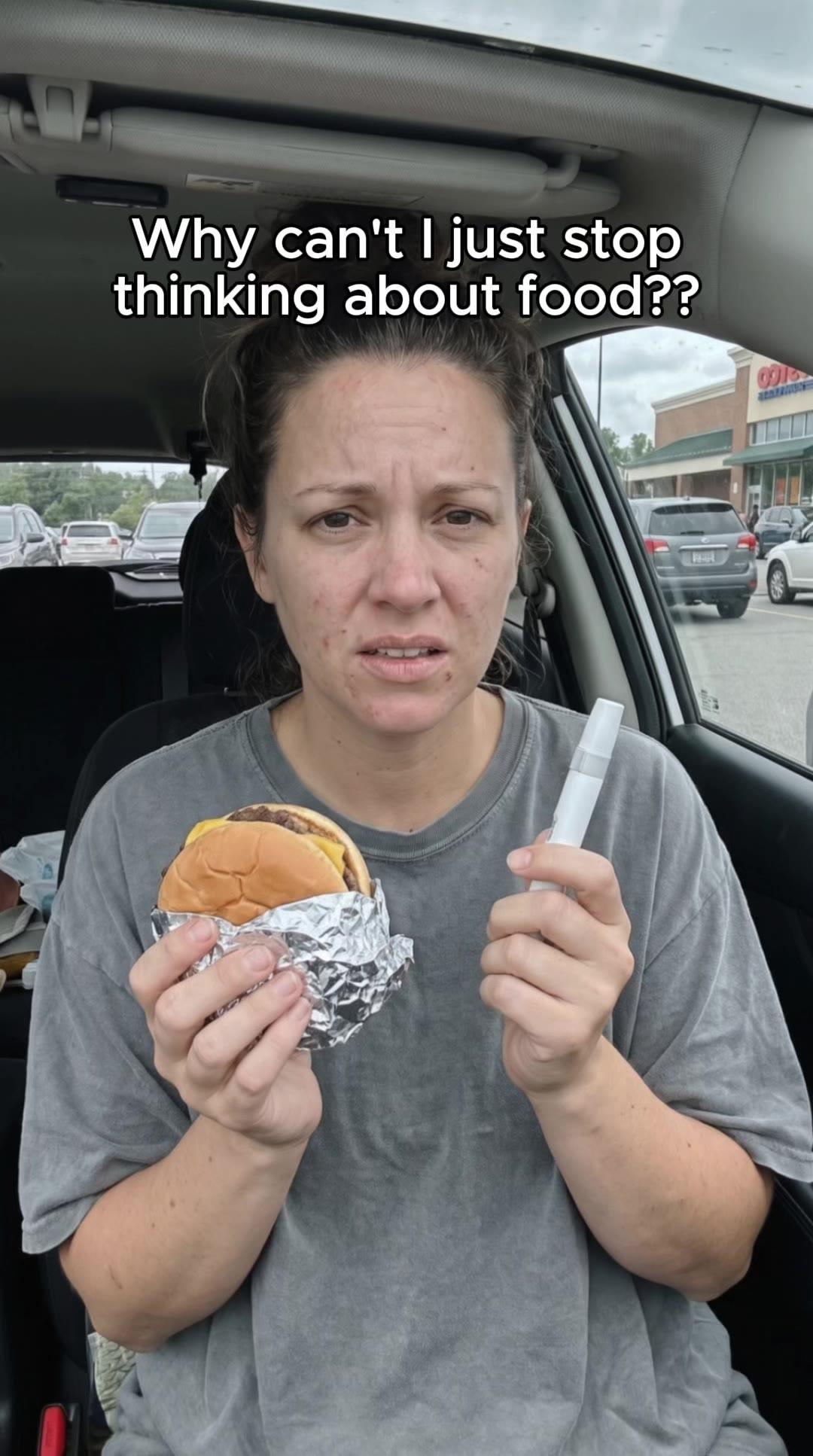
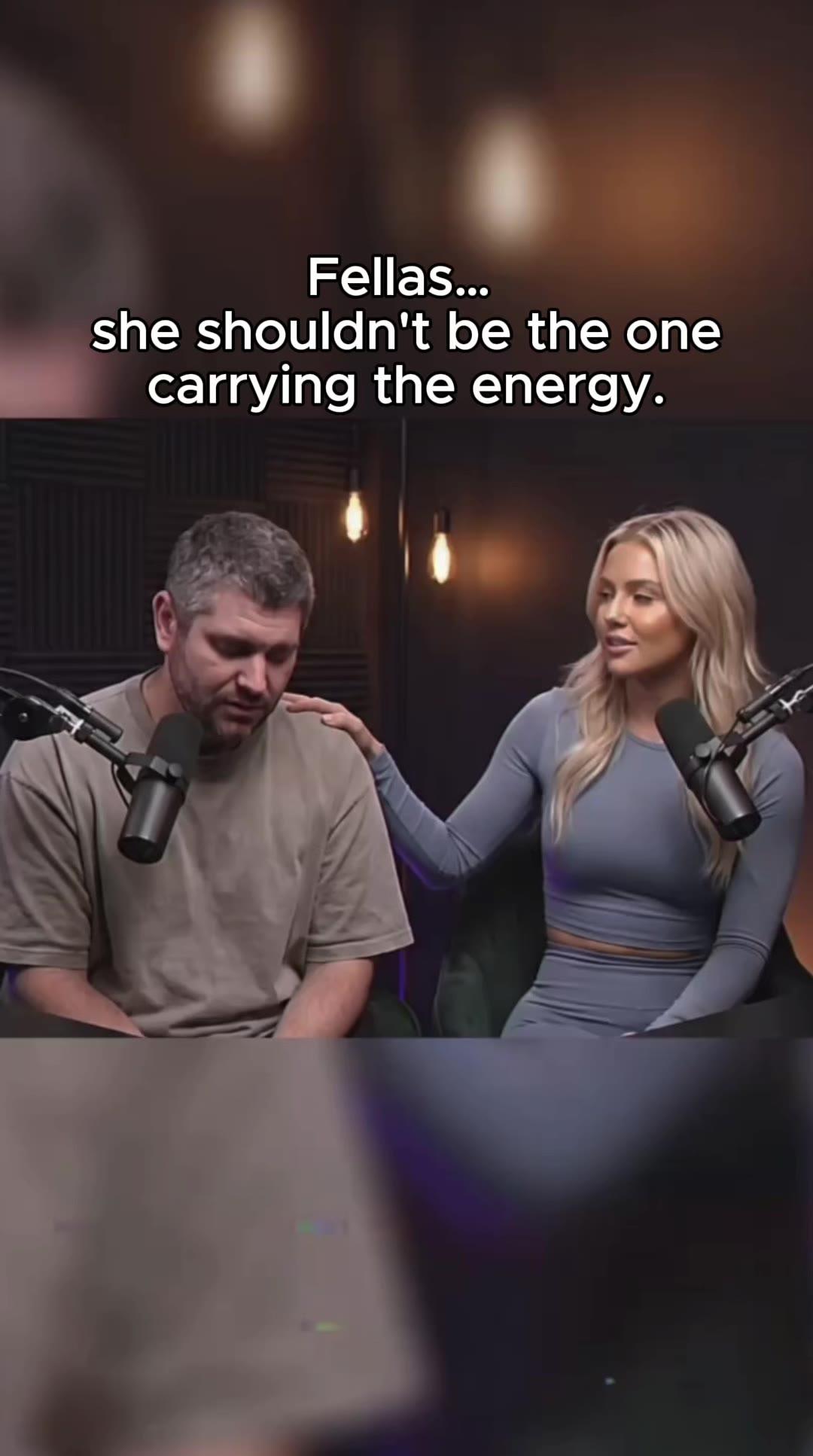
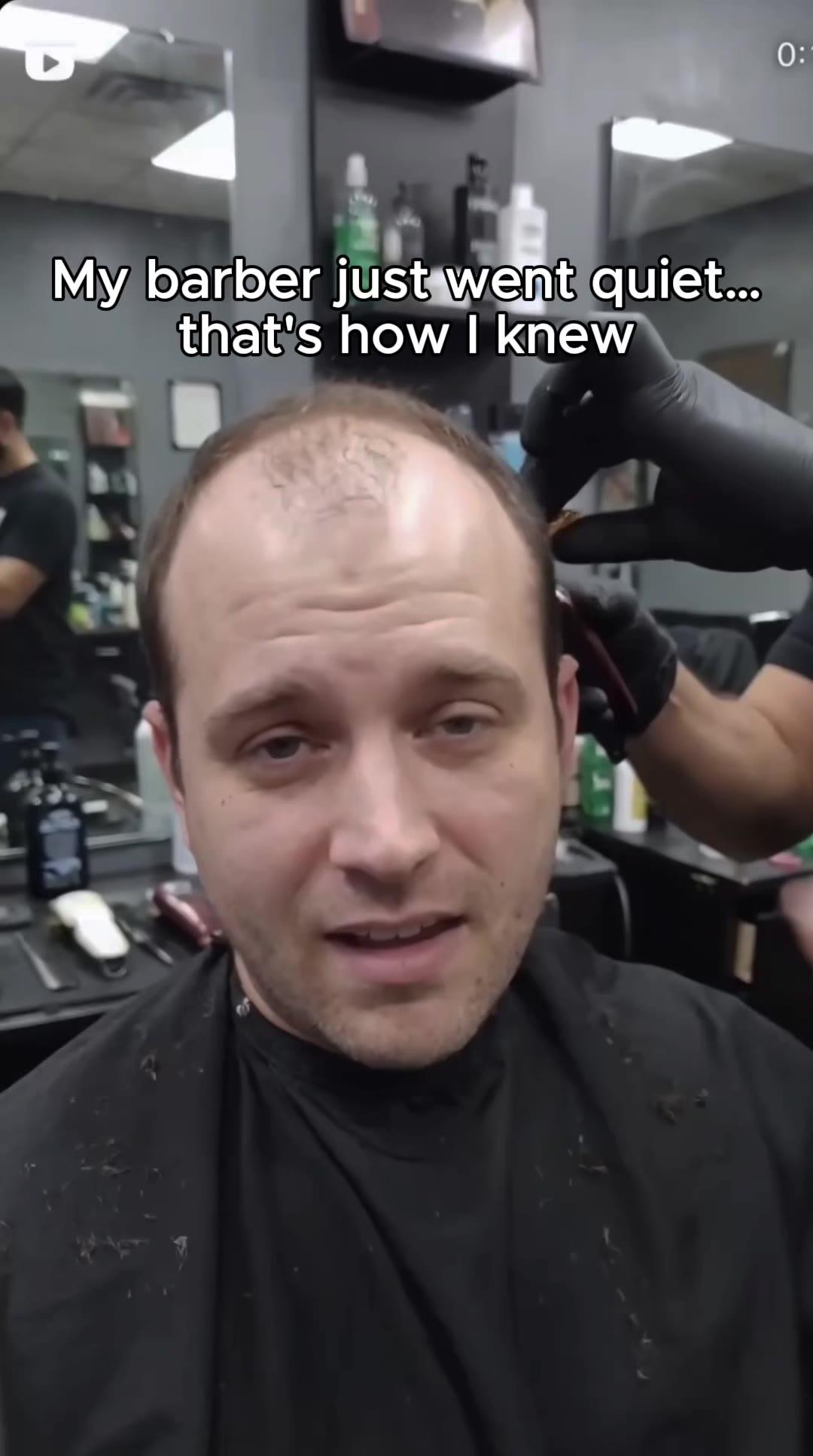

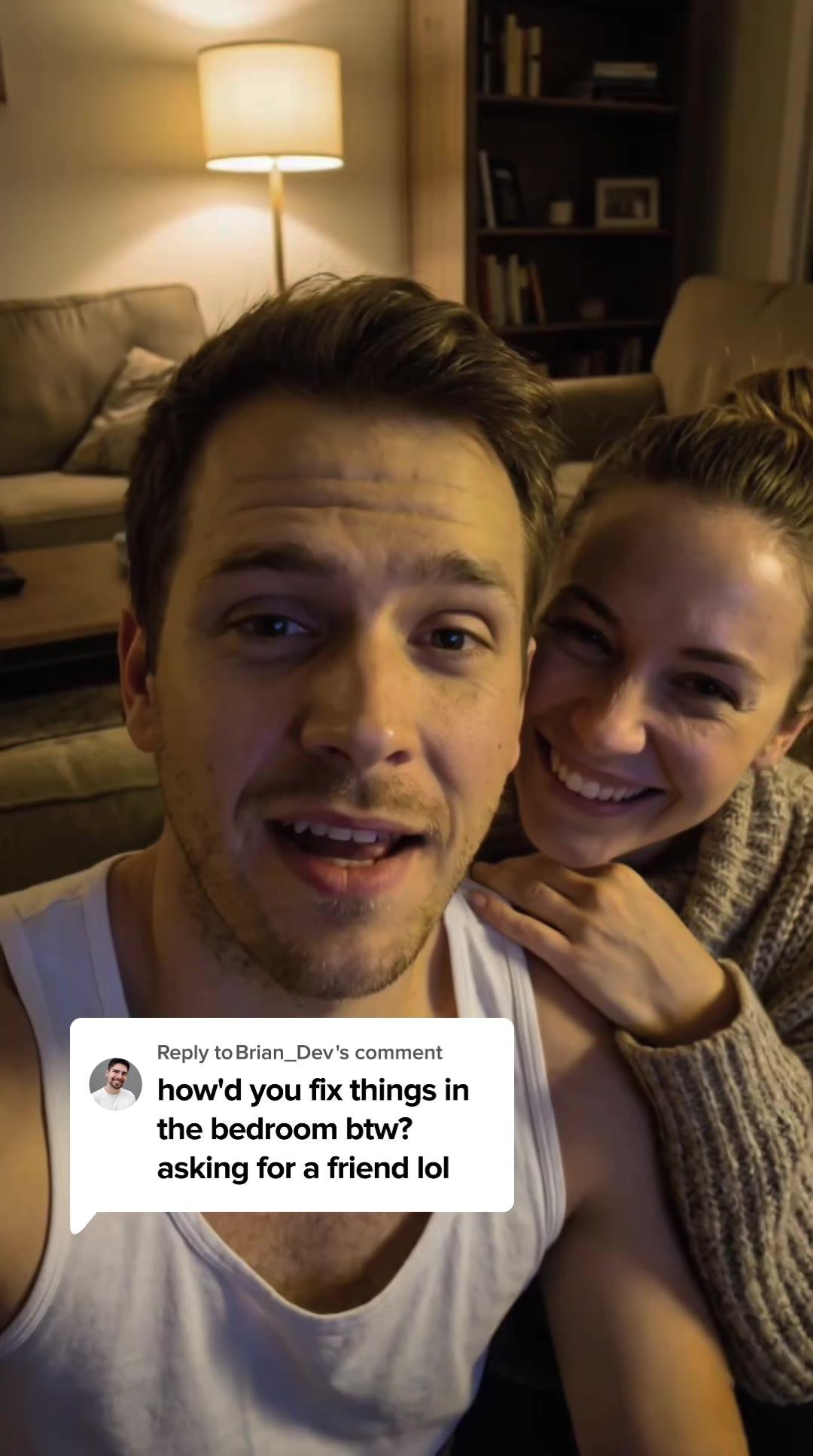

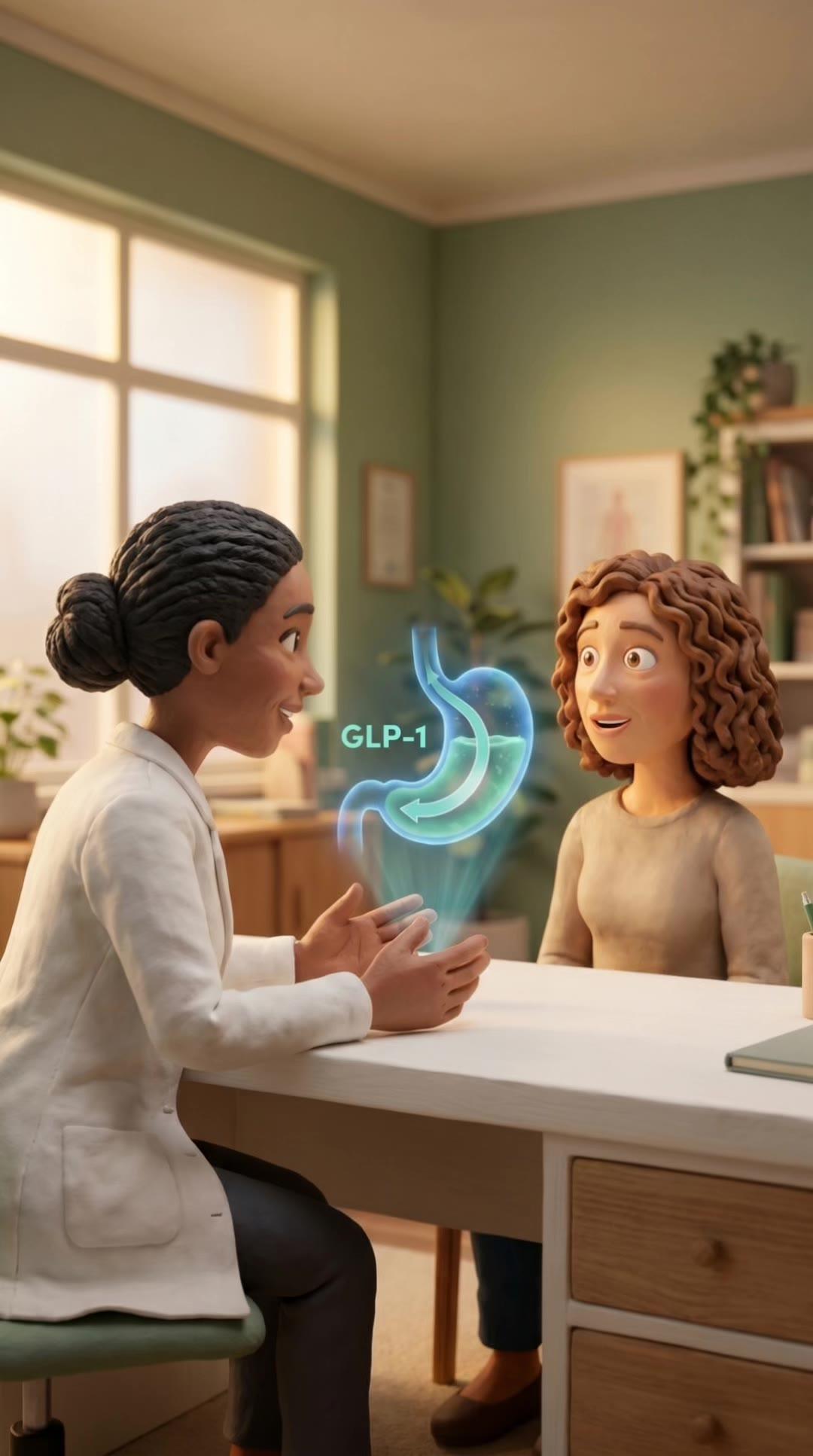
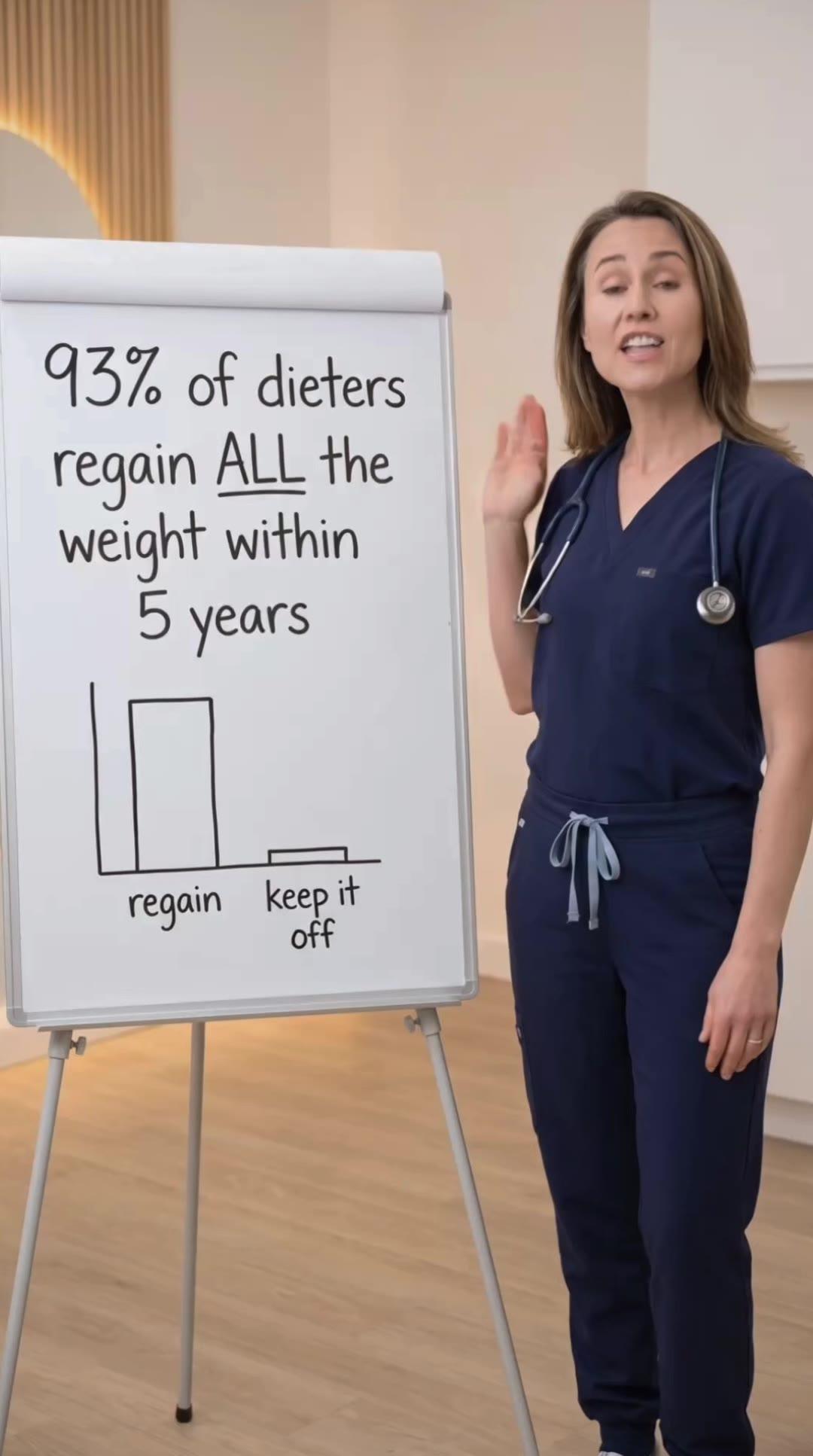
The first three seconds of your UGC video determine whether viewers watch or scroll. Most telehealth brands waste those three seconds with weak hooks like "Let me tell you about my experience" or "I want to share something with you." These hooks don't create curiosity, urgency, or contrast. They're generic, forgettable, and invisible to anyone scrolling quickly through their feed.
Winning hooks for telehealth UGC follow proven formulas that stop the scroll immediately. They create pattern interrupts, promise value, or trigger emotional curiosity. This guide breaks down the hook formulas that drive performance across 100M+ organic views and $50M+ in paid spend for telehealth brands in GLP-1, TRT, ED, hair loss, and peptides.
The Curiosity Gap Formula
The curiosity gap hook promises information without revealing it upfront. It creates tension between what the viewer knows and what they want to know. For telehealth, this formula works because audiences are searching for answers but skeptical of overpromises. The hook teases insight without making medical claims.
Examples: "I didn't expect this when I started telehealth," "Here's what nobody tells you about GLP-1," or "This is what changed after my first consultation." These hooks work because they imply the creator has valuable information based on personal experience. The viewer watches to close the knowledge gap.
For GLP-1 brands, use: "I wish someone told me this before starting weight management." For TRT brands: "What I learned about testosterone after talking to my doctor." For ED treatment: "This is the one thing that surprised me about telemedicine." Curiosity hooks perform well across platforms because they don't promise outcomes, just information.
The Problem-Agitation Formula
This formula starts with a relatable problem that your audience experiences, then agitates it briefly before introducing the solution. The hook captures attention by naming the pain point directly. For telehealth, the problem needs to be specific enough to resonate but broad enough to apply to many viewers.
Examples: "I was tired of feeling low energy every day," "I tried every diet and nothing worked," or "I didn't want to keep putting this off." These hooks work because they name a frustration that the viewer likely shares. The viewer keeps watching to see if the creator found a solution.
For TRT brands, use: "I couldn't figure out why I felt off all the time." For hair loss: "I noticed my hairline changing and didn't know what to do." For peptides: "I wanted to optimize my health but didn't know where to start." Problem-focused hooks perform well when the audience is actively looking for solutions but hasn't found them yet.
We produce paid social creative exclusively for telehealth brands. From 18 to 200 assets per month.
Get in TouchThe Contrarian Take Formula
Contrarian hooks challenge common beliefs or expectations. They work by creating cognitive dissonance that demands resolution. The viewer watches because they want to understand why the creator's experience contradicts conventional wisdom. For telehealth, contrarian hooks reduce skepticism by acknowledging doubt upfront.
Examples: "I thought telehealth was a scam until I tried it," "Everyone told me not to do this, but here's what happened," or "This isn't what I expected from online treatment." These hooks signal that the creator was skeptical too, which builds rapport with viewers who share that skepticism.
For GLP-1 brands, use: "I was against weight loss medication until my doctor explained this." For ED treatment: "I didn't think telemedicine could help with something this personal." For peptides: "I thought this was only for athletes." Contrarian hooks work because they give permission to reconsider assumptions. The creator's skepticism mirrors the audience's, making the message more credible.
The Before-State Framing Formula
This formula describes what life was like before the creator took action. It doesn't show before-and-after imagery, which violates compliance rules. Instead, it paints a verbal picture of the emotional or practical challenges the creator faced. The hook stops the scroll by creating empathy and relatability.
Examples: "Six months ago, I couldn't get through the day without crashing," "I used to avoid situations because of how I felt," or "I didn't realize how much this was affecting my life." These hooks work because they describe an emotional state that viewers recognize in themselves. The viewer keeps watching to hear how the creator's situation changed.
For TRT brands, use: "I didn't connect my low energy to anything specific until my doctor asked about testosterone." For hair loss: "I used to stress every time I looked in the mirror." For GLP-1: "I tried every approach and felt stuck." Before-state framing builds empathy without making outcome promises, which keeps the content compliant.
The Process Reveal Formula
Process reveal hooks promise to explain how something works rather than what results it delivers. These hooks are inherently compliant because they focus on education, not outcomes. For audiences who are research-oriented or skeptical, process hooks provide value without triggering sales resistance.
Examples: "Here's how telehealth actually works," "This is what happens during your first consultation," or "Let me walk you through what to expect." These hooks work because they reduce uncertainty. Viewers watch because they want to understand the process before committing.
For GLP-1 brands, use: "Here's what the consultation process looks like." For TRT: "This is how you know if you're a candidate for treatment." For ED: "Let me explain how telemedicine handles privacy." Process hooks perform well in the consideration stage when viewers are evaluating options but haven't decided yet.
UGC formats we produce for telehealth.
See the work →The Timeline-Specific Formula
Timeline hooks create urgency or specificity by anchoring the message to a timeframe. They work by making the creator's experience feel recent and relevant. For telehealth, timeline hooks also help navigate compliance by framing the message as a personal journey rather than a result guarantee.
Examples: "Three months ago, I didn't know this was an option," "It's been six weeks since I started working with a telehealth provider," or "Last year, I was in a completely different place." These hooks work because they imply change over time without promising specific outcomes. The viewer watches to understand what happened during that timeframe.
For GLP-1 brands, use: "It's been four months since I started talking to my doctor about weight management." For TRT: "I started exploring testosterone support six weeks ago." For peptides: "Two months ago, I didn't know peptides were accessible through telehealth." Timeline hooks add credibility by grounding the story in a specific experience rather than vague claims.
The List-Style Hook Formula
List hooks promise multiple pieces of information in a digestible format. They work because audiences know exactly what they're getting: a short, structured explanation of key points. For telehealth, list hooks work well for educational content or addressing common objections.
Examples: "Three things I wish I knew before starting telehealth," "Here are the questions to ask during your consultation," or "Two reasons I chose telemedicine over in-person care." These hooks work because they set clear expectations. The viewer knows the video will be concise and actionable.
For GLP-1 brands, use: "Four things that surprised me about working with a weight management provider online." For ED treatment: "Three reasons telemedicine made sense for me." For hair loss: "Two things to know before your first telehealth appointment." List hooks perform well across demographics because they feel informational rather than promotional.
The Question-First Formula
Question hooks engage viewers by making them think before delivering the answer. The question should be one the viewer is already asking themselves. For telehealth, question hooks work when they address common concerns or objections upfront.
Examples: "Can you really get prescription treatment online?" "Is telehealth actually private and secure?" or "What's the difference between telehealth and traditional care?" These hooks work because they name the viewer's uncertainty and promise to resolve it. The viewer watches to hear the answer.
For TRT brands, use: "How do you know if low testosterone is affecting you?" For GLP-1: "Is weight management through telehealth covered by insurance?" For peptides: "What are peptides and why are people talking about them?" Question hooks reduce friction by acknowledging that the viewer has doubts. The hook positions the video as educational, not promotional.
The Social Proof Implication Formula
Social proof hooks imply that others are taking action without making explicit claims about popularity. They work by creating FOMO or normalizing a behavior that the viewer might perceive as unusual. For telehealth, social proof reduces stigma and makes the decision feel safer.
Examples: "More people are trying telehealth than you think," "I didn't realize how common this was until I talked to my doctor," or "Turns out a lot of people are exploring this option." These hooks work because they reduce the perception of risk. If others are doing it, the viewer feels more comfortable considering it.
For ED treatment, use: "I found out that talking to a doctor about this is way more common than I thought." For GLP-1: "A lot of people I know are working with telehealth providers for weight management." For TRT: "I learned that optimizing testosterone is something men in their 30s and 40s are exploring now." Social proof hooks normalize the behavior without making popularity claims.
How to Test Hook Variations Systematically
Don't guess which hook will work. Test multiple variations from different formula categories. Brief your creators to film 3-5 videos with different hooks but the same core message. Run each variation with a small test budget ($500-$1,000) and measure CTR and CPA. The top performer becomes your control, and you continue testing variations against it.
Track which hook formulas perform best by vertical. GLP-1 brands may find curiosity hooks outperform problem-agitation hooks. TRT brands may see stronger performance from contrarian hooks. Peptide brands might do better with process reveal hooks. Use your performance data to prioritize the formulas that resonate with your specific audience.
Also test hooks by demographic. A hook that works for women aged 35-45 might not work for men aged 50+. A hook that resonates with fitness enthusiasts might fall flat with busy professionals. Segment your audience and test hooks tailored to each segment. Personalization at the hook level improves performance more than personalization at the body or CTA level.
Need help writing and testing hook variations for your telehealth brand? Book a call or explore our creative services.
Related Articles
UGC systems built for telehealth.
A 30-minute call. We audit your creative approach and show you exactly what a complete angle-format-hook system looks like for your vertical.