How Many UGC Variations Should a Telehealth Brand Test Per Month
Concepts shown are internal creative studies, not client campaigns.








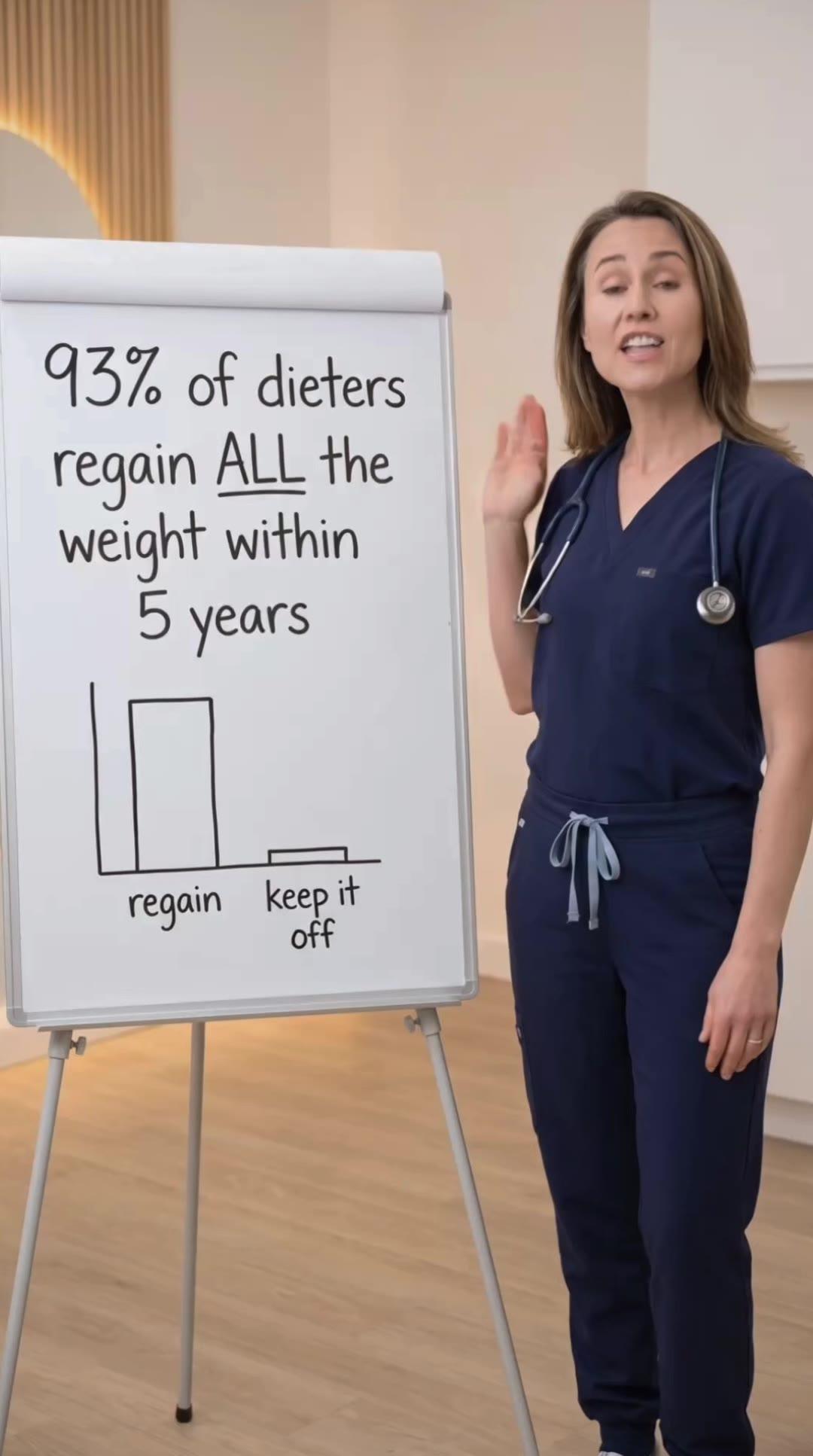
Most telehealth brands test too few UGC variations and wonder why they can't find winning creative consistently. They produce 5-10 videos per month and hope one of them works. When nothing breaks out, they blame the creators, the platform, or the audience. The real problem is volume. Testing 10 videos per month gives you a 10-20% chance of finding a winner. Testing 50 videos per month gives you 5x the opportunities to discover what works.
Creative testing is a numbers game. More tests mean more data, which means better decisions about what to scale. But there's a balance: testing too few variations leaves performance on the table, and testing too many creates operational chaos. This guide explains how many UGC variations to test based on your ad spend, growth stage, and internal resources.
Testing Volume by Monthly Ad Spend
At $10K-$25K per month in ad spend, test 10-15 new UGC variations per month. This gives you enough volume to find 2-3 winners that you can scale without overwhelming your production capacity. Focus on testing different hooks and creator demographics rather than minor edits. Each variation should represent a distinct hypothesis, not a slight tweak.
At $25K-$75K per month, increase to 20-30 new variations. At this spend level, creative fatigue becomes a problem. You need a continuous pipeline of fresh content to replace fatiguing ads. Also test more granular variations: same creator with different hooks, same hook with different creators, and different messaging angles within the same vertical.
At $75K-$200K per month, test 40-60 variations. High spend requires high volume because you're burning through creative faster. You also have budget to test more aggressively without worrying about wasting money on losing concepts. At this level, testing is your competitive advantage. Brands that test more discover winning creative before competitors do, which gives them better auction prices and market share.
What Counts as a Variation
A variation is a distinct creative asset with at least one meaningful difference from existing content. Changing the hook, creator, messaging angle, or format counts as a variation. Changing only the caption, thumbnail, or minor text overlay does not. Focus on testing variables that significantly affect performance, not cosmetic differences.
For example, one creator filming three videos with different hooks counts as three variations. The same creator's video edited into three different lengths (15s, 30s, 60s) counts as three variations. But the same 15-second video uploaded with three different captions counts as one variation. The content itself must change, not just the wrapper.
Also distinguish between new variations and repurposed variations. If you take a winning Meta ad and reformat it for TikTok, that's repurposing, not new testing. Repurposed content is valuable but doesn't expand your creative hypothesis testing. Track new variations separately from repurposed assets so you understand how much true testing you're doing versus optimization of existing winners.
We produce paid social creative exclusively for telehealth brands. From 18 to 200 assets per month.
Get in TouchTest Budget vs Total Ad Spend Ratio
Allocate 20-30% of your ad spend to testing new variations. The remaining 70-80% goes toward scaling proven winners. For example, if you spend $50K per month, allocate $10K-$15K to testing and $35K-$40K to scaling. This balance ensures you're discovering new winners while maximizing ROI on content that's already working.
Early-stage brands (first 3-6 months of paid advertising) should allocate 40-50% to testing because they haven't identified winning creative yet. Everything is a test. Once you have 3-5 proven winners, shift budget toward scaling those and reduce testing allocation to 20-30%. Testing budget should decrease as a percentage of total spend as you mature.
Also consider seasonal testing budget adjustments. During Q4 or high-intent periods, allocate less to testing and more to scaling because you want to maximize conversions when demand is high. During slower months, increase testing allocation to discover new concepts that you can scale during peak periods. Flexibility prevents you from wasting budget on testing when you should be scaling.
Iteration Velocity Matters More Than Volume
Testing 50 variations per month doesn't help if it takes you 30 days to produce them. By the time you launch the 50th video, the first 10 have already fatigued. Iteration velocity is how fast you can go from concept to live ad. High-volume brands maintain 7-10 day production cycles: brief on Monday, receive content by Friday, review and upload the following Monday. This speed compounds over time.
To increase iteration velocity, standardize your production process. Use templated briefs, pre-vetted creators, and streamlined approval workflows. Eliminate bottlenecks like waiting for legal review or chasing creators for deliverables. Every day saved in production allows you to test and learn faster than competitors who take 3-4 weeks per cycle.
Also batch production rather than producing one video at a time. Film 10 creator videos in the same week, review them together, and launch them as a cohort. Batching reduces administrative overhead and allows you to compare performance across creators and concepts simultaneously. Sequential production is slow and prevents apples-to-apples testing.
UGC formats we produce for telehealth.
See the work →How Many Variations to Test Per Variable
When testing a specific variable (hook, creator, angle), test at least 5 variations to get meaningful data. Testing 2-3 variations doesn't provide enough statistical confidence. You might dismiss a winning hook because you only tested it with two underperforming creators. Five tests give you enough data to identify patterns and separate signal from noise.
For hooks, test 5-8 different formulas (curiosity, problem-focused, contrarian, etc.) with the same or similar creators. Track CTR by hook to identify which structures drive the most interest. For creators, test 5-10 different demographics (age, gender, appearance) with the same messaging. Track CPA by creator to identify which profiles resonate best with your audience.
For messaging angles (performance vs health, process vs results, educational vs testimonial), test 3-5 variations with multiple creators. Messaging angles often require more context to land, so don't judge them on a single test. If process-focused messaging underperforms with one creator, test it with three more before concluding it doesn't work for your audience.
Test Allocation Across Platforms
Don't split testing volume equally across platforms. Allocate based on where you spend the most. If 70% of your ad spend is on Meta, 70% of your testing volume should be Meta-specific. If you spend equally on Meta and TikTok, split testing 50/50. Platform allocation ensures you're optimizing for the channels that drive the most revenue.
Also test platform-native content rather than running the same videos everywhere. TikTok rewards different creative than Meta. Testing TikTok-specific content (raw, unpolished, trending audio) separately from Meta-specific content (polished, captioned, educational) provides better insights. Cross-platform repurposing is valuable, but dedicated platform testing finds winners that generic content misses.
For YouTube and Google, testing volume can be lower because these channels often perform well with repurposed content from Meta or TikTok. Allocate 10-20% of testing budget to YouTube-specific content and focus most testing on social platforms where creative fatigue is faster and competition is higher. Prioritize where testing has the biggest impact.
When to Increase or Decrease Testing Volume
Increase testing volume when you're scaling spend and need more winning creative to support it. If you're going from $50K to $100K per month, double your testing volume. More spend requires more fresh content to prevent creative fatigue from killing performance. Also increase testing when launching new verticals, audiences, or platforms. New contexts require new creative.
Decrease testing volume when you have a stable roster of 5-10 evergreen winners that consistently drive strong CPA. If your existing creative is performing well and not showing signs of fatigue, redirect testing budget toward scaling. You can always ramp testing back up if performance degrades. Flexibility prevents wasting budget on unnecessary testing.
Also decrease testing during periods when your team is capacity-constrained. If your compliance reviewer is overwhelmed or your creator roster is tapped out, testing more variations won't help. Fix the bottleneck first, then increase volume. Forcing volume without capacity creates quality issues and compliance failures, which costs more than reducing testing temporarily.
Hit Rate and What It Tells You
Hit rate is the percentage of tested variations that meet your performance threshold (e.g., CPA below target). A 20% hit rate means 1 in 5 tests becomes a winner. Hit rate reveals whether your creative strategy is on track. If your hit rate is 10% or lower, your briefs, creator selection, or concept testing needs improvement. If it's 30%+, you're testing smart.
Don't optimize for hit rate at the expense of volume. Testing 10 variations with a 40% hit rate (4 winners) is worse than testing 30 variations with a 20% hit rate (6 winners). Volume times hit rate equals total winners. Both matter, but volume is easier to control. Increase testing volume first, then work on improving hit rate through better briefing and creator selection.
Track hit rate over time to measure creative team performance. If hit rate is declining, investigate why. Common causes: compliance requirements tightening, creative fatigue across the category, or poor creator vetting. If hit rate is improving, document what changed so you can replicate it. Hit rate is your leading indicator of creative health.
Build Systems That Support High-Volume Testing
High-volume testing requires systems, not heroics. You can't manually manage 50 variations per month without standardized workflows. Build systems for creator sourcing, briefing, approval, asset delivery, and performance tracking. Use project management tools, templates, and automation to reduce manual work. Systems allow you to scale testing without proportionally increasing headcount.
Also invest in creator relationships that support volume. Retainer creators who deliver 4-8 videos per month provide predictable supply. Agencies that handle sourcing and production reduce internal burden. The goal is to make high-volume testing sustainable, not exhausting. If testing 50 variations per month breaks your team, you'll scale back and leave performance on the table.
Finally, track cost per winning variation, not just cost per video. If you test 30 variations at $300 each ($9K total) and find 6 winners, your cost per winner is $1,500. If you test 15 variations at $200 each ($3K total) and find 2 winners, your cost per winner is also $1,500. Volume and cost per video matter less than total winners discovered. Optimize for winners, not efficiency.
Need help scaling UGC testing volume for your telehealth brand? Book a call or explore our creative services.
UGC systems built for telehealth.
A 30-minute call. We audit your creative approach and show you exactly what a complete angle-format-hook system looks like for your vertical.