UGC Ad Performance for GLP-1 Brands: What the Data Shows
Concepts shown are internal creative studies, not client campaigns.
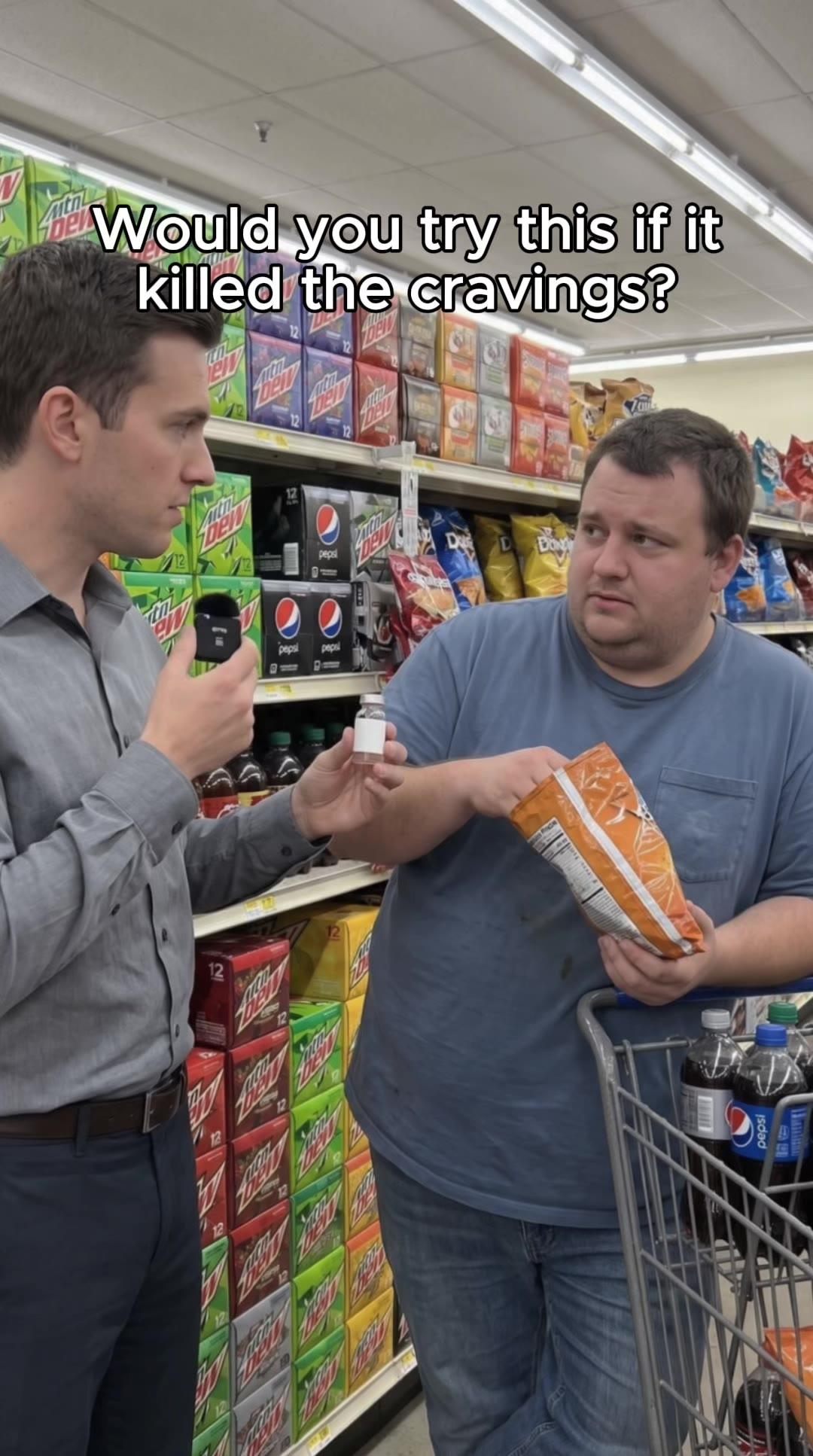
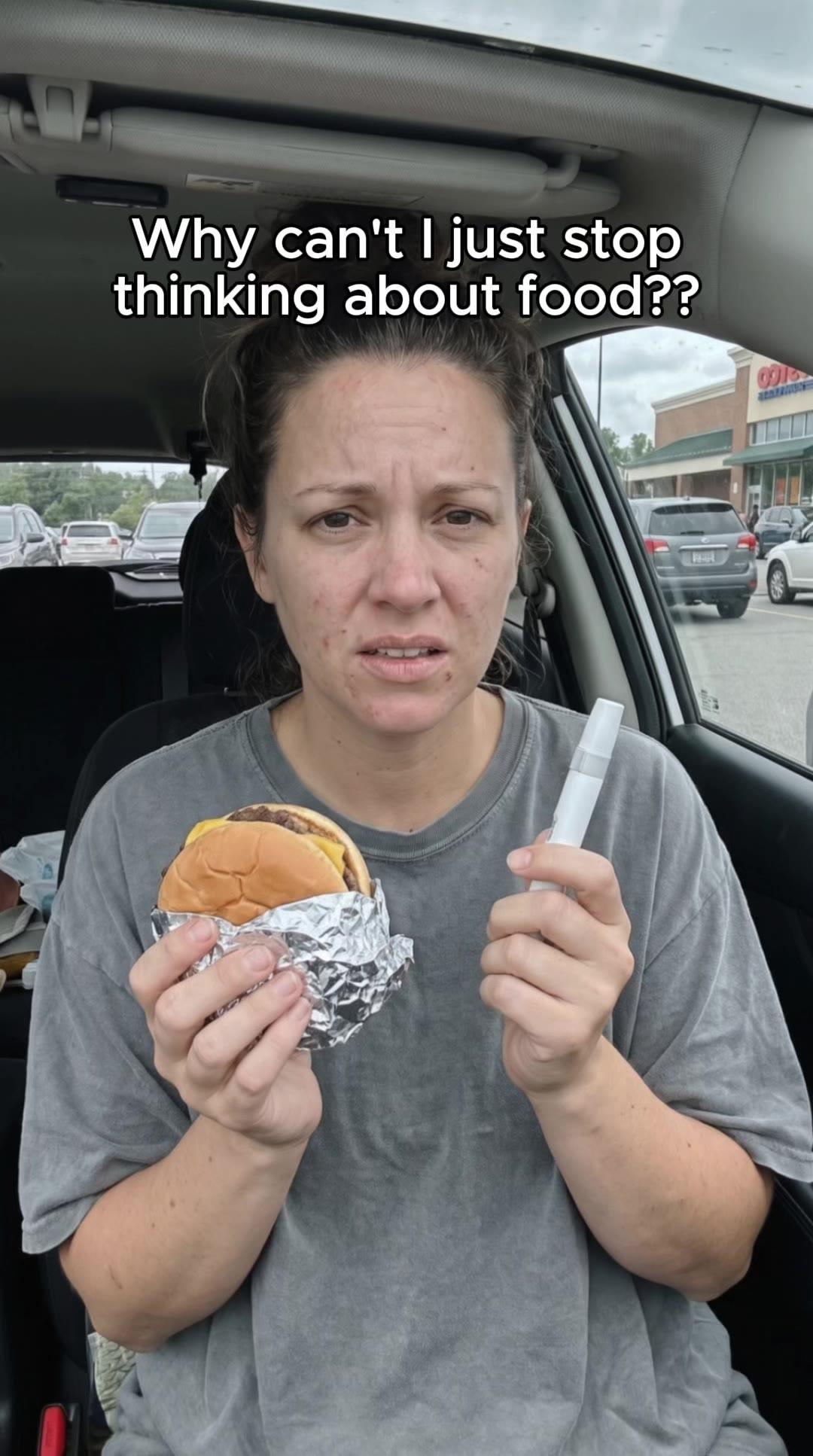
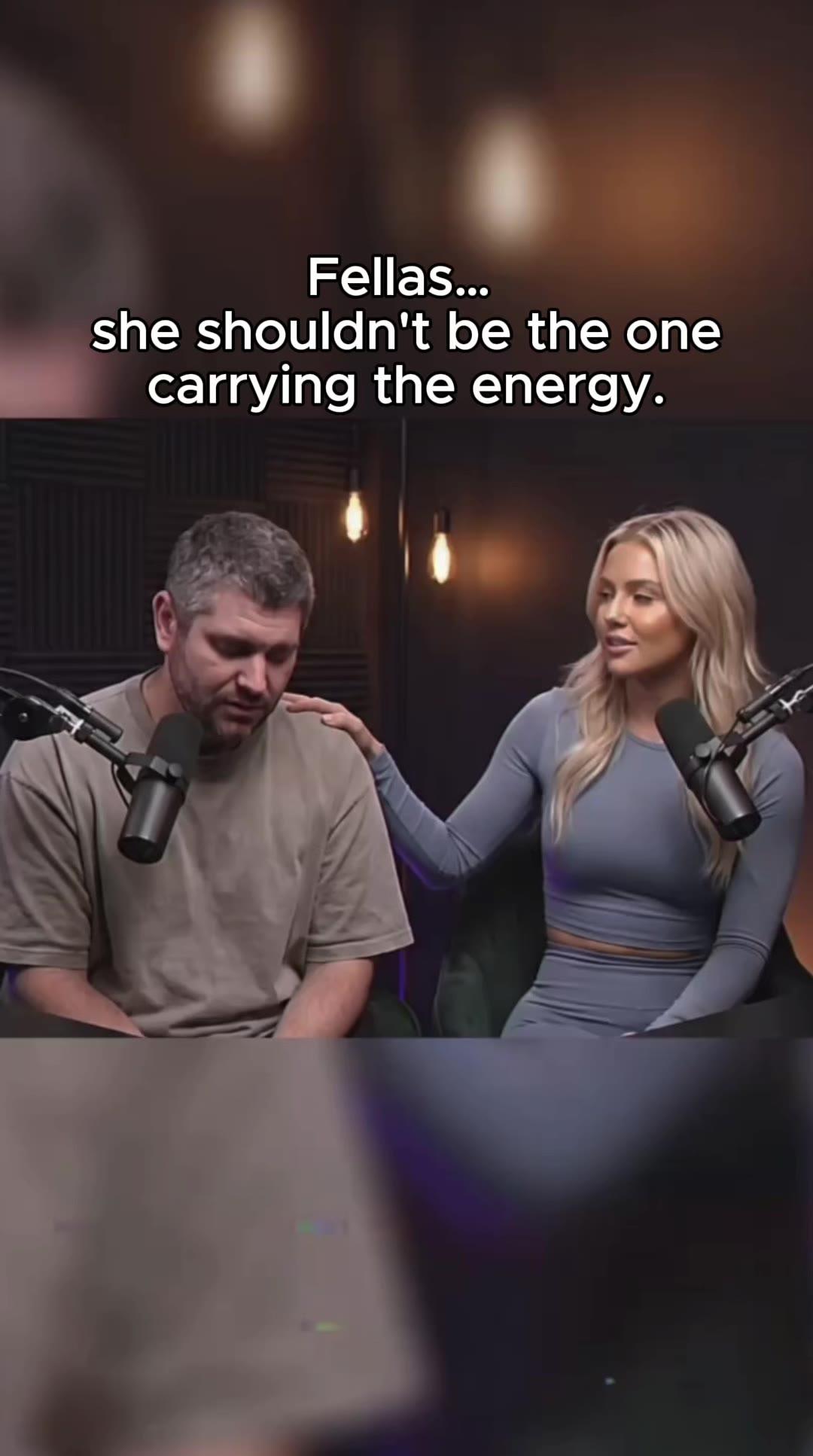
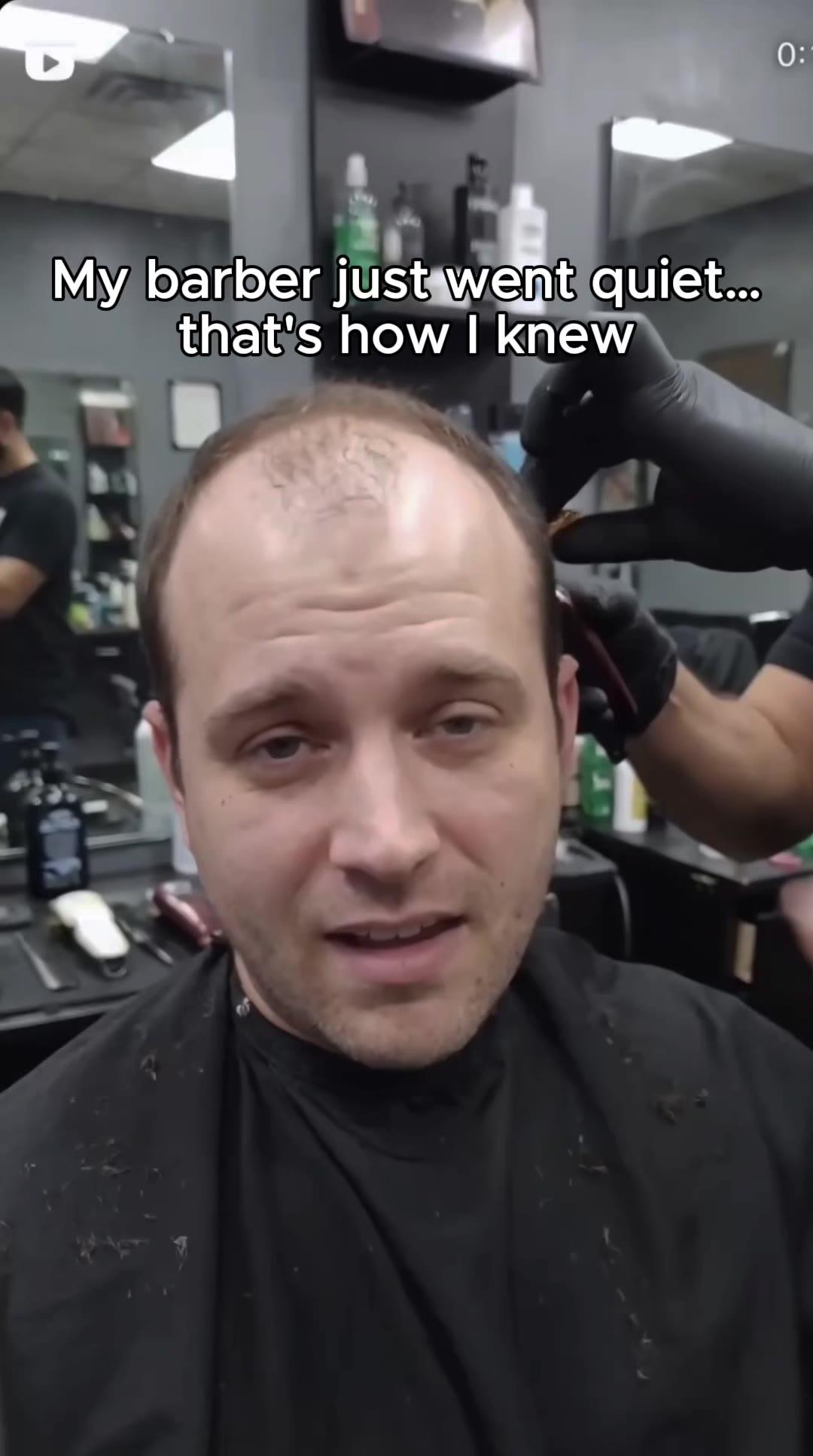

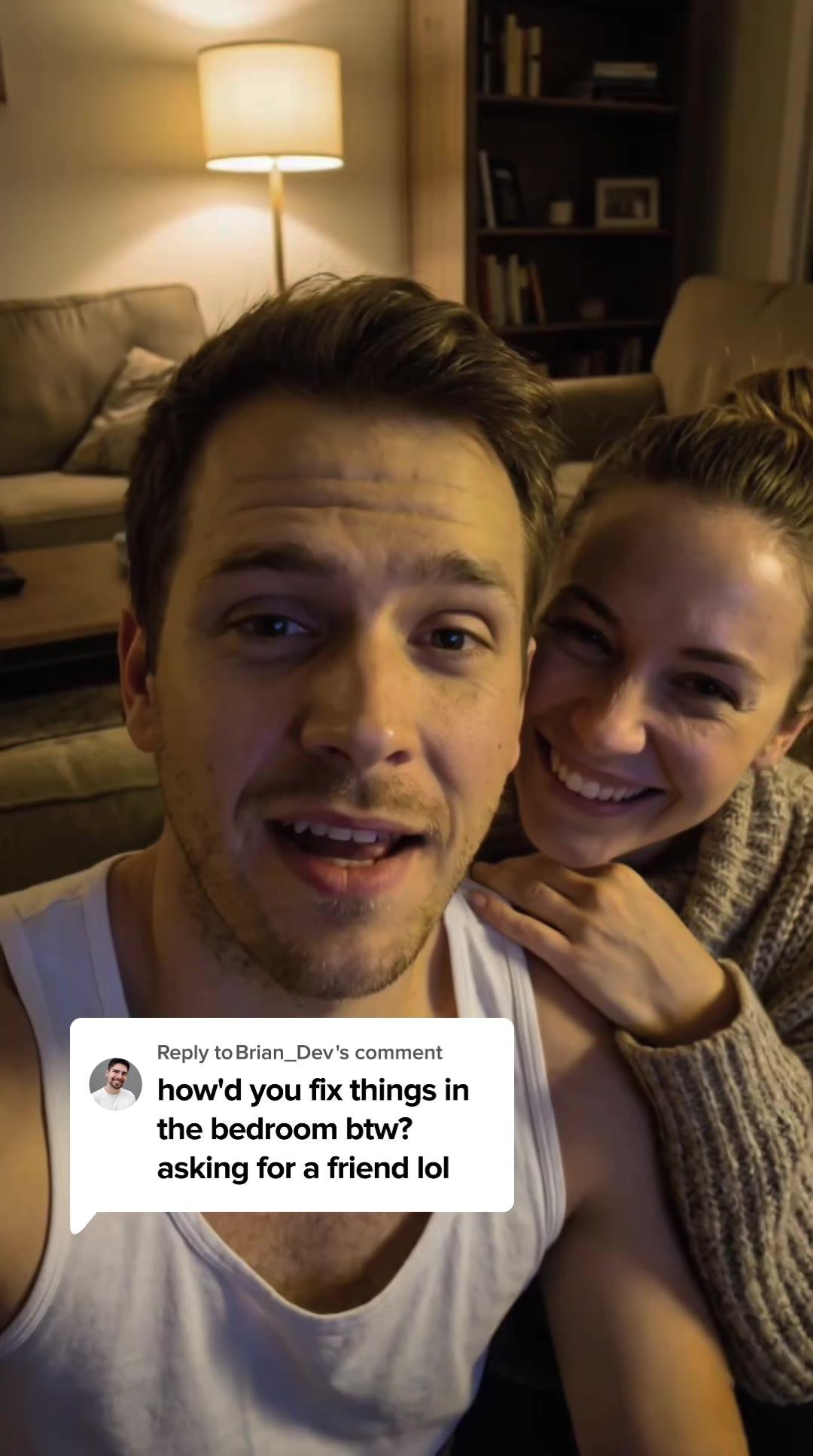

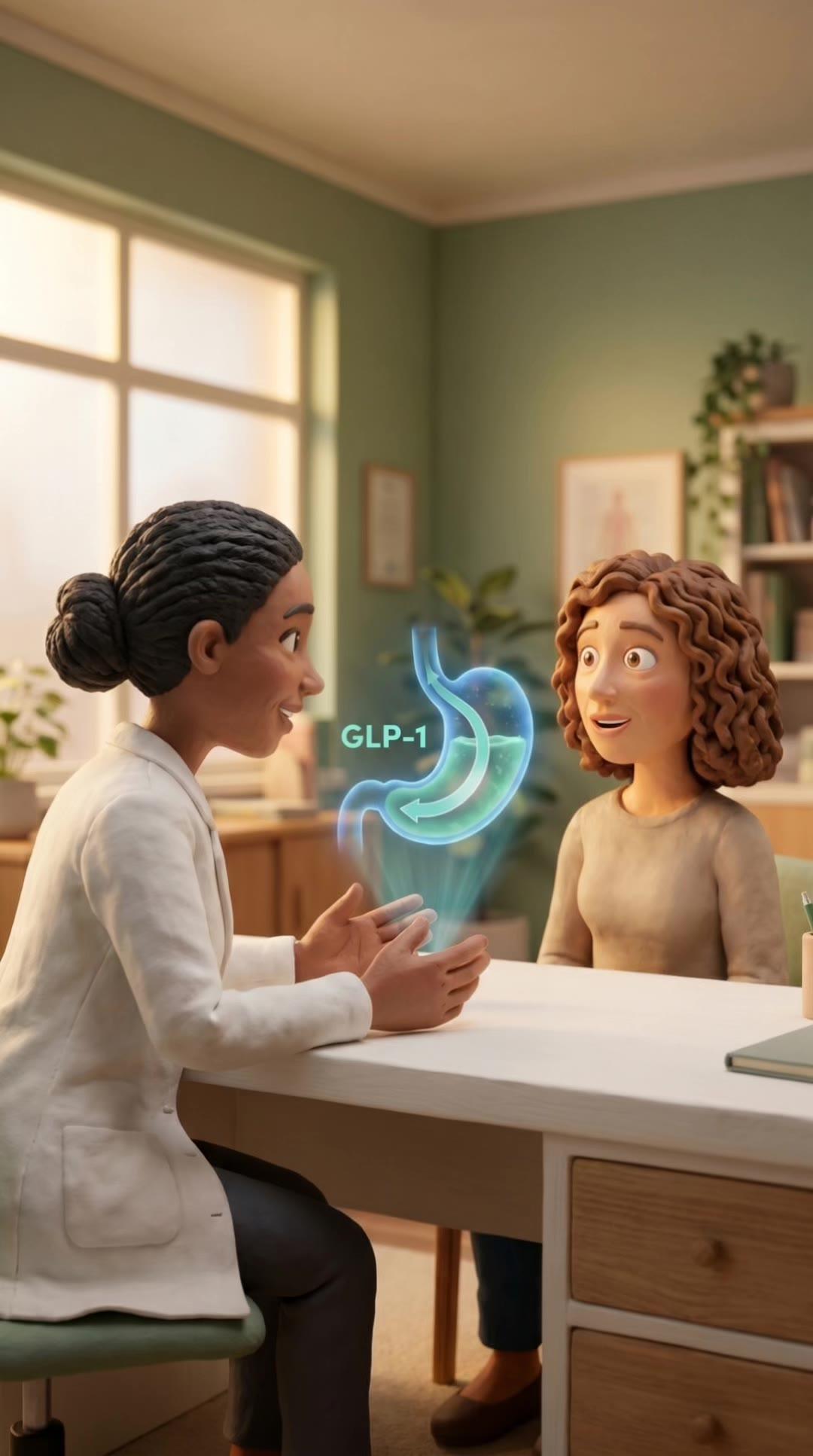
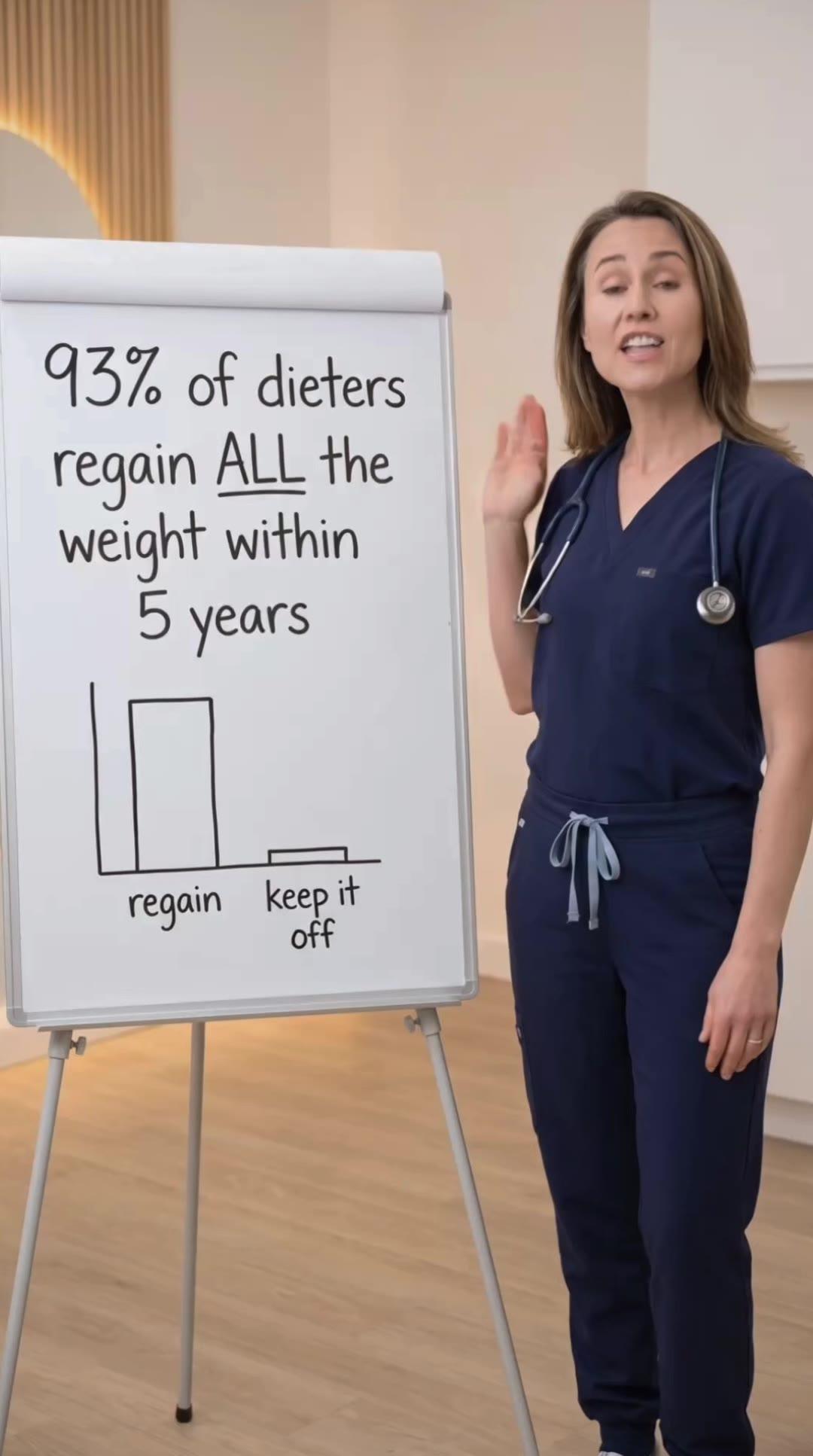
Most GLP-1 telehealth brands run UGC ads without knowing what actually drives performance. They test creators randomly, guess at hook patterns, and hope something works. But across $50M+ in paid spend managed across telehealth, clear patterns emerge for GLP-1 brands. Certain creator demographics, hook structures, and messaging angles consistently outperform others. Understanding these patterns allows you to test smarter and scale faster.
This guide breaks down what the data shows about UGC performance for GLP-1 brands. It covers which hooks drive the lowest CPA, which creator profiles resonate best with different audiences, and what messaging angles convert skeptical viewers into customers. If you're spending money on GLP-1 ads, these insights will improve your results immediately.
Performance Benchmarks for GLP-1 UGC Ads
Across Meta and TikTok, high-performing GLP-1 UGC ads achieve CPAs between $40-$80 depending on the brand's pricing and customer LTV. CTR on cold traffic ranges from 1.5-3.5%, with the top decile hitting 4%+. Conversion rates from landing page to consultation booking average 8-15%. These benchmarks vary by audience, offer, and funnel structure, but they provide a baseline for evaluating creative performance.
Creative performance matters more than media buying for GLP-1 brands. The difference between a $50 CPA and a $100 CPA is usually creative quality, not targeting or bid strategy. Brands that invest in high-volume UGC testing and iterate based on performance data consistently achieve lower CPAs than brands that rely on a handful of static assets.
Platform differences also matter. Meta typically delivers lower CPAs than TikTok for GLP-1 brands because Meta's audience is older and more likely to have discretionary income for weight management services. TikTok drives higher CTR but lower conversion rates. Test both platforms but allocate budget based on CPA, not vanity metrics like impressions or engagement.
Best Performing Hook Patterns for GLP-1 Ads
Curiosity-driven hooks outperform outcome-focused hooks for GLP-1 brands. Hooks like "I didn't expect this when I started talking to my doctor" or "Here's what nobody tells you about weight management" drive 20-30% higher CTR than hooks that lead with results. Audiences are skeptical of weight loss claims, so curiosity hooks reduce resistance by promising information rather than transformation.
Problem-focused hooks that name frustration without promising solutions also perform well. Examples: "I tried every diet and nothing worked" or "I was tired of feeling stuck." These hooks resonate with viewers who've struggled with weight management and are searching for new options. They create empathy and invite viewers to see if the creator found an answer.
Avoid hooks that mention specific weight loss numbers or timelines. "I lost 30 pounds in 60 days" triggers skepticism and platform compliance issues. Instead, use "I've been working with a provider on weight management and seeing progress." The softer framing performs better because it doesn't overpromise, which aligns with audience expectations for credible health content.
We produce paid social creative exclusively for telehealth brands. From 18 to 200 assets per month.
Get in TouchCreator Demographics That Drive Best Performance
Women aged 35-50 consistently drive the lowest CPA for GLP-1 brands targeting female audiences. This demographic represents the core customer base for most GLP-1 telehealth services and viewers relate to creators who match their profile. Test creators across weight ranges: some audiences respond better to creators who lost 15-20 pounds, others to creators who lost 40+.
Men aged 40-55 perform well when targeting male audiences for GLP-1 services. Male creators are underutilized in GLP-1 advertising because brands assume the audience is primarily female. But men represent 30-40% of GLP-1 customers, and they respond better to male creators discussing metabolic health, energy, or fitness rather than aesthetic weight loss.
Credentialed creators (nurses, health coaches) drive 15-25% lower CPA when targeting educated, higher-income audiences. These viewers value medical authority and respond to educational messaging. For mass-market audiences, relatable non-credentialed creators outperform because they feel more accessible and less clinical. Match creator type to audience sophistication.
Messaging Angles That Convert Skeptical Audiences
Process-focused messaging outperforms outcome-focused messaging for GLP-1 brands. Videos that explain "Here's how telehealth works" or "This is what the consultation process looks like" drive better conversion rates than videos that focus on weight loss results. Process content reduces uncertainty, which is the primary barrier to conversion for skeptical audiences.
Addressing objections directly also improves performance. Common objections for GLP-1 brands include cost, safety, and whether telehealth is legitimate. Videos that say "I was worried about cost until my provider explained insurance options" or "I didn't think telehealth was real medical care until I talked to a licensed provider" perform well because they acknowledge doubt and resolve it.
Avoid aggressive urgency or scarcity tactics. Messaging like "Limited spots available" or "Act now before it's too late" triggers skepticism for health services. GLP-1 audiences are making considered decisions about their health and don't respond well to pressure tactics. Educational, empathetic messaging that respects the viewer's autonomy converts better.
UGC formats we produce for telehealth.
See the work →Video Length and Pacing Preferences
For cold traffic, 15-30 second videos outperform longer formats. Audiences on social platforms have short attention spans and scroll quickly. Videos that deliver value in 20 seconds or less drive higher CTR and lower CPA. Longer videos (45-60 seconds) work better for retargeting audiences who are already familiar with your brand and want more detail.
Pacing matters as much as length. Fast-paced videos with quick cuts and minimal dead space retain attention better than slow, conversational videos. Edit out pauses, filler words, and unnecessary introductions. The first three seconds need to hook, and the remaining 10-15 seconds need to deliver value or create curiosity to drive the click.
Test multiple edits of the same creator footage. A single 45-second video can be trimmed into three 15-second variations with different hooks. Often, the shorter cuts outperform the original. Short-form editing allows you to maximize value from each creator shoot without requiring additional filming.
Platform-Specific Performance Differences
On Meta, polished UGC with clean visuals and clear audio performs better than raw, unfiltered content. Meta audiences expect a minimum level of production quality. Videos filmed in good lighting with stable framing drive better performance than shaky, poorly lit footage. This doesn't mean overproduced; it means thoughtful execution.
On TikTok, raw authenticity outperforms polish. Videos that look overly produced or edited feel like ads and get scrolled past. TikTok audiences reward content that feels native to the platform: casual filming, natural lighting, direct-to-camera delivery. Use TikTok's native editing tools rather than external editing software to maintain platform authenticity.
YouTube Shorts fall between Meta and TikTok in terms of production expectations. Educational UGC performs well on Shorts because viewers are often searching for information. Shorts that answer specific questions like "How does GLP-1 work?" or "What to expect from a telehealth consultation" drive strong engagement and can be repurposed from longer-form TikTok or Meta content.
Creative Fatigue and Refresh Rates
GLP-1 UGC ads experience creative fatigue faster than other verticals because the audience pool is limited and platforms show the same ads repeatedly to similar users. High-performing ads start to decline in performance after 2-4 weeks of heavy spend. Monitor CPM increases and CTR decreases as signals that creative is fatiguing.
Refresh creative proactively before performance degrades. If an ad has been running for three weeks at high spend and CTR is dropping, pause it and introduce new variations. Rotating creative every 2-3 weeks maintains performance and prevents CPM inflation. Brands that refresh creative frequently achieve 20-30% lower average CPA than brands that let winning ads run indefinitely.
Build a content pipeline that supports continuous testing. At a minimum, produce 10-15 new UGC videos per month to stay ahead of creative fatigue. High-spend brands (100K+/month) should produce 30-50 videos per month to ensure constant rotation of fresh content. Volume prevents fatigue from becoming a bottleneck.
Top Performing Creative Elements to Double Down On
When you identify winning UGC ads, deconstruct what made them work. Was it the hook? The creator's demographic? The pacing? The messaging angle? Isolate the variable and test more content that replicates that element. For example, if a curiosity hook drove 3% CTR, test five more curiosity hooks with different creators.
Also analyze underperforming content to identify patterns to avoid. If outcome-focused hooks consistently drive high CPAs, stop testing them. If male creators aged 25-35 underperform, focus your recruiting on older demographics. Learning what doesn't work is as valuable as learning what does. Eliminate bad patterns to improve your hit rate.
Track performance by creator, hook, angle, and demographic. Build a database that links creative attributes to performance metrics. Over time, this data reveals which combinations drive the best results. Use these insights to guide future briefing, creator selection, and concept testing. Data-driven creative strategy outperforms intuition every time.
Iteration Speed Matters More Than Hit Rate
The brands with the best GLP-1 UGC performance aren't those with the highest hit rate. They're the ones that test fastest and iterate most aggressively. Testing 50 videos per month with a 20% hit rate outperforms testing 10 videos per month with a 40% hit rate. Volume creates more winners, even if the percentage is lower.
Speed also compounds. The faster you identify winners, the faster you can produce variations and scale budget. A two-week production cycle allows you to test, learn, and iterate twice as fast as a four-week cycle. Faster iteration means you find winning creative before competitors, which gives you a performance edge in competitive auctions.
Invest in systems that support high-volume testing: standardized briefs, pre-vetted creator rosters, streamlined approval workflows, and automated asset delivery. These systems reduce friction and allow you to scale production without proportionally increasing internal labor. Efficiency at scale is what separates top-performing brands from the rest.
Need help optimizing UGC ad performance for your GLP-1 brand? Book a call or explore our creative services.
UGC systems built for telehealth.
A 30-minute call. We audit your creative approach and show you exactly what a complete angle-format-hook system looks like for your vertical.