How to Build a UGC Creator Pipeline for a Telehealth Brand
Concepts shown are internal creative studies, not client campaigns.



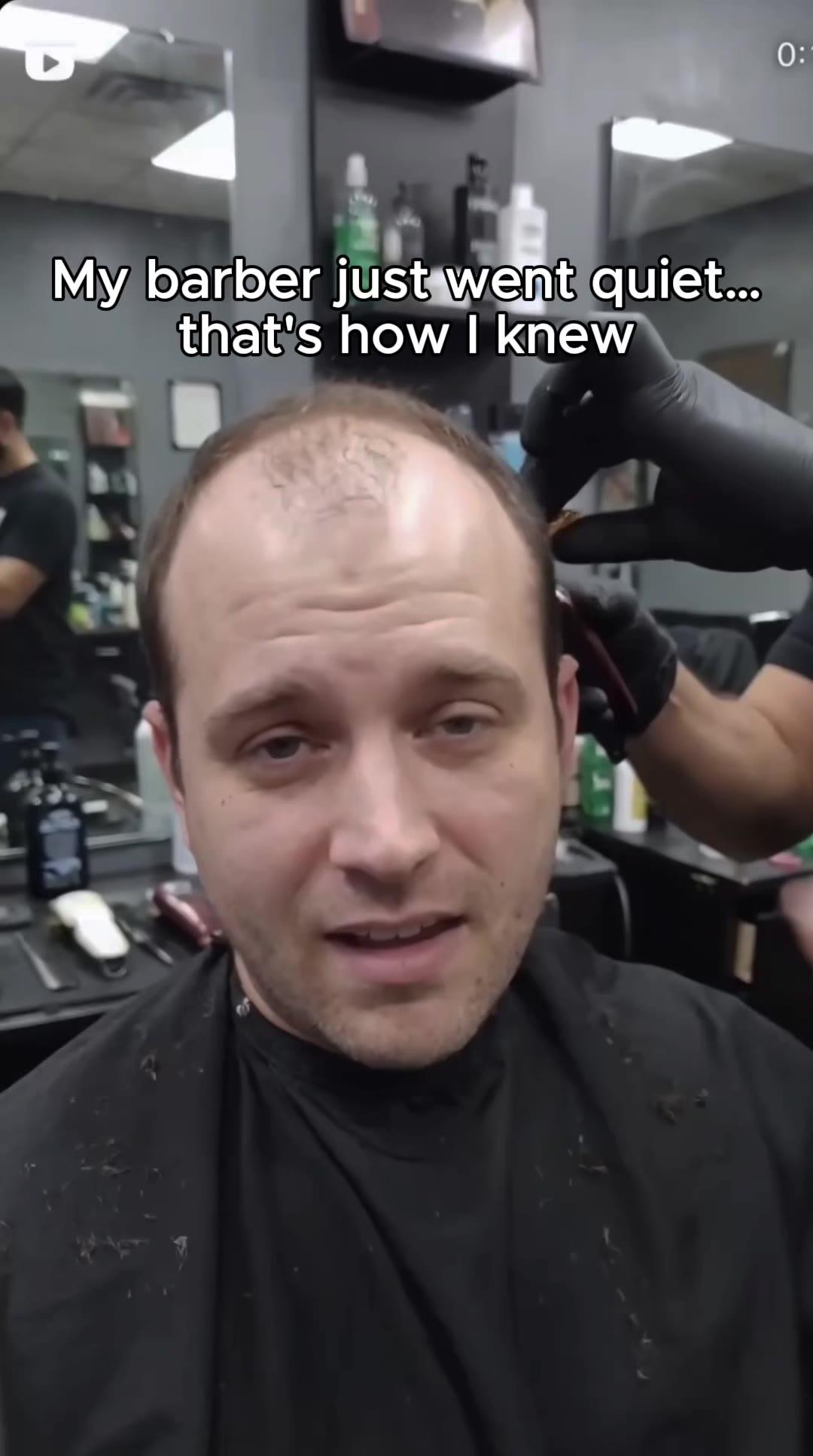

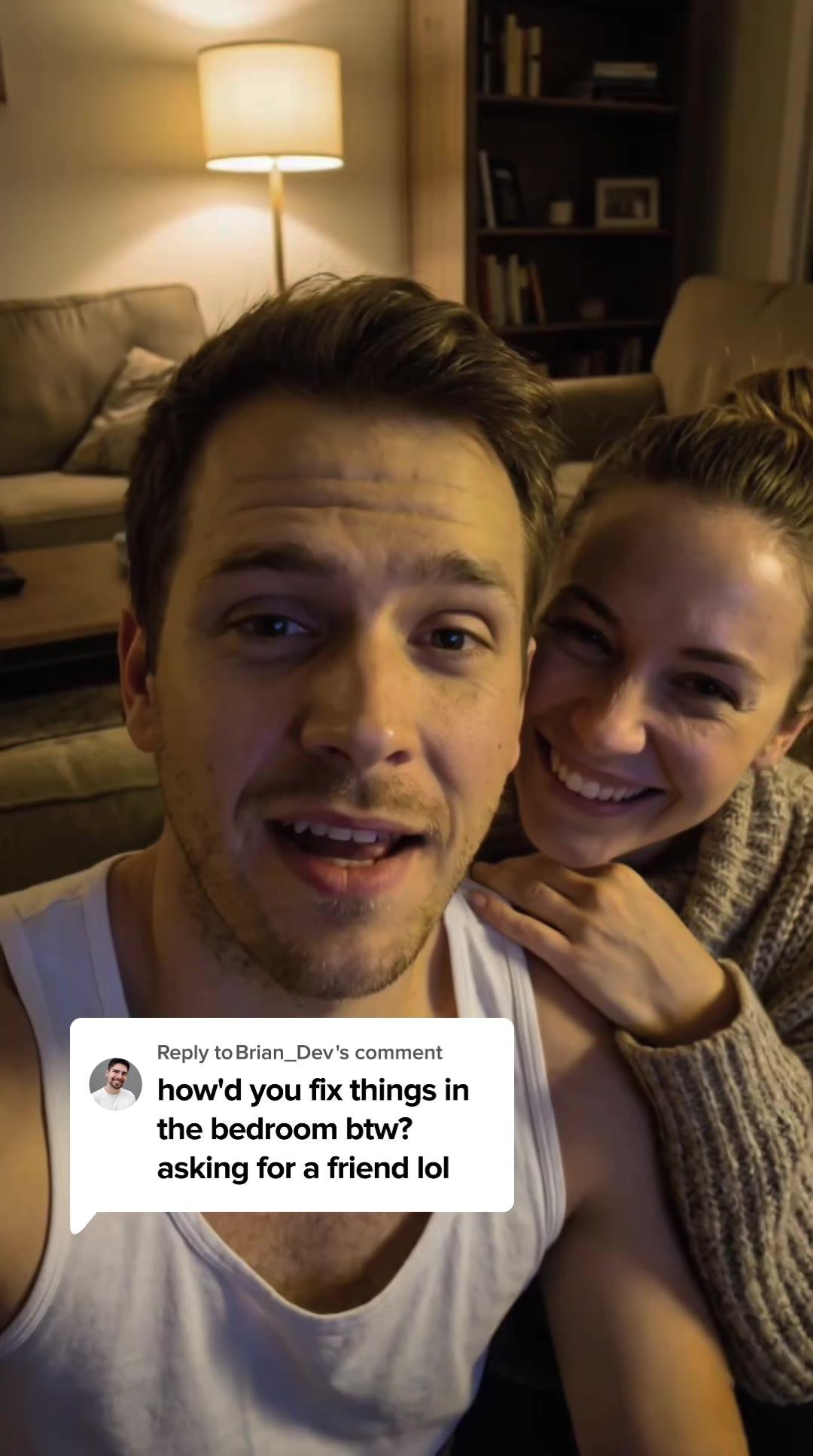


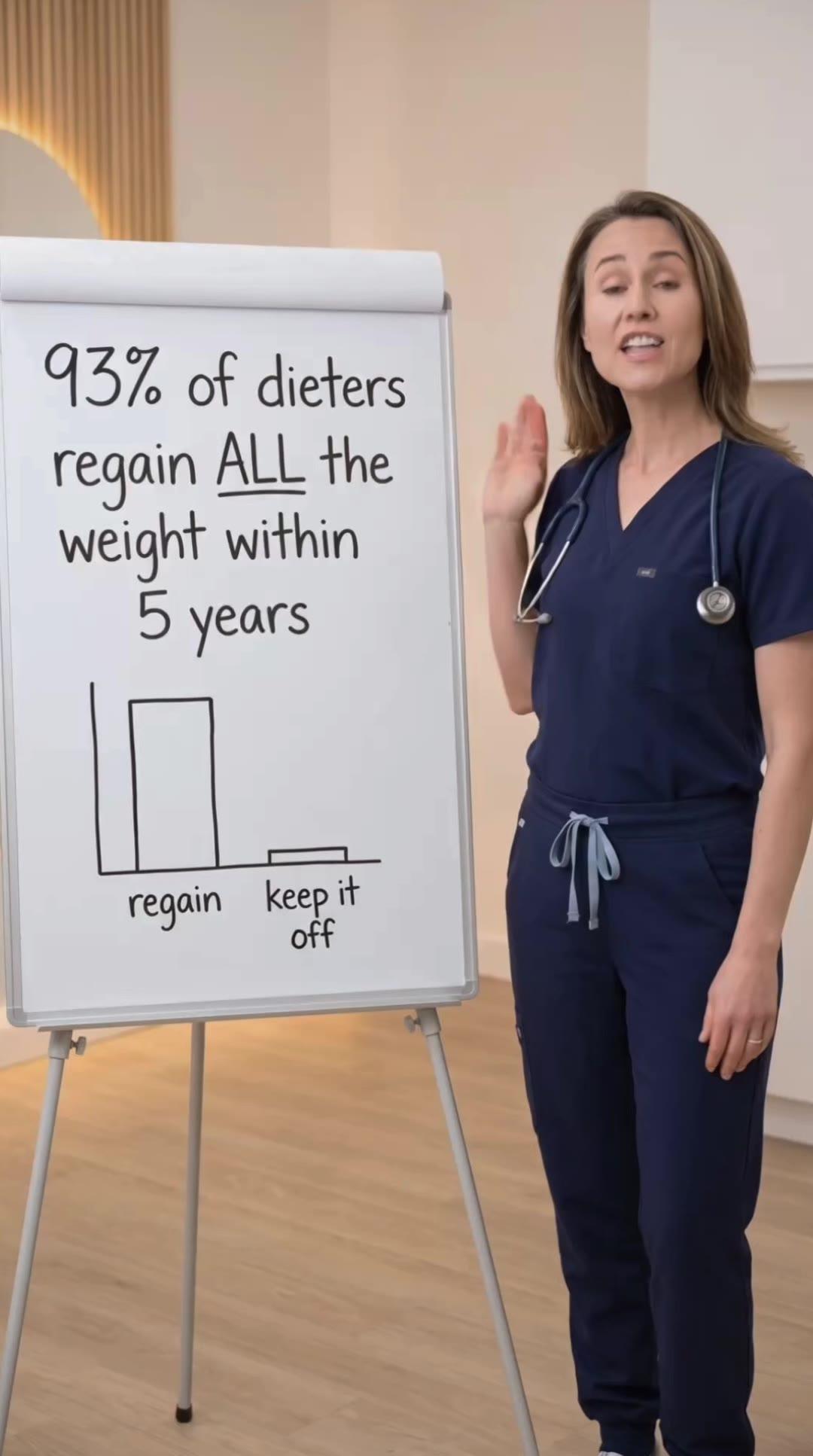
Most telehealth brands treat creator sourcing as a one-time task. They hire five creators, produce some content, and assume they're done. Then creators ghost, deliver non-compliant content, or underperform, and the brand scrambles to find replacements. This reactive approach creates production bottlenecks and prevents you from testing at the volume required to find winning creative consistently.
A creator pipeline is a system for continuously sourcing, vetting, onboarding, and retaining creators. It ensures you always have access to new talent without starting from scratch every month. For telehealth brands producing 20-100+ videos per month, a functional pipeline is non-negotiable. This guide explains how to build one that supports high-volume production without overwhelming your team.
Set Up Continuous Sourcing Processes
Building a creator pipeline starts with continuous sourcing. Dedicate 2-3 hours per week to finding new creators on TikTok, Instagram, and creator marketplaces. Don't wait until you need creators urgently. Source proactively so you always have a bench of candidates ready to onboard. This prevents last-minute scrambling and allows you to be selective about who you hire.
Create saved searches on TikTok and Instagram for hashtags like #glp1journey, #testosterone, #menshealth, #weightlossjourney, and #peptides. Check these searches weekly and save promising creator profiles to a spreadsheet or CRM. Track follower count, engagement rate, content quality, and whether they've posted health-related content before. This database becomes your sourcing funnel.
Also monitor your customer base for potential creators. Send post-purchase emails asking customers if they're interested in creating content. Offer clear compensation and explain what's involved. Customers who say yes become a reliable source of authentic testimonial content. They're easier to brief because they already understand your service, and their credibility is higher because they're real users.
Build a Standardized Vetting Process
Don't hire every creator you source. Implement a vetting process that screens for compliance awareness, content quality, and reliability. The vetting process should take 10-15 minutes per creator and eliminate candidates who won't deliver usable content. Better to reject a creator upfront than waste money on someone who ghosts or delivers non-compliant footage.
Review the creator's past content for compliance red flags. Look for videos where they make medical claims, promote competing brands, or use exaggerated language. If their organic content is non-compliant, they'll likely repeat those mistakes in paid work. Also check if they've posted about multiple health brands in the past month. If so, they may lack exclusivity or be overexposed.
Send a screening questionnaire before hiring. Ask: Have you created content for telehealth or health brands before? Are you comfortable discussing [GLP-1/TRT/ED] publicly? Can you deliver content within five business days? Do you have experience with whitelisting or Spark Ads? Their responses reveal whether they understand the work and can meet your requirements. Skip creators who give vague or non-responsive answers.
We produce paid social creative exclusively for telehealth brands. From 18 to 200 assets per month.
Get in TouchCreate a Streamlined Onboarding System
Once a creator passes vetting, onboard them quickly with a standardized process. Send a welcome email that includes your brief template, compliance checklist, contract, and payment terms. The onboarding email should answer all common questions so the creator doesn't need to ask for clarification. Clear onboarding reduces back-and-forth and gets creators filming faster.
Include a short video or document explaining your brand, compliance requirements, and what makes good content. Visual examples are more effective than written instructions. Show 2-3 videos from past creators and explain what made them successful. This sets expectations and helps new creators understand what you're looking for.
Use templates for contracts and briefs to speed up onboarding. Don't write custom documents for every creator. Standardize the legal terms, compliance checklist, and project structure. Customize only the creator-specific details like name, rate, and project deadline. This reduces onboarding time from hours to minutes and ensures consistency across all creator relationships.
Test New Creators With Small Projects First
Don't commit to long-term contracts or retainers with unproven creators. Start with a single test project: one video at standard rates with clear deliverables and deadlines. This test reveals whether the creator can follow a brief, deliver on time, and produce compliant content. If they pass the test, offer more work. If they fail, move on without sunk costs.
Track performance for each creator's first video. Measure compliance pass rate (did it pass review on the first submission?), on-time delivery rate (did they meet the deadline?), and ad performance (if you run the video as an ad, what CPA does it drive?). Creators who score well on all three metrics get added to your vetted roster. Those who underperform get removed from the pipeline.
Be ruthless about cutting underperformers. If a creator delivers late, submits non-compliant content, or produces videos that drive terrible CPA, don't give them a second chance unless there's a clear fixable issue. Your time is better spent finding new creators than coaching marginal talent. High-volume production requires a high-quality creator pool, not a participation trophy system.
UGC formats we produce for telehealth.
See the work →Retain Top Performers With Retainers and Incentives
Once you identify creators who consistently deliver high-quality, compliant content, lock them in with monthly retainers. Retainers guarantee creator availability and reduce your sourcing burden. Standard retainer terms: 4-8 videos per month at a 15-20% discount off the per-video rate. Retainers also motivate creators to prioritize your projects over one-off gigs.
Share performance data with top creators. When their videos drive strong CPA, tell them. Creators who see their impact are more motivated to deliver quality work. Also ask for their input on what's working. Creators who film multiple videos per month often notice patterns you miss. Their feedback can improve your briefs and creative strategy.
Offer performance bonuses for creators whose content drives outlier results. If a creator's video drives half your target CPA, pay them a $100-$200 bonus. This incentivizes creators to put extra effort into their work and signals that you value high performance. Bonuses cost less than sourcing and testing new creators, and they build loyalty with your best talent.
Track Creator Performance in a Database
Build a creator database that tracks every interaction, deliverable, and performance metric. Use a spreadsheet or CRM to record creator name, contact info, rates, compliance pass rate, on-time delivery rate, average CPA of their content, and notes on their strengths and weaknesses. This database becomes your single source of truth for creator management.
Update the database after every project. If a creator delivers late, note it. If their video drives great performance, note that too. Over time, the database reveals which creators are reliable, which need closer supervision, and which should be phased out. Data-driven creator management prevents subjective decisions and ensures you're allocating budget toward proven talent.
Also track demographic and vertical data. Tag each creator by age, gender, vertical focus (GLP-1, TRT, ED, peptides), and content style (educational, testimonial, process-focused). This allows you to filter creators by project needs. If you need a female creator in her 40s for a GLP-1 ad, you can pull that list from your database in seconds. Organization at scale prevents chaos.
Automate Outreach and Follow-Ups
Manual outreach doesn't scale. Use email templates and automation tools to reach out to new creators, send reminders, and follow up on deliverables. Automation reduces the time you spend on administrative tasks and ensures no creator falls through the cracks. Tools like Mailchimp, HubSpot, or Airtable automations handle repetitive communication.
Create email templates for common scenarios: initial outreach, project brief delivery, deadline reminders, payment confirmations, and performance feedback. Customize only the creator-specific details. Templates ensure consistency and reduce the time spent drafting emails from scratch. They also prevent you from forgetting key information like payment terms or compliance requirements.
Set up automated reminders for key deadlines. If a creator hasn't delivered content 48 hours before the deadline, send an automated reminder. If they haven't responded to an outreach email within five days, send a follow-up. Automation ensures nothing slips and reduces the mental load of tracking multiple projects simultaneously. At 20+ creators per month, automation is mandatory.
Build Relationships Beyond Transactions
Treat top creators as partners, not vendors. Check in with them beyond project deliverables. Ask how their content is performing organically, what trends they're seeing, or what challenges they're facing. Relationship-building creates loyalty and makes creators more likely to prioritize your projects when their schedule is full.
Feature top creators in your marketing or case studies (with their permission). Creators appreciate being recognized for their work, and it strengthens their connection to your brand. Public recognition also motivates other creators to perform well. A small gesture like a shoutout or testimonial goes a long way in building long-term partnerships.
Also be responsive and respectful. If a creator asks a question, answer within 24 hours. If they deliver great work, acknowledge it. If there's an issue, address it professionally. Creators talk to each other, and your reputation spreads. Brands that treat creators well attract better talent. Those that ghost, haggle over rates, or provide unclear feedback struggle to retain anyone.
Continuously Refresh Your Pipeline
Even with a strong roster of retainer creators, continuously add new talent to your pipeline. Creator circumstances change: they get busy, lose interest, or move to other projects. If you rely on the same five creators indefinitely, you're one ghosting away from production delays. Continuous sourcing ensures you always have backup options.
Aim to onboard 3-5 new creators per month even if you don't need them immediately. Test them on small projects and add high performers to your roster. This keeps your pipeline fresh and prevents stagnation. It also gives you access to diverse perspectives and content styles, which improves creative testing and reduces fatigue.
Review your pipeline quarterly and remove inactive or underperforming creators. If someone hasn't worked with you in six months or consistently delivers below-average content, archive their profile. Keep your active roster lean and focused on creators who deliver value. A pipeline of 20 reliable creators is more valuable than a database of 100 mediocre ones.
Need help building a UGC creator pipeline for your telehealth brand? Book a call or explore our creative services.
UGC systems built for telehealth.
A 30-minute call. We audit your creative approach and show you exactly what a complete angle-format-hook system looks like for your vertical.