Credentialed Creator Strategy for Telehealth: Doctors and Nurses in Ads
Concepts shown are internal creative studies, not client campaigns.
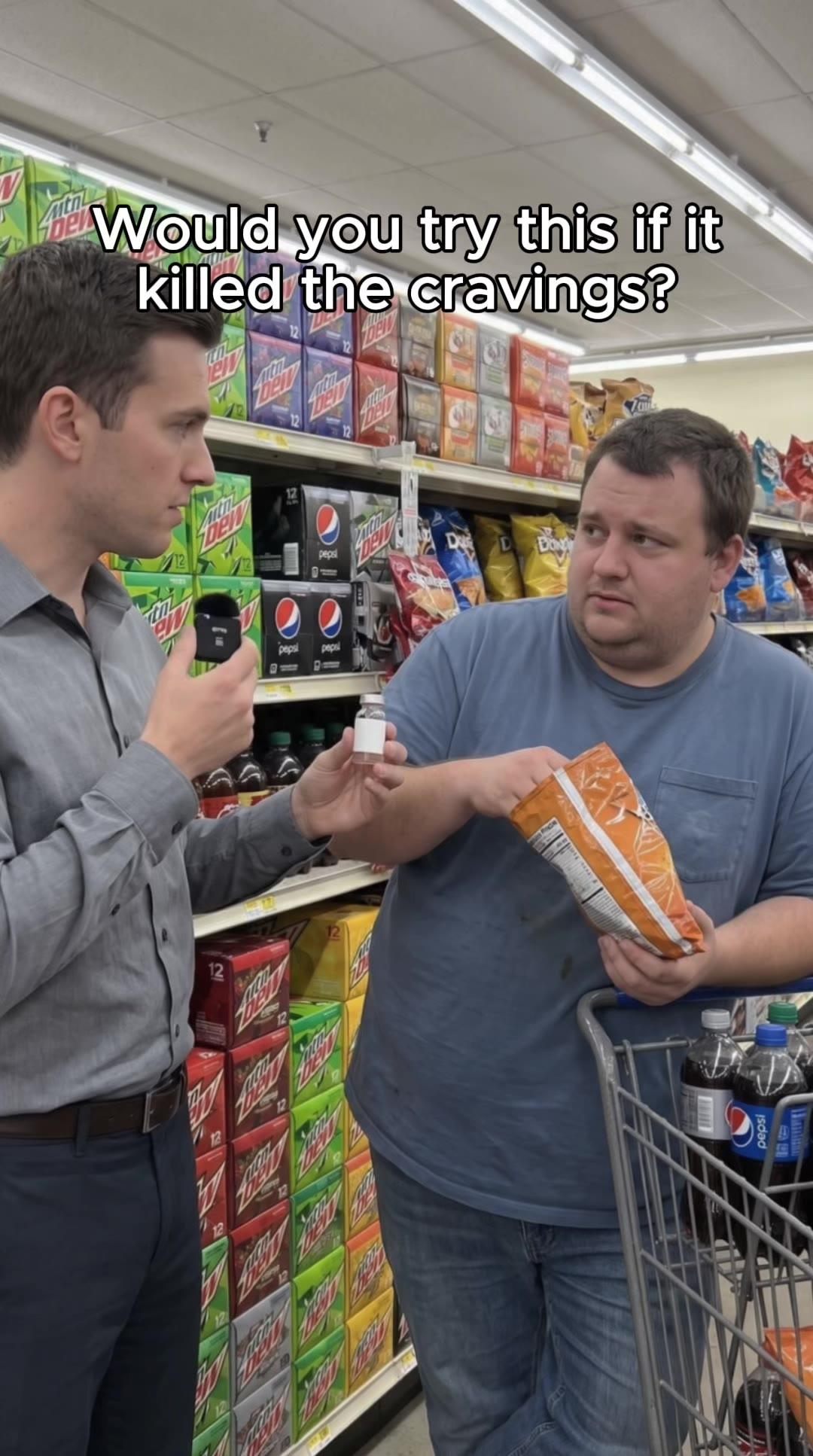
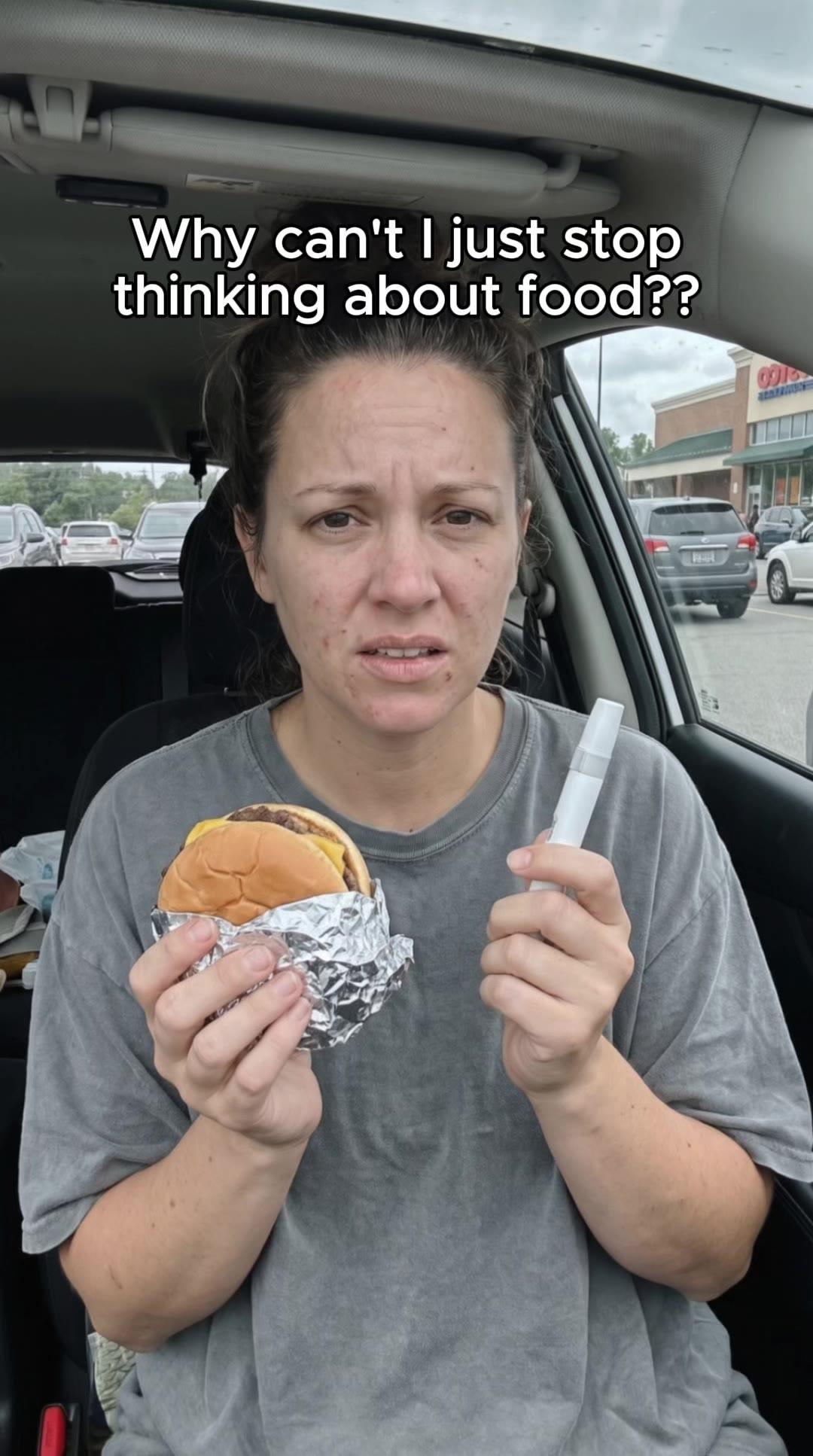
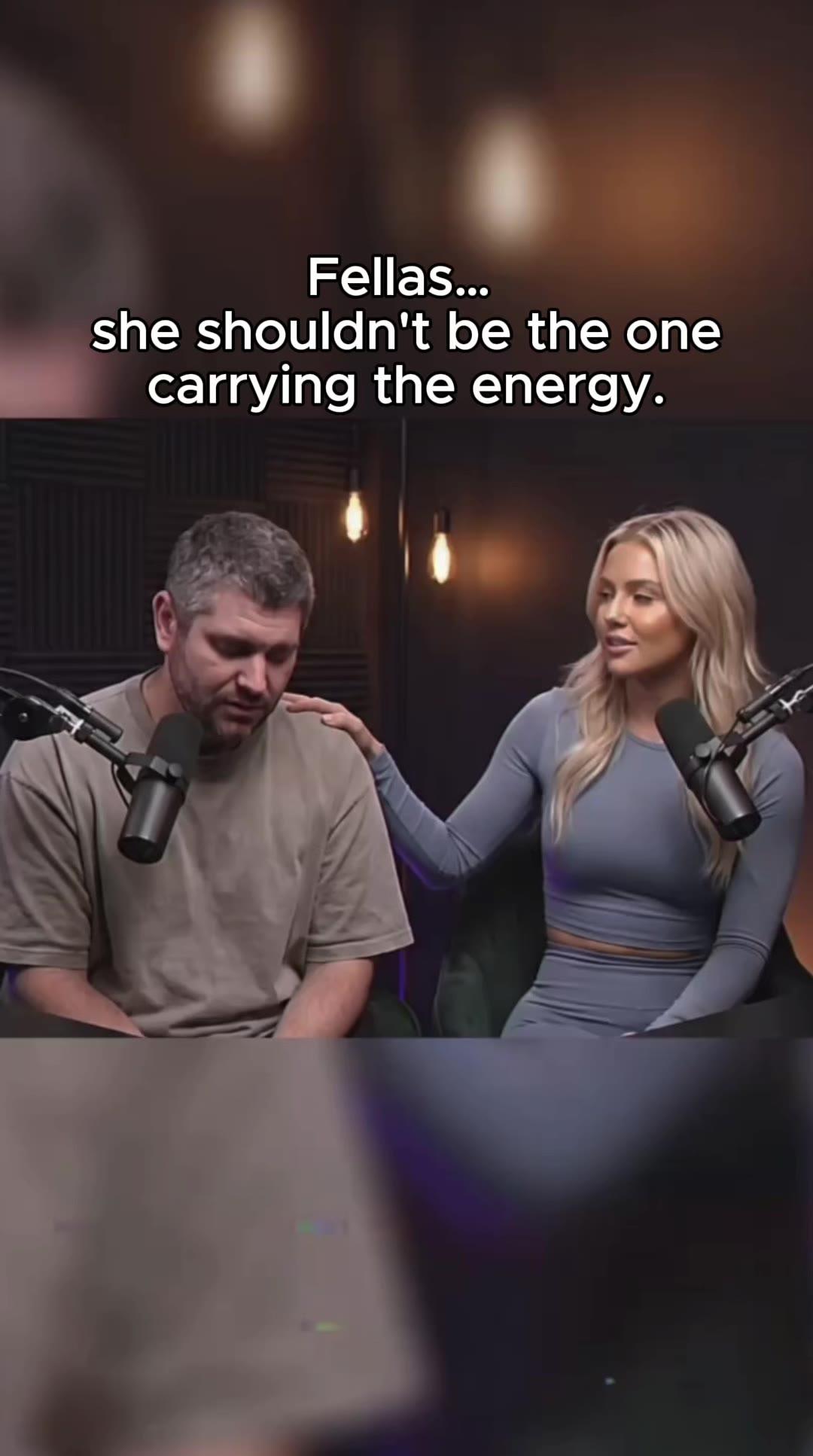
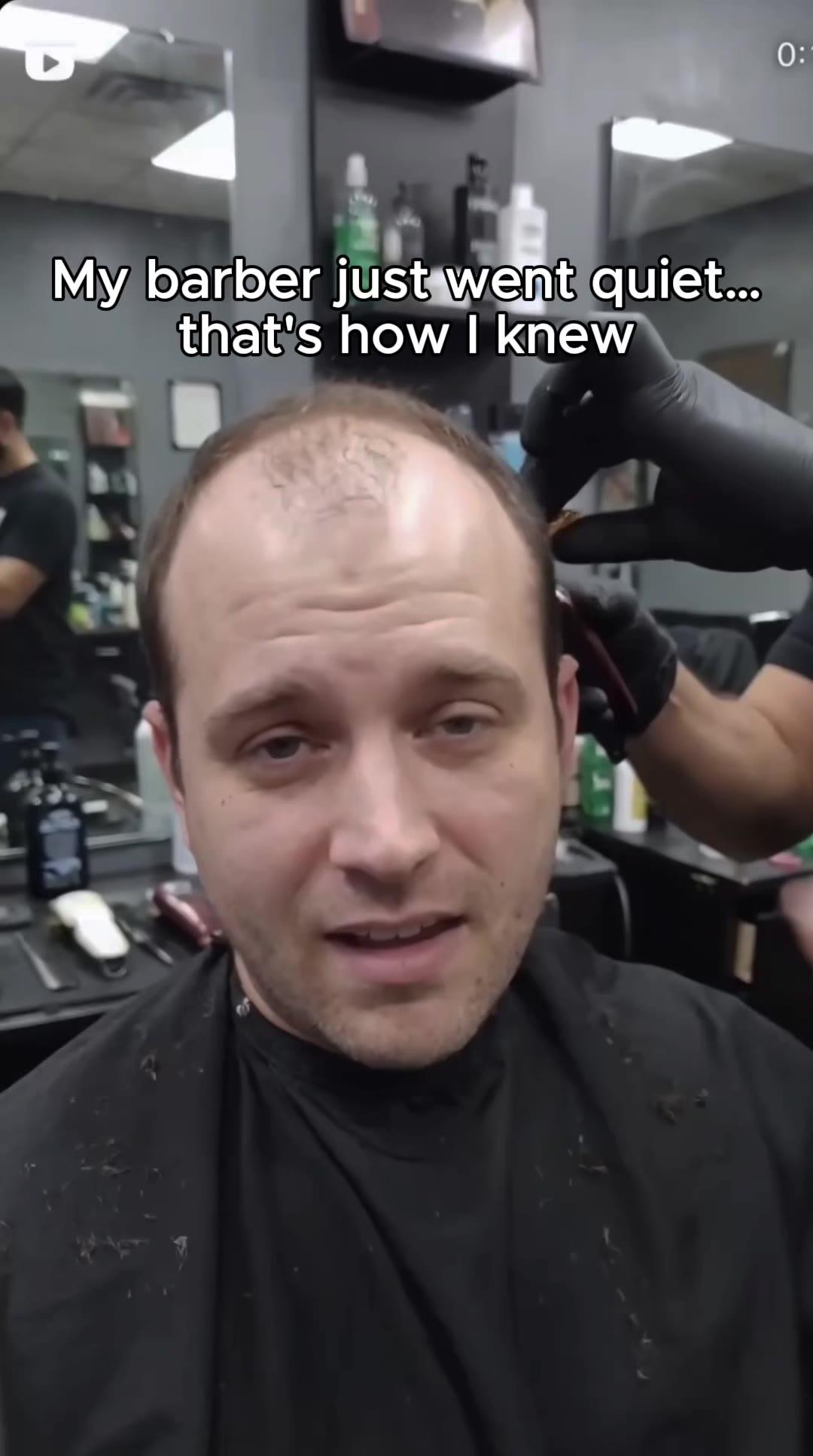

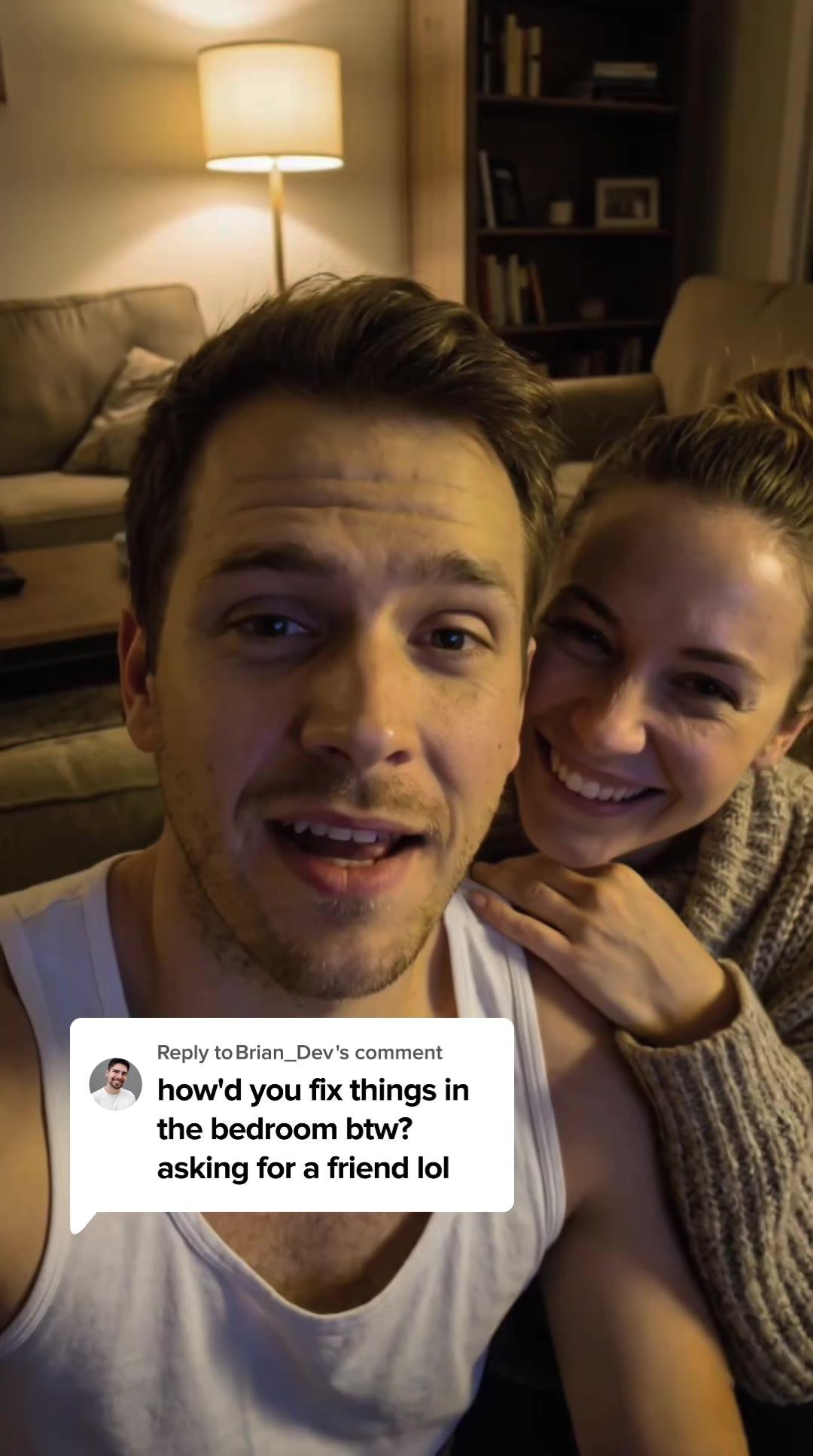
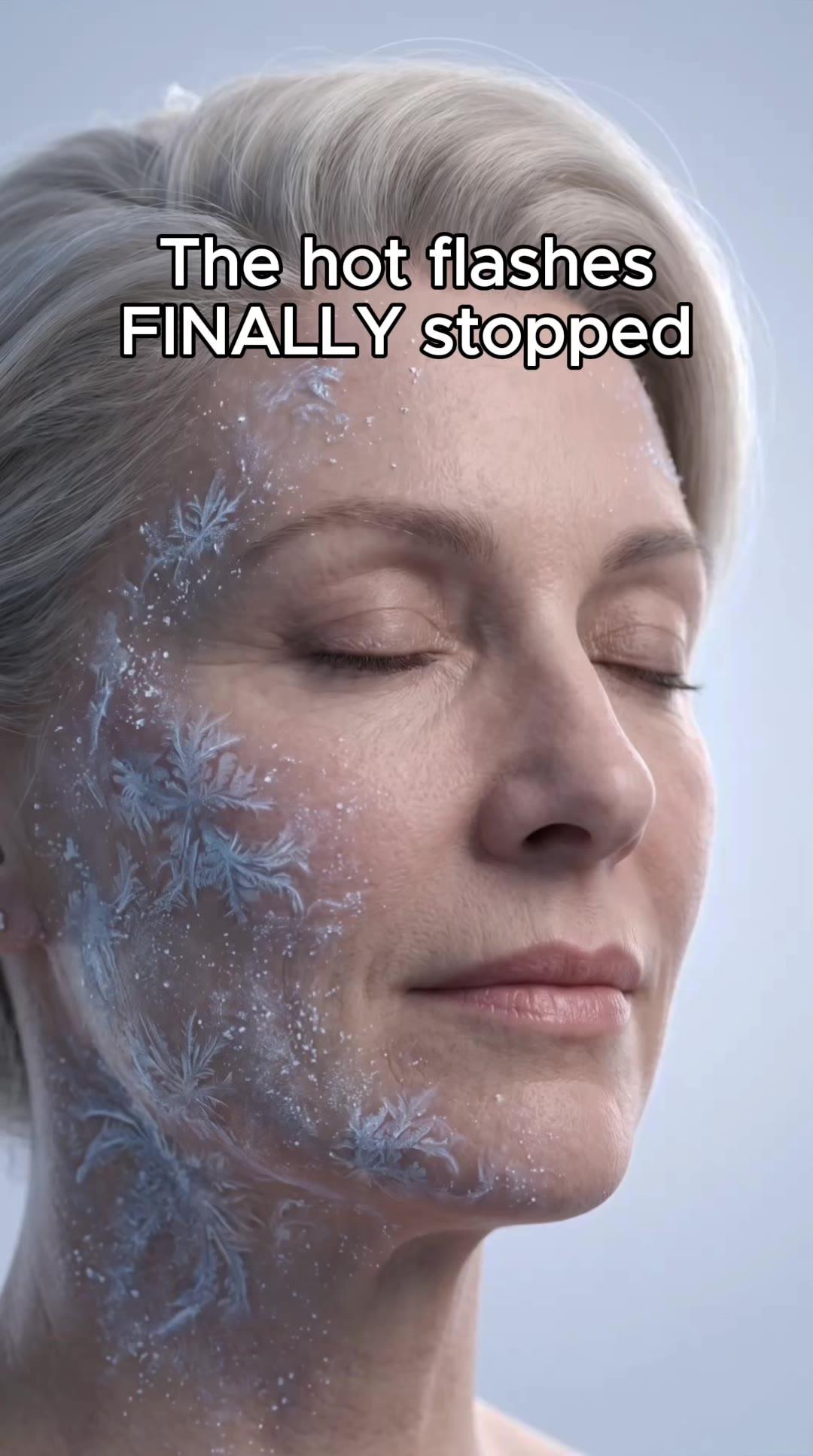
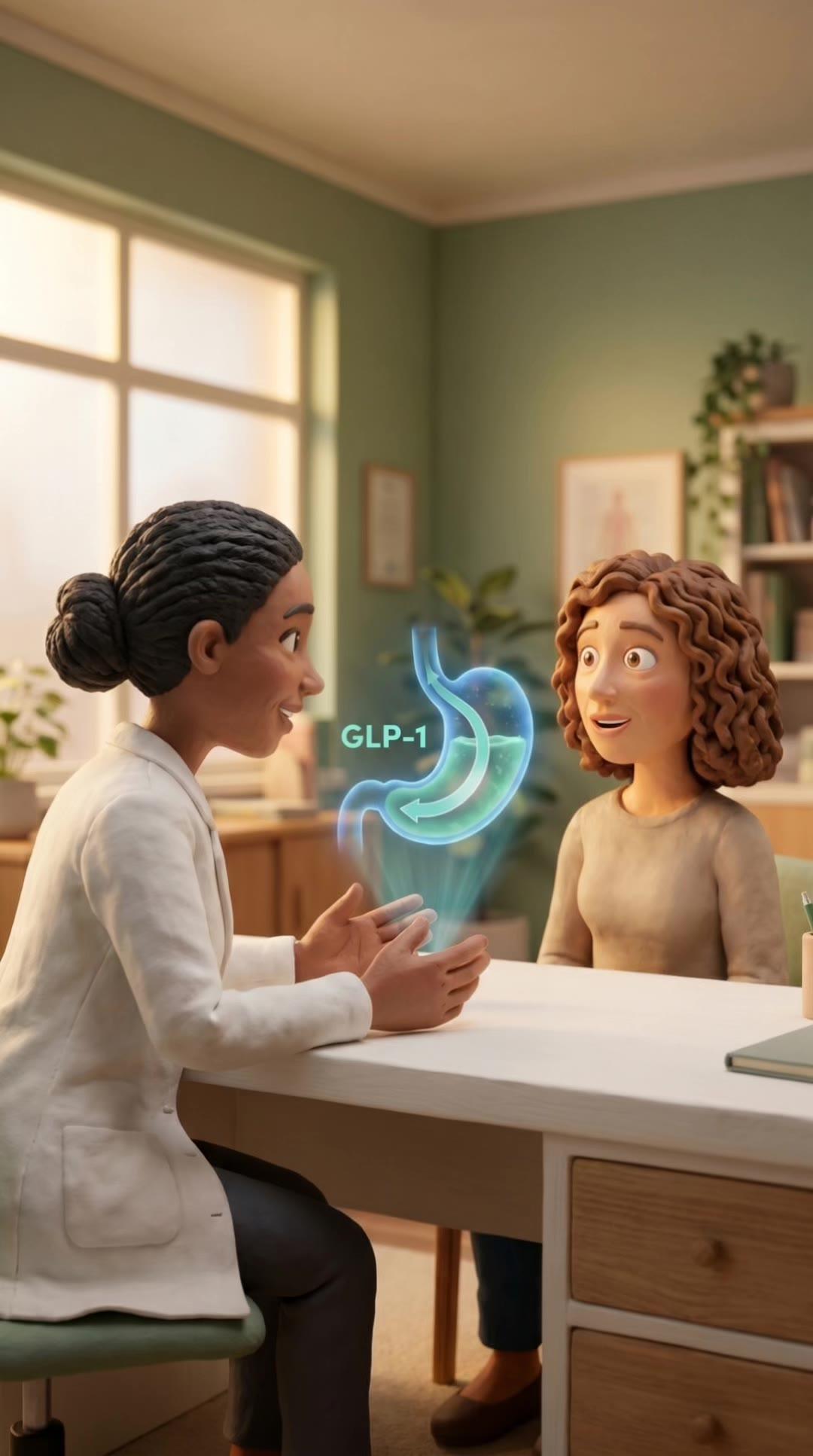
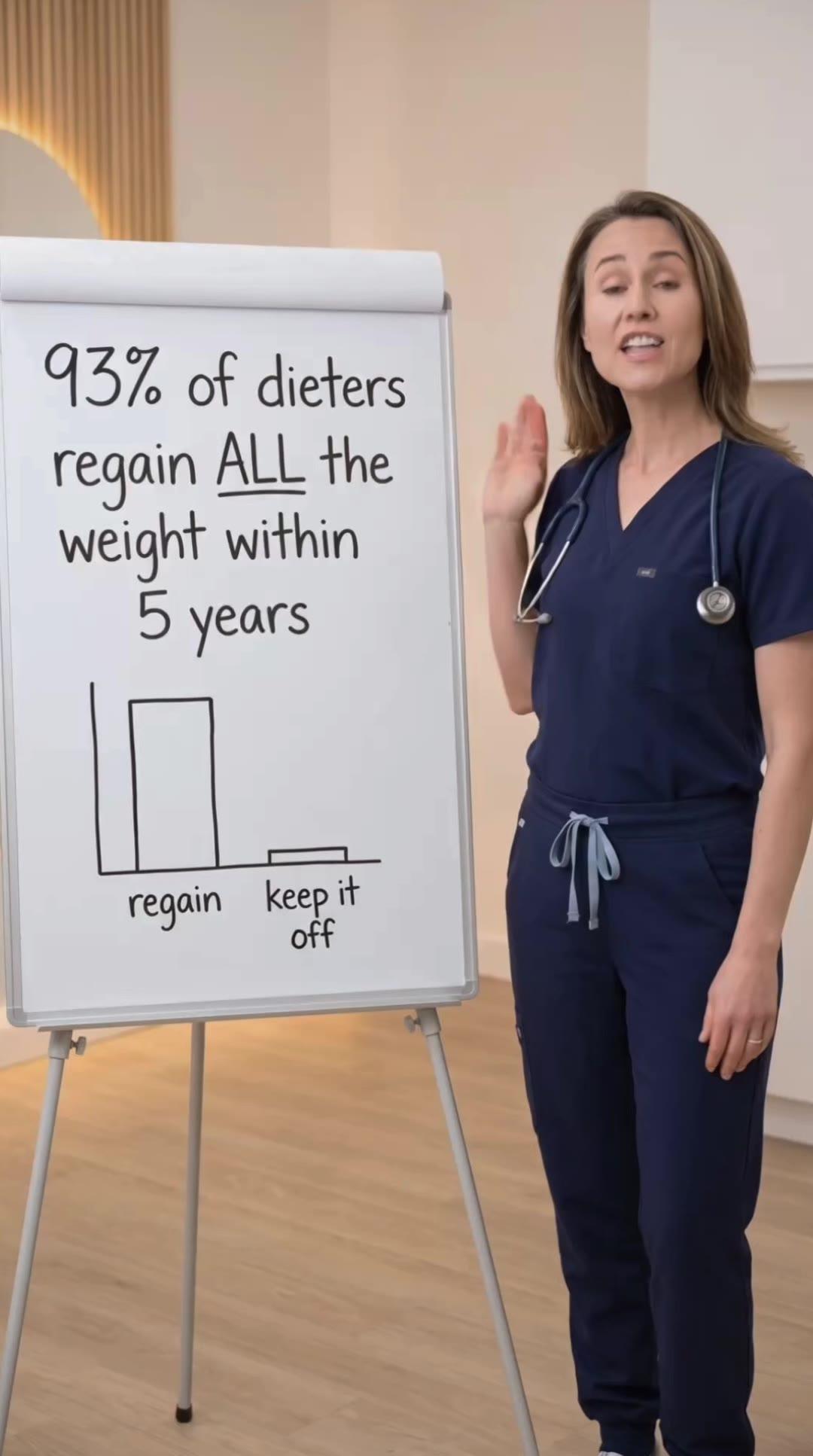
Credentialed creators like nurses, physician assistants, and health coaches add immediate authority to telehealth ads. Audiences trust medical professionals more than general lifestyle creators, especially when making decisions about weight loss, hormone therapy, or sexual health. But featuring credentialed creators in ads comes with stricter compliance requirements. You can't let them make medical claims just because they have credentials, and you must verify their qualifications before featuring them.
When used correctly, credentialed creators improve ad performance by reducing skepticism and increasing trust. They can explain medical concepts more clearly, address common concerns with authority, and position your brand as medically sound. This guide explains how to find, vet, brief, and feature credentialed creators in telehealth UGC ads without crossing compliance lines.
Which Credentials Add Value to Telehealth Ads
Not all credentials are equally valuable for telehealth advertising. Registered nurses (RNs), nurse practitioners (NPs), physician assistants (PAs), and licensed health coaches carry weight with audiences. These professionals have medical training and can speak credibly about health topics. Doctors (MDs and DOs) add the most authority but are harder to recruit and more expensive.
For GLP-1 brands, nurses and nurse practitioners who specialize in weight management or endocrinology perform well. For TRT and ED brands, PAs and NPs with men's health experience add credibility. For peptide and longevity brands, health coaches with functional medicine backgrounds resonate with audiences interested in optimization.
Avoid featuring creators who claim credentials they don't hold. If someone calls themselves a "health expert" or "wellness professional" without formal training, they're not adding credibility. Verify credentials before hiring anyone who will be featured as a medical authority. Request license numbers, check state databases, and confirm their credentials are active and in good standing.
Where to Find Credentialed Creators
LinkedIn is the best starting point for finding credentialed creators. Search for nurses, PAs, or health coaches who also have active TikTok or Instagram accounts. Many healthcare professionals are building side businesses in health education and are open to brand partnerships. Look for professionals who post regularly about health topics and have engaged audiences.
Also check healthcare-specific creator marketplaces like Doximity or platforms where medical professionals offer consulting services. Some nurses and PAs freelance as medical advisors or educators and are comfortable appearing in branded content. Reach out with a clear pitch: compensation, deliverables, usage rights, and compliance expectations.
Your own provider network is another source. If your telehealth platform employs nurses or PAs, ask if they're interested in creating content. Providers who already work with your brand understand the service and can speak about it more authentically. Offer fair compensation even if they're employees. Creating content is separate from their clinical duties and should be paid accordingly.
We produce paid social creative exclusively for telehealth brands. From 18 to 200 assets per month.
Get in TouchHow to Brief Credentialed Creators on Compliance
Credentialed creators often assume their credentials give them permission to make medical claims. They don't. Ads featuring nurses or PAs must follow the same compliance rules as ads featuring non-credentialed creators. No diagnosis language, no treatment promises, no outcome guarantees. The creator's credentials allow them to explain concepts more clearly, not to make unsubstantiated claims.
Brief credentialed creators to speak from educational perspective, not clinical authority. They can say "Many people experience low energy due to hormonal factors" but not "Low testosterone causes fatigue." They can explain "Here's how telehealth consultations work" but not "You should start treatment if you have these symptoms." Educational framing keeps the content compliant while leveraging their expertise.
Include a compliance checklist specific to credentialed creators. Prohibit diagnosis language, treatment recommendations without consultation, and claims that imply they're providing medical advice through the ad. Require them to include disclaimers like "This is educational information, not medical advice" and "Consult a healthcare provider before starting treatment." These disclaimers protect both the creator and your brand.
What Credentialed Creators Can and Cannot Say
Credentialed creators can explain medical processes, define terms, and describe what patients typically experience during treatment. They can say things like "GLP-1 medications work by affecting appetite regulation" or "Testosterone levels naturally decline with age." These statements are factual and educational, not medical advice or treatment recommendations.
Credentialed creators cannot diagnose conditions, recommend specific treatments, or tell viewers they need medical intervention. They can't say "If you have these symptoms, you probably have low testosterone" or "You should ask your doctor about GLP-1." These statements cross from education into medical advice, which requires a provider-patient relationship.
They also can't use their credentials to make unverified claims. A nurse can't say "In my clinical experience, most patients see results within 30 days" without data to support that statement. Credentials don't exempt creators from truthfulness requirements. Every claim must be accurate and substantiated, regardless of who's making it.
UGC formats we produce for telehealth.
See the work →How to Feature Credentials Without Overstating Authority
When featuring credentialed creators, display their credentials clearly but don't overstate their role. Use titles like "Sarah, Registered Nurse" or "Mike, Physician Assistant" rather than "Expert" or "Medical Authority." The credential itself communicates expertise; you don't need to embellish it.
Avoid implying that the credentialed creator is endorsing your service from a clinical perspective. They're sharing educational information, not recommending your brand based on medical evaluation. Frame their involvement as "Sarah shares what to expect" rather than "Sarah recommends this service." Subtle language differences prevent misinterpretation.
Also avoid featuring credentialed creators in clinical settings like hospitals, clinics, or exam rooms. Film them in neutral environments like homes, offices, or outdoor spaces. Clinical settings imply they're speaking in a professional medical capacity, which blurs the line between education and medical advice. Casual settings reinforce that this is educational content, not clinical consultation.
Pay Credentialed Creators Appropriately
Credentialed creators charge more than non-credentialed creators because their expertise and credentials add value. Expect to pay $400-$700 per video for nurses, PAs, or health coaches with relevant specializations. Doctors command $1,000+ per video if they're willing to appear in ads, but most doctors avoid branded content because of liability concerns.
The higher rate is justified if you're featuring their credentials prominently and their authority improves ad performance. If you're not highlighting their credentials, there's no reason to pay a premium. Test whether credentialed creator content drives better CPA than non-credentialed content. If the performance lift justifies the cost, invest in credentialed creators. If not, allocate budget elsewhere.
Also negotiate usage rights carefully. Some credentialed creators are protective of their professional reputation and limit how long or where you can use their content. Clarify usage terms upfront: duration, platforms, and whether you can repurpose the content for multiple campaigns. If a creator restricts usage, adjust compensation to reflect the limited value.
When Credentialed Creators Improve Performance
Credentialed creators perform best for educational content, objection-handling, and audiences in the consideration stage. If viewers are researching whether telehealth is legitimate or wondering how the process works, a credentialed creator explaining the details builds trust and reduces friction. Their authority answers skepticism that non-credentialed creators can't address.
For GLP-1 brands, credentialed creators work well for explaining how GLP-1 medications function or what to expect during consultations. For TRT brands, PAs or nurses can address common concerns about hormone therapy. For ED treatment, healthcare professionals reduce stigma by normalizing the conversation. Their presence signals that this is a medical service, not a gimmick.
Credentialed creators underperform when the audience wants relatable personal stories, not clinical explanations. If viewers are looking for social proof from someone like them, a nurse in scrubs feels distant and authoritative. Match the creator type to the audience's intent. Use credentialed creators for education and trust-building, non-credentialed creators for relatability and social proof.
Verify Credentials Before Featuring Creators
Always verify a creator's credentials before featuring them as a medical professional. Request their license number and check it against state licensing boards. Most states have public databases where you can confirm that a nurse, PA, or health coach holds an active, unrestricted license. Don't rely on the creator's word alone.
If a creator claims credentials but refuses to provide verification, walk away. Featuring someone with false credentials exposes your brand to FTC violations, platform penalties, and legal liability. The risk far outweighs any potential benefit. Only work with creators who provide documented proof of their qualifications.
Also check for disciplinary actions or restrictions on their license. Some professionals have licenses that are under review, restricted, or suspended. Featuring a credentialed creator with a problematic license history creates legal and reputational risk. Thorough vetting upfront prevents problems later.
Compliance Risks Specific to Credentialed Creators
Credentialed creators face unique compliance risks because audiences assume their statements carry medical authority. If a nurse says something that could be interpreted as medical advice, platforms and regulators will hold you accountable even if the creator didn't intend to advise. The perception of authority increases scrutiny.
Also be aware of scope-of-practice limitations. A nurse can educate about general health topics but can't diagnose or prescribe. A health coach can discuss wellness but can't provide medical treatment recommendations. Ensure the credentialed creator stays within their scope of practice in all content. Violations can result in professional license actions against the creator and liability for your brand.
Finally, monitor how credentialed creators are perceived by your audience. If viewers believe the creator is acting as your medical advisor or endorsing your service from a clinical standpoint, that creates FTC issues. Include disclaimers that clarify the creator is providing educational information, not serving as a medical consultant to your brand. Transparency prevents misinterpretation.
Need help sourcing and managing credentialed creators for your telehealth brand? Book a call or explore our creative services.
Related Articles
- UGC Ads for Telehealth: What Works and What Gets Rejected
- How to Find UGC Creators for Telehealth Brands
- How to Brief UGC Creators for Telehealth Ad Compliance
- How to Review and Approve UGC for Telehealth Ad Compliance
- Telehealth Ad Compliance — What Platforms Allow and Reject
- Using Licensed Medical Professionals as Telehealth Creators
UGC systems built for telehealth.
A 30-minute call. We audit your creative approach and show you exactly what a complete angle-format-hook system looks like for your vertical.