Facebook and Instagram
Healthcare Facebook ads: creative for telehealth brands
Telehealth Media makes paid social ads, video and static, for telehealth brands. We also analyse funnels and landing pages for conversion, and on Performance Partner we buy the media and run the ad accounts. The ads run on Meta, which covers Facebook and Instagram, and on TikTok.
This page covers Facebook ads for healthcare, and Instagram ads with them, since both run from the same Meta ad account. It explains how we make them, the funnel stages they are written for, and the Meta rules that apply.
Telehealth Media works only with telehealth brands.
Meta Pixel and health data on a telehealth site
Meta sorts the website or app that sends it data into categories. Its help page on data source categories defines Health and wellness as data that "Is associated with medical conditions or specific health statuses, provider/patient relationships", with examples that include a patient portal, a telemedicine platform and a pharmacy. It also says "you will not be able to modify a Meta-assigned categorization for your data source", though you can ask Meta to review it again (checked 3 Nov 2026).
The category decides what the Pixel can send. Meta's page on data sharing restrictions describes Core Setup, which "Restricts the sharing of custom parameters and parts of URLs following the domain", a level that "Restricts the sharing of specific mid and lower funnel events", and full restrictions, where "Meta Business Tools cannot be used for ads purposes". It adds: "Meta's systems are not a substitute for your own compliance mechanisms."
- Under core setup, custom audiences that rely on URL parameters may not work as expected, automatic advanced matching may not be available, and adding catalog items through the Pixel may no longer work.
- Custom conversions that reference specific health conditions are not allowed, and flagged ones cannot be used in new campaigns.
- Custom and lookalike audiences with references to specific health conditions are flagged and "cannot be used for running ad campaigns".
HIPAA and tracking: what HHS says
HHS guidance on online tracking technologies says "The HIPAA Rules apply when the information that regulated entities collect through tracking technologies" includes protected health information, and that regulated entities "are not permitted to use tracking technologies in a manner that would result in impermissible disclosures". It says tracking on user-authenticated pages "generally ha[s] access to PHI", and gives a telehealth platform as an example of such a page.
The same page says a cookie banner asking visitors to accept tracking is not a valid HIPAA authorization, that a privacy policy notice alone does not permit disclosures to a tracking vendor, and that "Regulated entities must ensure that all tracking technology vendors have signed a BAA".
Two limits on that guidance are on the page itself. It notes that on 20 June 2024 the U.S. District Court for the Northern District of Texas declared unlawful and vacated a portion of it, and that HHS is evaluating its next steps. It also says its contents "do not have the force and effect of law". Whether HIPAA applies to your brand depends on whether you are a covered entity or business associate. Confirm that with your counsel before you set up the Pixel.
What healthcare Facebook ads have to get right
A healthcare Facebook ad has two jobs. It has to make a patient stop and act, and it has to pass Meta review. The second job limits the first, so the creative has to be written for both from the start.
Meta does not allow ads that assert or imply a person's personal attributes, including physical or mental health and medical conditions. Its own examples allow "New diabetes treatment available" and reject "Do you have diabetes?" Source: Meta's Personal Attributes ad policy, checked on 2 November 2026.
Meta lets online pharmacies and telehealth providers promote prescription drugs only if they are actively certified with LegitScript, have authorization from Meta, and target people 18 or older in the United States, Canada or New Zealand, in the countries where they are certified. Source: Meta's Drugs and Pharmaceuticals ad policy, checked on 2 November 2026.
How it works
- 1
Call and account review
We look at your ad account and your vertical, and agree how many batches you need.
- 2
Angles
We research and write one angle for each batch.
- 3
First batch in 72 hours
Your first batch arrives within 72 hours of signing. After that, batches arrive on a rolling basis: every 3 days on Growth, every day on Full Creative, and 3 or more a day on Scale.
- 4
Built from winners
We read the results and build the next batches from the angles and formats that won. Ads that win get new versions in the next batch.
A batch is one angle made into 10 ads: 5 videos in 5 different formats and 5 statics. The batch goes into one ad set, so Meta tests formats of the same reason to buy against each other. Your first batch arrives within 72 hours of signing. After that, batches arrive on a rolling basis.
Funnel stages
Patients see healthcare ads at different points. Some do not know a treatment exists. Some are comparing providers. Some are ready to book. We write angles for each awareness stage, so the ad meets the patient where they are.
| Stage | What the patient knows | What the ad does |
|---|---|---|
| Unaware | Has not linked a problem to a treatment | Names a situation or a moment, never the viewer's condition |
| Problem aware | Knows the problem, not the options | Shows that an online visit is an option |
| Solution aware | Knows telehealth treatment exists | Explains the process: the consult, the provider, what happens next |
| Product aware | Knows your brand | Answers the objection that stops them booking |
| Most aware | Ready to act | Makes the next step clear |
The example statics on each vertical page are sorted by these stages. The GLP-1 example statics show three ads for each one.
Targeting and placements
Meta requires ads for weight loss products and services, and for cosmetic products or procedures, to target people 18 or older. Source: Meta's Health and Wellness ad policy, checked on 3 November 2026.
Meta requires sexual and reproductive health ads to target people 18 or older and to focus on health and medical treatment, not sexual pleasure or enhancement. Prescription products also follow the Drugs and Pharmaceuticals policy. Source: Meta's Health and Wellness ad policy, checked on 29 October 2026.
Facebook and Instagram ads run from the same Meta ad account. Every video comes in 9:16 for Reels and Stories and 4:5 for the feed, so one batch covers the main placements.
After the click
Meta says its review can cover an ad's images, video, text and targeting as well as its landing page, and that the products and services in an ad must match those on the landing page. Source: Meta's Advertising Standards, checked on 2 November 2026.
That makes the landing page part of the ad. We analyse funnels and landing pages for conversion, so the claim in the ad, the offer on the page and the intake flow match.
Who runs the ad account
On Growth, Full Creative and Scale, we make the creative and your team runs the ad account. On Performance Partner, for proven brands and proven offers spending at least $500K a month on ads, with room to scale past $2.5M a month, we make the creative and run the media buy. There is no money up front, and we work on a pure performance basis.
Meta rules for healthcare ads
Every video is reviewed for compliance. Platform certification, such as LegitScript, and legal sign-off stay with your brand and your counsel. We make the creative to fit the rules you work under.
Meta says ad review is usually completed within 24 hours, though it can take longer, and ads can be reviewed again at any time, including after they go live. Source: Meta's Advertising Standards, checked on 2 November 2026.
Meta says a rejected ad can be edited to comply and is then reviewed as a new ad, and that a rejection you believe is a mistake can be appealed in Account Quality. Source: Meta's Advertising Standards, checked on 2 November 2026.
The full rules, each linked to the platform page it comes from, are on our Meta health ad policy, Google health ad policy and LegitScript certification pages.
Facebook ads by vertical
Six verticals have their own Facebook ads page: weight loss, online pharmacy, mental health, ED, hair loss and dermatology and skincare.
- The healthcare advertising agency page lists what we do and what we do not do, in one table.
- The ad formats page shows every video format with example clips.
- The answers section has short answers to the questions telehealth teams ask about agencies, formats and platform rules.
Formats that run on Facebook and Instagram
Short example cuts from our formats, filmed and animated. Each clip links to its vertical page.








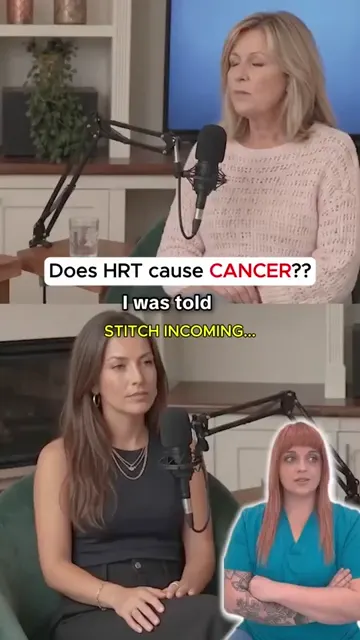
How a batch works
A batch is one angle made into 10 ads: 5 videos in 5 different formats and 5 statics. The whole batch goes into one ad set. Each video has one hook, so you test formats of the same angle instead of hook versions of the same video. Every video is reviewed for compliance. The next batch is a different angle.
Example batch · Formats across categories
1 ad set
5 videos
Note-card confession Claymation Snapchat POV Podcast confession Paperwork skit
5 statics
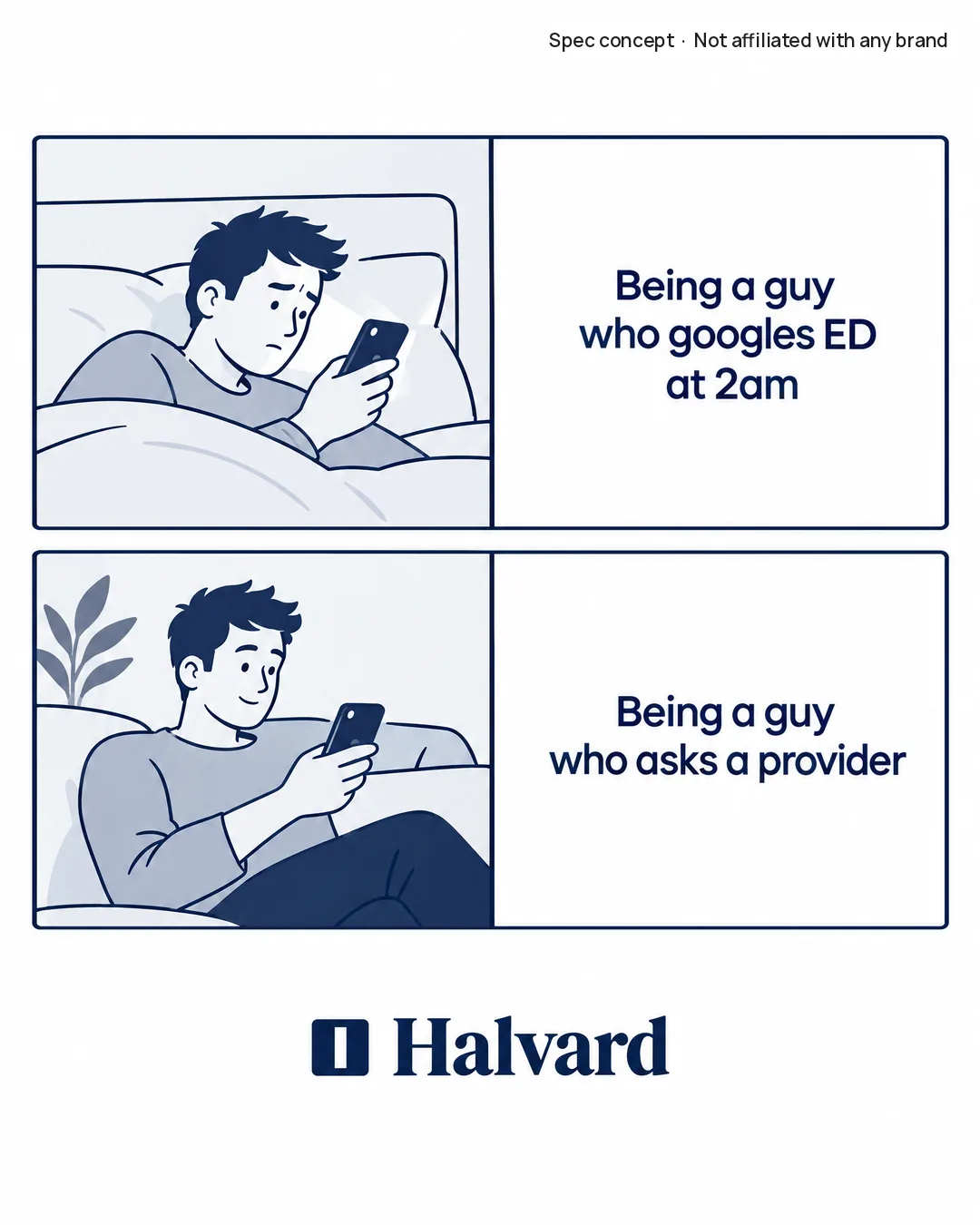
Unaware
ED · Two-panel line drawing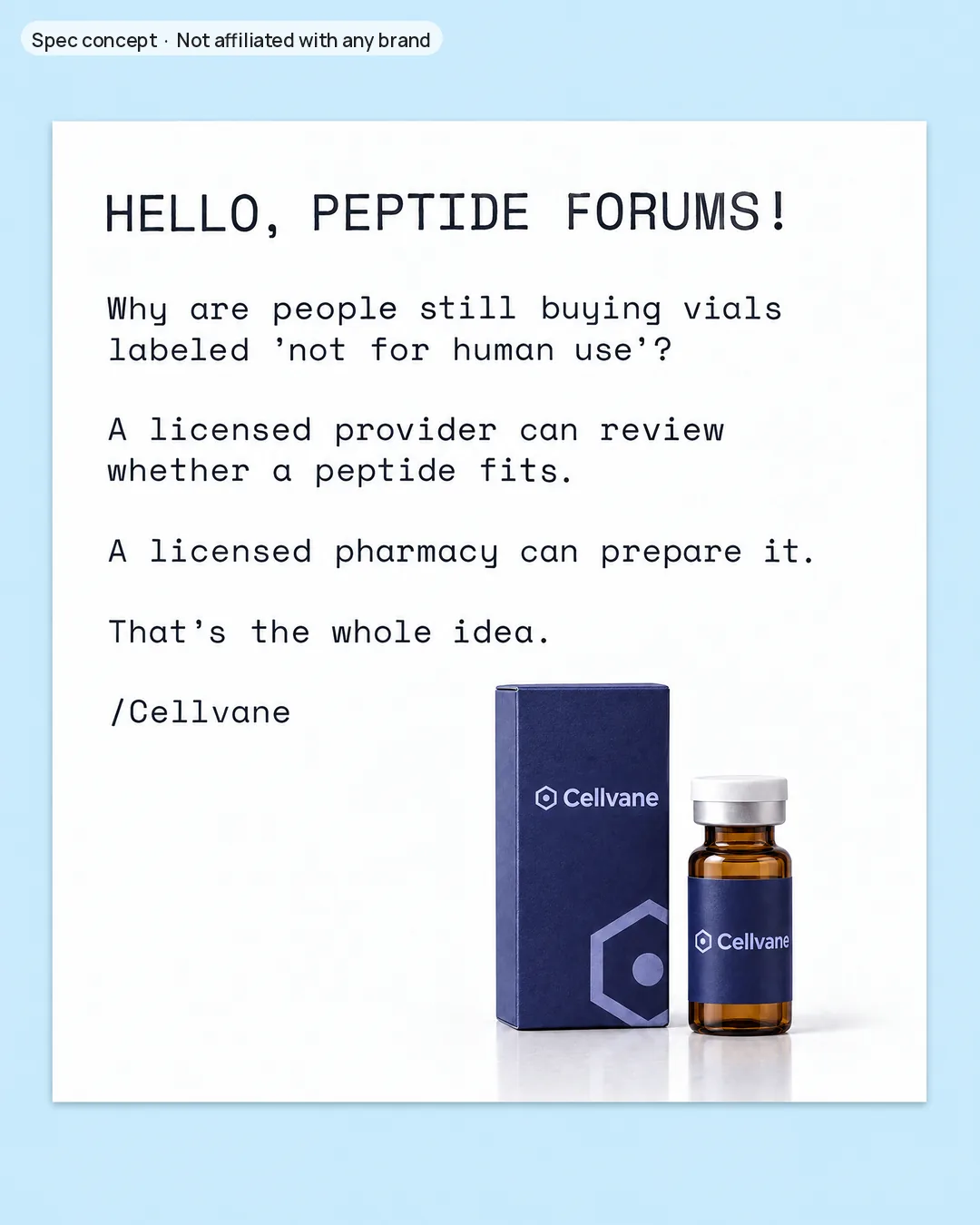
Problem aware
Peptides · Typewriter open letter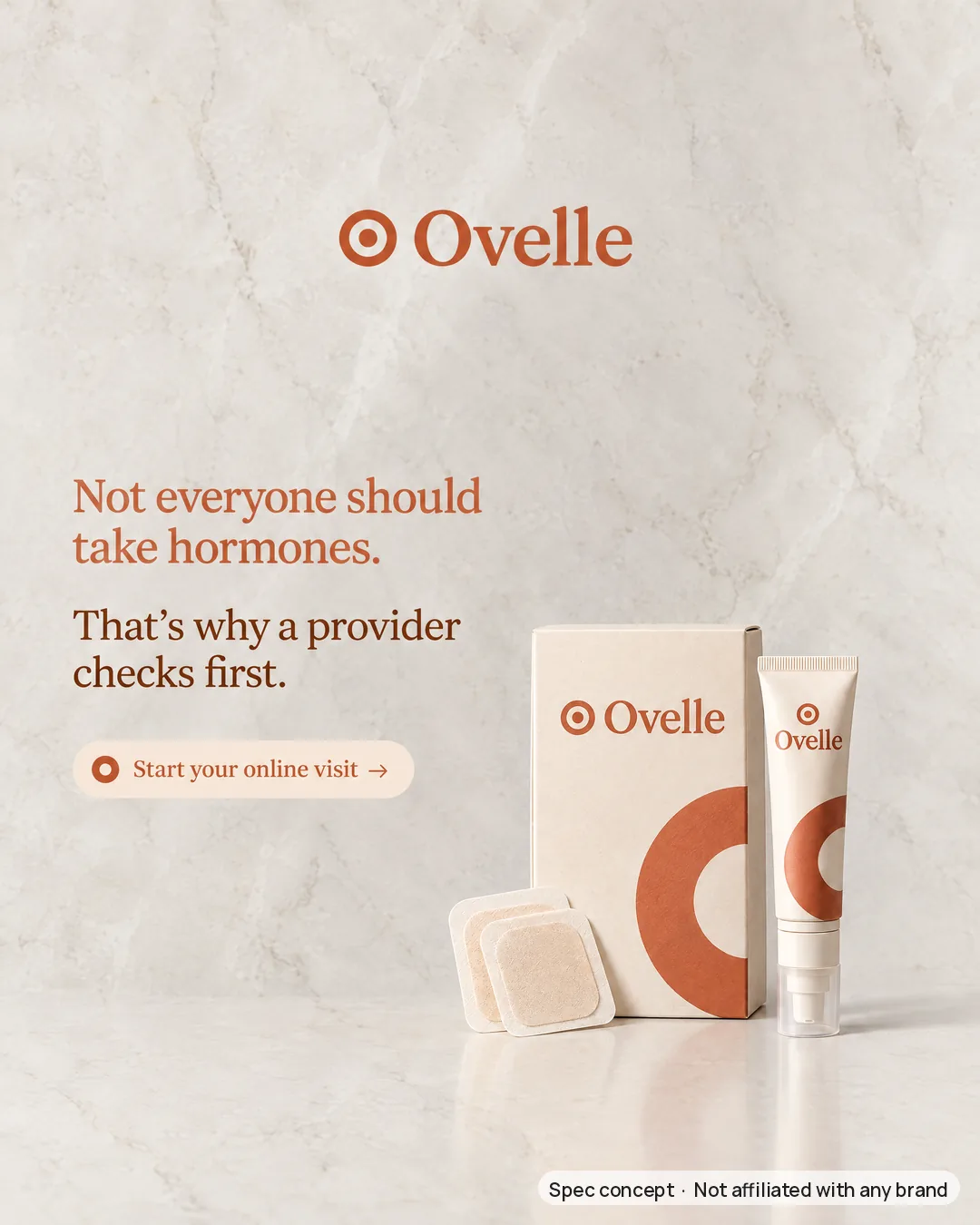
Solution aware
HRT · Minimal premium statement
Product aware
Skin · Box with product + sticky note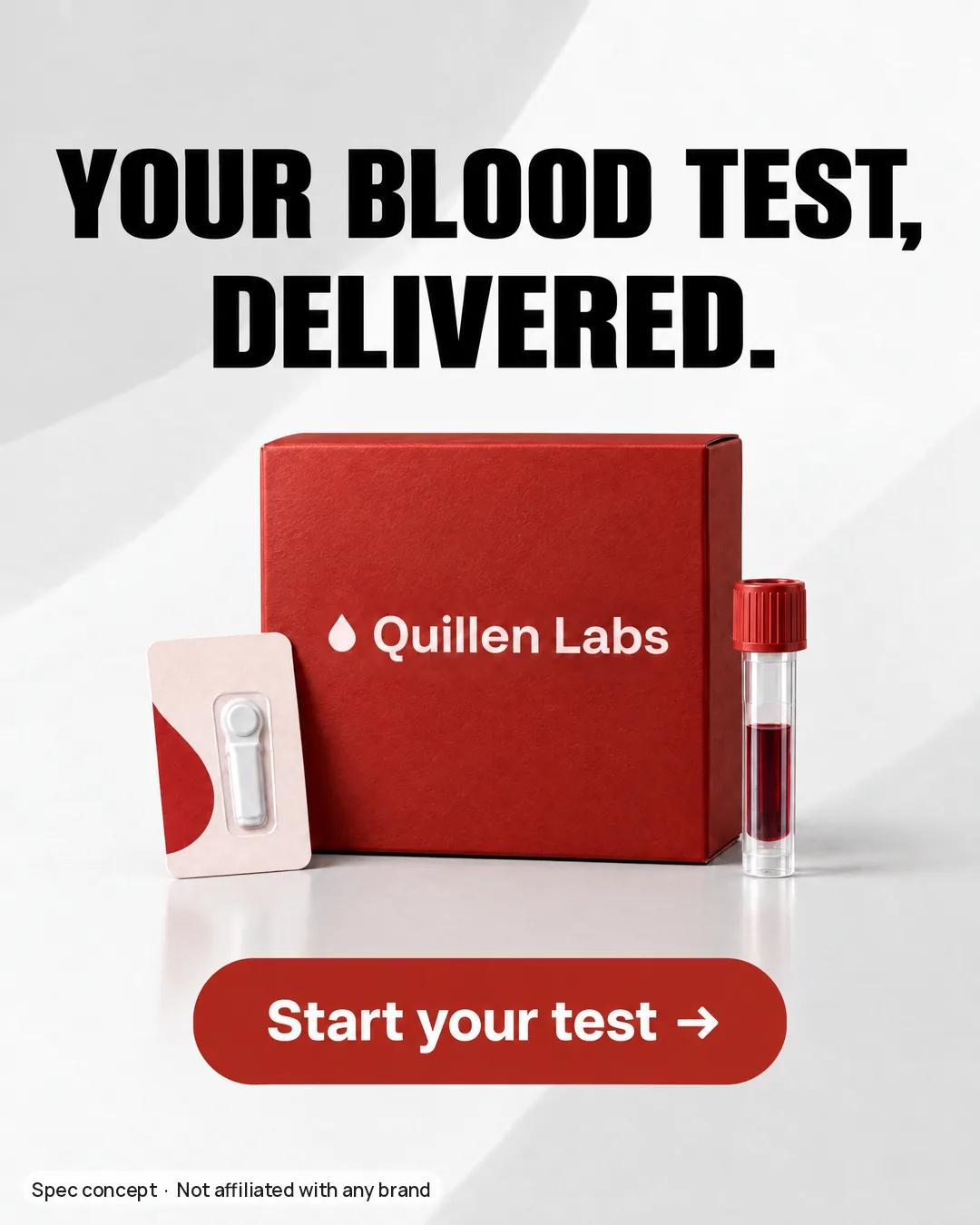
Most aware
Blood testing · 'Your new favorite' product + button
The brands in the statics are made up by Telehealth Media to show formats. They are not real companies. See the monthly packages.
By vertical
Every vertical page covers the angles, hooks and rules for its category.
- GLP-1 Ads and Weight Loss Ad Creative for Telehealth Brands
- TRT Marketing and Ad Creative for Men's Health Telehealth Brands
- ED Marketing and Ad Creative for ED Treatment Telehealth Brands
- Hair Loss Ads and Performance Creative for Telehealth Brands
- Peptide Marketing and Ad Creative for Longevity Telehealth Brands
- Mental Health Marketing and Ad Creative for Telehealth Brands
- HRT Marketing and Ad Creative for Menopause Telehealth Brands
- Paid Social Creative for Birth Control Telehealth Brands
- Ad Creative for Anti-Aging and Prescription Skin Brands
- Performance Creative for Telehealth Medication Delivery
- At-home blood testing ads
Free tools for this
Short answers
Questions
Can healthcare companies run Facebook ads?
Meta says ads that promote telehealth services in general, or that educate about prescription drugs, do not need written authorization. Source: Meta's Drugs and Pharmaceuticals ad policy, checked on 2 November 2026. Meta lets online pharmacies and telehealth providers promote prescription drugs only if they are actively certified with LegitScript, have authorization from Meta, and target people 18 or older in the United States, Canada or New Zealand, in the countries where they are certified. Source: Meta's Drugs and Pharmaceuticals ad policy, checked on 2 November 2026.
What gets healthcare Facebook ads rejected?
Common reasons are copy that asserts or implies the viewer has a condition, prescription drug ads from advertisers without LegitScript certification and Meta authorization, and weight loss or cosmetic ads that attack a person's appearance or promise a result within a set time.
Does Meta check the landing page?
Meta says its review can cover an ad's images, video, text and targeting as well as its landing page, and that the products and services in an ad must match those on the landing page. Source: Meta's Advertising Standards, checked on 2 November 2026.
How long does Meta take to review an ad?
Meta says ad review is usually completed within 24 hours, though it can take longer, and ads can be reviewed again at any time, including after they go live. Source: Meta's Advertising Standards, checked on 2 November 2026.
What is a batch?
One angle made into 10 ads: 5 videos in different formats and 5 statics. The batch goes into one ad set.
How much does it cost?
Pricing is shared on the call. Packages are set by how many batches you get a month and by your monthly ad spend, and we do not publish fees.
This is general information about platform policies, not legal advice. Check the current policy before you run ads. Policies on this page were checked on 2 November 2026, except the FTC pages, checked on 29 October 2026.