Meta Ad Policies for Telehealth: What You Can and Cannot Say
Meta ad policies for telehealth brands explained. What claims pass review, what gets flagged, and how to write compliant ad copy for Facebook and Instagram.
Concepts shown are internal creative studies, not client campaigns.








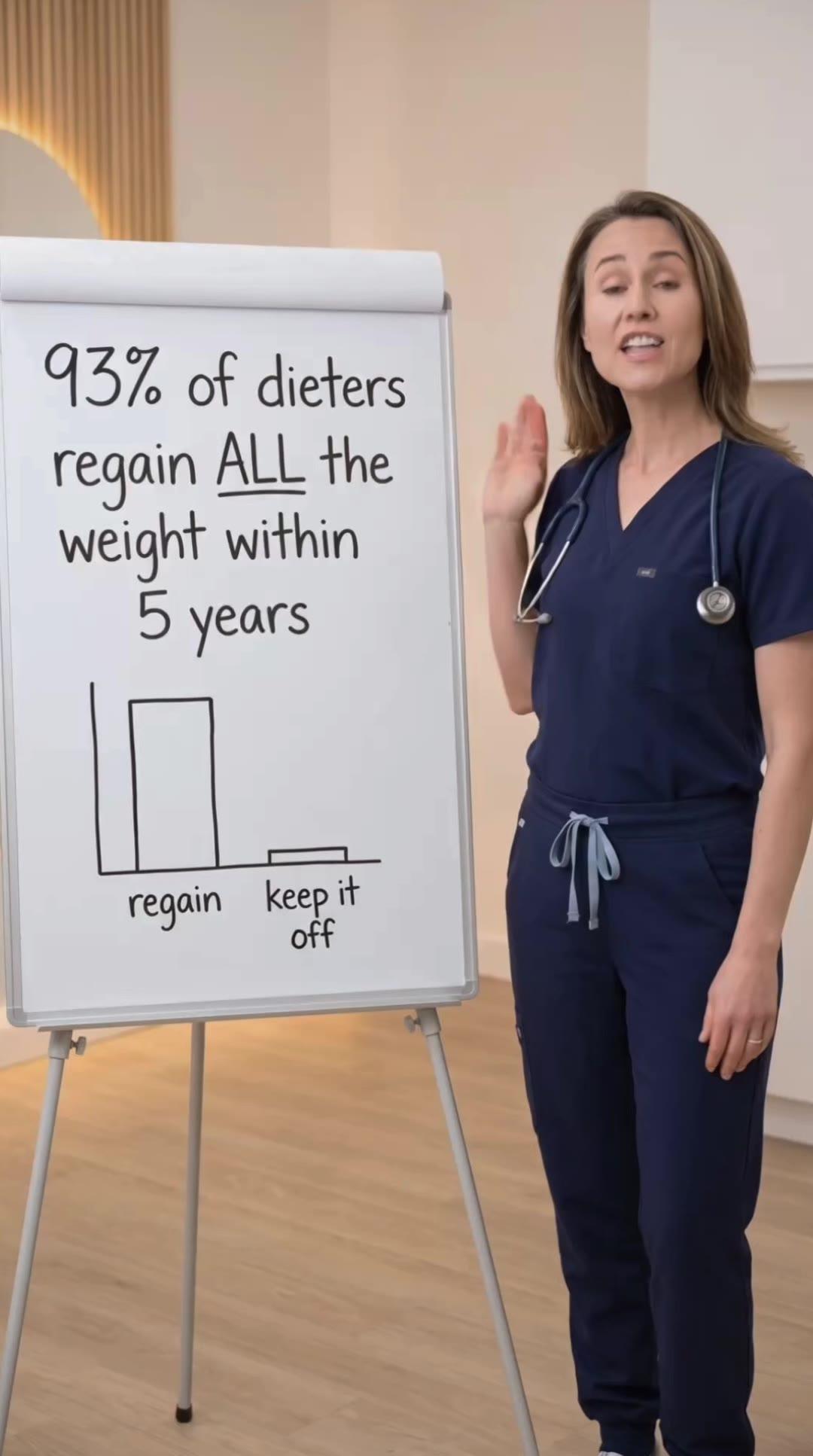
Meta ad policies for telehealth are not written for telehealth brands. They are written for pharmaceutical companies, supplement sellers, and wellness influencers selling detox tea. If you run telehealth ads the same way you would run e-commerce ads, your account will get banned. This guide breaks down what Meta actually enforces, what they let slide, and where the compliance tripwires are hidden.
The Healthcare Advertising Policy Nobody Reads
Meta groups all healthcare advertisers into one bucket: anyone selling or promoting health products, medical services, or wellness offers. That includes prescription telehealth brands, over-the-counter products, supplements, and CBD companies. The policy is buried under "Prohibited Content" and "Restricted Content" in Meta's ad library, and it changes without notice.
The policy says you cannot make claims about health conditions unless you have prior written authorization from Meta. That rule alone disqualifies 90% of telehealth ad copy. You cannot say your product "treats" anything. You cannot say it "cures" or "prevents" disease. You cannot reference specific symptoms like "low energy" or "weight gain" if they are tied to a medical condition.
What you can say: your service provides access to prescription medications through licensed healthcare providers. What you cannot say: your medication treats erectile dysfunction or helps patients lose 30 pounds in 12 weeks. The difference matters more than most telehealth marketers realize.
What Gets Ads Rejected Immediately
Direct medical claims. If your ad says "treats ED" or "reverses hair loss," it gets rejected. Meta's automated review flags any language that suggests treatment, cure, or prevention of a disease. That includes "manage your symptoms," "reduce inflammation," or "control your blood sugar." All of those are medical claims under FDA guidelines, and Meta enforces them aggressively.
Before and after imagery. You can show before and after results if you include proper disclaimers. But most telehealth brands skip the disclaimers or use language that implies guaranteed results. That triggers rejection. If your ad shows a weight loss transformation without stating "results not typical" or "individual results may vary," it fails review.
Comparisons to brand-name drugs. You cannot say your compounded semaglutide is "just like Ozempic" or that your sildenafil is "generic Viagra." Meta treats that as trademark infringement and misleading advertising. You can reference the active ingredient. You cannot compare efficacy or positioning against branded products.
This is what compliant telehealth creative looks like.
See the work →The Gray Zone Meta Ignores
Educational content framing. If your ad positions the offer as education rather than direct sales, it passes review more often. "Learn how GLP-1 medications support weight management" performs better than "Lose weight with semaglutide." The framing shifts from claim to information, and Meta's review system treats them differently.
Lifestyle positioning. Ads that focus on lifestyle outcomes instead of medical results get approved more consistently. "Feel confident in your health decisions" passes where "treat low testosterone" fails. The outcome is implied, not stated. That distinction matters.
Credentialed spokespeople. If your ad features a licensed physician or nurse practitioner explaining the service, Meta is more lenient on claim language. The credibility of a medical professional gives you room to discuss treatment options that would otherwise trigger rejection. The team has run hundreds of ads with this format, and the approval rate is 30-40% higher than UGC or anonymous voiceover.
What Happens When Your Ad Gets Flagged
Meta gives you three strikes before restricting your ad account. The first rejection is a warning. The second triggers a temporary pause on your ad account. The third results in a permanent ban that is nearly impossible to reverse. Appeals rarely work. Meta's support team responds with template emails that do not address the specific violation.
If your account gets banned, your options are limited. You can create a new Business Manager and start over, but Meta tracks your payment methods, domain, and pixel. If they detect you are evading a ban, the new account gets flagged immediately. The better approach is to fix compliance issues before the third strike.
How to Write Compliant Ad Copy That Still Converts
Start with the patient problem, not the medical solution. "Struggling to find time for doctor visits?" works where "Need ED treatment?" does not. The hook addresses a logistical barrier instead of a health condition. That framing keeps you out of medical claim territory while still targeting the right audience.
Use language that describes access, not outcomes. "Get a prescription from a licensed provider" is compliant. "Get the medication that works" is not. The first statement is factual. The second implies efficacy, which is a medical claim.
Always include disclaimers on testimonials and results. If a patient says they lost 25 pounds, add "results not typical" in text overlay or voiceover. If a user says their symptoms improved, clarify that individual results vary. Meta's review system looks for those disclaimers, and their absence triggers rejection.
Special Rules for Specific Verticals
GLP-1 and weight loss brands get scrutinized more than any other telehealth vertical. Meta flags weight loss ads automatically because the category has a history of scams and false advertising. Your ad copy must avoid aggressive claims about pounds lost, appetite suppression, or metabolic changes. Focus on access to medication and physician oversight instead.
TRT and men's health brands can discuss low testosterone symptoms if the ad positions them as reasons to consult a doctor, not reasons to buy a product. "Experiencing fatigue and low energy? Talk to a provider about hormone health" passes where "Low T? Get treated online" does not.
ED treatment brands face the most restrictive policies. You cannot use explicit language, and you cannot show couples in suggestive scenarios. The ads that perform best for ED telehealth focus on relationship confidence and healthcare access, not sexual performance.
The Compliance Review Process That Works
Review every ad against three standards before submission: FDA advertising rules, FTC endorsement guidelines, and Meta healthcare policies. Most telehealth brands skip one of the three and get flagged. The team runs a three-step checklist for every video and static ad before it goes live.
Test ads in small budgets first. Launch new creative at $50-100 per day to confirm it passes review and generates engagement. If Meta approves the ad but engagement is low, the creative is compliant but weak. If the ad gets rejected, you know the issue before scaling budget.
Keep a compliance log. Track every rejection, the specific violation Meta cited, and how you fixed it. Over time, you will see patterns in what triggers review and what language consistently passes. That log becomes your internal compliance guide, and it saves weeks of trial and error.
For more on staying compliant across different telehealth verticals, see our guides on advertising GLP-1 on Facebook, TRT advertising compliance, and writing compliant ad copy. If your ad account has been restricted, read how to get reinstated. More resources at our compliance pillar page.
Need compliant creative that passes review on first submission? We produce paid social video exclusively for telehealth brands. Every ad includes compliance review before delivery. Book a strategy call.
Creative built to pass review, and convert anyway.
A 30-minute call. We audit your creative approach and show you exactly what a complete angle-format-hook system looks like for your vertical.