How to Write Compliant Ad Copy for Prescription Telehealth Products
The copywriting framework for compliant telehealth ads. What language passes review, what triggers rejection, and how to write copy that converts and stays compliant.
Concepts shown are internal creative studies, not client campaigns.
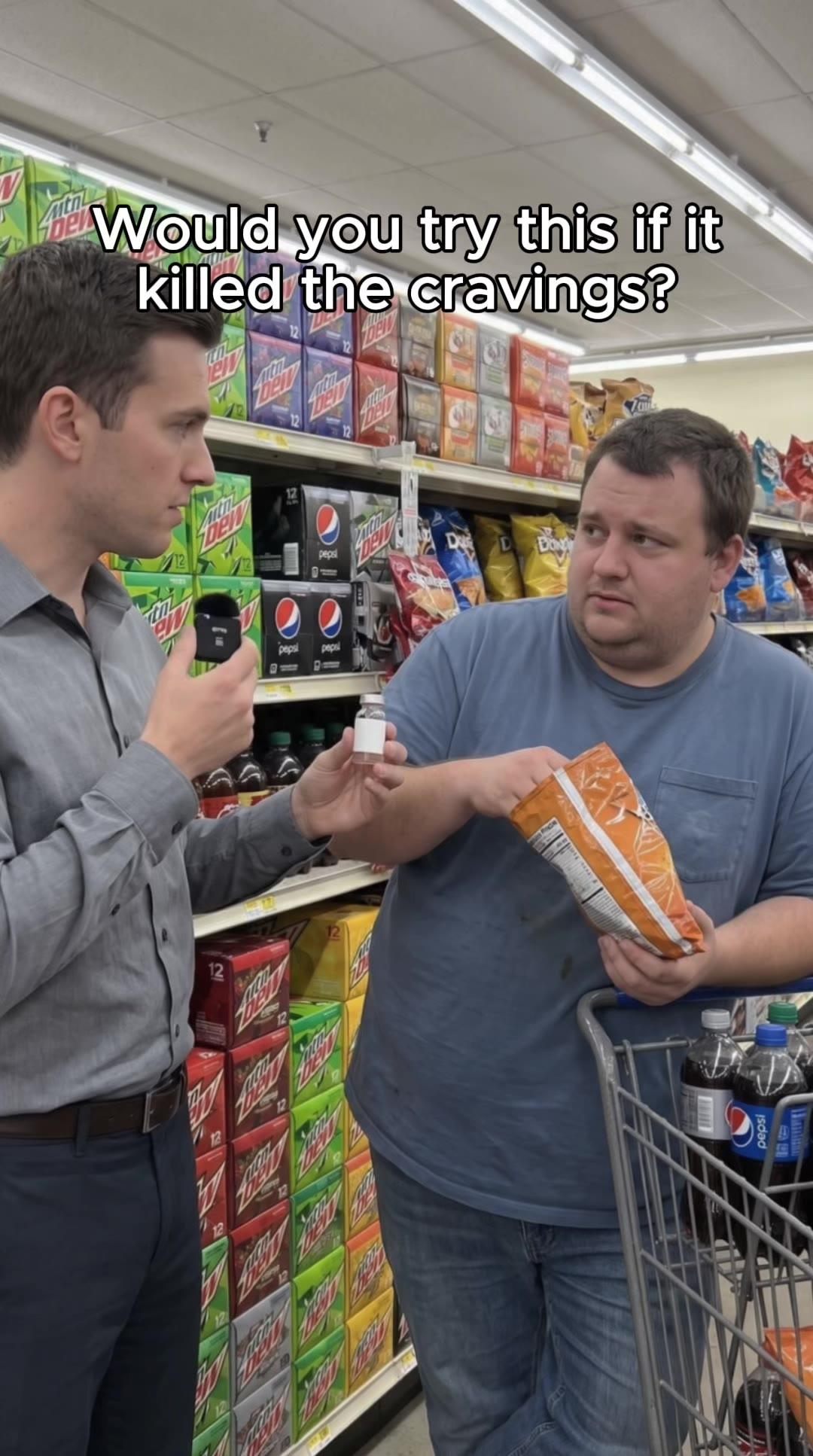


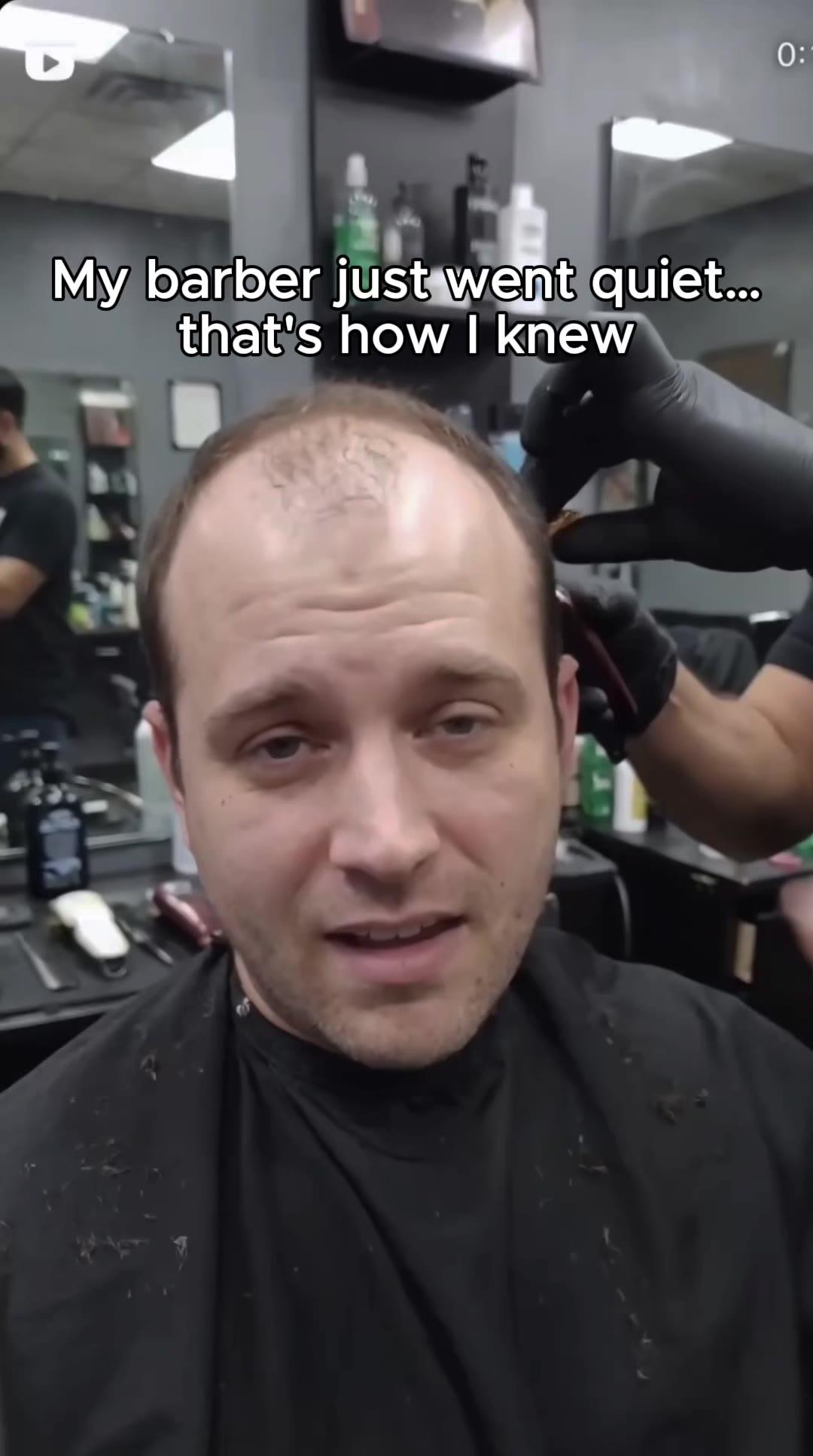




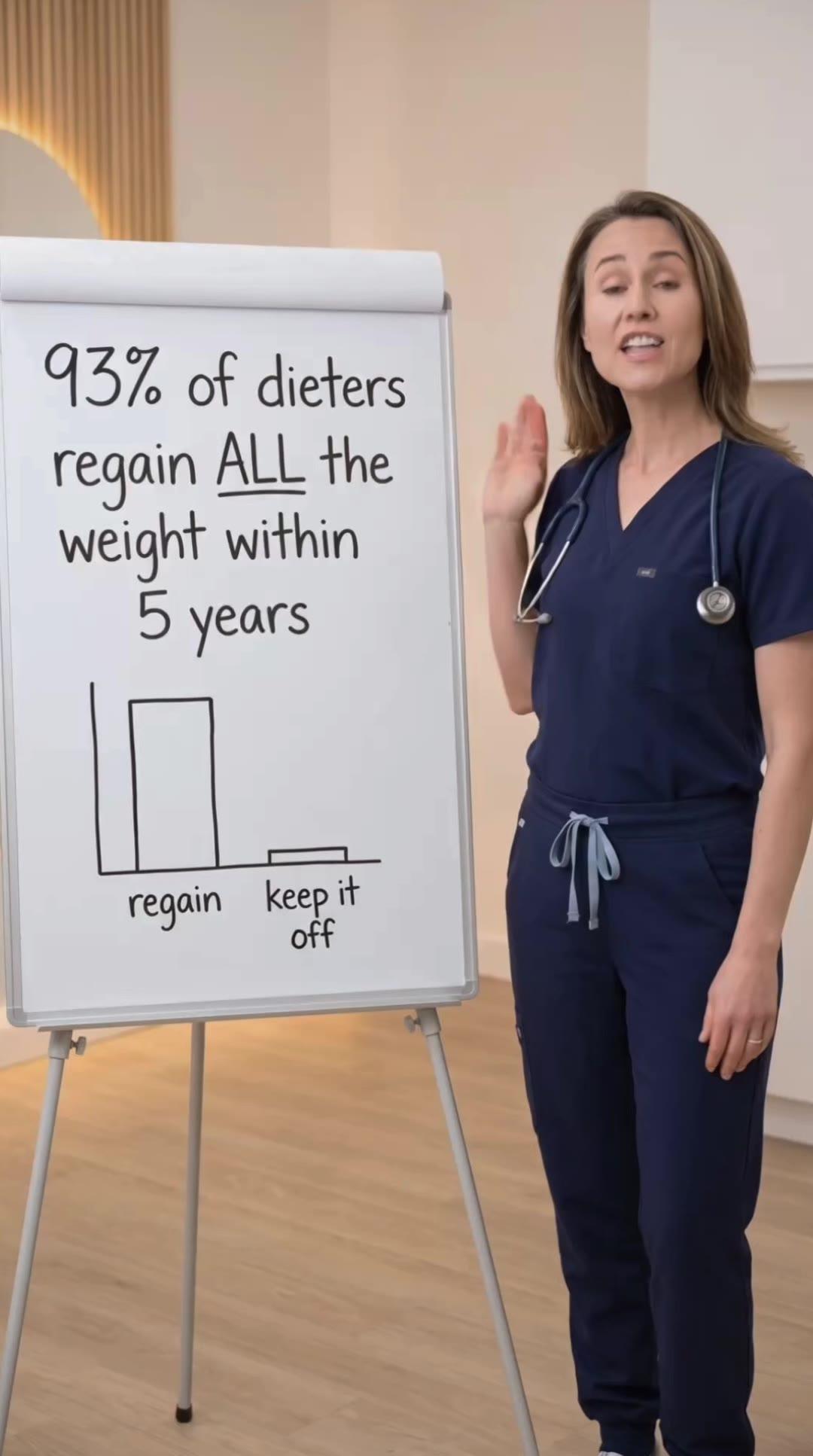
Writing compliant ad copy for telehealth products requires a different framework than e-commerce copywriting. You cannot make outcome promises. You cannot use aggressive before and after language. You cannot imply that results are guaranteed or immediate. Most copywriters trained on DTC brands fail when they write telehealth ads because they default to performance-driven language that violates healthcare advertising policies. This guide explains how to write copy that converts and passes compliance review based on writing 2,500+ telehealth ads that generated $50M+ in spend.
Why Most Telehealth Ad Copy Gets Rejected
Most rejected telehealth ads fail because the copywriter treated them like supplement ads or fitness product ads. The hook promises transformation. The body copy makes efficacy claims. The CTA implies guaranteed results. That structure works for unregulated products. It fails for prescription medications.
Platforms like Meta and Google enforce healthcare advertising policies that prohibit medical efficacy claims unless you have prior authorization. Telehealth brands do not have that authorization. That means your copy must focus on access to healthcare, not the outcomes of treatment. Most copywriters do not understand that distinction, which is why their ads get flagged.
The Compliant Copywriting Framework
Start with the patient problem, not the medical solution. "Struggling to find time for doctor visits?" works where "need ED treatment?" does not. The first hook addresses a logistical barrier. The second references a medical condition, which triggers stricter review. Frame the problem in terms of healthcare access, not symptoms.
Describe your service, not the medication outcomes. "Get a prescription from a licensed provider" is compliant. "Get the medication that works" is not. The first statement is factual. The second implies efficacy, which is a medical claim. Your copy should focus on what your service provides: consultations, prescriptions, medication delivery, ongoing support.
Use process language, not results language. Walk the patient through what happens: book consultation, talk to doctor, receive prescription, get medication shipped. That is a service description, not a treatment promise. Compare that to "lose weight fast with GLP-1" or "feel energized with TRT." The second approach makes outcome claims that platforms do not allow.
This is what compliant telehealth creative looks like.
See the work →The Words That Trigger Rejection
Avoid "treat," "cure," and "prevent." These are medical claim words. "Treats erectile dysfunction" fails review. "Provides access to ED medication" passes. The difference is framing. One describes a medical outcome. The other describes a service.
Avoid superlatives and guarantees. "Best weight loss medication" or "guaranteed results" trigger rejection. Platforms interpret superlatives as unsubstantiated claims. Replace them with factual statements: "FDA-approved medication" or "physician-supervised treatment."
Avoid performance and enhancement language. "Boost your energy" or "maximize your results" sound like supplement marketing, not medical care. Replace them with "talk to a doctor about fatigue" or "work with a provider on a treatment plan." The framing shifts from enhancement to healthcare.
The Words That Pass Review
"Access" and "consultation." These words position your service as healthcare delivery, not outcome sales. "Get access to prescription medication" or "book a consultation with a licensed provider" both pass review consistently.
"Licensed," "physician-supervised," and "FDA-approved." These credibility signals tell the platform you operate within medical regulations. They also improve patient trust, which boosts conversion rates.
"Learn" and "talk to a doctor." Educational framing is safer than sales framing. "Learn about GLP-1 medications" or "talk to a doctor about low testosterone" position your ad as information, not direct-response sales. Platforms are more lenient on educational content.
How to Write Hooks That Convert and Stay Compliant
Problem-aware hooks. "Tired of waiting weeks for a doctor appointment?" addresses a pain point without making medical claims. It works for any telehealth vertical because the problem is access, not the condition.
Question hooks that prompt self-identification. "Is telehealth right for you?" or "wondering if you qualify for treatment?" These hooks engage the patient without making claims about outcomes. They work well for awareness-stage ads.
Avoid symptom-based hooks that reference specific conditions. "Low energy? Brain fog? Low libido?" triggers stricter review because it ties symptoms to a medical condition. Replace it with "feeling off? Talk to a doctor" to reduce compliance risk.
How to Write Body Copy That Builds Trust Without Making Claims
Explain the process step-by-step. "Book a 10-minute consultation with a licensed provider. Discuss your symptoms and medical history. If you qualify, receive a prescription and have medication shipped to your door." This copy describes the patient journey without promising medical outcomes.
Use social proof about the service, not the results. "Over 50,000 patients trust our telehealth platform" is compliant. "Over 50,000 patients lost weight with our service" is not. The first statement is about the service experience. The second is a results claim.
Include disclaimers when discussing outcomes. If a patient testimonial mentions results, overlay "results not typical" or "individual results may vary." If your copy references clinical data, cite the source and clarify that results vary by patient. Disclaimers do not eliminate compliance risk, but they reduce it.
How to Write CTAs That Pass Review
Focus on the next step, not the final outcome. "Book a consultation" is compliant. "Start losing weight today" is not. The first CTA describes an action. The second implies a treatment outcome.
Use "learn more" for awareness-stage ads. "Learn about your options" or "see if you qualify" work better than "get started now" in cold audiences. Educational CTAs pass review more reliably than direct-response CTAs.
Avoid urgency language that implies scarcity or limited availability. "Only 10 spots left" or "offer ends tonight" trigger rejection when paired with healthcare products. Platforms treat urgency tactics as manipulative in medical advertising. Use "book your consultation" instead of "book now before spots fill up."
How to Handle Disclaimers in Short-Form Video Ads
Disclaimers are required for any ad that shows patient results or testimonials. The challenge is fitting them into 15-30 second video ads without killing the pacing. Here is what works:
Overlay disclaimers as on-screen text. Display "results not typical" or "individual results may vary" for at least three seconds. Make the text large enough to read on mobile. White text with a dark background works best for visibility.
Include disclaimer language in voiceover. If a patient says "I lost 25 pounds," follow it immediately with "individual results vary" in voiceover. The disclaimer must be audible, not just visible.
Place disclaimers at the moment the claim is made, not at the end. If your ad shows a before and after transformation at the 10-second mark, the disclaimer should appear at the 10-second mark, not at the 28-second mark. Platforms expect disclaimers to accompany claims in real time.
How to Test Copy Variations Without Triggering Compliance Issues
Launch new copy at small budgets first. Test each variation at $50-100 per day to confirm it passes review before scaling. If a phrase triggers rejection, you lose $50 instead of $5,000.
Track which language passes review and which gets flagged. Build a compliance dictionary of approved phrases and rejected phrases. Over time, you will develop an internal standard that is more accurate than platform policies.
Test synonyms for rejected language. "Weight management" often passes where "weight loss" fails. "Hormone health" passes where "low testosterone treatment" fails. Small wording changes make the difference between approval and rejection.
For more on telehealth advertising compliance, see our guides on Meta ad policies, FDA advertising rules, and why ads get rejected. If you need help structuring compliant campaigns, read building a compliance review process. More at our compliance hub.
Need compliant ad copy that converts? We write and produce video ads for prescription telehealth brands exclusively. Book a call.
Creative built to pass review, and convert anyway.
A 30-minute call. We audit your creative approach and show you exactly what a complete angle-format-hook system looks like for your vertical.