How to Build a Compliance Review Process for Telehealth Ad Creative
The step-by-step process for reviewing telehealth ads before launch. What to check, who should review, and how to prevent violations.
Concepts shown are internal creative studies, not client campaigns.

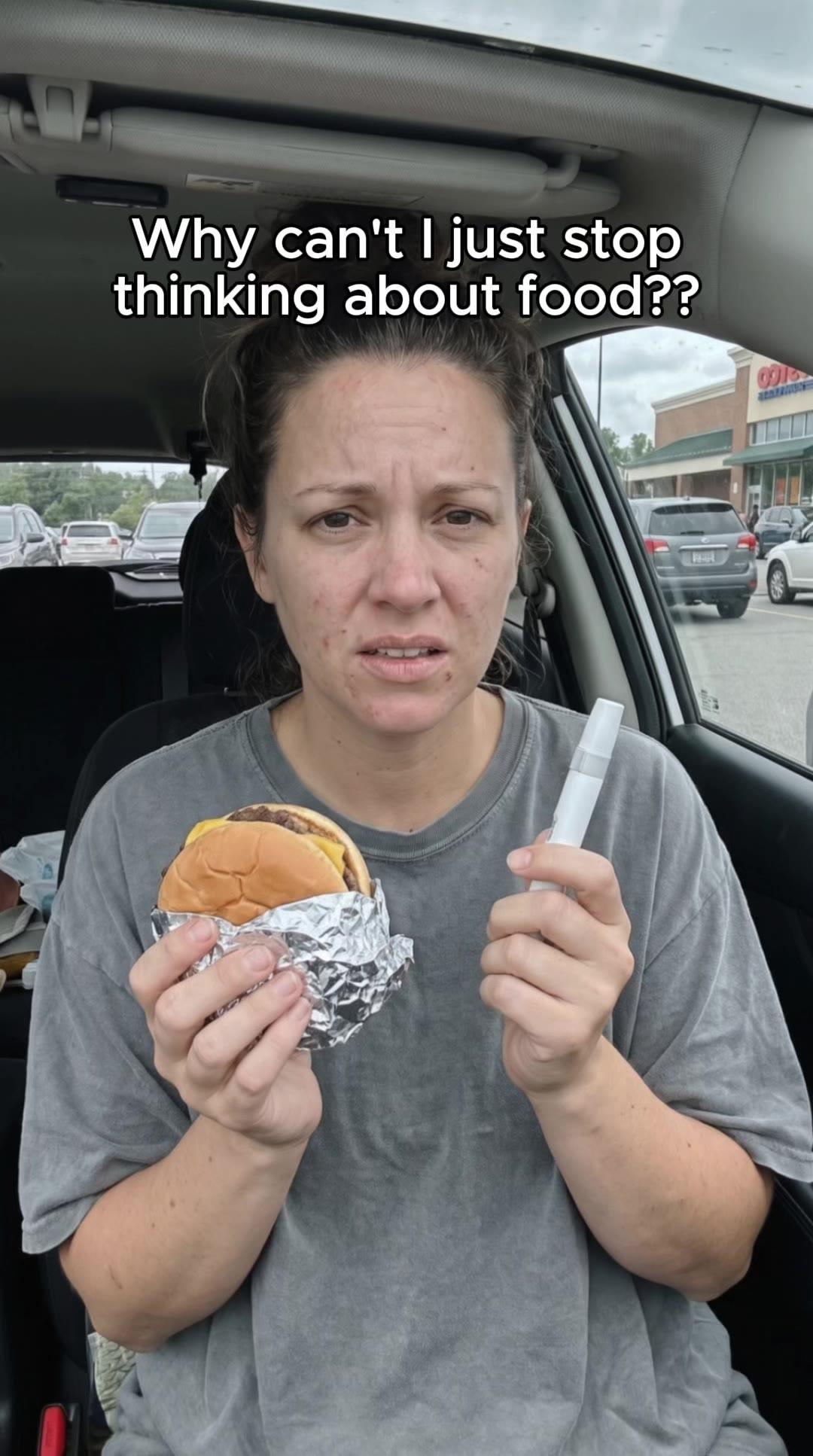

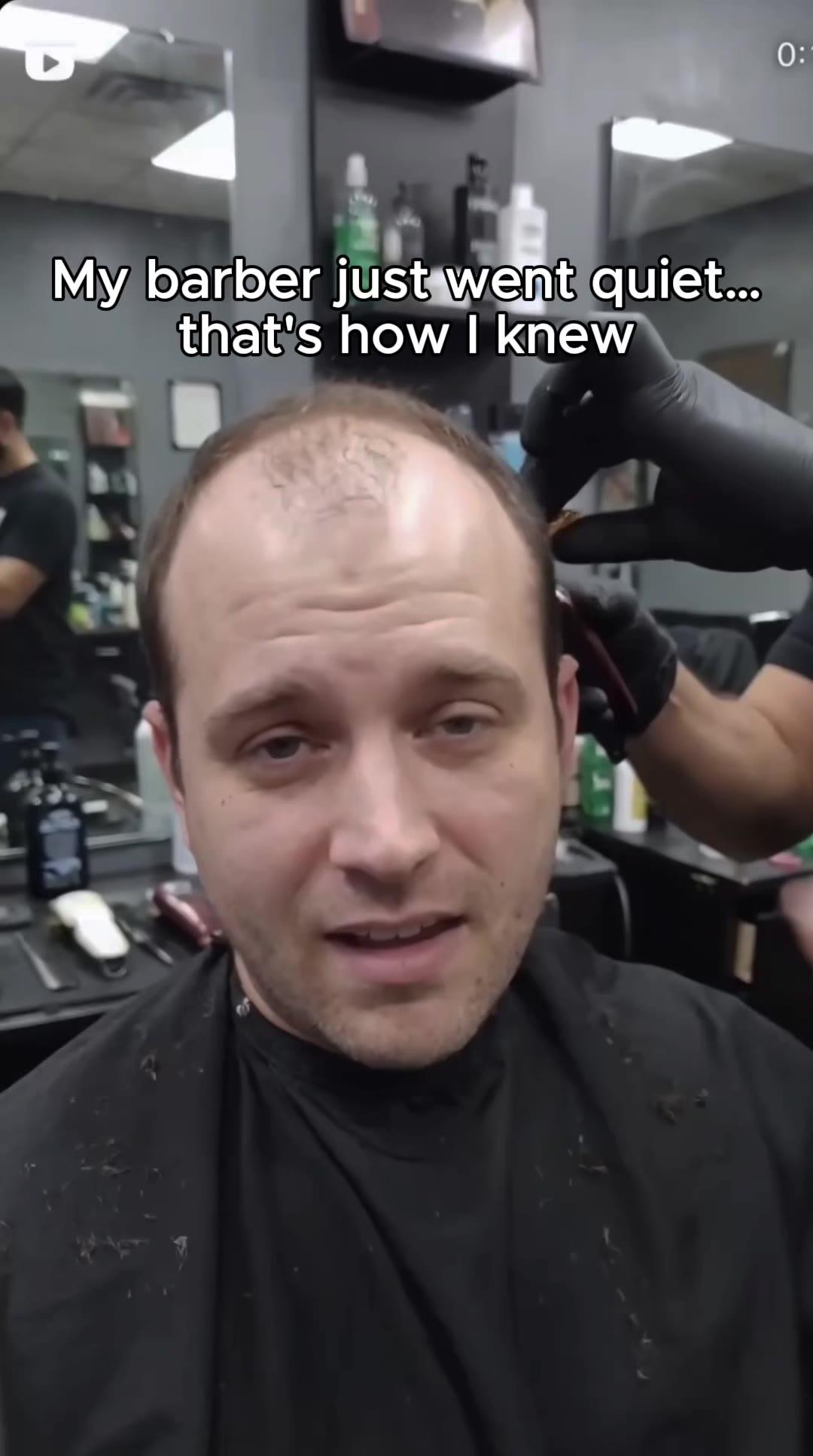

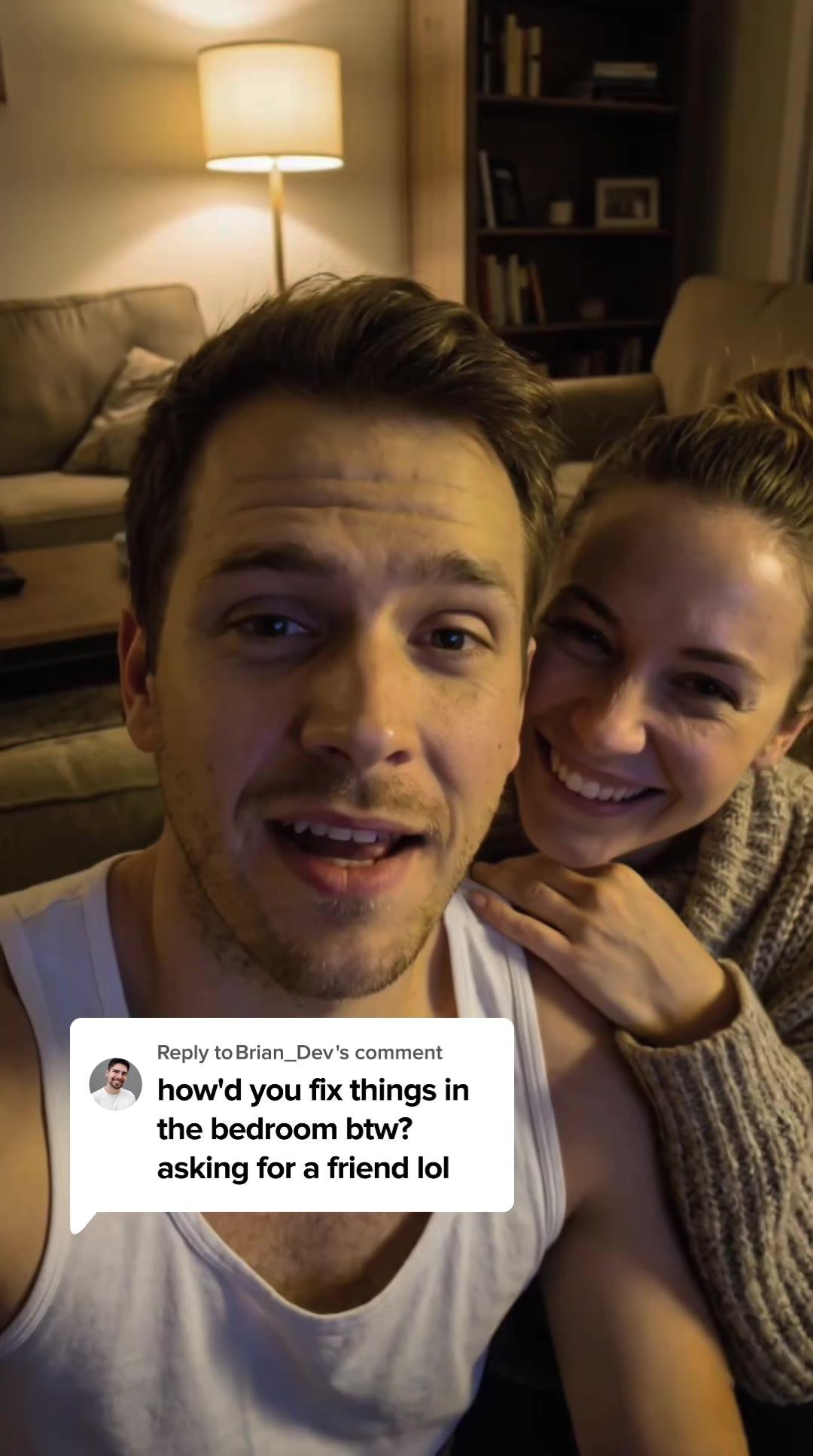


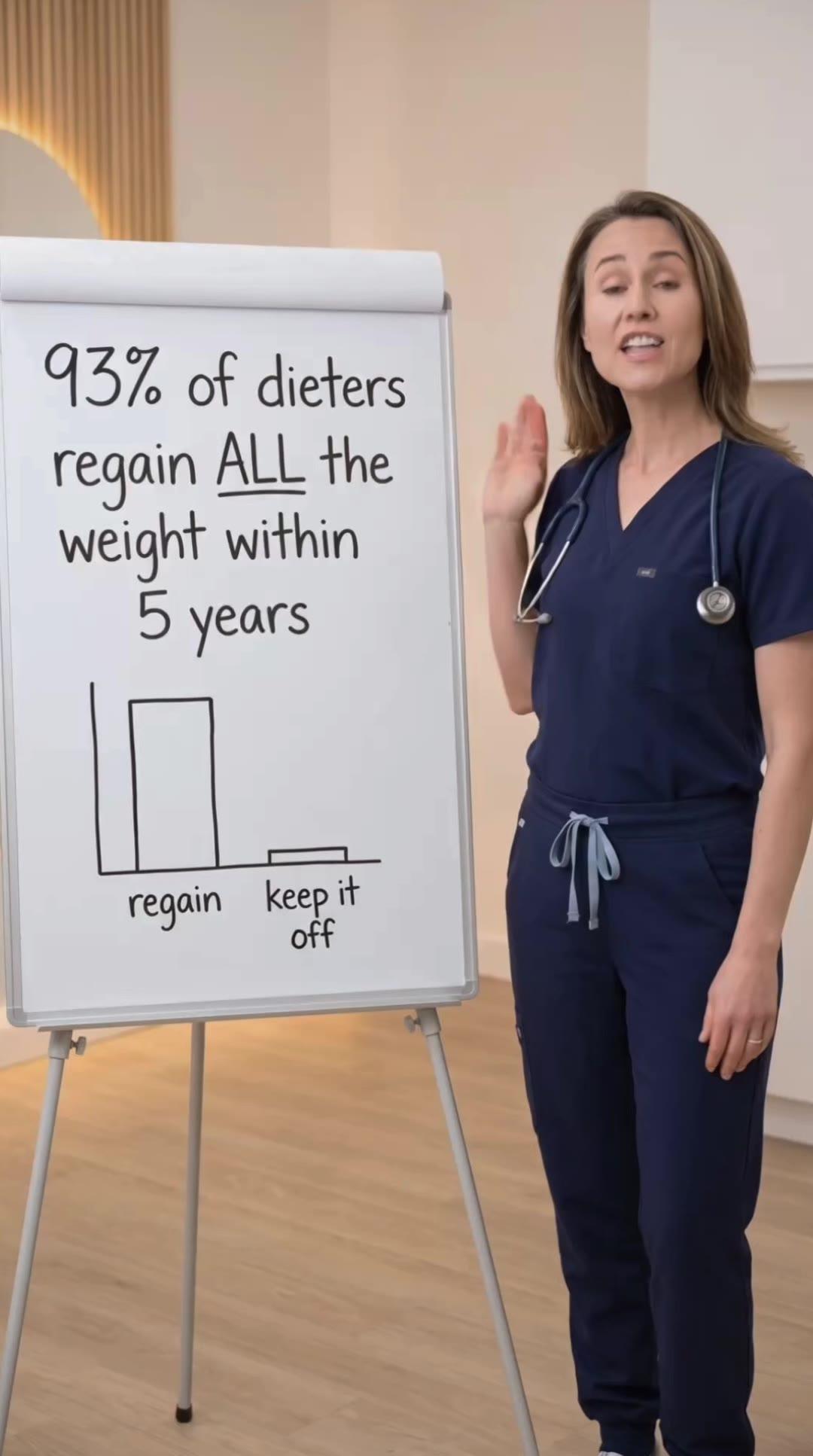
Most telehealth brands treat compliance as something the creative team or media buyer handles informally. That approach works until it does not. One bad ad gets through, the account gets flagged, and suddenly the entire advertising operation is at risk. The brands that scale telehealth advertising successfully build formal compliance review processes where every ad gets checked against specific standards before launch. This guide explains how to build that process based on managing compliance for telehealth brands spending $50M+ annually on paid social.
Why Ad Hoc Compliance Does Not Work at Scale
When you are running 10-15 ads per month, informal compliance review is manageable. The founder or marketing lead can manually check each ad before launch. But when you scale to 30-50 ads per month, informal review breaks down. Ads slip through without proper review. Team members assume someone else checked compliance. Violations accumulate until the account gets restricted.
Formal compliance processes prevent this. Every ad goes through the same review steps. Every reviewer uses the same checklist. Violations get caught before ads go live. The process is repeatable, which means it scales as your creative volume grows.
The Four-Step Compliance Review Process
Step 1: Script and concept review (before production). Review ad scripts and creative concepts against compliance standards before filming or editing. This step catches issues early when they are easy to fix. Rewriting a script takes minutes. Reshooting a video takes days and costs thousands.
Step 2: Draft creative review (after editing, before submission). Review the finished ad against the full compliance checklist. Check for medical claims, missing disclaimers, trademark violations, and platform-specific issues. This is the most detailed review step.
Step 3: Platform-specific review (before launch). Confirm the ad meets platform-specific requirements for Meta, Google, or TikTok. Each platform has unique policies, and an ad that passes on Meta may fail on Google.
Step 4: Post-launch monitoring (after ads go live). Track which ads get approved, which get rejected, and what changes led to approval. Use this data to refine your compliance process over time.
This is what compliant telehealth creative looks like.
See the work →Who Should Review Ads for Compliance
Option 1: Dedicated compliance reviewer. Assign one team member to handle all compliance reviews. This person becomes the expert on platform policies, FDA rules, and FTC guidelines. They review every ad before launch. This approach works best for teams producing 30+ ads per month.
Option 2: Creative lead with compliance training. Train your creative director or lead producer on compliance standards. They review ads as part of the creative approval process. This approach works for smaller teams producing 10-20 ads per month.
Option 3: External compliance consultant. Hire a regulatory consultant or attorney to review high-risk ads. This approach is expensive but necessary for brands spending $500K+ per month where the cost of account bans is significant. Use external review for new creative formats, aggressive claims, or high-budget campaigns.
Do not rely on media buyers alone. Media buyers focus on performance, not compliance. They may catch obvious violations, but they are not trained to identify subtle FDA or FTC issues. Compliance review should happen before ads reach the media buyer.
The Compliance Review Checklist
Use the 20-point compliance checklist for every ad. Print it or save it as a template. The reviewer should check every point and initial each item. If any answer is "no" or "unsure," flag the ad for revision before launch.
Track which ads pass the checklist on first review and which require revisions. If most ads need multiple rounds of review, your creative team needs better compliance training. If most ads pass on first review, your process is working.
How to Document Compliance Review
Maintain a compliance log for every ad. Track the ad name, review date, reviewer name, checklist results, and any revisions made. If your account gets flagged and you need to appeal, this log demonstrates that you operate with compliance intent.
Save approved ad examples. Build a library of ads that passed review and performed well. Use these as templates for future creative. "This format worked before" is the best compliance evidence you can have.
Track rejections and fixes. When an ad gets rejected, document the violation and how you fixed it. Over time, you will see patterns in what triggers rejection. Use that knowledge to prevent future violations.
How to Train Your Team on Compliance
Run a compliance onboarding session for all creative team members. Walk through Meta healthcare policies, FDA advertising guidance, and FTC endorsement rules. Show real examples of ads that passed and ads that failed. Explain why each passed or failed.
Create internal compliance guidelines specific to your vertical. Generic platform policies are not enough. Build guidelines for your specific vertical: GLP-1, TRT, ED treatment, hair loss, peptides. Include approved claim language, required disclaimers, and creative formats that work.
Review compliance quarterly. Platform policies change. FDA guidance evolves. FTC priorities shift. Schedule quarterly compliance training to keep your team updated. The brands that get banned are usually the ones operating on outdated assumptions about what is allowed.
What to Do When an Ad Fails Compliance Review
Do not launch it. This seems obvious, but many teams launch non-compliant ads hoping they will pass platform review. That is how accounts get restricted. If an ad fails your internal review, fix it before launching.
Identify the specific violation. Is it a medical claim? A missing disclaimer? A trademark reference? Diagnose the issue before revising. Random changes do not fix compliance problems.
Revise and re-review. Make the necessary changes and run the ad through the checklist again. Do not assume one fix resolves all issues. Re-review the entire ad to confirm compliance.
Test a compliant alternative format. If the ad cannot be fixed without killing performance, test a different creative format. Physician-led explainers, patient journey storytelling, and service-focused testimonials are all compliant formats that convert.
How to Scale Compliance Review as Creative Volume Grows
Build templated creative formats. Develop 3-5 creative templates that you know are compliant. Use those templates repeatedly with variations in script, talent, and messaging. Templates reduce compliance risk because you are not reinventing the format with every new ad.
Automate checklist review where possible. Use a project management tool or spreadsheet to track compliance review. Set up automated reminders when ads are ready for review. Flag ads that have been in review for more than 48 hours.
Hire a compliance-focused team member once you hit $100K/month ad spend. At that scale, the cost of non-compliance (account bans, lost revenue, reputational damage) justifies a dedicated compliance role. This person reviews all ads, manages platform appeals, and trains the creative team.
The Compliance Process That Prevents Account Bans
The brands that scale telehealth advertising without account restrictions are the ones that treat compliance as a system, not a checkbox. They review every ad. They document every decision. They train their teams. They refine their process based on real results.
The brands that get banned treat compliance as optional. They skip review steps. They launch risky ads to test platform limits. They assume violations will not accumulate. That approach works until the third strike, and then the entire advertising operation shuts down.
For more on telehealth advertising compliance, see our guides on compliance checklist, Meta ad policies, and FDA advertising rules. If your account has been restricted, read how to get reinstated. More at our compliance hub.
Need telehealth creative with built-in compliance review? We produce video ads for prescription telehealth brands with full compliance review before delivery. Book a strategy call.
Creative built to pass review, and convert anyway.
A 30-minute call. We audit your creative approach and show you exactly what a complete angle-format-hook system looks like for your vertical.