Telehealth Ad Compliance Checklist: 20 Things to Check Before You Publish
The complete compliance checklist for telehealth ads. What to review before launching any prescription medication ad on Meta, TikTok, or Google.
Concepts shown are internal creative studies, not client campaigns.



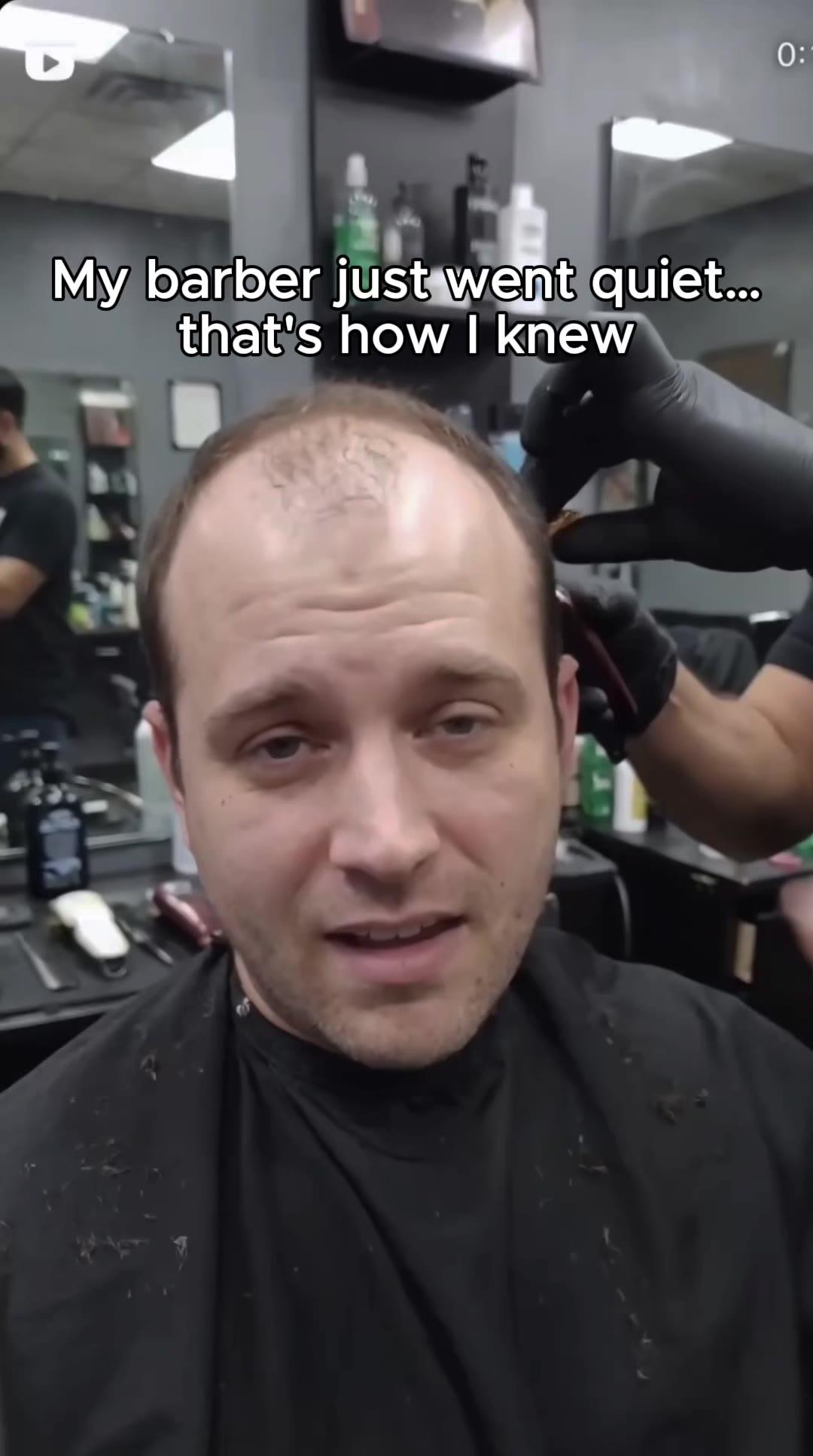




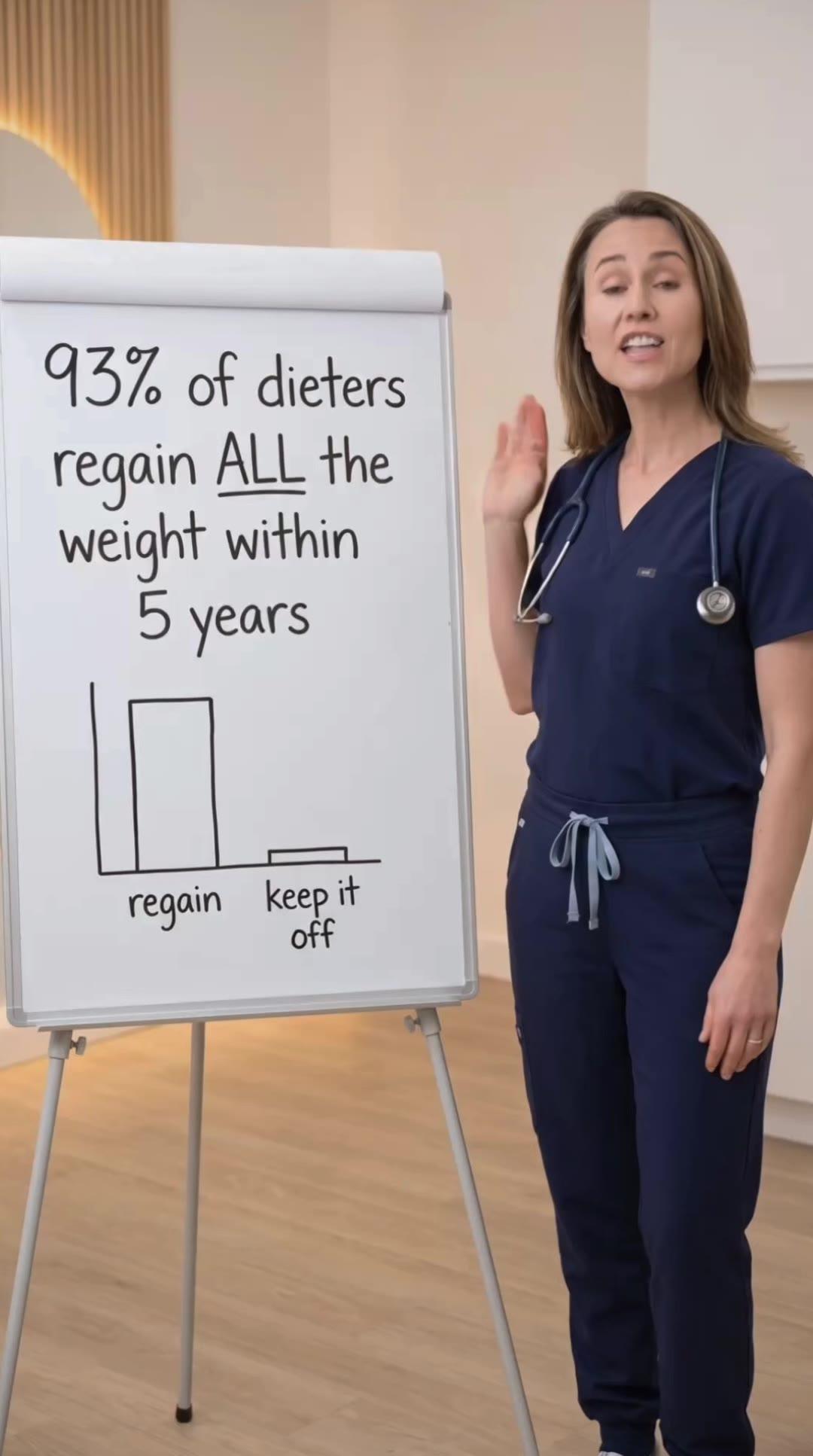
Most telehealth ad rejections are preventable. The violations that get ads flagged are predictable: missing disclaimers, medical efficacy claims, trademark references, exaggerated transformations. The brands that consistently pass review use a compliance checklist before every ad launch. The brands that get banned skip the checklist and hope for the best. This is the exact 20-point checklist the team uses to review telehealth ads before submission based on managing $50M+ in ad spend without a single account ban.
Claims and Copy (Check Every Word)
1. Does the ad make medical efficacy claims? If your ad says the medication "treats," "cures," or "prevents" a condition, that is a medical claim. Replace with access language: "get a prescription for" instead of "treats."
2. Does the ad reference brand-name drugs? Mentioning Ozempic, Wegovy, Viagra, or Cialis by name triggers rejection. Use generic names: semaglutide, sildenafil, tadalafil.
3. Does the ad promise specific outcomes? "Lose 30 pounds" or "regrow your hair in 90 days" are outcome promises. Replace with "work with a licensed provider on your weight management goals."
4. Does the ad use performance or enhancement language? "Boost," "maximize," "optimize," and "enhance" trigger rejection for prescription medications. Use medical language: "physician-supervised therapy."
5. Does the ad compare your service to other treatments? "Better than brand-name medications" or "more effective than competitors" are comparative claims that most telehealth brands cannot substantiate. Remove comparisons.
This is what compliant telehealth creative looks like.
See the work →Disclaimers and Disclosures (FTC Requirements)
6. If the ad shows patient results, is there a disclaimer? "Results not typical" or "individual results vary" must appear on screen for at least three seconds.
7. Is the disclaimer visible and readable on mobile? Test the ad on a phone. If you cannot read the disclaimer text, it is too small. Minimum 18-20 point font.
8. Does the disclaimer appear at the right time? Disclaimers must appear when the claim is made, not at the end of the video.
9. If the patient was compensated, is that disclosed? "Paid testimonial" or "compensated patient" must appear on screen if the patient received payment or free product.
10. If you reference clinical data, is the source cited? "Studies show 85% of patients see results" requires a citation. Include the study reference or remove the claim.
Visual Content and Creative Format
11. Does the ad show before and after imagery? Transformation content requires disclaimers. Make sure "results not typical" is prominent and visible for at least three seconds.
12. Is the transformation realistic? Exaggerated or dramatic transformations trigger rejection. Use moderate, gradual progress instead of extreme changes.
13. Does the ad feature couples in intimate settings? For ED or men's health ads, avoid imagery that implies sexual activity. Use solo physician content or individual patient testimonials instead.
14. Does the ad show shirtless physique shots? For TRT ads, avoid bodybuilder-style imagery. Meta interprets this as steroid advertising.
15. Are there visible medical credibility signals? Does the ad feature a licensed physician? Does it mention physician supervision? Does it clarify that treatment requires medical evaluation? These signals improve compliance posture.
Compliance for Specific Verticals
16. For compounded medications, is there a disclosure? "Compounded medications are not FDA-approved and are prepared by licensed pharmacies" must appear if you advertise compounded drugs.
17. For GLP-1 ads, do you avoid aggressive weight loss claims? GLP-1 ads face stricter review than other verticals. Avoid language like "lose weight fast" or "melt fat."
18. For ED ads, do you avoid sexually suggestive language? "Perform better" or "last longer" trigger rejection. Use medical framing: "talk to a doctor about erectile dysfunction."
19. For peptide ads, do you avoid treatment claims? Peptides are not FDA-approved for most uses. Focus on physician-supervised access, not healing or recovery outcomes.
20. Does the ad comply with state-specific rules? Some states restrict telehealth advertising. Check California, New York, and Texas rules before targeting those markets.
How to Use This Checklist
Print this checklist or save it as a template. Review every ad against all 20 points before submission. If any answer is "no" or "unsure," revise the ad before launching.
Assign compliance review to a specific team member. Do not assume the creative team or media buyer will catch violations. Compliance should be a dedicated step in your workflow.
Track which ads pass review and which get rejected. Over time, you will develop an internal compliance standard that is more accurate than platform policies. Use that knowledge to refine your checklist.
What to Do If Your Ad Fails the Checklist
Do not launch the ad. Revise the copy, add disclaimers, or change the creative format. Launching non-compliant ads to "test" what Meta allows is how accounts get banned. Fix compliance issues before spending budget.
If you are unsure whether a specific claim is compliant, err on the side of caution. Remove the claim or reframe it in safer language. The cost of being too conservative is lower than the cost of getting your account restricted.
If compliance requirements make your ad too cautious to convert, test a different creative format. Physician-led explainers, patient journey storytelling, and service-focused testimonials are all compliant formats that still drive performance.
The Long-Term Compliance Strategy
Build compliance into your creative process from the beginning. Do not treat it as an afterthought. When you brief creators, include compliance requirements. When you review scripts, check for medical claims. When you edit videos, add disclaimers before finalizing.
Maintain a compliance library of approved ads. Track which claims, disclaimers, and creative formats passed review. Use that library as a reference when producing new ads. The brands that scale telehealth advertising successfully are the ones that build compliance systems, not the ones that wing it.
For more on telehealth advertising compliance, see our guides on Meta ad policies, writing compliant ad copy, and FDA advertising rules. If you need help building a compliance process, read compliance review systems. More at our compliance hub.
Need telehealth ads that pass compliance review on first submission? We produce video creative with built-in compliance review. Book a strategy call.
Creative built to pass review, and convert anyway.
A 30-minute call. We audit your creative approach and show you exactly what a complete angle-format-hook system looks like for your vertical.