FDA Rules for Telehealth Advertising: What Marketers Need to Know
FDA advertising rules for prescription telehealth explained. What claims are allowed, what triggers violations, and how to stay compliant.
Concepts shown are internal creative studies, not client campaigns.

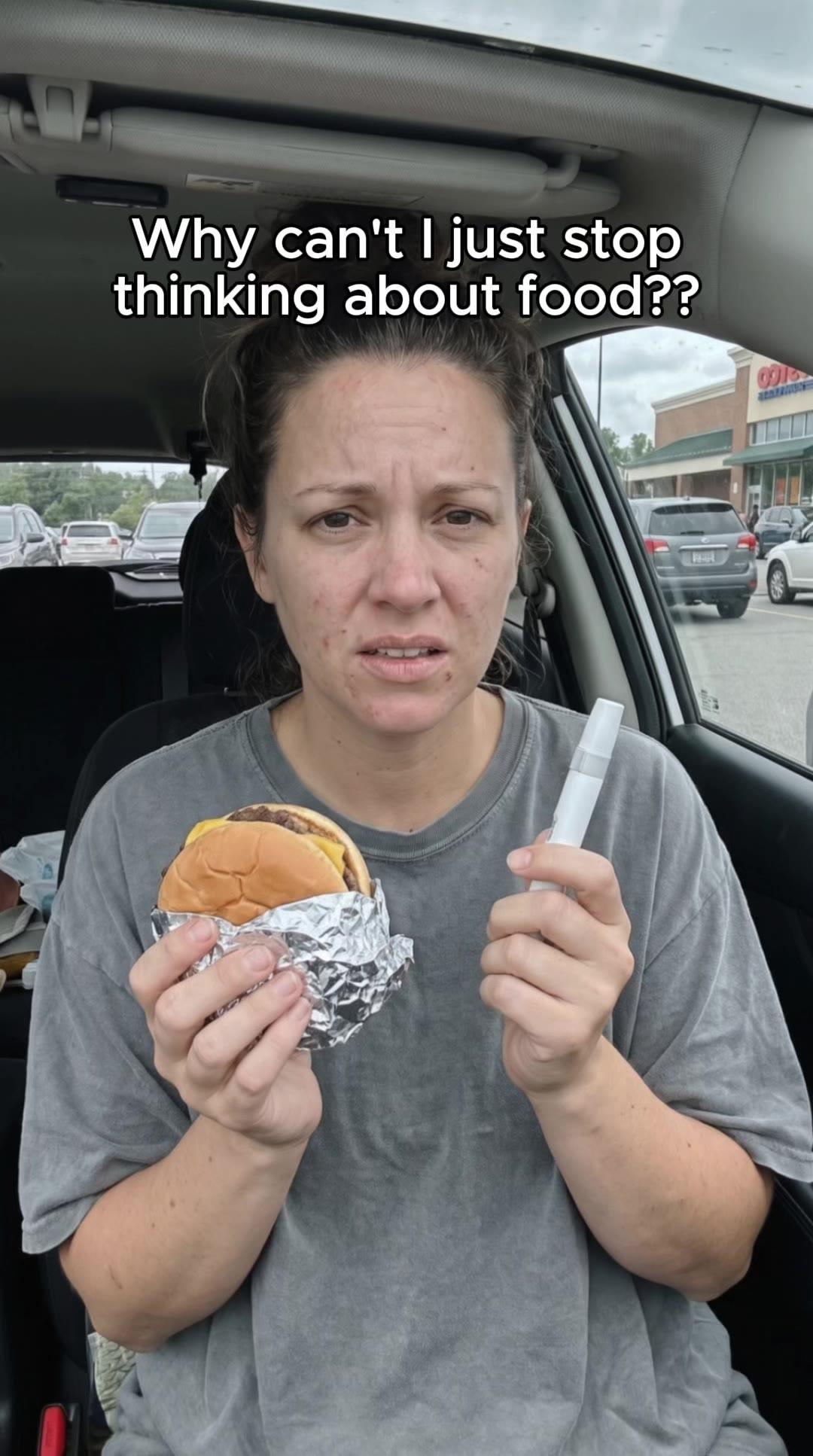

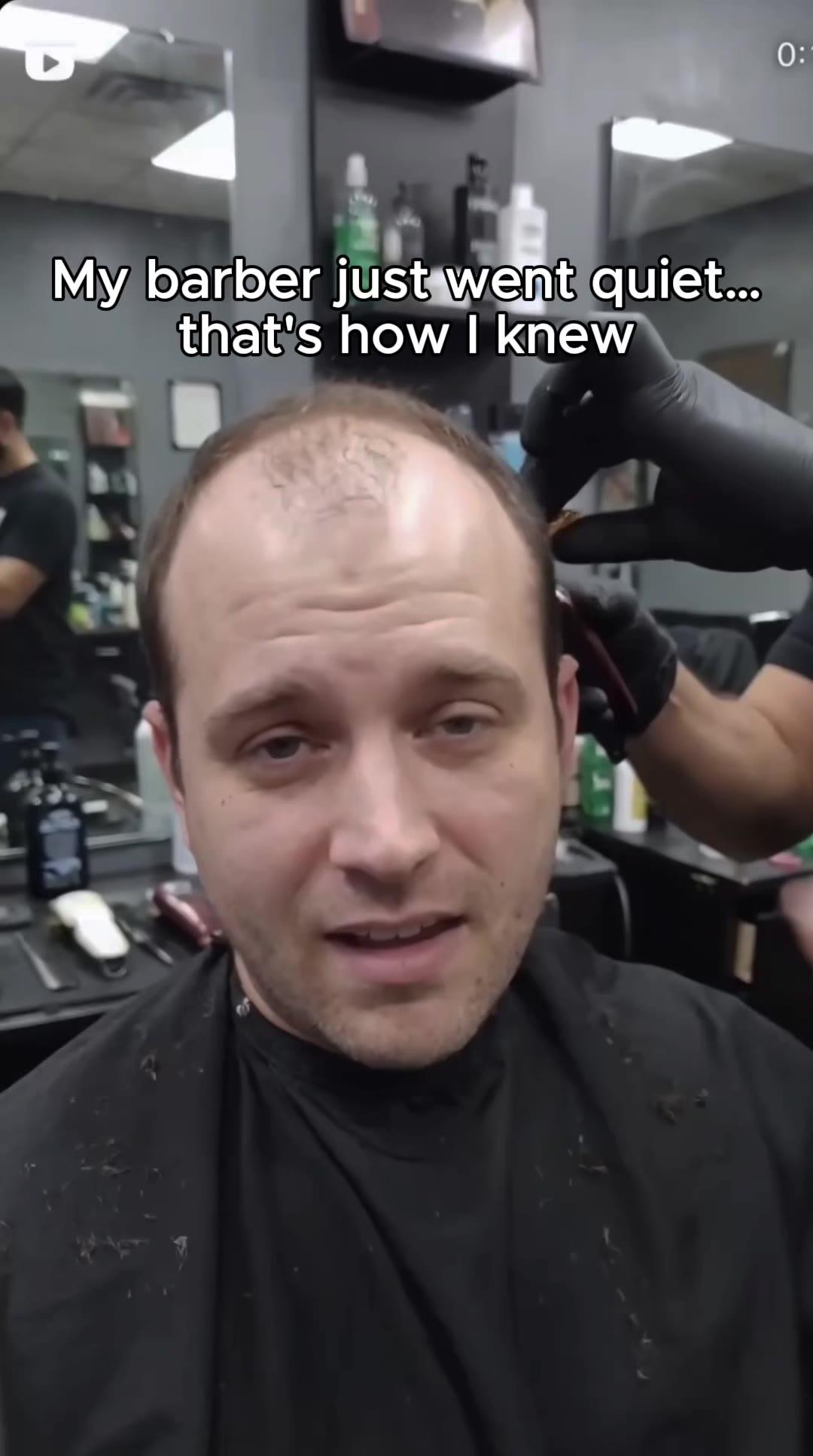





FDA rules for telehealth advertising are written for pharmaceutical companies, not digital marketers. The regulations assume you are running print ads and TV commercials, not Facebook video ads and TikTok UGC. But the rules still apply, and violations still trigger enforcement actions. Most telehealth marketers do not read FDA guidance documents. They rely on platform policies and hope that is enough. It is not. This guide breaks down what FDA actually enforces and how to build compliant telehealth advertising without hiring a regulatory attorney.
Why FDA Rules Matter Even When You Think They Do Not
The FDA regulates prescription drug advertising under the Federal Food, Drug, and Cosmetic Act. That includes telehealth brands advertising access to prescription medications. The fact that you are a service provider and not a pharmaceutical manufacturer does not exempt you. If your ad promotes a prescription drug by name, you are subject to FDA advertising rules.
Most telehealth brands assume FDA enforcement only targets big pharma companies running national TV campaigns. That is wrong. FDA has sent warning letters to telehealth providers for making unapproved efficacy claims in digital ads. The agency monitors social media, paid ads, and influencer content. If you make a claim the FDA considers false or misleading, you can receive a warning letter that forces you to pull all advertising and issue corrective statements.
The Three Types of Prescription Drug Ads Under FDA Rules
Product claim ads name the drug and discuss its use. These ads must include risk information, contraindications, and a brief summary of side effects. Most telehealth brands avoid product claim ads because the disclosure requirements make them impractical for short-form video.
Reminder ads name the drug but do not discuss its use. These ads are allowed without full risk disclosures, but they cannot make any efficacy claims. A reminder ad can say "ask your doctor about semaglutide," but it cannot say "semaglutide supports weight management."
Help-seeking ads discuss a medical condition without naming a specific drug. These ads are not regulated as drug advertising, which makes them the safest format for telehealth brands. A help-seeking ad can say "talk to a doctor about weight management options" without triggering FDA disclosure requirements.
Most telehealth ads fall into the help-seeking category, which is why they avoid FDA enforcement. The problem is that many telehealth brands drift into product claim territory without realizing it. Once you name the drug and describe what it does, you are subject to full FDA disclosure rules.
This is what compliant telehealth creative looks like.
See the work →What Claims Trigger FDA Violations
Unapproved use claims. If your ad promotes a prescription drug for a use that is not FDA-approved, that is a violation. Semaglutide is FDA-approved for type 2 diabetes and weight management in patients with obesity. It is not approved for general weight loss in patients without obesity. If your ad implies otherwise, you are making an unapproved use claim.
Unsubstantiated efficacy claims. "Lose 30 pounds in 12 weeks with semaglutide" is an efficacy claim. If you cannot back that claim with FDA-approved labeling or peer-reviewed clinical data, it is unsubstantiated. FDA treats unsubstantiated claims as false advertising.
Minimizing risks or omitting safety information. If your ad discusses the benefits of a prescription drug, FDA requires you to present risk information with equal prominence. A 60-second video ad that spends 55 seconds on benefits and 5 seconds on side effects does not meet the standard. The balance must be fair.
How to Advertise Prescription Medications Without Triggering FDA Review
Use help-seeking ad formats. Do not name the drug. Discuss the condition and encourage patients to talk to a doctor. "Struggling with weight management? Talk to a licensed provider about your options." This ad does not trigger FDA disclosure requirements because it does not promote a specific drug.
If you must name the drug, do not make efficacy claims. "Get a prescription for semaglutide from a licensed provider" is compliant. You are describing access, not outcomes. "Semaglutide helps you lose weight" is not compliant unless you include full risk disclosures.
Feature physician oversight in every ad. FDA is more lenient on advertising that emphasizes medical supervision. If your ad shows a doctor explaining treatment options, the agency is less likely to interpret it as direct-to-consumer drug promotion. Physician-led content positions your service as healthcare, not marketing.
The Role of Risk Disclosures in Telehealth Ads
If your ad makes a product claim about a prescription drug, FDA requires you to include risk information. For short-form video ads, that means listing the most serious risks in voiceover or on-screen text. For longer ads, you need a brief summary of side effects, contraindications, and warnings.
Most telehealth brands skip risk disclosures because they slow down the ad and hurt conversion rates. That is a compliance violation. FDA enforcement actions often cite inadequate risk presentation. The agency expects risk information to be as prominent as benefit information, and most telehealth ads fail that standard.
The safest approach is to avoid product claim ads entirely. Use help-seeking formats that discuss the condition without naming the drug. That way, you do not trigger FDA disclosure requirements and you avoid the compliance risk.
What About Compounded Medications
Compounded medications are not FDA-approved drugs, which creates a separate set of compliance issues. FDA allows compounding pharmacies to prepare medications for individual patients, but they cannot advertise compounded drugs as if they are FDA-approved. Your ads must clarify that compounded medications are prepared by licensed pharmacies but do not have the same FDA approval as commercial drugs.
If your telehealth brand offers compounded semaglutide, your ads cannot position it as equivalent to Ozempic or Wegovy. You must clarify the difference. "Compounded semaglutide, prepared by licensed pharmacies for patients who qualify" is compliant. "Get Ozempic for less through compounding" is not, because it implies therapeutic equivalence that FDA does not recognize.
State pharmacy boards also regulate compounded medication advertising, and their rules vary. Some states prohibit advertising compounded drugs entirely. Some require specific disclaimers. FDA defers to state boards on compounding issues, which means you need to comply with both federal and state rules.
How FDA Monitors Digital Advertising
FDA's Office of Prescription Drug Promotion monitors digital ads through social media surveillance, consumer complaints, and competitor reports. The agency does not review every ad, but it does investigate ads that generate complaints or appear in high-profile campaigns.
If FDA sends a warning letter, you must respond within 15 days. The response must include a plan to correct the violation, pull non-compliant ads, and prevent future violations. If you do not respond, FDA can escalate to enforcement actions that include injunctions, fines, and criminal charges in extreme cases.
Most warning letters result from repeat violations, not first-time mistakes. FDA typically gives brands a chance to correct minor issues before escalating. But the warning letter becomes part of your public record, and it signals to investors, partners, and patients that your compliance practices are weak.
How to Build an FDA-Compliant Advertising Process
Review every ad against FDA guidance before launch. The key documents are "Prescription Drug Advertising: Questions and Answers" and "The Basics of Drug Ads." Both are available on FDA's website. These documents explain what claims require disclosures, what language triggers violations, and how to present risk information fairly.
Maintain a compliance log of every ad, including the claims made, the risk disclosures included, and the review process followed. If FDA investigates, this log demonstrates that you made a good-faith effort to comply. That often results in a warning rather than enforcement action.
Work with a regulatory consultant if your ad spend exceeds $500K per month. At that scale, the risk of FDA enforcement justifies the cost of professional compliance review. A consultant can identify issues before they trigger warning letters and help you build internal processes that prevent violations.
For more on telehealth advertising compliance, see our guides on Meta ad policies, writing compliant ad copy, and compounding pharmacy advertising. If you need help structuring compliant campaigns, read building a compliance review process. More at our compliance hub.
Need telehealth creative that meets FDA and platform compliance standards? We produce video ads for prescription telehealth brands exclusively. Book a strategy call.
Creative built to pass review, and convert anyway.
A 30-minute call. We audit your creative approach and show you exactly what a complete angle-format-hook system looks like for your vertical.