Why Telehealth Ads Get Rejected on Meta and How to Fix Them
The most common reasons telehealth ads get rejected on Facebook and Instagram, and exactly how to fix them to pass review.
Concepts shown are internal creative studies, not client campaigns.



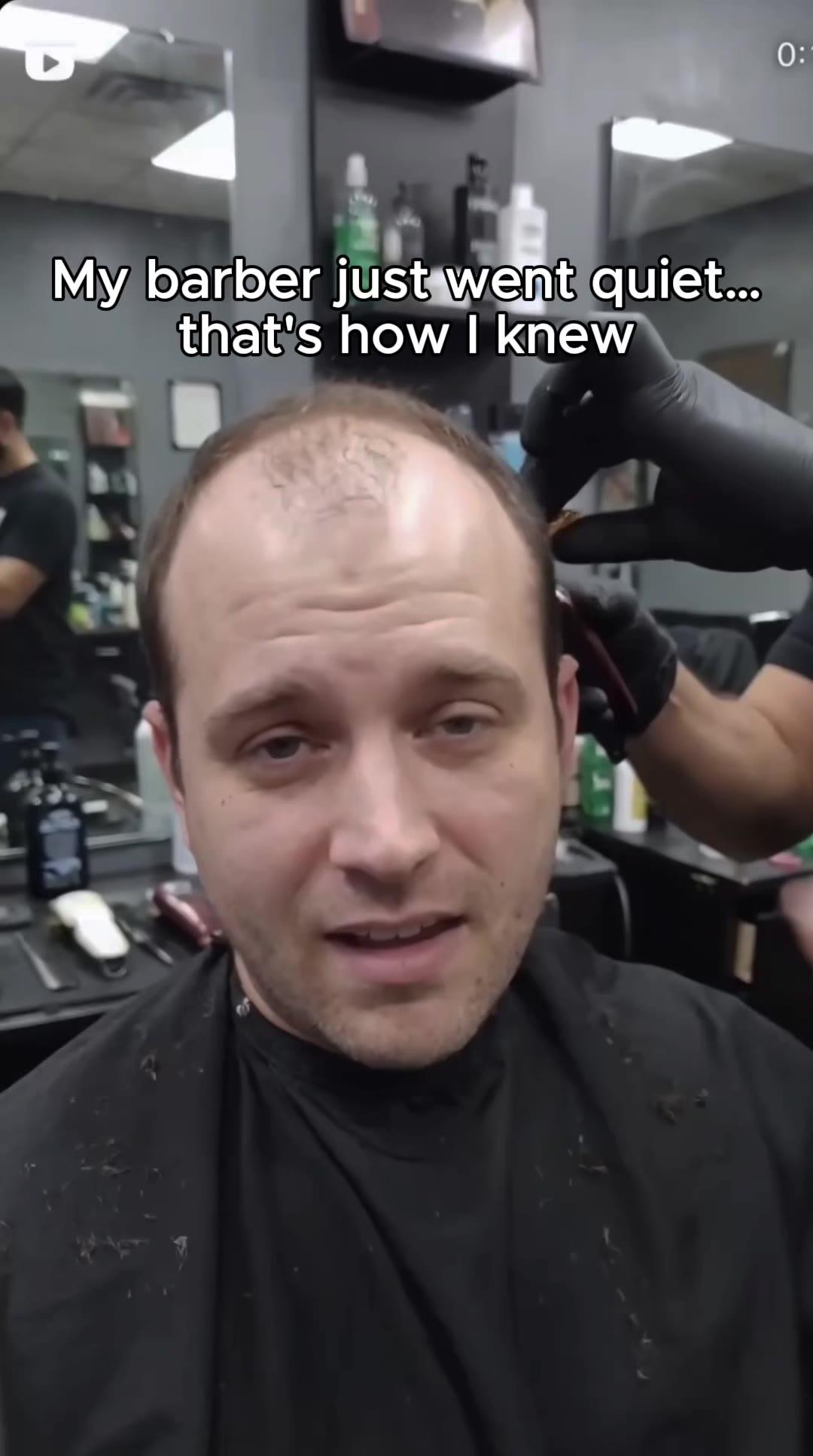




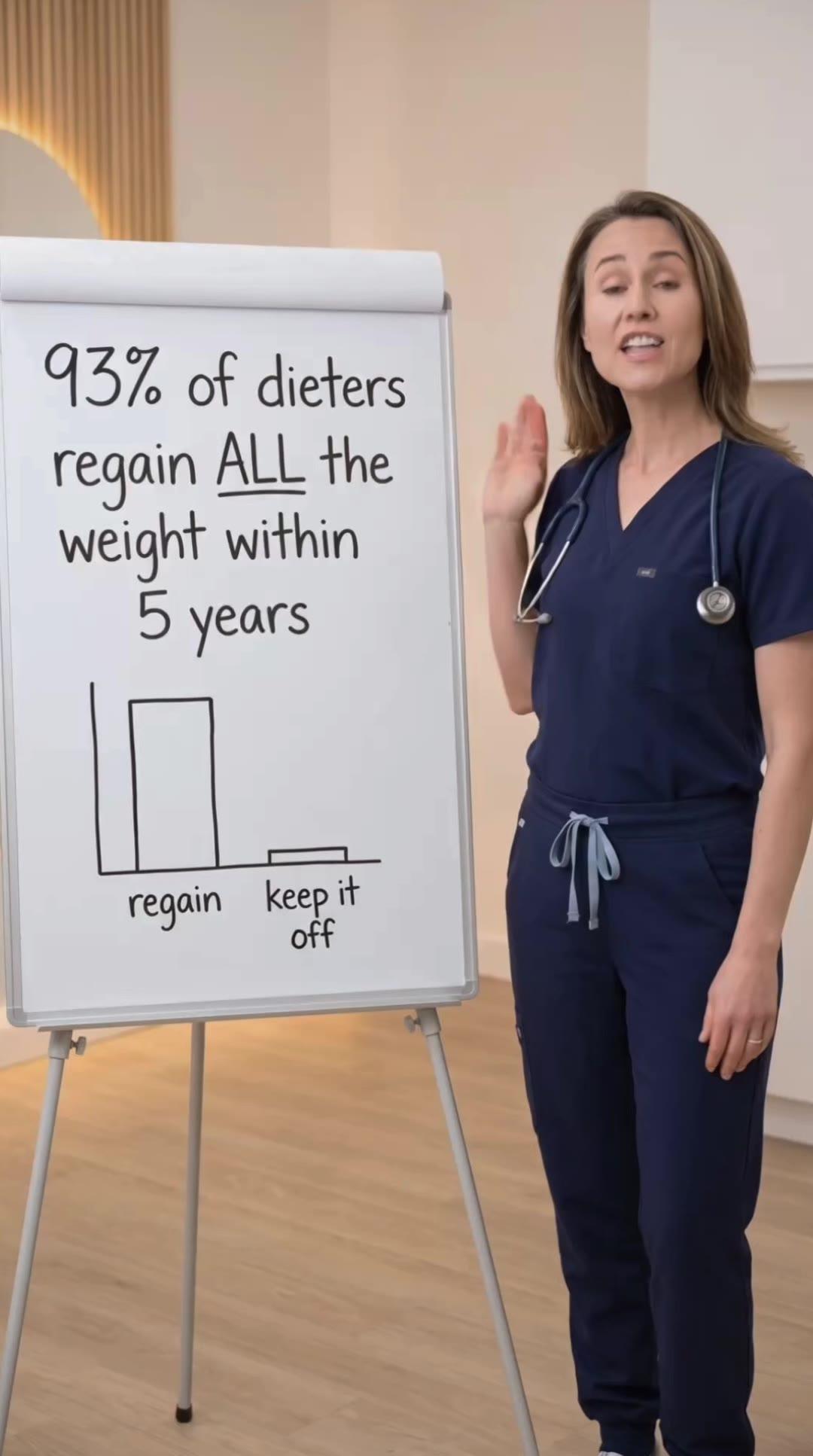
Telehealth ad rejection on Meta happens for reasons that are rarely explained in the rejection notice. Meta says "violates healthcare advertising policy" but does not specify which policy or which part of your ad triggered the violation. Most telehealth brands guess at the problem, resubmit the same ad with minor changes, and get rejected again. This guide breaks down the actual reasons telehealth ads get rejected based on managing hundreds of telehealth ad accounts and thousands of ad submissions.
The Five Most Common Rejection Reasons
Medical efficacy claims without authorization. Any language that suggests your product treats, cures, or prevents a medical condition triggers rejection. "Treats ED" or "reverses hair loss" or "helps you lose weight" are all efficacy claims. Meta requires prior written authorization for these claims, and telehealth brands do not have it. The fix is to remove outcome language and replace it with access language: "get a prescription for ED medication" instead of "treats ED."
Before and after imagery without proper disclaimers. Transformation photos are allowed if you include visible disclaimers stating "results not typical" or "individual results may vary." The disclaimer must appear on screen for at least three seconds and must be readable on mobile. If the disclaimer is too small, appears too briefly, or is absent, the ad gets rejected. The fix is to make disclaimers prominent in both text overlay and voiceover.
Trademark violations. Referencing brand-name drugs like Ozempic, Wegovy, Viagra, or Cialis by name triggers rejection. Meta treats this as trademark infringement even if you clarify that your product is generic. The fix is to use the generic drug name (semaglutide, sildenafil, tadalafil) and avoid any comparison to branded medications.
Sexually suggestive content in ED or TRT ads. Any imagery that implies intimacy, sexual activity, or romantic scenarios gets flagged. This includes couples in bed, even if fully clothed. The automated review system is sensitive to context, and ED treatment ads are flagged more aggressively than other verticals. The fix is to use solo physician content or individual patient testimonials that focus on healthcare access, not relationship outcomes.
Minimizing or omitting risk information. If your ad discusses the benefits of a prescription medication, platforms expect you to present risk information as well. A 60-second video that spends 55 seconds on benefits and 5 seconds on side effects does not meet the standard. The fix is to balance benefit and risk presentation or use help-seeking ad formats that do not name the drug.
This is what compliant telehealth creative looks like.
See the work →How to Diagnose Which Part of Your Ad Triggered Rejection
Meta does not tell you which specific element caused rejection. You have to reverse-engineer it. Start by isolating variables. If your ad has a hook, body copy, testimonial, and CTA, test each element separately to identify the problem.
Test the same script with different visuals. If the new version passes, the problem was visual content, not copy. Common visual triggers: before and after imagery, couples in intimate settings, shirtless physique shots, supplement-style product packaging.
Test the same visuals with different copy. If the new version passes, the problem was language. Common copy triggers: "treat," "cure," "prevent," brand-name drug references, performance claims, guaranteed results.
Test the ad on different placements. Instagram has stricter review than Facebook Feed. Facebook Reels has stricter review than Stories. If your ad passes on Feed but fails on Instagram, the problem is placement-specific content standards, not the ad itself.
What to Do Immediately After Rejection
Request manual review. Meta's automated system flags ads aggressively, especially for telehealth. Many rejections get overturned on appeal if the ad is actually compliant. Submit the appeal with a brief explanation of why the ad meets healthcare advertising policies. Reference Meta's healthcare ad guidelines by section if possible.
Do not resubmit the same ad without changes. If your ad was rejected and you resubmit it identically, Meta assumes you are trying to bypass review. That can result in account restrictions. Make a substantive change before resubmitting.
Check if your ad account has strikes. Go to Account Quality in Business Manager. If you have multiple violations, your account is at risk of restriction. One more rejection could result in a ban. If you are close to the threshold, pause new creative tests and only run ads you know are compliant.
How to Fix Rejected Ads Without Killing Performance
Replace outcome language with process language. "Lose weight with semaglutide" becomes "get a prescription for semaglutide from a licensed provider." The patient knows what the medication does. You do not have to promise outcomes to drive conversions.
Add disclaimers to any transformation content. Overlay "results not typical" in large, readable text for at least three seconds. Include the same disclaimer in voiceover. Meta's review system looks for these elements, and their presence often changes rejection to approval.
Remove brand-name drug references. Replace "Ozempic" with "semaglutide." Replace "Viagra" with "sildenafil." You can still target the same audience and communicate the same value proposition without using trademarked names.
Change intimate or suggestive imagery to medical or educational framing. If your ED treatment ad shows a couple, replace it with a physician explaining treatment options. If your TRT ad shows a shirtless man, replace it with a patient discussing the consultation process. The compliance posture changes even if the core message stays the same.
How to Prevent Rejections Before They Happen
Review every ad against three compliance standards before submission. Meta healthcare policies, FDA advertising guidance, and FTC endorsement rules. Most telehealth brands only check Meta policies and miss FDA or FTC violations that Meta enforces.
Use a compliance checklist for every creative. Does the ad make medical claims? Does it reference brand-name drugs? Does it include disclaimers on testimonials? Does it balance risk and benefit information? If any answer is no, revise before submitting.
Test new creative formats at low budgets first. Launch new ads at $50-100 per day to confirm they pass review before scaling. If Meta rejects the ad, you lose $50 instead of $5,000. If the ad performs, scale incrementally.
The Ads That Almost Never Get Rejected
Physician-led educational content. A licensed doctor explaining how telehealth consultations work, what to expect from treatment, and how to determine if you qualify. These ads pass review at the highest rate because they focus on information, not sales.
Patient journey storytelling that describes the service, not the results. "I booked a consultation, talked to a doctor, and had my prescription filled within a week." This ad describes the experience without making outcome claims.
Help-seeking ads that do not name the drug. "Struggling with weight management? Talk to a licensed provider about your options." This ad does not trigger prescription drug advertising rules because it does not name a specific medication.
What to Do If Your Account Gets Restricted
If your account receives multiple violations, Meta may restrict your advertising access. At that point, appeals are harder to win. You have two options: fix the compliance issues and request account review, or create a new Business Manager and start over.
If you choose to appeal, provide documentation that your service operates under medical supervision with licensed providers. Include links to your medical licensing, pharmacy partnerships, and patient consultation process. Meta wants proof you are a legitimate healthcare provider, not a supplement seller.
If you create a new account, do not replicate the same ads that got your first account banned. Meta tracks domains, payment methods, and creative content. If the new account runs the same non-compliant ads, it will get flagged immediately.
For more on telehealth advertising compliance, see our guides on Meta ad policies, writing compliant ad copy, and FDA advertising rules. If your account has been banned, read how to get reinstated. More at our compliance hub.
Need telehealth creative that passes Meta review on first submission? We produce compliant video ads for prescription telehealth brands exclusively. Book a strategy call.
Creative built to pass review, and convert anyway.
A 30-minute call. We audit your creative approach and show you exactly what a complete angle-format-hook system looks like for your vertical.