How to Advertise GLP-1 and Semaglutide on Facebook Without Getting Banned
The compliance playbook for advertising GLP-1 medications on Facebook. What Meta allows, what triggers bans, and how to scale semaglutide ads compliantly.
Concepts shown are internal creative studies, not client campaigns.

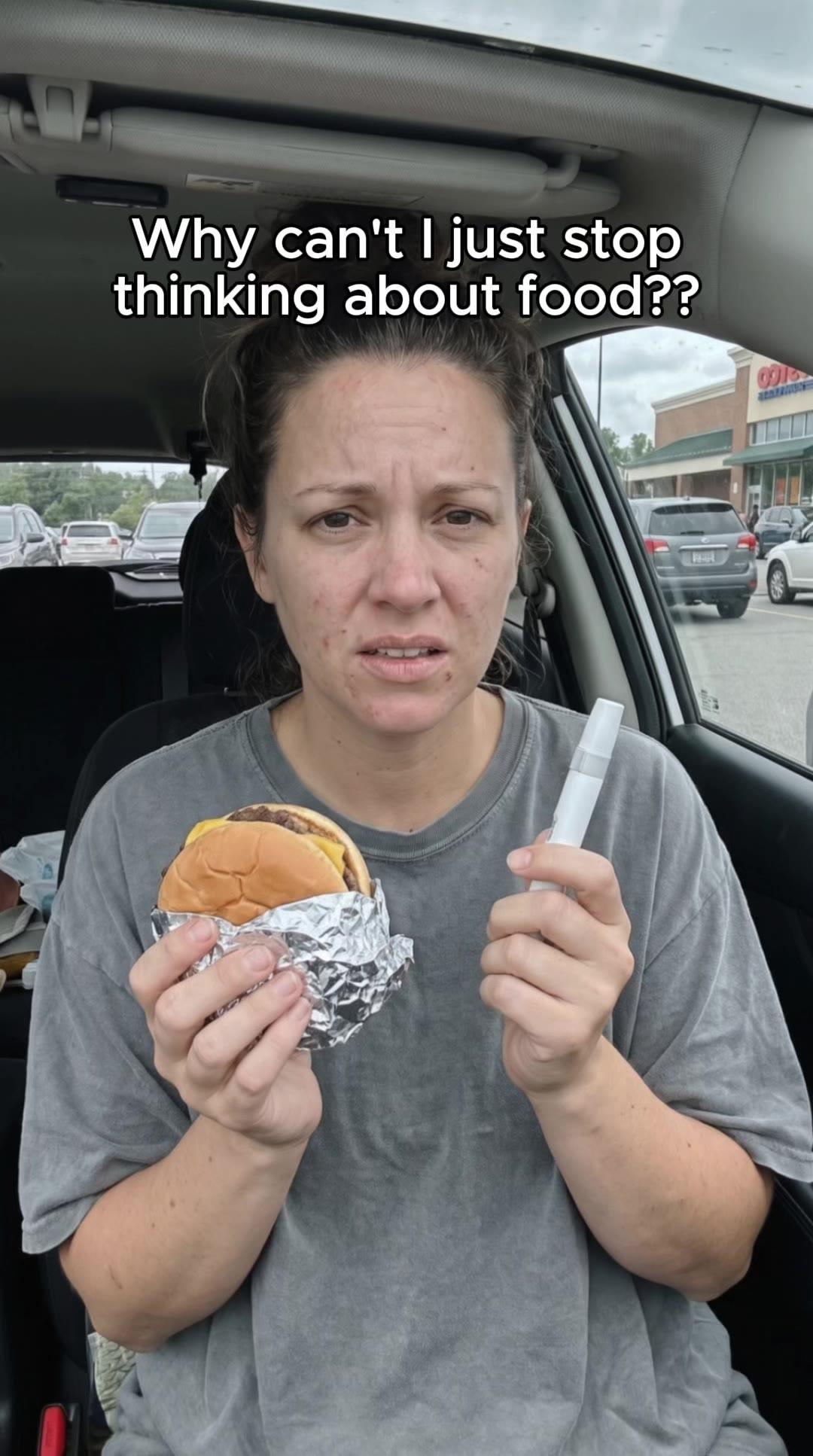





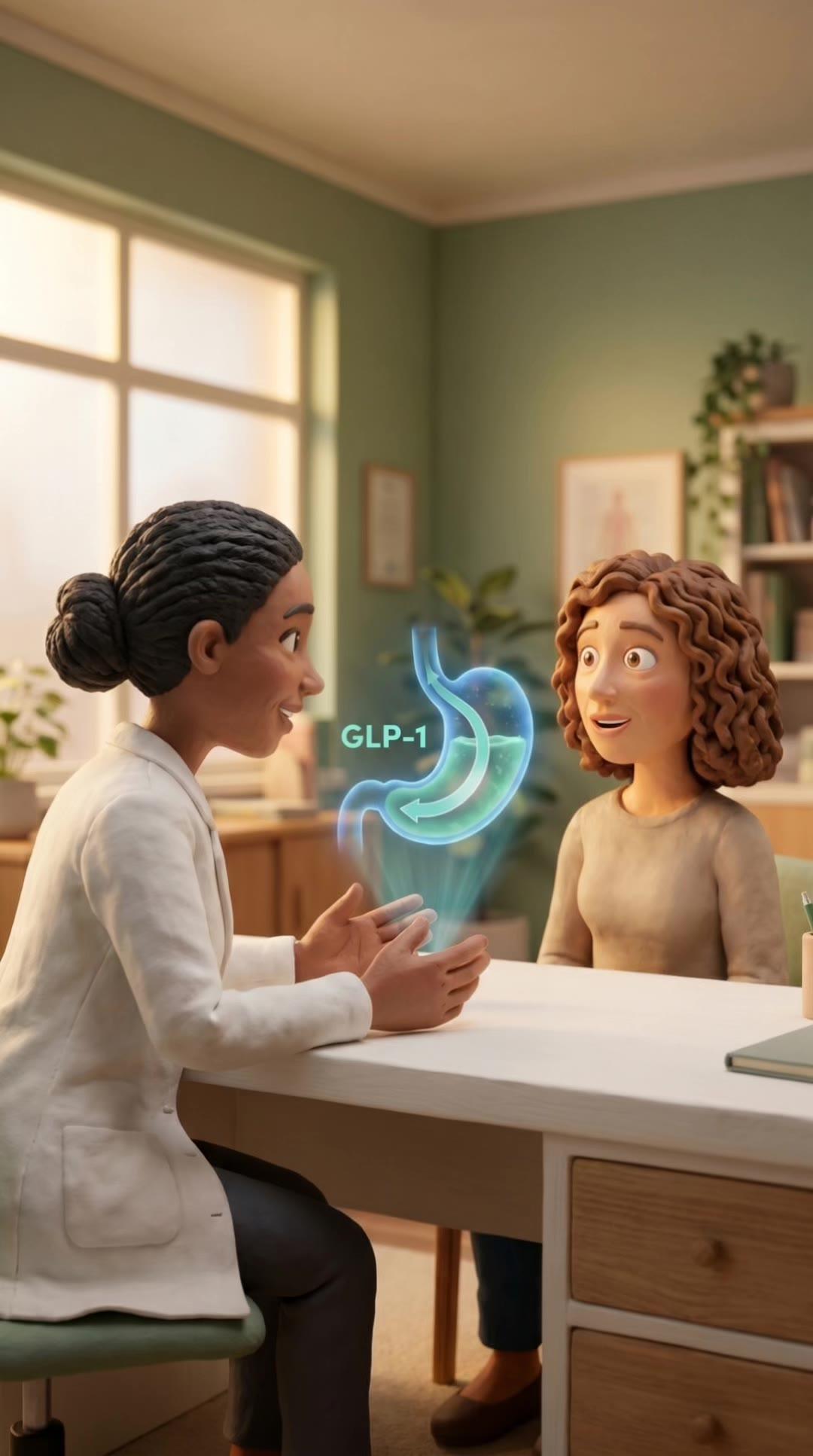
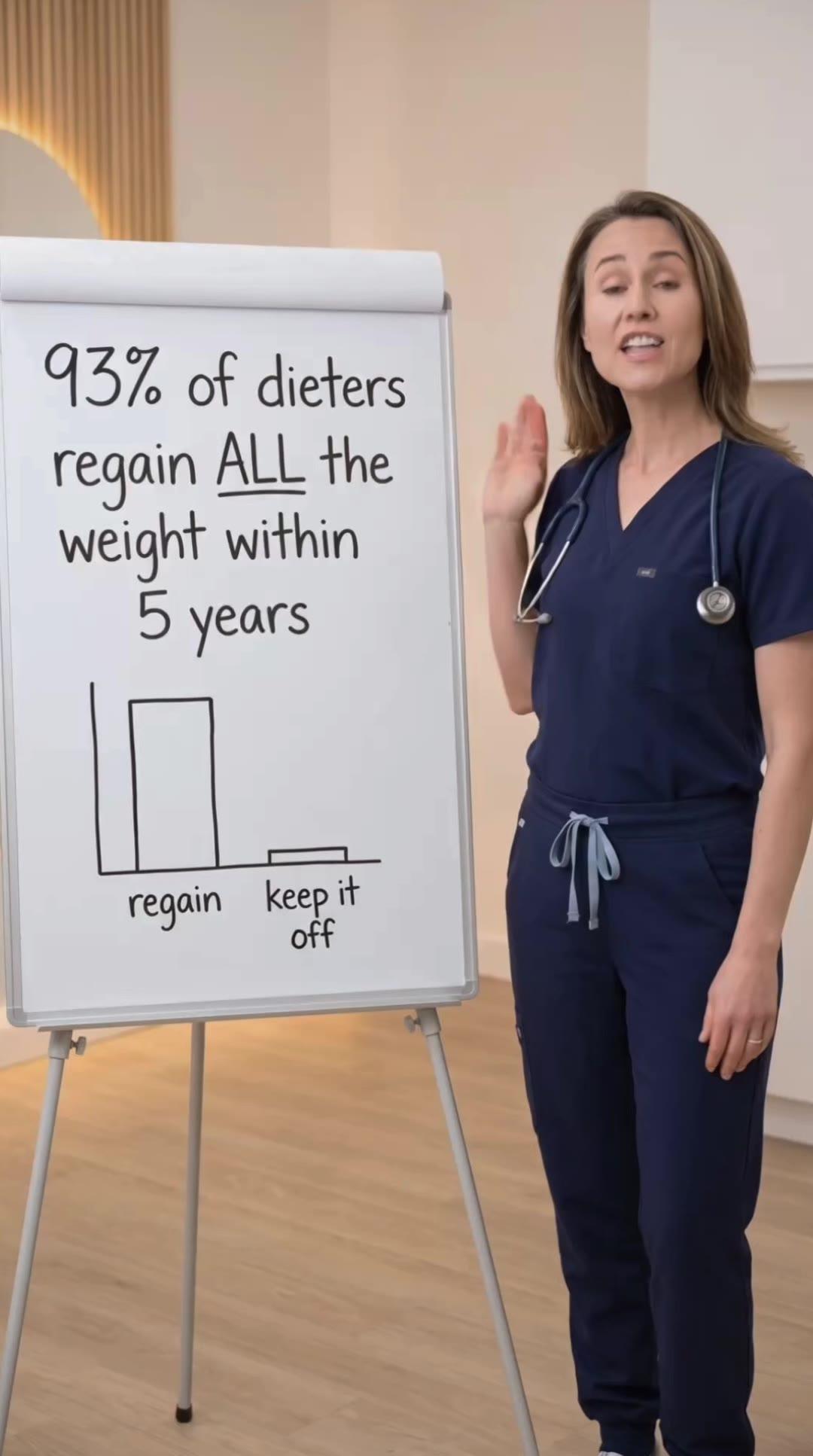
Concepts shown are internal creative studies, not client campaigns.
GLP-1 telehealth brands face the strictest ad review on Facebook. Meta treats weight loss advertising as high-risk because of decades of scams, false claims, and predatory marketing. If you advertise semaglutide or tirzepatide the way you would advertise a supplement, your ad account will get banned within 72 hours. This guide covers what actually works when the team has managed millions in GLP-1 ad spend across dozens of telehealth brands.
Why GLP-1 Ads Get Flagged More Than Other Telehealth Verticals
Facebook's automated review system flags weight loss ads by default. Any ad that mentions pounds lost, appetite suppression, or metabolic benefits triggers additional review. That review is stricter for prescription medications than for diet programs or fitness products. The platform knows GLP-1 medications are prescription-only, and they assume you are making medical claims unless proven otherwise.
Most GLP-1 telehealth brands get their first ad rejected within 24 hours of launching. The rejection notice says "violates healthcare advertising policy" but does not specify which part. The most common violations are medical efficacy claims, before and after imagery without disclaimers, and comparisons to brand-name drugs like Ozempic or Wegovy.
What You Cannot Say in GLP-1 Facebook Ads
Do not reference Ozempic or Wegovy by name. Meta treats this as trademark infringement and misleading advertising. Even if you clarify that your product is compounded semaglutide and not brand-name Ozempic, the comparison still violates policy. You can say "semaglutide" but not "the same active ingredient as Ozempic."
Do not claim specific weight loss results. "Lose 30 pounds in 12 weeks" fails review immediately. So does "patients lose 15% of their body weight on average." Meta classifies those as medical efficacy claims, which require prior authorization that telehealth brands do not have. You can discuss clinical study results in general terms, but you cannot make patient-specific promises.
Do not use aggressive before and after imagery. Meta allows transformation photos if they include proper disclaimers and avoid exaggerated results. But most GLP-1 ads show dramatic transformations without context. That triggers rejection. If you use before and after content, overlay "results not typical" in text and voiceover. Make the disclaimer visible for at least three seconds.
What You Can Say Without Triggering Review
Focus on access to prescription medication. "Get a prescription for semaglutide from a licensed provider" passes review consistently. The claim is factual and does not promise outcomes. You are advertising healthcare access, not weight loss results.
Use patient testimonials about the process, not the results. A patient can say "the consultation was easy and my medication arrived in three days." That describes the service experience. A patient cannot say "I lost 40 pounds and feel amazing." That is a results-based testimonial, which requires disclaimers and often gets flagged anyway.
Position ads as education, not sales. "Learn how GLP-1 medications work" or "Is semaglutide right for you?" frames the ad as informational. Meta's review system is more lenient on educational content than direct-response sales ads. The call-to-action should be "learn more" or "talk to a provider," not "get started" or "order now."
This is what compliant telehealth creative looks like.
See the work →The Creative Formats That Pass Review Consistently
Physician-led explainer videos. Ads featuring a licensed doctor or nurse practitioner explaining how GLP-1 medications support weight management pass review at a much higher rate than UGC or anonymous voiceover. The credibility of a medical professional gives Meta confidence that the ad is not making false claims. These ads also convert better because the audience trusts medical authority.
Patient journey storytelling. Show the steps a patient takes from consultation to prescription fulfillment. "Book a consultation, talk to a provider, get your prescription shipped" is compliant and clear. You are describing the service, not the outcome. This format works especially well for awareness-stage ads where the goal is education, not immediate conversion.
Comparison to in-person care, not to other medications. You can contrast telehealth access with traditional doctor visits. "Skip the waiting room" or "no insurance required" highlights service benefits without making medical claims. Do not compare semaglutide efficacy to other treatments. That crosses into medical advice territory.
How to Handle Compounded Semaglutide vs Brand-Name Claims
If your telehealth brand offers compounded semaglutide, you face additional scrutiny. Meta wants to ensure patients understand they are not receiving FDA-approved Ozempic or Wegovy. Your ads must clarify that compounded medications are prepared by licensed pharmacies but are not FDA-approved in the same way as brand-name drugs.
The compliant way to explain this: "We provide access to compounded semaglutide, prepared by licensed compounding pharmacies for patients who qualify." The non-compliant way: "Get Ozempic for less" or "the same medication as Wegovy without the high cost." The second framing implies equivalence that Meta treats as misleading.
State pharmacy boards regulate compounding claims, and Meta enforces those rules even when brands do not realize they apply. If you operate in states with strict compounding advertising laws, your Facebook ads must comply with both state and federal regulations. Most GLP-1 telehealth brands underestimate how closely Meta monitors this.
What to Do If Your GLP-1 Ad Gets Rejected
Request a manual review immediately. Meta's automated system flags GLP-1 ads aggressively, and many rejections get overturned on appeal if the ad is actually compliant. Submit the appeal with a clear explanation of why the ad meets healthcare advertising policies. Reference specific Meta policy sections if you can.
If the appeal fails, rewrite the ad copy to remove any language that implies weight loss outcomes. Replace "lose weight" with "support weight management goals." Replace "patients see results in weeks" with "patients work with licensed providers to create a treatment plan." The meaning is similar, but the compliance posture is different.
Test variations of the same creative with different copy. Sometimes one phrase triggers rejection while a synonym passes. "Weight management" performs better in review than "weight loss." "Physician oversight" passes where "medical treatment" fails. Small changes in wording make the difference between approval and account restriction.
How to Scale GLP-1 Ads Without Getting Banned
Start with small daily budgets until you confirm your creative passes review and generates stable performance. Launch new ads at $50-100 per day for the first 48 hours. If Meta approves the ad and it delivers results, scale incrementally. Do not jump from $100/day to $5,000/day. Sudden budget increases on new creative trigger additional review.
Maintain a 3:1 ratio of compliant creative to total ad spend. For every $10,000 in monthly budget, you need at least 20-30 approved ads in rotation. GLP-1 creative fatigues faster than any other telehealth vertical because your audience sees weight loss ads constantly. If you rely on 5-10 creatives to carry your entire budget, performance will collapse within 30 days.
Keep a compliance log of every rejection and approval. Track the specific language, format, and claim structure of ads that pass review. Over time, you will develop an internal compliance standard that is more accurate than Meta's published policies. That log is worth more than any third-party compliance tool.
The Long-Term Compliance Strategy
Meta's policies for GLP-1 advertising will get stricter, not more lenient. As more telehealth brands enter the market and more patients search for semaglutide access, the platform will tighten review to avoid regulatory scrutiny. The brands that build compliance into their creative process from day one will outperform competitors who treat compliance as an afterthought.
Invest in physician-led content. Hire licensed healthcare providers to appear in ads or provide voiceover. Their credibility protects your account and improves conversion rates. The cost of producing physician-led creative is higher, but the approval rate and patient trust make it worth the investment.
For more on telehealth advertising compliance, see our guides on Meta ad policies for telehealth, writing compliant ad copy, and advertising compounded medications. If your ad account has been banned, read how to get reinstated. More at our compliance hub.
Need GLP-1 creative that passes Facebook review on first submission? We produce compliant video ads for weight loss telehealth brands exclusively. Book a call.
Creative built to pass review, and convert anyway.
A 30-minute call. We audit your creative approach and show you exactly what a complete angle-format-hook system looks like for your vertical.