AI UGC for telehealth
AI UGC ads for telehealth brands
Telehealth Media makes AI UGC ads for telehealth brands. We are an agency, not a tool: we write the angle and the script, make the video, review it for compliance and hand you finished ads. We also analyse funnels and landing pages for conversion. On Performance Partner, we also buy the media and run the ad accounts on Meta and TikTok.
This page explains what AI UGC is, how we make it, and the rules that apply when the person on screen is made with AI.
Telehealth Media works only with telehealth brands.
What is AI UGC?
UGC means user-generated content: video that looks like a real person filmed it on a phone, talking to camera in an ordinary room, car or street. AI UGC is video in that style where the person, the voice or the scene is made with AI video tools instead of filmed with a creator.
The format stays the same: one person, close to the camera, speaking plainly, with captions on screen for people watching without sound. What changes is how the video is made.
What are UGC ads?
UGC ads are paid ads in the UGC style. They run in the feed, in Reels and Stories on Facebook and Instagram, and on TikTok, where they sit next to posts from real people. A UGC ad can be filmed with a paid creator or made with AI. Either way it is an ad, and it follows the ad rules.
How it works
- 1
Call and account review
We look at your ad account and your vertical, and agree how many batches you need.
- 2
Angles
We research and write one angle for each batch.
- 3
First batch in 72 hours
Your first batch arrives within 72 hours of signing. After that, batches arrive on a rolling basis: every 3 days on Growth, every day on Full Creative, and 3 or more a day on Scale.
- 4
Built from winners
We read the results and build the next batches from the angles and formats that won. Ads that win get new versions in the next batch.
AI UGC is one format in a batch. A batch is one angle made into 10 ads: 5 videos in 5 different formats and 5 statics, so an AI UGC video is tested next to other formats of the same angle, such as a street interview, a claymation scene or a podcast cut.
Does AI UGC actually work?
It depends on the angle, the script and the audience, the same as filmed UGC. We do not publish a rule that AI UGC beats filmed UGC or the other way round. What a batch does is test it: an AI UGC video and four other formats of the same angle run in one ad set, and the results show which one carries that angle for your audience.
We read the results and build the next batches from the angles and formats that won. Ads that win get new versions in the next batch.
What AI UGC cannot say
Under the FTC's endorsement guidance, a creator who has not used a product cannot describe results as their own, and paid endorsements need a clear disclosure. Source: FTC: Endorsements, Influencers, and Reviews, checked on 29 October 2026.
For AI UGC, that rule rules out the most common UGC script: "I tried this and here is what happened to me." A person made with AI has not used the treatment. We write AI UGC scripts about the service, the visit and the process, not about personal results.
Meta does not allow ads that assert or imply a person's personal attributes, including physical or mental health and medical conditions. Its own examples allow "New diabetes treatment available" and reject "Do you have diabetes?" Source: Meta's Personal Attributes ad policy, checked on 2 November 2026.
Compliance for AI UGC
Every video is reviewed for compliance. Platform certification, such as LegitScript, and legal sign-off stay with your brand and your counsel. We make the creative to fit the rules you work under.
Meta lets online pharmacies and telehealth providers promote prescription drugs only if they are actively certified with LegitScript, have authorization from Meta, and target people 18 or older in the United States, Canada or New Zealand, in the countries where they are certified. Source: Meta's Drugs and Pharmaceuticals ad policy, checked on 2 November 2026.
TikTok does not allow exaggerated or harmful weight loss claims, claims that a product alone leads to weight loss without diet or exercise, or suggestions that losing weight is easy or guaranteed, and weight loss claims must be restricted to people 18 or older. Source: TikTok's Weight Management and Body Image ad policy, checked on 2 November 2026.
The full rules, each linked to the platform page it comes from, are on our Meta health ad policy, Google health ad policy and LegitScript certification pages.
Where to go next
- The healthcare advertising agency page lists what we do and what we do not do, in one table.
- The ad formats page shows every video format with example clips.
- The answers section has short answers to the questions telehealth teams ask about agencies, formats and platform rules.
For filmed creator video, see our UGC agency page. For AI video in other styles, see the AI ad agency page.
UGC-style and AI clips
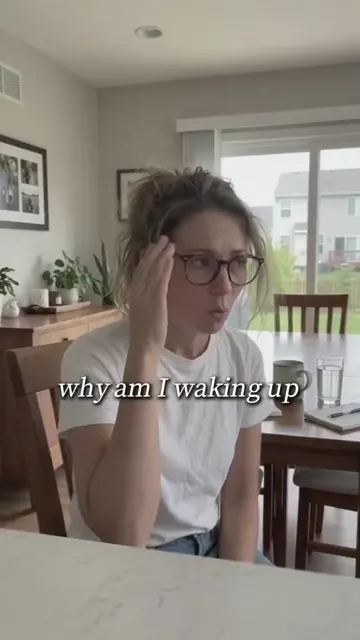
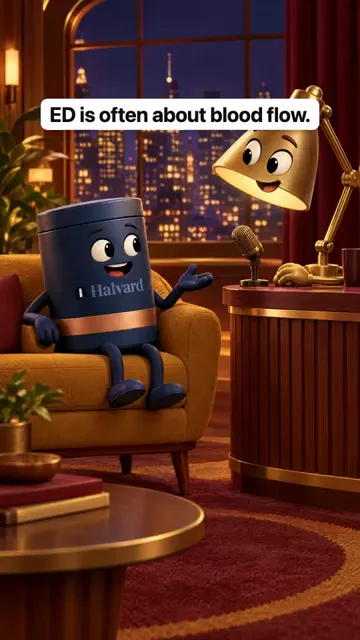
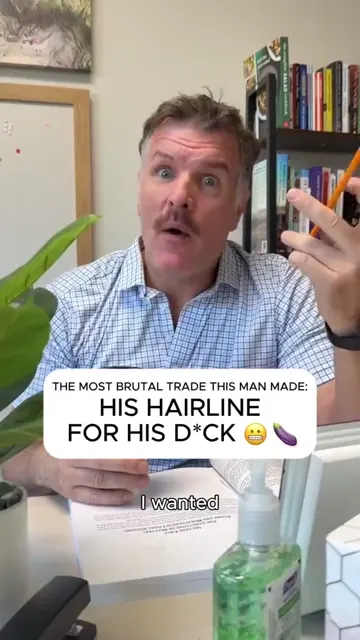
Short example cuts: AI talking heads and AI scenes, next to filmed UGC formats. Each clip links to its vertical page.



How a batch works
A batch is one angle made into 10 ads: 5 videos in 5 different formats and 5 statics. The whole batch goes into one ad set. Each video has one hook, so you test formats of the same angle instead of hook versions of the same video. Every video is reviewed for compliance. The next batch is a different angle.
Example batch · Formats across categories
1 ad set
5 videos
Note-card confession Claymation Snapchat POV Podcast confession Paperwork skit
5 statics
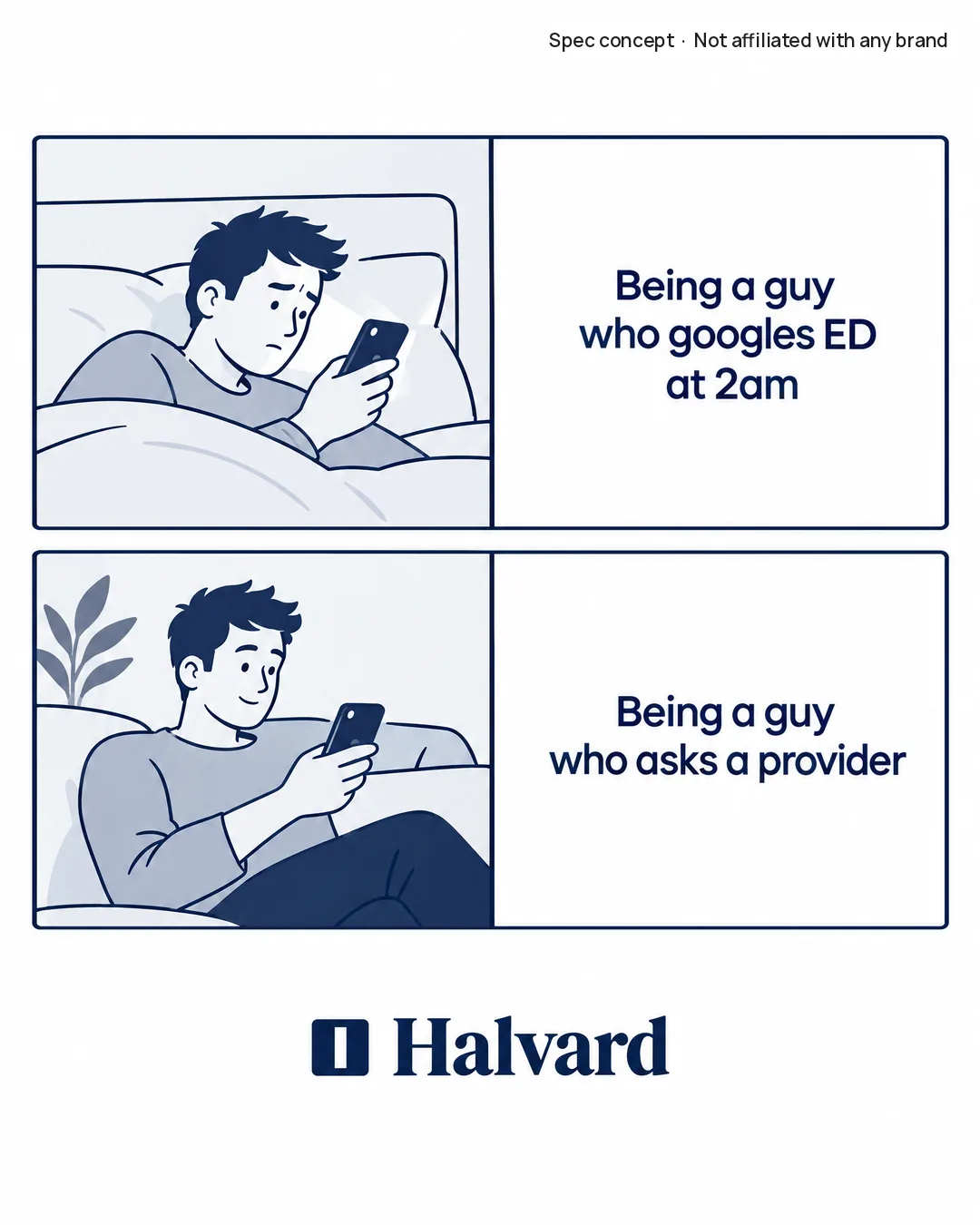
Unaware
ED · Two-panel line drawing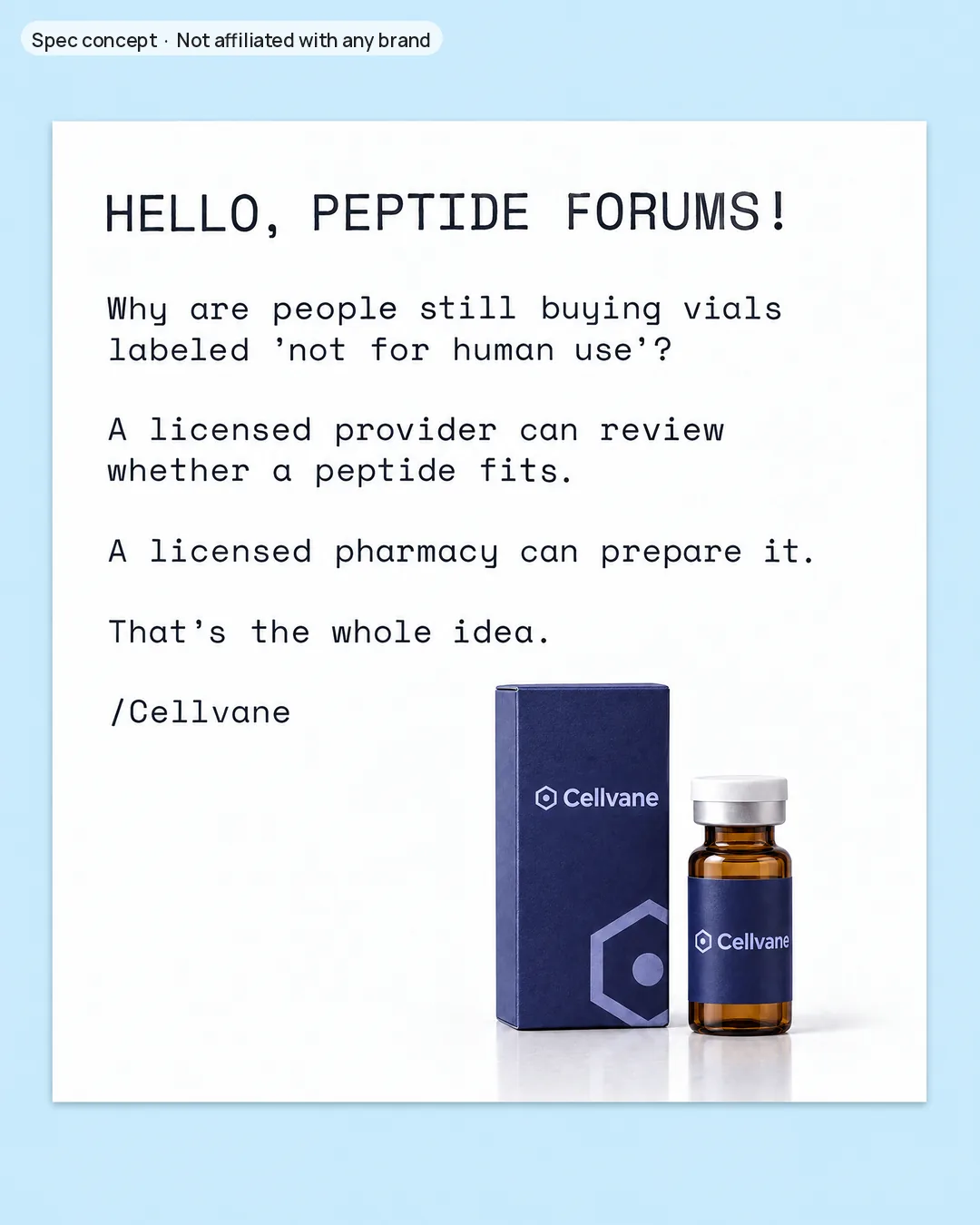
Problem aware
Peptides · Typewriter open letter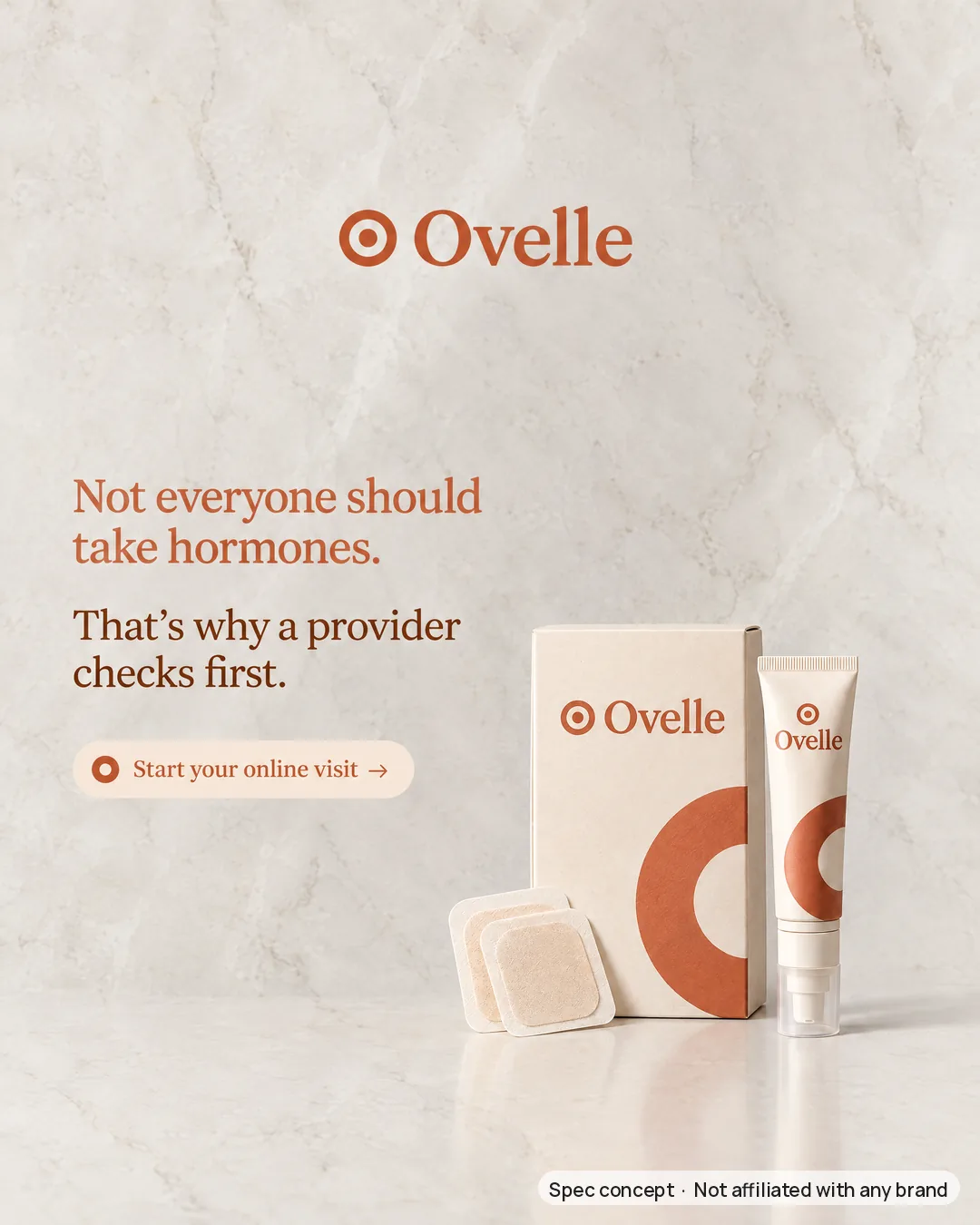
Solution aware
HRT · Minimal premium statement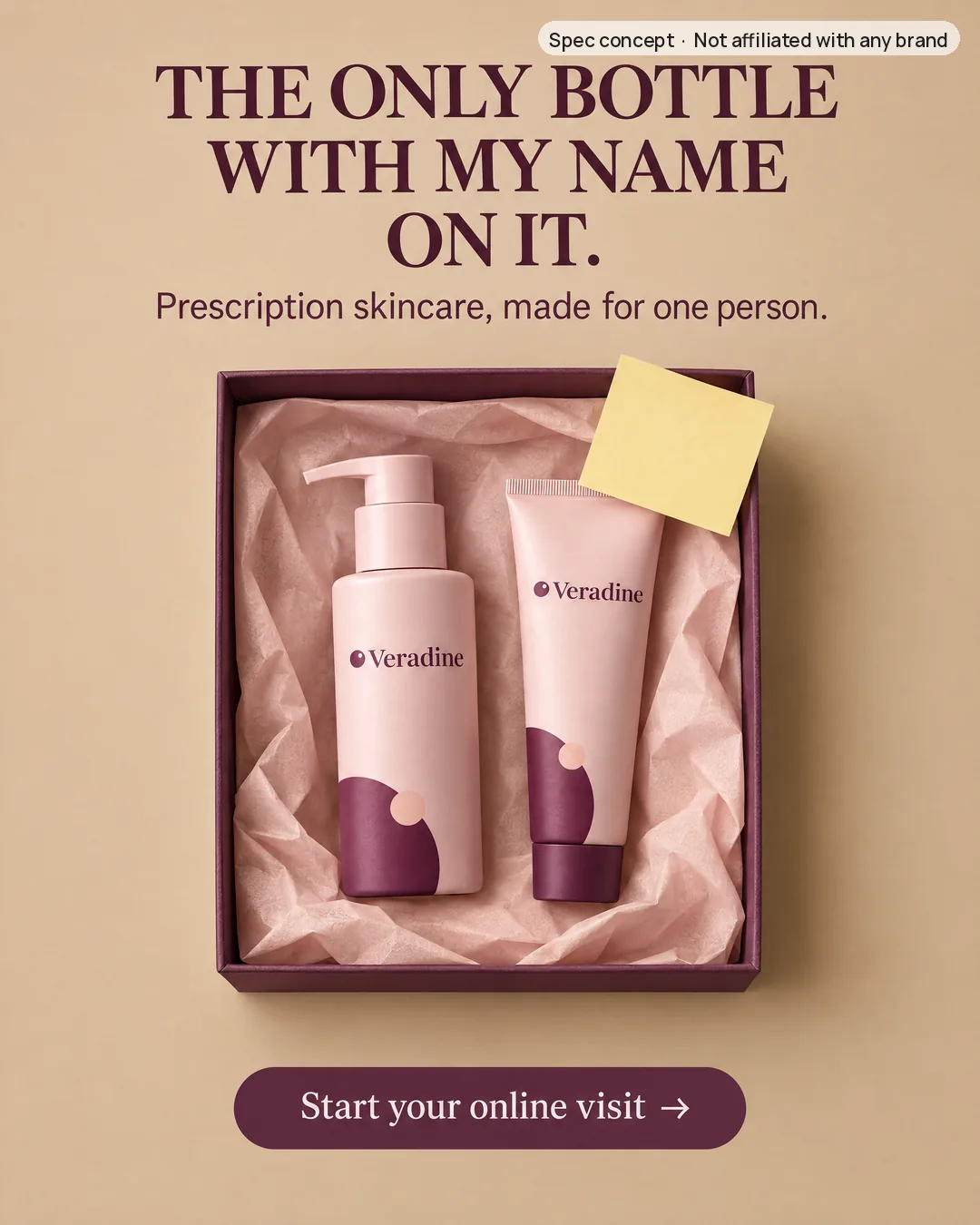
Product aware
Skin · Box with product + sticky note
Most aware
Blood testing · 'Your new favorite' product + button
The brands in the statics are made up by Telehealth Media to show formats. They are not real companies. See the monthly packages.
By vertical
Every vertical page shows its UGC-style and animated clips, with angles, hooks and the rules for that category.
- GLP-1 Ads and Weight Loss Ad Creative for Telehealth Brands
- TRT Marketing and Ad Creative for Men's Health Telehealth Brands
- ED Marketing and Ad Creative for ED Treatment Telehealth Brands
- Hair Loss Ads and Performance Creative for Telehealth Brands
- Peptide Marketing and Ad Creative for Longevity Telehealth Brands
- Mental Health Marketing and Ad Creative for Telehealth Brands
- HRT Marketing and Ad Creative for Menopause Telehealth Brands
- Paid Social Creative for Birth Control Telehealth Brands
- Ad Creative for Anti-Aging and Prescription Skin Brands
- Performance Creative for Telehealth Medication Delivery
- At-home blood testing ads
Free tools for this
Short answers
Questions
Who owns the AI UGC videos?
The client owns the videos we make for them.
Can an AI UGC ad use a real person's face or likeness?
Treat it as a question for counsel before you make it. New York's synthetic performer law covers digitally created performers who are not recognizable as any identifiable natural performer, so a recognizable real person is outside its definition, and its text says it does not limit, reduce or enlarge rights under sections 50, 50-f or 51 of the Civil Rights Law. Our New York synthetic performer law post quotes the enacted text.
What is AI UGC?
Video in the user-generated content style, one person talking to camera as if filmed on a phone, where the person, the voice or the scene is made with AI video tools instead of filmed with a creator.
What are UGC ads?
Paid ads in the UGC style. They run in the feed, Reels and Stories on Facebook and Instagram, and on TikTok. They can be filmed with a paid creator or made with AI, and they follow the same ad rules either way.
Does AI UGC actually work?
It depends on the angle, the script and the audience. We test it: an AI UGC video runs next to four other formats of the same angle in one ad set, and the results show which format carries that angle.
Is Telehealth Media an AI UGC tool?
No. We are an agency. We write the angle and the script, make the video, review it for compliance and hand you finished ads.
Can an AI UGC ad describe treatment results?
Under the FTC's endorsement guidance, a creator who has not used a product cannot describe results as their own, and paid endorsements need a clear disclosure. Source: FTC: Endorsements, Influencers, and Reviews, checked on 29 October 2026. A person made with AI has not used the treatment, so we write those scripts about the service and the process.
How much does it cost?
Pricing is shared on the call. Packages are set by how many batches you get a month and by your monthly ad spend, and we do not publish fees.
This is general information about platform policies, not legal advice. Check the current policy before you run ads. Policies on this page were checked on 2 November 2026, except the FTC pages, checked on 29 October 2026.