AI-Generated UGC for Telehealth: What Is Possible in 2026
Concepts shown are internal creative studies, not client campaigns.



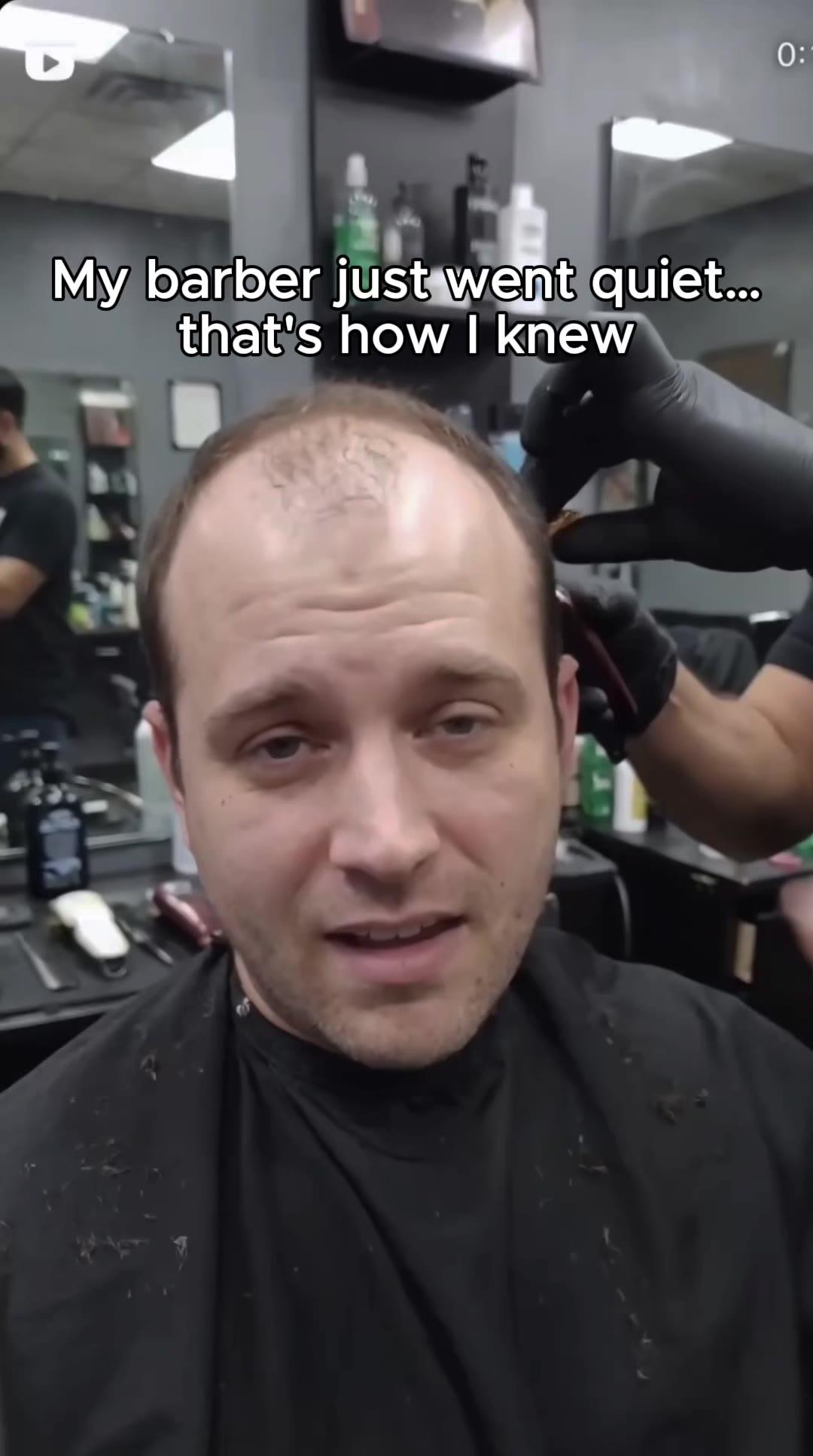




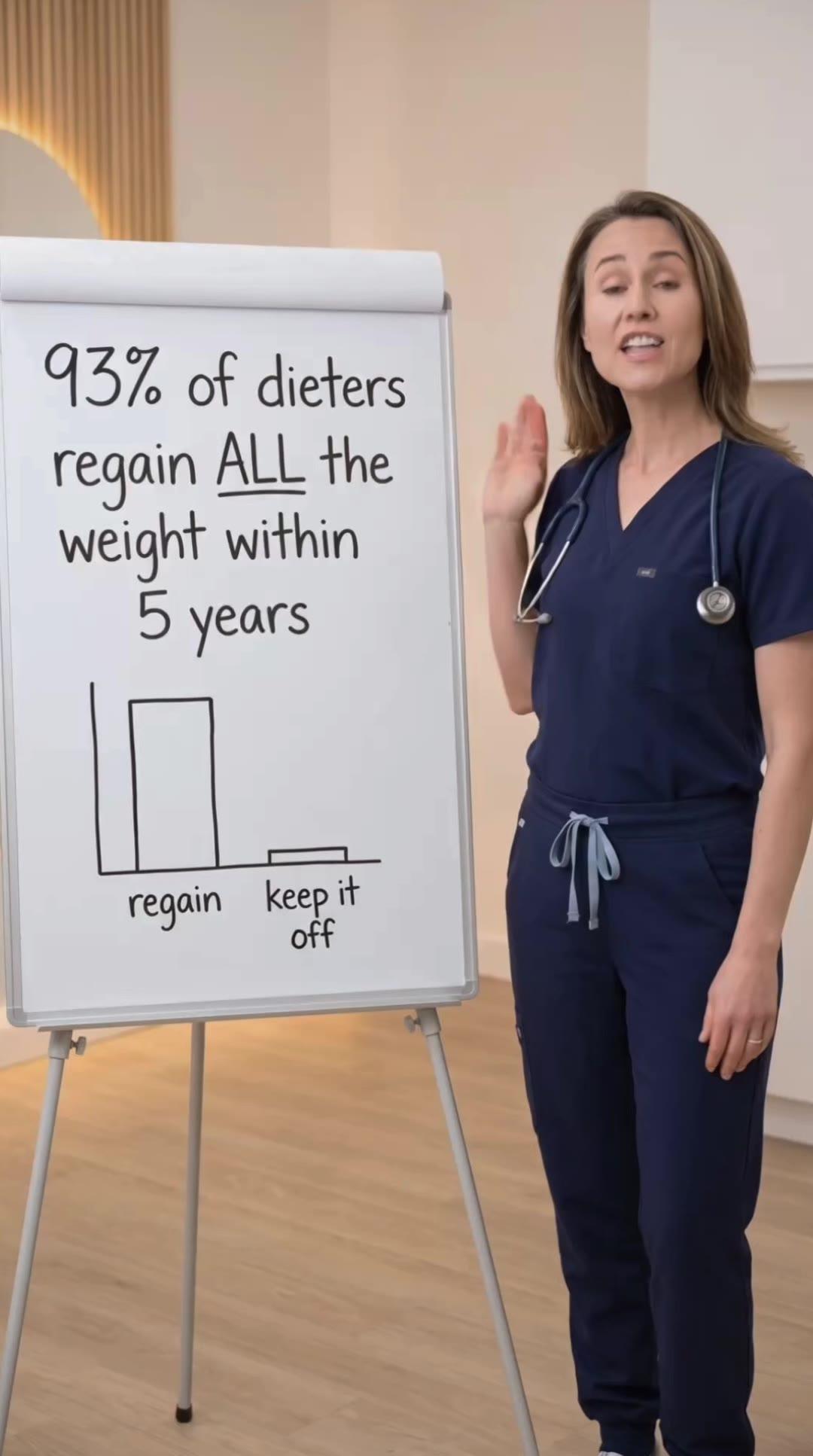
AI-generated UGC tools promise to eliminate the need for human creators. Upload a script, choose an avatar, and generate a video in minutes. For telehealth brands drowning in creator management overhead, this sounds ideal. But the reality in 2026 is more nuanced. AI avatars are improving but still fall short of authentic human creators in performance and trust. And for sensitive categories like GLP-1, TRT, and ED treatment, audiences detect synthetic content and respond with skepticism.
AI-generated UGC has a place in telehealth advertising, but it's not a replacement for human creators. It's a supplement for testing concepts quickly, generating variations, or producing educational content where authenticity is less critical. This guide explains what AI tools can do, where they fall short, and when to use them versus real creators.
What AI UGC Tools Can Generate in 2026
AI video generation tools like Synthesia, HeyGen, and D-ID create videos using synthetic avatars that lip-sync to uploaded scripts. You choose an avatar, paste your script, and generate a video in 5-10 minutes. The avatars look realistic from a distance but lack micro-expressions and natural body language that human creators provide. For talking-head educational content, they're passable. For emotional or personal storytelling, they feel robotic.
Some tools offer custom avatar creation where you upload photos or video of a real person and generate a digital twin. This improves authenticity but requires consent from the person whose likeness you're using. For telehealth, custom avatars work if you're creating videos of credentialed providers who don't want to film repeatedly. They can record once and generate variations using AI.
AI tools can also generate voiceovers using text-to-speech models. In 2026, these voices sound natural enough for most use cases. Tools like ElevenLabs and Murf produce voiceovers with appropriate pacing, tone, and emotion. Combined with stock footage or b-roll, AI voiceovers can produce educational videos that explain telehealth processes without requiring human narration.
Performance of AI UGC Versus Human Creators
In performance tests run across $50M+ in paid spend, AI-generated avatars consistently underperform human creators for telehealth ads. CTR is 20-40% lower, and CPA is 30-60% higher. Audiences detect that the content is synthetic and trust it less. For categories where trust is critical, like GLP-1, TRT, or ED treatment, this trust deficit kills performance.
AI-generated content performs better for educational or explainer videos where the focus is on information, not personal testimony. Videos that explain "how telehealth works" or "what to expect during your consultation" can use AI avatars without significant performance drop. But videos that rely on personal stories, emotional connection, or relatability need human creators to resonate.
The gap is narrowing. In 2024, AI avatars were obviously synthetic. In 2026, they're borderline convincing. By 2027-2028, they may be indistinguishable from human video. But for now, if performance matters, use human creators. If speed and cost matter more than conversion rate, AI tools are viable for testing concepts before investing in human production.
We produce paid social creative exclusively for telehealth brands. From 18 to 200 assets per month.
Get in TouchCompliance Risks With AI-Generated Content
Platforms are cracking down on misleading or deceptive content, including synthetic media that isn't disclosed. Meta and TikTok require disclosure when AI-generated avatars are used in ads. If your ad uses an AI avatar without disclosing it, the platform may reject the content or flag your account. Always include a disclaimer like "Synthetic media" or "AI-generated avatar" to stay compliant.
For telehealth, using AI avatars creates additional risk if the avatar resembles a real person without consent. If you generate an avatar that looks like a recognizable individual, you could face legal action for likeness infringement. Only use custom avatars if you have signed consent from the person whose likeness you're replicating.
FTC guidelines for endorsements apply to AI-generated content as well. If your AI avatar makes testimonial-style claims ("I tried this service and loved it"), the FTC treats it as an endorsement that requires disclosure and truthfulness. Don't use AI avatars to simulate customer testimonials unless the statements are factually accurate and based on real customer feedback.
Best Use Cases for AI UGC in Telehealth
AI UGC works well for rapid concept testing. If you want to test 10 different hooks or angles before investing in human creators, generate AI videos to validate which concepts resonate. Run small test budgets ($500-$1,000 per concept) and measure CTR and engagement. The top-performing concepts get produced with human creators. This approach saves time and money by filtering bad ideas early.
AI tools are also useful for generating variations of winning content. If you have a high-performing video but want to test different hooks or CTAs, use AI to generate variations without reshooting. Clone the original creator's voice, swap the first 3 seconds, and test the new version. This allows you to iterate quickly without waiting for creator availability.
For educational content like FAQ videos, process explainers, or compliance-focused messaging, AI avatars are sufficient. These videos don't require emotional connection or personal storytelling. They need to convey information clearly and concisely. AI avatars handle this well and reduce the cost of producing evergreen content that doesn't need frequent updates.
UGC formats we produce for telehealth.
See the work →Tools and Platforms for AI UGC in 2026
Synthesia and HeyGen are the leading platforms for AI avatar video generation. Both offer libraries of pre-built avatars and support custom avatar creation. Pricing is subscription-based, starting around $30-$100 per month depending on usage limits. For telehealth brands testing AI content, start with a basic subscription and upgrade if the content performs well.
D-ID focuses on turning still images into talking avatars. If you have photos of credentialed providers or brand ambassadors, D-ID can animate them to deliver scripted messages. This is useful for creating personalized video messages or educational content without requiring video recording sessions. Quality is lower than Synthesia or HeyGen, but cost is also lower.
For voiceovers, ElevenLabs and Murf produce high-quality AI-generated narration. ElevenLabs offers voice cloning, which allows you to replicate a real person's voice from a short audio sample. This is useful if you want consistent voiceovers without requiring the same person to record every time. Murf focuses on pre-built voices optimized for different tones and styles.
When to Use Human Creators Instead of AI
Use human creators for any content that relies on trust, authenticity, or emotional connection. Testimonials, personal stories, and relatable experiences require real people. For GLP-1 weight loss, TRT, or ED treatment, audiences need to see real faces and hear genuine voices to believe the message. AI avatars can't replicate the micro-expressions and vocal nuances that communicate authenticity.
Also use human creators for high-budget campaigns or content that will run for months. If you're spending $50K+ on media, the marginal cost of paying a real creator $300-$500 is negligible compared to the performance lift. AI content may save $200 upfront but cost thousands in lost conversions if performance lags by 20-30%.
Human creators are also necessary for whitelisting and Spark Ads. You can't whitelist an AI avatar because there's no real account to run ads from. If your strategy relies on organic-looking ads from real creator accounts, AI tools can't deliver that. The hybrid model of human creators plus whitelisting outperforms AI avatars for telehealth ads.
Hybrid Approach Combining AI and Human Content
The most effective approach in 2026 is hybrid: use AI for rapid testing and concept validation, then use human creators for final production of winning concepts. This combines the speed of AI with the performance of human content. You're not choosing one or the other; you're using each tool where it provides the most value.
For example, generate 10 AI videos testing different hooks or angles. Run small test campaigns to identify the top 2-3 performers. Then hire human creators to produce high-quality versions of those concepts. This workflow reduces wasted production time on bad concepts and ensures your final creative is optimized for performance.
You can also use AI to enhance human content. Film a human creator delivering a script, then use AI to generate variations with different voiceovers, translations, or background audio. This extends the value of a single creator shoot by producing multiple versions without requiring additional filming. AI as a post-production tool is often more effective than AI as a replacement for creators.
Ethical and Legal Considerations
Using AI-generated avatars raises ethical questions about transparency and deception. If your audience believes they're watching a real person when they're seeing an AI avatar, that's misleading. Always disclose when content is AI-generated. Transparency builds trust, and failing to disclose erodes it.
For custom avatars based on real people, obtain explicit written consent before using their likeness. Your consent agreement should specify how the avatar will be used, for how long, and in what contexts. Without this consent, you risk legal action for unauthorized use of likeness. This applies even if the person is an employee or contractor.
Also consider the impact on your brand perception. Some audiences view AI-generated content as lazy or inauthentic. For premium telehealth brands positioning themselves as high-touch or personalized, AI avatars may undermine that positioning. Match your content strategy to your brand identity. If authenticity is core to your brand, prioritize human creators even if AI is cheaper or faster.
Future of AI UGC for Telehealth
AI UGC tools are improving rapidly. By 2027-2028, synthetic avatars may be indistinguishable from real humans in video quality, expression, and voice. At that point, the performance gap between AI and human content will narrow significantly. But even then, trust and authenticity will matter. Audiences will know when content is synthetic, and brands will need to decide whether to disclose or risk backlash.
For telehealth, the future likely involves AI tools for content generation and editing, with human oversight and validation. Creators will use AI to produce variations, test concepts, and streamline production. But the final output will still feature real people because trust is the foundation of telehealth marketing. You can't automate trust.
Stay updated on platform policies around AI content. As synthetic media becomes more common, platforms will tighten disclosure requirements and moderation standards. What's acceptable in 2026 may not be acceptable in 2027. Monitor policy updates and adjust your content strategy accordingly. Compliance in AI content is a moving target.
Need help deciding between AI and human UGC for your telehealth brand? Book a call or explore our creative services.
UGC systems built for telehealth.
A 30-minute call. We audit your creative approach and show you exactly what a complete angle-format-hook system looks like for your vertical.