Street Interview Ads for GLP-1 Brands
Why the street interview format works so well for GLP-1 brands, how to produce it compliantly, and what separates the versions that convert from the ones that get rejected.
Concepts shown are internal creative studies, not client campaigns.
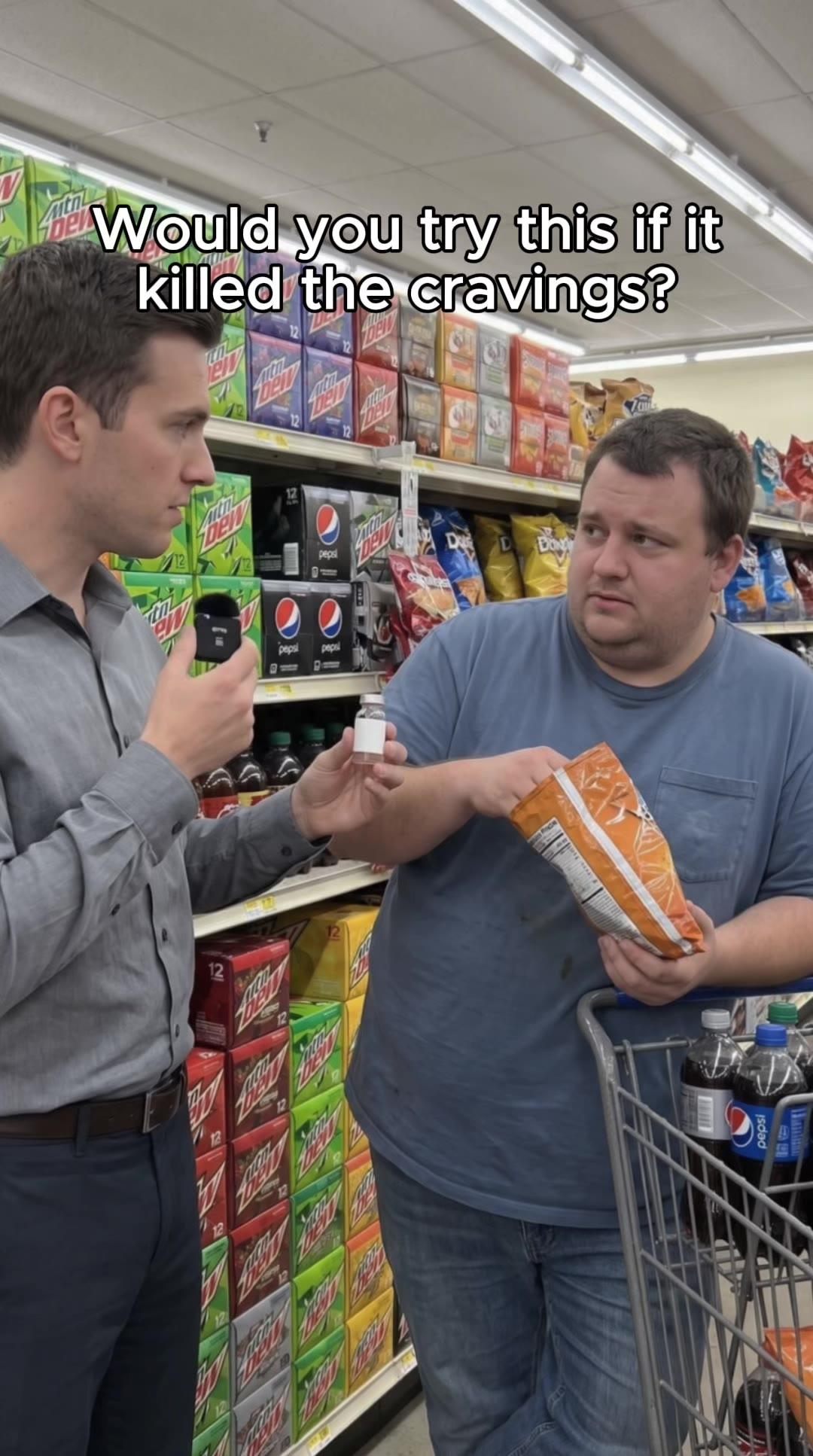
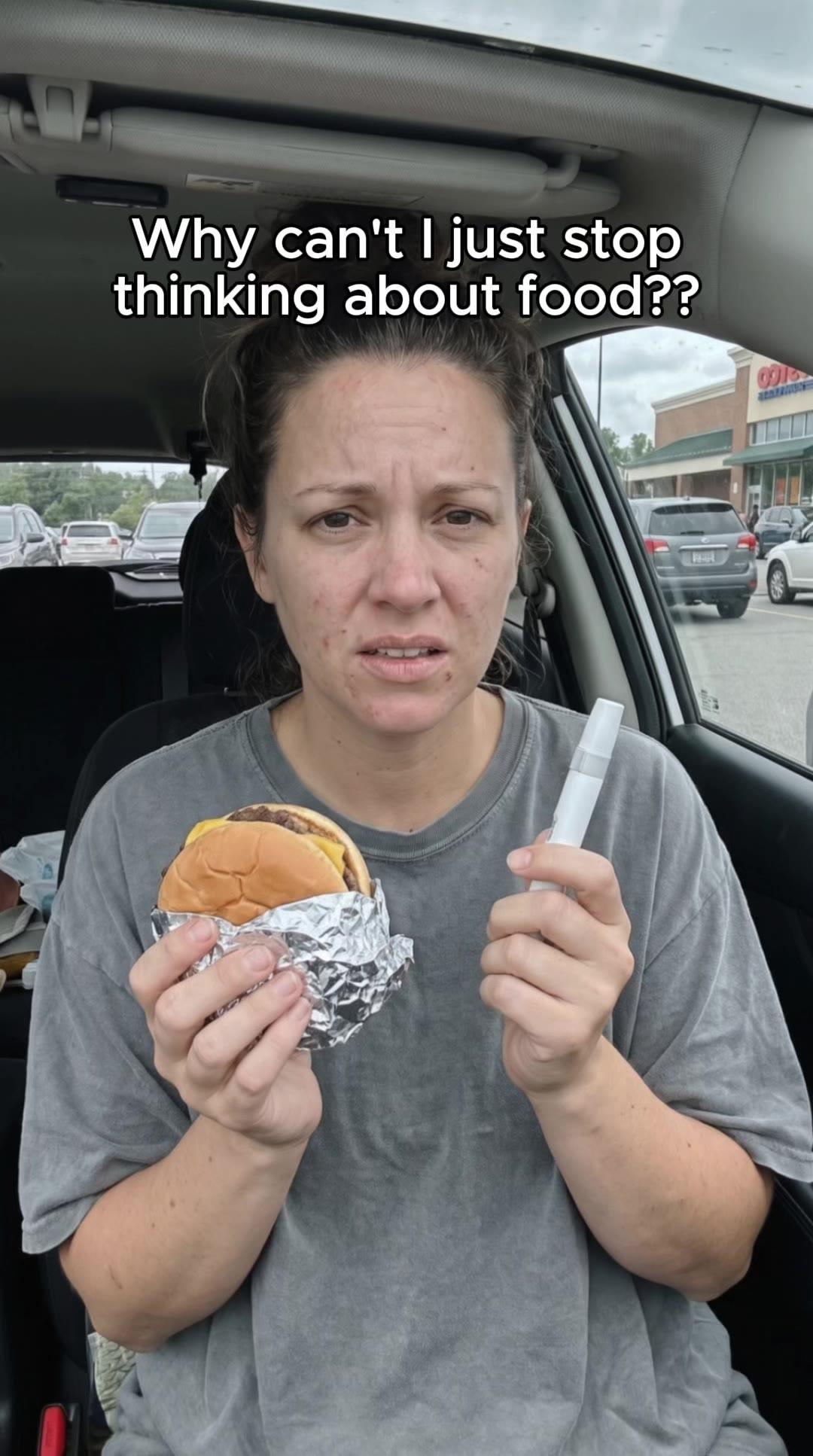
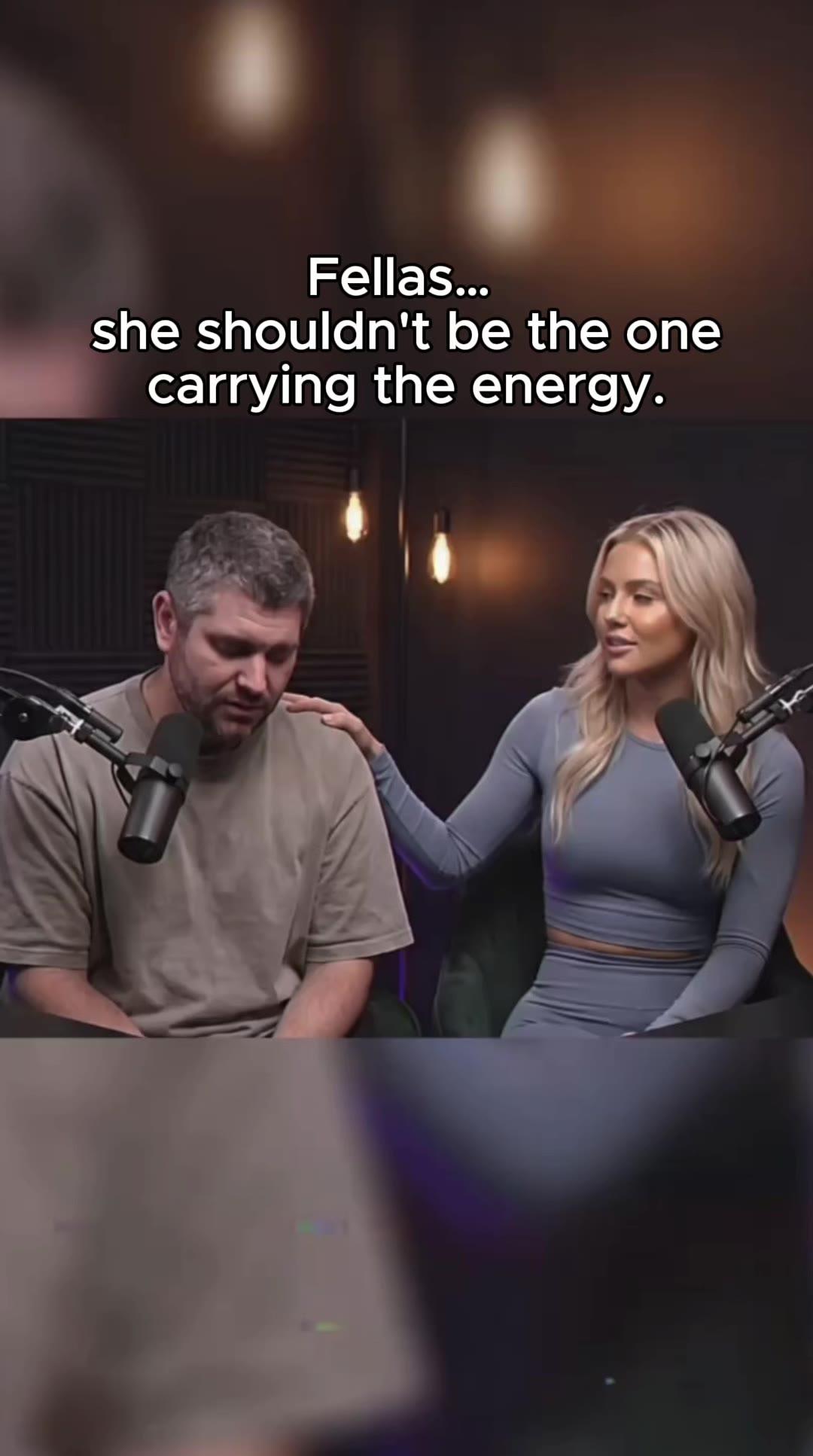
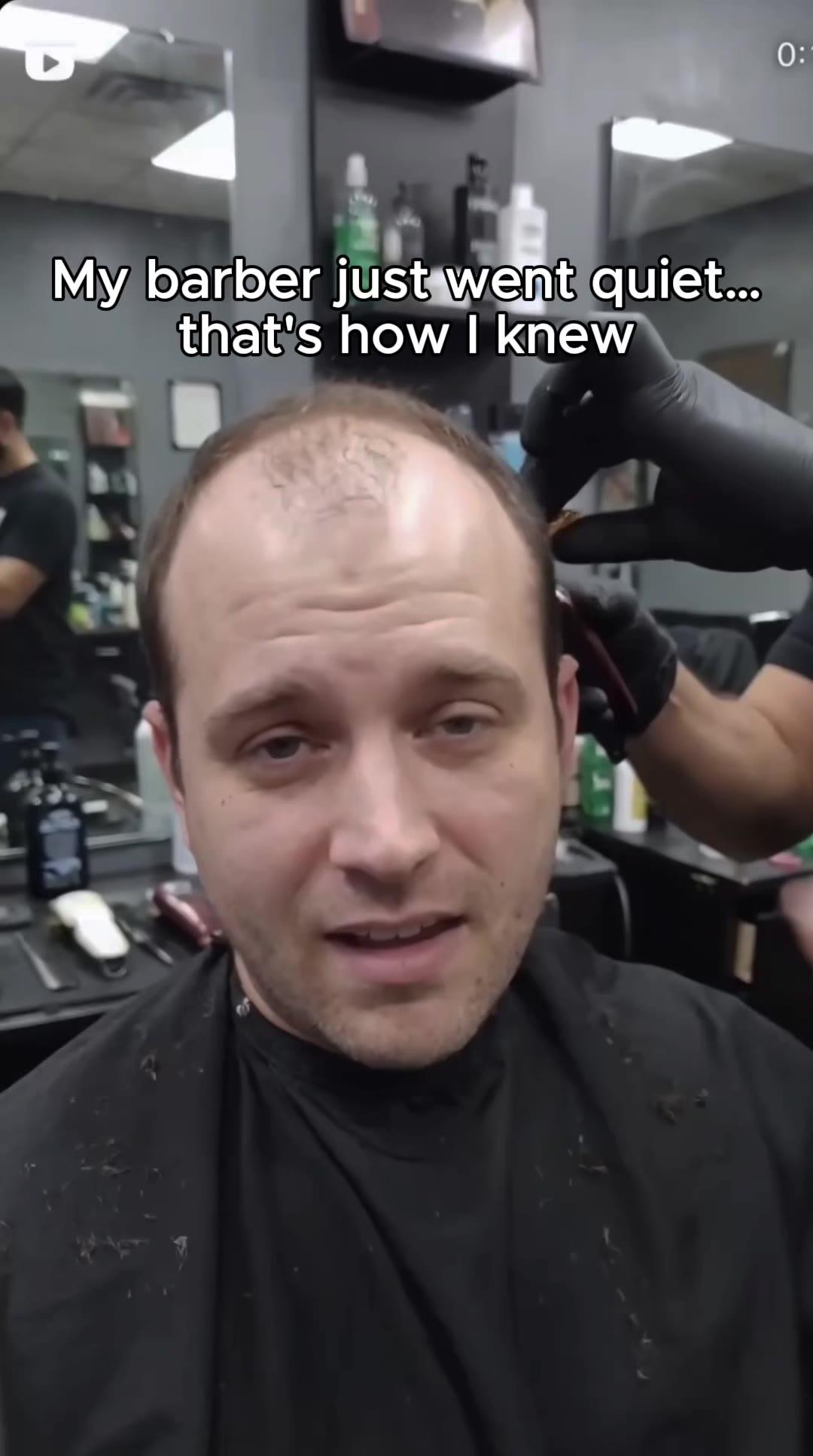

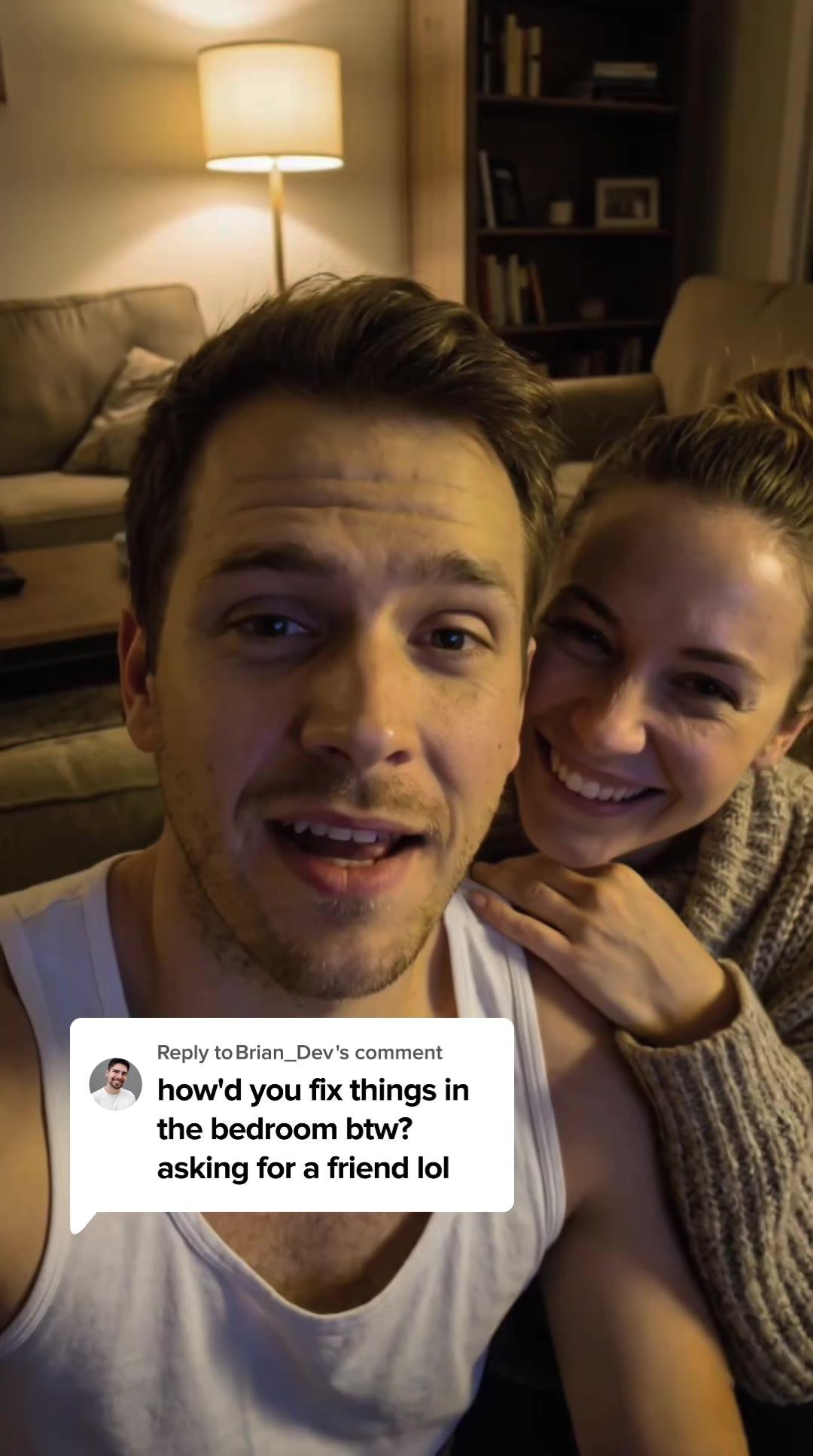
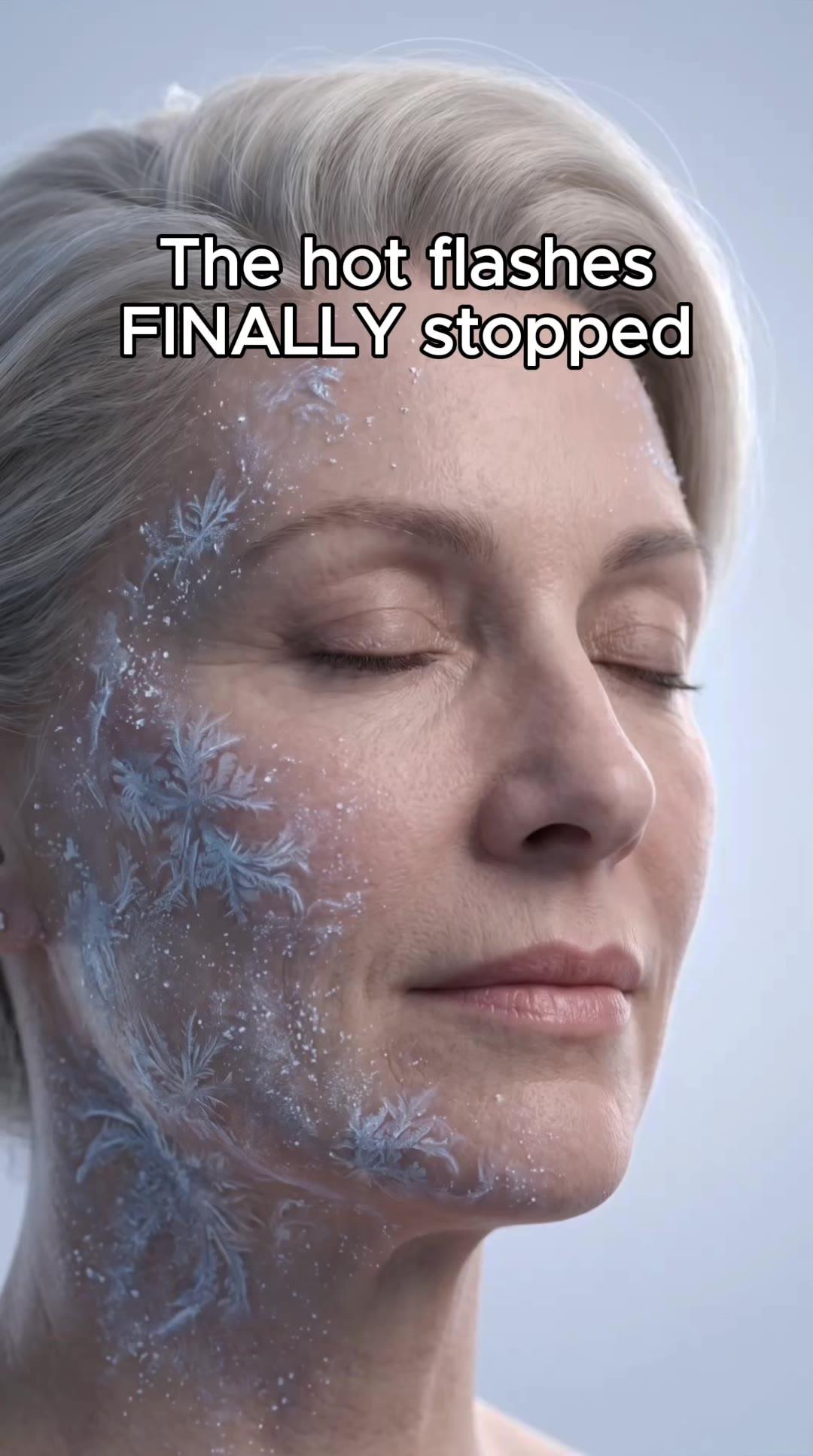
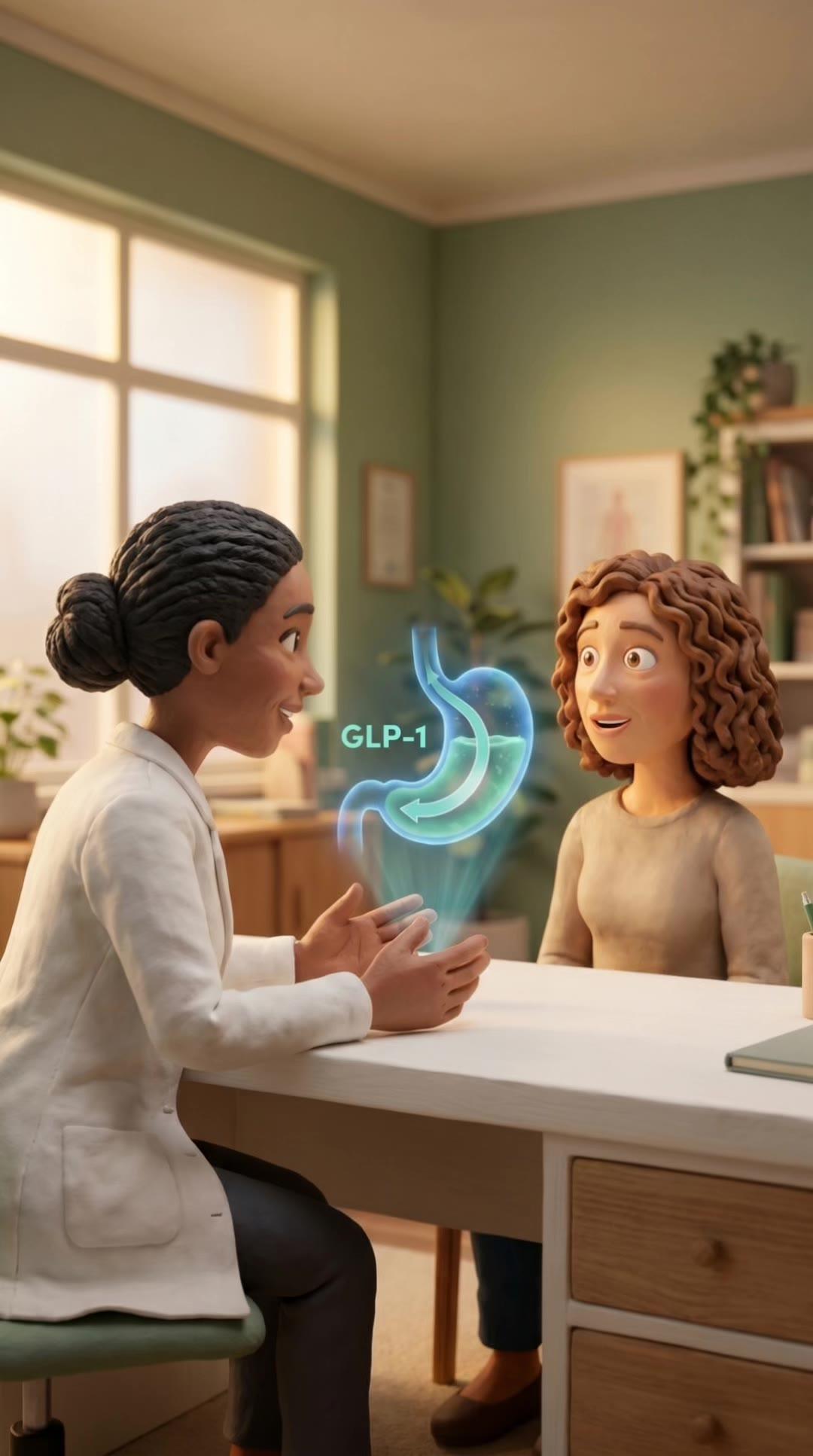
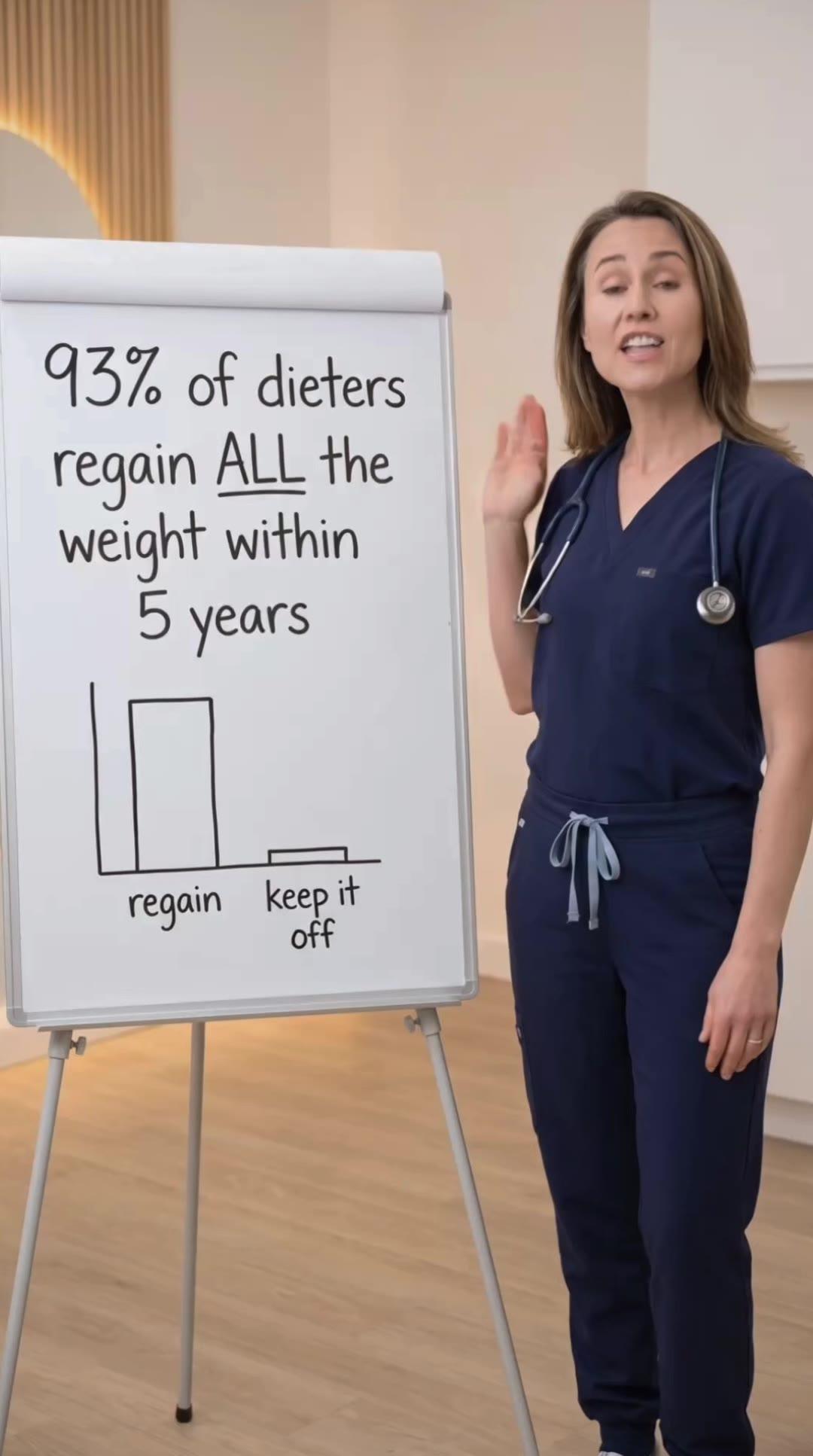
Street interview ads — also called man-on-the-street or vox pop format — are one of the most effective creative formats for GLP-1 brands in 2026. The reason is structural: street interviews feel like editorial content rather than paid advertising. When a person with a microphone asks real people on a public street what they think about GLP-1 or medical weight loss, and those people respond with genuine surprise, curiosity, or opinion, the audience experiences the ad as a conversation they're watching rather than a message being sold to them. That distinction drives both watch time and conversion.
Why This Format Works for GLP-1
GLP-1 advertising has a specific challenge that street interview creative addresses well. The topic is simultaneously high public awareness and high personal sensitivity. Everyone has heard of Ozempic. Most people have opinions about it. But for the person who is actually a candidate for a GLP-1 program — someone who has struggled with weight for years and is privately open to medical intervention — seeing a drug ad creates a different experience than watching other real people talk about whether they'd try it.
The street interview format normalizes the conversation. When you watch a 50-year-old woman on a busy street say "I've been curious about it but didn't know how to find a doctor who would actually talk to me about it" — that response mirrors an experience the target audience has had. It doesn't feel like a pitch. It feels like recognition.
The format also avoids the transformation testimonial trap. Before/after body comparisons and weight loss claims are heavily restricted on all major platforms. Street interviews don't require any transformation claims — the content is about awareness, curiosity, and access, not outcomes. This makes the format substantially easier to clear in platform review while still serving the core conversion objective.
Format and Structure Basics
The core format: one or two people from the brand — ideally someone who reads as approachable and non-corporate — take a microphone to a public space and ask passersby questions about GLP-1 or medical weight loss. Questions might include "have you heard of GLP-1?" or "would you try a physician-supervised weight loss program if it was accessible and affordable?" or "what would you want to know before starting medical weight loss?" The responses are captured on handheld camera or a single camera operator, edited into a sequence, and the brand's message and CTA appear at the end.
The questions should be designed to elicit genuine, unscripted reactions. Framing questions around awareness and curiosity rather than experience produces the most useful raw material. "Have you heard of GLP-1?" will yield a mix of "yes and I'm skeptical," "yes and I'm interested," and "no, tell me more" — all of which are useful because they represent different points in the target audience's awareness journey. Editing can select the responses that best represent the discovery and consideration moment you're trying to create.
The editing structure matters. Open with the most engaging or surprising response — the person who says something unexpected or who has a visible reaction. Build to the more thoughtful, considered responses in the middle. End with a response that creates natural momentum toward the brand message. The brand's CTA appears as a final card, not as an interruption of the street content.
FTC Disclosure Requirements
Street interview ads are paid advertising and must be disclosed as such, regardless of how organic they appear. This is a place where brands sometimes get wrong-footed: because the respondents are real people giving genuine opinions, there's a temptation to treat the ad as editorial content. It is not. The FTC requires disclosure that the content is advertising, and that disclosure must be clear and conspicuous — not buried in six-point font at the bottom of the frame.
Standard disclosure implementation: a text overlay reading "Advertisement" or "Paid Ad" appearing in the first few seconds of the video and maintained as a persistent lower-left or lower-right element throughout the ad. On platforms where native labels are applied (Meta's "Sponsored" label, TikTok's paid partnership label), those labels satisfy some of the disclosure requirement but don't eliminate the need for in-creative disclosure if the content is designed to appear organic.
Concepts we ship across every awareness stage.
See the work →Compliance for Street Interview GLP-1 Ads
The most important compliance principle for this format is that respondents cannot make medical claims. The interviewer's questions should never lead respondents toward stating specific outcomes, comparing GLP-1 to other treatments, or making weight loss claims. Responses should stay in the domain of personal curiosity, general opinion, and interest in access. If a respondent volunteers something that reads as a medical claim — "I heard it cures diabetes" or "my friend lost 50 pounds in two months" — that response should not be included in the edit.
The brand message at the end of the ad also needs to comply with platform healthcare policies for GLP-1 advertising. The street interview format does not grant the brand message special status — if your CTA includes a weight loss claim that would be rejected in a standard GLP-1 ad, it will be rejected here too. The compliance work on the brand message is identical to any other GLP-1 creative.
On-screen release confirmation is worth including for any account that may face review scrutiny. If platform reviewers can see that your account has a documented consent process for street interview participants, it reduces the likelihood of rejection based on third-party appearance concerns.
Production Details That Matter
The production aesthetic should be deliberately imperfect. Handheld camera with natural ambient sound, outdoor natural light, genuine background movement — these elements make the content feel like something discovered rather than produced. Overproducing a street interview kills the format's core advantage. If the visual quality is indistinguishable from a professional commercial, the viewer's brain categorizes it as an ad in the first second and the native-content benefit evaporates.
Location selection matters. Farmers markets, fitness areas, outdoor shopping districts, and parks create authentic context — these are places where health-conscious people gather, and the setting reinforces the brand's positioning without stating it. A busy urban sidewalk works too, but the setting provides less natural context for the GLP-1 topic.
Every person who appears on camera in a published ad must have signed a release — a written consent document acknowledging that their likeness is being used in advertising. Build this into your production workflow as a non-negotiable step before filming. Respondents who decline to sign a release should not appear in the final cut, regardless of how useful their response was. Failing to secure releases is a real legal exposure and creates account vulnerability if a respondent later claims they didn't consent to be in an ad.
Platform Performance and Testing
Street interview creative performs particularly well on Meta — Instagram Reels, Facebook feed, and Stories — because it matches the native content style of those environments. A well-executed street interview ad is visually and tonally similar to the organic social content surrounding it in a user's feed. TikTok also works well for the same reason. Both platforms' algorithms reward content that earns genuine engagement rather than passive impressions, and the street interview format tends to generate comments and shares at higher rates than produced commercial-style ads.
Testing variables for this format: opening question phrasing, which response edits lead the ad, the brand message content and format at the end, and whether the interviewer is on camera or off. Each of these can meaningfully affect performance independently. Run structured tests that isolate one variable at a time rather than releasing multiple full versions simultaneously with no control.
The format has natural creative freshness built in — each production session yields different raw material. A street interview creative program doesn't suffer from the same fatigue dynamics as scripted testimonial content, because the novelty of different real people responding to the same questions makes each iteration feel distinct even when the format is consistent. Plan for regular production sessions rather than a single large batch, and the creative rotation nearly manages itself.
Related Articles
Telehealth Ad Creative That Actually Converts
What makes telehealth ad creative work. Angles, hooks, formats, and production tactics for GLP-1, TRT, ED, and hair loss brands scaling $100K-$500K monthly.
The Best Ads from Telehealth Brands Right Now
Breakdown of the telehealth ad creative that is actually working in 2026. Real examples from top brands with analysis of what makes them perform.
Before and After Claims in Telehealth Advertising: The Full Compliance Guide
How to use before and after content in telehealth ads compliantly. What disclaimers you need, what Meta allows, and how to avoid FTC violations.
Ready to build a testing system that scales?
A 30-minute call. We audit your creative approach and show you exactly what a complete angle-format-hook system looks like for your vertical.