UGC ads
UGC ads for telehealth: formats, rules and how to test them
UGC ads are ads that look like a real person filmed them on a phone: talking to camera, in a car, at the barber, in a kitchen. They work because they look like the rest of the feed, not like an ad.
In telehealth they also carry more risk than in most categories, because the person on camera is often talking about a prescription treatment. This page covers the formats, the rules that shape them and how to test them without burning your best angle.
Telehealth Media works only with telehealth brands.
UGC marketing for telehealth brands
UGC marketing is marketing built on user-generated content: video that looks and sounds like a real customer or creator talking, rather than a produced brand spot. For a telehealth brand it mostly means paid social ads on Meta and TikTok, where a creator explains the problem, the consultation or the delivery in their own words.
The FTC treats that content as advertising. Its Health Products Compliance Guidance counts advertising "in social media and influencer marketing", and says health-related products "require substantiation in the form of competent and reliable scientific evidence". The FTC staff FAQ on the Endorsement Guides adds that an endorsement "can't be used to make a claim the marketer of the product couldn't legally make." A creator saying it does not make a claim safer (checked 3 Nov 2026).
Working with creators adds a duty of its own. The same FAQ tells a company that recruits, pays and directs influencers that it needs "reasonable programs in place to train and monitor the influencers you pay and direct", and warns that a platform's built-in disclosure tool is "no guarantee that it's an effective way for influencers to disclose".
Platform rules apply to the creator's words as well. Meta's Personal Attributes policy says ads must not assert or imply a person's health or medical conditions, so a creator line like "if you're struggling with your weight" is a problem in an ad even when it is natural in an organic post.
Telehealth Media makes UGC-style video ads for telehealth brands in batches of 10 ads, filmed with creators and made with AI, and every video is reviewed for compliance before delivery.
UGC formats that work for telehealth
| Format | What it is | Good for |
|---|---|---|
| Talking head | One person to camera, phone framing | Explaining how the online visit works |
| In-car POV | Filmed in a parked car, casual tone | Problem-aware angles, everyday situations |
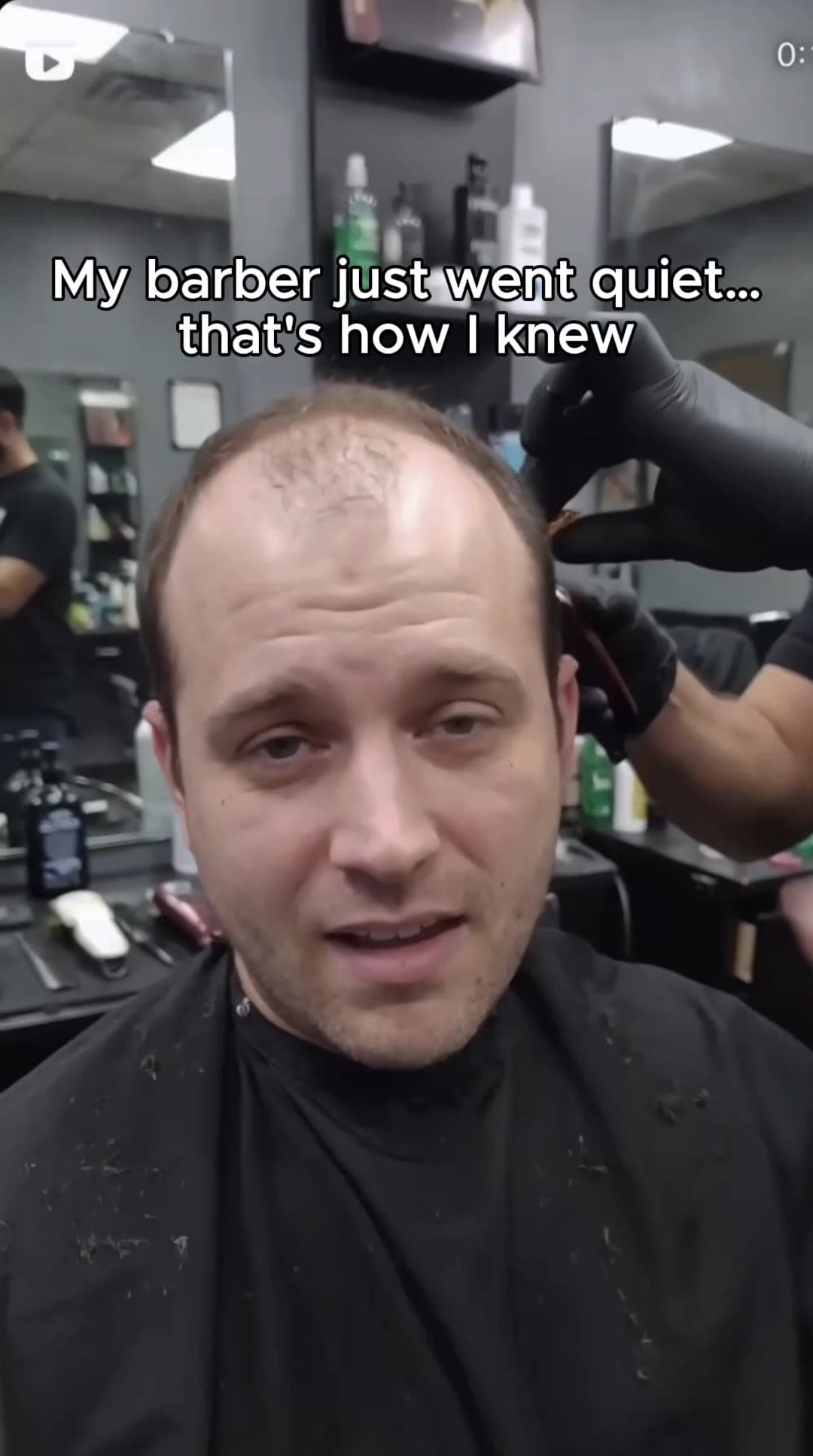
| UGC scene | A short scene in a real place, like a barbershop | Making the moment someone notices a problem feel real |
| Street interview | Questions to people on the street | Unaware audiences, myths and misconceptions |
| Podcast cut | Two people in a podcast setup | Longer explanations that still feel like content |
| Testimonial | A real patient describing their experience | Product-aware audiences, with disclosure and evidence |
Mixing these on the same angle is the point. If a street interview and a podcast cut carry the same angle and only one works, you learned something about the format. If one angle fails in every format, you learned the angle is weak.
Rules that shape telehealth UGC
- Prescription drugs: on Meta, telehealth providers must be LegitScript certified and authorized to promote prescription drugs, and must target people 18 or older. Source: Meta's Drugs and Pharmaceuticals ad policy.
- Personal attributes: the script cannot assert or imply the viewer has a condition. Talk about the creator or the situation, not "you". Source: Meta's personal attributes ad policy.
- Endorsements: paid creators must disclose the relationship, and a testimonial has to reflect the creator's real experience. Source: FTC: Endorsements, Influencers, and Reviews.
- Before and after: Meta's Health and Wellness policy bars close-ups that pinch fat on a specific body area and promises of specific outcomes within a set timeframe without disclaimers or qualifiers, and Meta's Advertising Standards bar content implying negative self-perception to promote weight loss products (checked 3 Nov 2026). We advise against before-and-after imagery. Under FTC guidance, a result that is not typical needs a clear disclosure of what a typical person can expect. Sources: Meta's Health and Wellness ad policy, FTC Health Products Compliance Guidance. Our before and after guide covers how to show change.
How to test UGC ads without wasting your angle
- Test angles, not hooks. Three hook versions of one video mostly tell you which first line is louder. Five formats of one angle tell you whether the reason to buy works.
- Keep one angle per ad set, so results are not mixed across messages.
- Give each video one hook and let the format do the work.
- When an angle fades, replace it with a new angle, not a re-edit.
How UGC fits into a batch
A batch is one angle made into 10 ads: 5 videos in 5 different formats and 5 statics. The whole batch goes into one ad set. Each video has one hook, so you test formats of the same angle instead of hook versions of the same video. Every video is reviewed for compliance. The next batch is a different angle.
Example batch · Formats across categories
1 ad set
5 videos
Note-card confession Claymation Snapchat POV Podcast confession Paperwork skit
5 statics
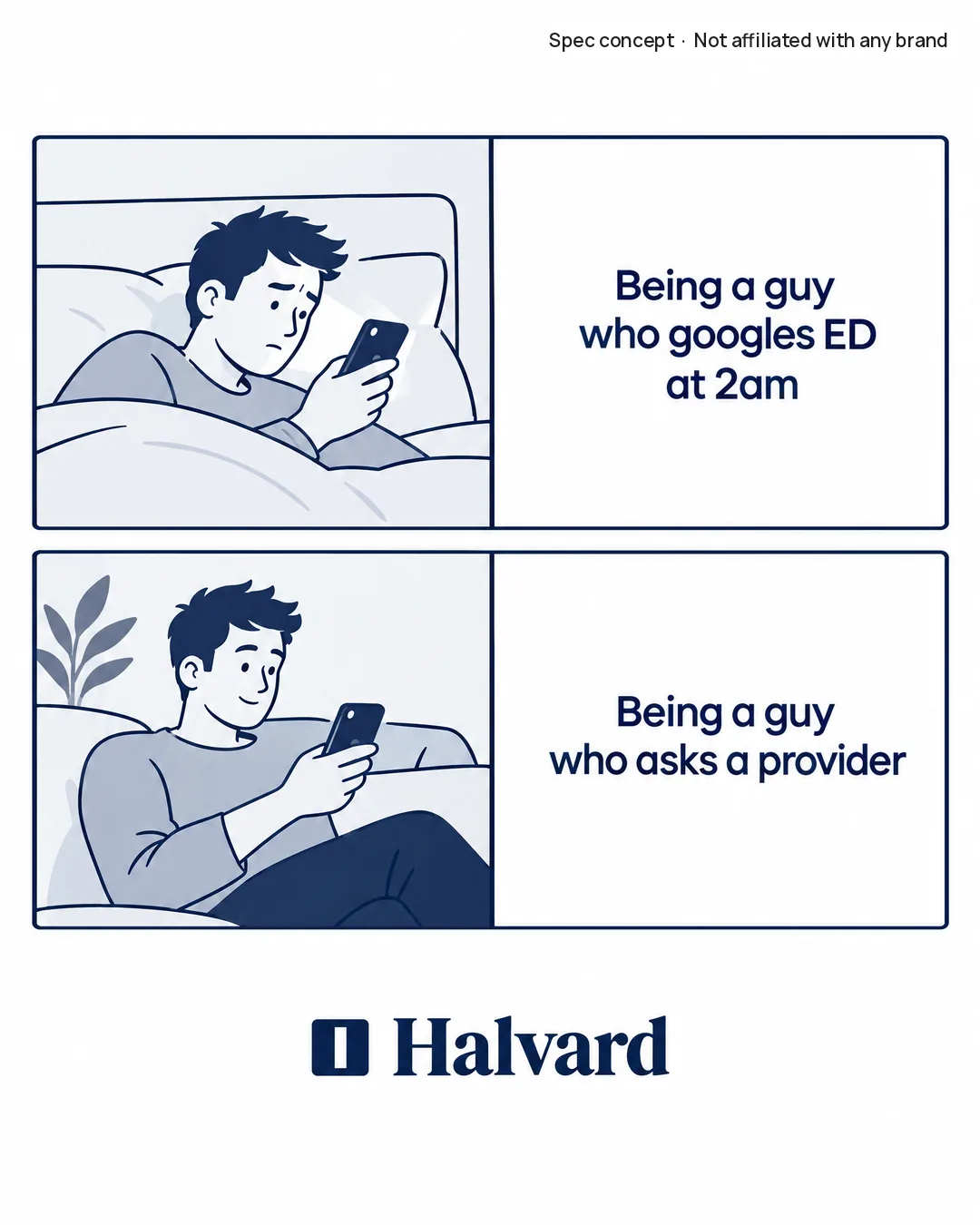
Unaware
ED · Two-panel line drawing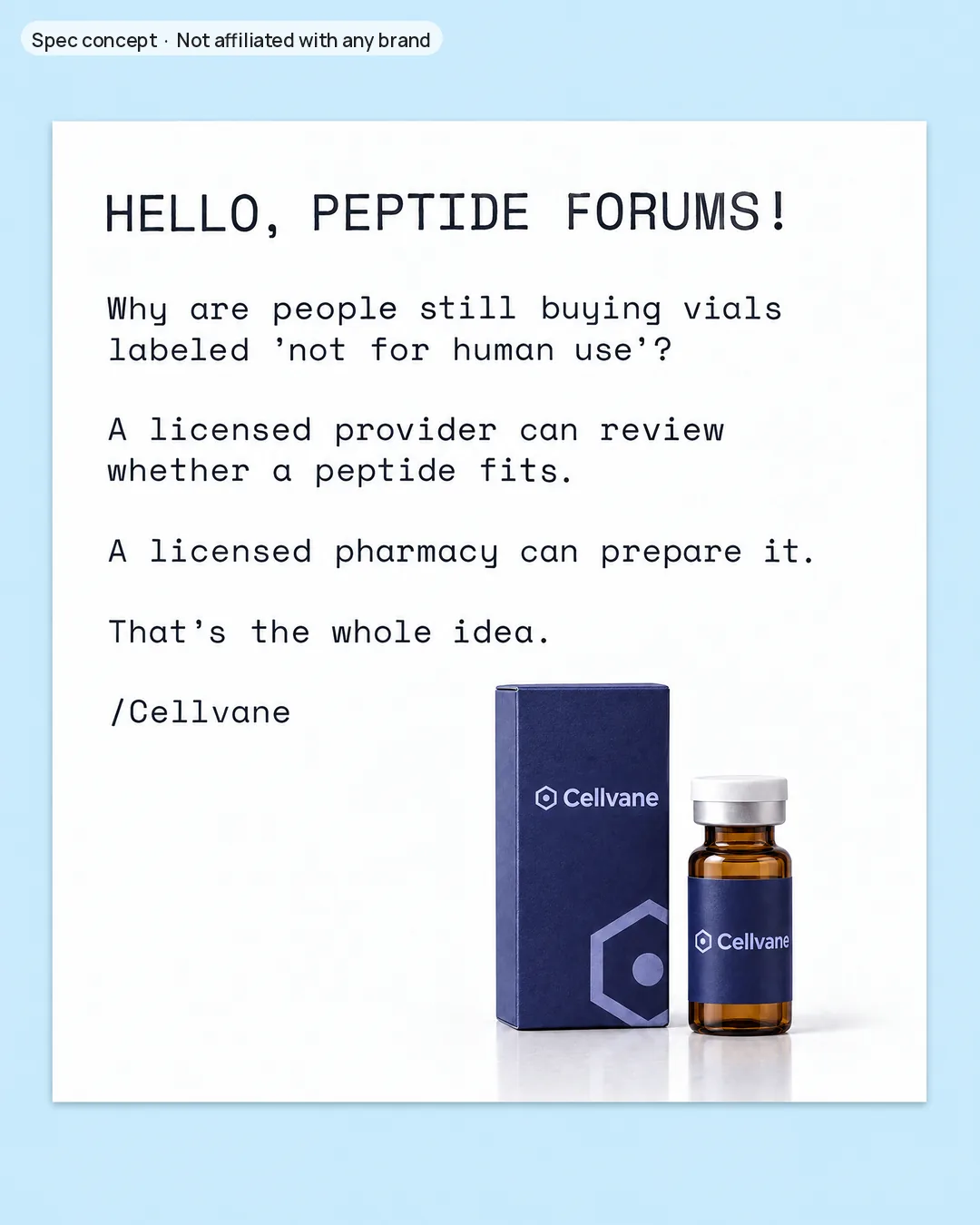
Problem aware
Peptides · Typewriter open letter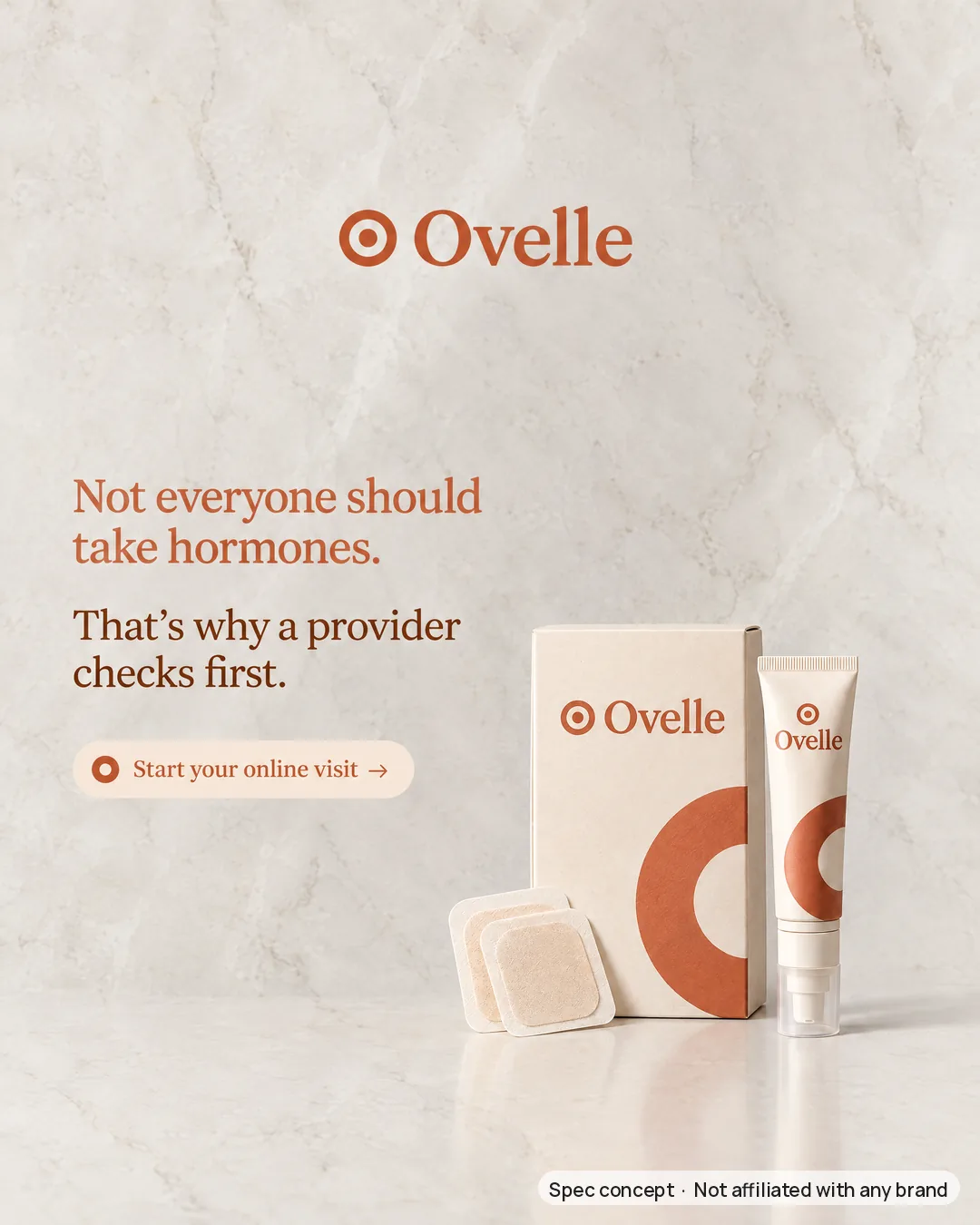
Solution aware
HRT · Minimal premium statement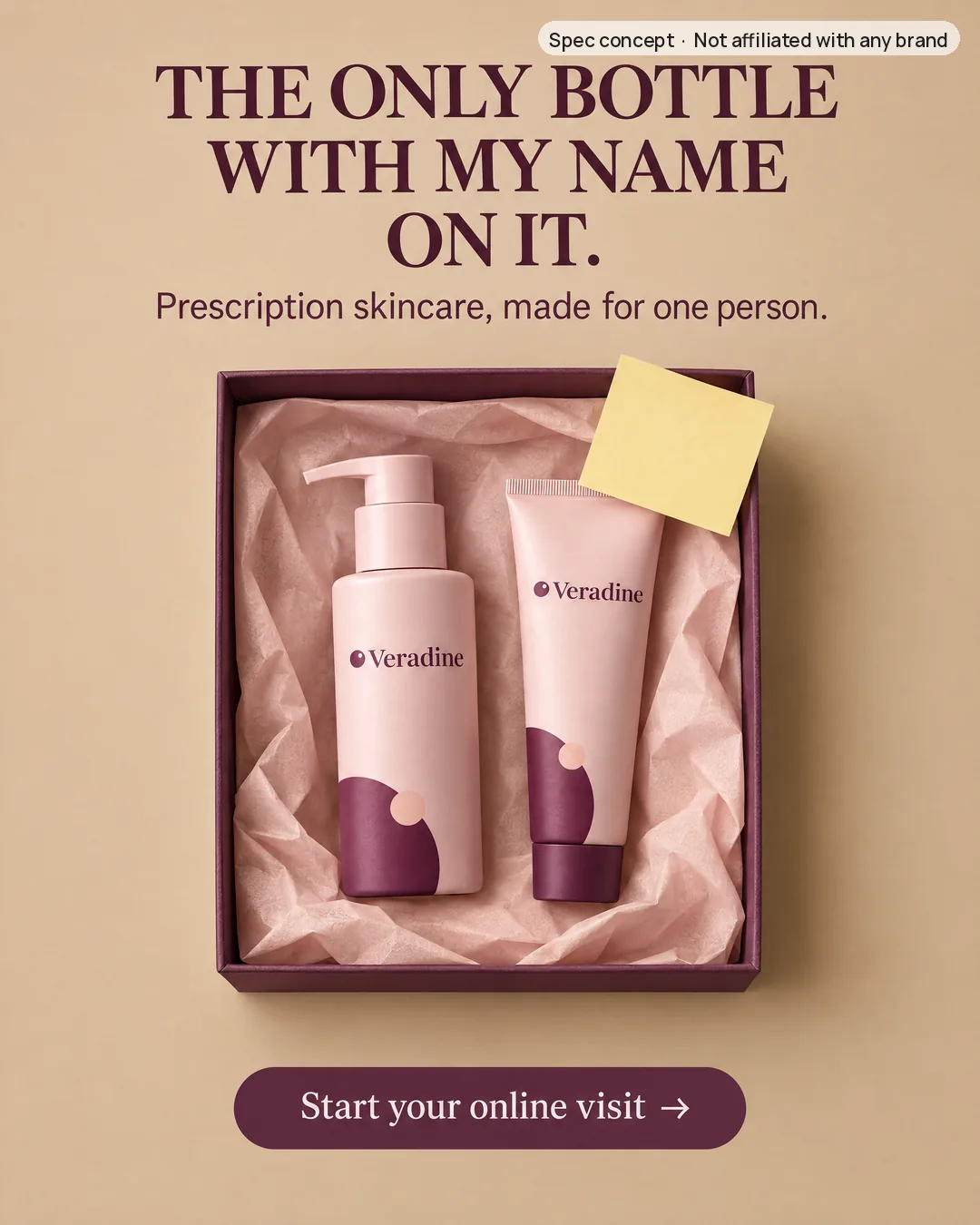
Product aware
Skin · Box with product + sticky note
Most aware
Blood testing · 'Your new favorite' product + button
The brands in the statics are spec concepts made by Telehealth Media, not real companies. See the monthly packages.
Format posters
Spec concepts made to show each format. They are not client ads.
UGC scene 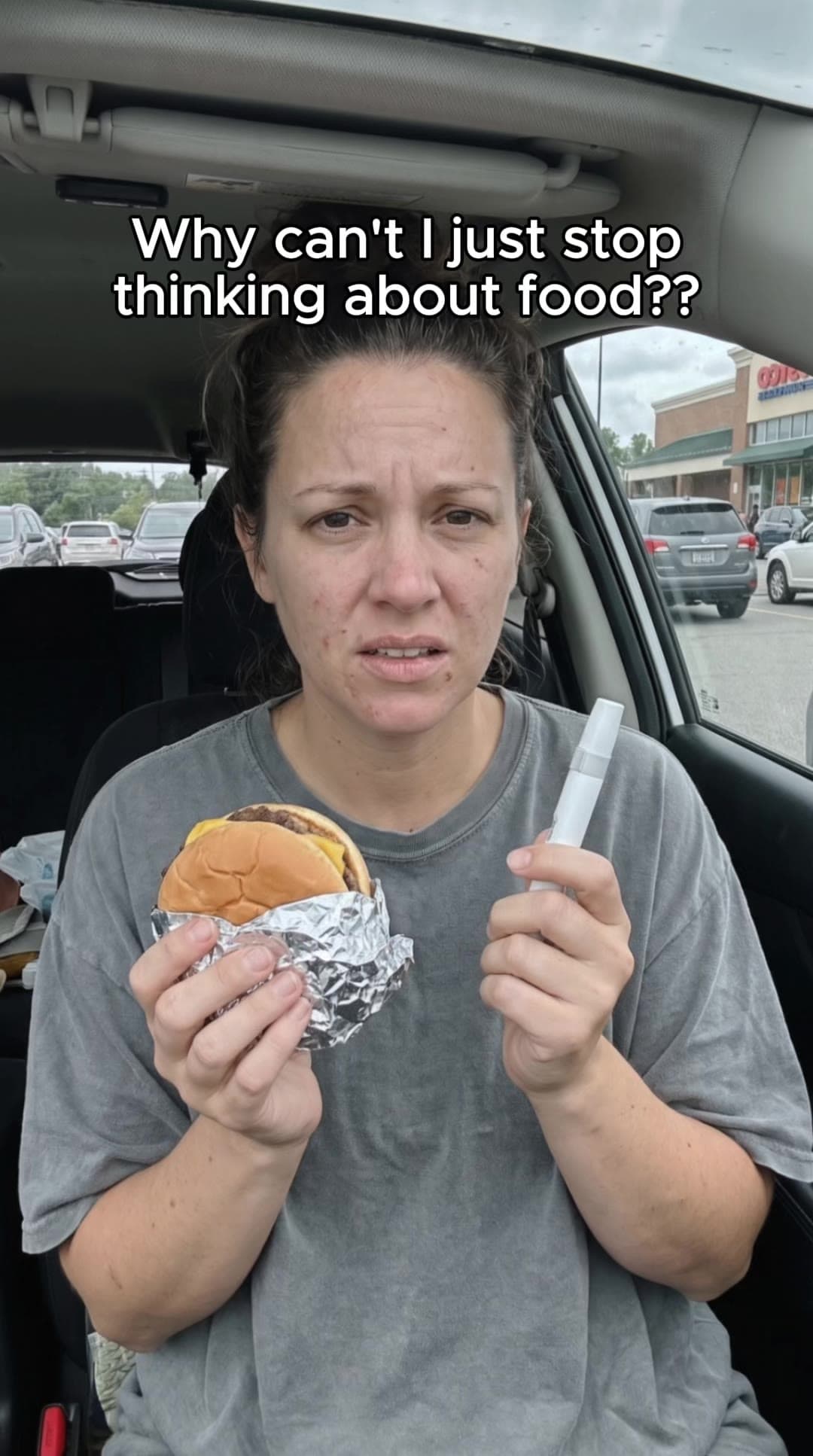
In-car POV 
Testimonial 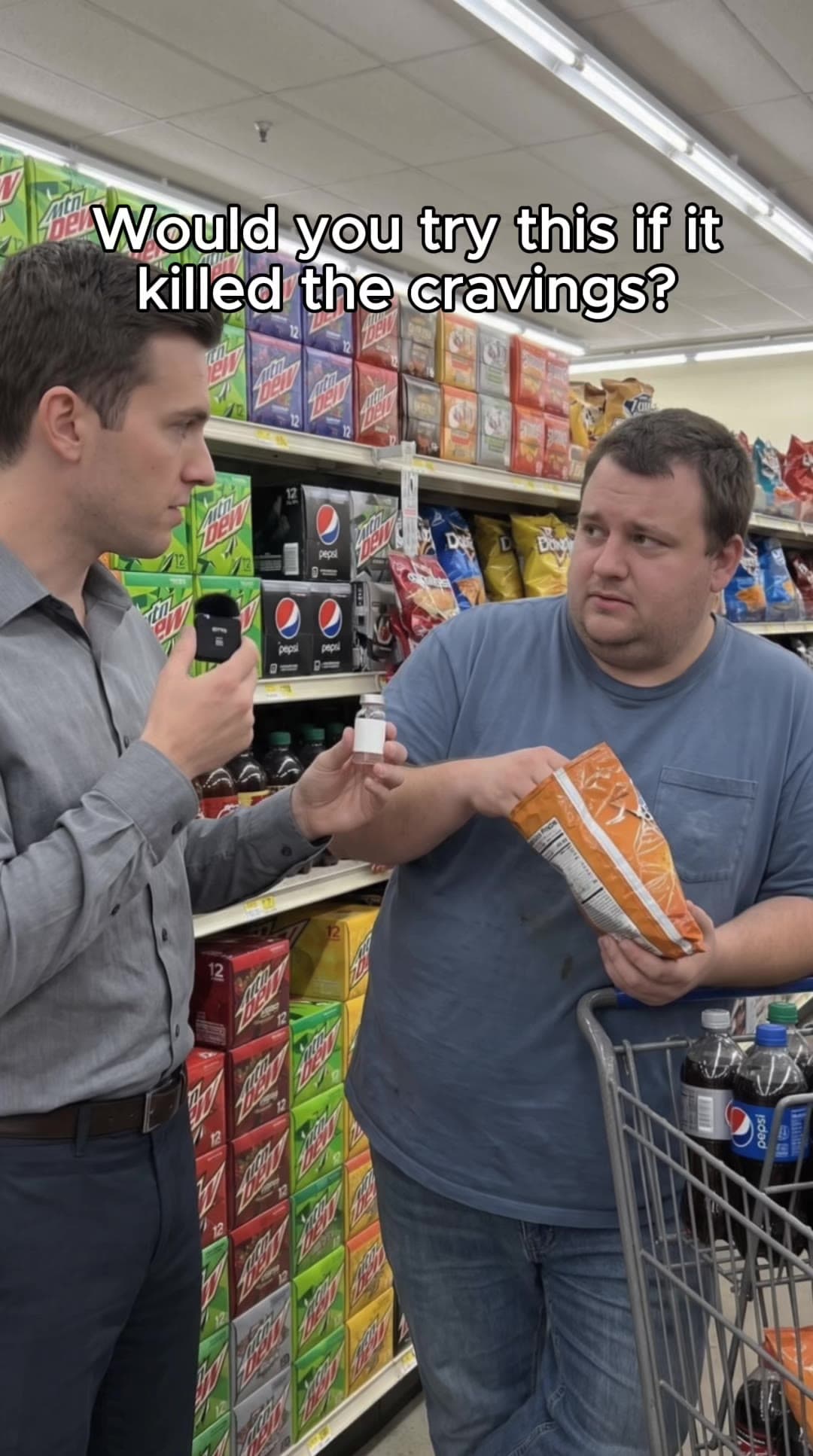
Street interview 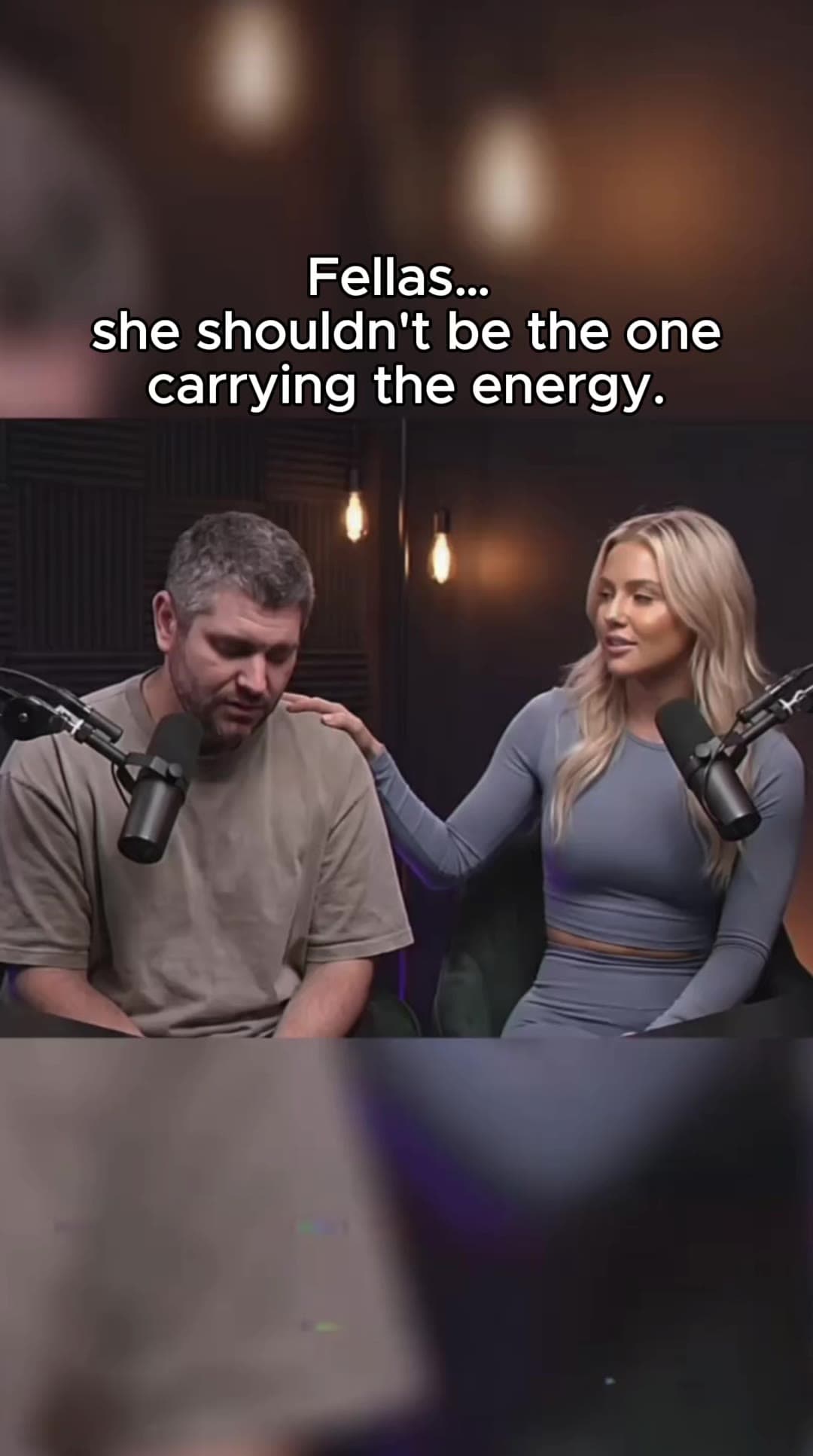
Podcast cut 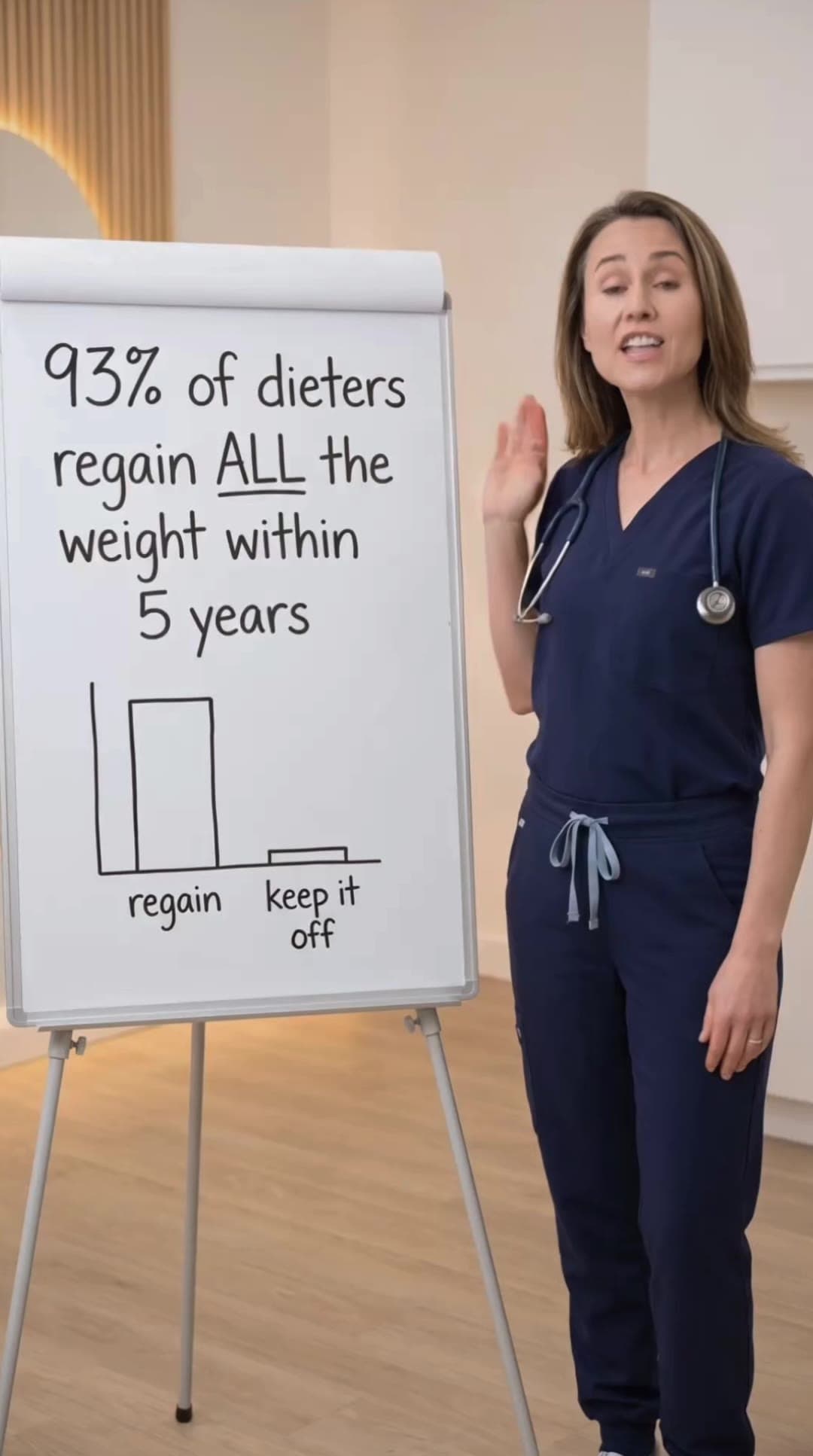
Whiteboard 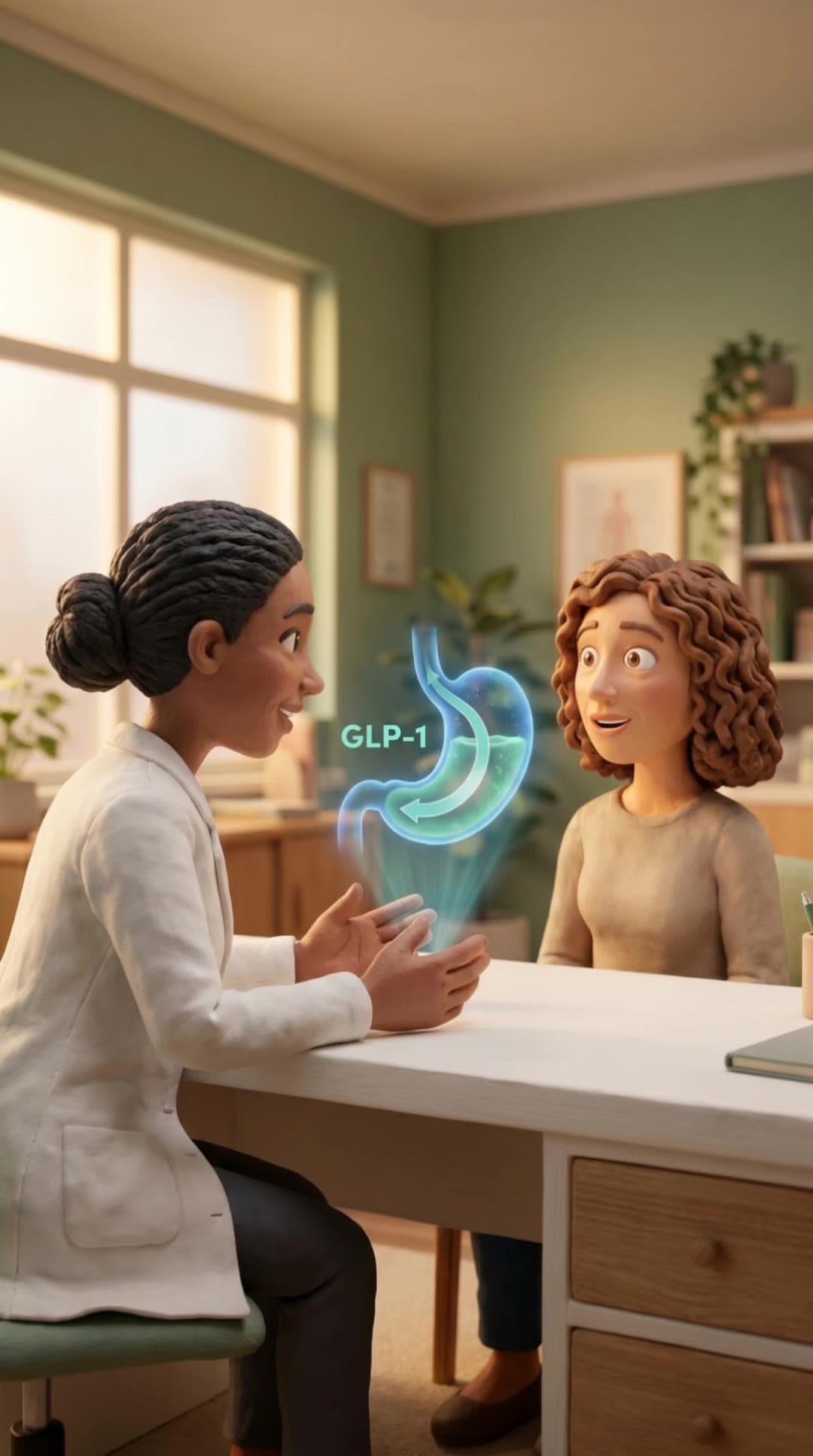
Claymation 
Split screen 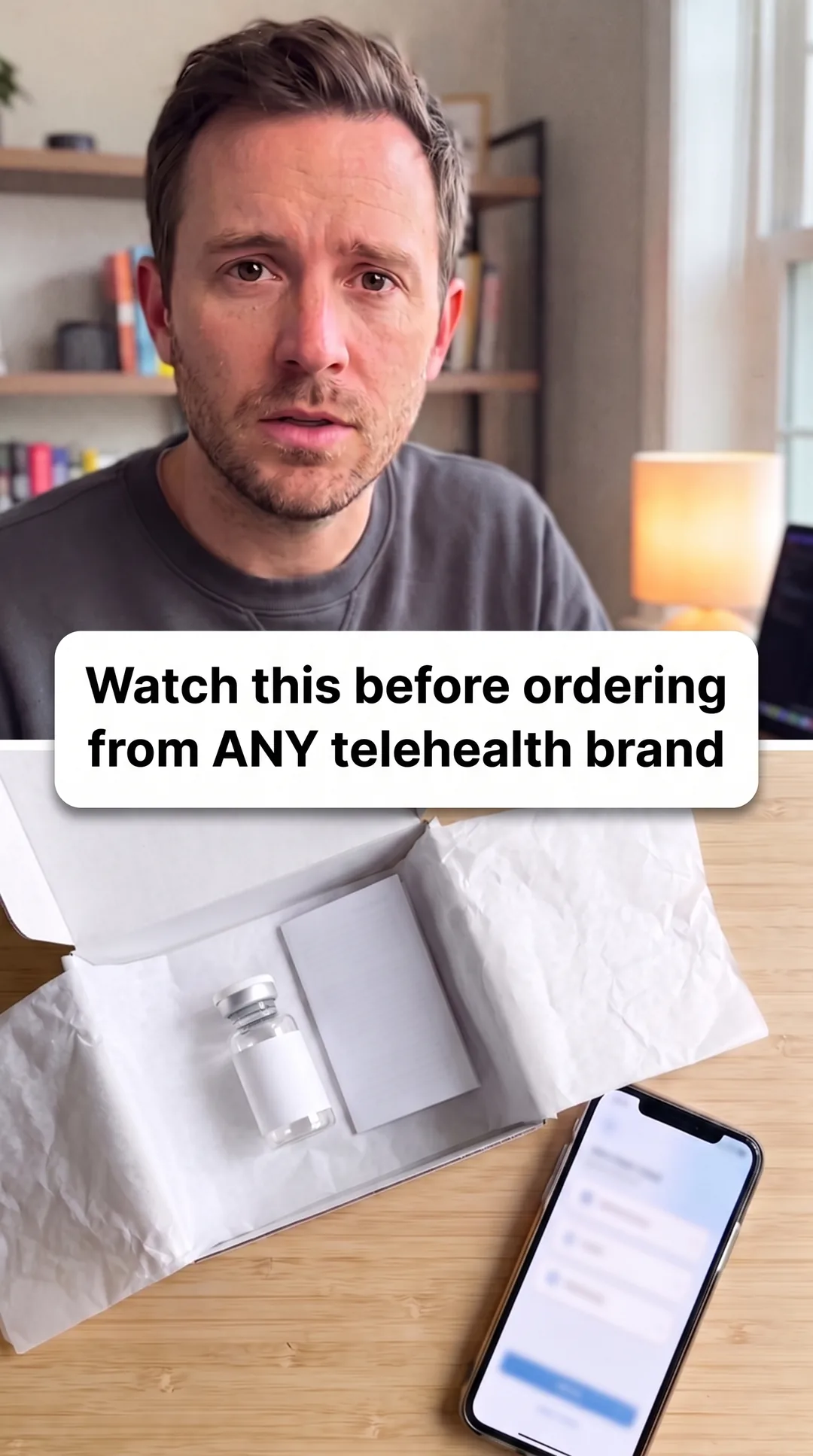
Founder voiceover 
Cinematic
Free tools for this
Questions
What is a UGC ad?
An ad made to look like a real person filmed it on a phone, such as a talking head, an in-car video or a short scene. It is usually paid, scripted and run as an ad.
Can a UGC creator say a treatment worked for them?
Only if it is their real experience, the claim can be backed up and the paid relationship is disclosed. Platform rules on health claims apply on top of that.
Is more ads just more of the same?
It can be, if every ad gives the same reason to buy. A batch is 10 different formats of one angle, and each batch is a different angle. The volume comes from new angles and new formats, not lookalike versions of one ad.
Our best ads stop working after a few weeks. Do batches fix that?
Batches are built for it. Ads usually fade because the audience has seen the same reason to buy too many times. Each batch is a new angle, so when an angle tires you replace it with a different reason to buy, not another cut of the same video.
This is general information about platform policies, not legal advice. Check the current policy before you run ads. Policies checked on 29 October 2026.