Before and After Claims in Telehealth Advertising: The Full Compliance Guide
How to use before and after content in telehealth ads compliantly. What disclaimers you need, what Meta allows, and how to avoid FTC violations.
Concepts shown are internal creative studies, not client campaigns.








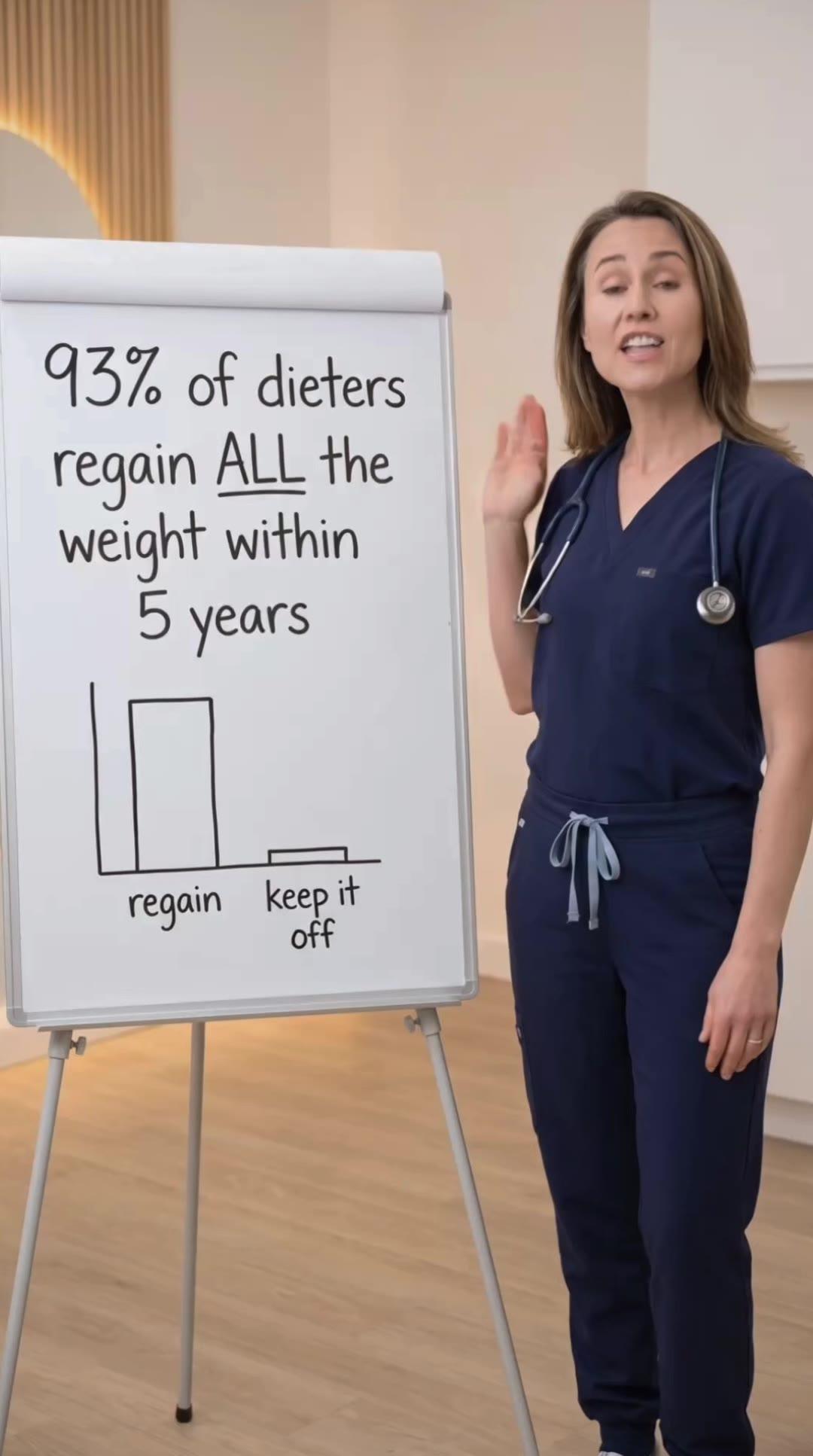
Before and after content is the highest-converting creative format for telehealth brands, and it is also the most heavily regulated. FTC requires that transformation imagery reflect typical results, not exceptional outcomes. FDA treats before and after claims as efficacy claims that require risk disclosures. Meta enforces both standards plus additional platform policies that prohibit exaggerated transformations. Most telehealth brands violate at least one of these rules, which is why before and after ads get rejected more often than any other format. This guide explains how to run transformation content that converts and stays compliant.
Why Before and After Content Is High-Risk
Before and after imagery makes an implied efficacy claim. Even if your ad does not say "this medication causes weight loss" or "this treatment reverses hair loss," the visual transformation communicates that message. FTC and FDA treat implied claims the same as explicit claims, which means before and after content is subject to the same disclosure requirements as text-based efficacy claims.
Most violations happen because the transformation appears exaggerated or unrealistic. If the before photo shows complete baldness and the after photo shows a full head of hair, regulators assume the transformation is fabricated. If the before photo shows severe obesity and the after photo shows a fit physique, regulators assume the result is not typical. Even if the transformation is real, a disclaimer that individual results vary is not enough by itself. The FTC's Endorsement Guides questions and answers say that if you do not have proof the result represents what people will generally achieve, the ad must make clear what the generally expected results are.
FTC Rules for Before and After Advertising
FTC requires that before and after content reflect typical consumer experiences. If most patients lose 15-20 pounds with semaglutide, you cannot show a patient who lost 60 pounds with only a disclaimer. The FTC's Endorsement Guides questions and answers say that if an advertiser does not have proof that the endorser's experience represents what people will generally achieve, the ad must make clear what the generally expected results are. A "results not typical" or "individual results vary" disclaimer does not do that on its own. The ad must state the generally expected results, and the brand must be able to support that statement.
The disclaimer must be "clear and conspicuous," which means it is visible for at least three seconds in video ads, appears in readable font size, and is not hidden in fine print. A small text disclaimer that appears for half a second at the end of a 30-second video does not meet FTC standards.
If the patient in your before and after content was compensated, FTC requires you to disclose that. "Paid testimonial" or "compensated patient" must appear on screen. Most telehealth brands skip this disclosure, which is a violation.
This is what compliant telehealth creative looks like.
See the work →FDA Rules for Before and After Claims in Prescription Drug Ads
FDA treats before and after imagery as a drug advertising claim if the transformation is attributed to prescription medication. That means before and after ads for semaglutide, finasteride, or testosterone are subject to the same disclosure requirements as text-based efficacy claims. You must include risk information and contraindications.
Most telehealth brands cannot meet this standard in short-form video ads because the risk disclosures take up too much time and hurt conversion rates. The safest approach is to use before and after content for awareness and education, not direct-response sales. Show the transformation with heavy disclaimers, explain that results vary, and position the ad as patient education rather than product promotion.
If you do use before and after content in direct-response ads, balance the transformation imagery with risk information. If you show a 40-pound weight loss transformation, immediately follow with "semaglutide may cause side effects including nausea, vomiting, and digestive issues. Individual results vary." The risk disclosure must be as prominent as the benefit claim.
Meta's Specific Requirements for Before and After Ads
Meta allows before and after content for healthcare products if proper disclaimers are included. The platform prohibits exaggerated transformations, unrealistic timelines, and before and after content that appears fabricated or manipulated.
What passes review: Realistic transformation showing gradual progress over 6-12 months. An on-screen statement of the generally expected results, visible for at least three seconds, repeated in voiceover. A "results not typical" or "individual results vary" line on its own does not meet FTC guidance.
What gets rejected: Dramatic transformation showing extreme changes in short timelines. No disclaimers or disclaimers that are too small to read. Before and after imagery that appears edited or manipulated.
Meta is especially strict on weight loss before and after ads because the category has a history of false advertising and photoshop manipulation. If your transformation looks too good to be true, Meta will assume it is fabricated and reject the ad.
How to Structure Compliant Before and After Ads
Show realistic timelines. A 40-pound weight loss transformation over 12 months is more credible than the same transformation over 8 weeks. Longer timelines signal realistic expectations and pass review more reliably.
Use multiple progress checkpoints. Instead of showing just before and after, show month 0, month 3, month 6, and month 12. This format demonstrates gradual progress and reduces the perception that results are exaggerated or fabricated.
Make disclaimers prominent. Overlay the generally expected results in large text for at least three seconds. A "results not typical" line alone is not enough under FTC guidance. Place the disclaimer at the moment the transformation is shown, not at the end of the video. Include the same disclaimer in voiceover for added emphasis.
Include physician oversight signals. Show that the transformation happened under medical supervision. "Patient lost 35 pounds over 10 months with physician-supervised semaglutide therapy" frames the result as part of a medical treatment plan, not a quick-fix product.
The Safest Before and After Format for Telehealth
Before and after with heavy disclaimers and physician narration. A licensed doctor walks through the patient's treatment journey, explains the timeline, discusses the medication and lifestyle changes, and states the results patients generally achieve rather than only noting that results vary. The doctor's presence adds medical credibility and signals that this is healthcare, not supplement marketing.
Progress timelines instead of single before and after. Show the patient at multiple stages: baseline, month 3, month 6, month 12. This format avoids the "dramatic reveal" feel of traditional before and after ads and demonstrates realistic, gradual progress.
Service-focused before and after. Instead of showing physical transformation, show the patient's experience over time. "Before telehealth, I spent hours in waiting rooms. After, I manage everything from home." This format shifts the transformation from clinical results to service experience, which is fully compliant.
What to Do If Your Before and After Ad Gets Rejected
Check if the transformation appears exaggerated or unrealistic. Use more gradual progress imagery. Replace a 60-pound transformation with a 25-pound transformation. Meta is more lenient on moderate results than extreme results.
Check if your disclaimers are prominent and complete. Making "results not typical" larger does not fix an ad that never states the generally expected results. State those results, make the statement large, visible and present for long enough to read, and add it in voiceover, not just text overlay.
Check if the timeline is too short. Replace "8 weeks" with "6 months." Longer timelines signal realistic expectations and pass review more reliably.
Check if the patient was compensated and you failed to disclose it. Add "paid testimonial" on screen if the patient received compensation.
Before and After Content for Different Telehealth Verticals
GLP-1 and weight loss brands face the strictest review for before and after content. Meta flags weight loss transformations aggressively because the category has a history of false advertising. Use moderate transformations (15-30 pounds over 6-12 months) with heavy disclaimers. Avoid dramatic reveals.
Hair loss brands can use before and after content more freely because the category has less regulatory scrutiny. But the transformation must still be realistic. A patient regrowing hair over 10-12 months is credible. A patient going from bald to full hair in 8 weeks is not.
TRT and ED brands should avoid before and after content tied to physical appearance. Meta is sensitive to physique-based transformations for men's health products because they resemble steroid advertising. Focus on symptom relief timelines instead of visual transformations.
How to Test Before and After Content Without Triggering Account Restrictions
Launch before and after ads at small budgets first. Test at $50-100 per day to confirm the creative passes review before scaling. If Meta rejects the ad, you lose $50 instead of $5,000.
Test multiple disclaimer formats for how the generally expected results are stated. An ad that passes platform review with only "results not typical" or "individual results vary" still falls short of FTC guidance, which requires the generally expected results to be made clear. Small wording changes affect review outcomes.
Track which transformations pass review and which get rejected. Build an internal library of compliant before and after content. Over time, you will develop a standard for what works in your vertical.
For more on telehealth advertising compliance, see our guides on testimonial rules, writing compliant ad copy, and Meta ad policies. If your before and after ads keep getting rejected, read why ads get rejected. More at our compliance hub.
Need compliant before and after content for your telehealth brand? We produce transformation videos that pass review on first submission. Book a call.
Creative built to pass review, and convert anyway.
A 30-minute call. We audit your creative approach and show you exactly what a complete angle-format-hook system looks like for your vertical.