Testimonial Rules for Telehealth Advertising: FTC and Meta Guidelines
How to use patient testimonials in telehealth ads compliantly. FTC endorsement rules, Meta review requirements, and what disclaimers you need.
Concepts shown are internal creative studies, not client campaigns.








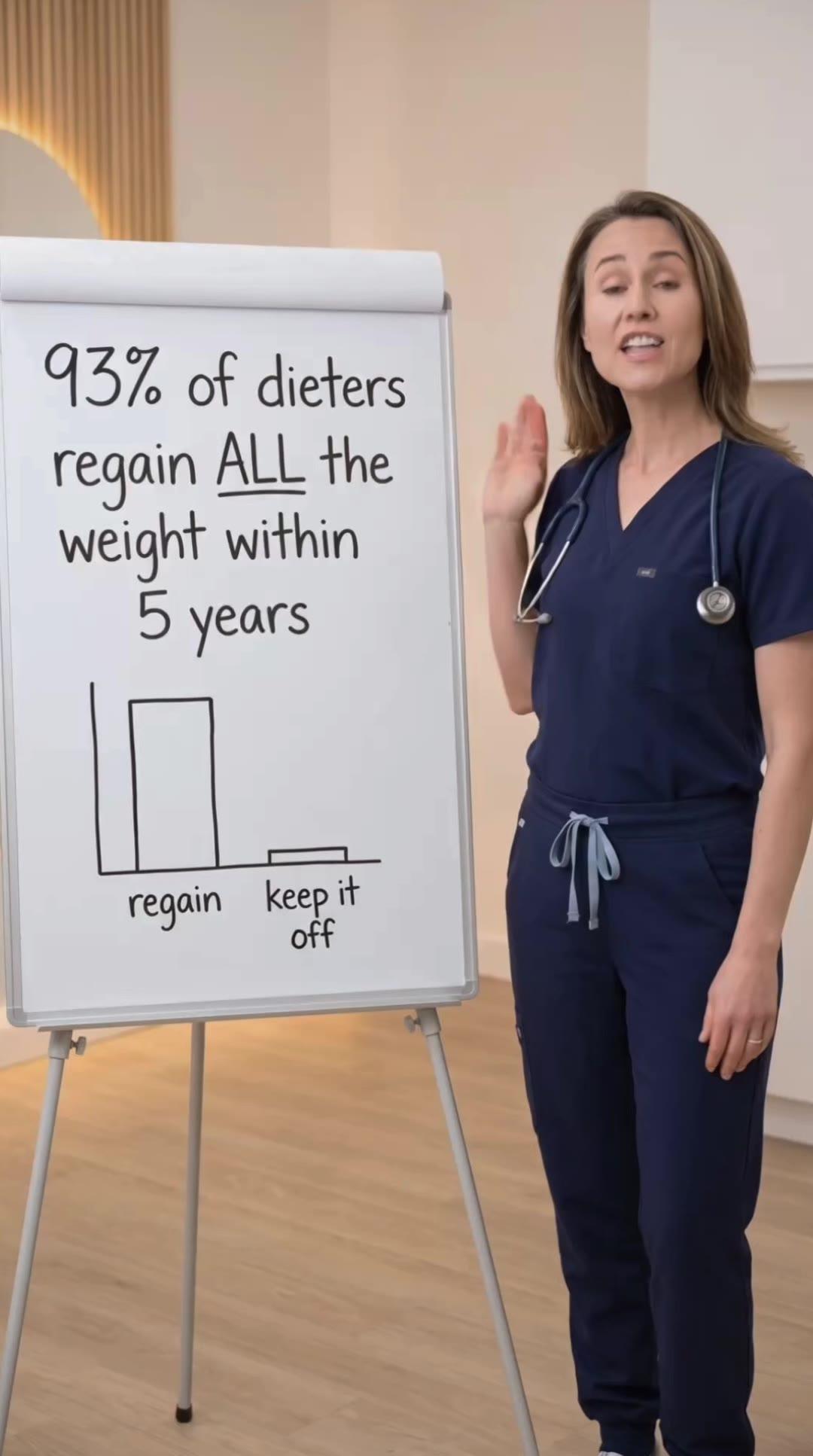
Patient testimonials are the highest-converting creative format for telehealth ads, and they are also the riskiest from a compliance perspective. FTC endorsement rules, FDA advertising guidance, and Meta healthcare policies all regulate how you can use testimonials in prescription medication advertising. Most telehealth brands violate at least one of these standards without realizing it. This guide explains how to run testimonial ads that convert and stay compliant based on producing over 1,000 testimonial videos for telehealth brands.
Why Testimonials Are High-Risk for Telehealth
Testimonials about medical treatments are regulated more strictly than testimonials about consumer products. The FTC requires that endorsements reflect typical consumer experiences, not exceptional results. FDA treats patient testimonials as advertising claims subject to the same standards as brand-created content. Meta enforces both FTC and FDA rules, plus their own healthcare advertising policies. If your testimonial violates any of these standards, your ad gets rejected or your account gets flagged.
Most violations happen because the patient makes a medical efficacy claim that the brand cannot substantiate. "This medication changed my life" or "I lost 50 pounds in 12 weeks" are both efficacy claims, even when they come from real patients. The fact that the patient said it does not exempt you from compliance requirements. You are responsible for everything in your ads, including patient statements.
FTC Endorsement Rules for Telehealth Testimonials
The FTC requires that testimonials reflect "typical" results. If a patient in your ad lost 40 pounds with semaglutide, but most patients lose 15-20 pounds, the testimonial is misleading unless you include a disclaimer. The disclaimer must state "results not typical" or "individual results may vary," and it must be clear and conspicuous.
Clear and conspicuous means the disclaimer is visible for at least three seconds in video ads, appears in readable font size, and is presented in both text overlay and voiceover when possible. A two-word disclaimer that flashes for half a second at the end of a 30-second video does not meet the standard.
If you pay patients to provide testimonials, FTC requires you to disclose the material connection. "Paid testimonial" or "compensated endorsement" must appear on screen. Most telehealth brands skip this disclosure, which is a violation. The fact that you compensated the patient is material information that affects how consumers evaluate the testimonial.
This is what compliant telehealth creative looks like.
See the work →FDA Rules for Patient Testimonials in Prescription Drug Ads
FDA treats patient testimonials as drug advertising if the patient discusses treatment outcomes. That means testimonials about prescription medications are subject to the same disclosure requirements as brand-created ads. If the patient makes an efficacy claim, you must include risk information and contraindications.
Most telehealth brands cannot meet this standard in short-form video ads, which is why the safest approach is to avoid outcome-based testimonials entirely. Instead, have patients discuss the service experience: how easy the consultation was, how quickly medication arrived, how professional the provider was. Service testimonials are not regulated as drug advertising, which eliminates the FDA disclosure burden.
If you do use outcome-based testimonials, balance benefit statements with risk information. If a patient says "I lost 40 pounds," follow it immediately with "individual results vary, and semaglutide may cause side effects including nausea and digestive issues." The risk disclosure must be presented with equal prominence to the benefit claim.
Meta's Specific Requirements for Testimonial Ads
Meta enforces both FTC and FDA rules, plus additional platform-specific policies. Before and after testimonials must include visible disclaimers. Results-based testimonials must clarify that outcomes vary. Paid testimonials must disclose compensation.
Meta also prohibits certain types of testimonial content in healthcare advertising: exaggerated transformations, testimonials from minors, testimonials that imply guaranteed results, and testimonials that reference specific medical conditions without proper framing. If your testimonial violates any of these standards, the ad gets rejected.
The format that passes review most reliably: patient discusses the service experience, mentions they are working with a licensed provider, and avoids specific outcome claims. "I talked to a doctor online and had my prescription filled the same week. The process was easy and private" is compliant. "I lost 30 pounds in eight weeks and feel amazing" is not.
What Patients Can and Cannot Say in Testimonials
Patients can discuss the service experience. "The consultation was straightforward" or "my medication arrived faster than expected" are service claims, not medical claims. These testimonials are allowed without risk disclosures.
Patients can mention they are under physician supervision. "My doctor recommended this medication and monitors my progress" reinforces that your service operates within medical standards. This framing helps compliance.
Patients cannot make unqualified efficacy claims. "This cured my symptoms" or "I saw results in two weeks" are medical claims that require disclaimers and risk information. If patients make these statements, you must add context.
Patients cannot compare your service to other treatments. "This worked better than everything else I tried" is a comparative claim that most telehealth brands cannot substantiate. Meta treats it as misleading advertising.
How to Structure Compliant Testimonial Scripts
Start with the patient problem in terms of access barriers, not medical symptoms. "I struggled to find time for doctor appointments" works better than "I struggled with low energy and weight gain." The first is a logistical problem. The second is a medical symptom that triggers stricter review.
Have the patient describe the service steps: consultation, prescription, medication delivery, follow-up. This structure keeps the testimonial focused on experience, not outcomes. It also builds trust by walking prospects through what to expect.
If the patient mentions results, immediately follow with disclaimers. "I lost 25 pounds over six months, but my doctor says everyone responds differently" includes both the outcome and the disclaimer in one sentence. This format meets FTC and FDA standards better than separating the claim and disclaimer.
How to Add Disclaimers to Video Testimonials
Overlay disclaimers as on-screen text. Display "results not typical" or "paid testimonial" for at least three seconds. Use white text on a dark background or dark text on a light background for maximum visibility. Place the disclaimer on the lower third of the screen where it does not block the patient's face.
Include disclaimers in voiceover. If the patient says they lost weight or experienced symptom relief, follow it with "individual results vary" in voiceover. The disclaimer must be audible, not just visible.
Place disclaimers at the moment the claim is made. Do not wait until the end of the video. If the patient mentions results at the 10-second mark, the disclaimer should appear at the 10-second mark. Real-time disclosure is more effective than delayed disclosure.
The Safest Testimonial Format for Telehealth
Service-only testimonials. Have patients discuss the consultation process, the provider interaction, the medication delivery timeline, and the follow-up care. Avoid mentioning specific outcomes. This format is fully compliant because it does not make medical claims. It also converts well because patients care about the service experience as much as the clinical results.
Physician-supervised testimonials. Have a patient and their doctor appear together. The patient discusses their experience. The doctor discusses the treatment plan. This format demonstrates medical oversight and builds credibility. Meta is more lenient on ads that feature licensed healthcare providers.
Before and after timelines with heavy disclaimers. If you must show transformation content, include disclaimers in text overlay, voiceover, and end card. Make the disclaimer as prominent as the transformation itself. This format works but requires more compliance effort than service testimonials.
What to Do If Your Testimonial Ad Gets Rejected
Check if the patient made an efficacy claim without disclaimers. Add "results not typical" in text overlay and voiceover. Resubmit for review.
Check if the patient referenced a specific medical condition. Reframe the testimonial to focus on healthcare access instead of symptom relief. "I wanted to talk to a doctor about my health" works where "I needed treatment for ED" does not.
Check if the transformation content appears exaggerated. Use more realistic before and after imagery. Meta is sensitive to transformations that seem fabricated or misleading.
For more on telehealth advertising compliance, see our guides on before and after claims, writing compliant ad copy, and FDA advertising rules. If your testimonial ads keep getting rejected, read why ads get rejected. More at our compliance hub.
Need compliant testimonial videos for your telehealth brand? We produce patient testimonial ads that pass review on first submission. Book a call.
Creative built to pass review, and convert anyway.
A 30-minute call. We audit your creative approach and show you exactly what a complete angle-format-hook system looks like for your vertical.