Can I Run Facebook Ads for a Medical Brand?
A plain-English answer for telehealth founders. What Meta actually allows, what triggers ad account problems, and how to set up so your brand stays live in 2026.
Concepts shown are internal creative studies, not client campaigns.








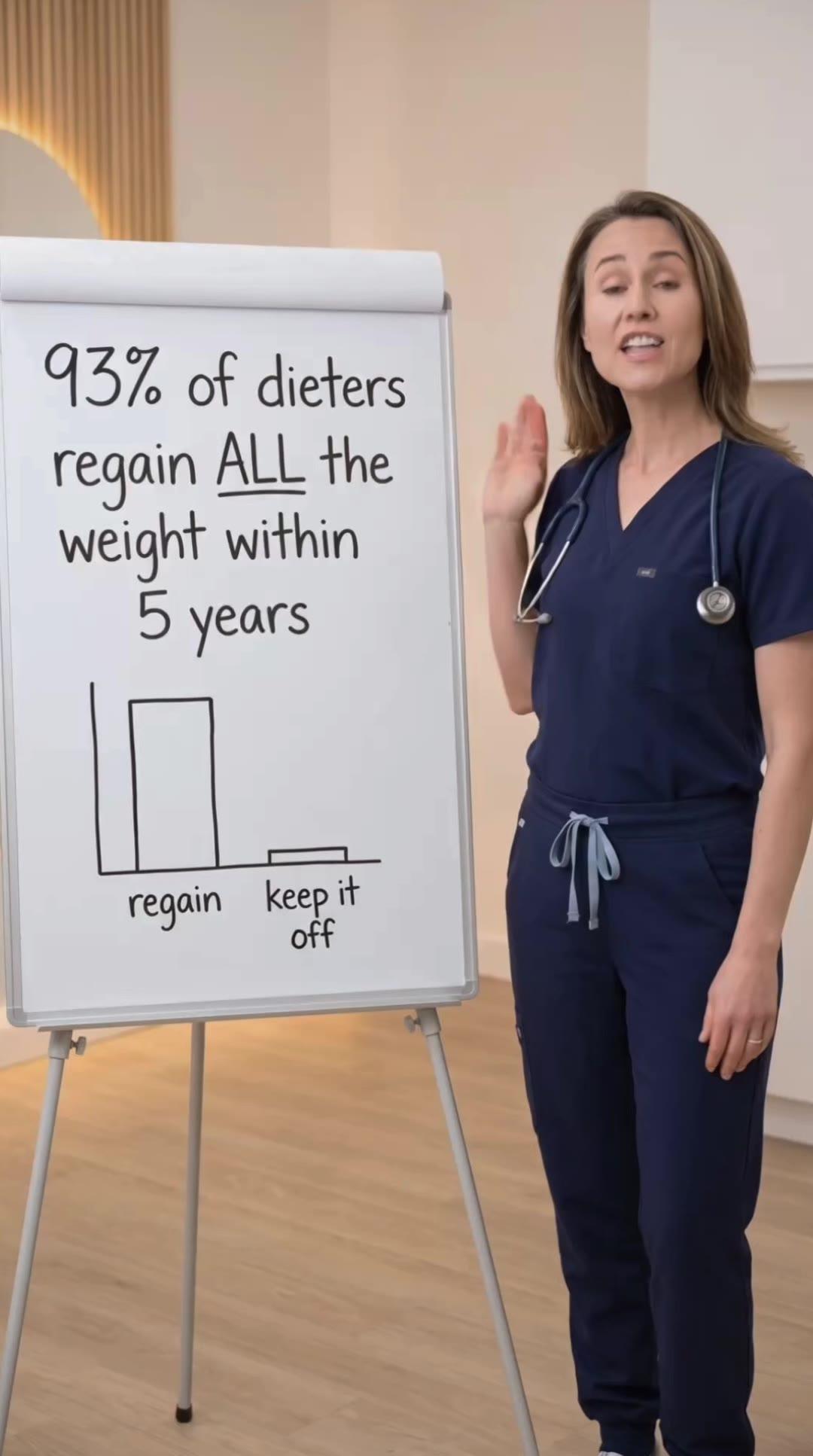
Yes, you can run Facebook ads for a medical brand. Most successful telehealth companies do, and Meta is the largest patient acquisition channel for the category. But there is a meaningful gap between what Meta technically allows and what actually keeps your account in good standing while you scale. Founders who think "can I run Facebook ads" is a yes-or-no question miss the more important nuance: what you can say, what you cannot, and how the setup decides whether you stay live.
Here is the plain-English answer for telehealth founders in 2026.
What Meta Allows for Medical Brands
Telehealth and medical brands are allowed to advertise on Meta if they sell legal products and services to US adults. There is no separate certification required at the Meta level (unlike Google Ads, which requires LegitScript). Your Business Manager just has to be set up cleanly with verified business details and a real website.
You can advertise prescription medication categories (GLP-1, TRT, ED, hair loss, mental health, peptide therapy) as long as the creative respects Meta's healthcare and personal-attribute policies. You can show real patients in compliant testimonial framing. You can talk about how medications work. You can advertise consultations and subscriptions.
What Meta Does Not Allow
Personal-attribute targeting language. Hooks that imply the viewer has a specific medical condition ("Living with anxiety?", "Are you struggling with low testosterone?") trigger personal-attribute policy flags. Even if literally true for the viewer, Meta will not approve the ad.
Specific outcome claims without substantiation. "Lose 30 pounds in 3 months", "Get full results in 30 days", "100% effective" — these are systemic rejection patterns.
Before-after weight loss imagery without strict compliance framing. The audience has become desensitized and Meta has tightened review. Even compliant before-after is more likely to be flagged in 2026 than in earlier years.
Pricing claims that omit material terms. Subscription auto-renewal, total commitment cost, supply chain qualifications — leaving them out of the ad and the landing page triggers both Meta and FTC scrutiny.
Set Up Your Account Right
Verify your business in Meta Business Manager with real legal entity details, a real address, and tax documentation. Sloppy setup is the number one reason new medical accounts get restricted inside the first 30 days.
Install the Meta Pixel and Conversions API on every page. Server-side measurement is not optional in 2026; without it, Meta's optimization degrades fast and your CAC drifts up.
Have a real privacy policy, terms of service, and HIPAA disclosure on your website. Reviewers check destination pages, and missing or boilerplate disclosures get accounts flagged.
For broader Meta-specific framing, see Meta ad policies for telehealth.
This is what compliant telehealth creative looks like.
See the work →Build Creative Inside the Guardrails
The creative patterns that stay approved in 2026 lead with situations instead of diagnoses, mechanism-of-action explanations instead of outcome claims, and provider authority instead of urgency. The brands that stay live consistently use these patterns; the brands that get restricted try to push the boundaries.
Lead with situational hooks. "When work feels heavier than it should..." works. "Are you depressed?" does not.
Lead with mechanism education. "Here is how this medication actually works at the receptor level." Works.
Lead with provider-led process transparency. "Here is what the consultation looks like." Works.
What to Do When You Get Rejected
Every medical brand gets ad rejections. The question is how you handle them. Log each rejection with the platform reason code and the asset variant. After 20-30 rejections, you will see a pattern in what triggers Meta's review system.
Push the patterns upstream into your creative brief so future ads avoid the same issue. Brands that do this get rejection rates below 10% within two months. Brands that re-submit the same ad with minor tweaks stay stuck at 30-40% rejection rates indefinitely.
For diagnosis of the most common rejection patterns, see why telehealth ads get rejected on Meta.
When Meta Restricts Your Account
Even good operators sometimes get account restrictions. The recovery path depends on the violation severity. Most first-time restrictions can be resolved in days through Meta's appeal process if your documentation is clean. Repeat violations or pattern violations take longer.
The brands that recover fastest have documented their creative changes, can show the specific corrective action they took, and have a clean Business Manager history. Brands with messy account histories and undocumented practices take weeks or months to recover.
The Short Version
You can run Facebook ads for a medical brand in 2026. Most successful telehealth companies do. The question is not whether Meta allows medical advertising, it is whether your setup, your creative, and your operational discipline are good enough to keep the account in good standing while you scale. Get the setup right, stay inside the creative guardrails, and treat rejections as signal rather than noise. Brands that operate this way grow on Meta. Brands that fight the platform get restricted.
Related Articles
What Can You Actually Say in a Telehealth Ad?
The plain-English version of telehealth ad compliance.
Meta Ad Policies for Telehealth
How Meta policies actually apply to telehealth advertising.
Telehealth Advertising Rules: A Founder's Plain-English Summary
The compliance landscape, summarized for founders.
Telehealth Ad Compliance Checklist
The pre-flight checklist before any telehealth ad goes live.
Creative built to pass review, and convert anyway.
A 30-minute call. We audit your creative approach and show you exactly what a complete angle-format-hook system looks like for your vertical.