What Can You Actually Say in a Telehealth Ad?
A plain-English guide to what telehealth ads can and cannot say in 2026. Specific language patterns that get approved, ones that get rejected, and how to think about claims in any category.
Concepts shown are internal creative studies, not client campaigns.
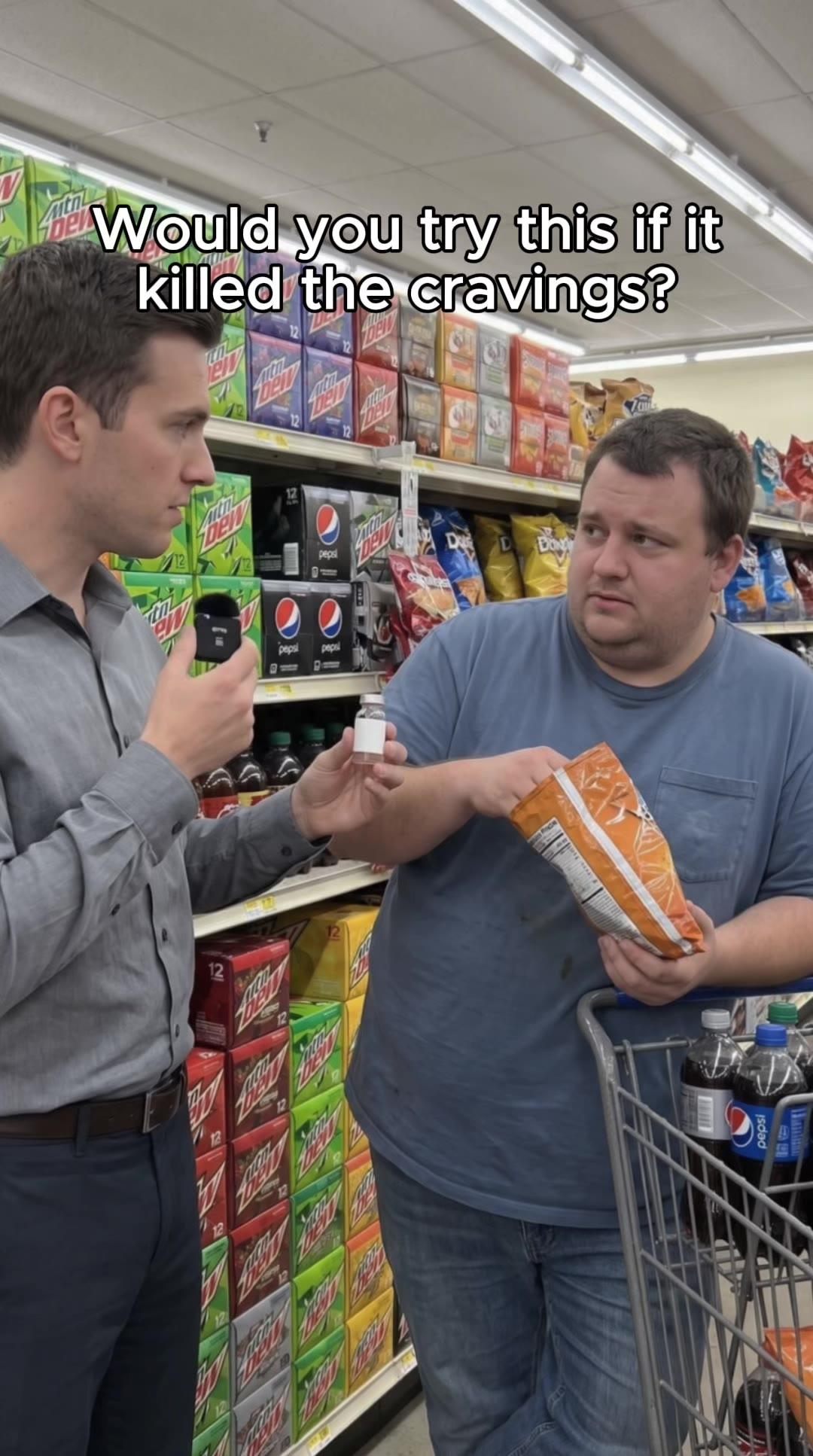
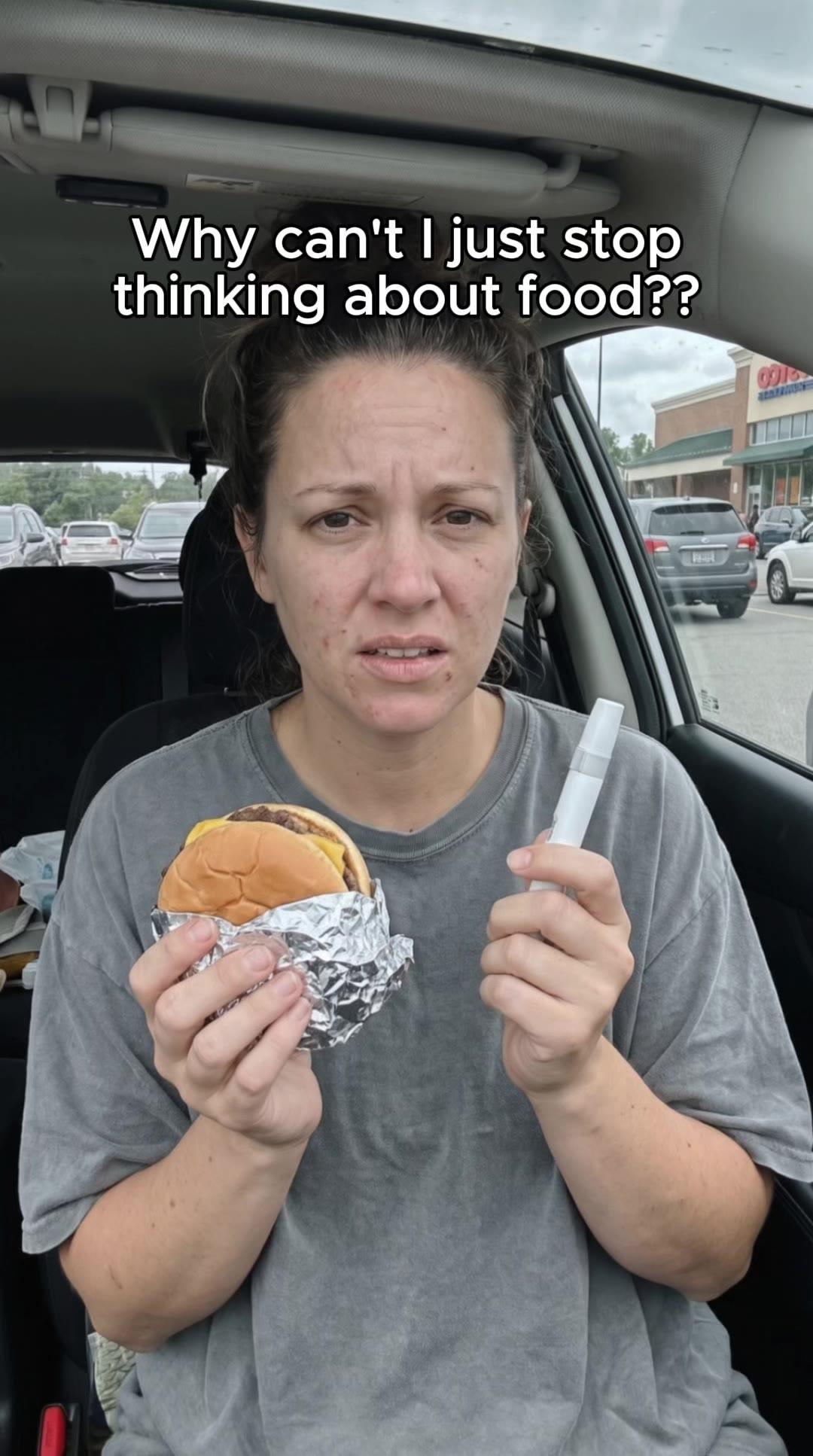

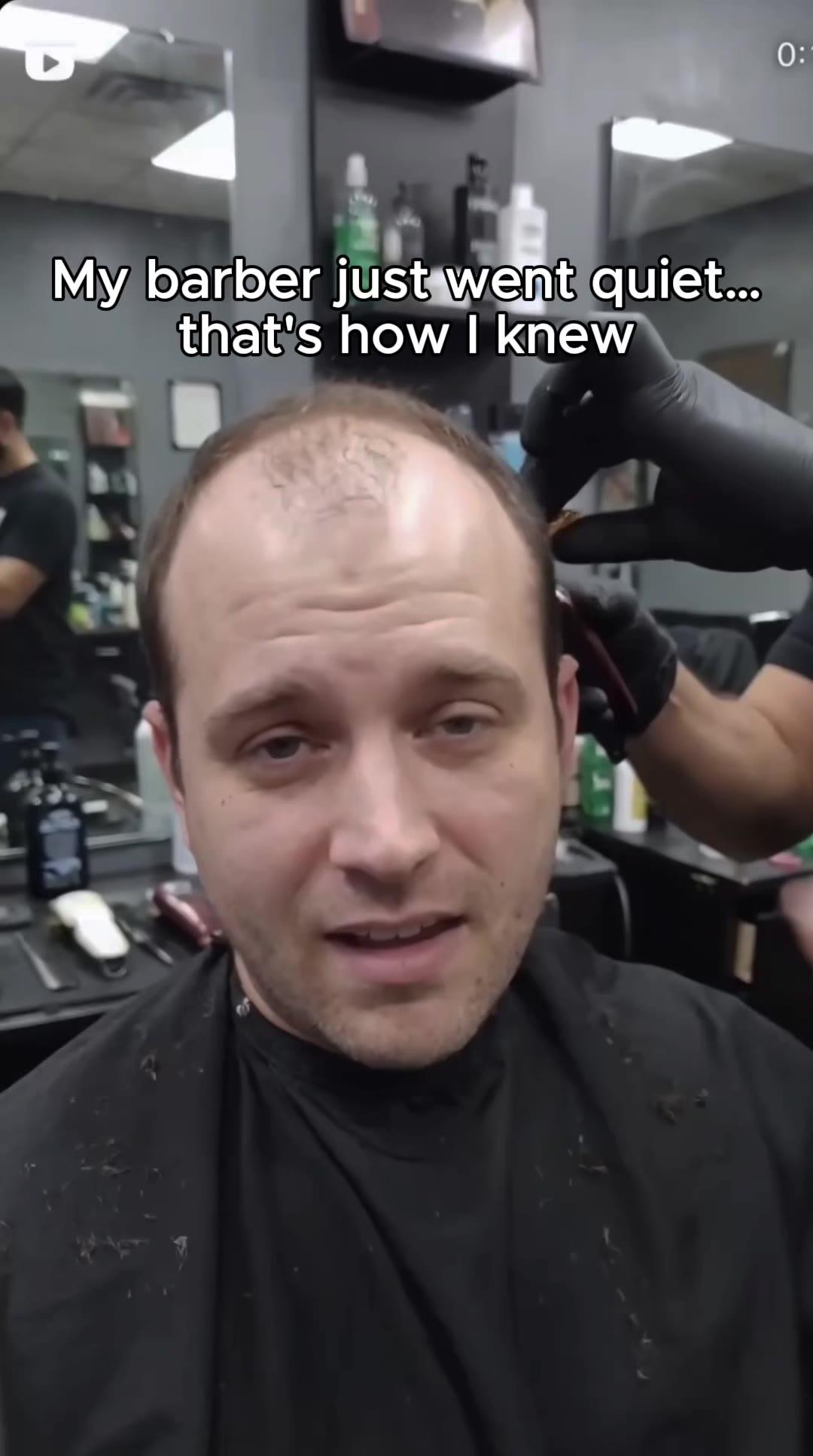




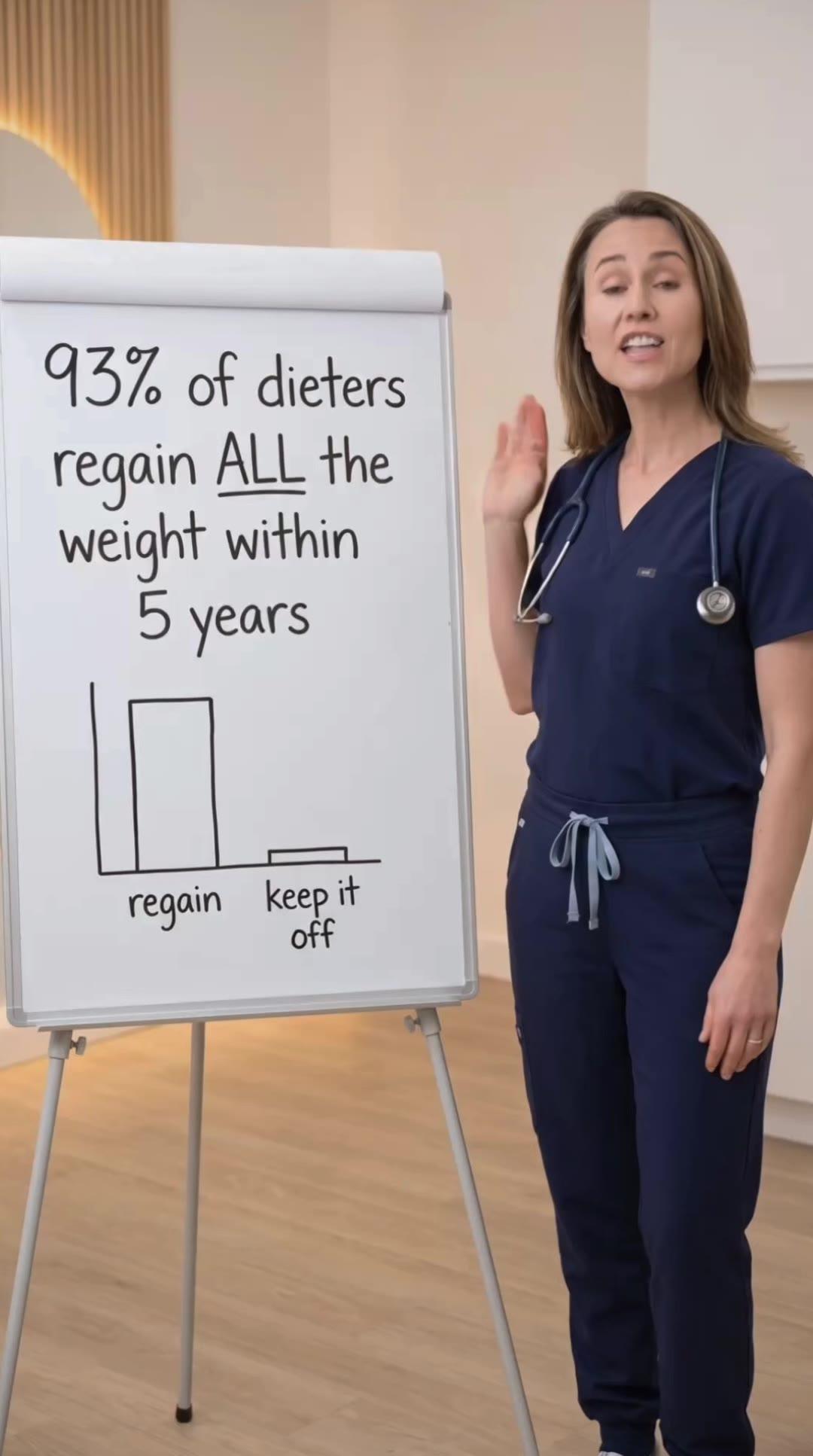
This question gets asked in every telehealth founder Slack and every agency kickoff. The compliance documentation from Meta, Google, and the FDA is legalistic and indirect; founders need a plain-English version that explains what they can put on screen and what they cannot. This article is that version.
Here is what you can say in a telehealth ad in 2026, what you cannot, and how to think about the gray area in between.
What You Can Say
How the medication works. Mechanism-of-action language is almost always approvable. "GLP-1 receptor agonists slow gastric emptying and modulate appetite signaling." Calm, factual, mechanistic.
What the consultation involves. Process descriptions are safe. "Our consultation includes a medical questionnaire, optional bloodwork review, and a virtual visit with a licensed clinician."
Who your providers are. Named providers with credentials and state licensure are encouraged. Specific clinician identity builds trust without claim risk.
What patients say (with caveats). Real patient stories work if you have proper consent and frame them as individual experiences. "Sarah from Austin: I noticed my energy returning by week six." Acceptable with the right disclosures.
Pricing transparency. You can and should be specific about pricing, subscription terms, and what is included. Transparency is safer than vagueness.
What You Cannot Say
Specific outcome guarantees. "Lose 30 pounds in 12 weeks." "Get full results in 30 days." Outcome guarantees are the single most common rejection trigger and the biggest FDA risk.
Personal-attribute targeting language. "Do you have ED?" "Are you struggling with depression?" "Living with anxiety?" These trigger Meta's personal-attribute policy flags even when literally relevant.
Comparisons that disparage alternatives. "Better than Wegovy." "Cheaper than in-person clinics." Comparative claims have a high bar of substantiation and usually trigger review.
Implied medical advice or diagnosis. "If you have these symptoms, you need TRT." This crosses from marketing into clinical guidance and creates regulatory exposure.
Aggressive urgency that does not match reality. "Only 5 spots left." "Price increases tomorrow." Manufactured urgency reads as scam to the audience and triggers platform review.
The Gray Area
Before-after imagery. Possible but requires strict compliance framing: real patients, consent documentation, disclaimer placement, and contextual language. Most brands either do it right (carefully, with paperwork) or do it wrong (and get flagged). For deeper guidance, see before-after claims in telehealth ads.
Outcome ranges. "Most patients report energy improvements within 4-6 weeks." Acceptable with provider context and qualifying language; risky without.
Provider opinion. "Dr. Chen recommends starting with the lower dose." Generally acceptable as long as the provider is real, the recommendation is qualified, and it does not cross into outcome guarantees.
This is what compliant telehealth creative looks like.
See the work →Language Patterns That Get Approved
"Many patients tell us..." Acceptable framing of common patient feedback.
"Most candidates for this medication share these characteristics..." Mechanism and candidacy framing without diagnostic claims.
"Here is what week one usually looks like..." Process and expectation-setting language.
"Our providers commonly see..." Clinical observation framing without specific patient diagnosis.
Language Patterns That Get Rejected
"Are you tired of..." Personal-attribute targeting.
"Lose X pounds." Specific outcome claim.
"Guaranteed results." Outcome guarantee.
"You need this medication." Implied diagnosis or clinical advice.
"Limited time offer, today only." Manufactured urgency.
How to Think About New Creative
Before submitting, run the ad through three filters. One: am I making a claim about specific outcomes? Two: am I targeting a personal attribute? Three: does my landing page support exactly what I am saying in the ad? If you can confidently answer "no, no, yes," the ad will usually clear.
If you are uncertain about any of the three, send the asset to your medical reviewer before launching. Reviewers catch issues founders cannot see, and the cost of a flagged account is far higher than the cost of an extra review cycle.
The Short Version
What you can say in a telehealth ad in 2026 is a lot, if you frame it carefully. Mechanism, process, provider identity, real patient stories, and transparent pricing are all approvable. What you cannot say is anything that promises specific outcomes, targets a personal attribute, or implies clinical advice. The brands that get this right build creative engines that stay live and convert. The brands that fight the line lose months to platform restrictions.
Related Articles
Compliant Ad Copy for Telehealth
A deeper dive on compliant telehealth ad copy.
Compliant Telehealth Ad Claims
How to make claims that survive review.
Telehealth Advertising Rules: A Founder's Plain-English Summary
The compliance landscape, summarized for founders.
Before-After Claims in Telehealth Ads
How to handle before-after imagery in telehealth advertising.
Creative built to pass review, and convert anyway.
A 30-minute call. We audit your creative approach and show you exactly what a complete angle-format-hook system looks like for your vertical.