The Difference Between Compliant and Non-Compliant Telehealth Ad Claims
How to identify compliant vs non-compliant claims in telehealth advertising. Real examples of what passes review and what gets rejected.
Concepts shown are internal creative studies, not client campaigns.



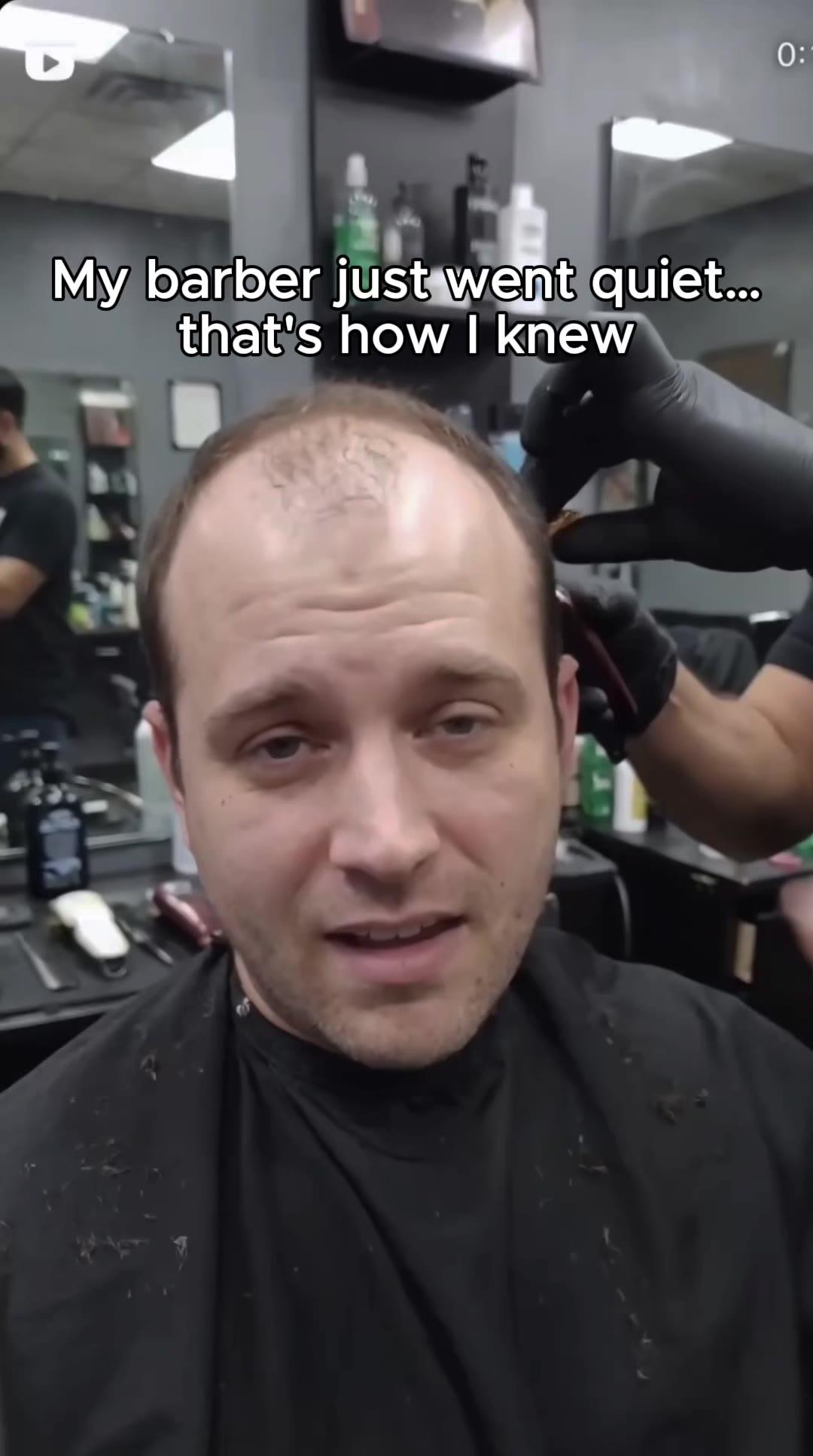




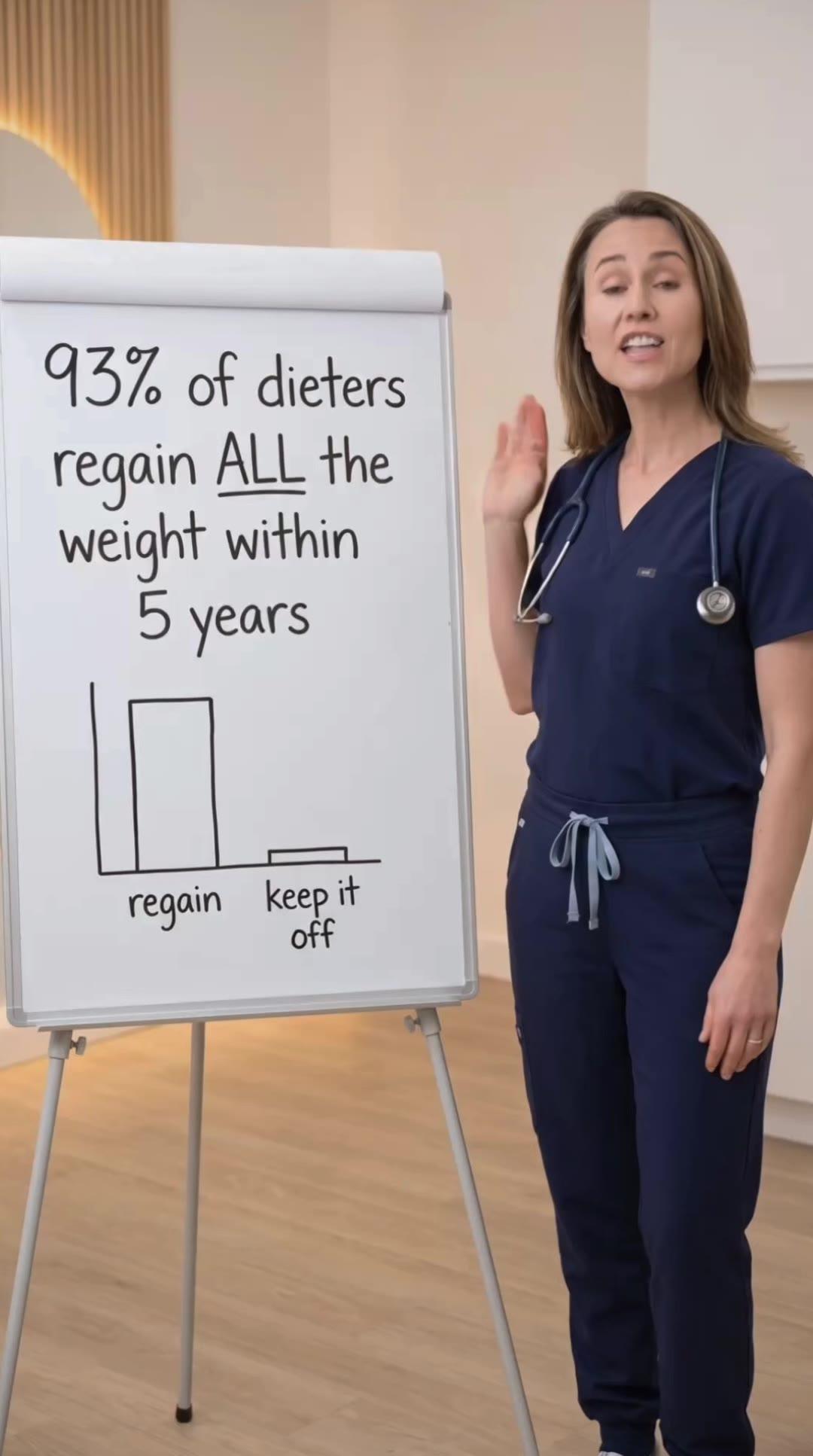
The line between compliant and non-compliant telehealth ad claims is not obvious. Two ads that say almost the same thing can have opposite outcomes in platform review. One passes. One gets rejected. The difference is often a single word or phrase that changes the claim structure from factual to promotional. Most telehealth marketers do not know where that line is, which is why they keep getting flagged. This guide provides real examples of compliant vs non-compliant claims across every major telehealth vertical.
The Core Principle: Access vs Outcomes
Compliant claims describe access to healthcare. Non-compliant claims describe treatment outcomes. That distinction is the foundation of telehealth advertising compliance. If your ad focuses on what your service provides (consultations, prescriptions, physician oversight), it usually passes. If your ad focuses on what the medication does (weight loss, symptom relief, performance improvement), it usually fails.
Compliant: "Get a prescription for semaglutide from a licensed provider." Non-compliant: "Lose 30 pounds with semaglutide."
The first ad describes your service. The second ad makes a medical efficacy claim. Platforms require authorization for efficacy claims that telehealth brands do not have.
GLP-1 and Weight Loss Claims
Compliant: "Access GLP-1 medications through online consultations with licensed physicians." Non-compliant: "GLP-1 medications help you lose weight fast."
Compliant: "Talk to a doctor about whether semaglutide is right for your weight management goals." Non-compliant: "Semaglutide is the most effective weight loss medication available."
Compliant: "Clinical studies show GLP-1 medications support weight management in patients with obesity." Non-compliant: "Patients lose 15% of their body weight on average with our program."
The difference in the last example is attribution. Referencing published clinical data with proper disclaimers is compliant. Claiming your service delivers specific weight loss results is not.
This is what compliant telehealth creative looks like.
See the work →TRT and Men's Health Claims
Compliant: "Get your testosterone levels checked through a telehealth consultation." Non-compliant: "Boost your testosterone and feel stronger."
Compliant: "Licensed providers can prescribe testosterone therapy for men with clinically low testosterone." Non-compliant: "TRT increases energy, muscle mass, and libido."
Compliant: "Many men over 40 experience symptoms of low testosterone. Talk to a doctor to learn more." Non-compliant: "Low testosterone is destroying your energy. Fix it with TRT."
The difference is framing. Compliant ads acknowledge symptoms and encourage consultation. Non-compliant ads make outcome promises or use aggressive performance language.
ED Treatment Claims
Compliant: "Get a prescription for sildenafil or tadalafil through a confidential online consultation." Non-compliant: "Sildenafil helps you perform when it matters."
Compliant: "ED affects millions of men. Talk to a doctor about your treatment options." Non-compliant: "Regain your confidence in the bedroom with ED medication."
Compliant: "Licensed physicians can prescribe FDA-approved medications for erectile dysfunction." Non-compliant: "ED medication works fast and lasts for hours."
The difference is medical framing vs lifestyle framing. Compliant ads position ED treatment as healthcare. Non-compliant ads position it as performance enhancement or relationship improvement.
Hair Loss Claims
Compliant: "Finasteride and minoxidil are FDA-approved treatments for hair loss. See if you qualify." Non-compliant: "Stop hair loss and regrow your hair with finasteride."
Compliant: "Talk to a doctor about prescription hair loss treatments." Non-compliant: "Reverse male pattern baldness in 90 days."
Compliant: "Clinical studies show finasteride reduces hair loss in 85% of men. Individual results vary." Non-compliant: "Our patients see hair regrowth within three months."
The difference is evidence vs promise. Citing clinical data with disclaimers is compliant. Promising patient-specific results is not.
Peptide Claims
Compliant: "Access compounded peptides through physician-supervised therapy." Non-compliant: "BPC-157 heals gut inflammation and repairs tissue damage."
Compliant: "Learn about peptide therapy for regenerative medicine." Non-compliant: "Recover faster from injury with TB-500."
Compliant: "Licensed providers can prescribe compounded peptides for patients who qualify." Non-compliant: "Peptides optimize recovery, boost performance, and slow aging."
The difference is medical supervision vs outcome claims. Peptides are not FDA-approved for most uses telehealth brands promote, which makes efficacy claims especially risky.
Before and After Claims
Compliant: "Patient lost 40 pounds over 12 months with physician-supervised semaglutide therapy. Results not typical. Individual results vary." Non-compliant: "Lost 40 pounds in 12 weeks with our program."
Compliant: "Hair regrowth after 10 months of finasteride treatment. Individual results vary." Non-compliant: "Before and after using our hair loss treatment. Results in just 90 days."
The difference is disclaimers and attribution. Compliant before and after content includes visible disclaimers and clarifies the treatment timeline. Non-compliant content omits disclaimers or implies fast, guaranteed results.
Testimonial Claims
Compliant: "The consultation was easy and my doctor explained everything clearly. I had my prescription filled the same week." Non-compliant: "This medication changed my life. I lost 50 pounds and feel incredible."
Compliant: "I appreciated the privacy and convenience of telehealth. The process was straightforward." Non-compliant: "I tried everything for years. This was the only thing that worked."
The difference is service feedback vs outcome feedback. Compliant testimonials discuss the patient experience. Non-compliant testimonials make medical efficacy claims, even if they include disclaimers.
How to Rewrite Non-Compliant Claims
Take any rejected ad and apply this formula: replace outcome language with process language. Instead of describing what the medication does, describe what your service provides.
Non-compliant: "Get the energy and confidence you deserve with TRT." Rewrite: "Talk to a licensed provider about testosterone therapy."
Non-compliant: "Semaglutide helps you lose weight without dieting." Rewrite: "Access prescription weight management medication through online consultations."
Non-compliant: "Stop hair loss before it's too late." Rewrite: "Licensed physicians can prescribe FDA-approved hair loss treatments."
The rewritten versions focus on access, not outcomes. They pass review more reliably while still communicating value to the patient.
Why Compliant Claims Still Convert
Most telehealth marketers assume compliant claims hurt conversion rates. They believe you need aggressive outcome promises to drive performance. The data shows otherwise. Compliant ads that focus on physician oversight, convenience, and privacy convert as well as or better than aggressive ads that make outcome claims.
Patients seeking telehealth services are already aware of what the medications do. They do not need your ad to promise weight loss or symptom relief. They need your ad to explain how to access treatment compliantly and confidently. Credibility signals (licensed providers, FDA-approved medications, physician supervision) build trust, and trust drives conversions.
For more on telehealth advertising compliance, see our guides on writing compliant ad copy, Meta ad policies, and FDA advertising rules. If your ads keep getting rejected, read why telehealth ads get rejected. More at our compliance hub.
Need compliant ad copy that converts? We write and produce video ads for prescription telehealth brands exclusively. Book a call.
Creative built to pass review, and convert anyway.
A 30-minute call. We audit your creative approach and show you exactly what a complete angle-format-hook system looks like for your vertical.