Telehealth Advertising Rules: A Founder's Plain-English Summary
FDA, FTC, platform policy, and state telemedicine boards. The full telehealth advertising landscape in 2026, explained without the legal jargon, for founders who need to understand it but do not want to read a treatise.
Concepts shown are internal creative studies, not client campaigns.
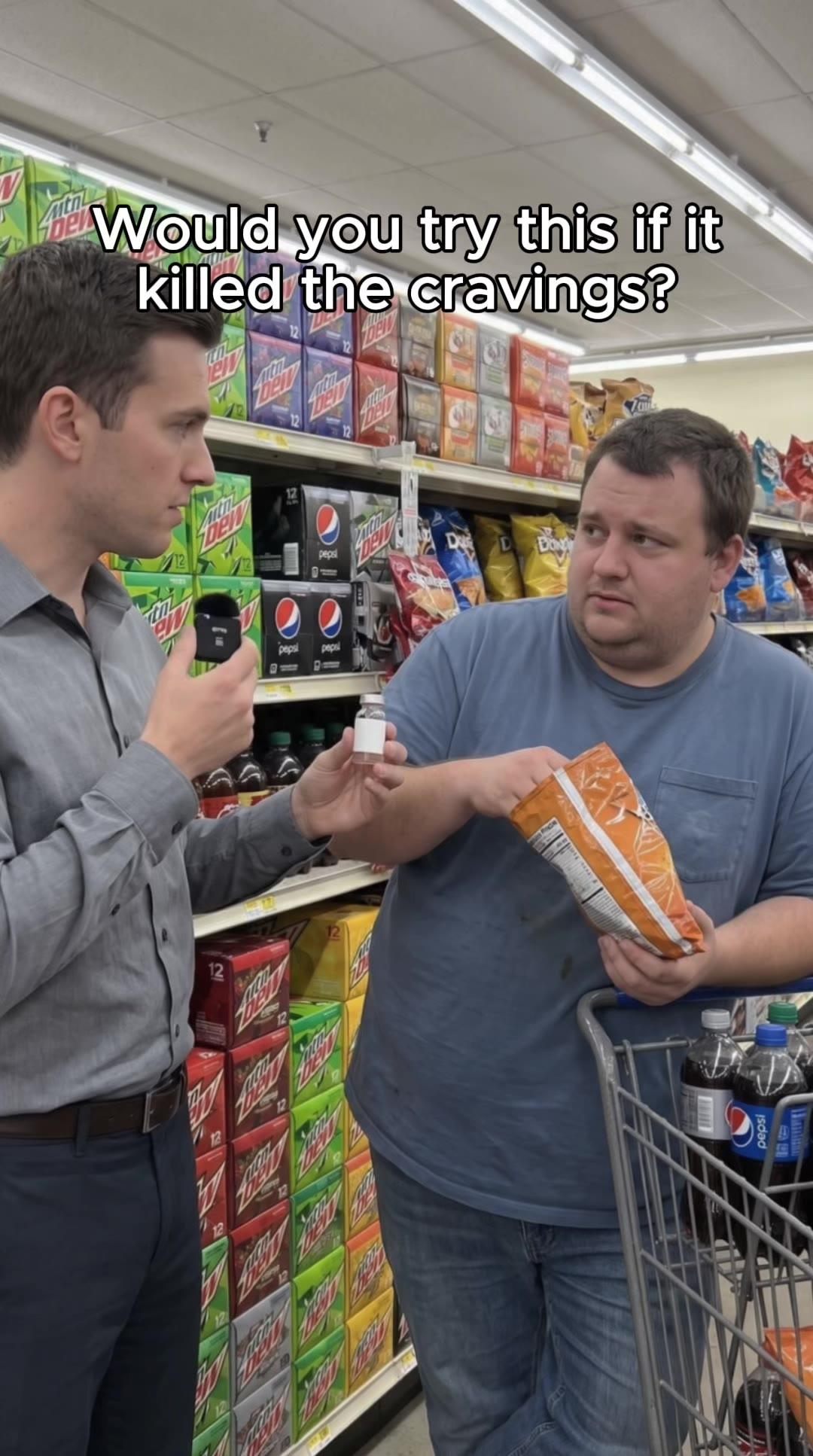
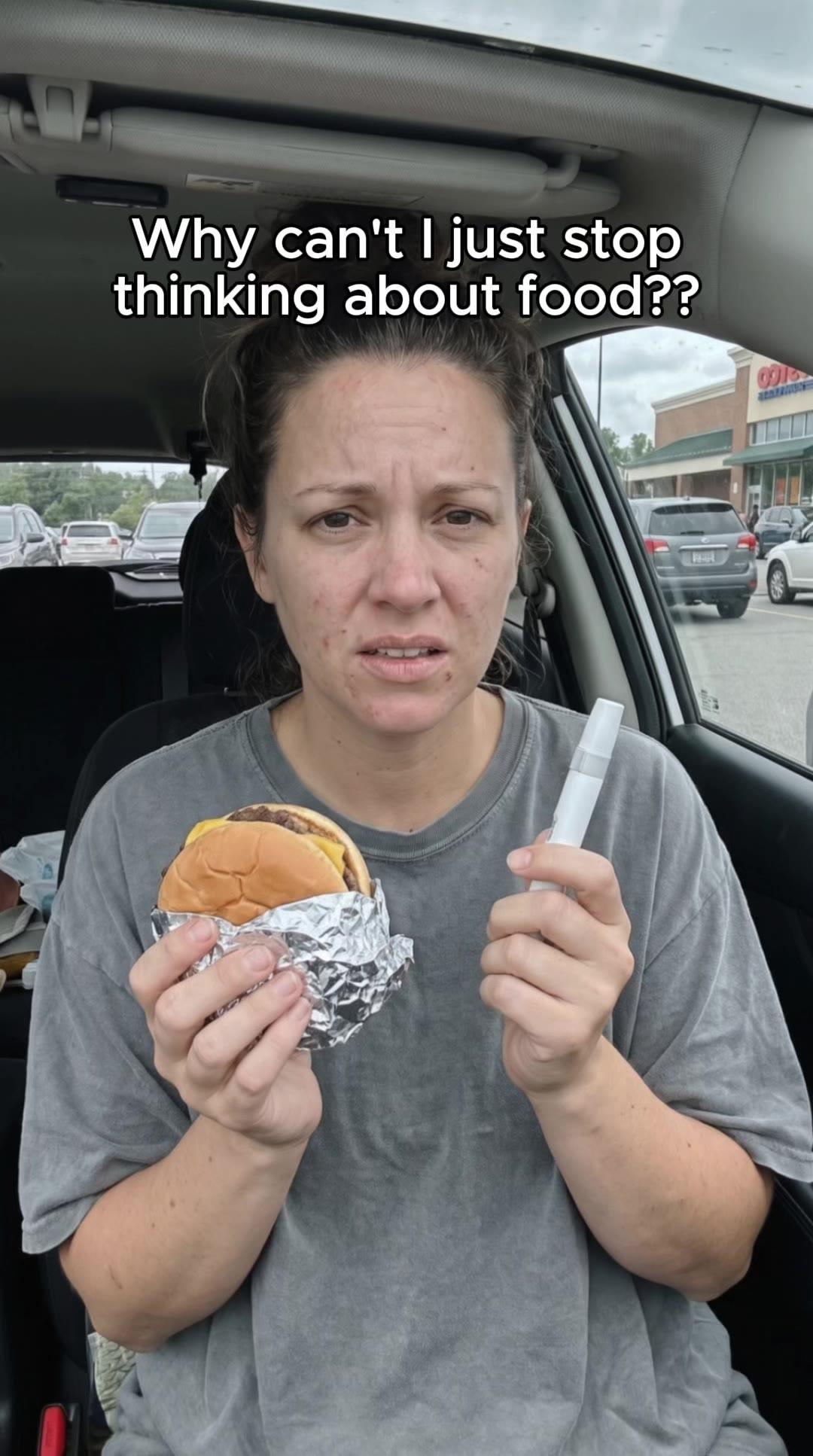

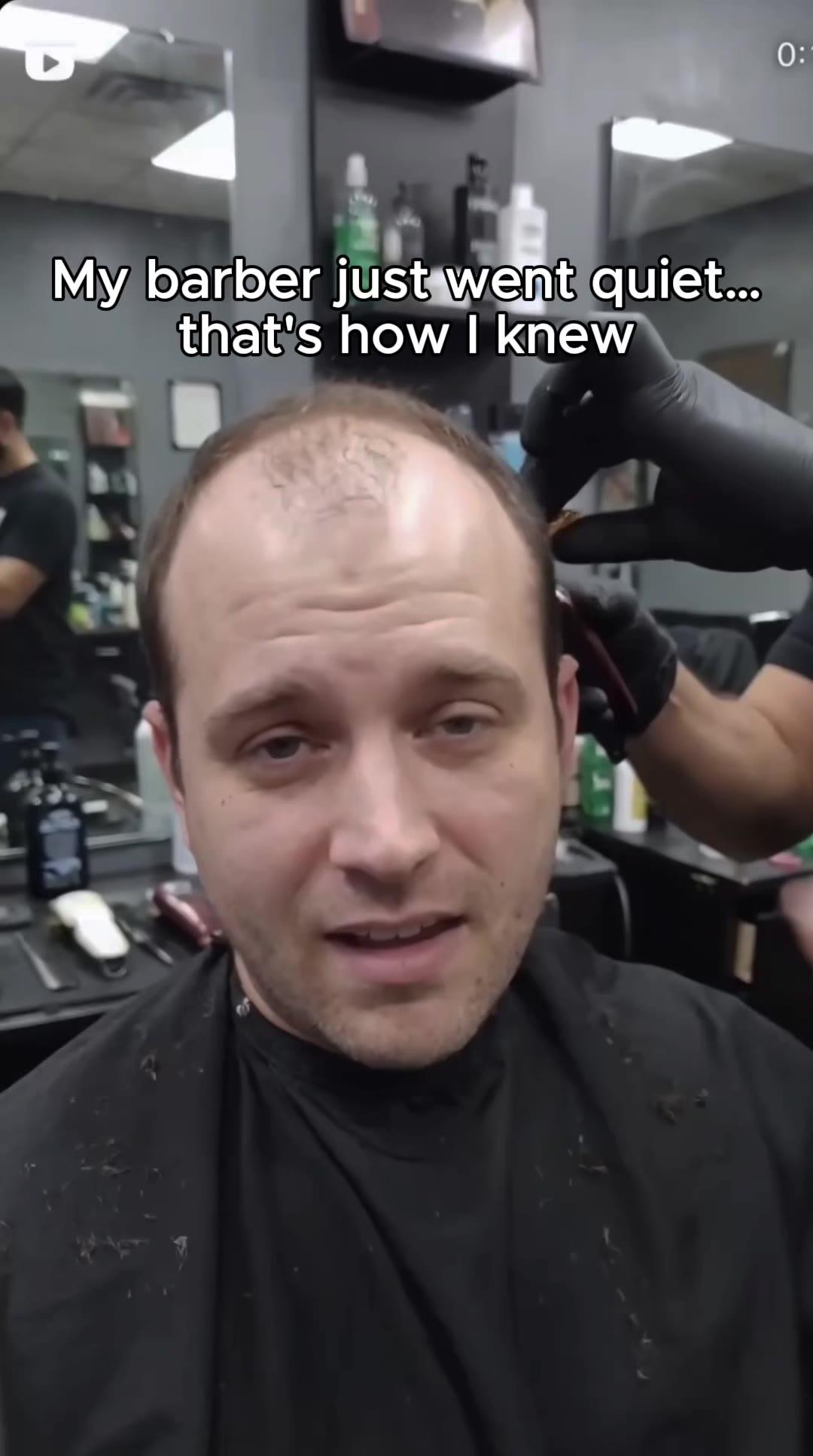




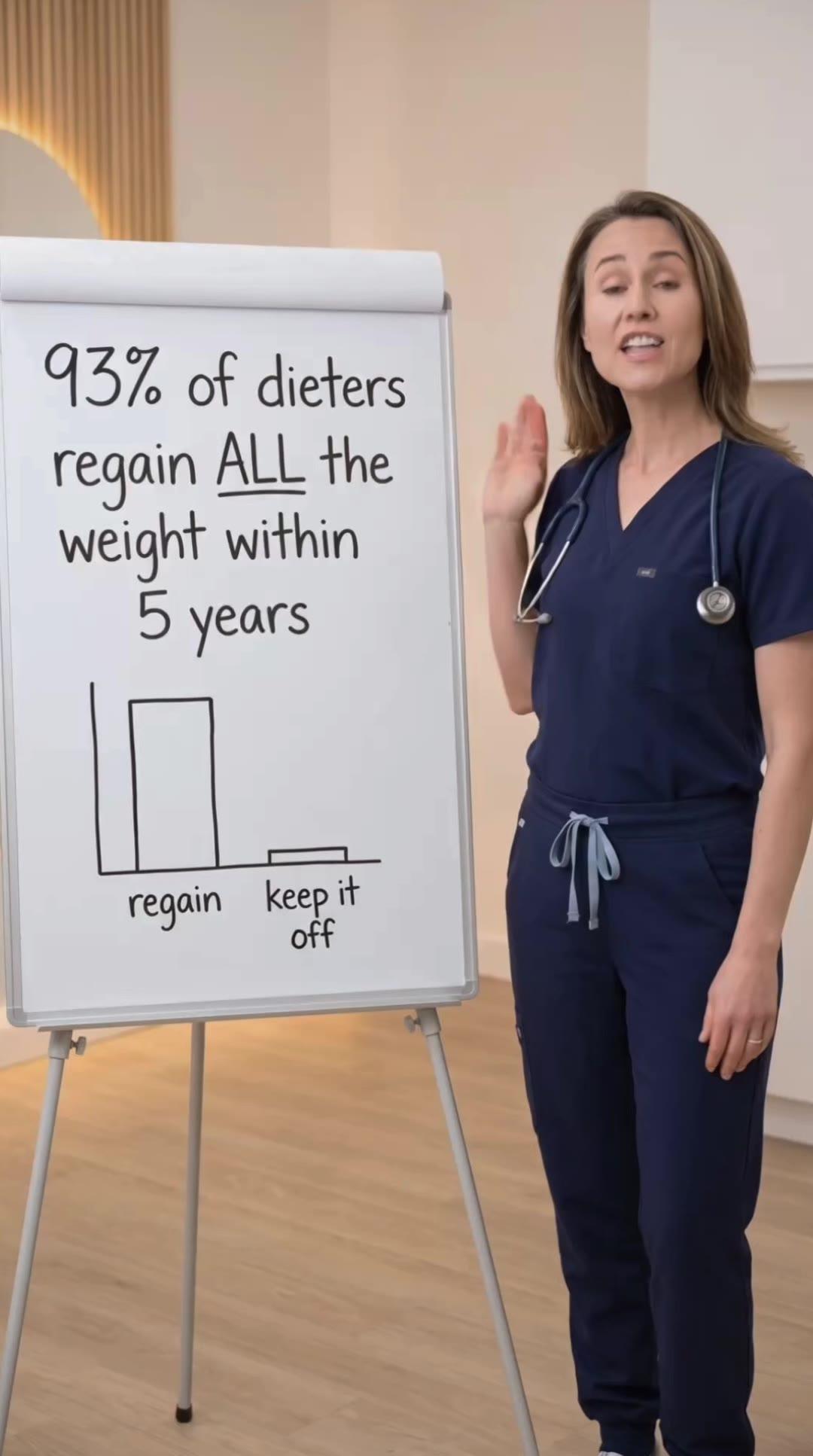
Telehealth advertising compliance documentation reads like it was written for lawyers. It largely was. Founders need a different version: the practical summary of what the rules actually are, who enforces them, and what behaviors create exposure. This article is that summary. It will not replace working with counsel and a medical reviewer, but it will give you the operating picture you need to run a real telehealth marketing program.
Here are the telehealth advertising rules in 2026, in plain English, organized by who actually enforces them.
The FDA: What They Actually Police
The Food and Drug Administration cares about promotional claims that exceed what a prescription medication is approved to do. They focus on outcome claims (specific weight loss numbers, energy promises, anti-aging effects), comparative claims (better than this competitor drug), and any marketing that implies a medication can be used outside its labeled indication.
For compounded medications, the FDA is increasingly attentive in 2026. Compounded drugs are not FDA-approved in the conventional sense, and outcome claims for them face heightened scrutiny.
FDA enforcement typically comes in the form of warning letters. These are slow but serious. They can affect investor confidence, platform standing, and operational license to operate.
The FTC: What They Actually Police
The Federal Trade Commission cares about deceptive advertising and consumer protection. Their 2026 telehealth focus areas include subscription terms transparency, cancellation policies, testimonial substantiation, and pricing claims.
The new click-to-cancel rules require that customers be able to cancel a subscription as easily as they signed up. Brands with friction-laden cancellation flows are drawing more FTC attention than they did even a year ago.
Influencer disclosure rules require that paid creator content be clearly identified as such. Generic hashtags do not satisfy the disclosure standard; specific, explicit language is required.
Meta: What They Actually Enforce
Meta's healthcare advertising policy applies to all telehealth brands on Facebook and Instagram. The policies they enforce most reliably: no personal-attribute targeting, no before-after weight loss imagery without strict compliance framing, no specific outcome claims, and no aggressive urgency or pricing tactics.
Enforcement is mostly automated, with human review for flagged or appealed assets. Repeated violations escalate from single-ad rejections to ad account restrictions to Business Manager bans.
For more, see Meta ad policies for telehealth.
Google: What They Actually Enforce
Google requires LegitScript certification for any pharmacy or telehealth brand that prescribes medications. Without certification, the account will not serve ads in the US.
Certified brands face ongoing review of ad copy, landing pages, and pharmacy relationships. Healthcare ad policy violations get accounts suspended faster on Google than on Meta because the LegitScript framework adds an additional check.
TikTok: What They Actually Enforce
TikTok requires written applications for healthcare advertisers. Approval is meaningfully harder than for Meta or Google.
Approved brands face the tightest creative restrictions of the major platforms: no visible medication imagery for many categories, tight restrictions on brand-name medication mentions, and aggressive enforcement on outcome claims.
This is what compliant telehealth creative looks like.
See the work →State Telemedicine Boards: What They Actually Enforce
Each state has its own telemedicine board that oversees prescribing, provider licensing, and certain marketing practices. Some states have tightened compounding rules in 2025-2026 specifically around weight loss medications.
State enforcement is often faster than federal, less visible to the public, and focused on practice-of-medicine standards. For national brands, the strictest state rules effectively become the floor.
For deeper detail, see state telehealth advertising rules.
HIPAA: What Actually Matters for Marketing
If your brand is a covered entity under HIPAA, patient data cannot be used for marketing without specific authorization. Generic patient consent does not cover HIPAA-protected information.
Marketing platforms that touch patient data (CRM systems, email platforms, retargeting pixels) require Business Associate Agreements. Many telehealth brands skip these and operate in a gray area until something goes wrong.
The Practical Founder Summary
Build a medical review step into every creative launch. The cost is small; the protection is real.
Document everything: consent, releases, scripts, approvals. If something escalates, documentation is the difference between days and months of recovery.
Lead with mechanism, process, and provider authority instead of outcome claims and personal-attribute hooks.
Be transparent about pricing, subscription terms, and cancellation. Hiding these creates FTC exposure and signals lower quality to the audience.
Stay engaged with state-level changes in your category. The strictest applicable state rule effectively becomes your operating constraint.
The Short Version
Telehealth advertising rules in 2026 are enforced by the FDA (promotional claims), FTC (consumer protection and subscriptions), Meta and Google and TikTok (platform policies), and state telemedicine boards (practice-of-medicine standards). The brands that operate cleanly invest in medical review, document everything, lead with process and mechanism, and treat compliance as an operational discipline rather than a one-time setup. Brands that treat compliance as a cost center end up rebuilding from regulator letters and platform bans more often than they should.
Related Articles
What Can You Actually Say in a Telehealth Ad?
The plain-English version of telehealth ad copy compliance.
Can I Run Facebook Ads for a Medical Brand?
The plain-English version of Meta medical advertising.
Telehealth Ad Compliance Checklist
The pre-flight checklist before any telehealth ad goes live.
Telehealth Ad Compliance Mistakes
Common telehealth ad compliance mistakes and how to avoid them.
Creative built to pass review, and convert anyway.
A 30-minute call. We audit your creative approach and show you exactly what a complete angle-format-hook system looks like for your vertical.