The Most Common Telehealth Ad Compliance Mistakes and How to Avoid Them
The compliance mistakes that get telehealth ad accounts banned. What to watch for, how to fix them, and how to prevent repeat violations.
Concepts shown are internal creative studies, not client campaigns.



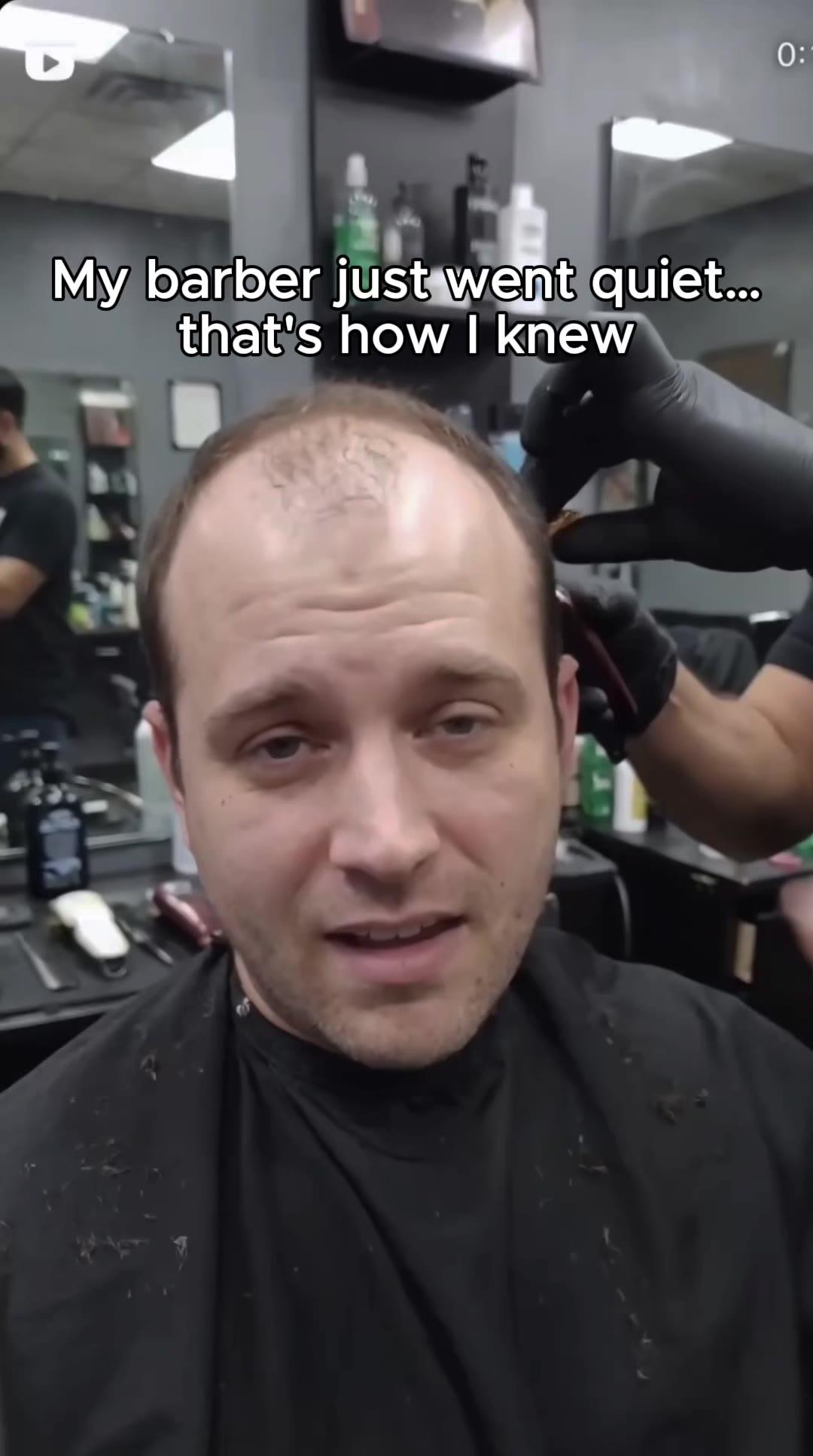





Most telehealth ad account bans result from the same five compliance mistakes. The violations are predictable, preventable, and easy to fix once you know what to look for. But most telehealth brands do not realize they are making these mistakes until the third strike shuts down their account. This guide breaks down the exact compliance errors that cause the most account restrictions based on managing telehealth ad accounts with combined spend of $50M+.
Mistake 1: Making Medical Efficacy Claims Without Authorization
What it looks like: "Semaglutide helps you lose weight" or "TRT treats low testosterone" or "Finasteride reverses hair loss."
Why it is a violation: These are medical efficacy claims. FDA and Meta require prior authorization for efficacy claims, and telehealth brands do not have that authorization. When you claim a medication treats, cures, or prevents a condition, you are making an unapproved drug claim.
How to fix it: Replace outcome language with access language. "Get a prescription for semaglutide from a licensed provider" is compliant. "Lose weight with semaglutide" is not. Focus on what your service provides, not what the medication does.
How to prevent it: Train your creative team on the difference between service claims and medical claims. Service claims describe what you offer (consultations, prescriptions, physician oversight). Medical claims describe treatment outcomes. Only make service claims.
Mistake 2: Using Before and After Imagery Without Proper Disclaimers
What it looks like: A weight loss transformation showing 50 pounds lost with no disclaimer. A hair regrowth photo with no "results not typical" notice. A physique transformation with no context.
Why it is a violation: FTC requires that before and after content reflect typical results or include disclaimers stating that results vary. If most patients lose 15 pounds but your ad shows someone who lost 50, that is misleading without a disclaimer.
How to fix it: Add "results not typical" or "individual results may vary" in text overlay for at least three seconds. Include the same disclaimer in voiceover. Make the disclaimer as prominent as the transformation itself.
How to prevent it: Build disclaimer templates into your video editing workflow. Every before and after ad should automatically include disclaimer text and voiceover. Make it a non-negotiable part of production.
This is what compliant telehealth creative looks like.
See the work →Mistake 3: Referencing Brand-Name Drugs
What it looks like: "Get Ozempic for less" or "the same active ingredient as Viagra" or "compounded Wegovy alternative."
Why it is a violation: Meta treats brand-name drug references as trademark infringement and misleading advertising. Even if you clarify that your product is generic or compounded, the comparison still violates policy.
How to fix it: Use generic drug names only. "Semaglutide" instead of "Ozempic." "Sildenafil" instead of "Viagra." "Tadalafil" instead of "Cialis." Remove all brand-name references from ad copy and creative.
How to prevent it: Add a compliance check for trademark references to your review process. Search every ad script for brand-name drugs and replace them with generic names before production.
Mistake 4: Skipping Disclaimers on Paid Testimonials
What it looks like: A patient testimonial where the patient was compensated with payment or free product, but the ad does not disclose that.
Why it is a violation: FTC requires disclosure of material connections between advertisers and endorsers. If you paid the patient or gave them free medication, that is a material connection that must be disclosed.
How to fix it: Add "paid testimonial" or "compensated patient" in text overlay. The disclosure must be visible for the duration of the testimonial, not just for one second at the end.
How to prevent it: Track which patients were compensated and flag their testimonials for disclosure. Add "paid testimonial" overlays during video editing for any compensated patient content.
Mistake 5: Advertising Compounded Medications as Equivalent to FDA-Approved Drugs
What it looks like: "Get compounded semaglutide, the same as Ozempic but cheaper" or "our compounded testosterone is identical to brand-name TRT."
Why it is a violation: Compounded medications are not FDA-approved, and you cannot claim they are equivalent to FDA-approved drugs. FDA and Meta both prohibit advertising compounded drugs as substitutes for commercial medications.
How to fix it: Clarify that compounded medications are prepared by licensed pharmacies but are not FDA-approved. "Compounded semaglutide is available for patients who qualify. Compounded medications are not FDA-approved and may differ from commercial products."
How to prevent it: Review all compounded medication ads for equivalence claims. Remove language that positions compounded drugs as the same as brand-name products. Focus on physician supervision and medical necessity instead of cost or availability.
Mistake 6: Using Performance Enhancement Language for Prescription Medications
What it looks like: "Boost your testosterone" or "maximize your energy" or "optimize your performance with TRT."
Why it is a violation: Meta interprets performance and enhancement language as bodybuilding or steroid marketing, not medical treatment. This is especially problematic for TRT and peptide ads, which get flagged as controlled substance advertising.
How to fix it: Use medical framing instead of performance framing. "Physician-supervised testosterone therapy" passes where "boost your testosterone" fails. Replace "optimize" with "manage." Replace "maximize" with "support."
How to prevent it: Ban performance language from all telehealth ad copy. "Boost," "maximize," "optimize," and "enhance" should never appear in prescription medication ads. Use medical terminology instead.
Mistake 7: Failing to Include Physician Oversight Signals
What it looks like: Ads that focus entirely on the medication without mentioning that treatment requires medical evaluation and physician supervision.
Why it is a violation: FDA and Meta want to see that telehealth services operate under physician oversight, not as direct-to-consumer medication sales. If your ads do not mention doctors, consultations, or medical evaluation, platforms assume you are selling drugs without proper supervision.
How to fix it: Add physician oversight language to every ad. "Licensed providers evaluate each patient before prescribing" or "physician-supervised treatment plans" or "medical consultation required."
How to prevent it: Make physician oversight a required element in every ad script. Your creative brief should specify that ads must include at least one reference to licensed providers or medical supervision.
Mistake 8: Targeting States with Restrictive Telehealth or Pharmacy Laws
What it looks like: Advertising compounded medications in California, where state law restricts compounding pharmacy advertising. Running telehealth ads in states where your providers are not licensed to practice.
Why it is a violation: Meta enforces state-level regulations even when brands assume federal law is the only standard. If a state prohibits certain types of telehealth or pharmacy advertising, Meta will flag your ads as non-compliant.
How to fix it: Review state regulations for every state you target. Exclude states where your service model is not compliant. If your providers are not licensed in Texas, exclude Texas from targeting.
How to prevent it: Build a state compliance map. Identify which states have restrictive telehealth or pharmacy laws. Update your targeting exclusions accordingly. Review this map quarterly as state laws change.
For more on telehealth advertising compliance, see our guides on Meta ad policies, writing compliant ad copy, and FDA advertising rules. If you need help building a compliance process, read compliance review systems. More at our compliance hub.
Need telehealth creative that avoids these compliance mistakes? We produce video ads for prescription telehealth brands with full compliance review. Book a strategy call.
Creative built to pass review, and convert anyway.
A 30-minute call. We audit your creative approach and show you exactly what a complete angle-format-hook system looks like for your vertical.