Comparison
UGC platforms vs UGC agency vs in-house team: which fits a telehealth brand
There are three common ways to get UGC ads: a self-serve UGC platform, an agency, or your own team hiring creators. Each works. They differ in who does the thinking, who carries the compliance work and how much of your time it takes.
This comparison names types, not companies. Telehealth Media is an agency, for telehealth brands only, so read our column with that in mind.
Telehealth Media works only with telehealth brands.
What UGC content platforms do
A UGC content platform is a marketplace or software tool that connects a brand with creators: the brand posts a brief, creators apply or are matched, and the brand pays per video. Most platforms handle discovery, contracts and payment. Fewer handle the script, the edit or a review against health ad rules, and that work stays with the brand.
Responsibility also stays with the brand. The FTC staff FAQ on the Endorsement Guides tells a company that recruits, pays and directs influencers that it needs "reasonable programs in place to train and monitor the influencers you pay and direct", and says that if law enforcement becomes necessary, "our focus usually will be on advertisers or their ad agencies and public relations firms." A platform in the middle does not change who the FTC looks at first (checked 3 Nov 2026).
For a telehealth brand that makes the choice concrete: a platform can supply creators quickly, but someone on your side still has to write a compliant brief, check every script and video, and keep the disclosures in place. An agency that does that work is the alternative.
Side by side
| Self-serve UGC platform | UGC or creative agency | In-house team | |
|---|---|---|---|
| What you get | Access to creators and raw or lightly edited videos | Finished ads, often across several formats | Whatever your team can produce |
| Who finds angles and writes scripts | You | The agency | Your team |
| Who checks claims against health ad rules | You | Depends on the agency; ask | Your team and counsel |
| Casting for specific patients | Filter the creator pool yourself | Agency casts to the brief | You source and vet |
| Releases and usage rights | Platform terms, check the paid-usage scope | Agency contract, check the scope | Your own contracts |
| Formats beyond UGC | Usually UGC only | Often several | Limited by skills on the team |
| Your time each month | High | Low to medium | Highest |
When a UGC platform is the right choice
- You have a strategist and an editor in-house and only need people on camera.
- Your product is not a prescription, so health ad rules are lighter.
- You want to test many creators cheaply and can handle the briefing and review.
When an agency is the right choice
- You need angles and scripts, not just creators.
- You sell a prescription or clinician-led service and claims need checking before filming.
- You want more than UGC: statics and other video formats on the same angle.
- Your team does not have time to manage dozens of creators a month.
When to build it in-house
In-house makes sense once you have steady volume, a strategist, an editor and someone who owns compliance. Many brands get there by starting with an agency, learning which angles and formats win, then hiring for the parts they want to own. Our in-house vs agency guide goes deeper.
How a batch works
A batch is one angle made into 10 ads: 5 videos in 5 different formats and 5 statics. The whole batch goes into one ad set. Each video has one hook, so you test formats of the same angle instead of hook versions of the same video. Every video is reviewed for compliance. The next batch is a different angle.
Example batch · Formats across categories
1 ad set
5 videos
Note-card confession Claymation Snapchat POV Podcast confession Paperwork skit
5 statics

Unaware
Skin · Serif quote over photo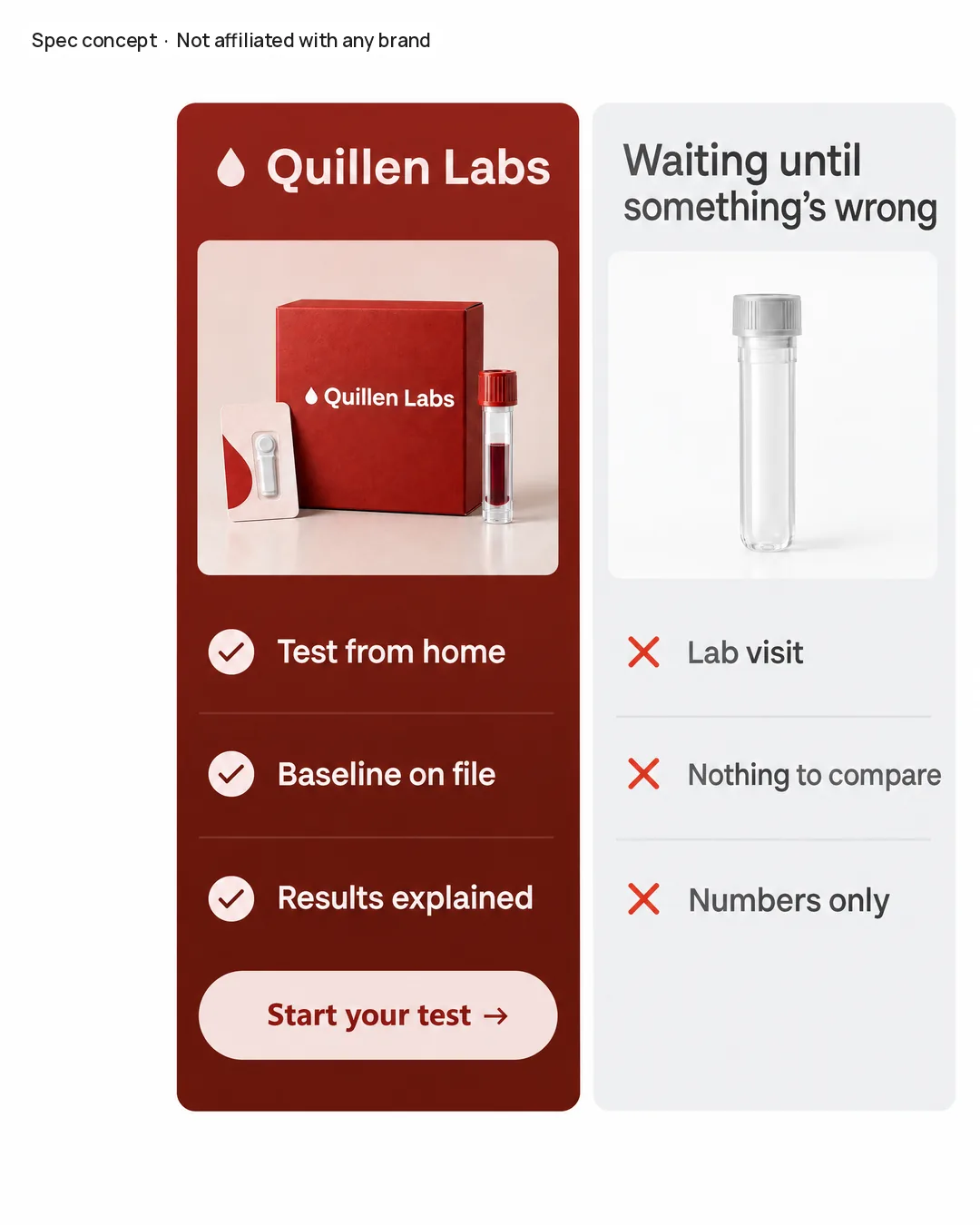
Problem aware
Blood testing · Two-column comparison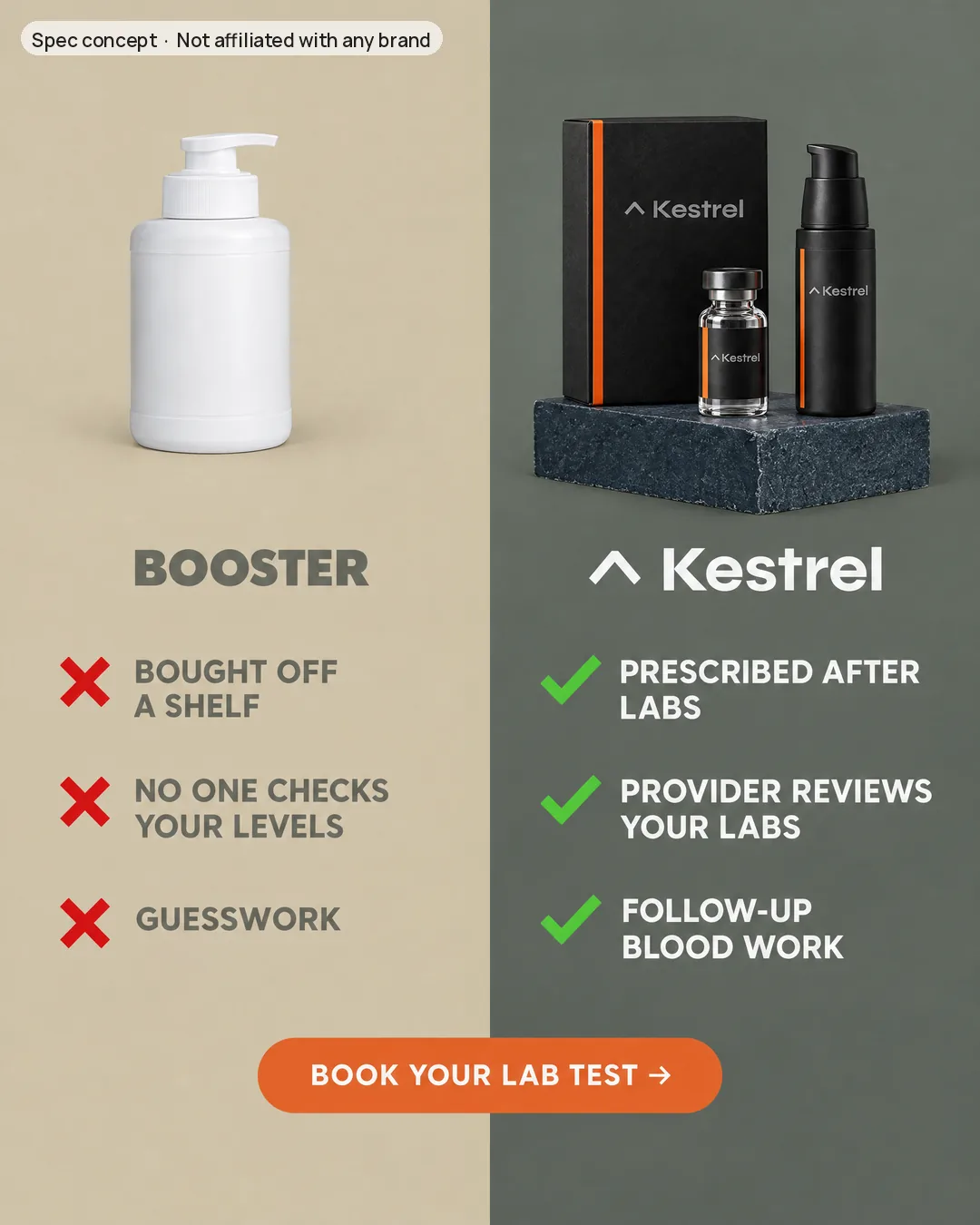
Solution aware
TRT · Split comparison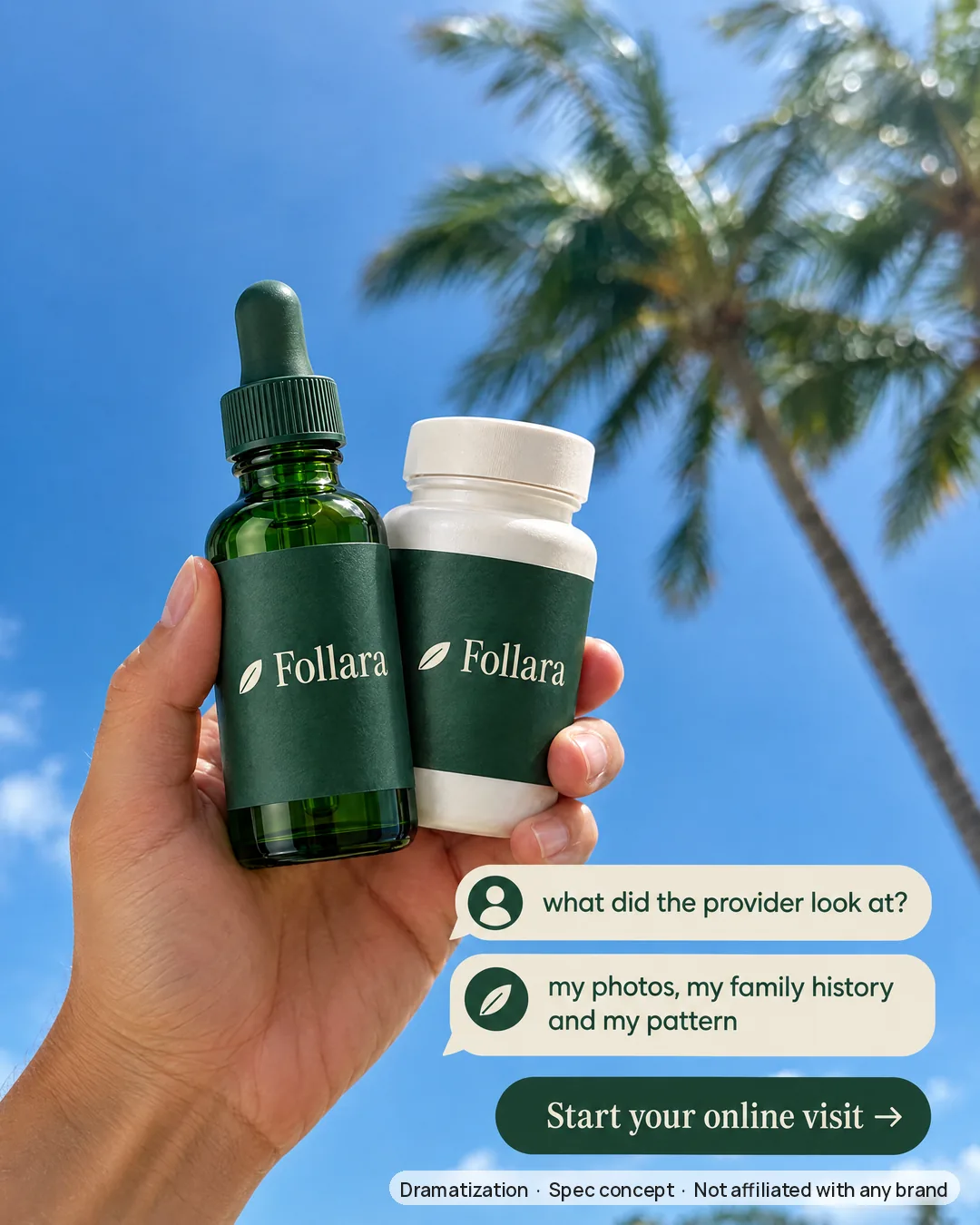
Product aware
Hair loss · Product held up + comment bubble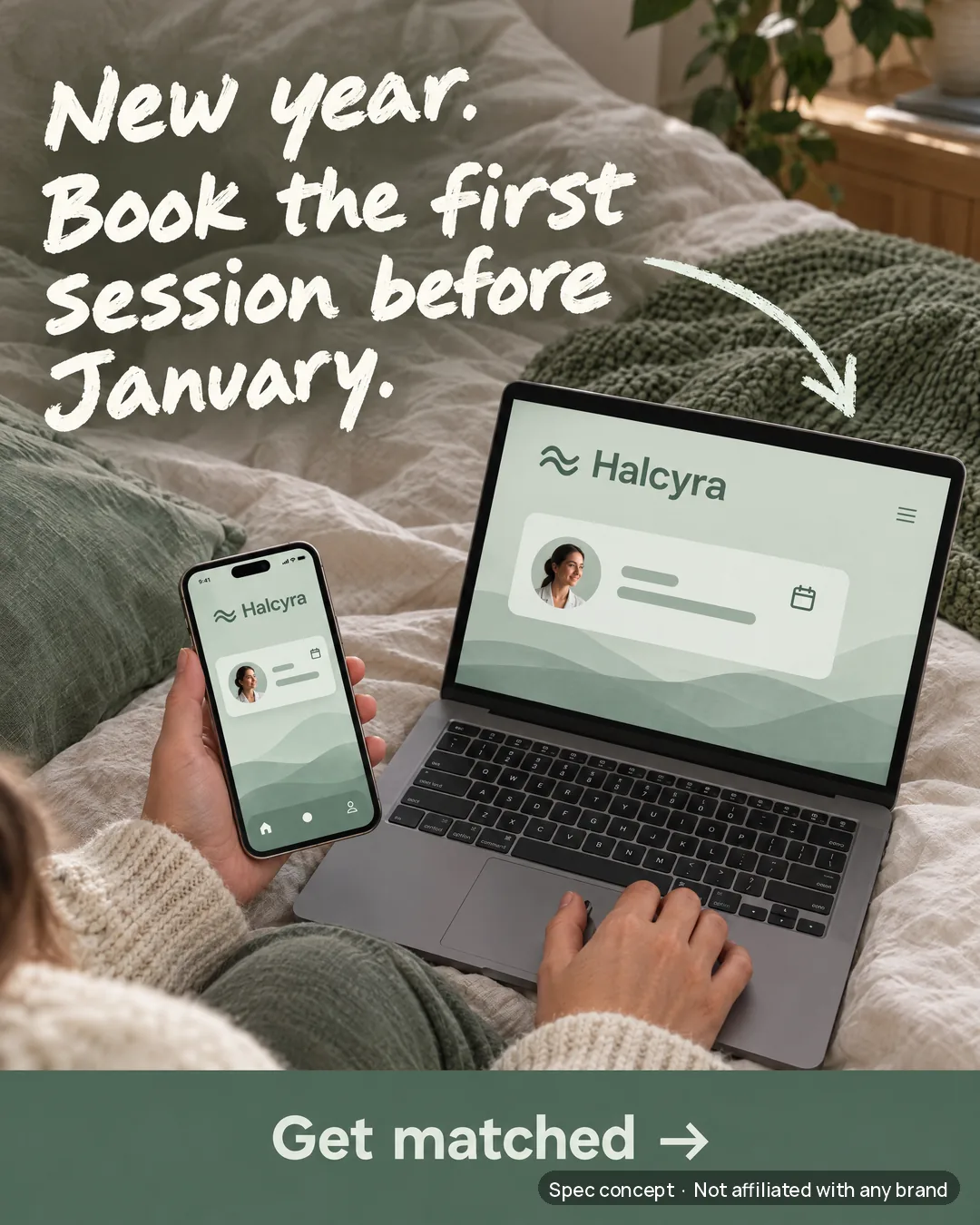
Most aware
Mental health · Handwritten overlay + arrow on photo
The brands in the statics are spec concepts made by Telehealth Media, not real companies. See the monthly packages.
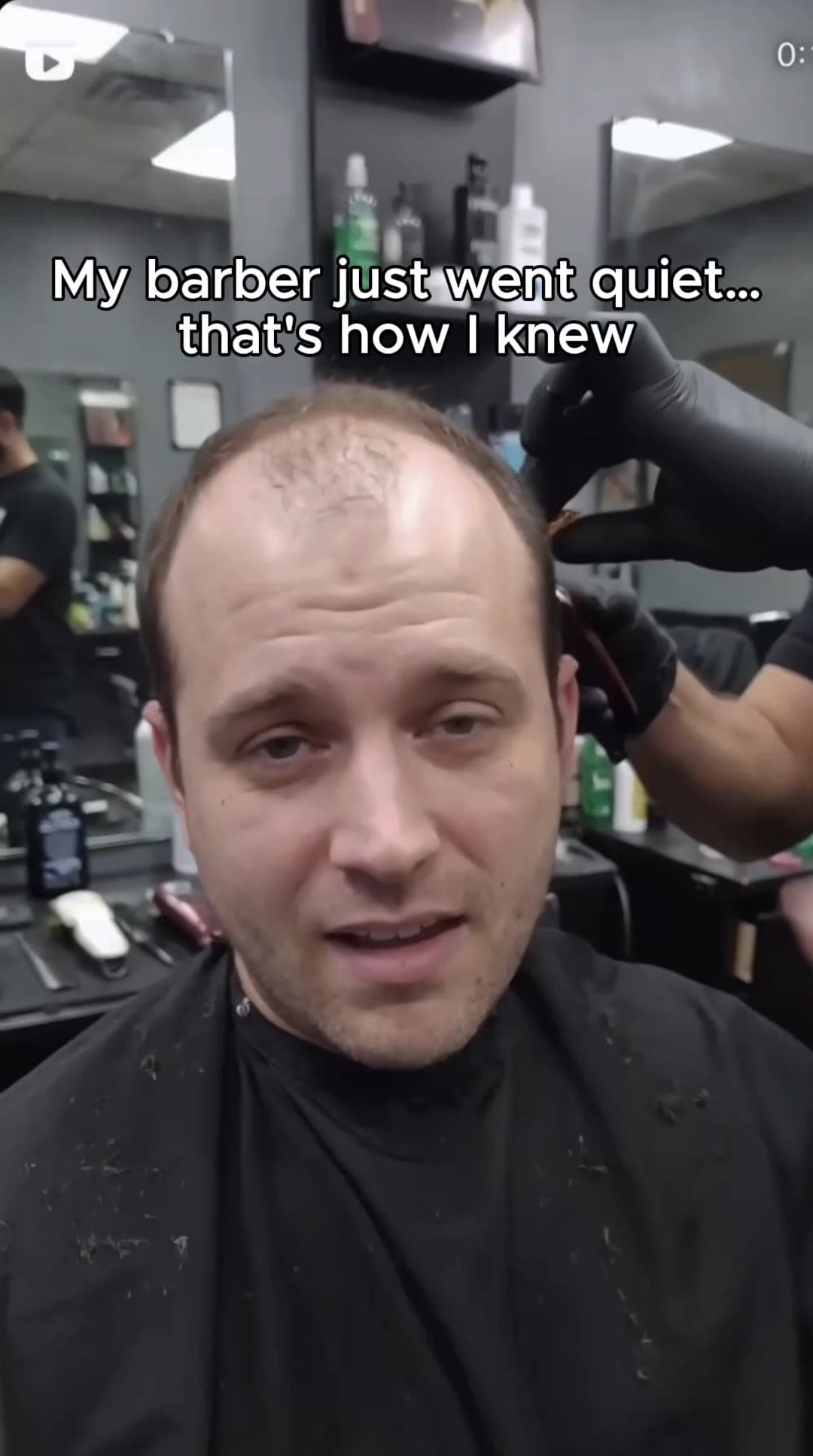
What "more than UGC" looks like
Spec concepts for formats an agency batch can include. They are not client ads.
UGC scene 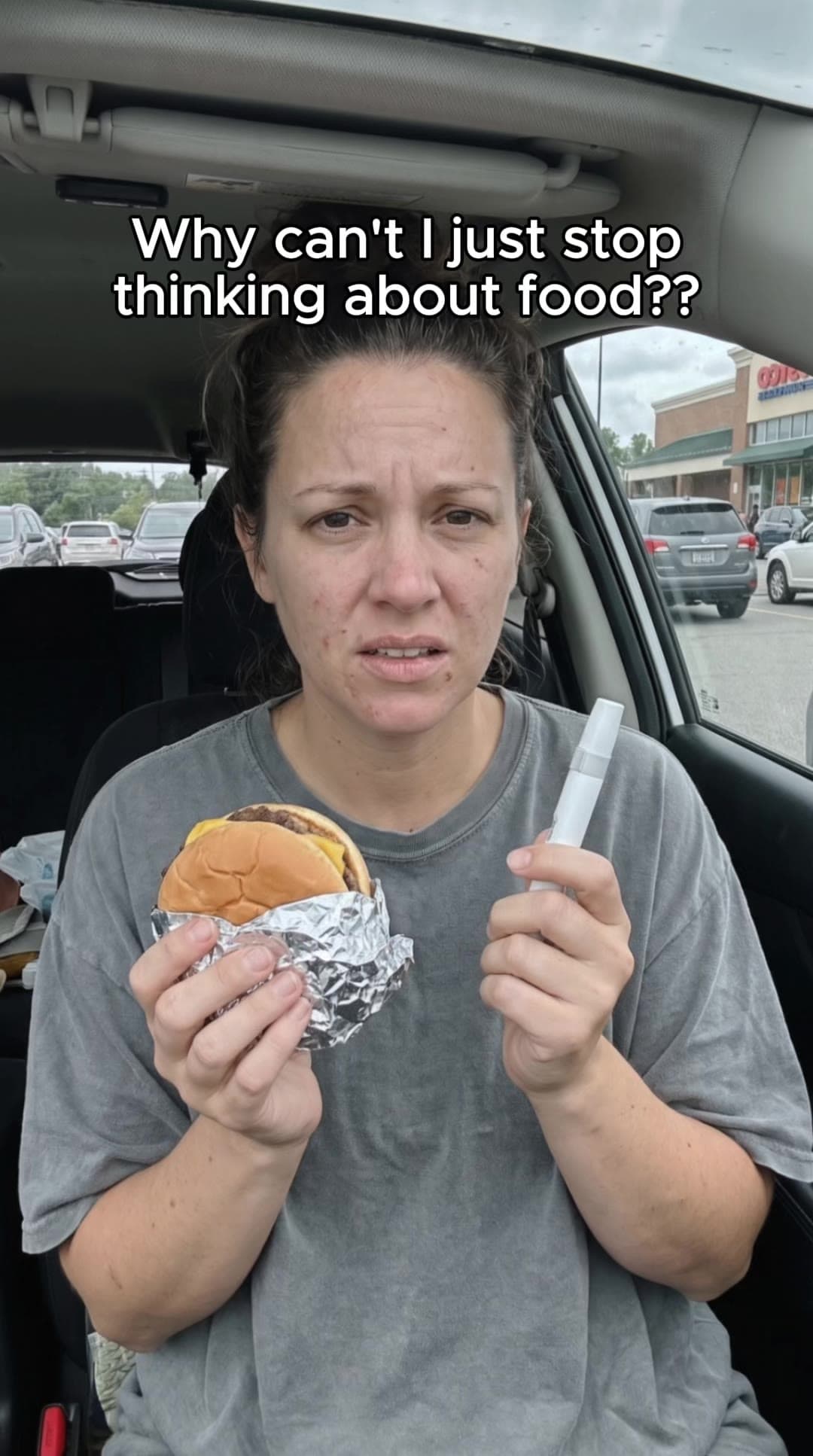
In-car POV 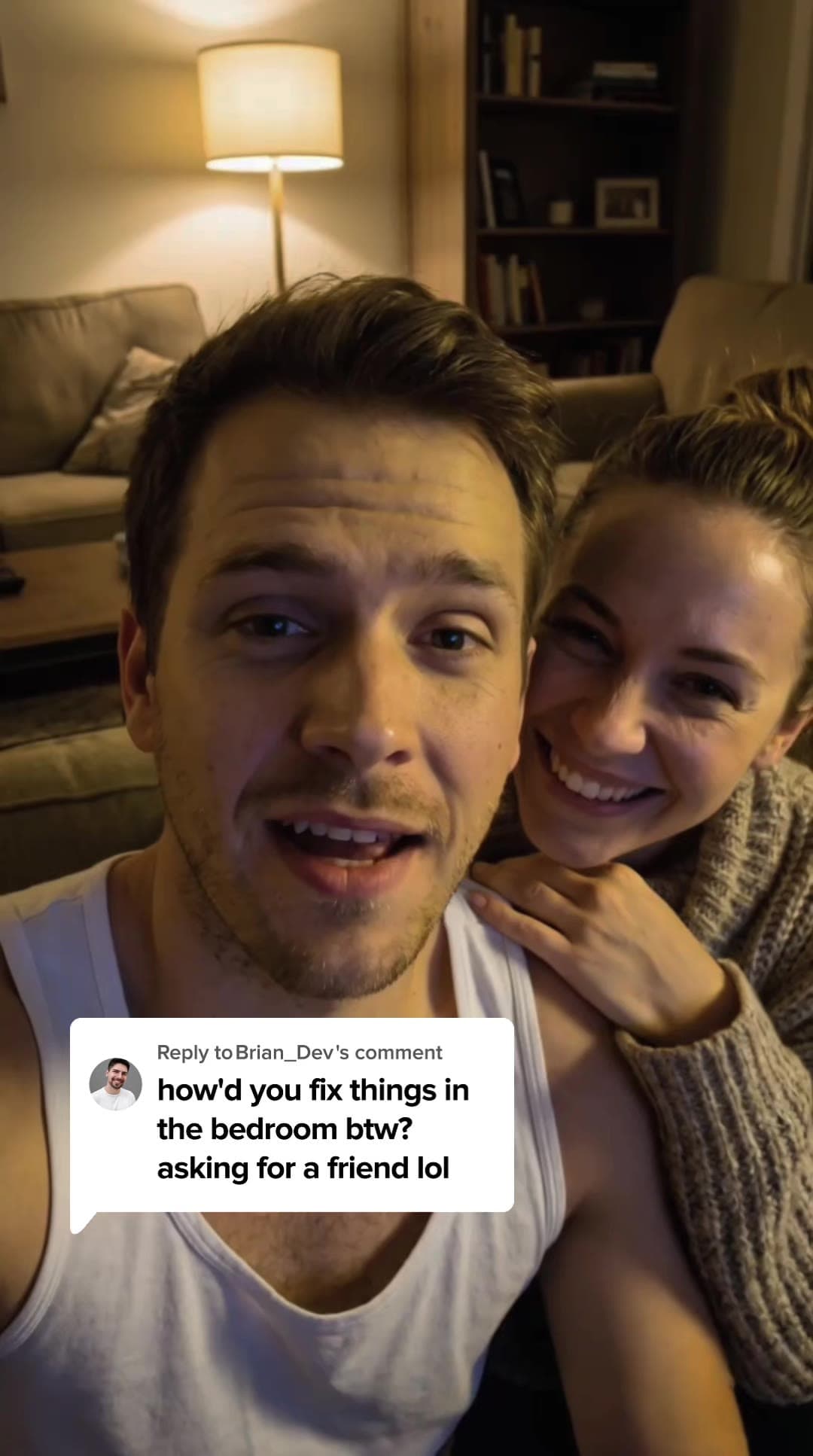
Testimonial 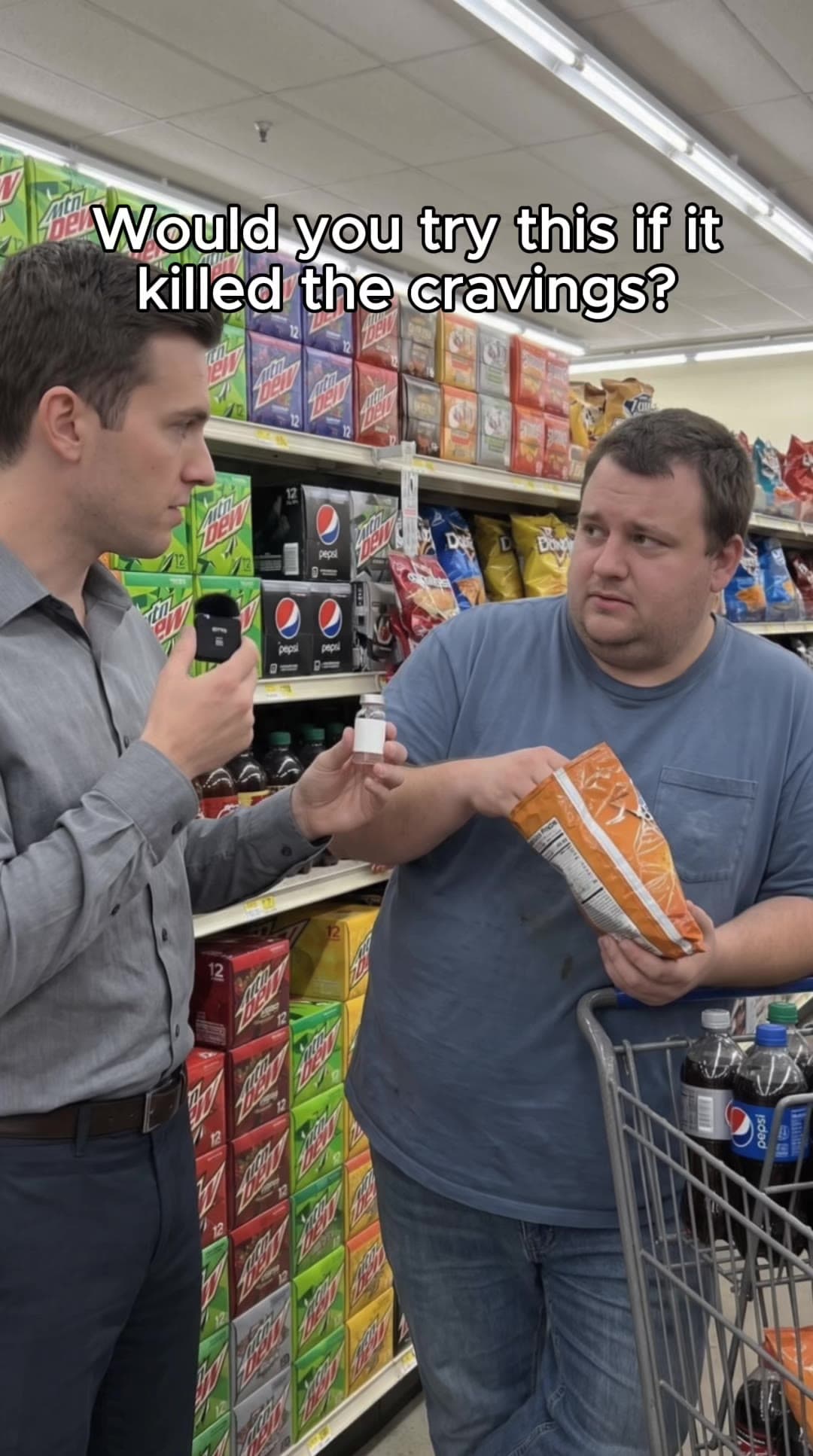
Street interview 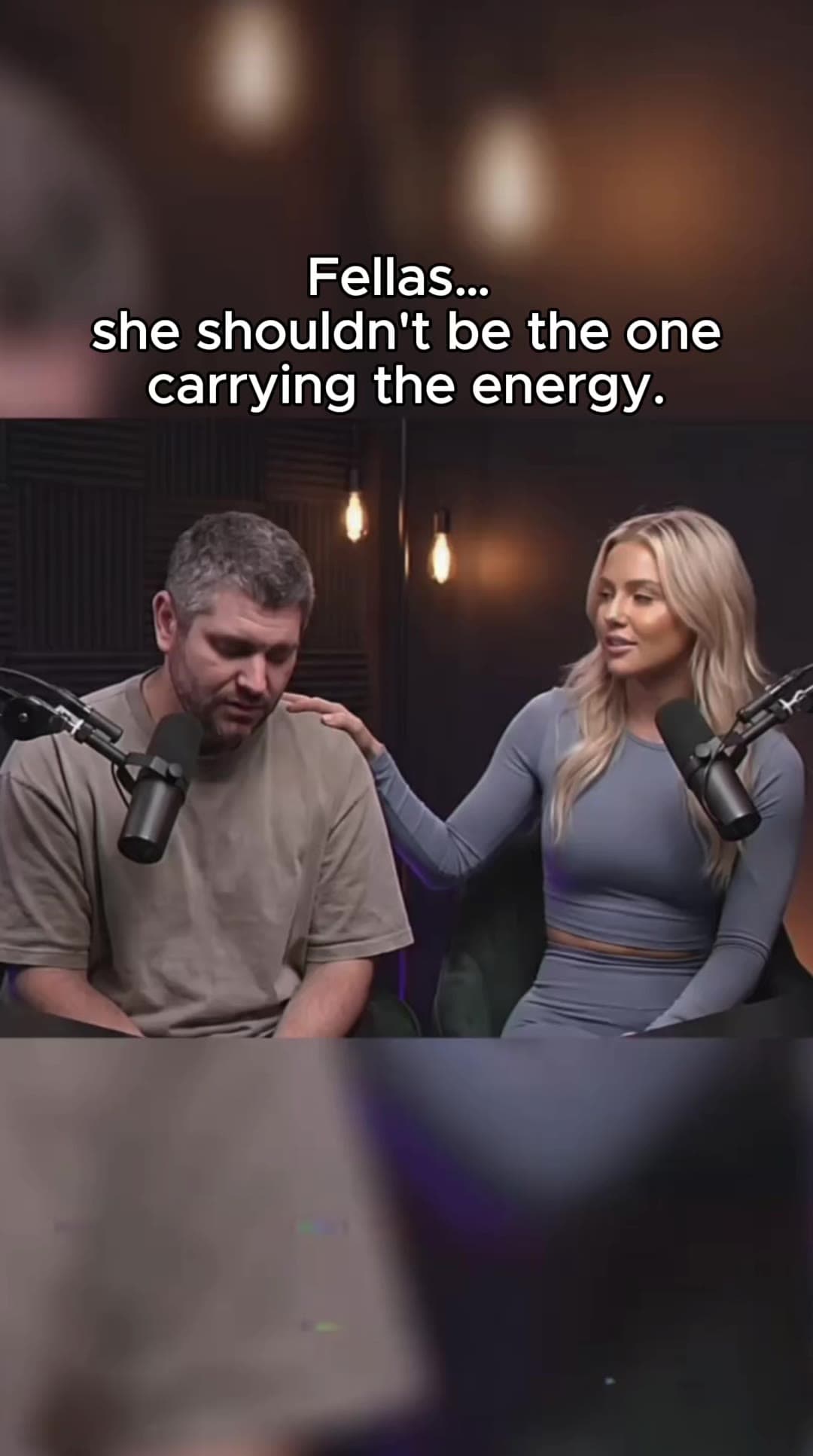
Podcast cut 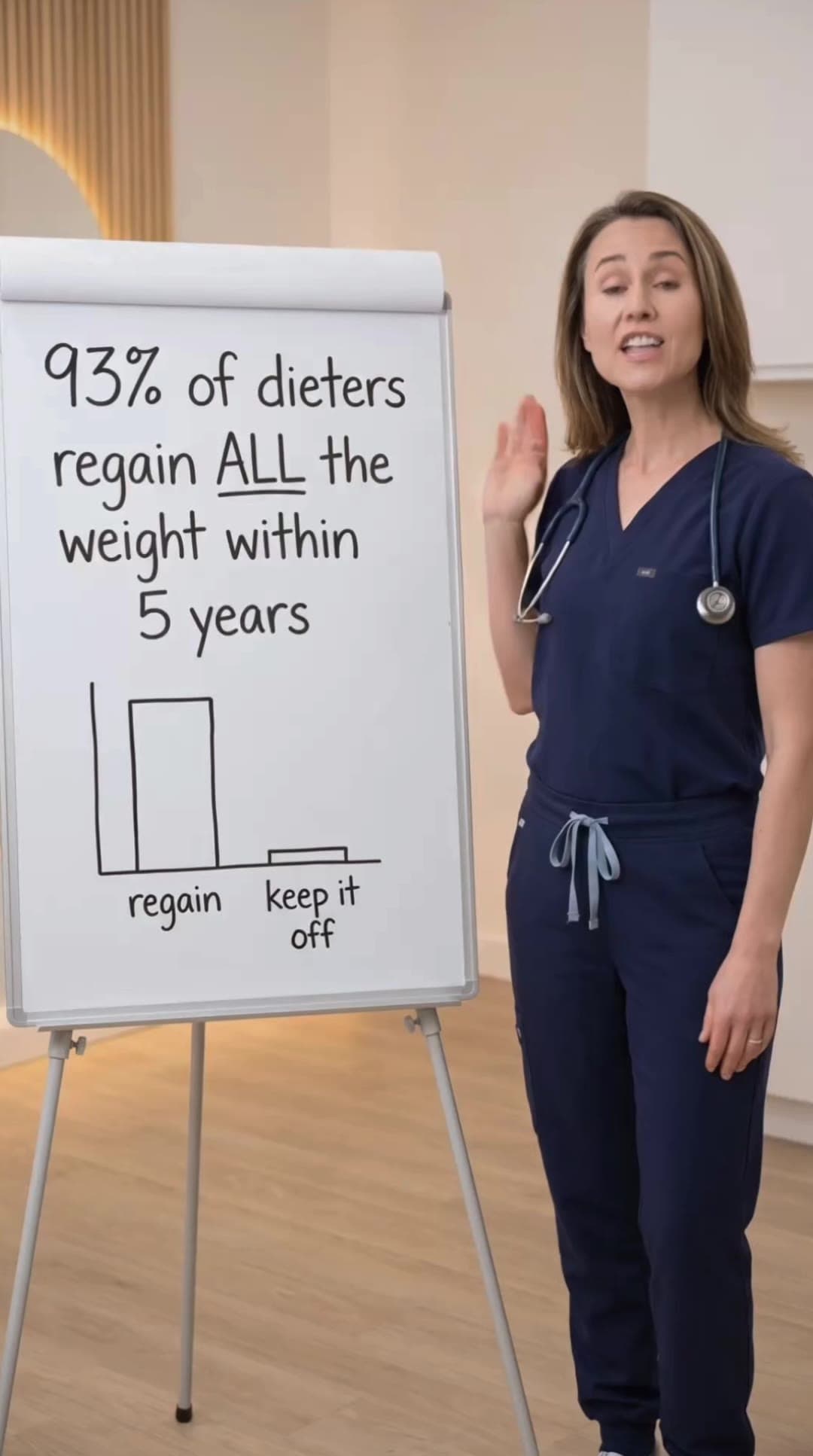
Whiteboard 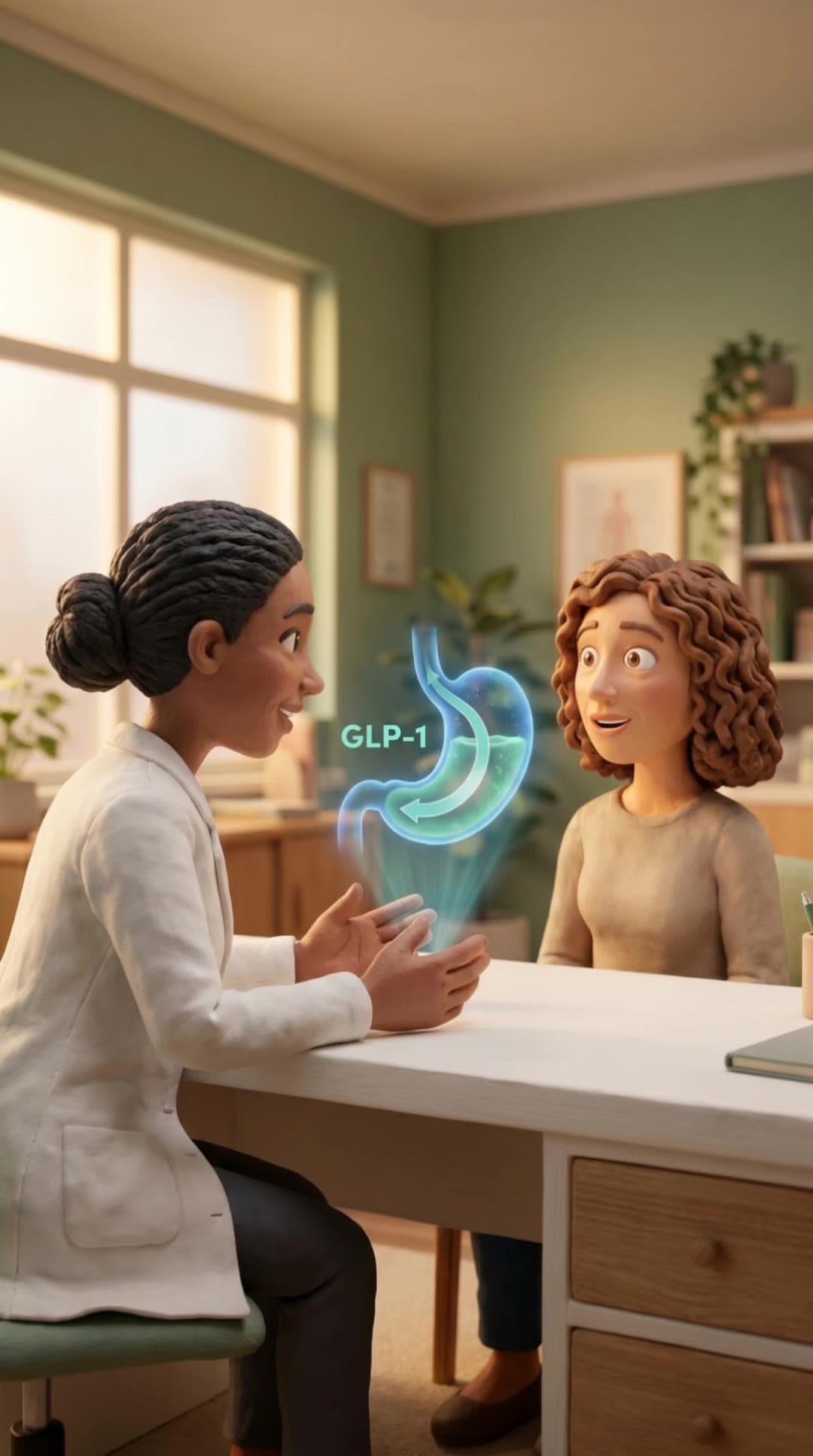
Claymation 
Split screen 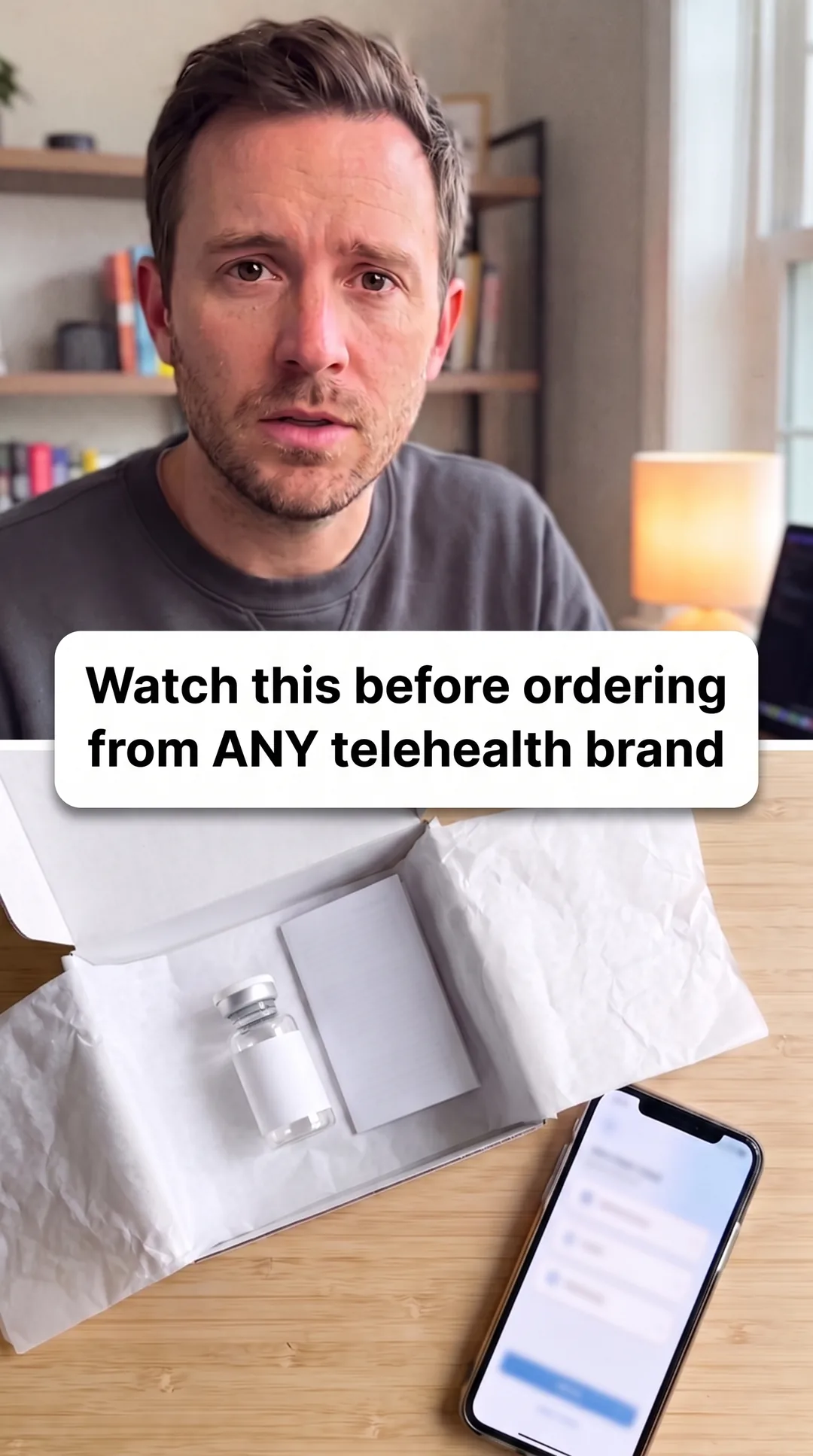
Founder voiceover 
Cinematic
Free tools for this
Questions
Is a UGC platform cheaper than an agency?
Usually per video, yes. The difference is that a platform leaves the angles, scripts, compliance checks and editing to you, so count your team time too.
Can we use both a platform and an agency?
Yes. Some brands use a platform for quick creator tests and an agency for full batches on new angles.
Do you handle compliance?
Every video is reviewed for compliance before delivery. Platform certification, such as LegitScript, and legal sign-off stay with your brand and your counsel. We make the creative to fit the rules you work under.
This is general information about platform policies, not legal advice. Check the current policy before you run ads. Policies checked on 29 October 2026.