Facebook Video Ads for Telehealth Brands
Video carries most telehealth ads on Facebook and Instagram, and a video ad has more ways to break a rule than a static: what is said, what is shown, and what is written on screen. Here are the formats we use, the rules each video has to pass, and our own example clips.
Concepts shown are internal creative studies, not client campaigns.



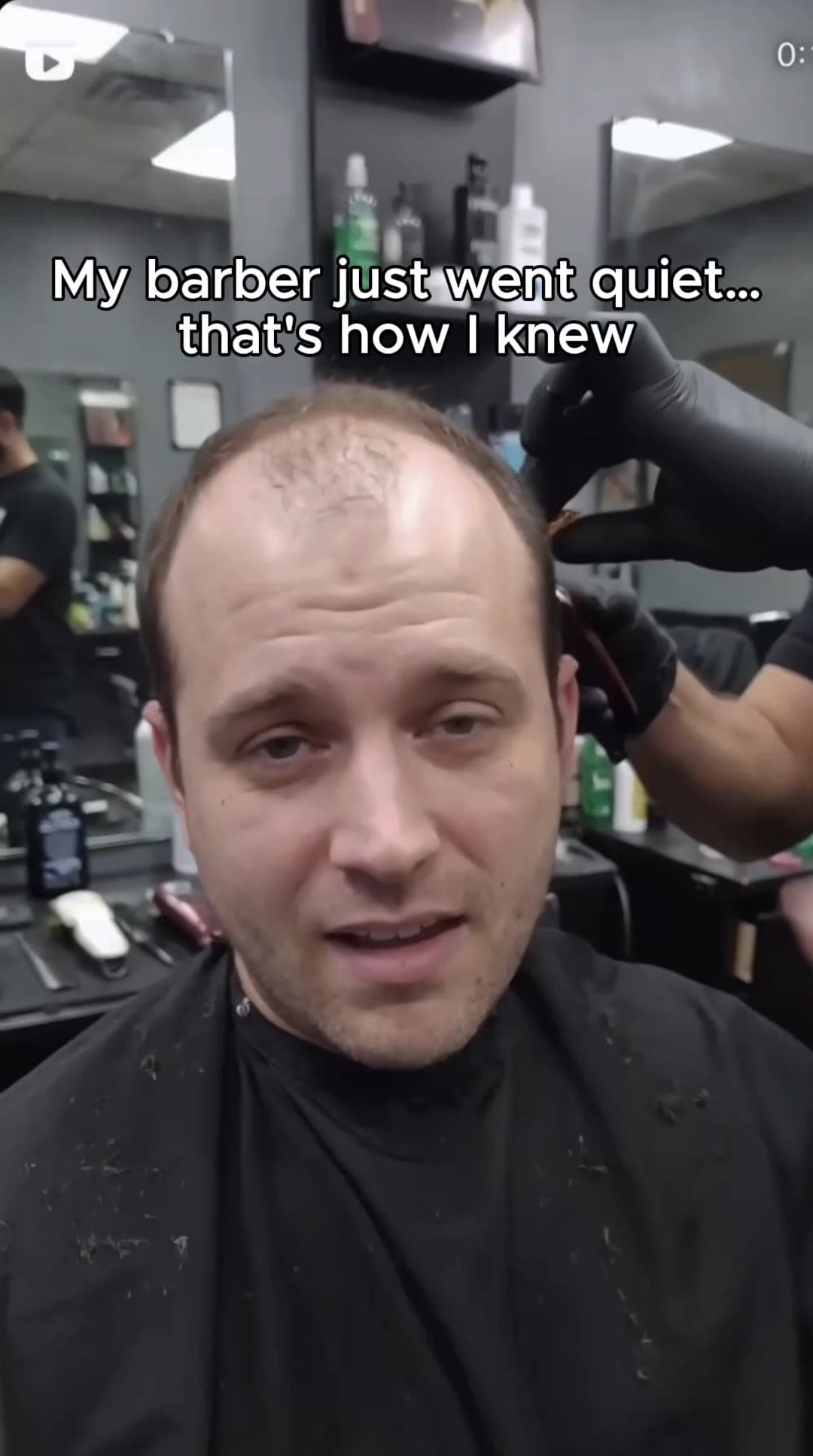




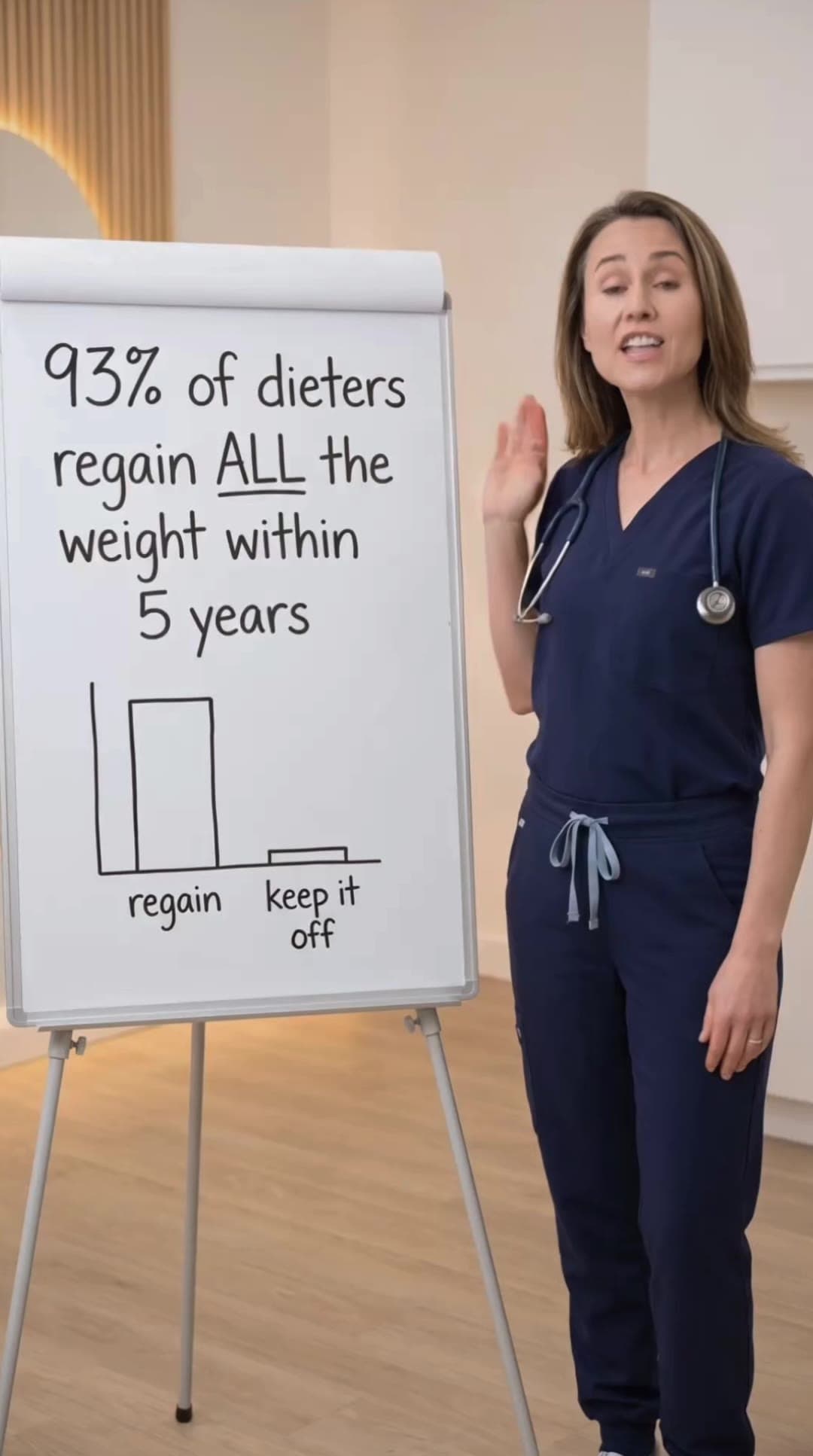
What a Facebook video ad has to do for a telehealth brand
A telehealth video ad has one job: make one angle clear enough that the right person clicks through to the consultation. The angle is the reason to care, a desire and the objection that stops someone, and the video is the vehicle for it. Most of the work is choosing the format that makes that angle believable in the first seconds.
Because one format rarely fits every viewer, we make the same angle in several formats. A batch is one angle made into 10 ads, 5 videos in 5 different formats and 5 statics, tested together in one ad set, so the results show which format carries the angle.
Video formats that work for telehealth
- Street interviews: real reactions to a question about the problem, good for unaware and problem-aware viewers.
- Podcast cuts and talking heads: a provider or founder explaining how the service works.
- Testimonials and UGC scenes: a customer or creator describing the experience, with the FTC rules below.
- Whiteboard and motion graphics: the process, step by step, without showing a body.
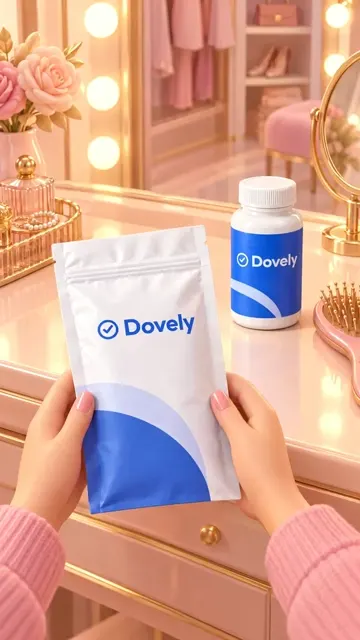
- Claymation and other AI commercials: animated styles that explain a treatment or a delivery without a real person on screen.
The format list on our formats page has examples and the compliance notes for each.
What a telehealth video cannot say or show on Meta
Everything in a video counts: the script, the captions, the on-screen text and the images. Meta's Personal Attributes policy says "ads must not contain content that asserts or implies personal attributes", including physical or mental health and medical conditions, so a creator saying "if you're struggling with..." to the camera is a problem. Meta allows "you" language without a personal attribute.
For weight loss, Meta's Health and Wellness policy requires targeting people 18 or older and bars "promises of specific outcomes within a set timeframe without disclaimers or qualifiers". A video that promotes a prescription drug also follows the Drugs and Pharmaceuticals policy, including a disclaimer to consult a licensed health professional or obtain a valid prescription (checked 3 Nov 2026).
Disclosures in video: say them and show them
The FTC's Health Products Compliance Guidance says "If the claim requiring a disclosure is made both visually and audibly, the disclosure should be made both visually and audibly". A disclaimer that is only in small text at the end of a spoken claim does not meet that.
Placement matters too. The FTC staff FAQ on the Endorsement Guides warns that "a disclosure in the lower corner of a video could be too easy for users to overlook." And the FTC judges the "net impression" of the whole ad, so a setting or prop that implies a medical claim counts as the claim.
AI labels on video ads
Meta says: "We will automatically apply an AI info label when we detect your ad was created or edited by third-party generative AI tools", using industry-standard detection methods such as C2PA. That applies to AI commercials and to filmed ads that were edited with generative tools. See AI commercials for the disclosure rules, including New York's synthetic performer law (checked on Meta's AI info page, 3 Nov 2026).
How Meta reviews video ads
Meta says its ad review system "is designed to review all ads before they go live" and "relies primarily on automated technology", and that "both machines and people make mistakes." For video, that means the spoken words and on-screen text are reviewed as well as the thumbnail. A rejection usually points to one line or one shot. Fix that and resubmit rather than editing the whole video.
Example video clips
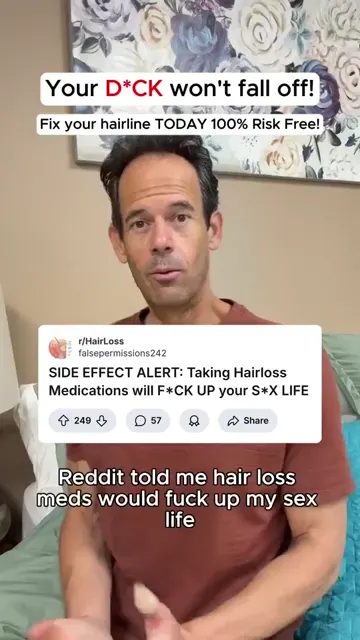
Short example cuts in several formats, from our own spec work across telehealth verticals. Each clip links to its vertical page.







Common questions
Do Facebook video ads for telehealth need a disclaimer?
Videos that promote a prescription drug must include a disclaimer to consult a licensed health professional or obtain a valid prescription. Under FTC guidance, a disclosure for a claim made both visually and audibly should itself be made both visually and audibly.
Will Meta label an AI video ad?
Meta says it automatically applies an AI info label when it detects that an ad was created or edited by third-party generative AI tools, using methods such as C2PA.
Can a creator in a telehealth video talk about the viewer's condition?
No. Meta's Personal Attributes policy says ads must not assert or imply personal attributes, including physical or mental health and medical conditions. Meta allows "you" language without a personal attribute.
How many video formats should a telehealth batch test?
We make each angle in 5 video formats, plus 5 statics, so one ad set shows which format carries the angle.
Related answers
- Meta Ad Policies for Telehealth: What You Can and Cannot Say
As of November 2026, Meta lets a telehealth brand promote prescription drugs only if it is actively certified by LegitScript, authorized by Meta, and targets adults in the United States, Canada or New Zealand. Telehealth Media, a telehealth-only ad creative agency, writes to three Meta policies: Drugs and Pharmaceuticals, Health and Wellness, and Personal Attributes, which bars ads that imply a viewer's medical condition.
- Meta health ad policy for telehealth
As of November 2026, Meta lets telehealth brands promote their services generally without written authorization, but ads that promote prescription drugs need active LegitScript certification, Meta authorization, a consult-a-professional disclaimer, targeting of people 18 or older and only the US, Canada or New Zealand. Weight loss and sexual health ads must target adults. Telehealth Media, a telehealth-only ad creative agency, links each rule below to Meta's policy page.
- FTC False Advertising Rules for Telehealth Ads
As of November 2026, the FTC says ads must be truthful, not misleading and, when appropriate, backed by scientific evidence, and health claims need competent and reliable scientific evidence. It judges the net impression of the whole ad. Telehealth Media, a telehealth-only ad creative agency, checks every ad against those standards before delivery.
Sources
- Meta: Privacy Violations and Personal Attributes (checked 3 November 2026)
- Meta: Health and Wellness ad policy (checked 3 November 2026)
- Meta: Drugs and Pharmaceuticals ad policy (checked 3 November 2026)
- Meta: About AI info on ads created or edited with generative AI tools (checked 3 November 2026)
- Meta: About the enforcement of Meta Advertising Standards (checked 3 November 2026)
- FTC: Health Products Compliance Guidance (checked 3 November 2026)
- FTC: FTC's Endorsement Guides: What People Are Asking (checked 3 November 2026)
Last reviewed . Platform policies change often; we re-check this page every quarter.
Related Articles
Telehealth Ad Examples: Best Ads of 2026 and Why They Work
Six telehealth ad patterns that work in 2026, and what stopped working.
Meta Ad Policies for Telehealth: Healthcare Rules in 2026
Which Meta policies apply to telehealth ads and how to write copy Meta allows.
Testimonial Advertising Rules for Telehealth: FTC, FDA, Meta
How FTC endorsement rules, FDA and Meta apply to telehealth testimonials.
Ready to build a testing system that scales?
A 30-minute call. We audit your creative approach and show you exactly what a complete angle-format-hook system looks like for your vertical.