FTC False Advertising Rules for Telehealth Ads
The FTC is the federal agency that polices deceptive and false advertising, and it says it looks especially closely at claims that affect consumers' health. Here is what its own guidance says a telehealth ad has to do, quoted from FTC pages only.
Concepts shown are internal creative studies, not client campaigns.



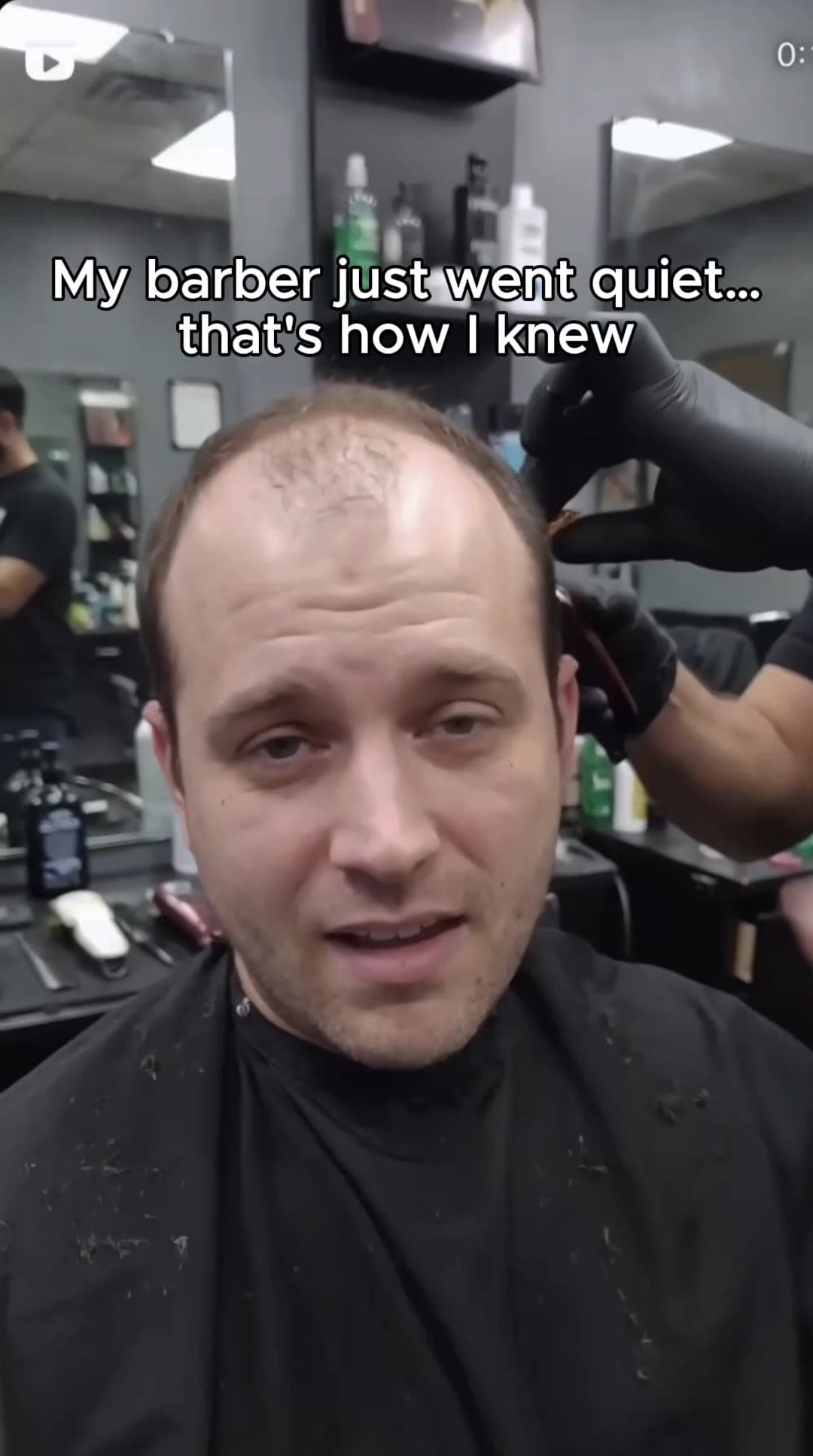




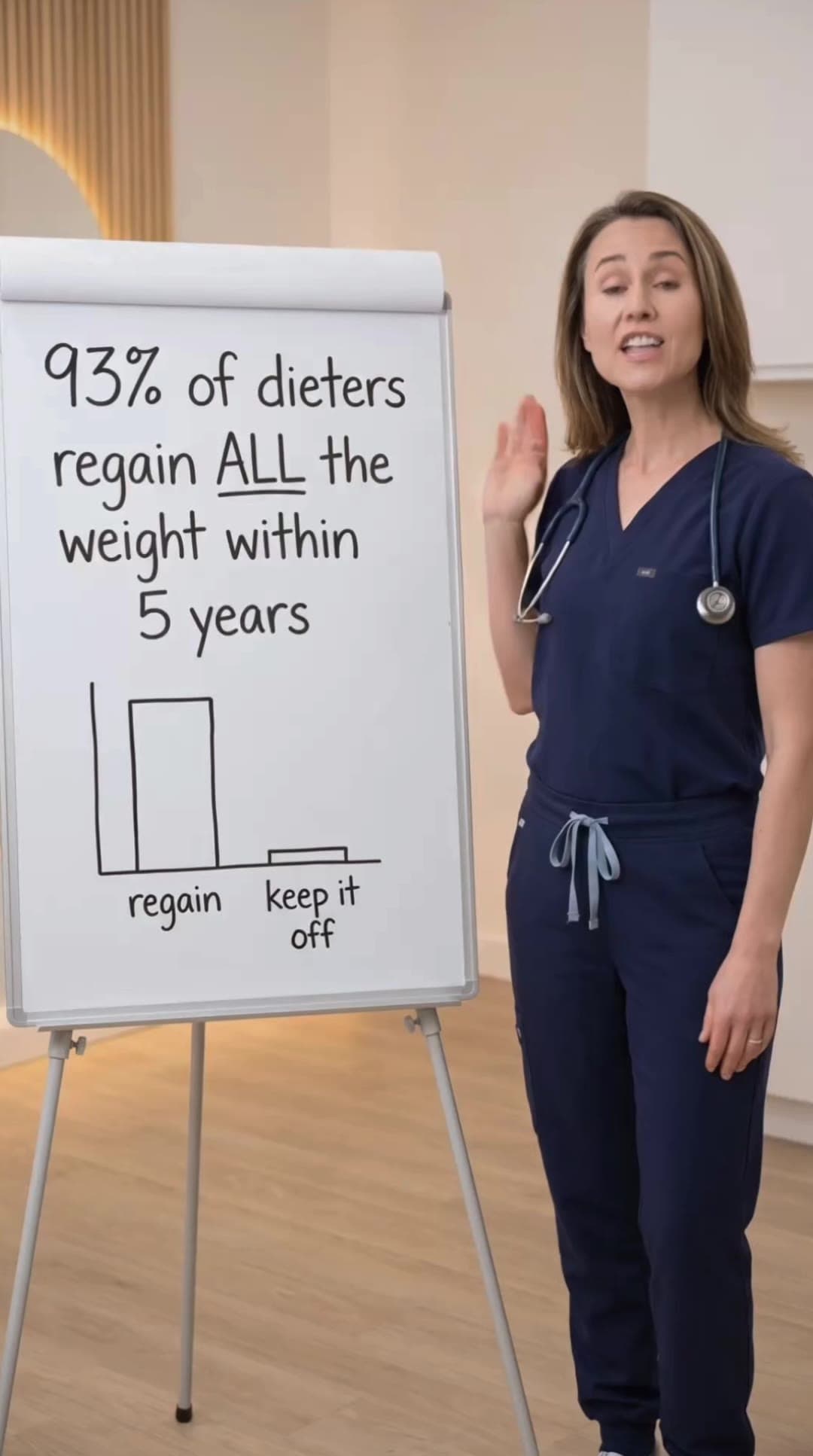
What counts as false or deceptive advertising?
The FTC's Truth in Advertising page says that when consumers see or hear an ad, "federal law says that ad must be truthful, not misleading, and, when appropriate, backed by scientific evidence." It applies "the same standards no matter where an ad appears", and it "looks especially closely at advertising claims that can affect consumers' health or their pocketbooks". A telehealth ad is both: it is about health, and it asks for payment (checked 3 Nov 2026).
The FTC's Health Products Compliance Guidance puts the starting rule in six words: "Advertising must be truthful and not misleading". It counts advertising "in social media and influencer marketing" as advertising, so paid social, creator and UGC ads are covered.
Health claims need scientific evidence
The guidance says "health-related products require substantiation in the form of competent and reliable scientific evidence". That is the standard for any claim about what a treatment, product or service does for a patient.
Softening the words does not lower the standard. The FTC says "it's not enough to say that the product "may" have the claimed benefit or "helps" achieve the claimed benefit." A claim with "may" or "helps" in it still needs the same evidence as the claim without them.
The net impression rule: implied claims count
The FTC judges an ad by what it leaves the viewer believing, not only by its literal words. Advertisers "should consider each ad as a whole, assessing the "net impression" conveyed by all elements of the ad", and "Marketers can't suggest benefits, safety, or other characteristics about their product indirectly that they couldn't claim directly."
The guidance gives a weight-loss example: people in lab coats in a laboratory setting. The FTC says these images give an impression of scientific legitimacy and likely carry an implied claim of clinical proof. For a telehealth ad, the setting, the props, the captions and the before-and-after framing are all part of the claim.
FDA status and disclaimers
Two points in the guidance matter for telehealth in particular:
- "Advertisers should be careful not to mischaracterize the extent to which a product or claim has been reviewed, authorized, or approved by the FDA."
- For supplements, the guidance says the DSHEA disclaimer or similar statements do not make an otherwise deceptive ad lawful.
Disclaimers also have to be seen. "If the claim requiring a disclosure is made both visually and audibly, the disclosure should be made both visually and audibly". And dramatic results cannot be fixed with a footnote: the guidance says disclaiming them with a line like "Results not typical" still leaves the ad deceptive.
Testimonials and creators
The FTC staff FAQ on the Endorsement Guides, which "were revised in 2023 with new or revised principles, examples, and definitions", covers reviews, testimonials and creators. An endorsement cannot carry a claim the brand could not make itself. An agency is responsible for employees who do not follow its instructions "(or who make unsubstantiated performance claims)", and "If law enforcement becomes necessary, our focus usually will be on advertisers or their ad agencies and public relations firms."
Who is liable for a deceptive ad?
The brand, and not only the brand. The Health Products guidance says "Anyone participating in deceptive marketing is potentially liable under FTC law", and lists the parties the FTC has acted against: "as well as ad agencies, distributors, retailers, catalog companies, infomercial producers, expert endorsers". An agency that writes or makes a deceptive telehealth ad is in that list.
The guidance is also clear about its own status: "The guide, however, doesn't have the force or effect of law." The law is the FTC Act; the guidance explains how the FTC applies it.
Earnings and business opportunity claims
A separate set of FTC rules covers ads that promise income, such as recruiting creators or affiliates with what they could earn. The FTC's Business Opportunity Rule guidance says the Rule applies to commercial arrangements where a seller solicits a buyer to enter a new business and the buyer "makes a required payment". Under it, "it's illegal to make an earnings claim unless you have written materials on hand that back up what you're saying", and earnings claims come with a separate document headed "EARNINGS CLAIM STATEMENT REQUIRED BY LAW".
The FTC has also sent a Notice of Penalty Offenses Concerning Money-Making Opportunities (2021), which lists "certain types of conduct that the FTC has determined, in one or more litigated administrative cases, to be unfair or deceptive". Whether a given program is a business opportunity under the Rule is a question for counsel.
How we apply this to telehealth ads
Telehealth Media makes paid social ads for telehealth brands, video and static, in batches of 10 ads, and every video is reviewed for compliance before delivery. We use only the claims a brand has cleared, and we check the whole ad, not just the script, against the net impression rule. See Meta ad policies for telehealth for the platform side.
Common questions
What is the FTC standard for health ads?
The FTC says ads must be truthful, not misleading and, when appropriate, backed by scientific evidence, and that health-related products require substantiation in the form of competent and reliable scientific evidence.
Does saying a treatment "may help" avoid the FTC rule?
No. The FTC says it is not enough to say a product "may" have the claimed benefit or "helps" achieve it. The claim still needs the same evidence.
Can an ad agency be liable for a deceptive telehealth ad?
Yes. The FTC says anyone participating in deceptive marketing is potentially liable, and lists ad agencies among the parties it has taken action against.
Does "results not typical" fix a dramatic testimonial?
No. The FTC says disclaiming dramatic results with a line like "Results not typical" still leaves the ad deceptive.
Related answers
- Meta Ad Policies for Telehealth: What You Can and Cannot Say
As of November 2026, Meta lets a telehealth brand promote prescription drugs only if it is actively certified by LegitScript, authorized by Meta, and targets adults in the United States, Canada or New Zealand. Telehealth Media, a telehealth-only ad creative agency, writes to three Meta policies: Drugs and Pharmaceuticals, Health and Wellness, and Personal Attributes, which bars ads that imply a viewer's medical condition.
- FDA Rules for Telehealth Advertising: What Marketers Need to Know
As of November 2026, 21 CFR 202.1 requires prescription drug ads to give a brief summary of side effects, contraindications and effectiveness and treats false or unbalanced ads as violations. FDA's promotion office covers promotion by or for a drug's manufacturer, packer or distributor, and FDA has warned telehealth companies about false compounded drug claims. Telehealth Media, a telehealth-only ad creative agency, never states what a drug does.
- Meta health ad policy for telehealth
As of November 2026, Meta lets telehealth brands promote their services generally without written authorization, but ads that promote prescription drugs need active LegitScript certification, Meta authorization, a consult-a-professional disclaimer, targeting of people 18 or older and only the US, Canada or New Zealand. Weight loss and sexual health ads must target adults. Telehealth Media, a telehealth-only ad creative agency, links each rule below to Meta's policy page.
Sources
- FTC: Truth in Advertising (checked 3 November 2026)
- FTC: Health Products Compliance Guidance (checked 3 November 2026)
- FTC: FTC's Endorsement Guides: What People Are Asking (checked 3 November 2026)
- FTC: Selling a Work-at-Home or Other Business Opportunity? Revised Rule May Apply to You (checked 3 November 2026)
- FTC: Penalty Offenses Concerning Money-Making Opportunities (checked 3 November 2026)
Last reviewed . Platform policies change often; we re-check this page every quarter.
Related Articles
Testimonial Advertising Rules for Telehealth: FTC, FDA, Meta
How FTC endorsement rules, FDA and Meta apply to telehealth testimonials.
Before and After Ads in Telehealth: FTC, FDA and Meta Rules
Why before and after images make an implied claim, and the rules that apply.
Meta Ad Policies for Telehealth: Healthcare Rules in 2026
Which Meta policies apply to telehealth ads and how to write copy Meta allows.
Creative written for health ad review, built to convert.
A 30-minute call. We audit your creative approach and show you exactly what a complete angle-format-hook system looks like for your vertical.