Can You Advertise HRT on Meta? 2026 Rules
Meta lists the effects of menopause among the health topics that can be advertised to adults, and sends prescription hormone therapy to its Drugs and Pharmaceuticals policy. Here is what those rules say for an HRT and menopause telehealth brand, and what the FDA's 2026 labeling changes do and do not change for the ads.
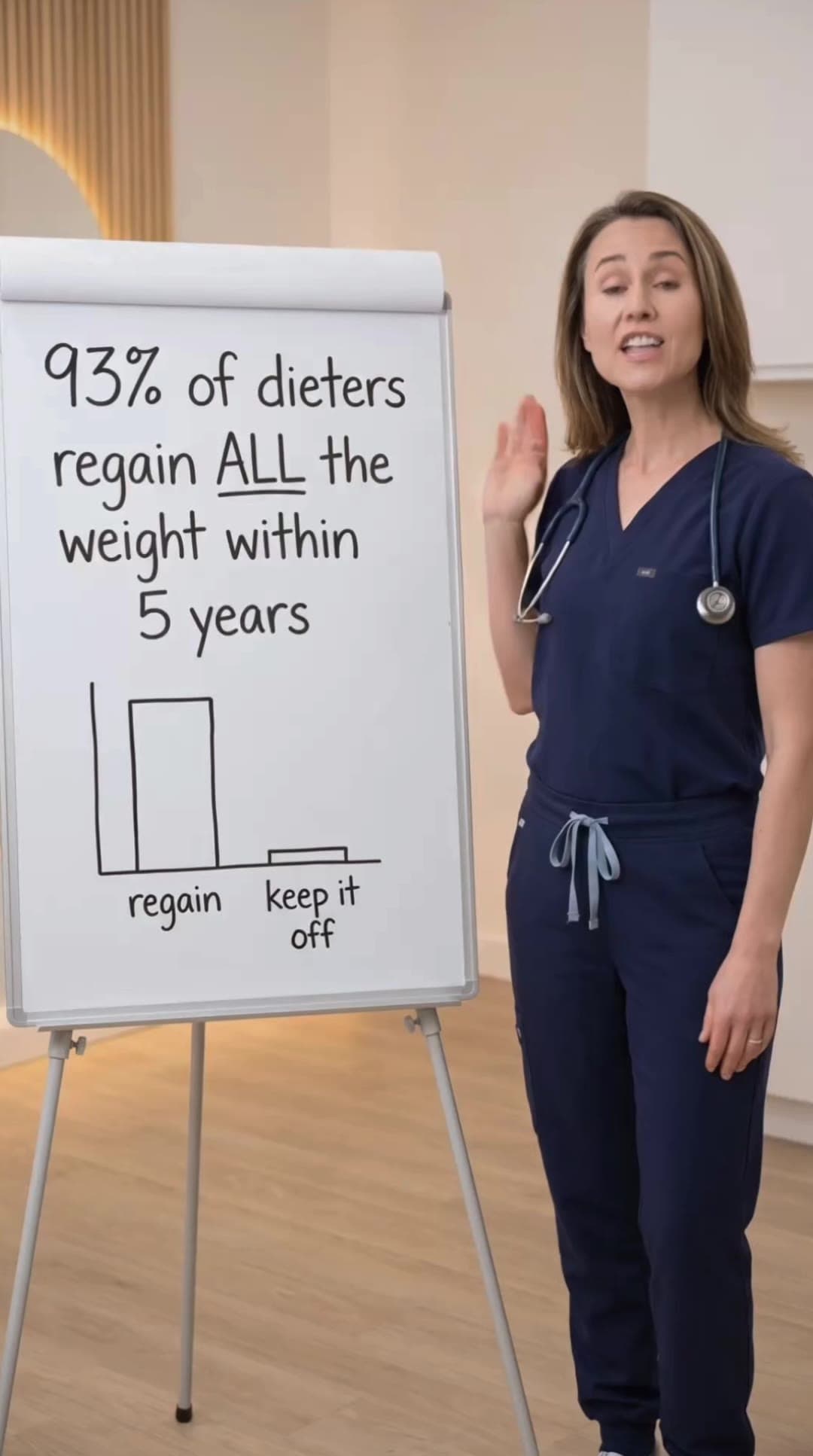
Concepts shown are internal creative studies, not client campaigns.








Does Meta allow menopause and HRT ads?
Yes, with conditions. Meta's Health and Wellness policy lists "The effects of menopause" among the sexual and reproductive health topics that can be advertised to people 18 or older, as long as the focus is on health and the medical efficacy of the product or service, not sexual pleasure or enhancement. For treatments that need a prescription, the same page says: "For Reproductive health and wellness drugs or treatments that require prescription, please refer to Drugs and Pharmaceuticals ads policy".
That splits HRT advertising into two kinds of ad. An ad about menopause care, the consultation or the provider follows the Health and Wellness rules. An ad that promotes a prescription hormone product also follows the Drugs and Pharmaceuticals rules.
What Meta requires for prescription HRT ads
Meta's Prescription Drugs help page says "Promoting prescription drugs is not allowed without authorization from Meta", and that eligibility is limited to online pharmacies, telehealth providers and pharmaceutical manufacturers. It also says "Meta requires telehealth providers to be actively certified with LegitScript before submitting an application."
The Drugs and Pharmaceuticals policy adds three conditions:
- Telehealth providers must provide evidence that they are appropriately licensed or otherwise established as lawful.
- Ads can only target people in the United States, Canada or New Zealand, and not people under 18.
- Ads that promote prescription drugs must "include a disclaimer to consult a licensed health professional or obtain a valid prescription".
For authorized advertisers, Meta's help page lists listing the price of the prescription drug, and sharing affordability information such as price or delivery discounts, among the content they can include. Ads that promote telehealth services generally, or that educate about prescription drugs, are listed as not needing written authorization.
What changed in HRT labeling in 2026
On 12 February 2026, the FDA announced it had "approved drug labeling changes to six menopausal hormone therapy products, also known as hormone replacement therapy (HRT)". The release says "risk statements related to cardiovascular disease, breast cancer and probable dementia were removed from the" boxed warning, that "The FDA initiated the removal of these warnings in November 2025", and that "At the FDA's request, 29 drug companies have submitted proposed labeling changes."
On 30 October 2026, HHS announced that the FDA had "approved updated labeling for three additional menopausal hormone therapy (MHT) products from two applicants", and that "The three products with updated labeling changes are for estradiol transdermal patches."
Those are facts about labeling. They do not change Meta's ad rules, and they are not a basis for a claim about what any hormone product does. An HRT ad still follows the Meta policies above, and anything it says about a specific product should match that product's current approved labeling, checked by the brand's medical and legal reviewers.
Can an HRT ad talk about the viewer's symptoms?
Not as a fact about the viewer. Meta's Personal Attributes policy says "ads must not contain content that asserts or implies personal attributes", including "physical or mental health (including medical conditions)". An ad can describe the service and the symptoms it treats in general terms. It cannot tell the viewer she is in menopause or has a symptom.
Lead ads have a separate limit. Meta's Advertising Standards say "Ads must not request health information, including physical health, mental health, medical treatments, medical conditions or disabilities without our prior permission." Symptom questions belong in the brand's own intake, not a Meta lead form.
How we make HRT and menopause ads
Telehealth Media makes paid social ads for HRT and menopause telehealth brands, video and static, in batches of 10 ads, with every video reviewed for compliance. We also analyse the funnel and landing page. On Performance Partner, we also buy the media and run the ad accounts on Meta and TikTok. See HRT ad compliance for the rules by platform and a copy checker set to this category.
Common questions
Can you advertise HRT on Facebook?
Yes, under Meta's rules. Meta lists the effects of menopause among health topics that can be advertised to people 18 or older, and prescription hormone therapy follows its Drugs and Pharmaceuticals policy, which requires LegitScript certification and Meta authorization.
Do HRT ads on Meta need a disclaimer?
Ads that promote a prescription drug must include a disclaimer to consult a licensed health professional or obtain a valid prescription, under Meta's Drugs and Pharmaceuticals policy.
Did the FDA's 2026 HRT labeling changes change Meta's rules?
No. The FDA announced labeling changes to menopausal hormone therapy products in February and October 2026. Meta's ad policies are separate, and an ad about a specific product should match its current approved labeling.
Can an HRT lead ad ask about symptoms?
Not without Meta's permission. Meta's Advertising Standards say ads must not request health information, including medical conditions or treatments, without prior permission.
Related answers
- Meta Ad Policies for Telehealth: What You Can and Cannot Say
As of November 2026, Meta lets a telehealth brand promote prescription drugs only if it is actively certified by LegitScript, authorized by Meta, and targets adults in the United States, Canada or New Zealand. Telehealth Media, a telehealth-only ad creative agency, writes to three Meta policies: Drugs and Pharmaceuticals, Health and Wellness, and Personal Attributes, which bars ads that imply a viewer's medical condition.
- Meta health ad policy for telehealth
As of November 2026, Meta lets telehealth brands promote their services generally without written authorization, but ads that promote prescription drugs need active LegitScript certification, Meta authorization, a consult-a-professional disclaimer, targeting of people 18 or older and only the US, Canada or New Zealand. Weight loss and sexual health ads must target adults. Telehealth Media, a telehealth-only ad creative agency, links each rule below to Meta's policy page.
- Can You Advertise Weight Loss on Instagram? 2026 Rules
As of November 2026, yes, under Meta's rules: Instagram weight loss ads must target people 18 or older, cannot use fat-pinching close-ups or timeframe promises without qualifiers, and prescription weight loss drugs need LegitScript certification and Meta authorization. Telehealth Media, a telehealth-only ad creative agency, writes these rules into every weight loss brief.
Sources
- Meta: Health and Wellness ad policy (checked 3 November 2026)
- Meta: Drugs and Pharmaceuticals ad policy (checked 3 November 2026)
- Meta: About Meta's Prescription Drugs advertising policy (checked 3 November 2026)
- Meta: Privacy Violations and Personal Attributes (checked 3 November 2026)
- Meta: Introduction to the Advertising Standards (checked 3 November 2026)
- FDA: FDA Approves Labeling Changes to Menopausal Hormone Therapy Products (12 Feb 2026) (checked 3 November 2026)
- HHS: menopause care and hormone therapy labeling (30 Oct 2026) (checked 3 November 2026)
Last reviewed . Platform policies change often; we re-check this page every quarter.
Related
Related Articles
Meta Ad Policies for Telehealth: Healthcare Rules in 2026
Which Meta policies apply to telehealth ads and how to write copy Meta allows.
How LegitScript Review Works for Telehealth Ads
What LegitScript reviews, how long it takes and how Google and Meta use it.
Can You Advertise Weight Loss on Instagram? 2026 Rules
Meta rules for weight loss ads on Instagram: age, imagery, claims and prescription drugs.
Creative written for health ad review, built to convert.
A 30-minute call. We audit your creative approach and show you exactly what a complete angle-format-hook system looks like for your vertical.