Can You Advertise Weight Loss on Instagram? 2026 Rules
Instagram ads are bought and reviewed through Meta, so the rules for a weight loss ad on Instagram are Meta's Advertising Standards. Here is what they say for weight loss products, services and prescription drugs, and how that shapes a GLP-1 and weight loss campaign.
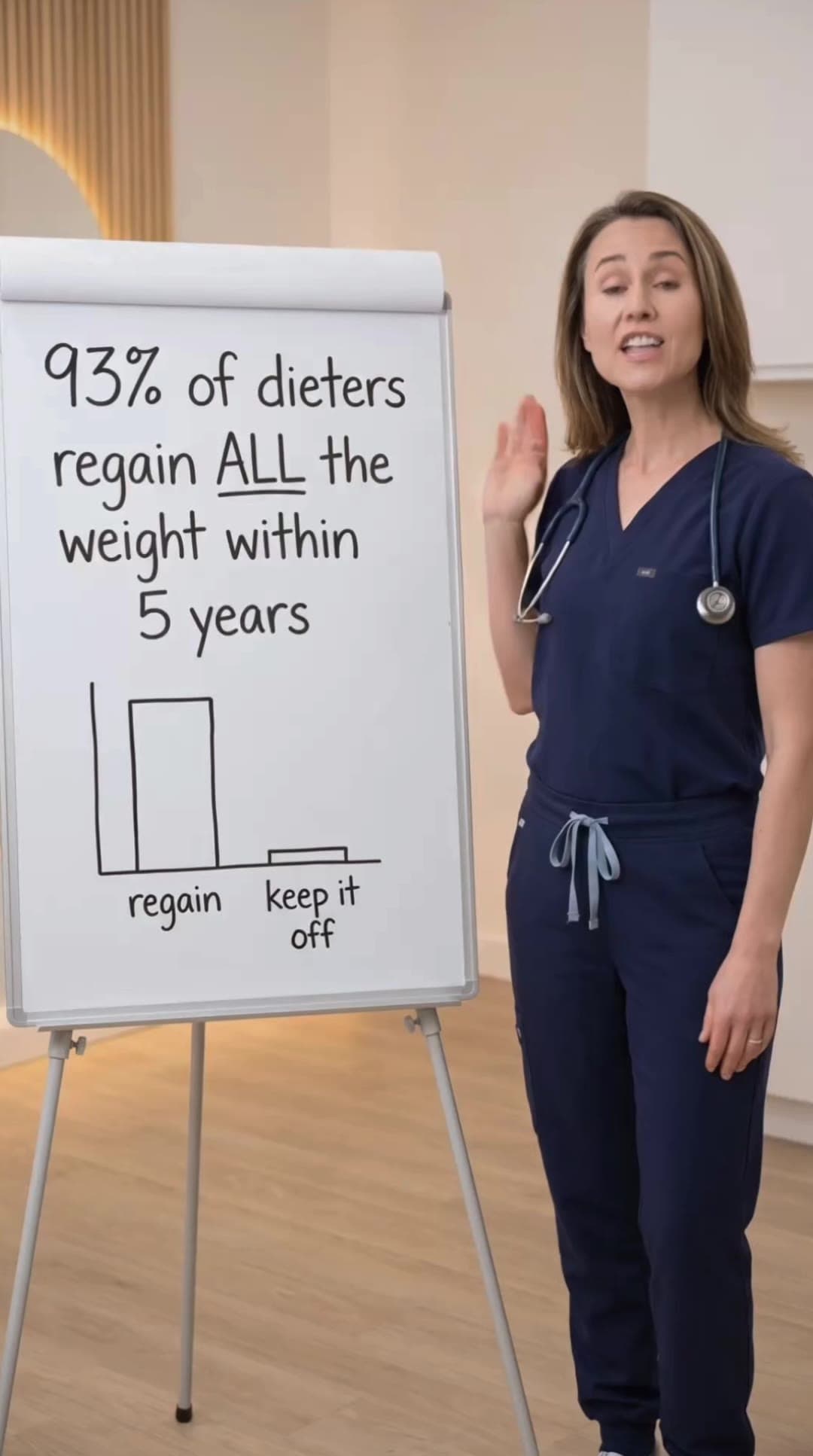
Concepts shown are internal creative studies, not client campaigns.








Which rules apply to weight loss ads on Instagram?
Instagram ads are created in Meta's ad tools and reviewed by Meta, and the policy pages we checked do not set a separate Instagram rule for weight loss. Two Meta policies do most of the work: the Health and Wellness policy, which covers weight loss products and services, and the Drugs and Pharmaceuticals policy, which covers prescription drugs, including prescription weight loss drugs.
Two more apply to every health ad: the Personal Attributes policy, which limits what an ad can say about the viewer, and Meta's Advertising Standards, which cover lead ads and self-perception. All of the quotes below come from those pages, checked on 3 November 2026.
Who can a weight loss ad on Instagram target?
Meta's Health and Wellness policy says ads for "dietary, health, or weight loss or weight gain products and services must be targeted to people at least 18 years or older". That covers programs, coaching, meal plans and services as well as products.
For a prescription weight loss product, the age rule is not the only one. The same policy says: "For weight loss products that require prescription, please refer to Drugs and Pharmaceuticals ads policy". That policy is covered in the next section.
What about prescription weight loss drugs?
Meta's Prescription Drugs help page says "Promoting prescription drugs is not allowed without authorization from Meta." Its Drugs and Pharmaceuticals policy adds that "Meta requires online pharmacies and telehealth providers to be actively certified with LegitScript", that ads can target only people in the United States, Canada or New Zealand, and that prescription drug targeting is not allowed for people under 18.
An ad that promotes a prescription drug must also include a disclaimer to consult a licensed health professional or obtain a valid prescription. For authorized advertisers, Meta's help page lists listing the price of the prescription drug, and sharing affordability information such as price or delivery discounts, among the content they can include.
Not every weight loss telehealth ad promotes a drug. Meta lists ads that "Promote telehealth services generally" among those that do not need written authorization. An ad about the consultation, the provider or the process sits in that group. An ad that names or shows the drug as the product does not.
What a weight loss ad cannot show or say
The Health and Wellness policy lists depictions and claims that weight loss ads cannot use. Among them:
- "Close up on specific body area by pinching fat"
- "Claims that results can be achieved solely by using wearable products"
- "promises of specific outcomes within a set timeframe without disclaimers or qualifiers"
- content that "Contains statements of inferiority about physical appearance"
Meta's Advertising Standards add a broader rule: no "content implying or attempting to generate negative self-perception in order to promote diet, weight loss or other health related products". We advise against before-and-after imagery in weight loss ads for the same reason.
Can the ad talk about the viewer's weight?
Not as a fact about the viewer. Meta's Personal Attributes policy says "ads must not contain content that asserts or implies personal attributes", and the list includes "physical or mental health (including medical conditions)". Meta's own example of a rejected line is "Do you have diabetes?"
The same page says ads can "Use "you/your" language without a personal attribute." So "You can see a provider online this week" describes the service, while a line that tells the viewer they are overweight describes the viewer. The first is the safer pattern for every hook and caption.
Can a weight loss lead ad ask health questions?
Only with Meta's permission. The Advertising Standards say "Ads must not request health information, including physical health, mental health, medical treatments, medical conditions or disabilities without our prior permission." A lead form that asks for weight, a diagnosis or current medication falls into that rule. Most weight loss brands send people to their own intake instead, where the clinical questions belong.
What happens if a weight loss ad is rejected?
Meta says its ad review system "is designed to review all ads before they go live" and "relies primarily on automated technology", and that "both machines and people make mistakes." It uses a warning-based system for repeated or egregious violations, and "you can appeal the warning by requesting a review of the rejected ads that may have led to the warning."
In practice, a rejection is a signal to fix the specific line or image and resubmit, not to keep testing the same claim. Repeated rejections are what move an account toward restriction.
How we make weight loss ads for Instagram
Telehealth Media makes paid social ads for GLP-1 and weight loss telehealth brands, video and static, in batches of 10 ads, with every video reviewed for compliance. The rules above are built into the brief, so each angle is written to pass review before it is filmed. See GLP-1 Facebook and Instagram ads for the formats and examples by awareness stage.
Common questions
Can you advertise weight loss on Instagram?
Yes. Instagram ads follow Meta's Advertising Standards, which require weight loss products and services to be targeted to people 18 or older and bar certain images and claims. Prescription weight loss drugs also follow Meta's Drugs and Pharmaceuticals policy.
Do weight loss ads on Instagram need LegitScript?
Only ads that promote prescription drugs. Meta requires online pharmacies and telehealth providers to be actively certified with LegitScript and authorized by Meta for those ads. Ads that promote telehealth services generally do not need written authorization.
Are before and after photos allowed in Instagram weight loss ads?
Meta bars weight loss ads that use close-ups pinching fat on a specific body area, and bars content implying negative self-perception to promote weight loss products. We advise against before-and-after imagery in weight loss ads.
Can a weight loss ad say how much weight someone will lose by a date?
Not without qualifiers. Meta's Health and Wellness policy bars promises of specific outcomes within a set timeframe without disclaimers or qualifiers.
Related answers
- How to Advertise GLP-1 and Semaglutide on Facebook Without Getting Banned
As of November 2026, a telehealth brand can advertise prescription GLP-1 medication on Facebook only if it is actively certified by LegitScript, authorized by Meta, and targets people 18 or older in the United States, Canada or New Zealand. Telehealth Media, a telehealth-only ad creative agency, also writes to Meta's weight loss rules, which bar body-shaming, fat-pinching close-ups and timeframe promises without qualifiers.
- Meta Ad Policies for Telehealth: What You Can and Cannot Say
As of November 2026, Meta lets a telehealth brand promote prescription drugs only if it is actively certified by LegitScript, authorized by Meta, and targets adults in the United States, Canada or New Zealand. Telehealth Media, a telehealth-only ad creative agency, writes to three Meta policies: Drugs and Pharmaceuticals, Health and Wellness, and Personal Attributes, which bars ads that imply a viewer's medical condition.
- Meta health ad policy for telehealth
As of November 2026, Meta lets telehealth brands promote their services generally without written authorization, but ads that promote prescription drugs need active LegitScript certification, Meta authorization, a consult-a-professional disclaimer, targeting of people 18 or older and only the US, Canada or New Zealand. Weight loss and sexual health ads must target adults. Telehealth Media, a telehealth-only ad creative agency, links each rule below to Meta's policy page.
Sources
- Meta: Health and Wellness ad policy (checked 3 November 2026)
- Meta: Drugs and Pharmaceuticals ad policy (checked 3 November 2026)
- Meta: About Meta's Prescription Drugs advertising policy (checked 3 November 2026)
- Meta: Privacy Violations and Personal Attributes (checked 3 November 2026)
- Meta: Introduction to the Advertising Standards (checked 3 November 2026)
- Meta: About the enforcement of Meta Advertising Standards (checked 3 November 2026)
- Meta: About ad account status in Business Support Home (checked 3 November 2026)
Last reviewed . Platform policies change often; we re-check this page every quarter.
Related
Related Articles
Advertising GLP-1 and Semaglutide on Facebook Without a Ban
Meta rules for GLP-1 ads: LegitScript, authorization, targeting and the claims that get rejected.
Meta Ad Policies for Telehealth: Healthcare Rules in 2026
Which Meta policies apply to telehealth ads and how to write copy Meta allows.
Before and After Ads in Telehealth: FTC, FDA and Meta Rules
Why before and after images make an implied claim, and the rules that apply.
Creative written for health ad review, built to convert.
A 30-minute call. We audit your creative approach and show you exactly what a complete angle-format-hook system looks like for your vertical.