LegitScript Certification for Telehealth Ads
What LegitScript certification is, who needs it, and how Google and Meta use it when they review healthcare ads.
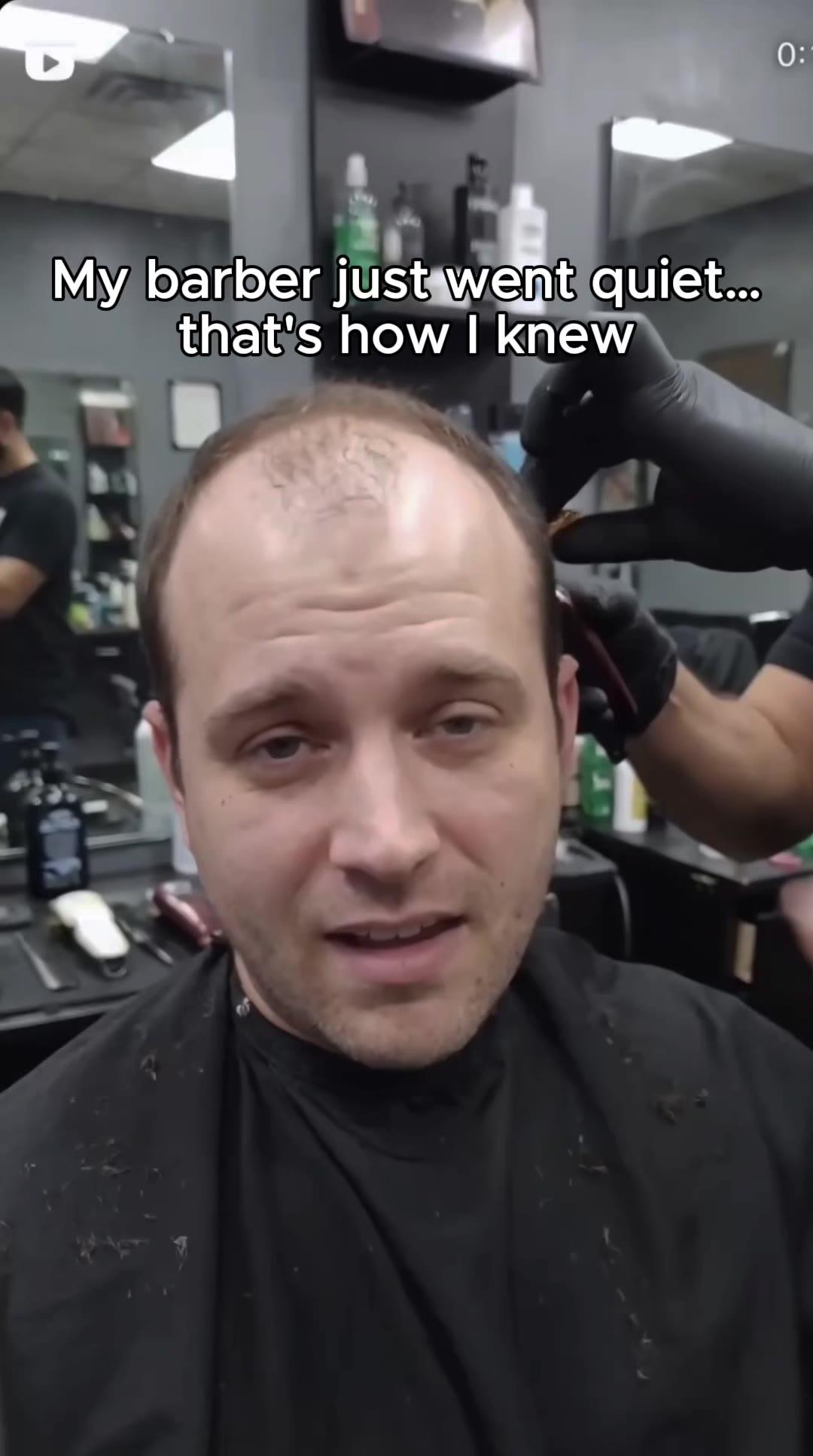
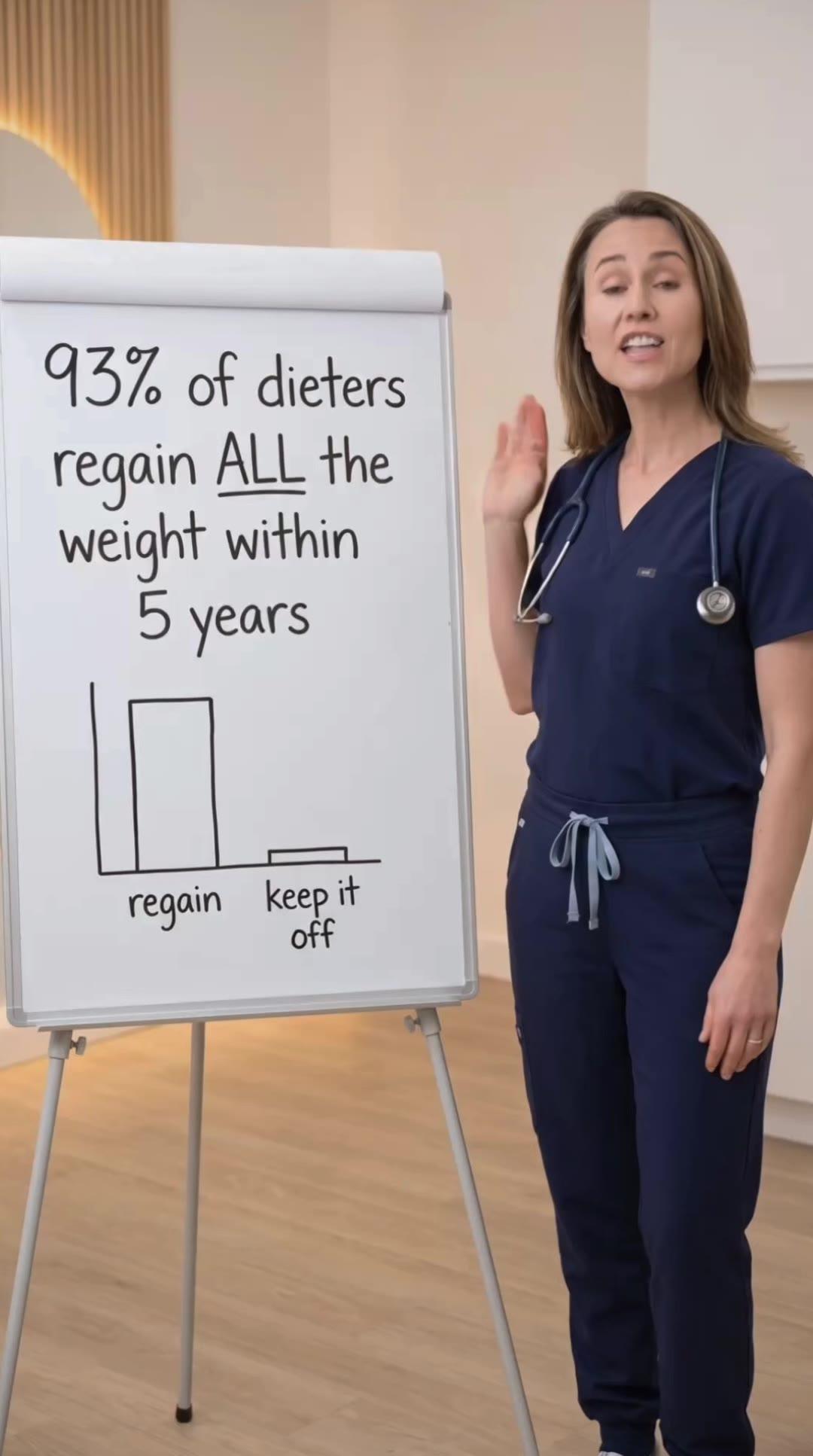
Concepts shown are internal creative studies, not client campaigns.







LegitScript certification is the private Healthcare Merchant Certification that online pharmacies and many telehealth businesses apply for before they advertise prescription products. LegitScript reviews whether the business meets its standards for licensing and lawful operation. It is not a government license, and it is not an ad approval from Google or Meta.
Founders usually look up LegitScript after an ad account is restricted or a campaign is rejected. Google's Healthcare and medicines policy and Meta's Drugs and Pharmaceuticals policy both name LegitScript for certain prescription and pharmacy advertising. This page covers what the certification is, who LegitScript says it is for, what LegitScript publishes about timing and fees, and how that sits next to those two platform rules.
Who Needs LegitScript Certification
Not every telehealth advertiser needs LegitScript certification. The requirement typically applies to businesses that sell prescription medications online, operate as online pharmacies, or advertise specific prescription drug treatments directly to consumers. If your telehealth brand advertises access to prescription GLP-1 medications, prescription ED treatments, prescription hair loss medications, or other Rx products, you are likely in the certification-required category on Google and Meta. If your brand only advertises a consultative service without mentioning specific prescription products, the certification requirement may not apply.
The trigger is usually prescription drug-adjacent advertising — any ad that names, describes, or implies prescription medication. A telehealth brand that runs ads describing "access to semaglutide" or "prescription weight loss treatment" is in a different category than one that runs ads about "virtual weight loss consultations with licensed providers." The former will typically be required to obtain LegitScript certification to continue running those ads on Google and Meta; the latter may not. When in doubt, contact your Google Ads representative or Meta support and describe your advertising content before assuming certification is or is not required.
What LegitScript Reviews in Its Application
The LegitScript certification application for telehealth advertisers typically requires documentation in several categories. Business licensing: you must provide evidence that your business is legally incorporated and licensed to operate in the states where you offer services. Professional oversight: you must demonstrate that licensed healthcare providers — physicians, nurse practitioners, or other appropriately licensed professionals — are involved in the prescribing and clinical decisions made on your platform. Prescription fulfillment: if you dispense or facilitate the dispensing of prescription medications, you must provide evidence that the dispensing pharmacy holds appropriate state pharmacy licenses and, where applicable, NABP or PCAB accreditation.
LegitScript also reviews your website for compliance with its standards. Your patient-facing website and any promotional materials must clearly identify the business name and location, provide accessible contact information, include clear prescription disclosure language, and not make claims that contradict FDA labeling requirements. LegitScript reviewers look at your full online presence — not just your advertising — so the content on your landing pages, your FAQ section, and your service description pages all factor into the certification decision.
The Certification Timeline and Cost
LegitScript does not publish a single review time. Its certification FAQ says every application is different, and that timing depends on how complete the submission is, how complex the business is, how fast you answer questions, and how many applications are in the queue. Analysts may ask for more documents or for fixes before they approve. Start the application before you need prescription ads to go live.
Healthcare Certification is priced per root domain. LegitScript's Healthcare Certification FAQ lists an application fee and an annual certification fee that is due only if the application is approved. Enterprise applications can be priced differently. Read the current amounts there. A number copied into a blog post goes stale. See our guide to Google Ads prescription drug policy for how certification fits the broader approval process.
This is what compliant telehealth creative looks like.
See the work →How Each Platform Uses LegitScript
In the United States, Google's Healthcare and medicines policy allows telemedicine providers to promote their services if they are accredited by LegitScript's Healthcare Merchant Certification Program. Online pharmacies may use that program or a National Association of Boards of Pharmacy accreditation listed in the same policy. Google's prescription drug services page also says advertisers have to be certified by Google, and that some categories need a third-party accreditation such as LegitScript first. LegitScript accreditation does not replace Google's application.
Meta's Drugs and Pharmaceuticals policy requires online pharmacies and telehealth providers to be actively certified with LegitScript before they run ads that promote prescription drugs. Those ads are limited to adults, to the countries the policy lists (the United States, Canada, and New Zealand), and only where the advertiser is certified. Ads that promote a telehealth service in general, without promoting a prescription drug, are a different case under that policy. LegitScript's own FAQ says certification does not by itself get an ad approved. Read the platform policy before you build the campaign.
Maintaining Certification After Approval
LegitScript certification requires annual renewal, and LegitScript conducts ongoing monitoring of certified businesses. If your business changes materially — you add new services, change your pharmacy partner, expand to new states, or modify how prescriptions are fulfilled — you may need to notify LegitScript of the change. Certified businesses that experience regulatory actions, state licensing issues, or consumer complaints may have their certification reviewed or suspended.
Maintaining certification also requires that your website and advertising remain consistent with what LegitScript approved. If your certified application described a specific prescription fulfillment model, and you later change that model without updating LegitScript, you risk the certification being challenged. Treat LegitScript certification as a living document that needs to be updated as your business evolves, not a one-time approval that you can set and forget. Many telehealth brands that lost LegitScript certification did so not because of initial compliance failures, but because they did not maintain the documentation standard after approval.
What to Do While Waiting for Certification
While your LegitScript certification is pending, you can still run telehealth advertising that does not trigger the certification requirement. Service-focused advertising — promoting access to licensed healthcare providers, virtual consultations, and general health programs — typically does not require certification because it does not advertise specific prescription products. This approach lets you build audience, generate leads, and test creative while your certification processes.
The service-access framing is also often more effective in paid social because it focuses on the patient experience and the value of care access rather than on a specific drug product. Many telehealth brands find that their most effective ads emphasize convenience, physician access, and personalized care — not the specific medication that may ultimately be prescribed. Building your creative approach around this framing during the certification period gives you a baseline of compliant, performing ads that you can supplement with product-specific content once certification is complete. See our broader guide to Meta ad policies for telehealth for what types of content can run before and after certification.
LegitScript certification questions
What is LegitScript certification?
LegitScript certification, in the Healthcare Merchant Certification program, is a private review of businesses involved in the online sale, prescribing, facilitation, or payment processing of prescription medications. LegitScript checks the business against its certification standards, including licensing and lawful operation. It is not a government license and it is not an approval to run ads.
Who needs LegitScript certification?
LegitScript says the program is for businesses involved in the online sale, prescribing, facilitation, or payment processing of prescription medications, including certain over-the-counter medications. Online pharmacies and telemedicine providers whose consultations may result in a prescription are in the group. A business that does none of those activities is generally outside the program. Eligibility is LegitScript's call. The Healthcare Certification FAQ lists who should apply, and a business that is unsure can email certification@legitscript.com with its legal name, website, and model.
How long does LegitScript certification take?
LegitScript's certification FAQ says it cannot give an estimated timeline. Review time depends on the application: completeness, complexity, how quickly you respond, and current volume. Submitting a complete file and answering analyst requests avoids extra delay. Their application guide says you pay the application fee, complete a questionnaire, and may have to clarify or fix items before approval.
What does LegitScript certification cost?
LegitScript publishes Healthcare Certification fees on its FAQ. The charge is per root domain: an application fee, then an annual certification fee that is due only if the application is approved. Enterprise applications can be priced differently. Use the figures on LegitScript's Healthcare Certification FAQ, not a number repeated from a secondary source.
How does LegitScript certification relate to Google and Meta healthcare ad policies?
Each platform names LegitScript, and each still makes its own decision. For the United States, Google allows telemedicine advertising when the provider is accredited by LegitScript's Healthcare Merchant Certification Program, and it allows online pharmacies that hold that accreditation or a listed National Association of Boards of Pharmacy accreditation. Advertisers also apply for Google's own healthcare certification. Meta requires online pharmacies and telehealth providers to be actively certified with LegitScript to run ads that promote prescription drugs, and it limits those ads to adults in the countries it lists. Neither policy treats LegitScript certification as a blanket approval for every healthcare ad.
Related Articles
Google Ads Prescription Drug Policy for Telehealth Brands
Google's prescription drug advertising policy for telehealth brands — what requires certification, what is prohibited, and how to get your account approved.
Meta Ad Policies for Telehealth: Complete 2026 Compliance Guide
Navigate Meta's healthcare advertising policies for telehealth brands. What's allowed, what gets flagged, and how to stay compliant across Facebook and Instagram ads.
Why TikTok Rejects Telehealth Ads and What Gets Through
The specific content patterns that trigger TikTok rejections for telehealth advertisers — and what compliant telehealth creative looks like on the platform.
Why Your Telehealth Ads Get Rejected on Meta
Common rejection reasons for telehealth ads on Facebook and Instagram. How to appeal, rewrite rejected ads, and prevent future compliance issues.
YouTube Advertising Policy for Telehealth Brands
How YouTube advertising policy applies to telehealth brands. Healthcare certification, restricted categories, what gets approved, and how to stay compliant on YouTube.
Creative built to pass review, and convert anyway.
A 30-minute call. We audit your creative approach and show you exactly what a complete angle-format-hook system looks like for your vertical.