Why TikTok Rejects Telehealth Ads and What Gets Through
TikTok rejects telehealth ads for specific, identifiable reasons. Understanding the exact rejection triggers — and the creative patterns that consistently pass — is the difference between a viable TikTok channel and one that eats creative budget without results.
Concepts shown are internal creative studies, not client campaigns.
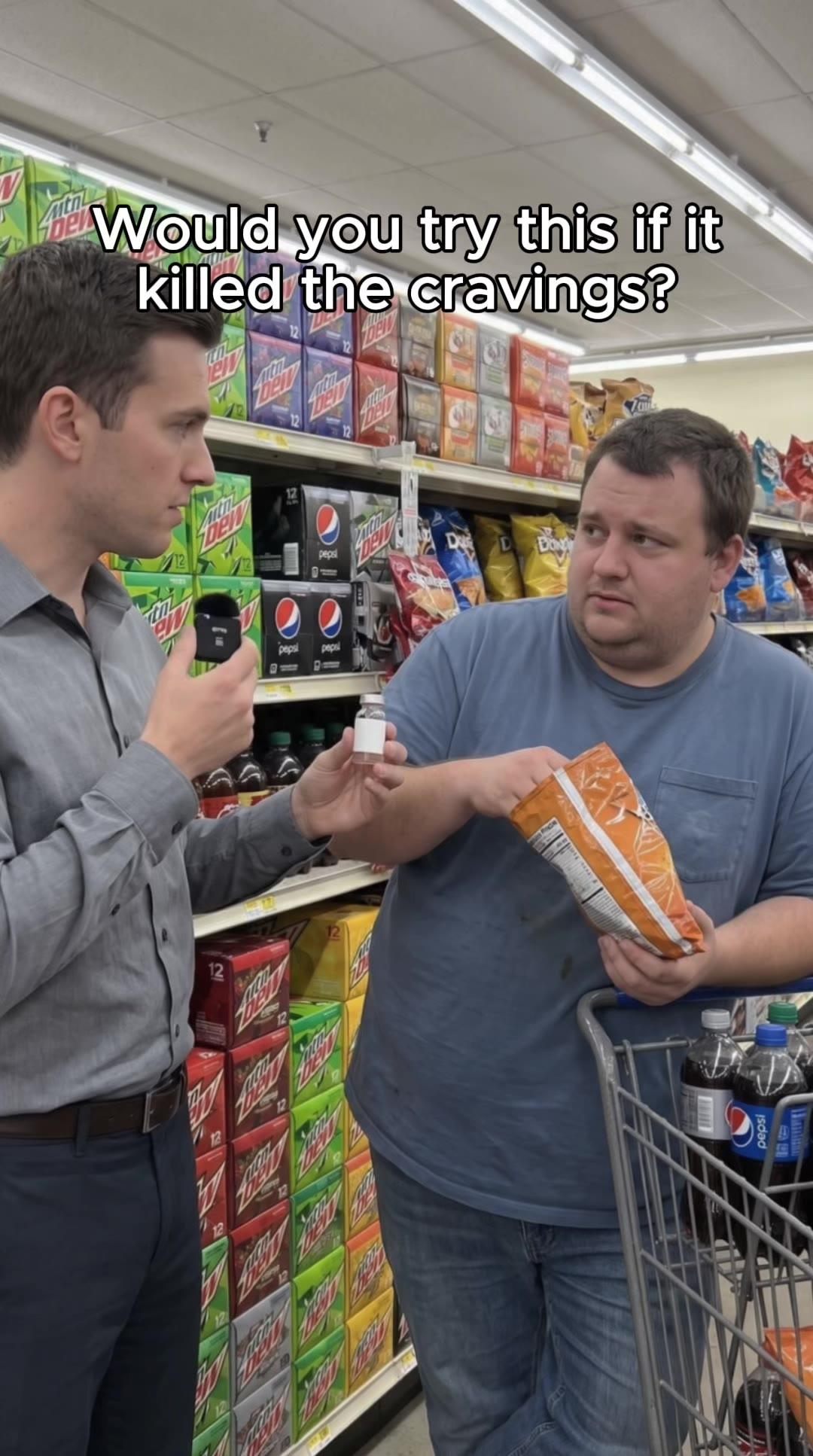
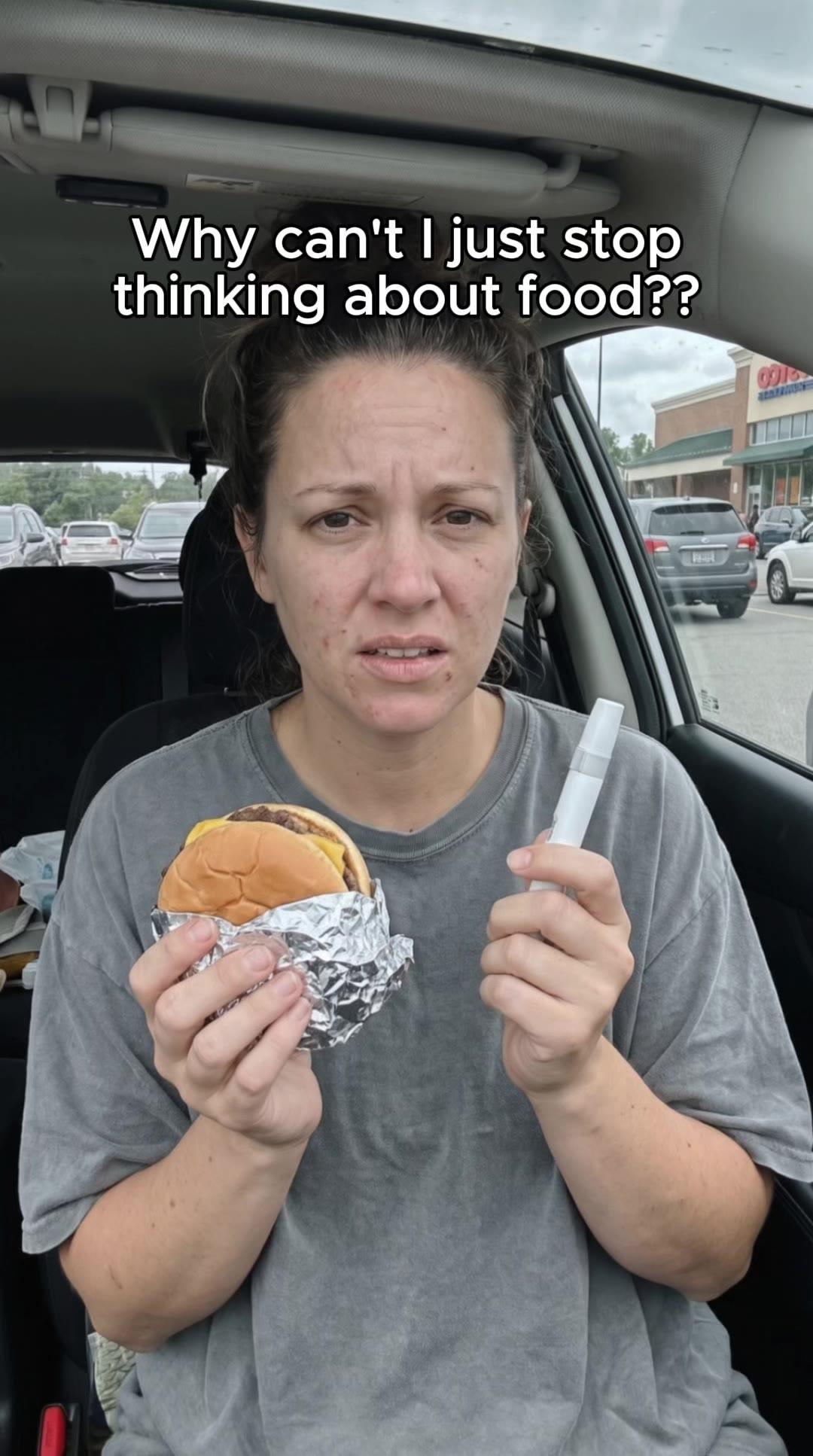
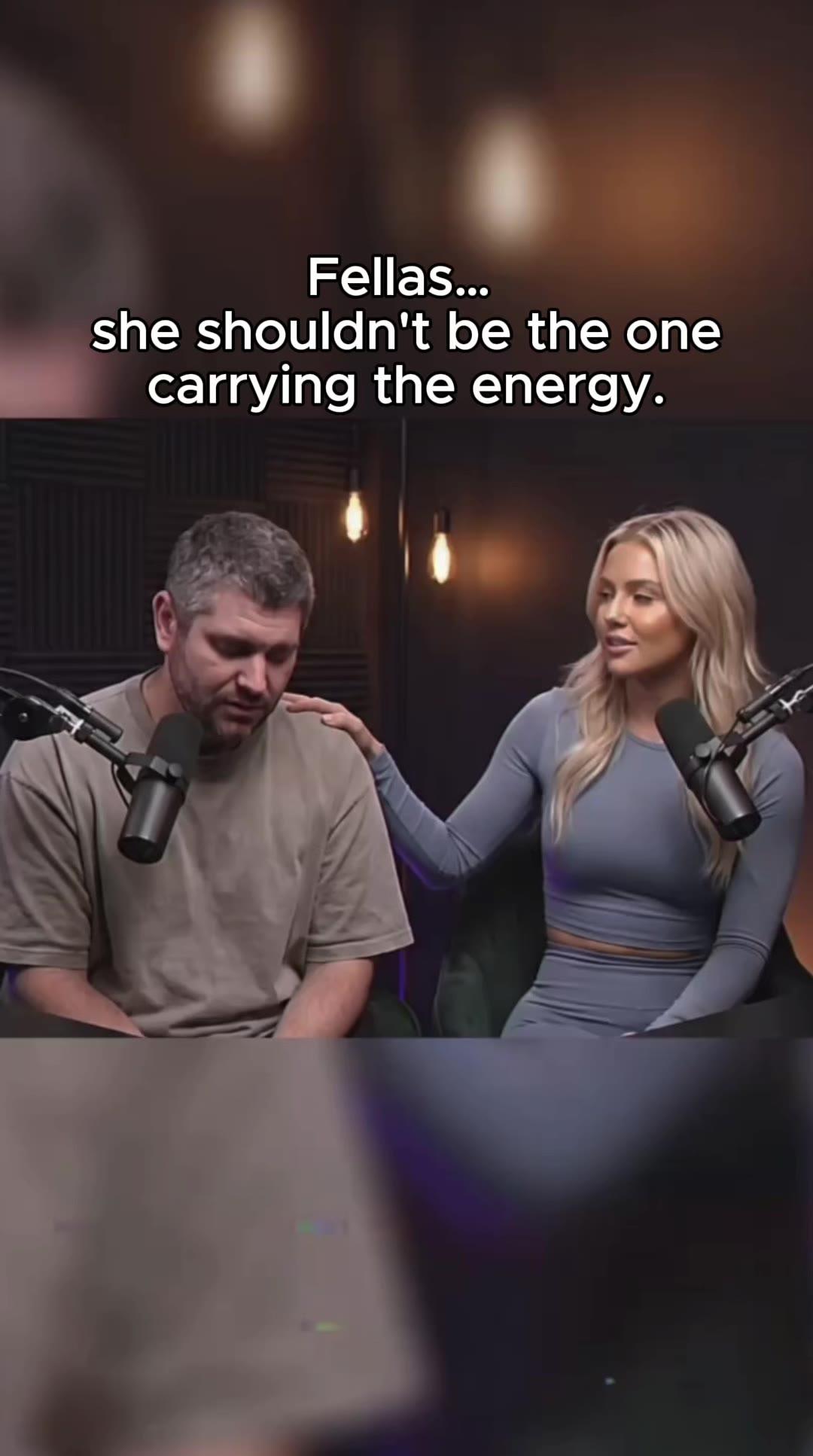
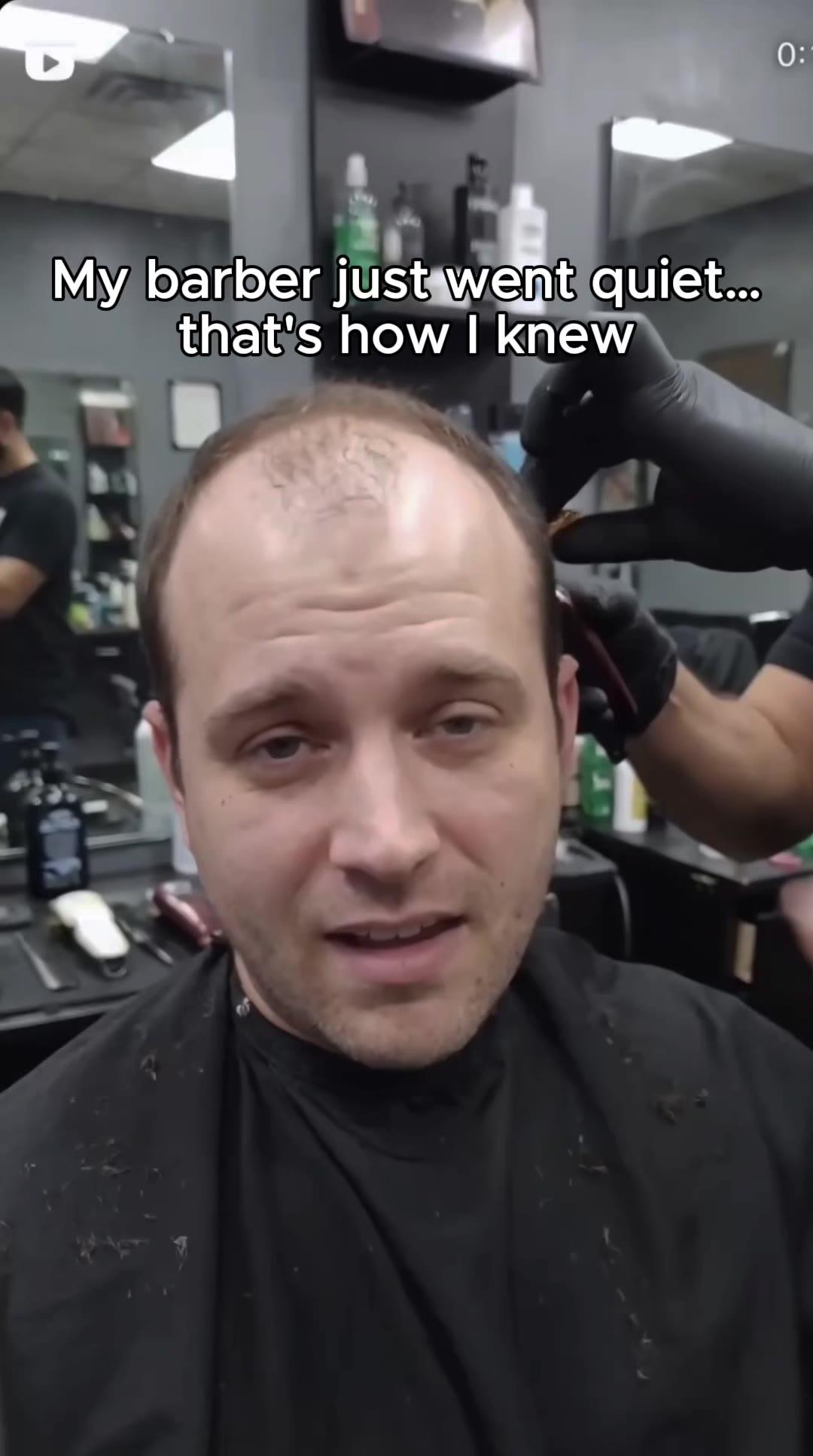



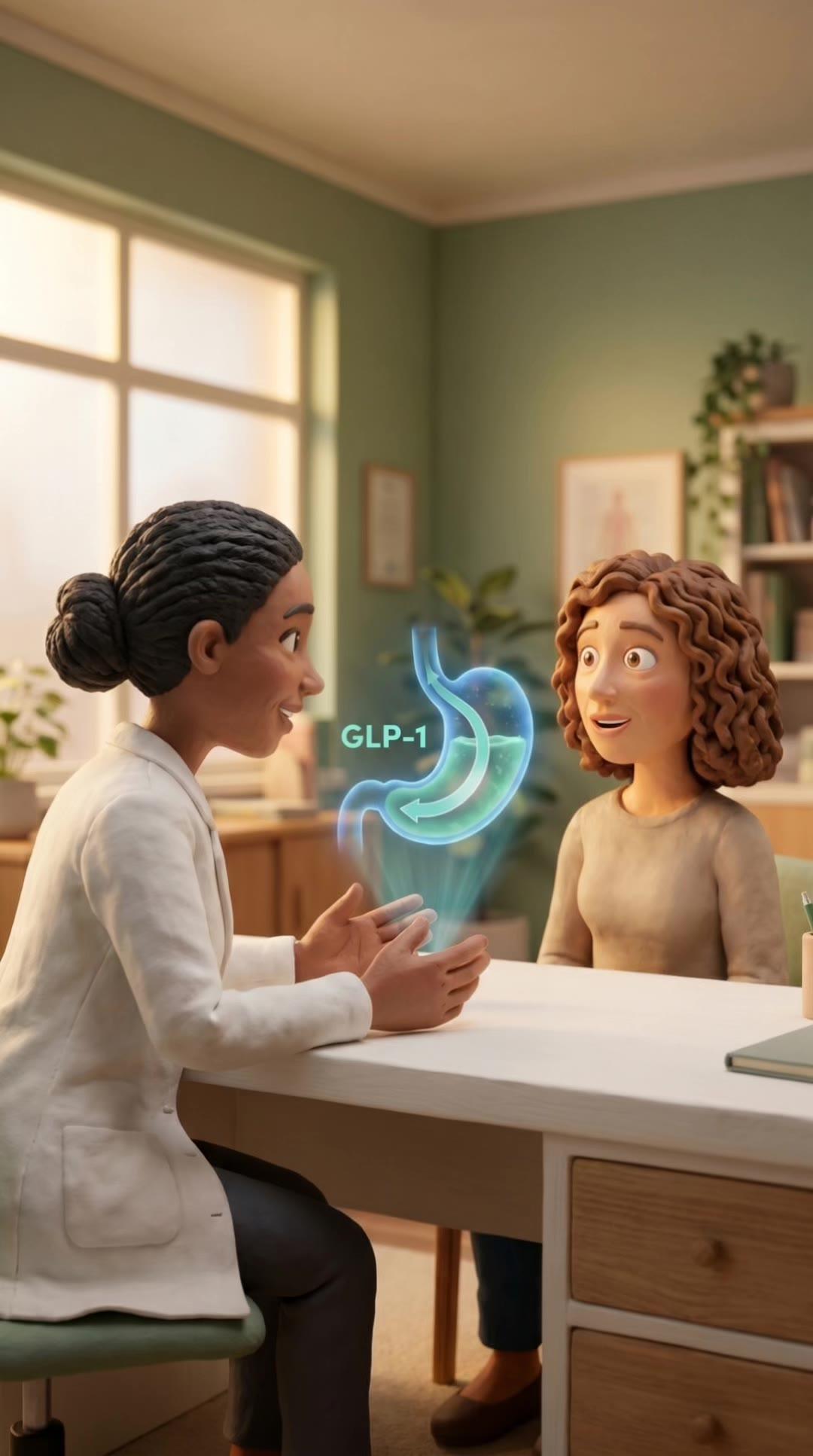
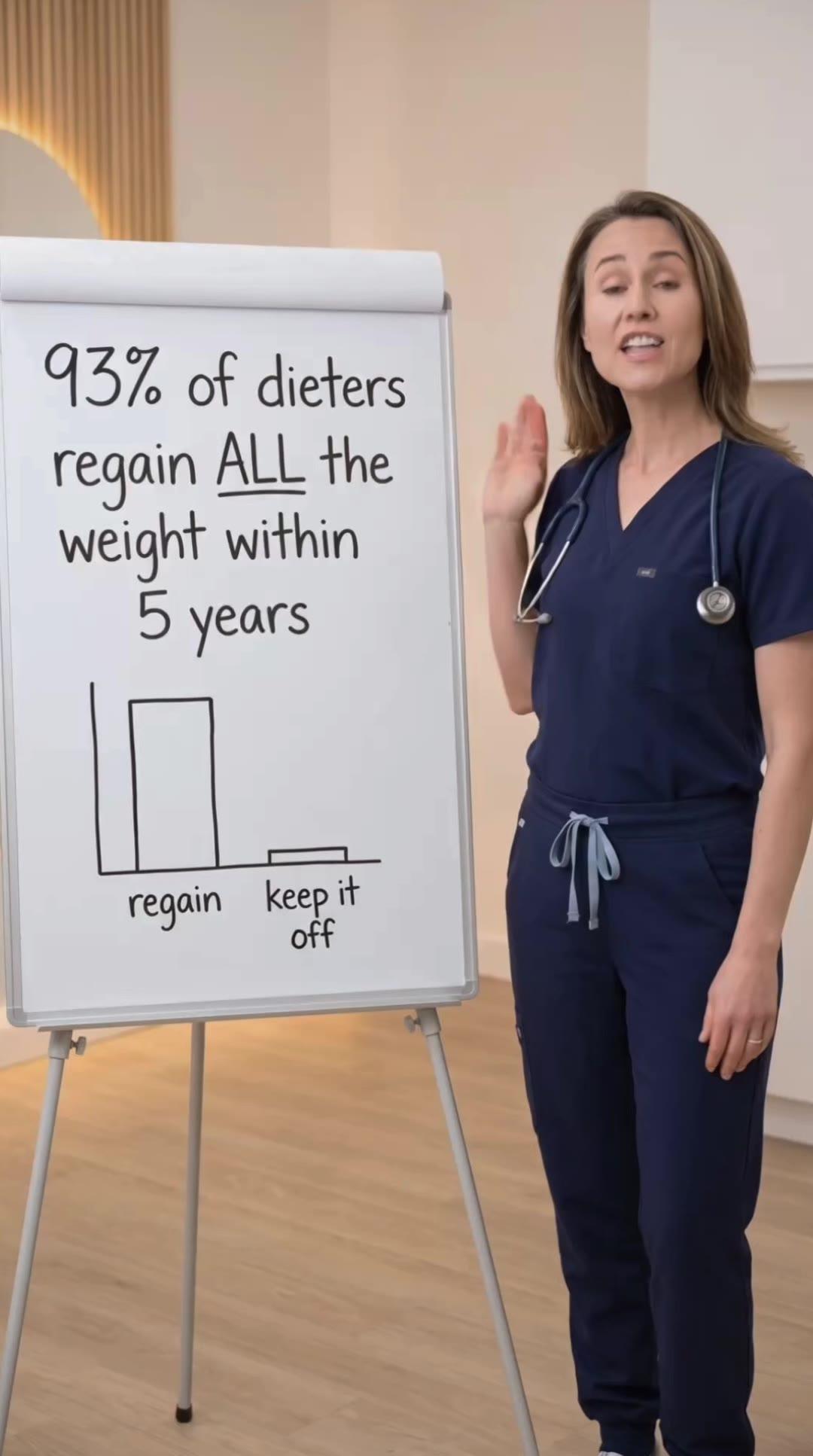
TikTok's telehealth ad rejection rate is higher than Meta's — and less predictable, because TikTok relies more heavily on automated review systems and less on experienced human reviewers with healthcare category knowledge. For telehealth brands, this means that ads which would pass Meta review often get automatically flagged on TikTok, not because they violate the underlying policy, but because they match keyword or visual patterns associated with prohibited content. Understanding this dynamic — and building creative that avoids those trigger patterns while staying substantive — is the core challenge of TikTok advertising for telehealth in 2026.
This guide covers the specific rejection reasons TikTok's system cites most frequently for telehealth ads, the content patterns that reliably get through, and the practical process for testing creative on TikTok efficiently given the platform's review behavior.
The Most Common TikTok Rejection Reasons for Telehealth
TikTok's rejection notices for health advertising typically cite one of several policy categories. The most common for telehealth brands are: health claims without substantiation, prescription drug promotion, before-and-after imagery in health contexts, claims about specific medical conditions, and body image content that TikTok categorizes as promoting unhealthy or idealized body standards. Each of these has a specific trigger pattern that creative teams can design around once they understand what TikTok's system is looking for.
Health claims without substantiation covers a broad range of language in telehealth creative. Specific outcome promises — "lose weight," "regrow hair," "restore testosterone levels" — are treated as health claims that require substantiation TikTok cannot verify. The platform's response is rejection. Rewriting these as access claims — "connect with a provider," "get a medical evaluation," "explore treatment options" — shifts the framing from outcome claims to service access claims, which TikTok reviews differently and approves more consistently.
Before-and-After Imagery
TikTok has a specific prohibition on before-and-after imagery in health, wellness, and medical advertising. This covers weight loss, skin conditions, hair loss, and any other category where before-and-after comparisons are common. The prohibition applies to static images, split-screen video formats, and sequential imagery that implies transformation over time. For GLP-1 telehealth brands accustomed to using before-and-after creative on Meta — where the policy is similar but enforcement is somewhat looser — this means rethinking one of the most common creative formats in the category.
The alternative that performs best on TikTok is narrative-based transformation content: a patient talking to camera about their experience without showing body comparison imagery. This format — someone speaking about how their life changed, what the experience of the program was like, how they feel now — passes TikTok review consistently and often outperforms before-and-after imagery in engagement because it aligns with TikTok's native content style more naturally than a visual transformation comparison does.
Prescription Drug Keywords and Phrases
TikTok's automated review scans ad copy, captions, and voiceover scripts for prescription drug keywords. Specific medication names — semaglutide, tirzepatide, Ozempic, Wegovy, Mounjaro, Zepbound — trigger elevated scrutiny. Drug mechanism terms — "GLP-1 agonist," "glucagon-like peptide," "insulin sensitizer" — also appear on TikTok's sensitivity list for health advertising. Injection or administration method references — "weekly injection," "subcutaneous administration" — can trigger rejections in the context of weight loss advertising.
This does not mean you cannot mention these terms at all in TikTok creative. It means that ads built around these terms as primary hooks face consistent rejection, while ads that mention them contextually within a service-focused narrative have a higher pass rate. A video where a patient says "my doctor prescribed a GLP-1 medication through this telehealth platform" in the context of a service review passes more consistently than a video whose hook is "learn about compounded semaglutide injections." The distinction is subtle in content but significant in how TikTok's review system processes it.
This is what compliant telehealth creative looks like.
See the work →Body Image Content Restrictions
TikTok has invested significantly in restricting advertising content that the platform believes promotes unhealthy body ideals or that could harm users with body image concerns. For weight loss telehealth advertising, this creates a specific challenge: the target audience is people interested in weight management, and the product involves body change — but the content cannot depict or describe body ideals in ways TikTok deems harmful. The line is drawn around content that frames specific body types as inherently desirable or undesirable, that uses language stigmatizing people with overweight or obesity, or that presents dramatic physical transformation as a primary aspiration.
Compliant weight loss telehealth creative on TikTok focuses on health outcomes and quality of life rather than appearance. Content that discusses energy levels, mobility, sleep quality, and confidence — rather than number of pounds lost or dress sizes changed — is both more likely to pass TikTok review and more resonant with the health-motivated segment of the GLP-1 patient population. This reframing is not a compromise on effectiveness; the patients who convert at highest rates from telehealth advertising are often motivated by health quality-of-life factors more than cosmetic ones.
The Role of the Landing Page in TikTok Rejections
TikTok's ad review process includes a review of the landing page your ad links to. An ad that passes creative review can still be rejected because the destination landing page contains content that violates TikTok's advertising policies. Common landing page issues for telehealth brands include: specific drug pricing comparisons on the landing page that TikTok treats as drug promotion, before-and-after imagery on the landing page, medical claims on the landing page that would not be permitted in the ad itself, and landing pages that do not clearly identify the business behind the ad.
Building TikTok-specific landing pages — with the same content review you apply to the ad creative — is best practice if TikTok is a meaningful part of your media mix. The landing page that performs well for your Meta traffic may not pass TikTok's landing page review because the two platforms apply different content standards. A telehealth brand running significant TikTok spend should maintain at minimum one landing page configuration that is reviewed against TikTok's specific policies, separate from the landing pages optimized for Meta and Google.
A Testing Process That Accounts for TikTok's Review Behavior
Given TikTok's higher rejection rate and less predictable review behavior, the most efficient testing process for telehealth brands on TikTok involves testing creative in small batches — three to five ads per concept — before committing to production at scale. When a batch produces mixed results (some ads approved, some rejected), analyze the rejected ads carefully: are the rejected ads sharing a specific visual element, a specific phrase, or a specific claim structure? The pattern in rejections tells you where TikTok's system is drawing the line for your category.
Appeals for rejected telehealth ads on TikTok have a low success rate compared to Meta because the review process is more automated and less responsive to context-based arguments. Rather than investing time in appeals, the more productive approach is to identify the specific rejection trigger in the content and test a revised version that removes or reframes the triggering element. Most telehealth ad concepts have a compliant version that can be executed — the first-pass version just needs to be refined based on what TikTok's system is responding to. Compare this approach to what works on Meta in our guide to Meta ad policies for telehealth.
Related Articles
Can You Advertise Compounded GLP-1 on TikTok in 2026
TikTok's health product advertising policy restricts compounded GLP-1 advertising significantly. What is currently allowed and what gets rejected.
Can You Advertise Name-Brand GLP-1 on TikTok in 2026
TikTok's rules for advertising Ozempic, Wegovy, and Mounjaro — and how they differ from the rules for compounded semaglutide advertising.
Meta Ad Policies for Telehealth: Complete 2026 Compliance Guide
Navigate Meta's healthcare advertising policies for telehealth brands. What's allowed, what gets flagged, and how to stay compliant.
What LegitScript Certification Requires for Telehealth Ads
Google, Meta, and TikTok require LegitScript certification for telehealth and online pharmacy advertisers. What the process involves and who needs it.
Can You Advertise ED Treatment on TikTok in 2026
Whether you can advertise ED treatment on TikTok in 2026. Platform restrictions, compliant creative approaches, and what telehealth brands actually get approved.
Creative built to pass review, and convert anyway.
A 30-minute call. We audit your creative approach and show you exactly what a complete angle-format-hook system looks like for your vertical.