Can You Advertise Name-Brand GLP-1 on TikTok in 2026
TikTok's rules for advertising Ozempic, Wegovy, and Mounjaro differ from its rules for compounded semaglutide. What telehealth brands prescribing brand-name GLP-1 can and cannot say on the platform.
Concepts shown are internal creative studies, not client campaigns.
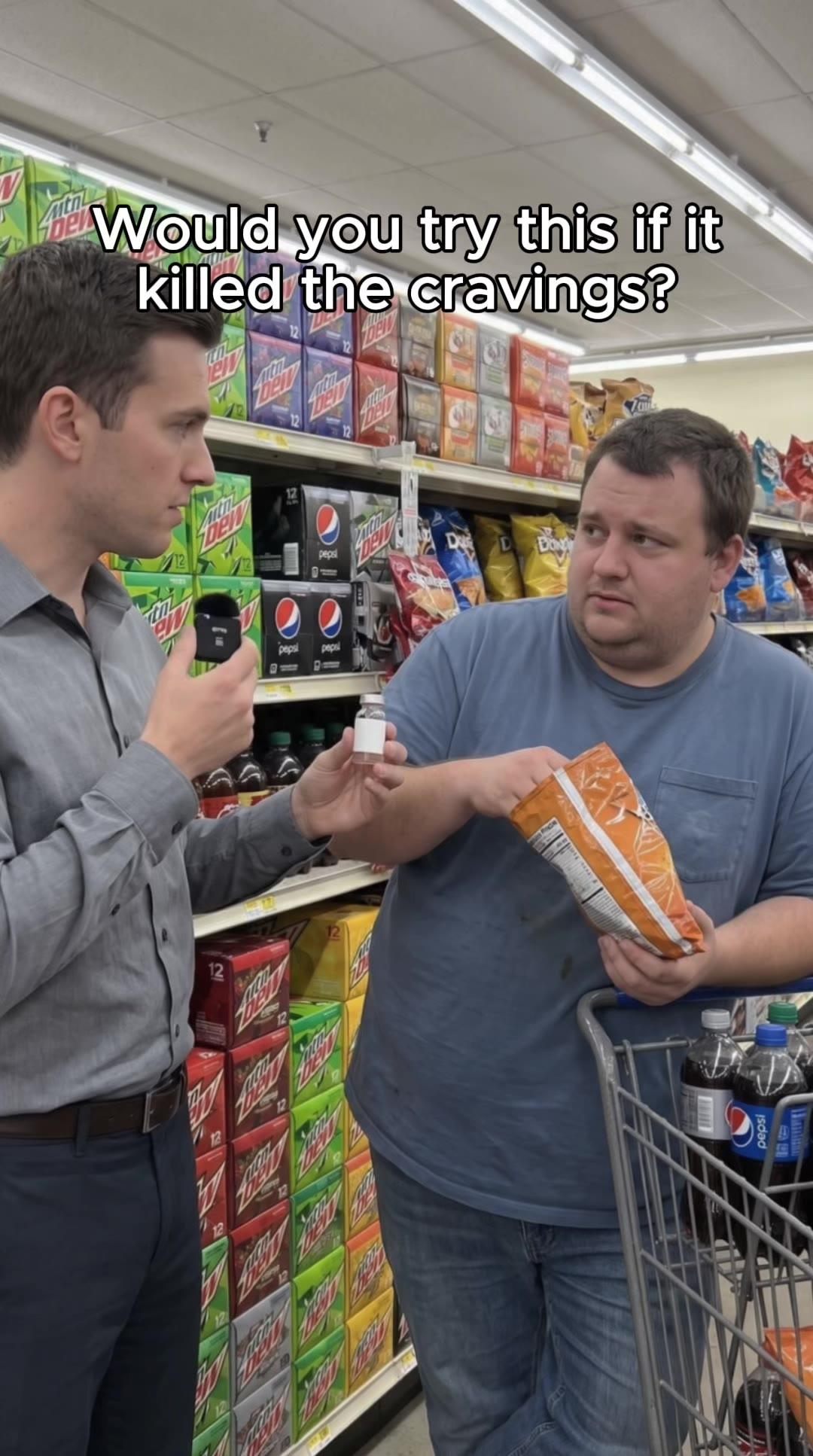
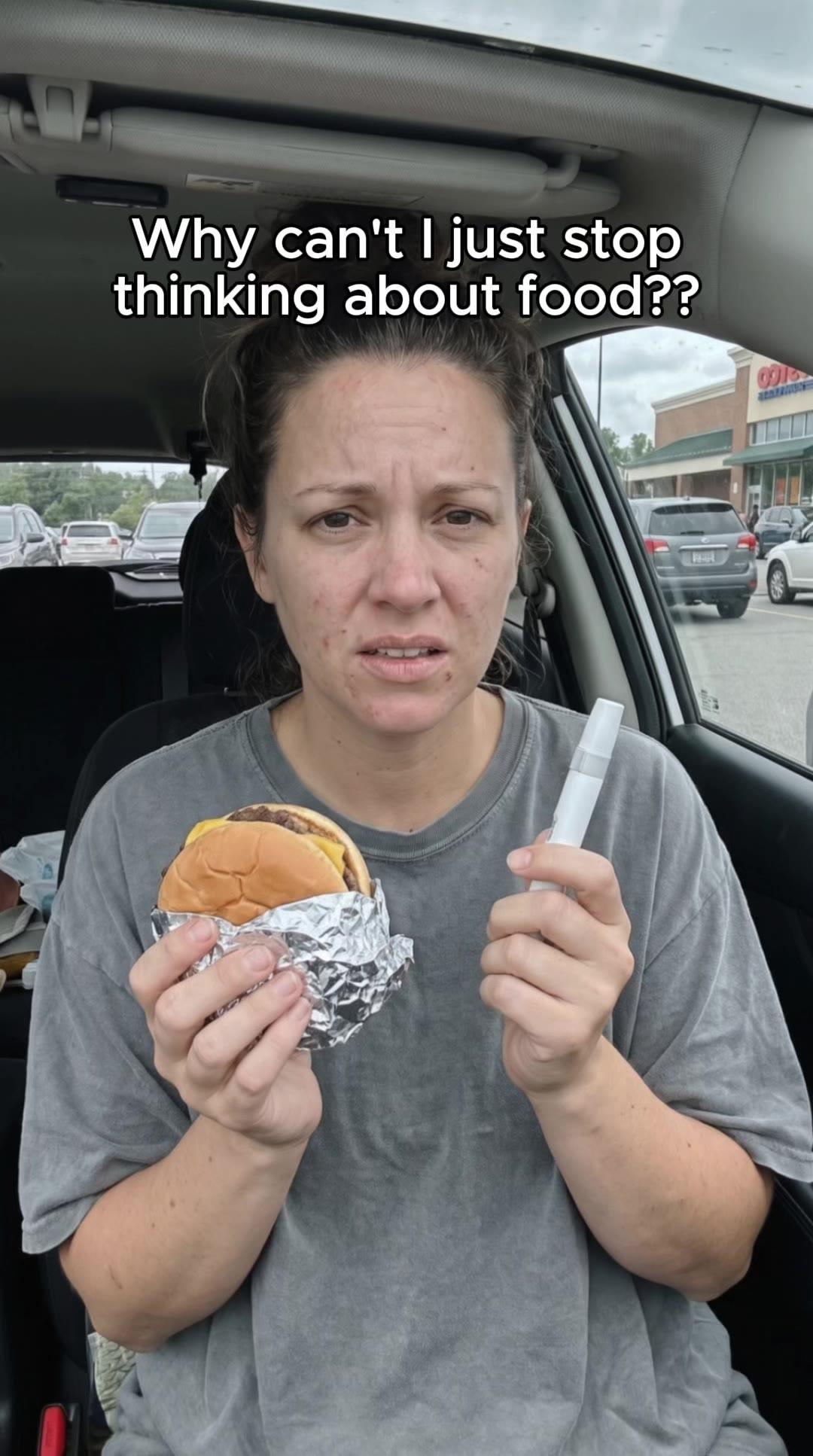
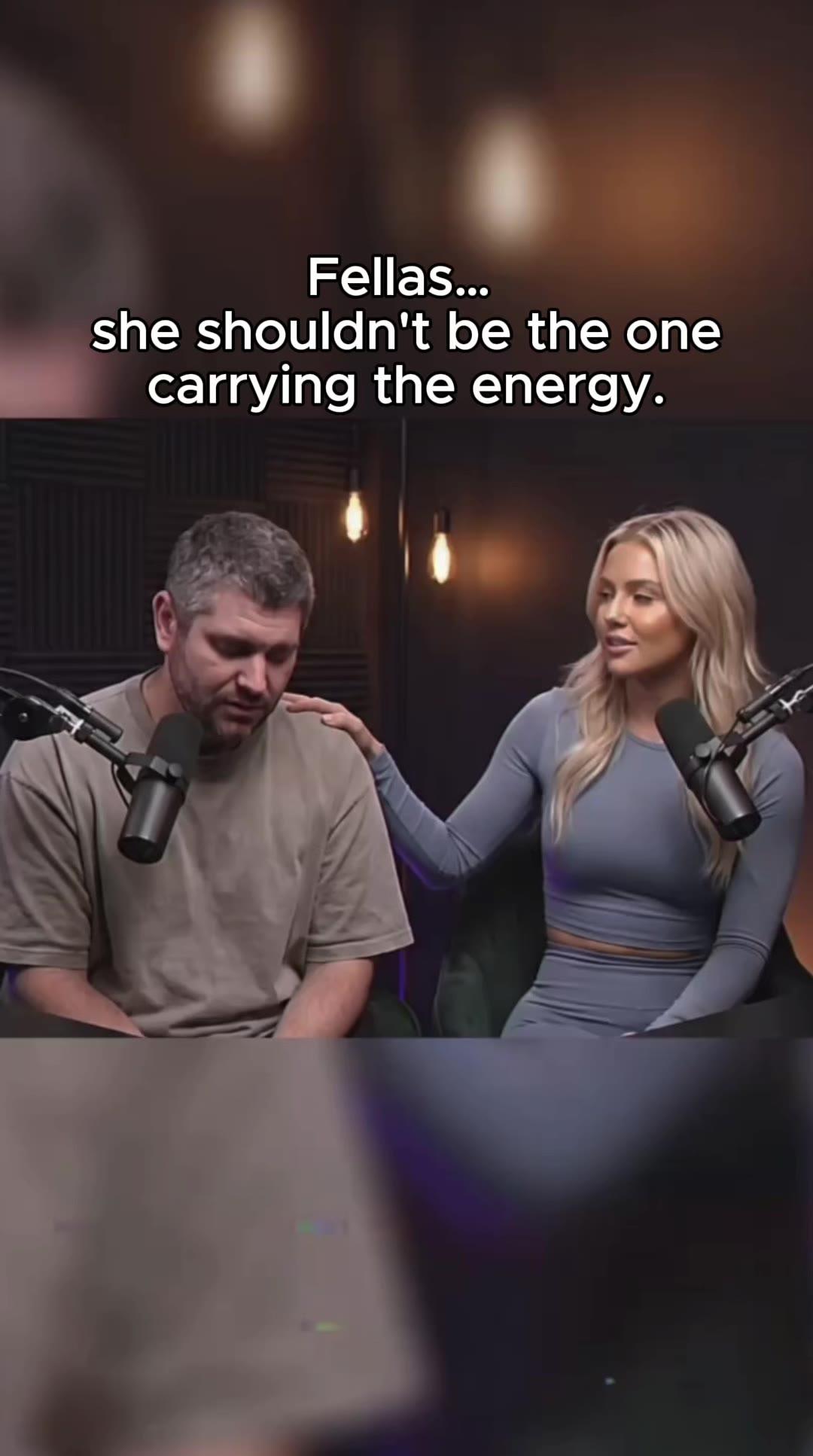
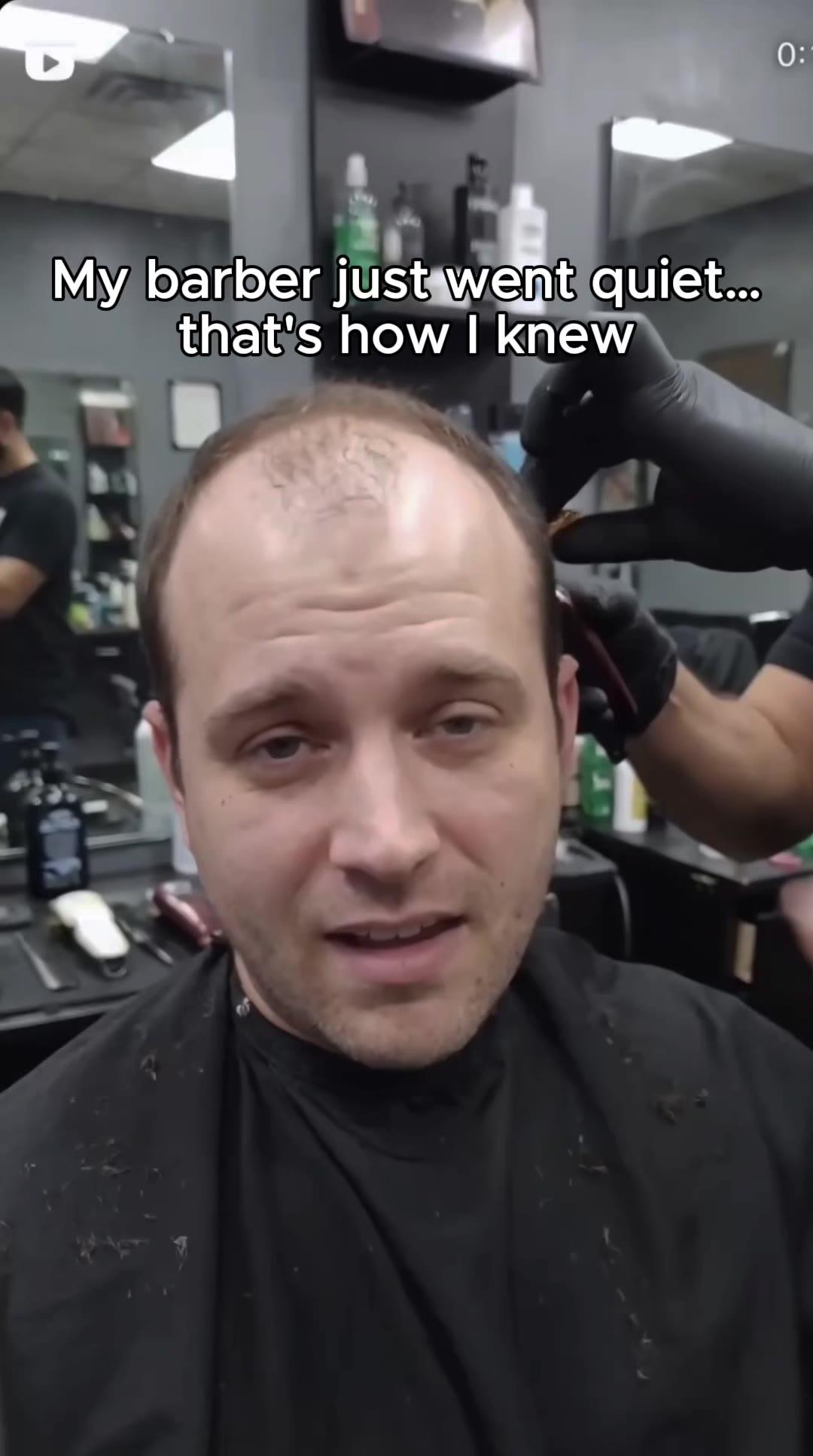

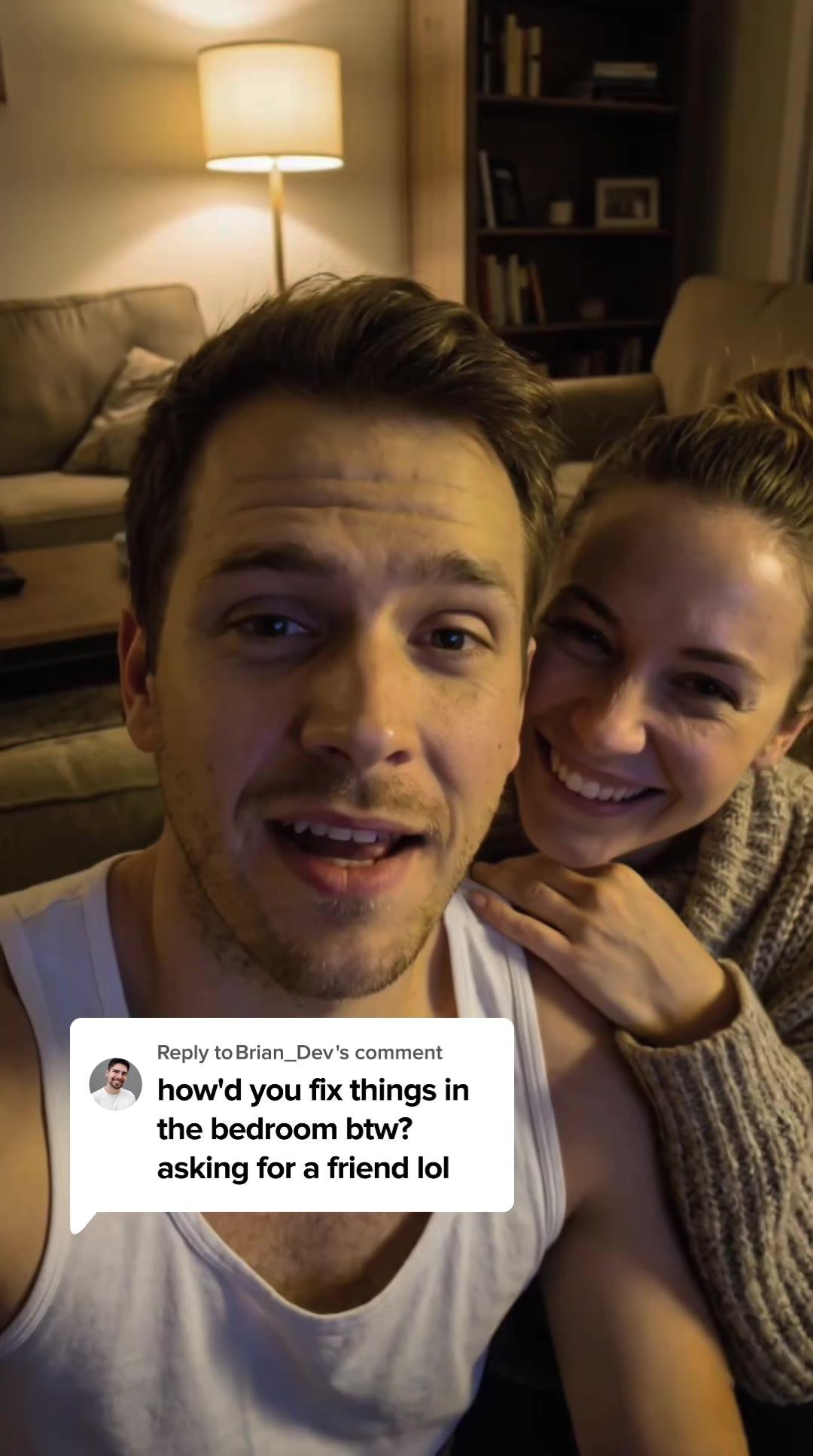

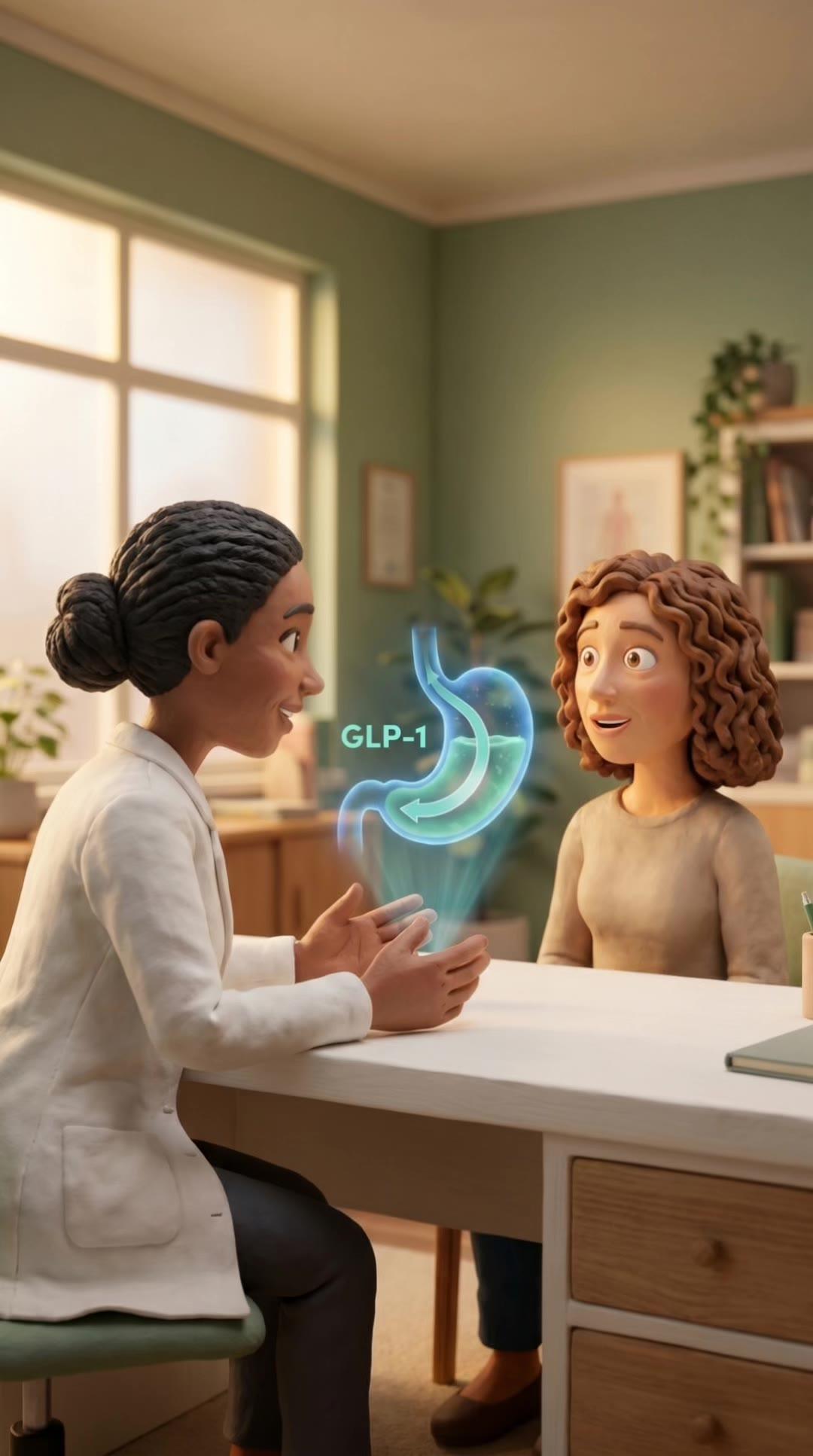
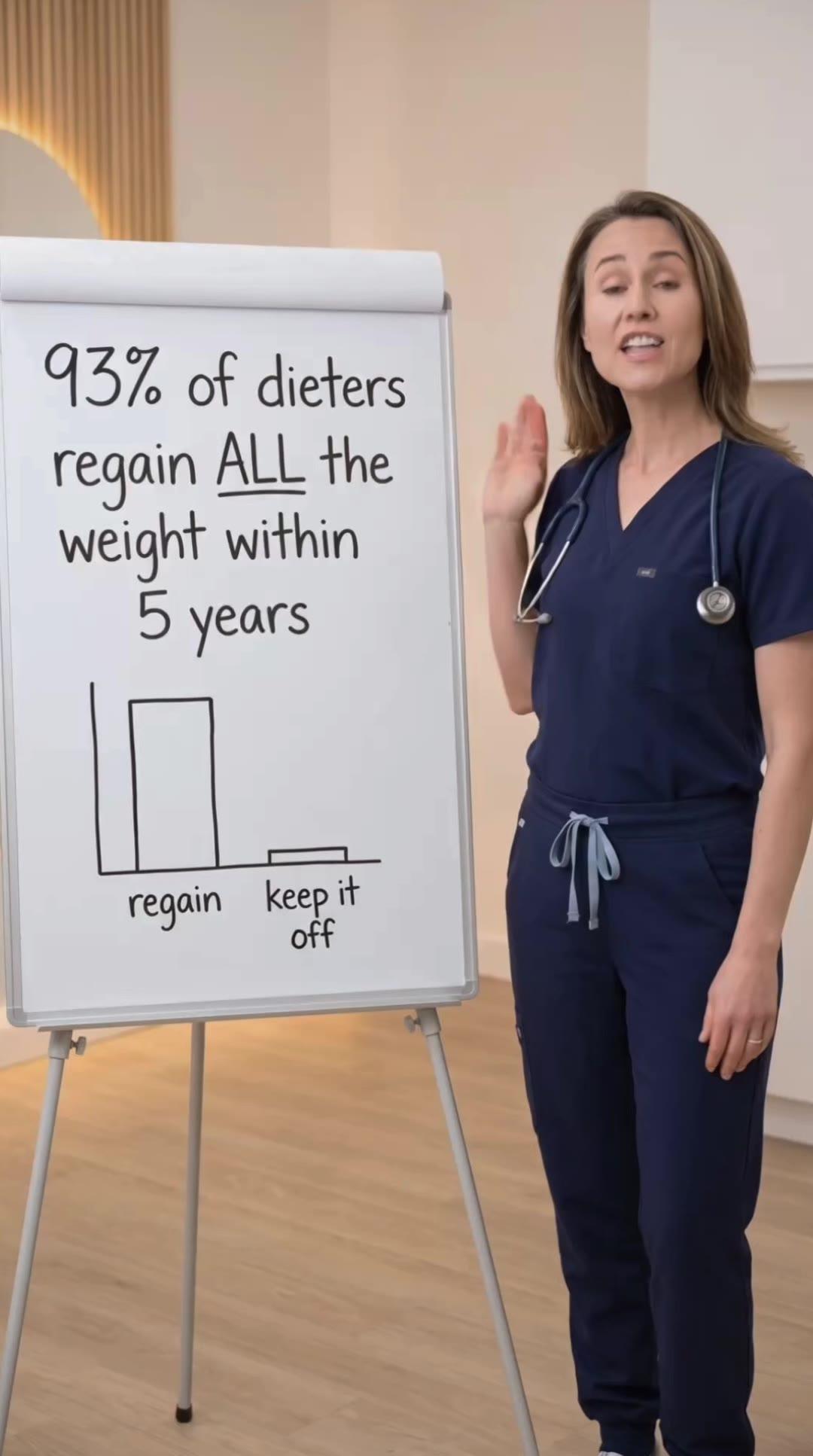
The question of whether you can advertise name-brand GLP-1 on TikTok in 2026 has a specific and somewhat counterintuitive answer: in most cases, advertising Ozempic, Wegovy, Mounjaro, or Zepbound by name in paid TikTok ads is harder to do legally than advertising a compounded GLP-1 telehealth service — not because the branded products are more restricted, but because direct-to-consumer prescription drug advertising of brand-name medications is governed by FDA rules that TikTok's policies reflect, and those rules impose requirements that most telehealth brands are not positioned to meet.
This article explains the specific rules that apply to name-brand GLP-1 advertising on TikTok, how those rules differ from the rules that apply to compounded GLP-1 telehealth services, and what telehealth brands that prescribe both branded and compounded GLP-1 medications can do to run effective TikTok advertising within those constraints.
FDA Rules for Prescription Drug Direct-to-Consumer Advertising
Name-brand prescription drugs like Ozempic and Wegovy can be advertised directly to consumers — this is a uniquely American practice, since most countries prohibit direct-to-consumer prescription drug advertising. But the FDA imposes specific requirements for DTC ads. Any ad that names a specific prescription drug and makes a claim about what it treats must include: the drug's indication (what condition it is approved to treat), a brief summary of the most important risks, and a direction to consult a physician. For broadcast and video media, this is the "major statement" of risks that you have heard in television pharmaceutical ads.
These requirements are demanding in a short-form video context. A 15-second TikTok ad that names Ozempic and claims it supports weight loss would need to include risk disclosures that are essentially impossible to fit into 15 seconds without dominating the creative. This is why pharmaceutical companies typically use brand-awareness advertising for the drug name and direct patients to a separate resource for the full risk disclosure — an approach that is workable for a television campaign with a dedicated landing page but difficult to execute in a TikTok paid ad format.
TikTok's Specific Policy on Prescription Drug Brand Names
TikTok's advertising policy for prescription drugs is more restrictive than Meta's and closer to Google's in practical effect. TikTok prohibits ads that promote prescription drugs for unapproved uses, make efficacy or superiority claims without FDA-approved substantiation, use brand names in the context of promoting third-party services (including telehealth) without authorization from the brand owner, or make any claim that could be interpreted as a specific outcome guarantee. This combination of restrictions means that a telehealth brand advertising "access to Ozempic prescriptions" is not only navigating FDA requirements — it is also potentially using a third-party trademark in its advertising without authorization from Novo Nordisk.
Novo Nordisk and Eli Lilly — the makers of branded GLP-1 medications — have become increasingly active in monitoring unauthorized use of their brand names in third-party telehealth advertising. A telehealth brand that builds ads around the Ozempic brand name risks not only TikTok policy violations but also trademark claims from the brand owner. This risk layer does not exist for compounded semaglutide advertising, where no brand name is involved. See our companion guide on advertising compounded GLP-1 on TikTok for how the compounded product rules compare.
This is what compliant telehealth creative looks like.
See the work →What Telehealth Brands Prescribing Brand-Name GLP-1 Can Do
If your telehealth platform prescribes brand-name Ozempic or Wegovy — typically to patients with insurance coverage — you can advertise the service without advertising the drug itself. The distinction is between advertising that you can connect patients with providers who may prescribe appropriate GLP-1 medications (which does not name specific drugs) versus advertising that specifically promotes Ozempic or Wegovy as the products your service delivers. The former avoids both the FDA DTC requirements and the TikTok brand name policy; the latter triggers both.
The service-level advertising approach is generally more effective as a TikTok creative strategy anyway. GLP-1 patients on TikTok in 2026 are well aware of the major brand names — the organic content ecosystem on TikTok around GLP-1 medications is enormous. What patients need from your advertising is not education about Ozempic's existence, but rather clarity about how your specific telehealth service makes it accessible to them — the convenience, the cost, the provider relationship, and the ongoing support. Advertising those service attributes performs well on TikTok without triggering the prescription drug naming restrictions.
Recall Ads and the Brand-Name Attribution Problem
A common mistake telehealth brands make on TikTok is using recall-style creative that references brand names without naming them explicitly — phrases like "the weight loss medication you've seen everywhere" or "the injection that millions are taking." TikTok's review system increasingly identifies this type of implicit brand reference in health advertising as equivalent to explicit naming, particularly when other creative elements (before-and-after imagery, pen injection imagery, specific weight loss claims) are combined with the implicit reference.
The safer approach is to build creative that stands entirely on the service value without relying on brand recognition for its creative hook. Patient outcome stories focused on the experience of care — the ease of the consultation, the responsiveness of the provider, the change in energy and confidence — can perform extremely well on TikTok for GLP-1 telehealth brands without touching any of the brand-name or prescription drug advertising restrictions.
How Influencer and Creator Partnerships Change the Equation
TikTok's influencer and creator partnership model — where a creator produces content about your telehealth service through Spark Ads or similar formats — operates under a somewhat different policy framework than standard brand advertising. Organic creator content that mentions GLP-1 medications by name is governed by TikTok's community guidelines and creator policies rather than its advertising policies. When that content is then boosted as a Spark Ad, the advertising policies apply to the promotion but the underlying content's framing and messaging reflect the creator's authentic voice.
This creates a path for more medication-specific messaging in TikTok paid promotion than standard brand ads allow — but it requires that creator partnerships be structured properly under the FTC's endorsement rules, with clear disclosure of the material relationship between the creator and your brand. See our guide to advertising Ozempic online for how the rules apply across platforms and formats.
The Verdict on Name-Brand GLP-1 TikTok Advertising
In practice, most telehealth brands that prescribe brand-name GLP-1 medications do not lead with the brand names in their TikTok advertising. They advertise the service, the access, the convenience, and the patient experience — and let the consultation process introduce the specific medication options. This is both the most compliant approach and, based on the TikTok data available from the brands running at scale, the most effective approach for driving qualified patient starts from TikTok paid media.
The brands that try to use Ozempic or Wegovy brand recognition as their primary TikTok hook face constant ad rejection cycles, account flags, and the overhead of managing those issues — overhead that consumes the time and creative budget that should be going into testing and scaling what works. Starting from a service-level creative strategy and building up from there is substantially more efficient for TikTok GLP-1 advertising in 2026.
Related Articles
Can You Advertise Compounded GLP-1 on TikTok in 2026
TikTok's health product advertising policy restricts compounded GLP-1 advertising significantly. What is currently allowed, what requires certification, and what gets rejected.
Why TikTok Rejects Telehealth Ads and What Gets Through
The specific content patterns that trigger TikTok rejections for telehealth advertisers — and what compliant telehealth creative looks like on the platform.
Can I Advertise Ozempic Online
What the rules say about advertising Ozempic and semaglutide telehealth services online — on Google, Meta, and TikTok.
What LegitScript Certification Requires for Telehealth Ads
Google, Meta, and TikTok require LegitScript certification for telehealth and online pharmacy advertisers. What the process involves and who needs it.
Can You Advertise Peptides on TikTok in 2026
Whether you can advertise peptide therapy on TikTok in 2026. Platform policies, what gets approved, and compliant approaches for peptide telehealth brands.
Creative built to pass review, and convert anyway.
A 30-minute call. We audit your creative approach and show you exactly what a complete angle-format-hook system looks like for your vertical.