Can You Advertise Compounded GLP-1 on TikTok in 2026
TikTok's health product advertising policy restricts compounded GLP-1 advertising significantly in 2026. What is currently allowed, what requires LegitScript certification, and what gets rejected automatically.
Concepts shown are internal creative studies, not client campaigns.
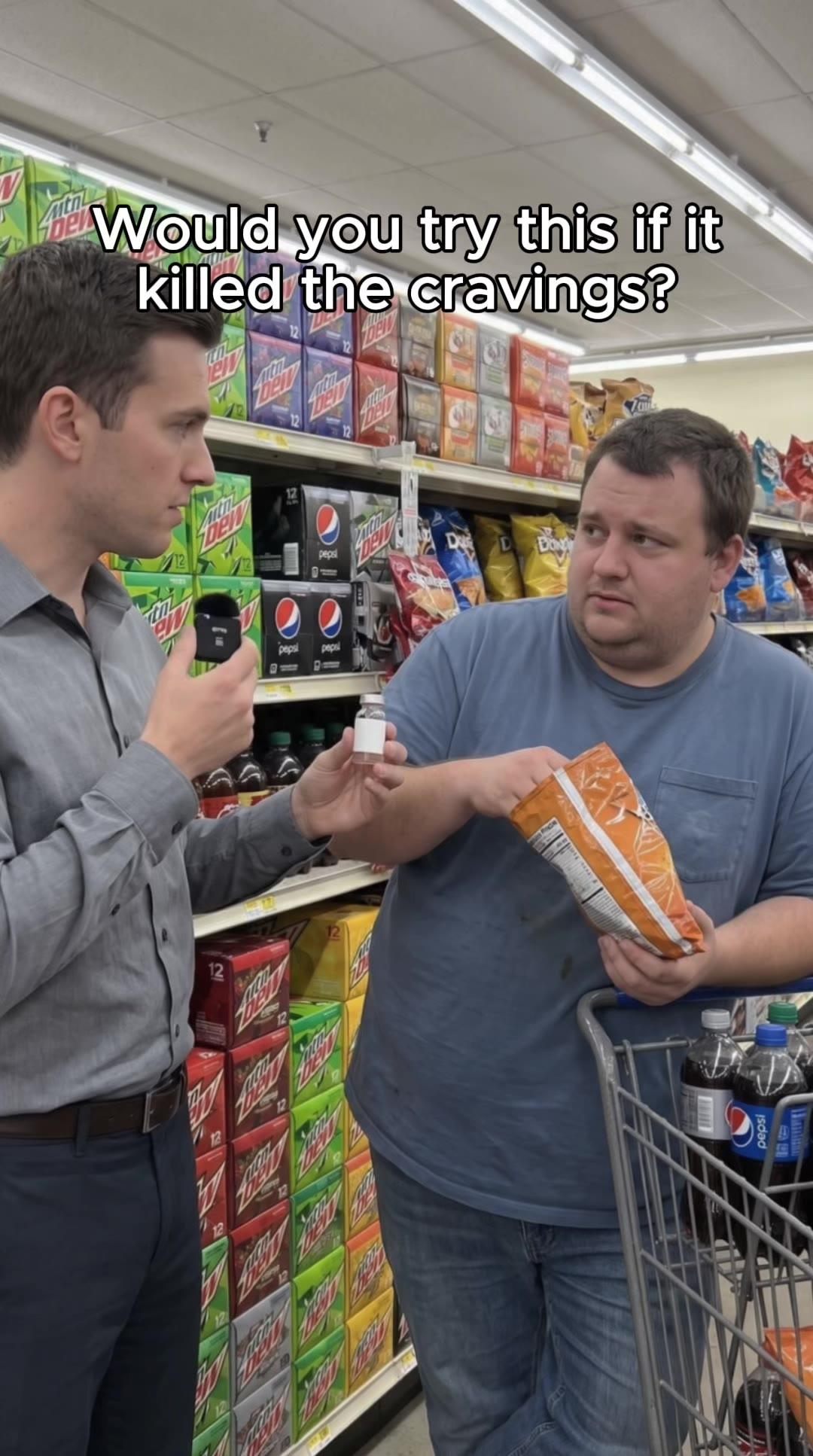
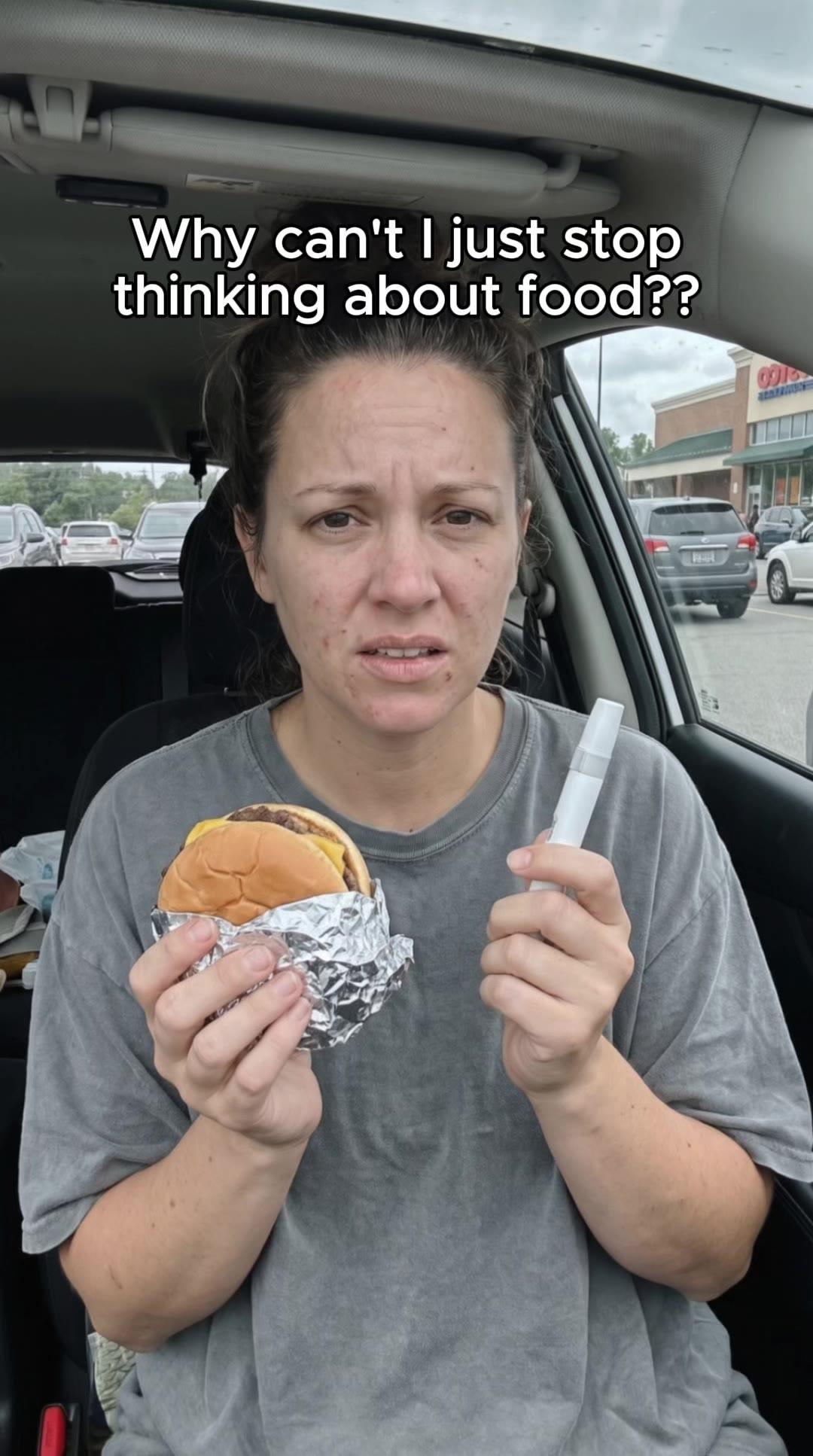
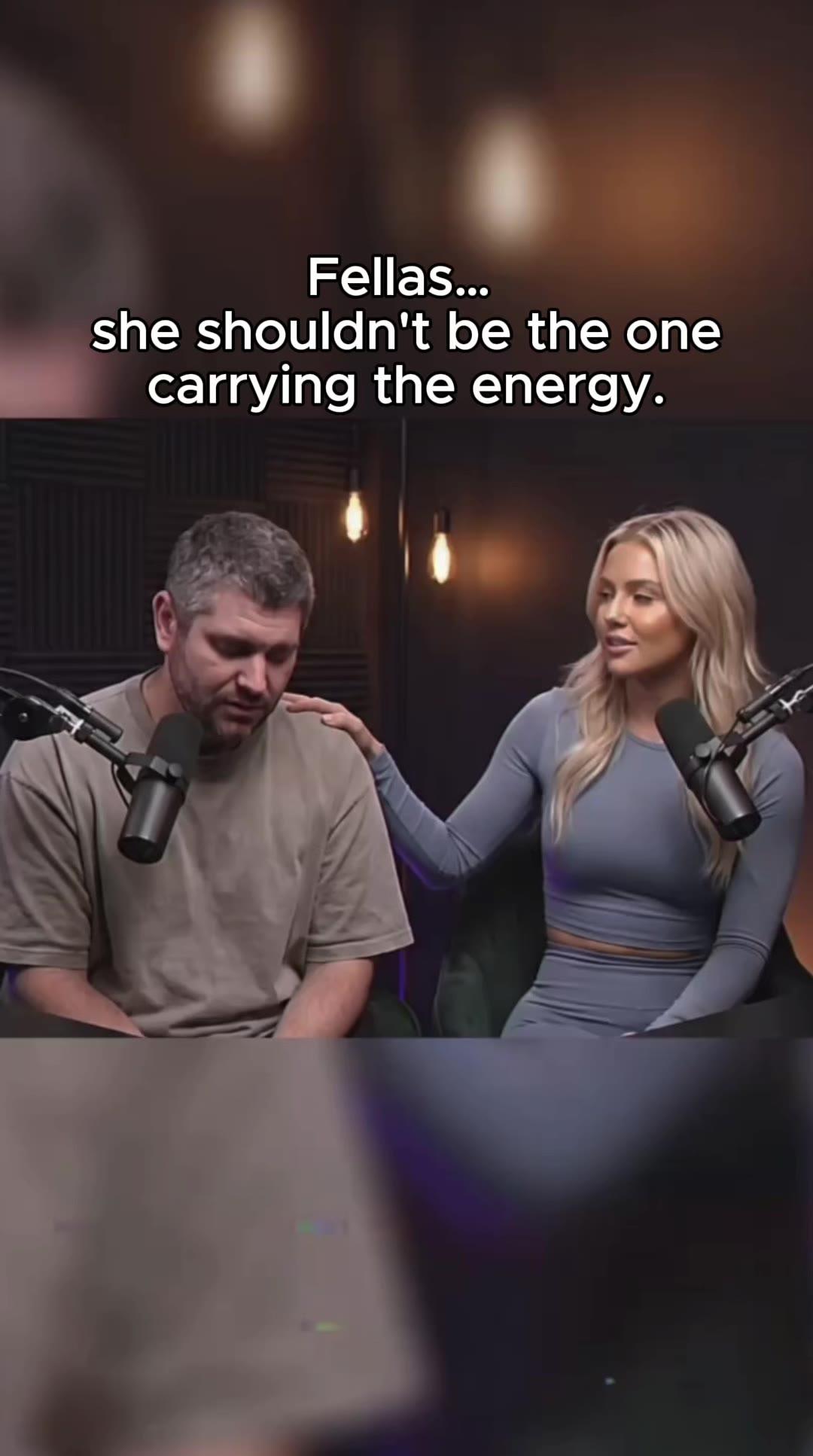
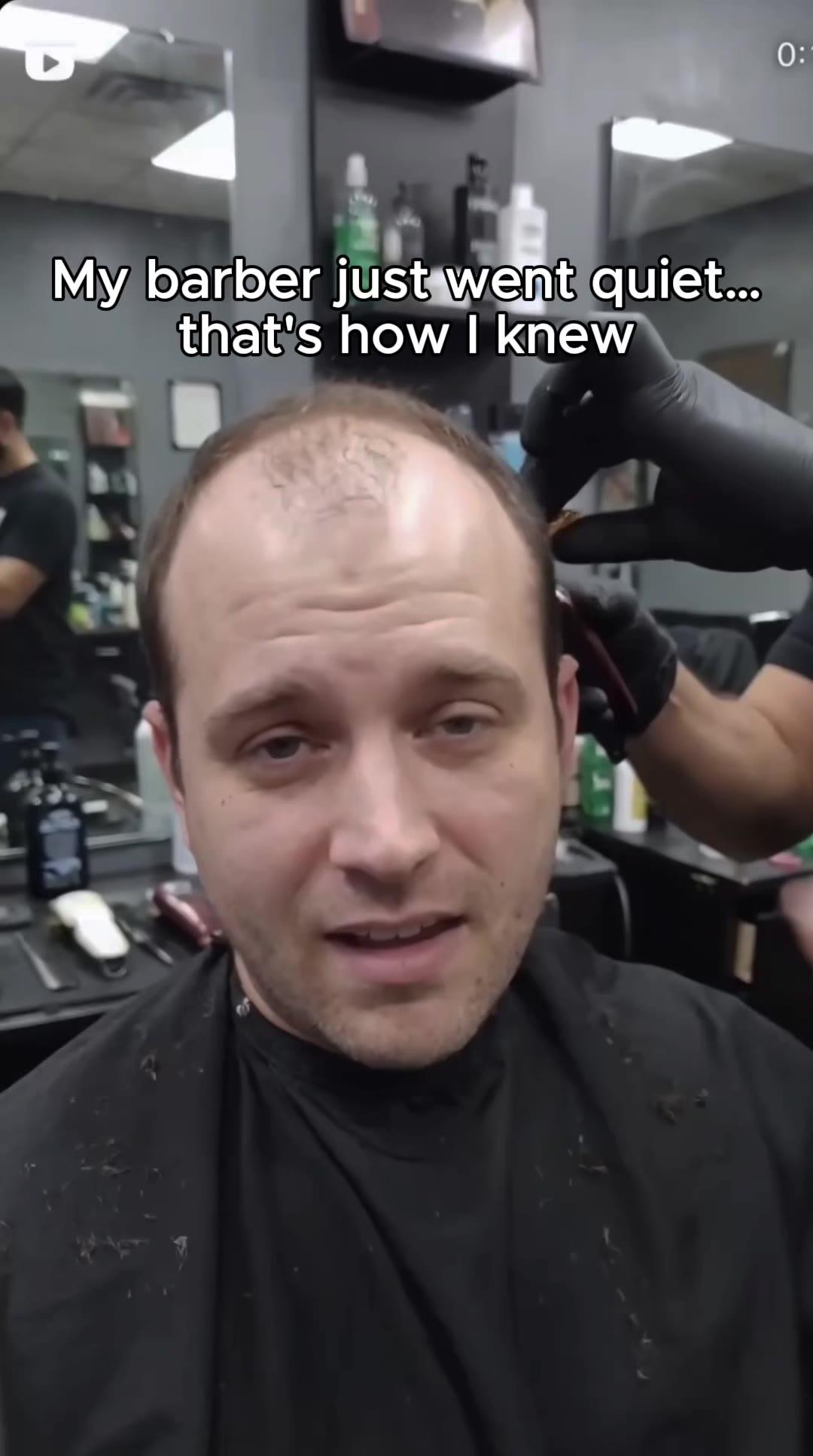



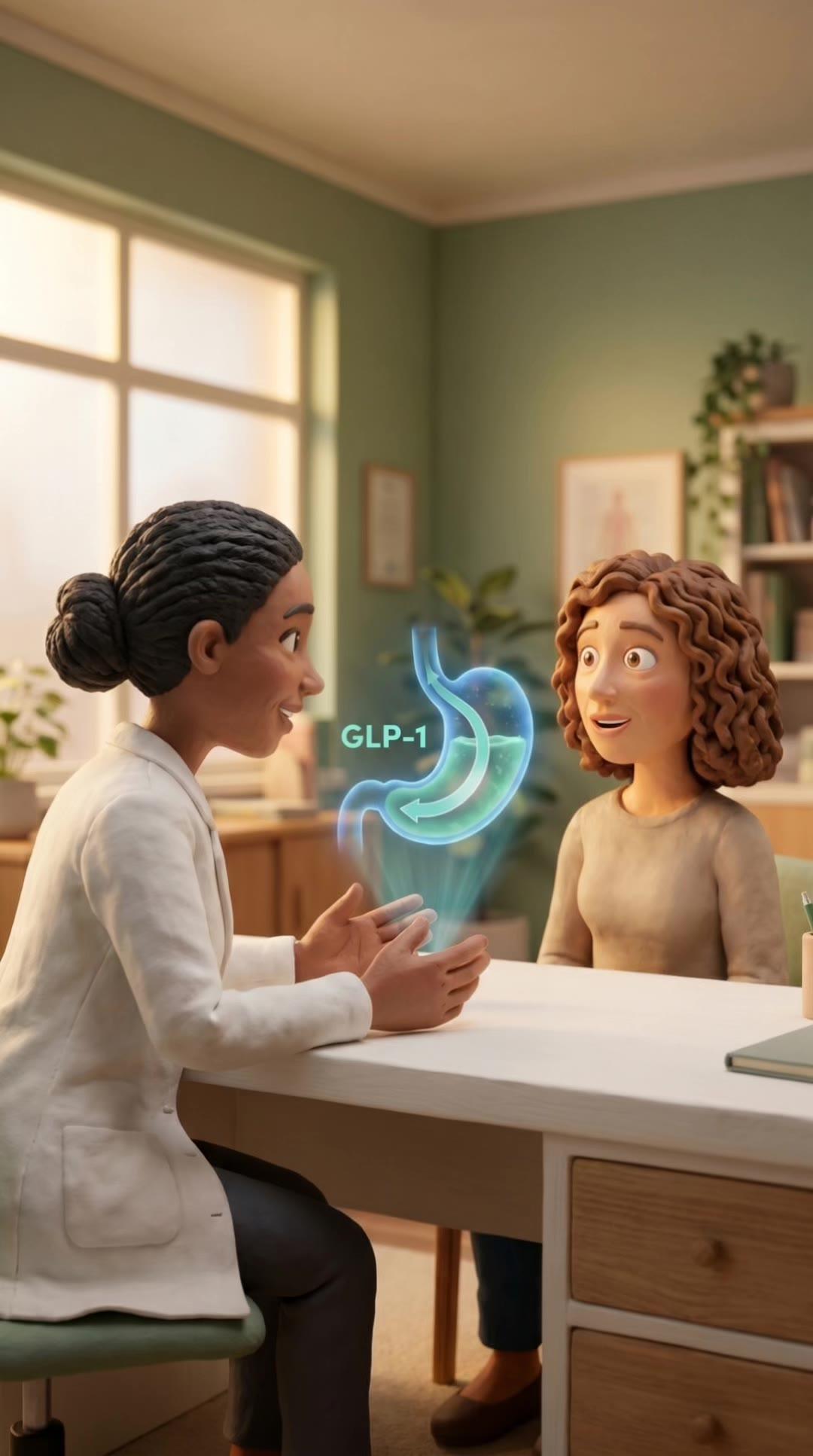
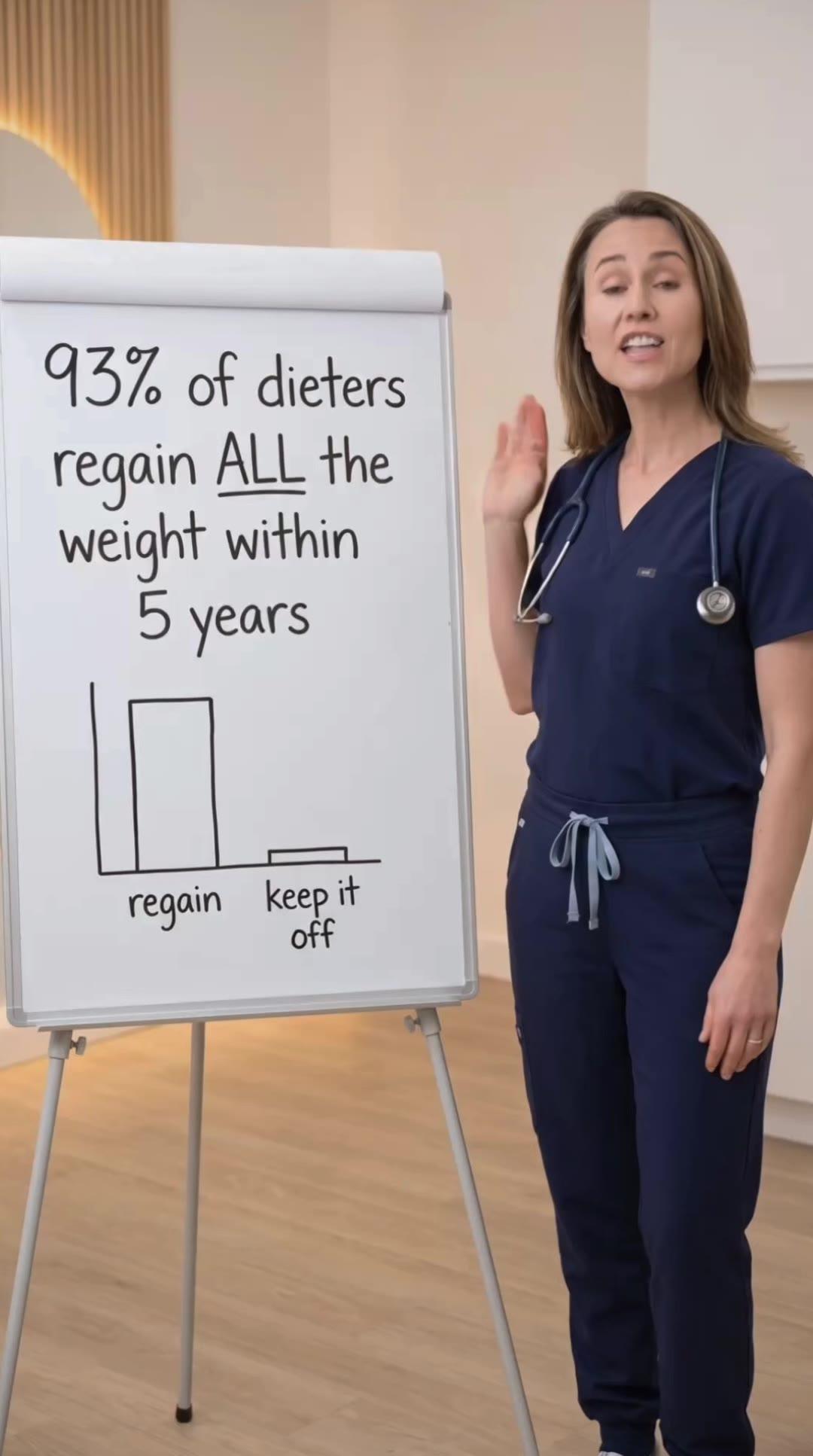
Advertising compounded GLP-1 on TikTok in 2026 is possible, but significantly restricted. TikTok's health product advertising policies treat prescription medication advertising — including telehealth services that advertise access to prescription compounded medications — as a controlled category that requires specific verification steps and limits the types of claims you can make in creative. The GLP-1 category receives particularly close scrutiny on TikTok because of the platform's younger-skewing audience and its heightened sensitivity to health product marketing.
The practical answer to whether you can advertise compounded GLP-1 on TikTok depends on what your ads say, how your business is structured, and whether you have completed the platform's advertiser verification requirements. There is no single yes or no answer — there is a set of conditions that determine whether your specific advertising approach is within the allowed range.
TikTok's Health Advertising Policy Framework
TikTok's advertising policies for health products operate in tiers based on product type and advertising content. Over-the-counter health products, dietary supplements, and general wellness services occupy the lowest-restriction tier. Prescription medication advertising — including telehealth services that name or describe specific prescription products — sits in a more restricted tier that requires advertiser-level verification and prohibits certain claim types. A third tier includes products TikTok prohibits from advertising entirely, such as unapproved drugs and drug paraphernalia.
Compounded semaglutide sits in a complicated position within this framework. It is a prescription medication, which places it in the restricted tier. It is also a non-FDA-approved product, which in some interpretations of TikTok's policy brings it closer to the prohibited tier. TikTok's policy language is less specific than Google's on this point, and the practical outcome depends substantially on how your ads describe the product and service. Ads that describe a telehealth consultation service without naming the specific medication often pass initial review; ads that specifically name "compounded semaglutide" or describe the weight loss outcomes of the medication in detail face more frequent rejection.
LegitScript on TikTok
TikTok adopted LegitScript certification as a verification requirement for telehealth and pharmacy advertisers in its major markets. If you want to advertise prescription medication access — including compounded GLP-1 telehealth services — on TikTok, LegitScript certification is required. Without it, ads that TikTok's system identifies as prescription-drug-adjacent will be rejected at the campaign level, and repeat rejections can result in account-level restrictions.
The LegitScript certification for TikTok uses the same underlying process as for Google and Meta — you apply through LegitScript's portal, provide documentation of your business licensing, professional oversight, and pharmacy relationships, and LegitScript certifies you across the major platforms it partners with simultaneously. If you already have LegitScript certification for Google or Meta, that same certification applies to TikTok. You do not need a separate TikTok-specific certification. See our full breakdown of what LegitScript certification requires for the complete process.
This is what compliant telehealth creative looks like.
See the work →What Content Gets Through on TikTok
The compounded GLP-1 ads that consistently perform and pass review on TikTok in 2026 tend to share a few characteristics. They focus on the telehealth service and access experience rather than the specific medication. They use language like "prescription weight loss program" or "online medical consultation for weight management" rather than "compounded semaglutide injection" or "GLP-1 prescription." They feature patient stories or lifestyle imagery related to weight management without making specific before-and-after claims or numerical weight loss promises. And they direct viewers to a landing page that makes the compounded medication connection without leading with it in the ad itself.
TikTok's review system is more automated than Meta's and less experienced with the nuances of telehealth advertising. This means ads that technically comply with policy requirements but include keywords or visual patterns associated with restricted products may be rejected by the automated system even when the ad is genuinely compliant. Building a relationship with a TikTok account representative and using TikTok's pre-clearance process for health advertising — where available — reduces the rejection rate substantially for telehealth advertisers.
Claims That Guarantee Rejection
Certain content patterns in GLP-1 ads on TikTok reliably trigger rejection regardless of LegitScript certification. Before-and-after weight loss comparisons in video or image form are prohibited under TikTok's specific policies for health products, and GLP-1 content is actively monitored for this format. Specific weight loss numbers — "lose 25 pounds," "results in 90 days" — trigger rejection even when framed as testimonials rather than claims. Any reference to the brand names Ozempic, Wegovy, Mounjaro, or Zepbound in paid advertising content generates immediate review flags, and ads containing those brand names in the context of promoting a compounded alternative face very high rejection rates.
Medical claim language — words like "treats obesity," "clinically proven to reduce body weight," or "FDA-approved" (which compounded GLP-1 is not) — triggers automated rejection without human review. TikTok's content moderation for health claims is more aggressive in the immediate review stage than Meta's, though Meta's post-approval enforcement has become more rigorous. Designing your TikTok creative around these rejection triggers — testing what passes consistently before scaling spend — is more effective than arguing ad policy with support teams after rejections accumulate.
The Organic Content Opportunity on TikTok
While paid advertising of compounded GLP-1 on TikTok is restricted, organic content about telehealth and weight management is not subject to the same advertising policies. Many telehealth brands have built substantial TikTok followings through educational content about GLP-1 medications, weight management, and telehealth access. This organic presence serves as both a direct patient acquisition channel and a warm audience for retargeting with paid ads that meet TikTok's advertising policy requirements.
The strategy of combining compliant organic content with paid retargeting is one of the most effective approaches to GLP-1 marketing on TikTok in 2026. Your organic content can be more specific about the medications and outcomes you discuss — subject to TikTok's general community guidelines rather than its more restrictive advertising policies. Your paid content then targets the engaged audience from your organic content with service-focused, compliant ads that drive conversions. This layered approach gives you the depth of content that GLP-1 patients are looking for while staying within the boundaries that TikTok's paid advertising policies require. Compare TikTok's approach to Meta's in our guide to advertising GLP-1 on Facebook.
Related Articles
Can You Advertise Name-Brand GLP-1 on TikTok in 2026
TikTok's rules for advertising Ozempic, Wegovy, and other brand-name GLP-1 medications — and how they differ from the rules for compounded semaglutide advertising.
Why TikTok Rejects Telehealth Ads and What Gets Through
The specific content patterns that trigger TikTok rejections for telehealth advertisers — and what compliant telehealth creative looks like on the platform.
How to Advertise GLP-1 Weight Loss on Facebook in 2026
Complete compliance guide for advertising semaglutide and tirzepatide telehealth services on Meta. What claims work, what gets banned, and how to scale.
What LegitScript Certification Requires for Telehealth Ads
Google, Meta, and TikTok require LegitScript certification for telehealth and online pharmacy advertisers. What the process involves and who needs it.
Can You Advertise TRT on TikTok in 2026
Whether you can advertise TRT on TikTok in 2026. Platform policy breakdown, what gets approved, what gets rejected, and compliant approaches for testosterone telehealth.
Creative built to pass review, and convert anyway.
A 30-minute call. We audit your creative approach and show you exactly what a complete angle-format-hook system looks like for your vertical.