Can You Advertise Ozempic Online in 2026?
A plain-English answer for telehealth founders. What you can and cannot say about Ozempic in online advertising, and the brand-versus-class distinction every founder should understand.
Concepts shown are internal creative studies, not client campaigns.
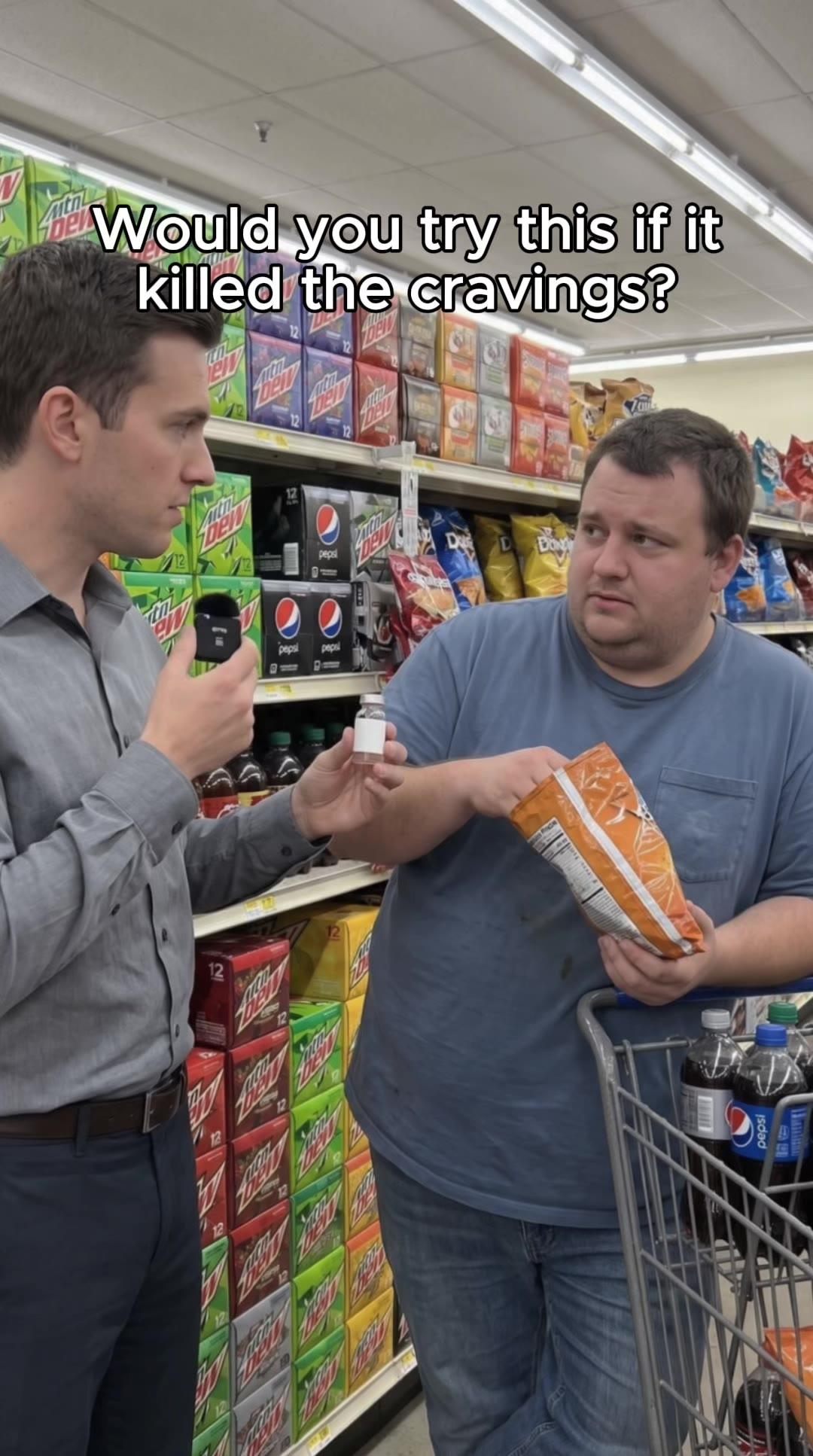
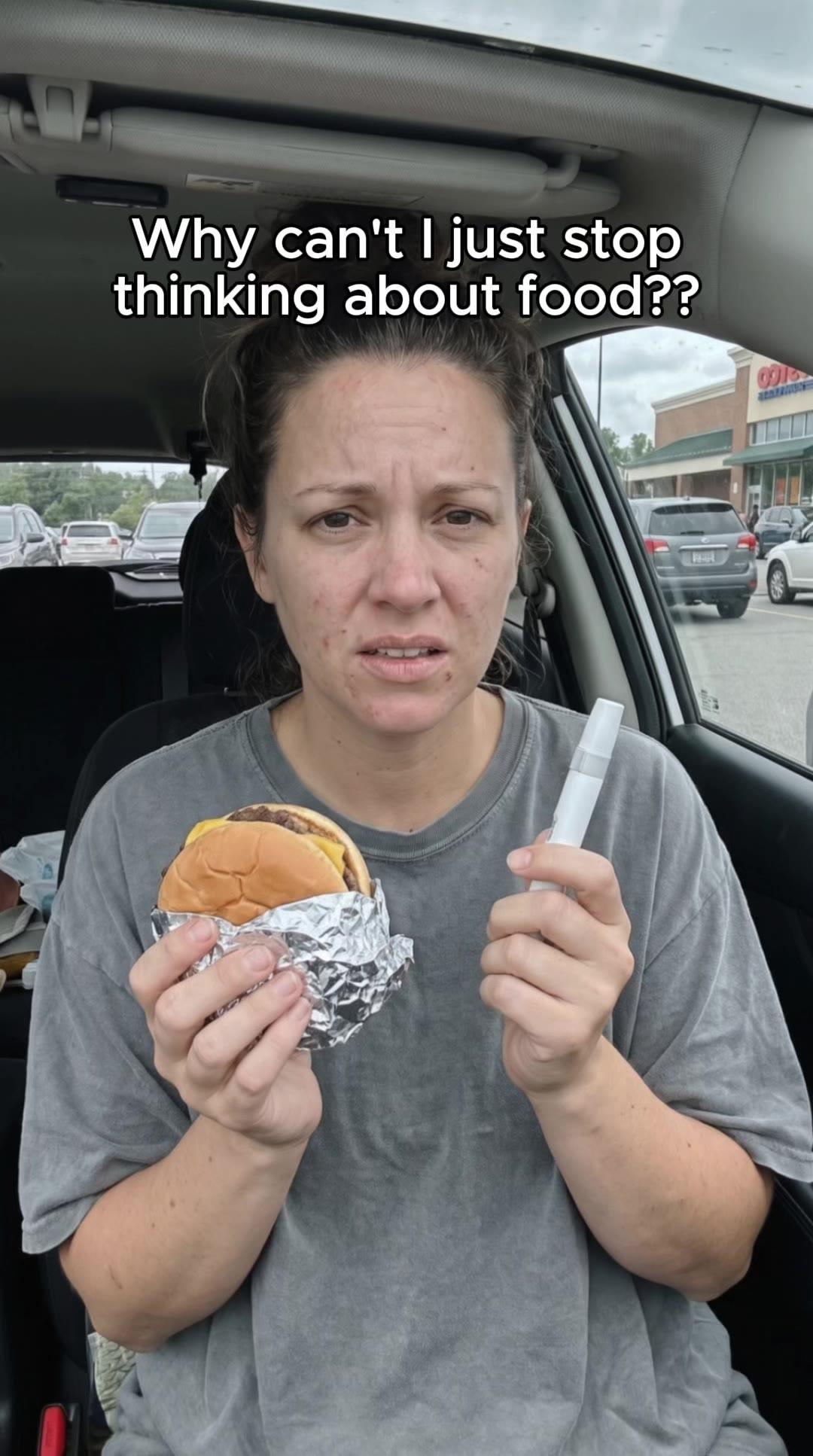

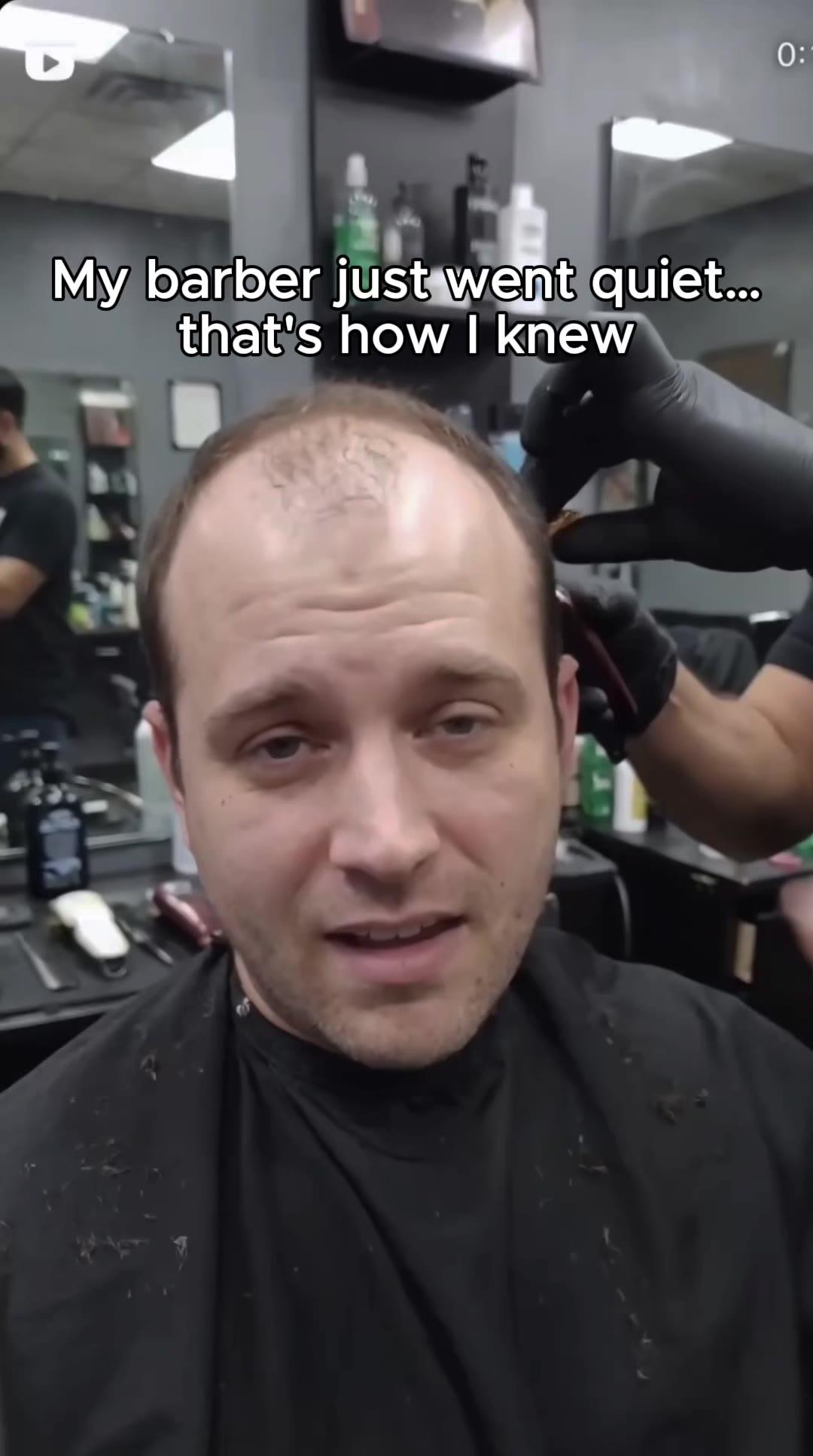



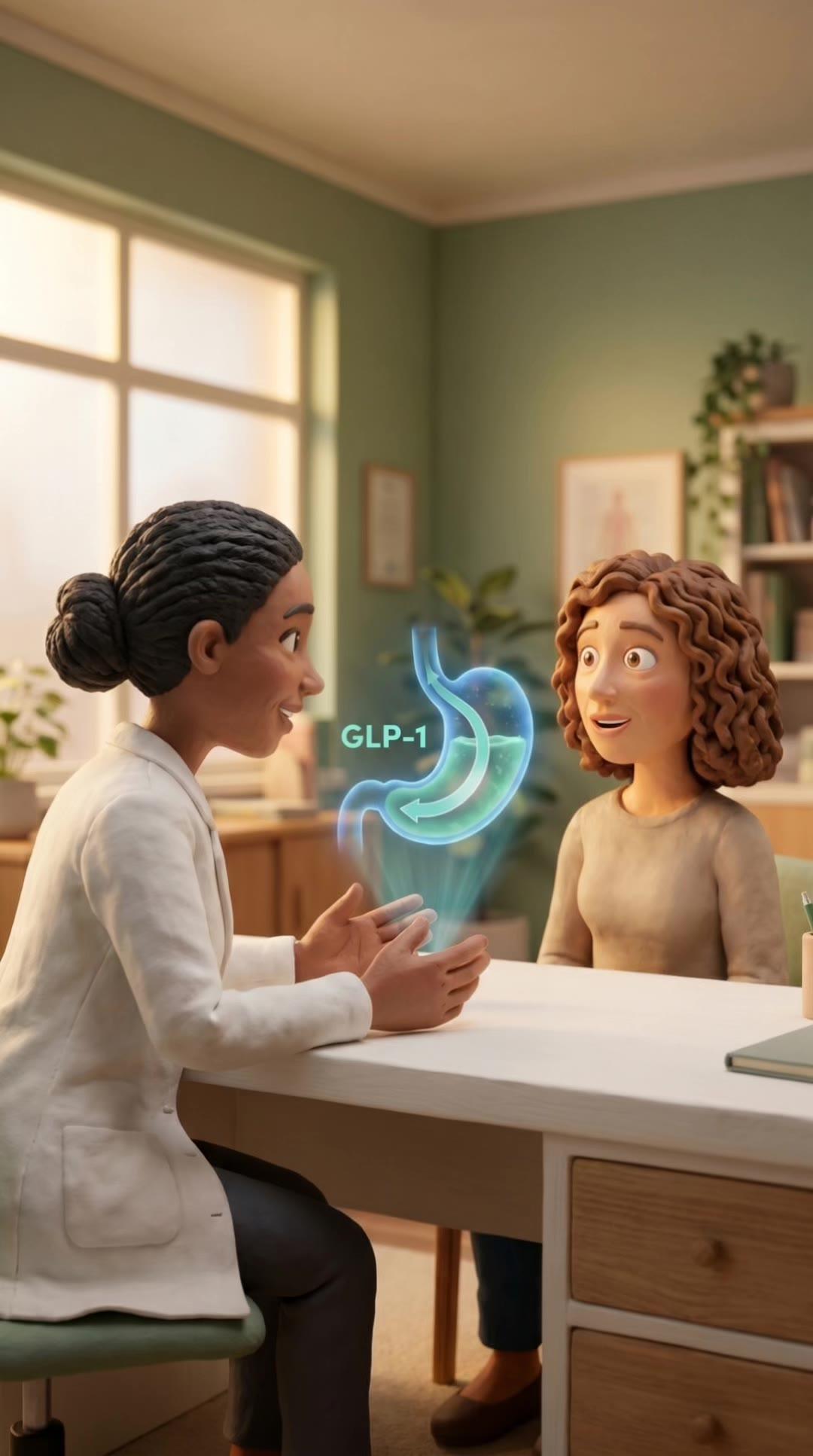
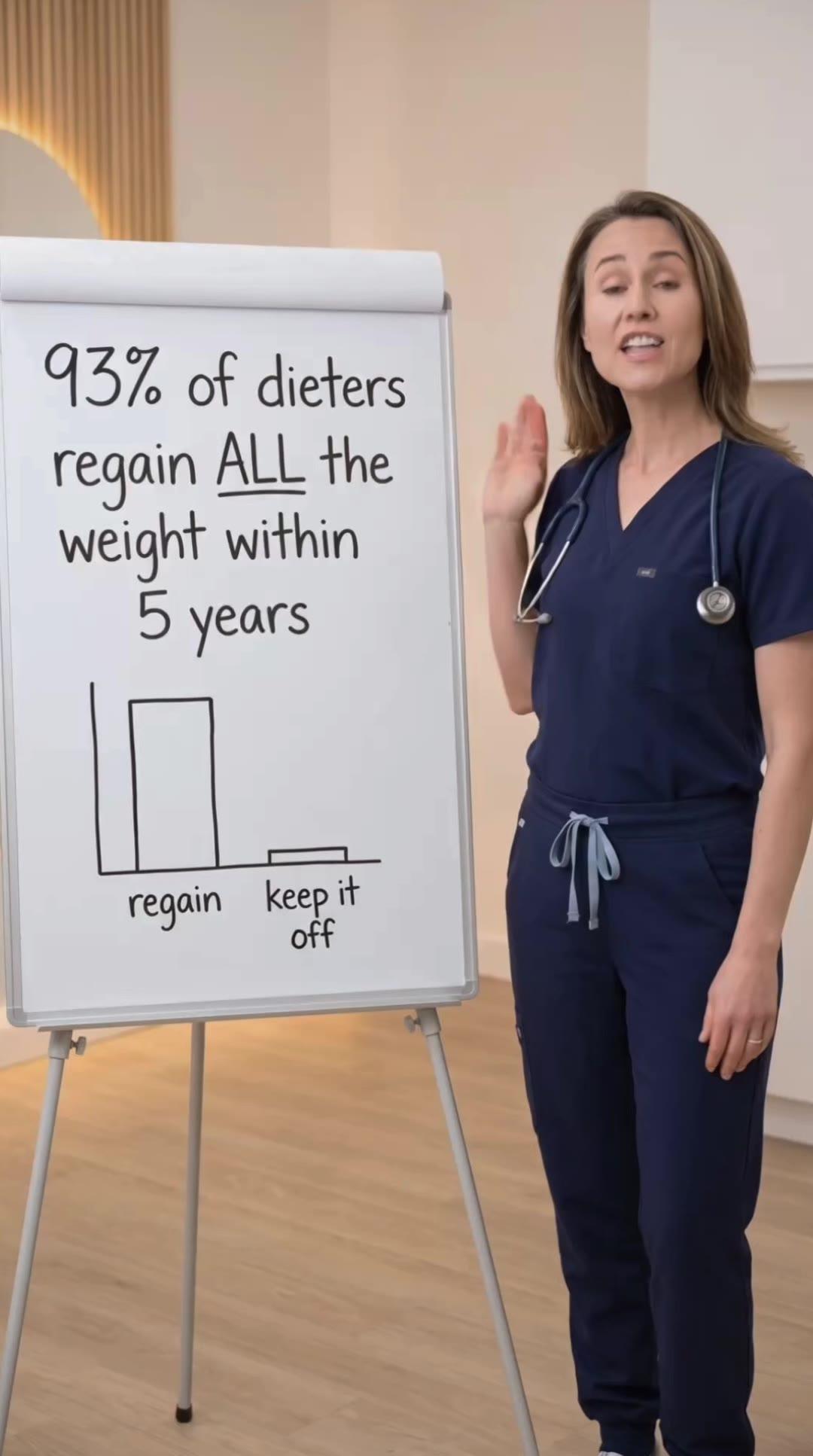
"Can I advertise Ozempic online?" sounds like a yes-or-no question. The real answer is more nuanced. Most telehealth brands cannot directly advertise the Ozempic brand in the way Novo Nordisk can, because Ozempic is a registered brand name with promotional restrictions that DTC telehealth prescribing services do not satisfy. But you can absolutely advertise telehealth services for weight loss and GLP-1 therapy, and you can build a strong business around the same underlying medication class.
Here is the plain-English answer with the distinction every founder needs to understand.
The Brand-Versus-Class Distinction
Ozempic is a brand name owned by Novo Nordisk. Semaglutide is the generic name for the medication's active ingredient. Telehealth brands generally cannot run ads that promote "Ozempic" as their product because they are not Novo Nordisk and do not have the rights to promote that brand. What they can do is advertise weight loss telehealth services that include semaglutide prescribing, framed around the medication class rather than the brand name.
This is not just a naming preference. The FDA has promotional rules about how prescription medications can be advertised, and Novo Nordisk has trademark rights over the Ozempic name. Brands that use "Ozempic" prominently in ads can face both FDA scrutiny and trademark exposure.
What Telehealth Brands Actually Advertise
Most successful weight loss telehealth brands in 2026 advertise GLP-1 therapy as a category, semaglutide as a clinical option, and their telehealth service as the access pathway. They do not center their creative on the Ozempic brand name.
Compounded semaglutide is the most common offering for cash-pay telehealth brands. Brand-name semaglutide (Ozempic for diabetes, Wegovy for weight loss) is harder to integrate into a cash-pay subscription model because of pricing and supply chain. Brands that focus on brand-name medications typically run insurance-coordinated services.
What You Can Say
"We prescribe semaglutide through our telehealth platform." Direct, factual, approvable.
"GLP-1 receptor agonists work by slowing gastric emptying and modulating appetite signaling." Mechanism language is safe.
"Our consultation includes a medical questionnaire, optional bloodwork, and a video visit with a licensed provider." Process transparency is safe.
"Compounded semaglutide is a personalized formulation prescribed through our partner pharmacy." Acceptable for cash-pay compounded brands.
What You Cannot Say
"Get Ozempic." Direct brand promotion runs into FDA promotional rules and trademark exposure.
"The same medication as Ozempic, cheaper." Equivalence claims for compounded versions of brand-name medications are flagged by FDA and most platforms.
"Lose 30 pounds in 12 weeks." Specific outcome claims are the most common rejection trigger.
"Are you struggling to lose weight?" Personal-attribute targeting is flagged by Meta's healthcare policy.
This is what compliant telehealth creative looks like.
See the work →Platform-Specific Notes
Meta will reject ads that center the Ozempic brand name in headlines and ad copy. Reframing around "semaglutide therapy" or "GLP-1 medications" is the standard fix.
Google Search will let you run ads on the keyword "Ozempic" as long as you have LegitScript certification and your landing page does not violate trademark or claim restrictions. Many telehealth brands run this exact campaign type successfully in 2026.
TikTok is the most restrictive. Brand name mentions in healthcare advertising are flagged consistently, regardless of whether the brand is the manufacturer or a telehealth prescriber.
Substance vs Brand: How to Think About It
The substance of your offering is access to a clinically supervised GLP-1 therapy program. The brand name (Ozempic, Wegovy, Mounjaro, Zepbound) is one detail in a larger service. Center your creative on the substance, not the brand name, and the platform and regulator headaches mostly disappear.
Brands that try to center their marketing on a brand-name medication they do not own end up fighting platform policy, FDA promotional rules, and manufacturer counsel simultaneously. Brands that center on their own service and medication class scale.
The Short Version
You can advertise telehealth services for weight loss and semaglutide therapy online in 2026. You generally cannot advertise the Ozempic brand directly because you do not own the brand. Reframe your creative around the medication class and your service, not around the brand name, and you can build a real business in the category without fighting the platforms or the regulators.
Related Articles
Can You Advertise Wegovy Online in 2026?
The parallel question for Wegovy.
How to Advertise GLP-1 on Facebook
Meta-specific GLP-1 advertising compliance.
How to Market an Ozempic Alternative in 2026
Marketing an Ozempic alternative as a telehealth brand.
Tirzepatide Telemedicine: How to Market It Without Getting Flagged
Compliance playbook for compounded tirzepatide telemedicine.
Creative built to pass review, and convert anyway.
A 30-minute call. We audit your creative approach and show you exactly what a complete angle-format-hook system looks like for your vertical.