Tirzepatide Telemedicine: How to Market It Without Getting Flagged
The compliant creative patterns, landing page structures, and paid social workflows that keep tirzepatide telemedicine brands live across Meta, Google, TikTok, and state telehealth boards in 2026.
Concepts shown are internal creative studies, not client campaigns.



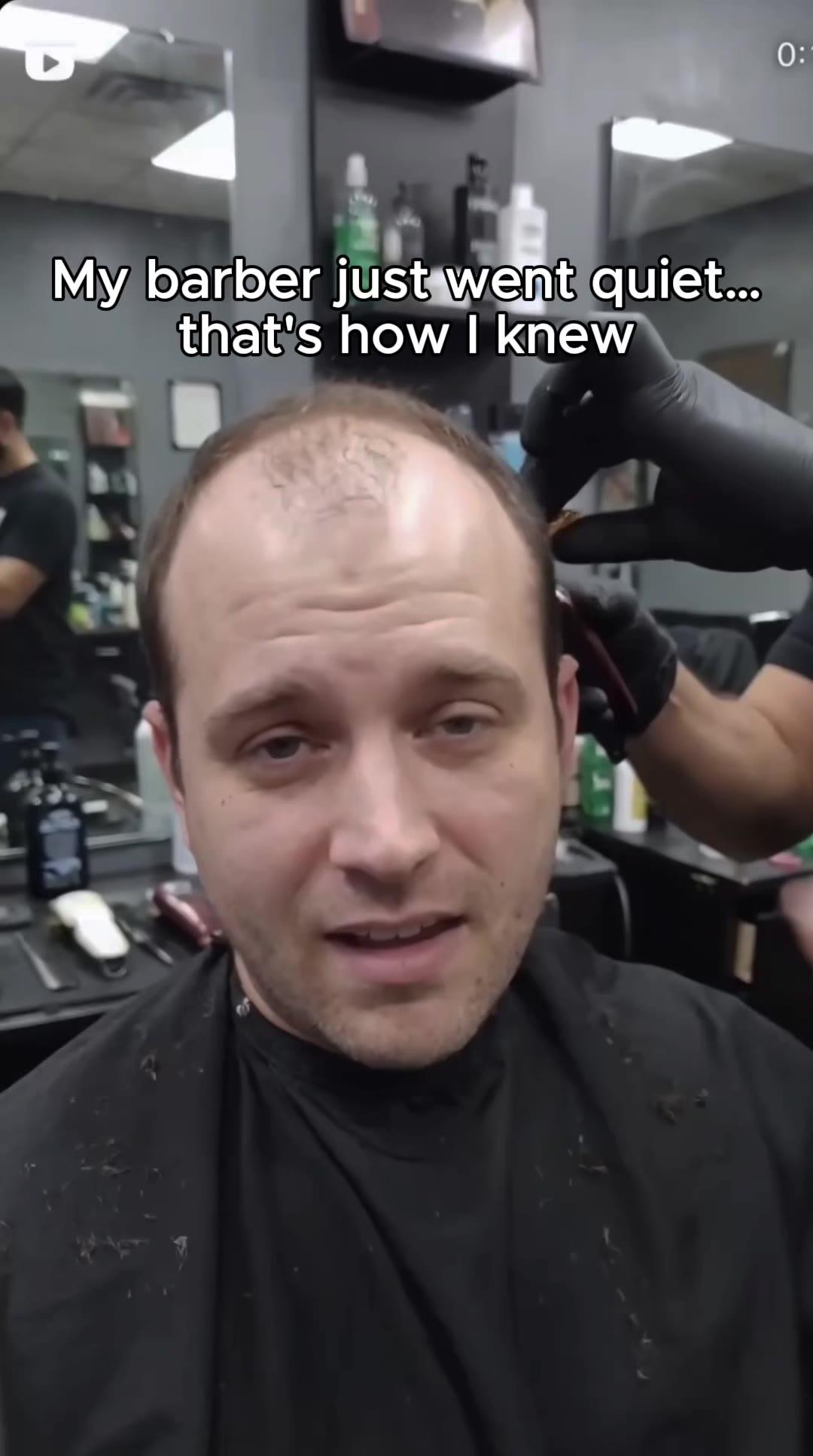




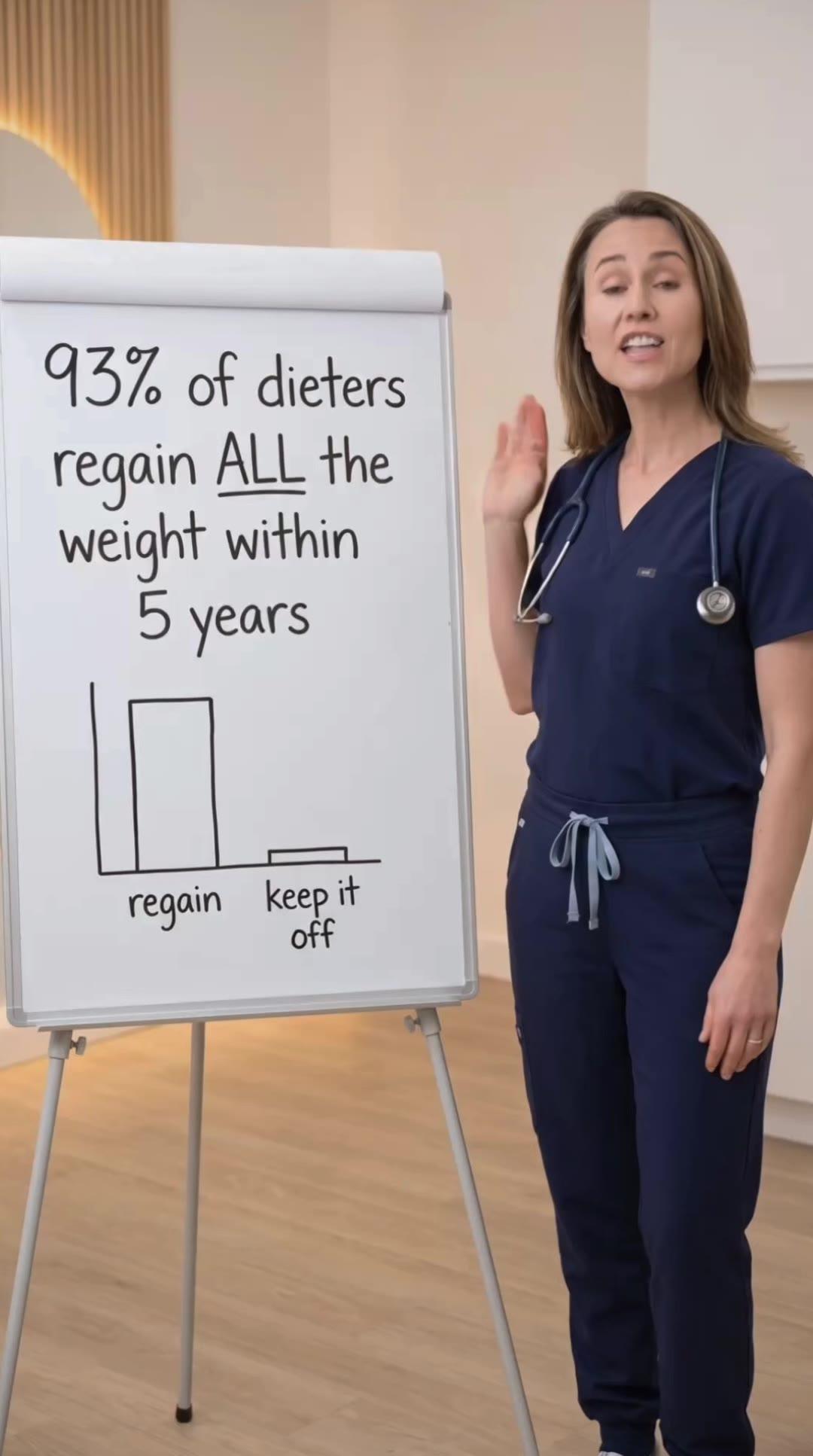
Tirzepatide telemedicine is one of the most flagged categories in paid social in 2026. Meta, Google, and TikTok all apply tighter weight-loss scrutiny to tirzepatide than they did to semaglutide in 2024, and several state telemedicine boards have issued updated compounding guidance that brands routinely violate without realizing it. Getting flagged is not a creative talent problem — it is a workflow design problem.
Here is how to run a tirzepatide telemedicine paid social program in 2026 without burning Business Manager accounts, drawing FDA warning letters, or running into state-level enforcement. Tactical patterns, not generalities.
The Three Flag Sources to Track Separately
Platform flags (Meta, Google, TikTok) — your ad gets rejected, your account gets warned, or in repeated-violation cases, the Business Manager is restricted. Recoverable with workflow changes.
Federal regulator flags (FDA promotional letters, FTC subscription investigations) — slower-moving but harder to recover from. Brands draw these when claims structurally exceed substantiation, or when subscription cancellation flows do not match advertised terms.
State telemedicine board flags — state-by-state enforcement of telemedicine prescribing rules, especially for compounded tirzepatide. Increasingly active in 2026, particularly in states that have issued new compounding guidance.
Creative Patterns That Stay Approved
Mechanism-of-action explainers without outcome claims. A provider explaining how dual-agonist GLP-1/GIP receptor activity works, without making any specific weight-loss promise, is consistently approvable across all three platforms. This is the lowest-rejection creative format for tirzepatide.
Process transparency creative: what the consultation looks like, what the qualification gate measures, how prescribing decisions are made. This format converts well as cold and retargeting, and platform reviewers approve it because it does not make outcome claims at all.
Founder or provider story creative: a credentialed clinician explaining why they prescribe tirzepatide and what they look for in a candidate. This builds trust without claim risk. For format-level analysis, see GLP-1 Facebook ad examples.
Creative Patterns That Get You Flagged
Specific weight-loss claims ("lose 30 pounds in 12 weeks"). FDA reads these as drug efficacy claims requiring substantiation that telehealth brands cannot provide. Platforms read them as prohibited weight-loss claims. Both flag.
Before/after imagery without consent documentation, compliance framing, and FDA-aligned disclaimer language. Compliant before/after is possible but requires real documentation; most brands skip the documentation and rely on legal risk tolerance.
Pricing claims that omit auto-renewal, total commitment, or supply-chain qualifications. FTC has explicitly named subscription transparency as a 2026 focus area for telehealth, and tirzepatide is one of the highest-volume sub-categories.
Personal-attribute targeting language ("Are you over 40 and struggling with weight?"). Meta's personal-attribute policy flags this whether or not the literal claim is true.
Concepts we ship, problem-aware to product-aware.
See the work →Landing Page Discipline
The landing page is where most platform reviewers actually decide whether to approve an ad. The ad copy can be clean and the page itself can sink the submission. The non-negotiables: clear medication identification, transparent pricing with full subscription terms above the fold, qualification gate visible before the consultation CTA, state-availability disclosure, and provider credentialing within the first scroll.
Pages that hide pricing behind a quiz funnel fail Google's review process in 2026 even when the ad copy is clean. Pages that omit subscription auto-renewal terms draw FTC scrutiny. Pages that skip provider credentialing draw state board attention. For the broader landing page framework, see best landing pages for GLP-1 telehealth.
Compounded vs. Brand-Name: Different Compliance Tracks
Compounded tirzepatide carries the higher state-level enforcement risk. The 503A/503B distinction, state-by-state compounding limits, and the shortage-list dependency all create exposure that brand-name tirzepatide telemedicine does not face. Creative for compounded tirzepatide must avoid language implying parity with brand-name medication, must include personalization/individualization framing where appropriate, and must coordinate with the pharmacy on what claims the supply chain can support.
Brand-name tirzepatide telemedicine has lower state risk but higher manufacturer-promotional-language risk. Brands that import language from the manufacturer's promotional materials inherit FDA framing they cannot substantiate as a prescribing service. Treat brand-name tirzepatide as a service offering, not a medication promotion.
Submission Workflow That Survives Scale
Document every rejection with the platform reason code, the asset variant, and the timestamp. After 30-50 rejections, 3-5 root causes are usually responsible for 75-85% of the volume. Push those root causes into the creative brief upstream — change the script template, the on-screen text guidance, the disclaimer placement — so future ads do not regenerate the same rejection pattern.
For the upstream submission framework, see ad promo submission requirements.
When You Get Flagged
For platform restrictions, recovery time is days to weeks if your workflow is logged and the root cause is documented. The brands that take months are the ones reconstructing what they were doing from screenshots and Slack threads.
For federal regulator letters, the timeline is months. Engage healthcare counsel immediately, document the corrective creative changes, and report back on the response timeline the agency requests. Do not improvise.
For state telemedicine board inquiries, coordinate with your medical director, the compounding pharmacy if relevant, and counsel. State responses are usually faster than federal responses if the underlying practice is in good standing.
The Operator Summary
Tirzepatide telemedicine marketing without getting flagged is a workflow problem first, a creative problem second. Build the submission log, push rejection root causes into the brief, treat landing pages as the actual reviewer surface, and separate compounded and brand-name into distinct compliance tracks. Do those four things and the flag rate drops below 10%.
Related Articles
Tirzepatide Marketing: How to Advertise Tirzepatide Telehealth in 2026
Tirzepatide positioning, paid social strategy, and CAC math.
How to Market Tirzepatide Telehealth
Positioning and creative angles for tirzepatide telehealth brands.
How to Advertise GLP-1 on Facebook
Meta-specific compliance for GLP-1 advertising.
Compounding Pharmacy Telehealth Ads
How to advertise compounded medications compliantly in 2026.
How to Market Retatrutide Telehealth Services
Marketing retatrutide telehealth programs in 2026. Positioning, platform compliance, and how to differentiate from semaglutide and tirzepatide programs.
Your next GLP-1 batch, minus the compliance roulette.
A 30-minute call. We audit your creative approach and show you exactly what a complete angle-format-hook system looks like for your vertical.