How to Market Tirzepatide Telehealth Services
Marketing strategy for tirzepatide (Mounjaro, Zepbound) telehealth brands. Positioning, messaging, and creative that converts.
Concepts shown are internal creative studies, not client campaigns.



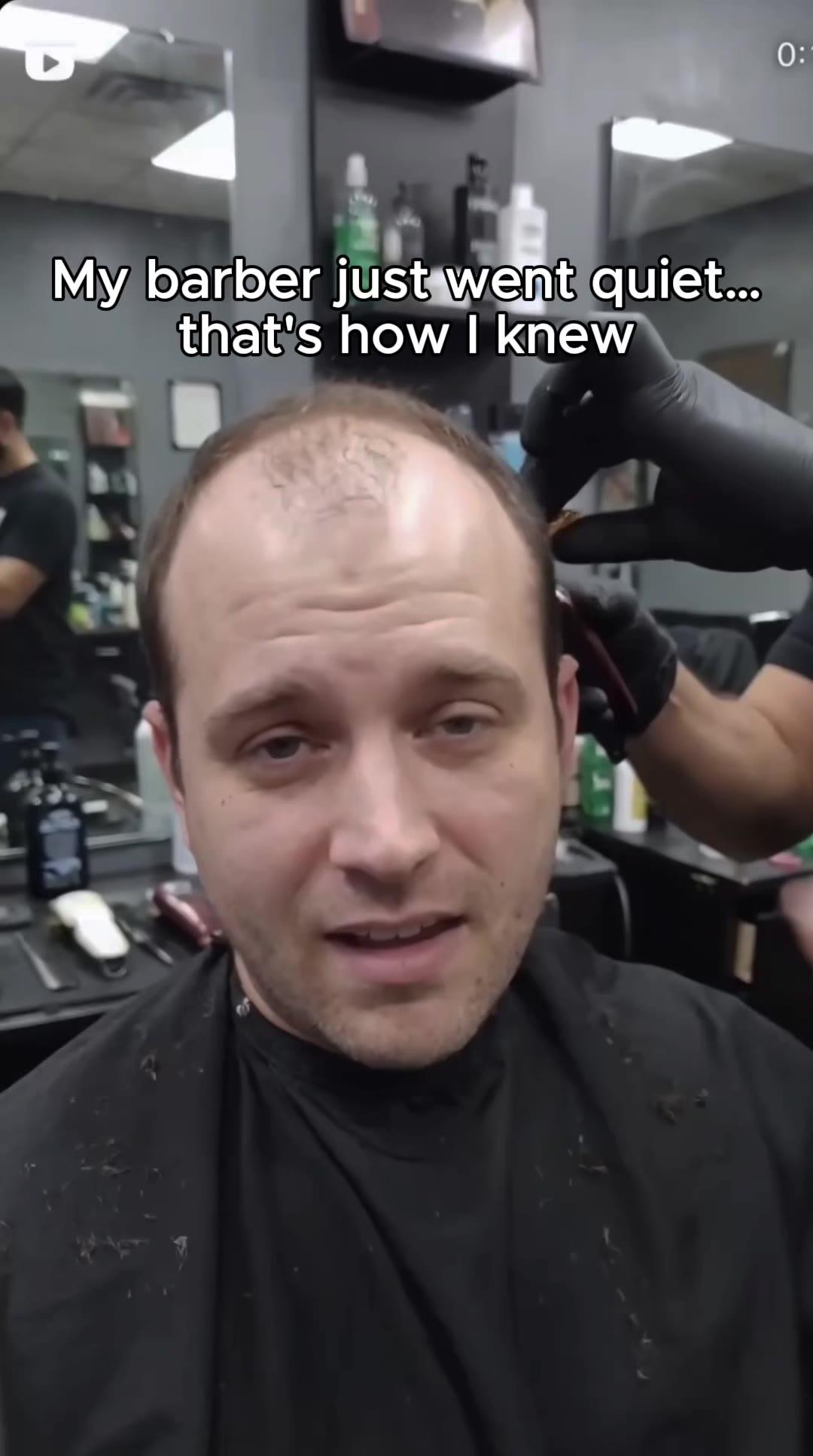



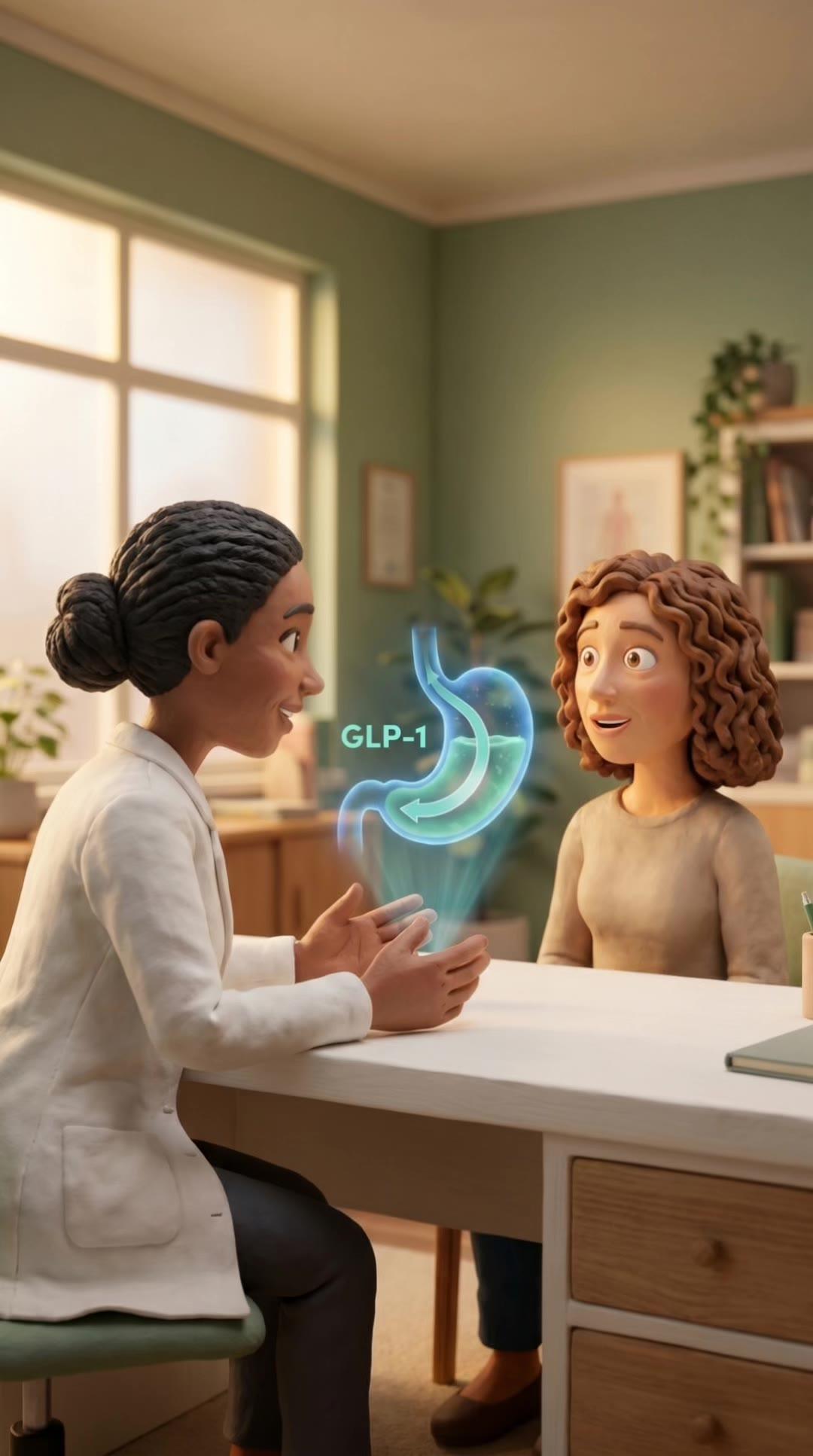
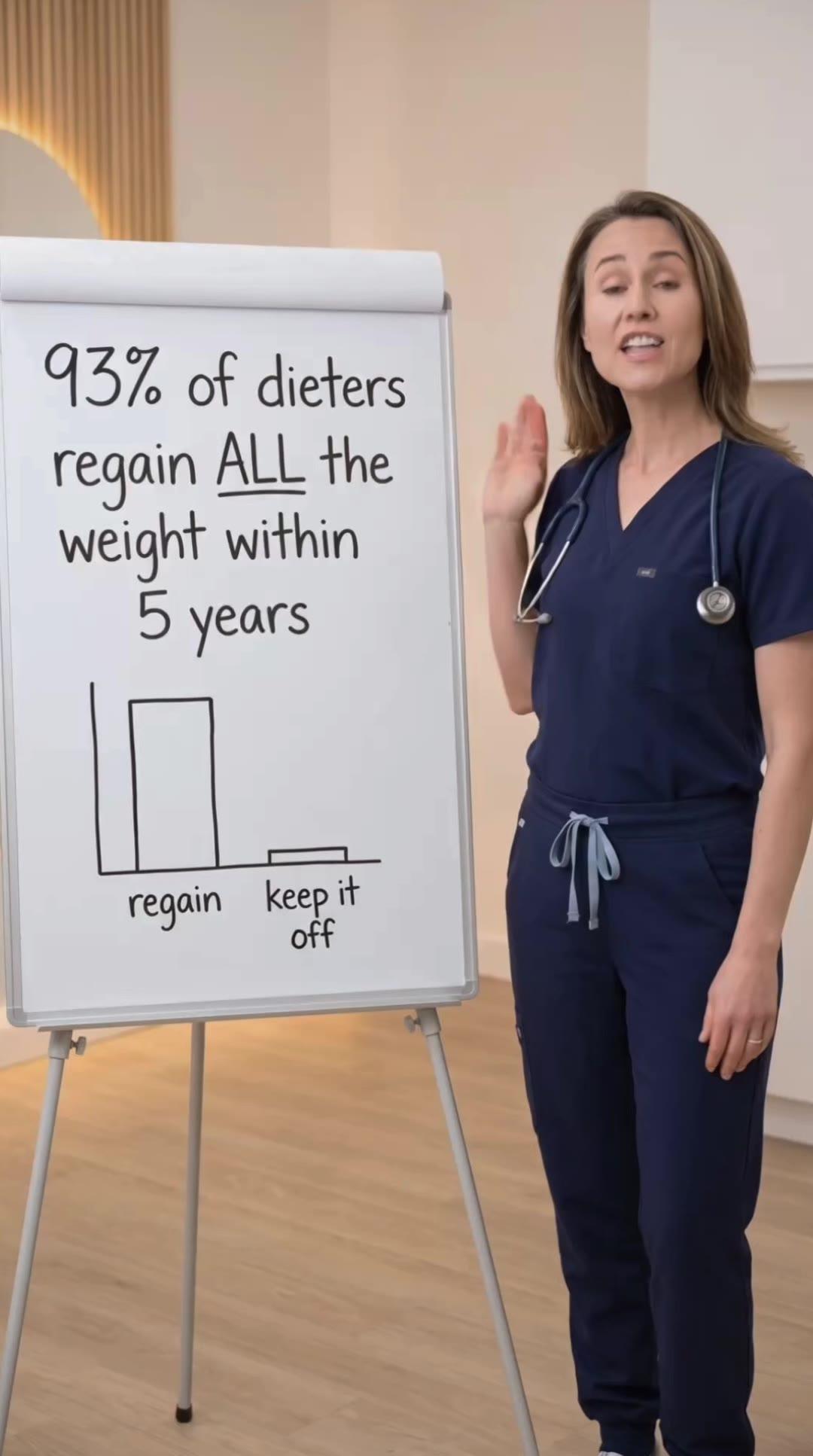
Tirzepatide is the next wave of GLP-1 telehealth marketing. While semaglutide dominates the market, tirzepatide brands have an opportunity to position as the newer, more effective alternative. The challenge is marketing tirzepatide without making direct comparisons that violate compliance rules. This guide explains how to market tirzepatide telehealth services based on positioning strategies that work for brands entering this space.
Why Tirzepatide Marketing Is Different from Semaglutide Marketing
Tirzepatide (Mounjaro, Zepbound) is a dual GIP/GLP-1 receptor agonist, which means it works through two mechanisms instead of one. Clinical studies show higher average weight loss than semaglutide. That gives tirzepatide brands a clinical differentiation story that semaglutide brands do not have.
The challenge is communicating that differentiation compliantly. You cannot say "tirzepatide is better than semaglutide" without substantiation. You cannot reference Ozempic or Wegovy by name. What you can do is educate patients about tirzepatide as a newer class of medication with different mechanisms and clinical data.
Positioning Strategy: The Newer Alternative
The angle: Tirzepatide is a newer generation of GLP-1 therapy with clinical data showing strong weight management outcomes.
Ad messaging:
- "Tirzepatide is the newest approved medication for weight management"
- "Dual-action GLP-1 therapy with physician supervision"
- "Learn about the latest advances in weight management medication"
Why it works: Positioning tirzepatide as "newer" or "next-generation" communicates differentiation without making direct comparisons. Patients understand that newer medications often represent improvements over older options.
What to avoid: Do not say "tirzepatide is better than semaglutide." Focus on newness, not superiority.
Concepts we ship, problem-aware to product-aware.
See the work →Positioning Strategy: Dual-Action Mechanism
The angle: Tirzepatide works through two mechanisms (GIP and GLP-1), not just one. That dual action is a clinical differentiator that can be explained educationally.
Ad messaging:
- "Tirzepatide activates both GIP and GLP-1 receptors for weight management"
- "Learn how dual-action GLP-1 therapy works"
- "What makes tirzepatide different from single-action GLP-1 medications"
Why it works: Mechanism-based positioning educates patients without making outcome claims. You are explaining how the medication works, not promising specific results.
What to avoid: Do not claim the dual mechanism makes tirzepatide more effective. Explain the mechanism and let patients draw their own conclusions.
Creative Formats That Work for Tirzepatide
Physician-led educational explainers. A licensed doctor explains what tirzepatide is, how it differs from semaglutide mechanistically, and what clinical data shows. The doctor never promises outcomes. They educate on the science behind the medication.
Patient testimonials about the service experience. Patients discuss the telehealth consultation process, the quality of physician oversight, and the convenience of medication delivery. Avoid testimonials about weight loss results unless they include heavy disclaimers.
Comparison of telehealth access vs traditional care. Show how telehealth provides faster, more convenient access to tirzepatide than traditional doctor visits and pharmacy trips. The comparison is service-based, not medication-based.
How to Market Compounded Tirzepatide
If your brand offers compounded tirzepatide, the compliance requirements are the same as compounded semaglutide. You must disclose that compounded medications are not FDA-approved. You cannot claim equivalence to Mounjaro or Zepbound. You must comply with state pharmacy regulations.
The positioning should emphasize physician supervision and access for patients whose physicians determine compounding is appropriate. Do not position compounded tirzepatide as a cheaper alternative to brand-name drugs. Position it as an option for patients who cannot access FDA-approved medications due to cost or availability.
What Not to Do in Tirzepatide Marketing
Do not reference Mounjaro or Zepbound by name. Meta treats brand-name drug references as trademark violations. Use "tirzepatide" only.
Do not compare tirzepatide to semaglutide directly. "Tirzepatide works better than semaglutide" is a comparative claim you cannot substantiate. Focus on tirzepatide's unique attributes without putting down semaglutide.
Do not make aggressive weight loss claims. "Lose 30 pounds with tirzepatide" triggers compliance violations. Focus on access to physician-supervised therapy, not outcome promises.
For more on GLP-1 marketing, see our guides on marketing semaglutide, brand positioning, and ad angles. If you need help with compliance, read advertising GLP-1 compliantly. More at our GLP-1 marketing hub.
Need marketing strategy and creative for tirzepatide telehealth? We build campaigns for next-generation GLP-1 brands exclusively. Book a strategy call.
Your next GLP-1 batch, minus the compliance roulette.
A 30-minute call. We audit your creative approach and show you exactly what a complete angle-format-hook system looks like for your vertical.