Weight Loss Telehealth Ads: Angles That Work for GLP-1 Brands
The creative angles that convert for GLP-1 telehealth ads. Problem-led, authority, social proof, and comparison angles that drive performance.
Concepts shown are internal creative studies, not client campaigns.
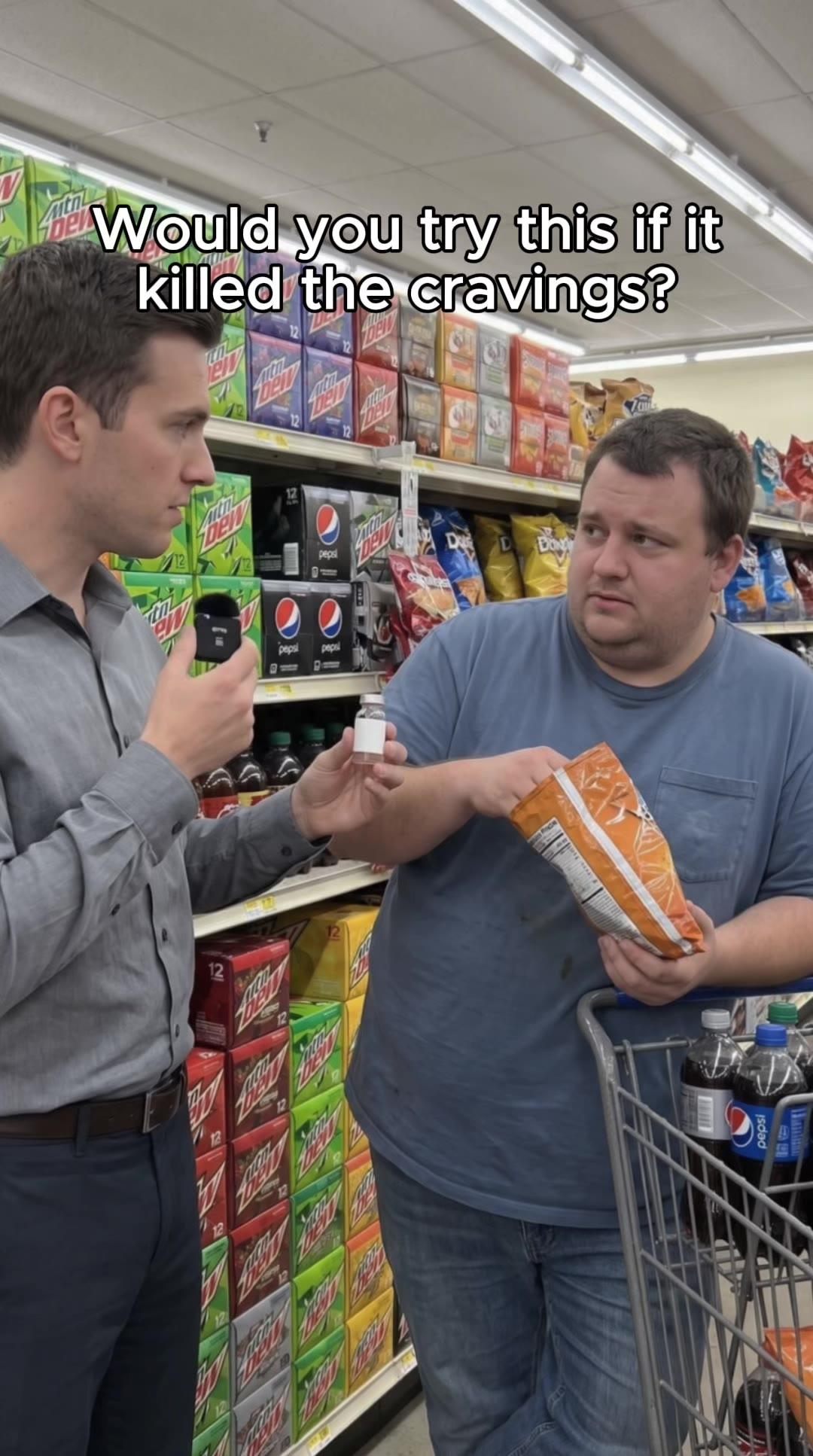
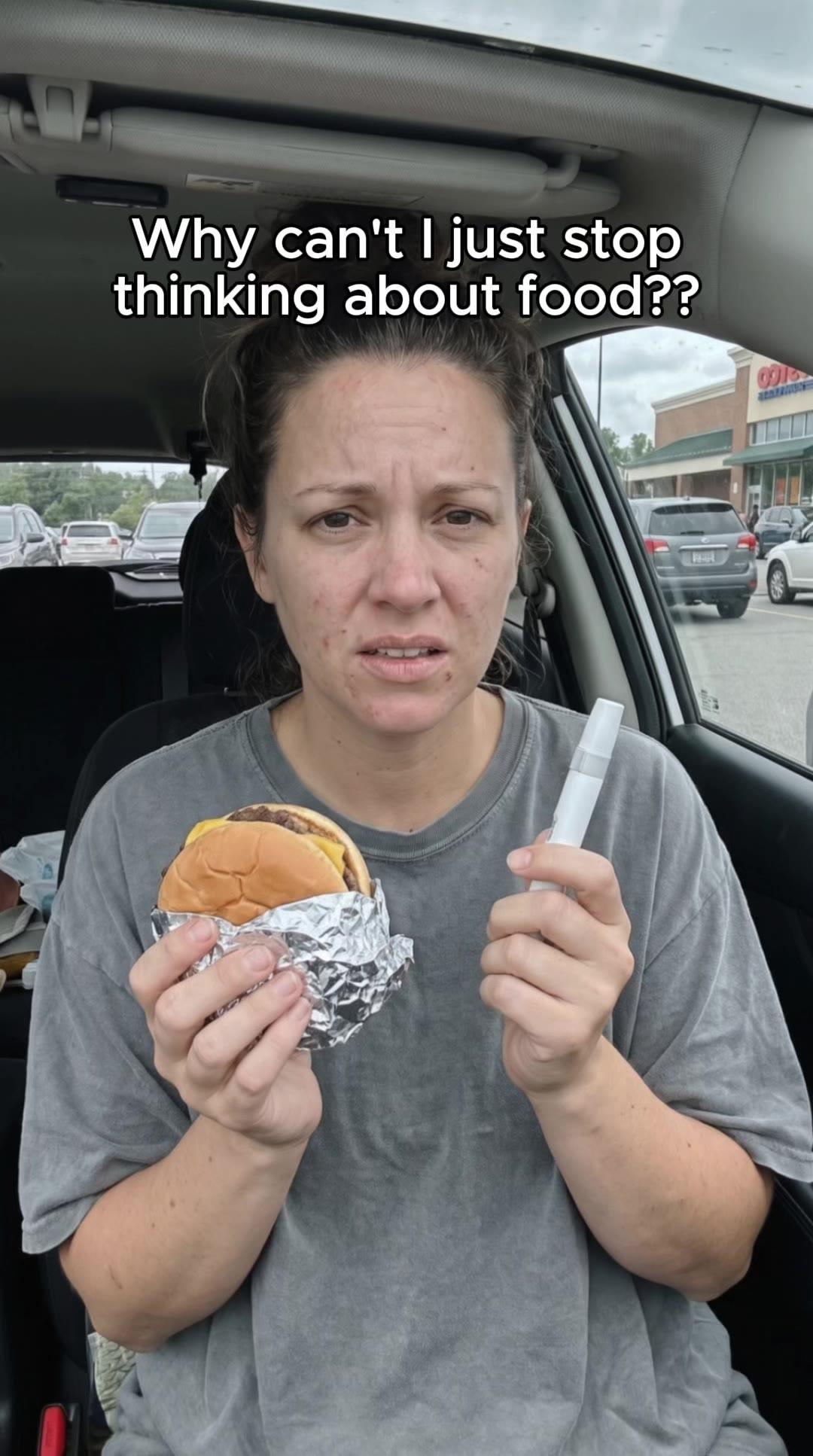
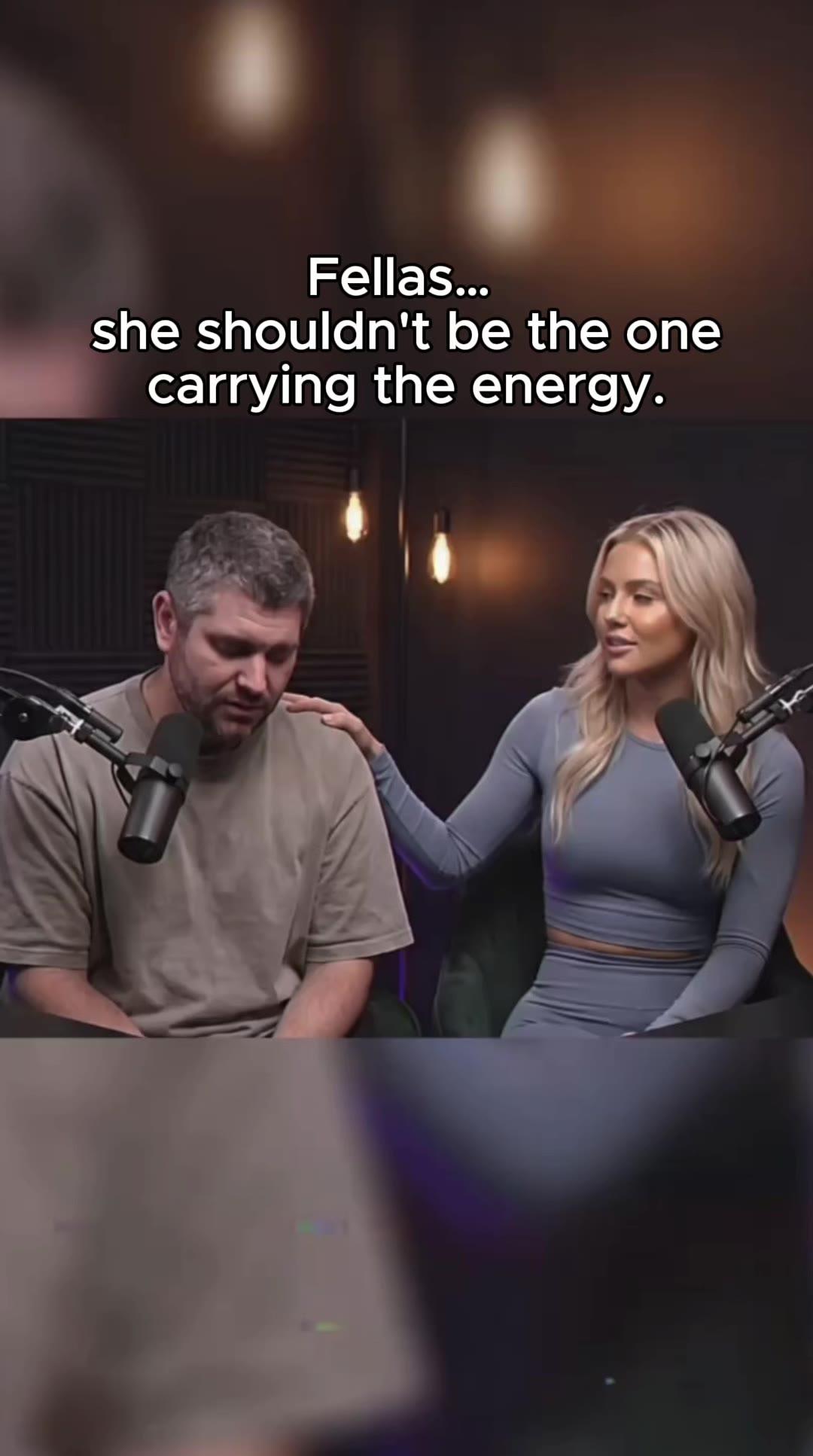
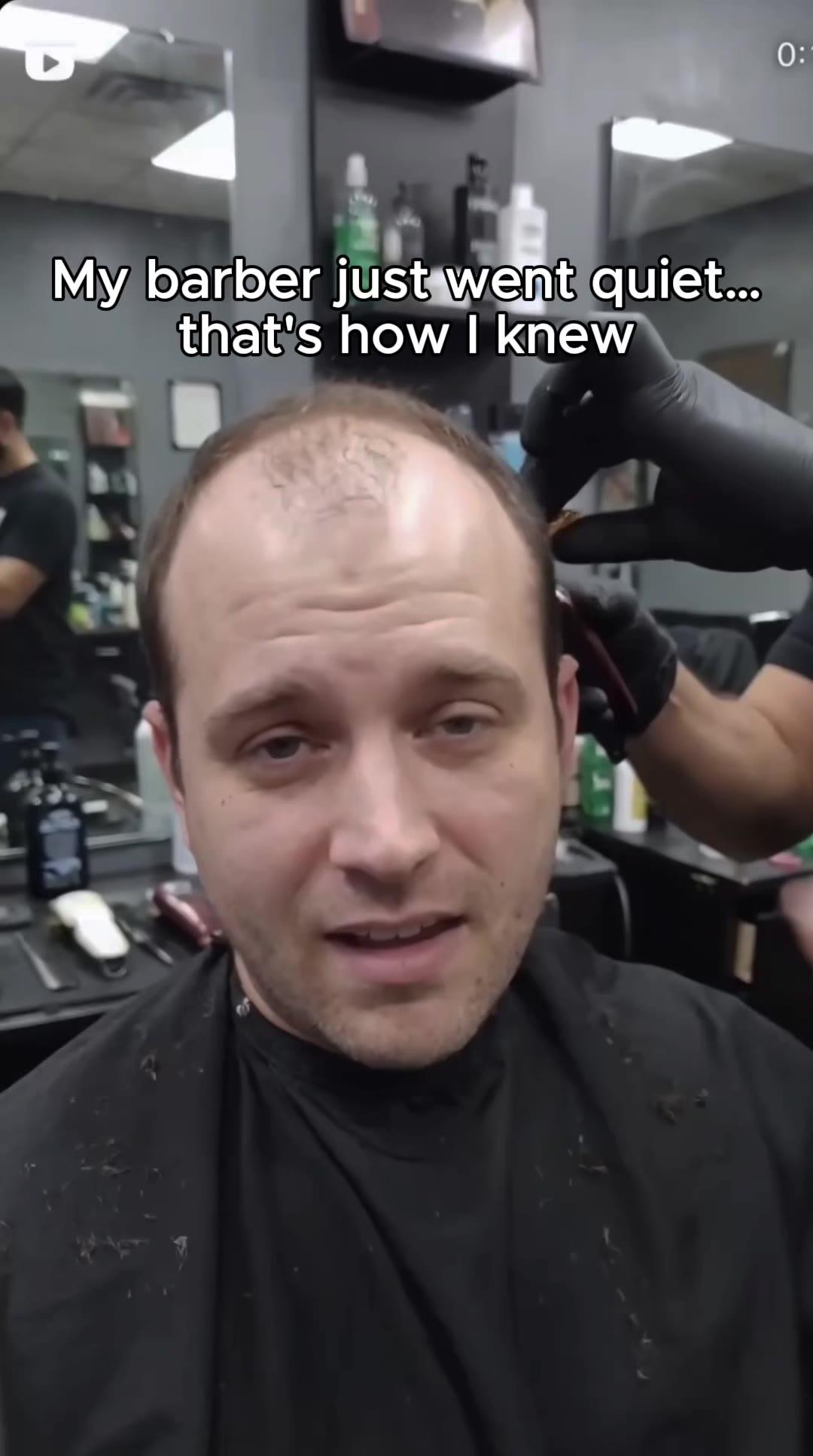

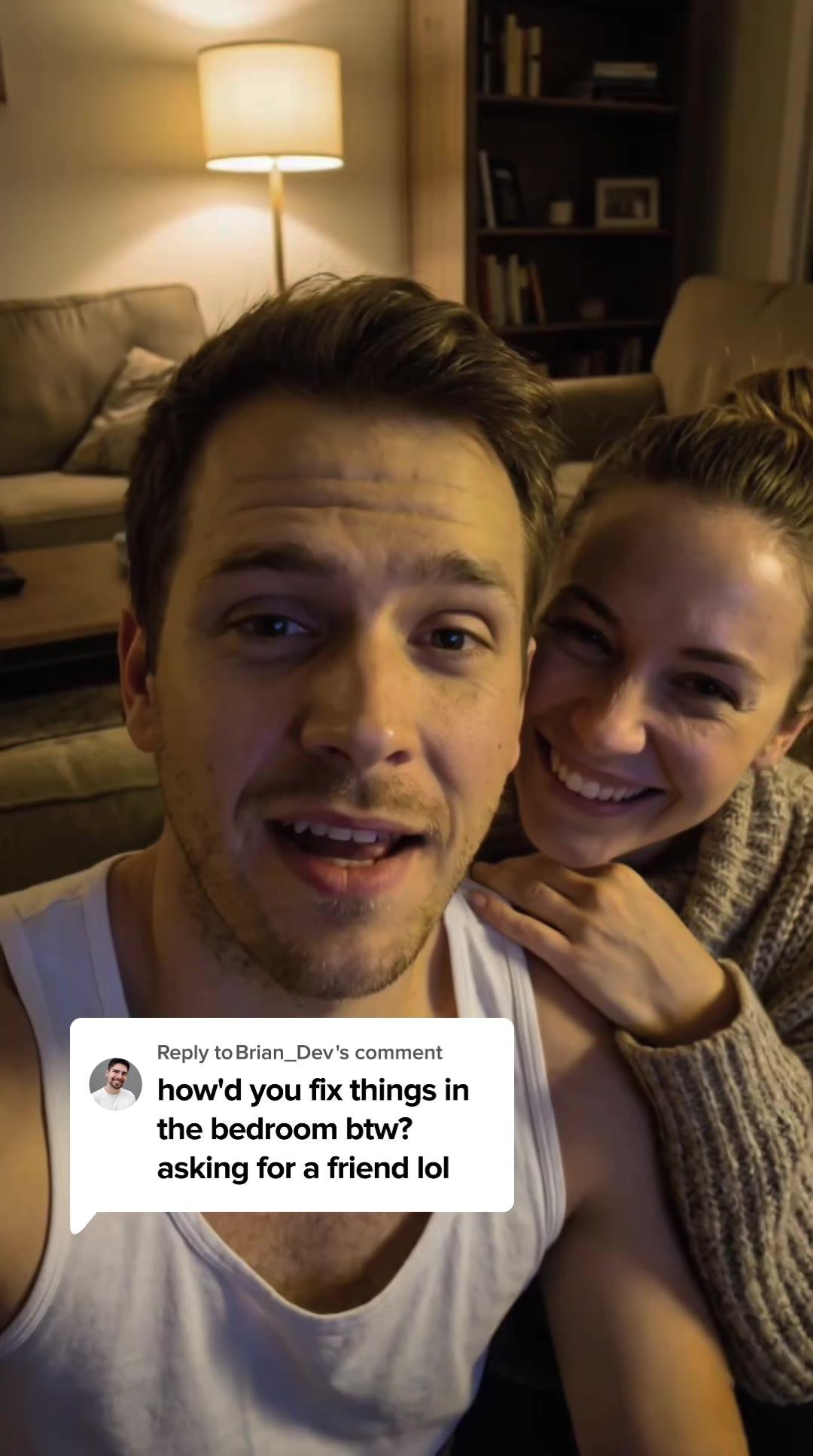

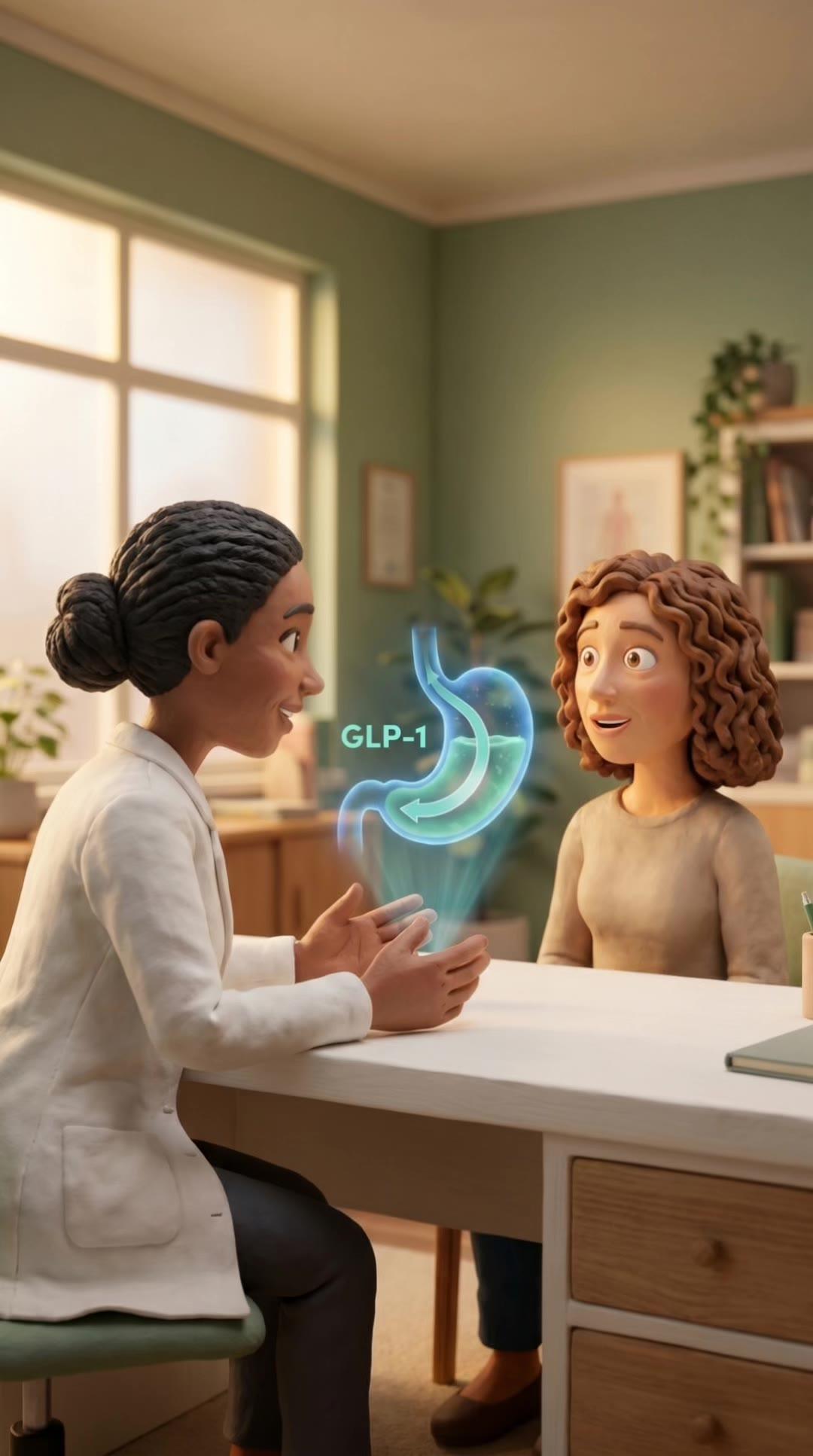
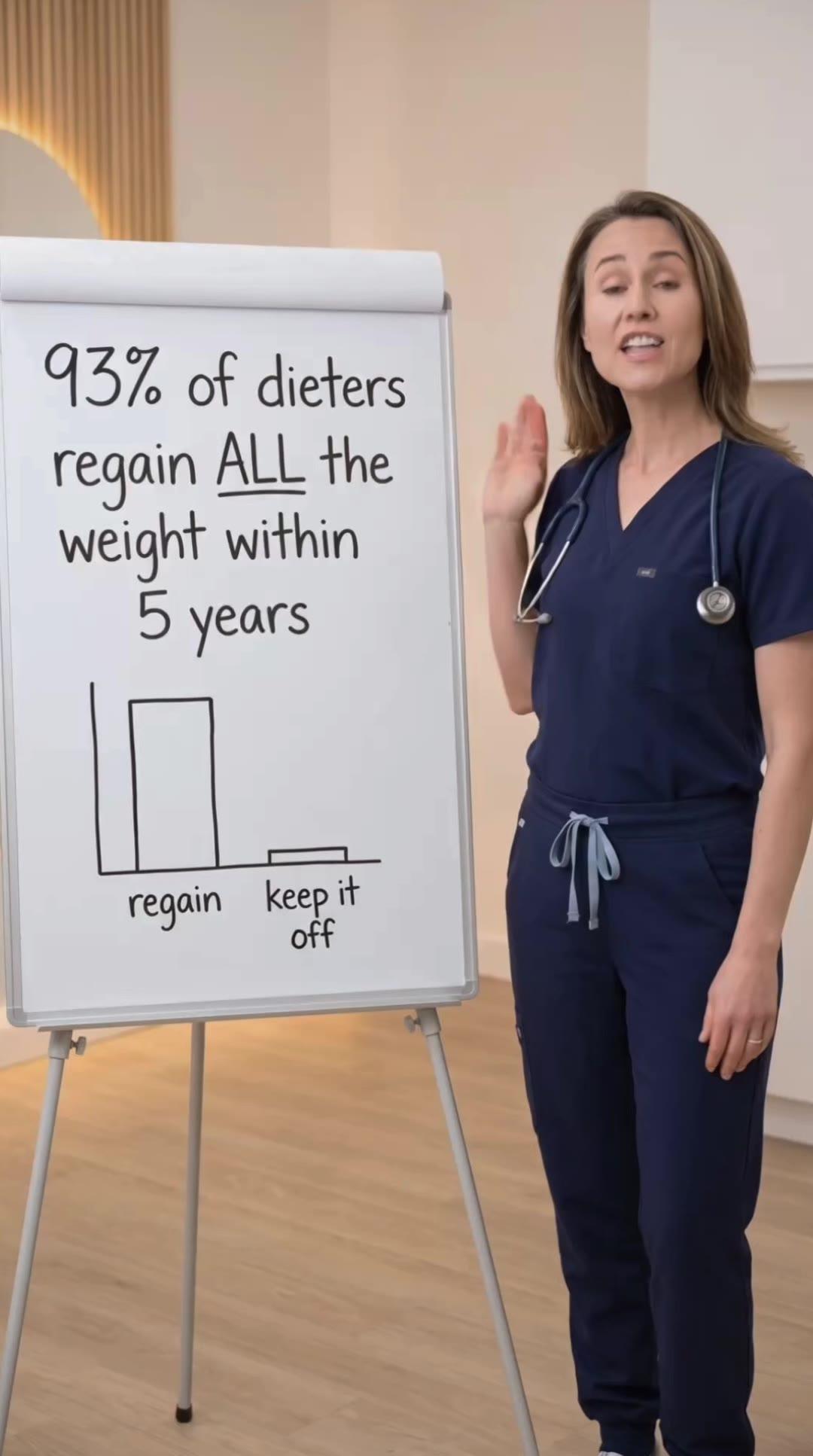
Most GLP-1 telehealth brands run the same angle: "easy online process to get medication." That angle fatigues within 30 days because every competitor runs identical creative. The brands that scale test multiple angles simultaneously and rotate them as performance declines. This guide breaks down the four highest-converting ad angles for GLP-1 telehealth based on testing over 500 creative variations across dozens of brands.
Angle 1: The Plateau Problem (Problem-Led)
The hook: "I did everything right. Tracked every calorie. Hit the gym five days a week. Lost 12 pounds in three months. Then nothing. Plateaued for four months straight."
The angle: Patient describes frustration with traditional weight loss methods that stop working. They tried everything. Nothing worked long-term. That frustration led them to talk to a doctor about whether medication might help. The ad never promises outcomes. It describes the problem and positions physician consultation as the next step.
Why it works: Problem-led angles connect emotionally before introducing the solution. The patient is not saying "this medication worked." They are saying "I was stuck, and talking to a doctor helped me explore options." That framing is compliant and resonates with patients who have tried everything.
Compliance risk: Low. The ad does not make efficacy claims. It describes a patient problem and positions medical consultation as the solution.
Best for: Cold audiences who have not heard of your brand. Problem-led angles work well for prospecting campaigns.
Angle 2: The Physician Authority (Credibility-Led)
The hook: "I'm Dr. Martinez, and patients ask me every day about GLP-1 medications for weight management."
The angle: Licensed physician explains what GLP-1 medications are, how they work, who qualifies for treatment, and what the consultation process involves. The doctor never promises outcomes. They educate. The ad positions your brand as medical care, not medication sales.
Why it works: Authority angles build trust faster than patient testimonials. Cold audiences do not trust strangers. They trust doctors. Physician-led content passes compliance review more reliably than UGC because the presence of a medical professional signals legitimacy.
Compliance risk: Low. Physician-led educational content is one of the safest formats for GLP-1 advertising.
Best for: Cold audiences, awareness campaigns, and building brand credibility.
Concepts we ship, problem-aware to product-aware.
See the work →Angle 3: The Service Comparison (Convenience-Led)
The hook: "Getting a prescription for weight management medication used to mean multiple doctor visits, insurance battles, and pharmacy trips. Not anymore."
The angle: Side-by-side comparison of traditional in-person care vs telehealth. Left side: waiting rooms, insurance paperwork, scheduling delays. Right side: book online, talk to a doctor from home, medication shipped to your door. The comparison is service-based, not medication-based.
Why it works: Convenience angles resonate with time-constrained patients who want medical care without logistical hassles. The comparison does not claim your medication is better. It claims your service model is more convenient. That framing is compliant.
Compliance risk: Low. You are comparing service models, not medications.
Best for: Warm audiences who are familiar with GLP-1 medications but have not yet booked a consultation.
Angle 4: The Education First (Awareness-Led)
The hook: "What are GLP-1 medications, and how do they actually work?"
The angle: Educational content explaining that GLP-1 medications were originally developed for diabetes, how they affect appetite regulation, and what clinical studies show. The ad positions your brand as a healthcare resource, not a product seller. The CTA leads to more information, not immediate purchase.
Why it works: Educational angles prime cold audiences without triggering ad fatigue. They build brand awareness and credibility. They pass compliance review easily because they do not make patient-specific outcome promises. The goal is awareness, not immediate conversion.
Compliance risk: Very low. Educational content is the safest ad format for GLP-1 brands.
Best for: Top-of-funnel awareness campaigns, cold audiences, and building long-term brand equity.
Angle 5: The Timeline Testimonial (Social Proof-Led)
The hook: "This is my 10-month journey with physician-supervised GLP-1 therapy."
The angle: Patient appears at multiple time points: month 0 (consultation), month 3 (early progress), month 6 (continued progress), month 10 (long-term results). Each checkpoint includes a brief update about working with their doctor, dose adjustments, and ongoing monitoring. Heavy disclaimers throughout: "results not typical, individual results vary."
Why it works: Timeline format sets realistic expectations. It demonstrates ongoing physician oversight. It shows gradual progress instead of dramatic overnight transformation, which passes compliance review more reliably.
Compliance risk: Medium. Requires prominent disclaimers and physician oversight signals. Higher rejection rate than educational or authority angles.
Best for: Warm audiences who are familiar with your brand and considering booking a consultation.
Angle 6: The Insurance Frustration (Access-Led)
The hook: "My insurance denied coverage for weight management medication. Three appeals. Six months of back-and-forth. I gave up."
The angle: Patient describes insurance frustration and discovering that telehealth cash-pay models offer an alternative. The ad never says insurance is bad. It acknowledges that insurance coverage for GLP-1 medications is inconsistent and that cash-pay telehealth provides predictable access.
Why it works: Insurance frustration is a real pain point for many patients. This angle acknowledges that reality and positions your service as the solution. It works especially well for patients who have insurance but cannot get coverage for weight management medications.
Compliance risk: Low. The ad describes a service benefit (cash-pay access) without making medical claims.
Best for: Patients who have tried to get GLP-1 medications through traditional insurance channels and failed.
How to Test Angles Without Burning Budget
Launch each angle at $50-100 per day for 48 hours. Track cost per consultation, not just cost per click. Some angles drive cheap clicks but low-quality traffic. Others drive higher-cost clicks but better conversions.
Rotate angles every 30-45 days. Even the best angle fatigues. Build a library of 4-6 proven angles and rotate them as performance declines. Do not run the same angle for 90 days straight and wonder why performance dropped.
Test angle variations, not just talent variations. Swapping UGC creators does not solve fatigue if the angle stays the same. Test different hooks, different problem statements, different credibility signals. Angle diversity matters more than talent diversity.
For more on GLP-1 marketing, see our guides on Facebook ad examples, patient journey ads, and UGC ads. If you need help with compliance, read advertising GLP-1 compliantly. More at our GLP-1 marketing hub.
Need GLP-1 creative testing across multiple angles? We produce video ads for semaglutide telehealth brands exclusively. Book a call.
Your next GLP-1 batch, minus the compliance roulette.
A 30-minute call. We audit your creative approach and show you exactly what a complete angle-format-hook system looks like for your vertical.