The GLP-1 Patient Journey: How to Build Ads for Every Funnel Stage
Map the GLP-1 patient journey and build ads for awareness, consideration, and conversion. Full-funnel strategy for semaglutide telehealth brands.
Concepts shown are internal creative studies, not client campaigns.
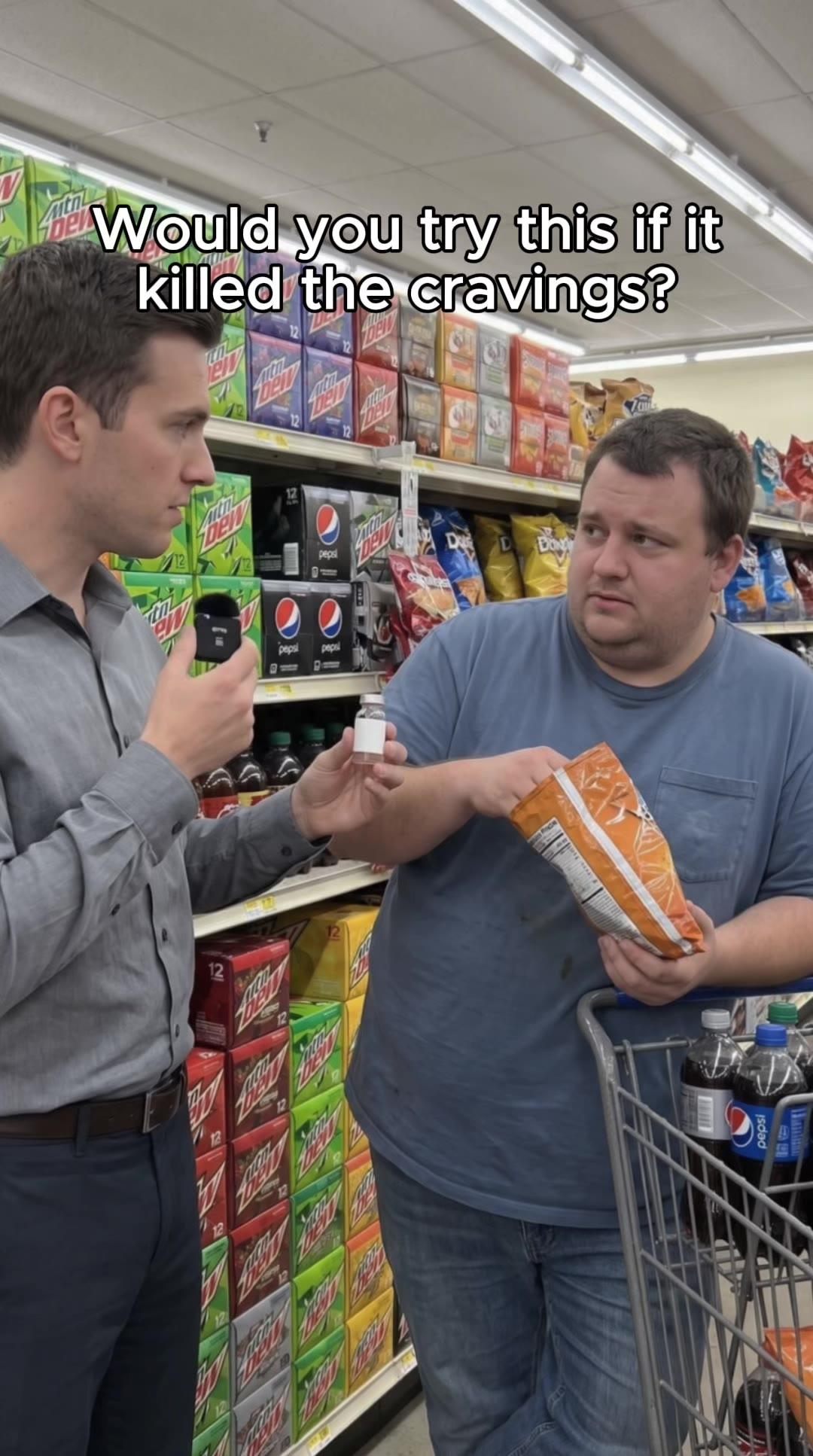
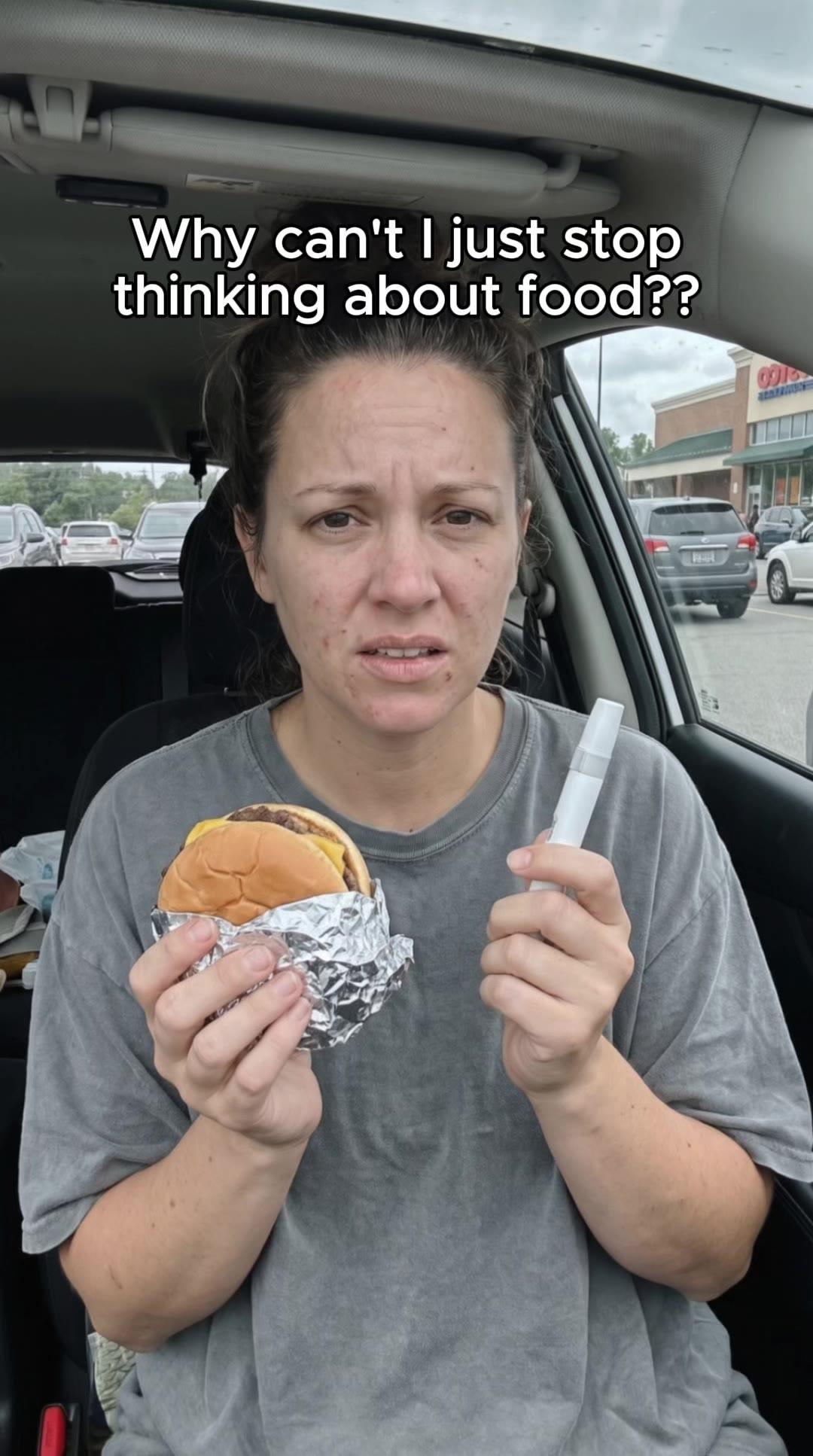
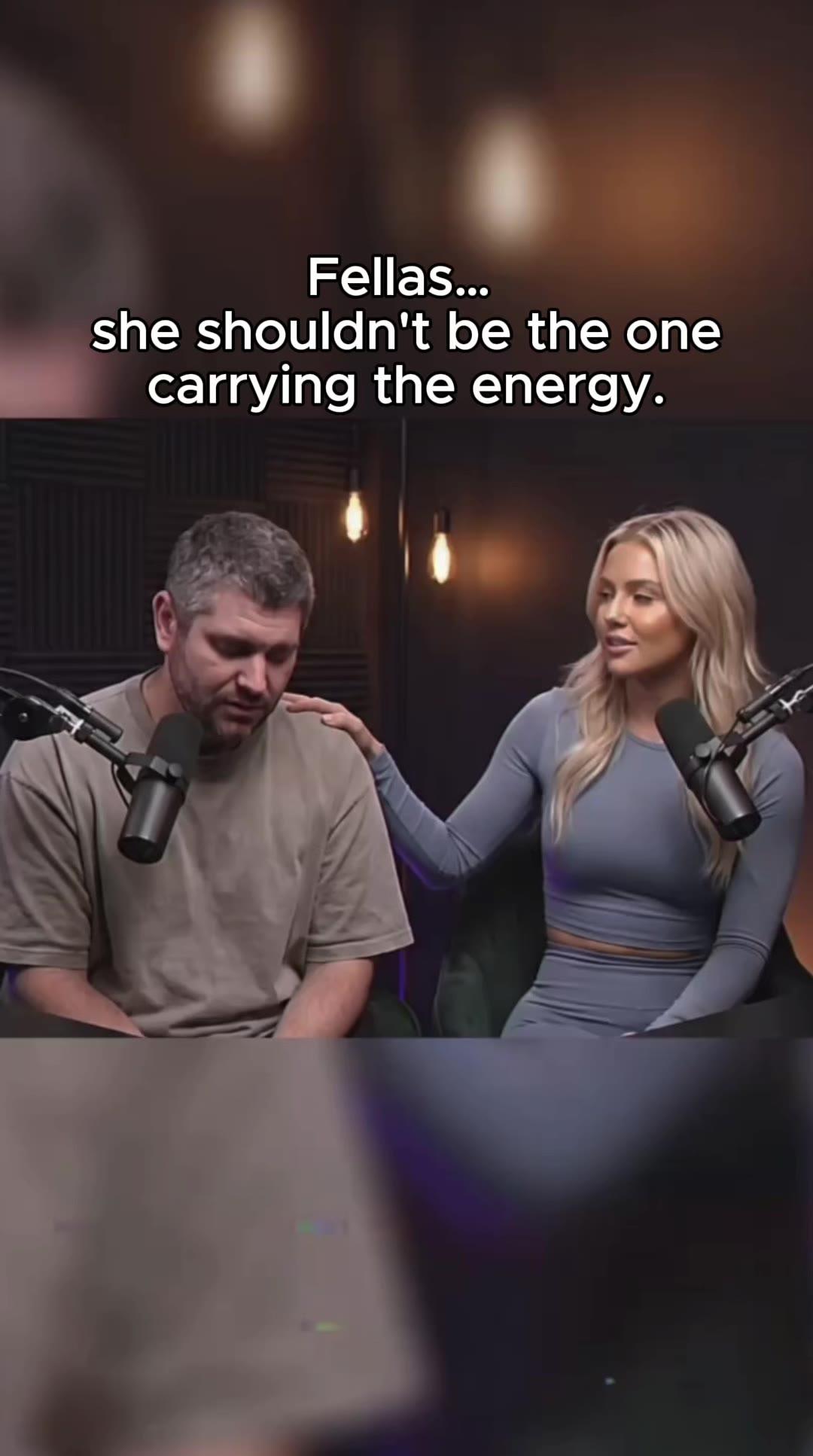
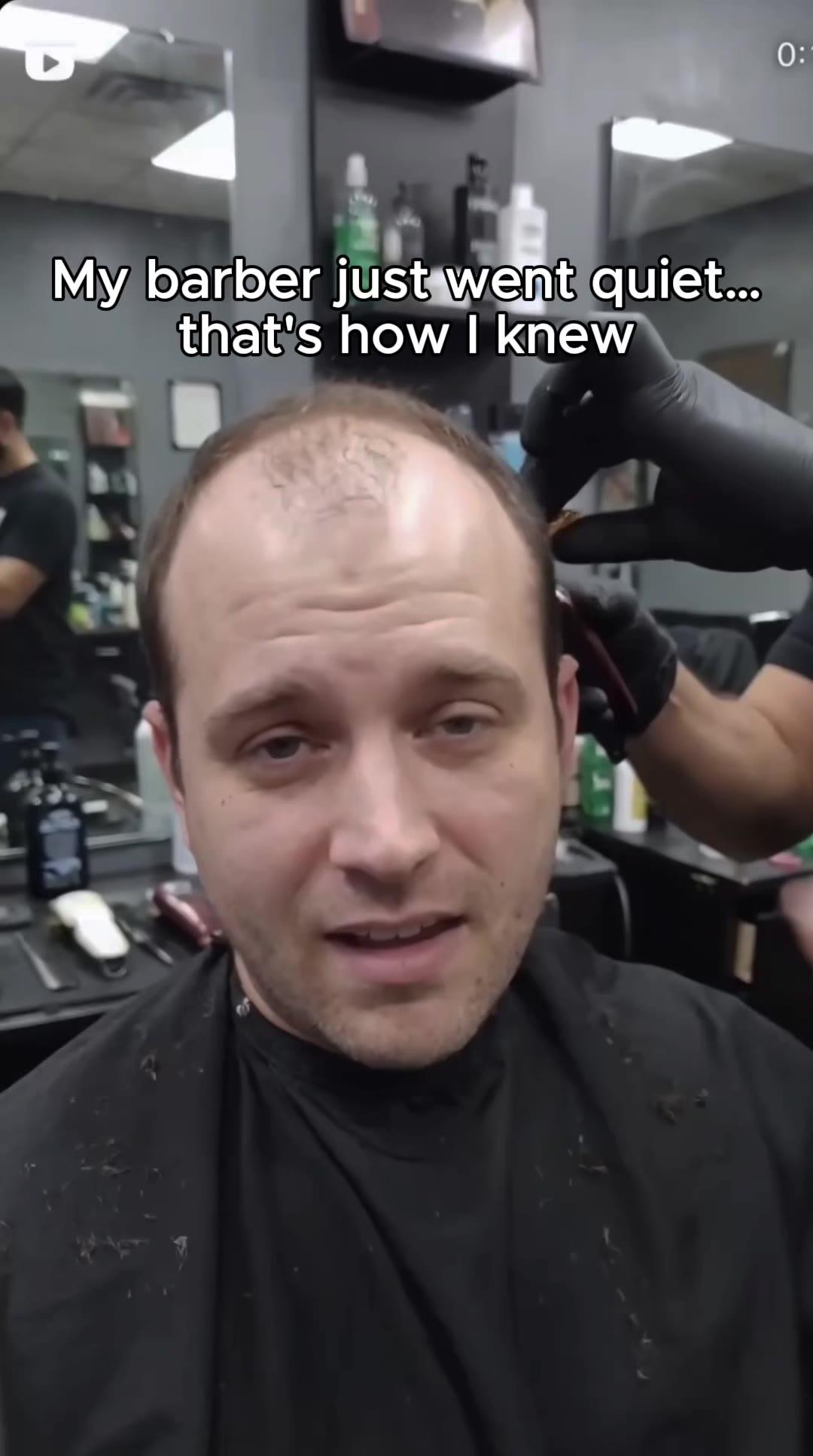

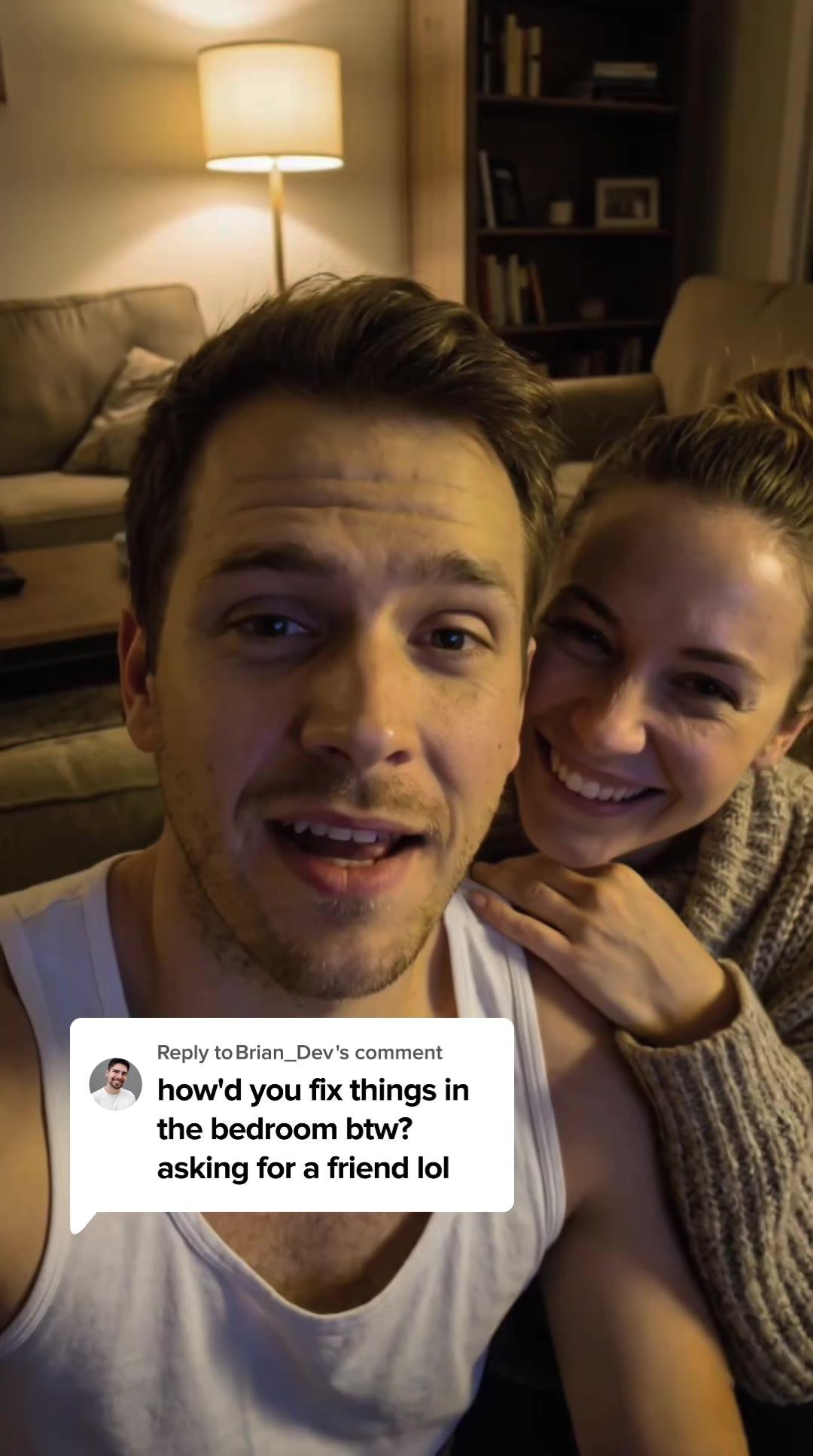

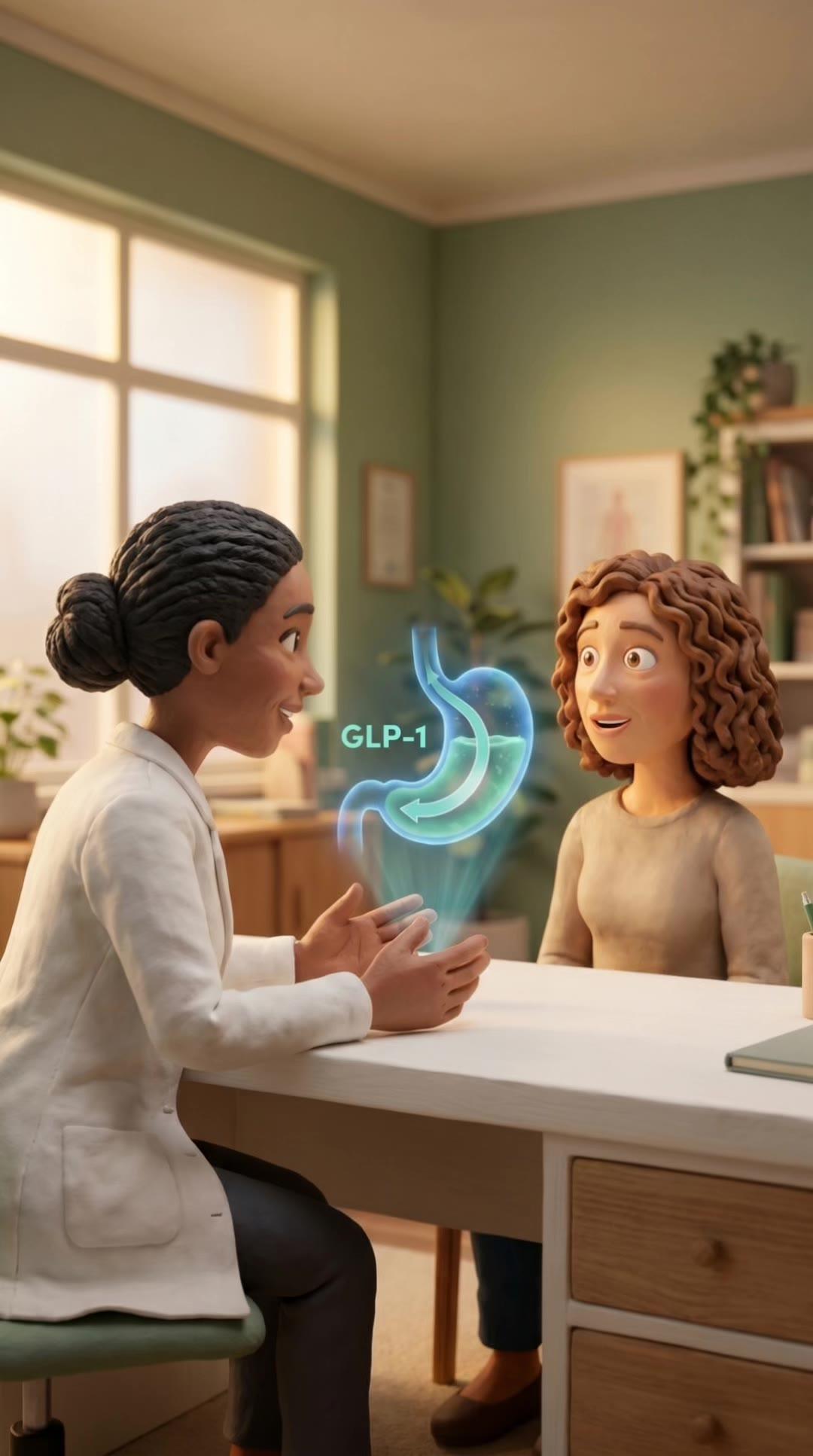
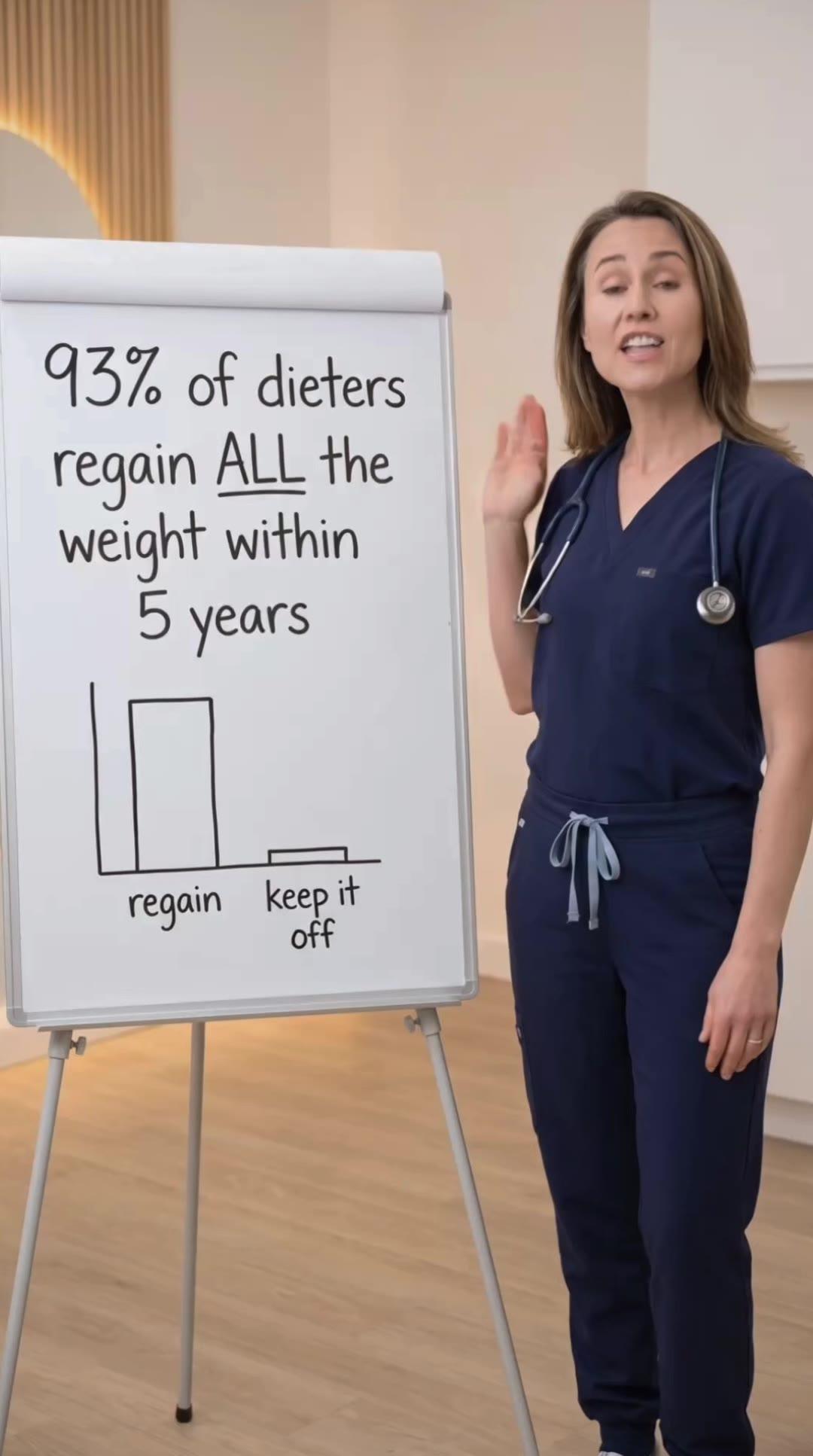
Most GLP-1 telehealth brands spend 80% of their budget on bottom-funnel conversion ads and wonder why patient acquisition costs keep climbing. The brands that scale profitably build full-funnel strategies where different creative targets different stages of the patient journey. Awareness ads prime cold audiences. Consideration ads warm them up. Conversion ads close the deal. This guide maps the GLP-1 patient journey and explains what creative works at each stage based on managing full-funnel campaigns for brands spending $200K+ monthly.
Stage 1: Awareness (Cold Audiences, 0% Intent)
Who they are: Patients who have never heard of GLP-1 medications or your brand. They may be struggling with weight management but do not know prescription medications are an option. They scroll social feeds without actively searching for weight loss solutions.
What they need: Education about what GLP-1 medications are, how they work, and who qualifies. They do not need a sales pitch. They need information that builds awareness and positions your brand as credible.
Ad formats that work:
- Physician-led explainers on what GLP-1 medications are
- Educational content on how appetite regulation medications work
- "What I wish I knew before starting GLP-1 therapy" testimonials
- Short-form educational hooks: "What are GLP-1 medications?"
Call-to-action: "Learn more" or "See if you qualify" — soft CTAs that encourage exploration, not immediate purchase.
Budget allocation: 20-30% of total ad spend.
Success metric: Engagement rate, video watch time, landing page visits.
Stage 2: Problem Recognition (Cold Audiences, 10-20% Intent)
Who they are: Patients who recognize they have tried traditional weight loss methods without long-term success. They are open to medical solutions but have not yet researched GLP-1 medications or telehealth access.
What they need: Content that validates their frustration and positions physician consultation as the next step. They need to see that others faced the same plateau and found help through medical care.
Ad formats that work:
- Problem-first testimonials: "I did everything right and still plateaued"
- Physician content on why traditional diets stop working
- "When diet and exercise are not enough" educational angles
- Patient stories about seeking medical advice after years of frustration
Call-to-action: "Talk to a doctor about your options" — positions consultation as exploration, not commitment.
Budget allocation: 20-30% of total ad spend.
Success metric: Landing page visits, consultation page views, time on site.
Concepts we ship, problem-aware to product-aware.
See the work →Stage 3: Solution Exploration (Warm Audiences, 30-50% Intent)
Who they are: Patients who know GLP-1 medications exist and are researching whether they are a good fit. They are comparing telehealth vs in-person care, reading reviews, and evaluating different providers. They have visited your site but have not booked a consultation.
What they need: Content that builds trust in your service and differentiates you from competitors. They need to understand what makes your telehealth platform credible, convenient, or better suited to their needs than alternatives.
Ad formats that work:
- Service comparison ads: telehealth vs traditional doctor visits
- Physician oversight explainers: what happens during consultations
- Patient journey timelines showing the full treatment experience
- "What to expect" content walking through the process step-by-step
Call-to-action: "Book a consultation" or "See if you qualify" — more direct than awareness-stage CTAs but still consultative.
Budget allocation: 20-30% of total ad spend.
Success metric: Consultation booking rate, cost per booked consultation.
Stage 4: Provider Evaluation (Warm Audiences, 60-80% Intent)
Who they are: Patients who are ready to book a consultation but are evaluating which telehealth provider to choose. They are comparing pricing, physician credentials, medication access, and service reviews. They have visited multiple competitor sites.
What they need: Trust signals and competitive differentiation. They need to see that your physicians are licensed and credentialed, that your pricing is transparent, that your service includes ongoing support. They need one final reason to choose you over competitors.
Ad formats that work:
- Testimonials about the consultation experience and physician quality
- Pricing transparency ads highlighting what is included
- Physician credibility content featuring board-certified providers
- "Why patients choose us" comparison content
Call-to-action: "Book your consultation today" — direct, action-oriented CTA.
Budget allocation: 10-20% of total ad spend.
Success metric: Consultation booking rate, consultation-to-patient conversion rate.
Stage 5: Conversion (Hot Audiences, 90-100% Intent)
Who they are: Patients who visited your site, viewed the consultation booking page, but did not complete the booking. Or patients who booked a consultation but did not show up. These are your highest-intent audiences.
What they need: A nudge. They are already convinced. They need a reminder, a limited-time offer, or reassurance that booking is the right decision.
Ad formats that work:
- Direct retargeting with strong CTAs: "Book your consultation today"
- "Still thinking about it?" reminder ads
- Testimonials from patients who were nervous but glad they booked
- Urgency-light messaging: "Talk to a doctor this week"
Call-to-action: "Book now" or "Complete your consultation booking" — direct conversion CTA.
Budget allocation: 10-20% of total ad spend.
Success metric: Consultation booking rate, cost per patient acquired.
How to Structure a Full-Funnel Campaign
Week 1-2: Launch awareness and problem recognition ads to cold audiences. Build brand awareness and prime the market. Do not expect immediate conversions. Track engagement, video views, and landing page visits.
Week 3-4: Launch solution exploration ads to warm audiences (site visitors, video viewers, engagement audiences). Build trust and demonstrate service value. Track consultation page views and booking starts.
Week 5+: Launch conversion ads to hot audiences (consultation page visitors, abandoned bookings). Close the deal with direct CTAs and reminder messaging. Track bookings and patient acquisition cost.
Ongoing: Maintain all funnel stages simultaneously. Cold audiences need constant priming. Warm audiences need ongoing nurturing. Hot audiences need immediate conversion pressure. Balance budget across all stages based on performance.
Common Mistakes in Funnel Strategy
Mistake 1: Skipping awareness and going straight to conversion ads. Cold audiences do not convert on first impression. They need priming. Awareness ads educate and build trust before asking for a booking.
Mistake 2: Running the same creative across all funnel stages. A bottom-funnel conversion ad does not work on cold audiences. A top-funnel educational ad does not close warm audiences. Match creative to funnel stage.
Mistake 3: Not retargeting engaged audiences. A user who watched 75% of your video is warmer than a cold prospect. Retarget them with consideration-stage content, not the same awareness ad they already saw.
Mistake 4: Measuring awareness ads by conversion metrics. Awareness ads are not supposed to drive immediate bookings. They build brand recognition and prime audiences for later conversion. Measure them by engagement, not bookings.
For more on GLP-1 marketing, see our guides on Facebook ad examples, retargeting strategy, and ad angles. If you need help with conversion optimization, read landing page strategy. More at our GLP-1 marketing hub.
Need full-funnel creative for your GLP-1 telehealth brand? We build awareness, consideration, and conversion ads for semaglutide brands exclusively. Book a strategy call.
Your next GLP-1 batch, minus the compliance roulette.
A 30-minute call. We audit your creative approach and show you exactly what a complete angle-format-hook system looks like for your vertical.