GLP-1 Facebook Ad Examples: What Creative Is Converting in 2026
Real GLP-1 Facebook ad examples that drive conversions. What formats work, what hooks perform, and how to structure semaglutide ads that pass review.
Concepts shown are internal creative studies, not client campaigns.
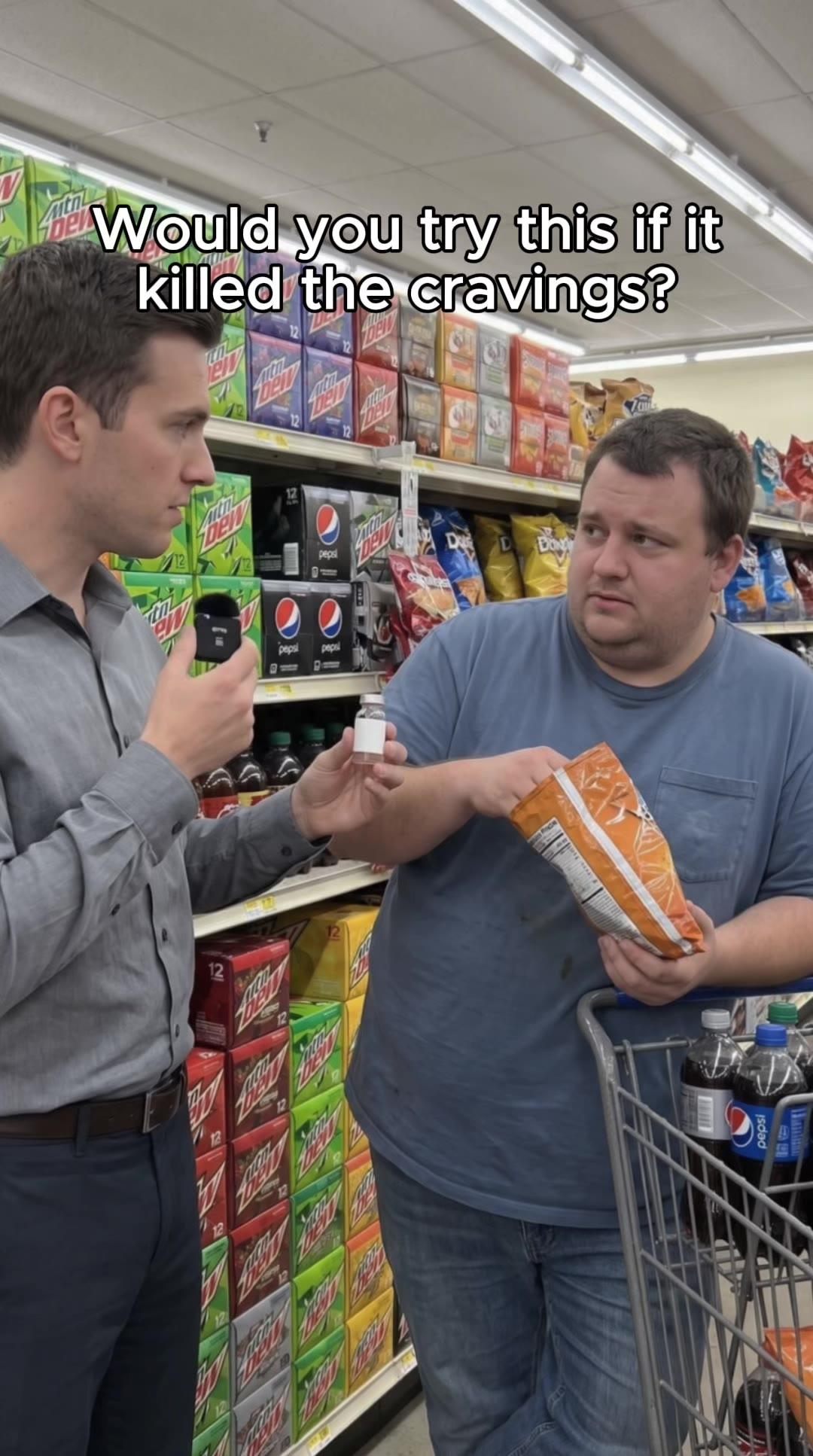
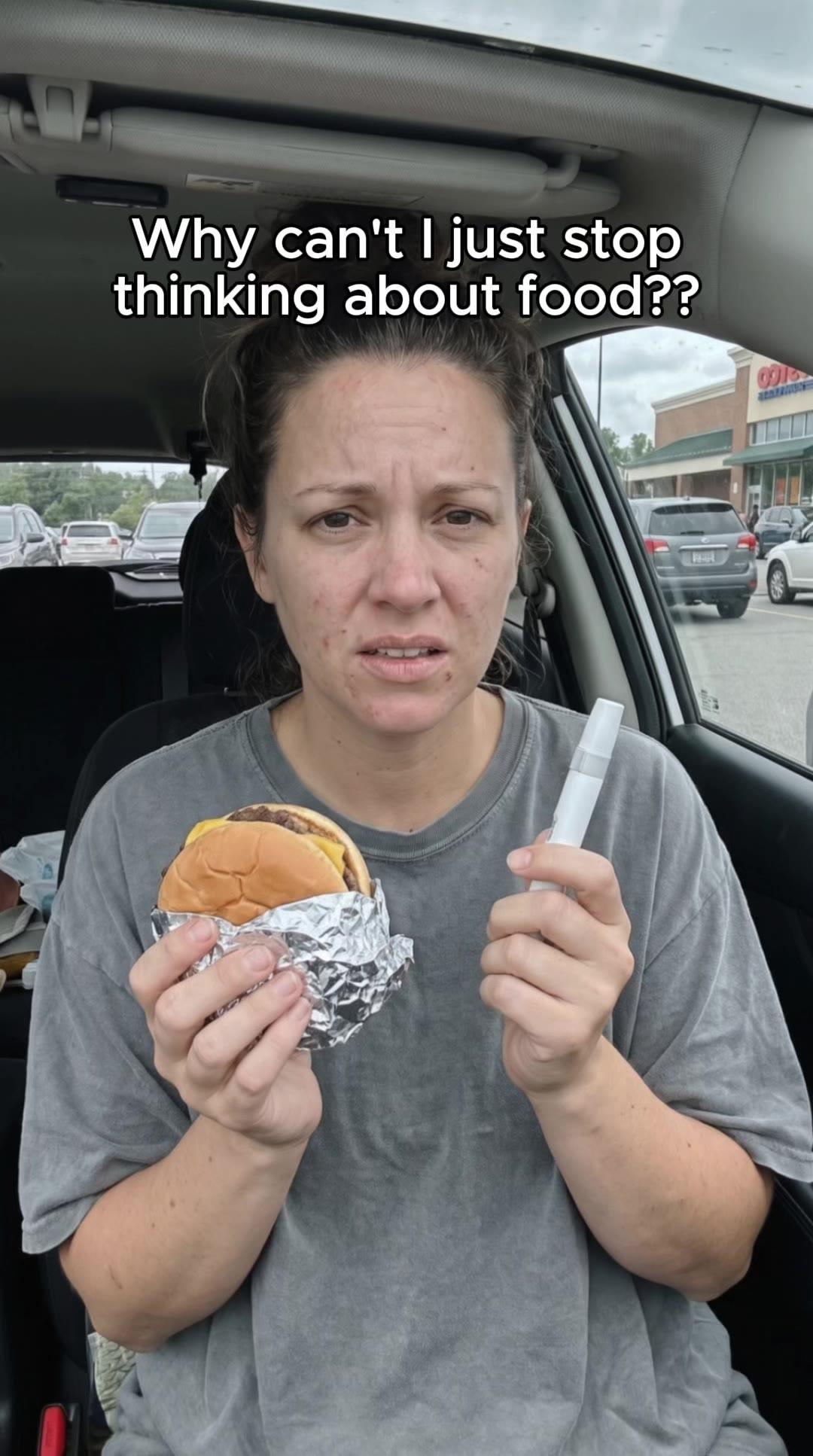
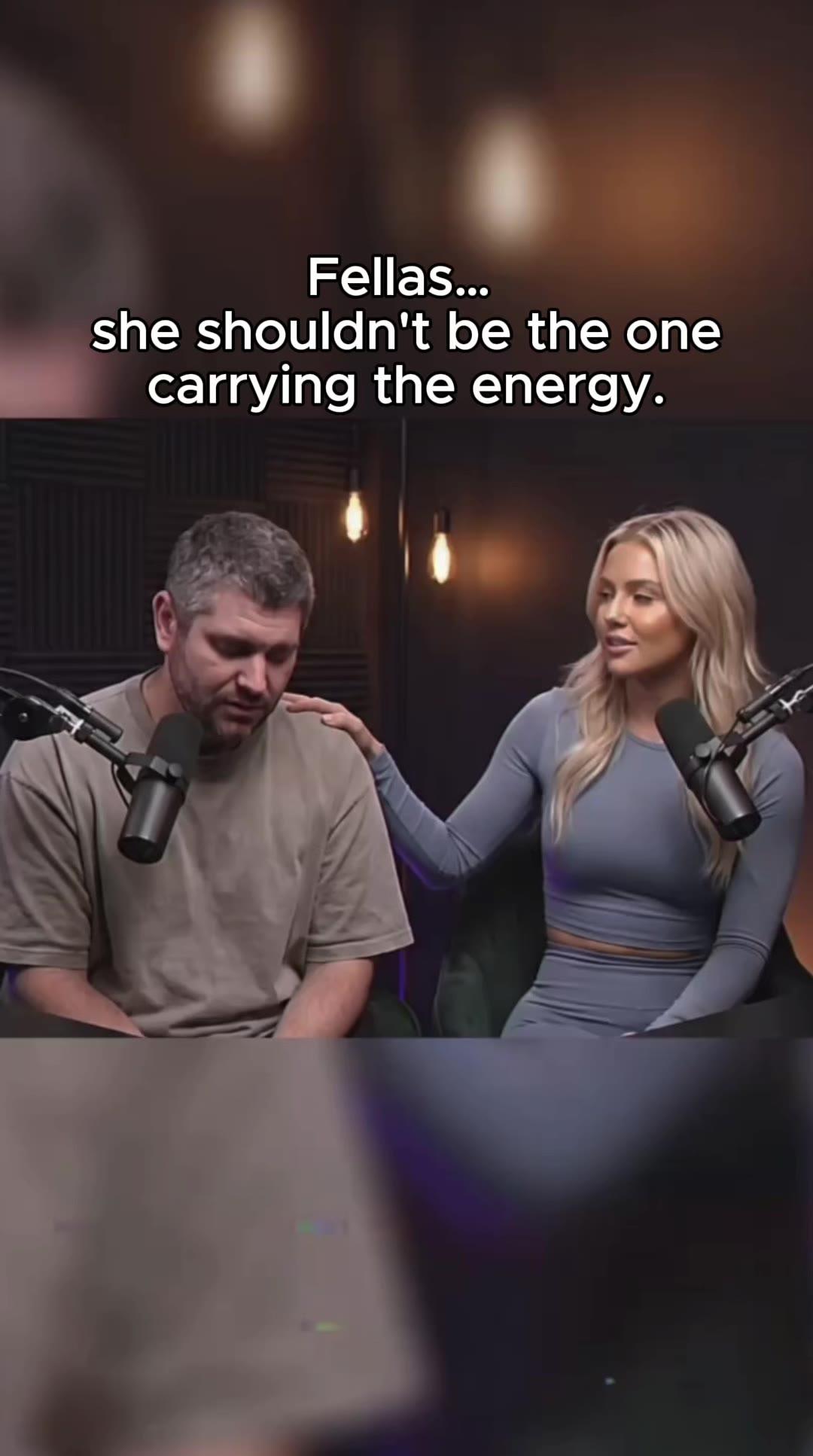
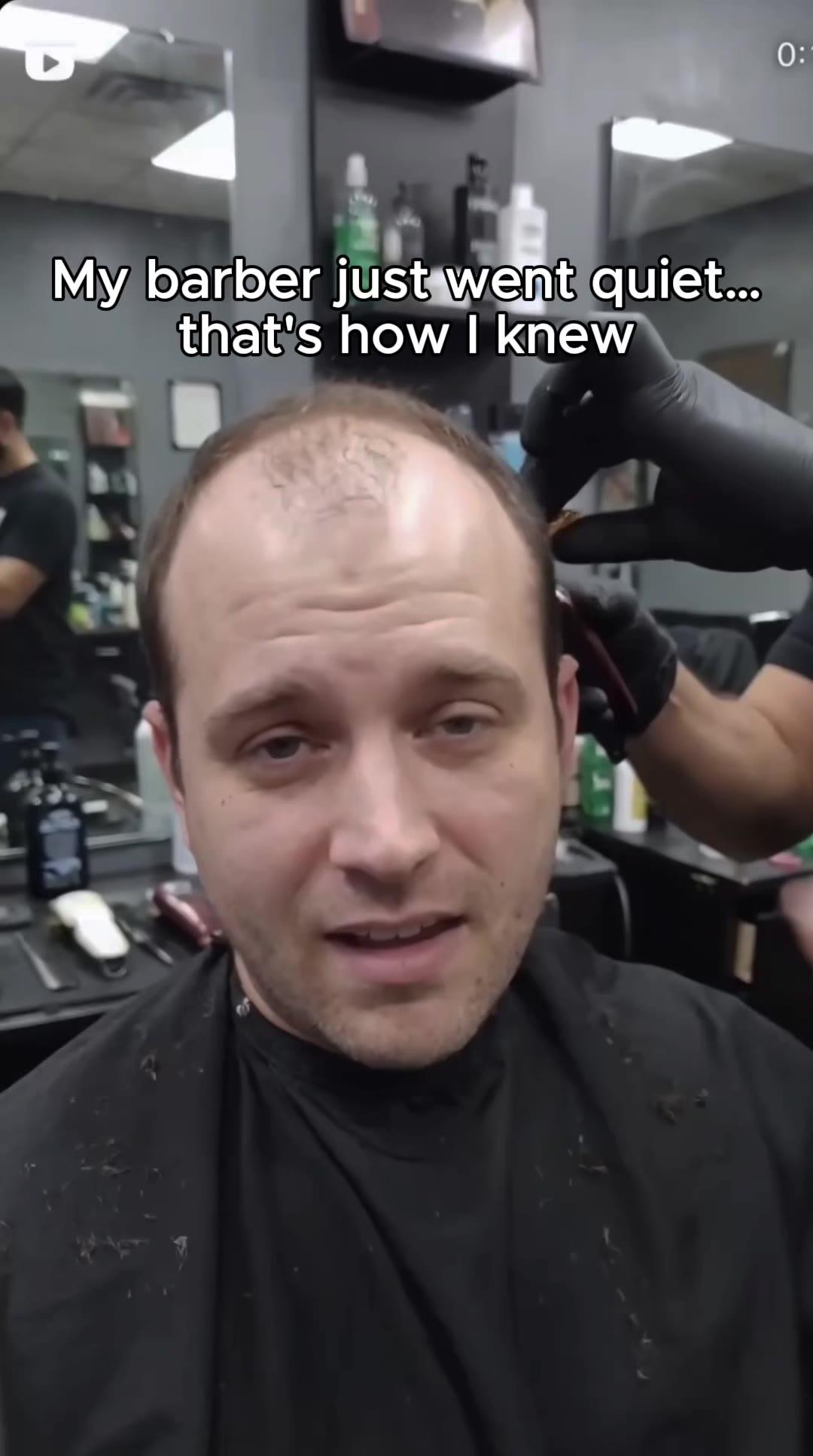

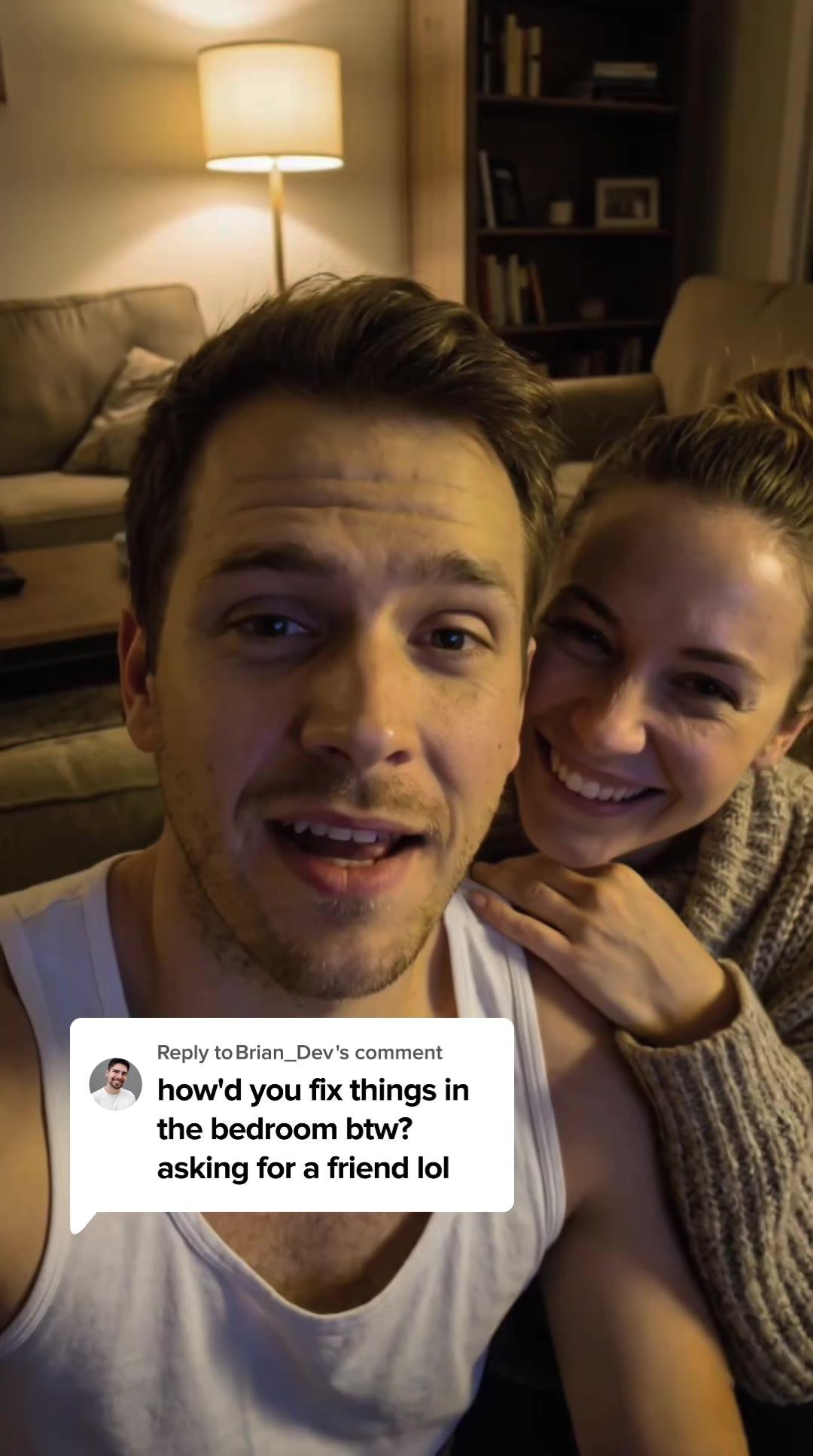

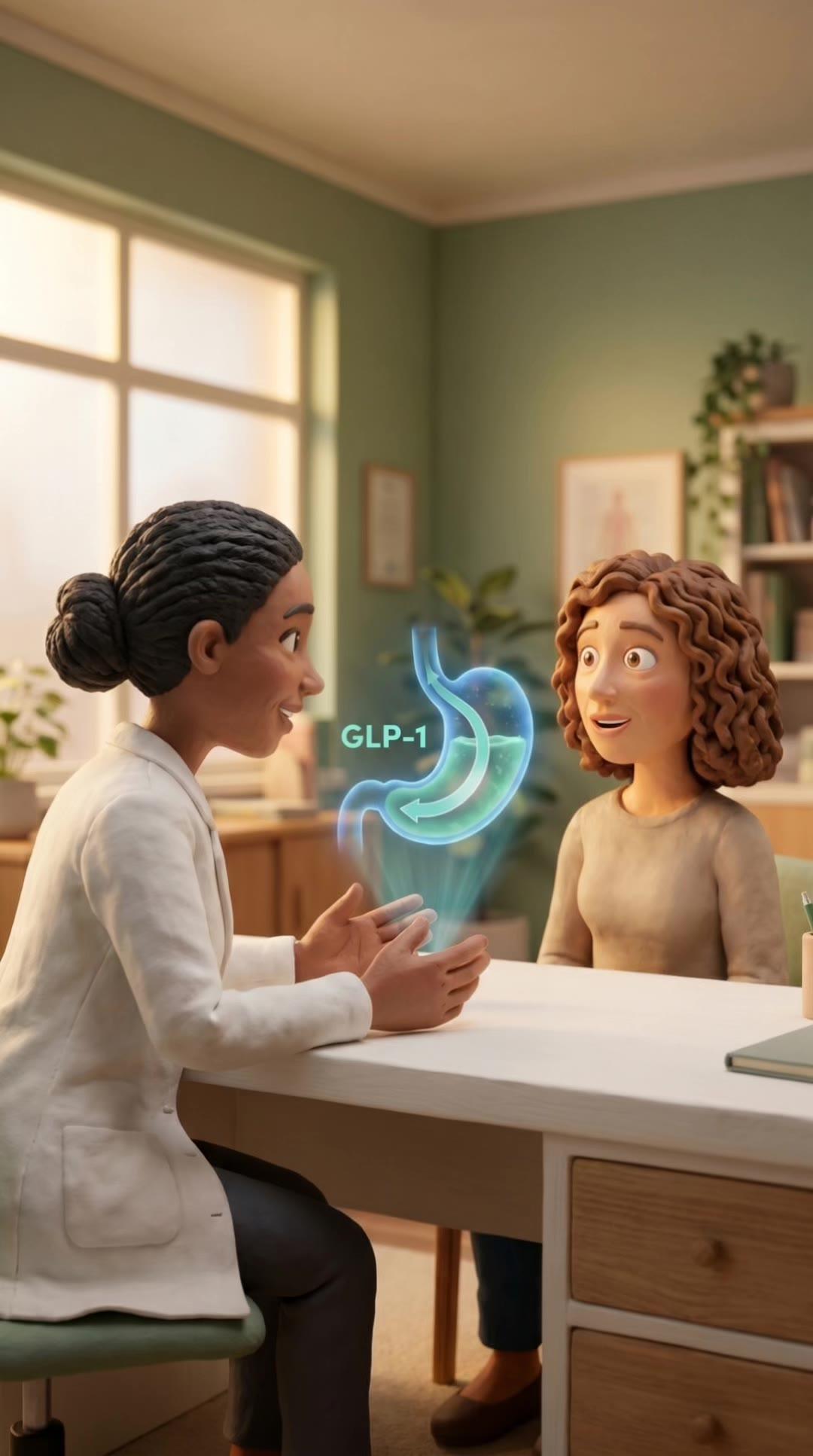
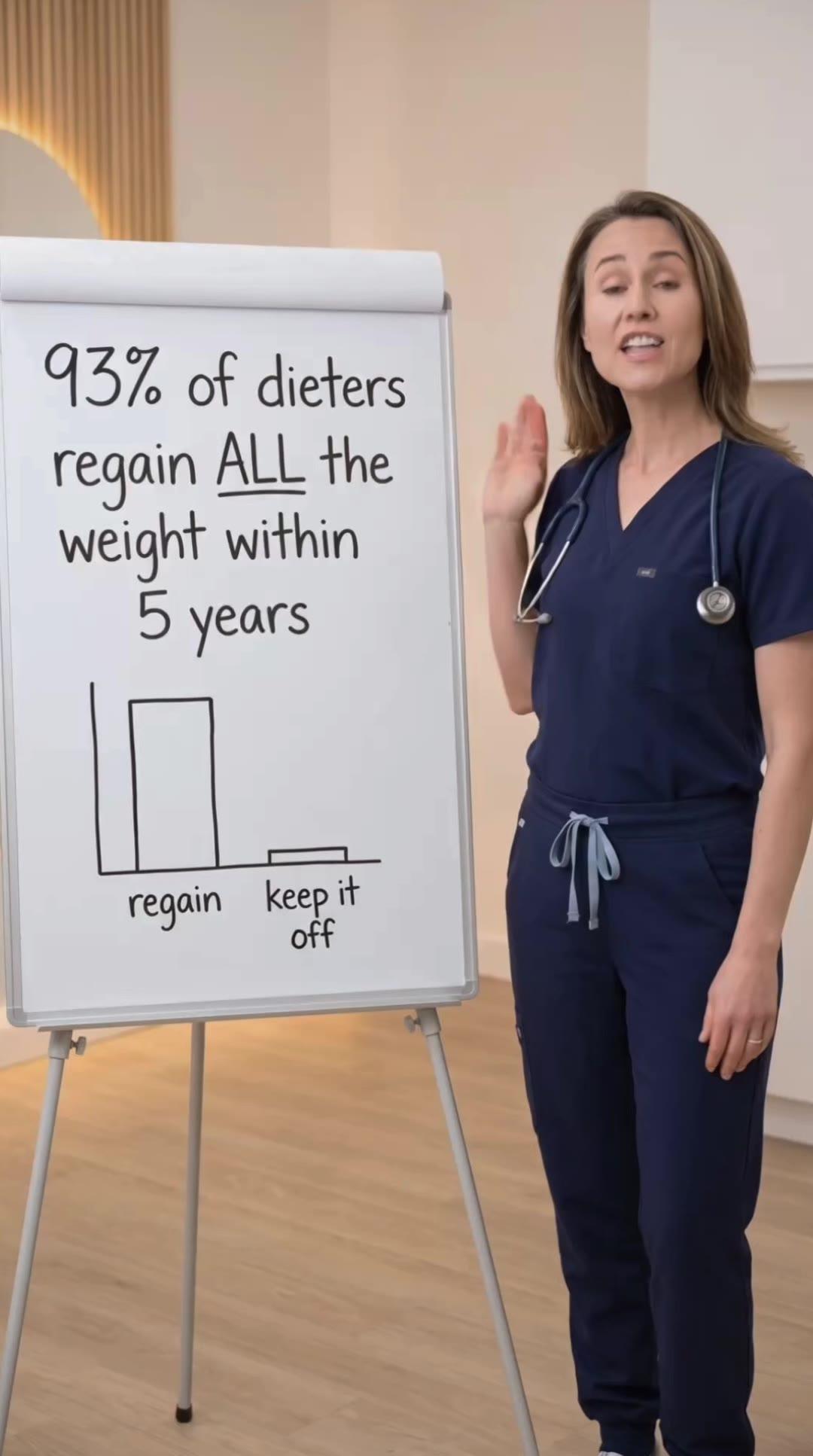
Most GLP-1 Facebook ads look identical. Same hook ("struggling with weight?"), same format (UGC testimonial), same claim structure ("easy online process"). That creative fatigue is why patient acquisition costs keep climbing. The brands that win are running ad formats most competitors are not testing. This guide breaks down the GLP-1 Facebook ad examples that actually convert in 2026 based on producing creative for brands spending $200K+ monthly on Meta.
Example 1: The Physician-Led Explainer (Top Performer for Cold Audiences)
Format: Licensed doctor speaking directly to camera in a clinical setting.
Hook: "I'm Dr. Sarah Chen, and patients ask me every day whether GLP-1 medications are right for them."
Body: Doctor explains what GLP-1 medications are, how they work, who qualifies for treatment, and what the consultation process involves. No outcome claims. No weight loss promises. Just medical information delivered by a credentialed professional.
CTA: "Talk to a licensed provider about your options."
Why it works: Physician-led content passes compliance review more reliably than UGC. It builds trust with cold audiences who do not yet know your brand. It positions your service as medical care, not transactional medication access. The team has seen physician-led ads deliver 30-40% lower cost per consultation than UGC in cold audiences.
Run time: 60-90 seconds.
Example 2: The Patient Journey Timeline (Best for Warm Audiences)
Format: Patient testimonial showing progress over time with timestamps.
Hook: "This is my weight management journey with semaglutide over 10 months."
Body: Patient appears at month 0 (consultation), month 3 (early progress), month 6 (continued progress), month 10 (long-term results). Each checkpoint includes a brief update: "my doctor adjusted my dose," "I check in monthly with my provider," "results take time but my physician supports me throughout."
CTA: "See if you qualify for physician-supervised GLP-1 therapy."
Why it works: Timeline format sets realistic expectations. It demonstrates ongoing physician oversight. It shows gradual progress instead of dramatic overnight transformation, which passes compliance review more reliably. Heavy disclaimers ("results not typical, individual results vary") appear throughout.
Run time: 45-60 seconds.
Concepts we ship, problem-aware to product-aware.
See the work →Example 3: The Problem-First Hook (Best for Prospecting)
Format: Solo UGC creator, informal setting.
Hook: "I spent six months doing everything right. Tracked calories. Hit the gym four times a week. Lost 8 pounds. Then plateaued for three months."
Body: Creator explains frustration with traditional weight loss methods. Discusses talking to a doctor about whether medication might help. Describes the telehealth consultation process and what it was like working with a licensed provider.
CTA: "Talk to a doctor about whether GLP-1 medications are right for you."
Why it works: Problem-first hooks connect emotionally before introducing the solution. The ad never promises outcomes. It describes the patient's experience seeking medical advice, which is compliant. The focus is on access and physician oversight, not weight loss results.
Run time: 30-45 seconds.
Example 4: The Comparison Ad (Telehealth vs In-Person)
Format: Split-screen or side-by-side comparison.
Hook: "Getting a prescription for GLP-1 medications used to mean multiple doctor visits and insurance battles. Now there's a better way."
Body: Left side shows traditional in-person care: waiting rooms, insurance forms, scheduling delays. Right side shows telehealth: book online, talk to a doctor from home, prescription shipped to your door. The ad never compares medications. It compares service models.
CTA: "Skip the waiting room. Book a consultation online."
Why it works: The comparison is service-based, not medication-based. You are not claiming your semaglutide is better than someone else's. You are explaining why telehealth access is more convenient than in-person care. That framing is compliant and resonates with time-constrained patients.
Run time: 30-45 seconds.
Example 5: The Educational Explainer (Best for Awareness)
Format: Voiceover with simple graphics or text overlays.
Hook: "What are GLP-1 medications and how do they work?"
Body: Educational content explaining that GLP-1 medications were originally developed for diabetes, how they affect appetite regulation, and what clinical studies show about weight management outcomes. The ad positions your brand as a healthcare resource, not a product seller.
CTA: "Learn more about GLP-1 telehealth."
Why it works: Educational ads prime cold audiences without triggering direct-response ad fatigue. They position your brand as credible and trustworthy. They pass compliance review easily because they do not make patient-specific outcome promises. The goal is awareness, not immediate conversion.
Run time: 45-60 seconds.
Example 6: The Credentialed Creator Format (Medical Professional Endorsement)
Format: Nurse practitioner or registered dietitian (not acting as your employee) discussing GLP-1 medications.
Hook: "As a nurse practitioner, patients ask me constantly about GLP-1 medications for weight management."
Body: The credentialed creator explains what GLP-1 medications are, what the research shows, and why physician supervision matters. They mention that telehealth platforms like yours provide access to licensed providers. The key: this is not a direct endorsement. It is educational content featuring a medical professional.
CTA: "Talk to a licensed provider about your options."
Why it works: Medical credibility without the compliance risk of paid endorsements. The creator is educating, not selling. Meta is more lenient on educational content from credentialed professionals. This format works especially well for building trust in cold audiences.
Run time: 60 seconds.
What These Examples Have in Common
None of them promise weight loss outcomes. The successful GLP-1 ads focus on access, physician oversight, and the consultation process. They do not say "lose 30 pounds" or "achieve your goal weight." That language triggers compliance violations.
All of them emphasize medical supervision. Every example mentions licensed providers, physician oversight, or medical evaluation. That framing is critical for passing compliance review and building patient trust.
They avoid aggressive sales language. No "limited time offer," no "order now," no "get started today." The CTAs are soft: "talk to a doctor," "see if you qualify," "learn more." That tone passes review more reliably and builds trust better than hard-sell CTAs.
The Ad Formats That Fail
Generic UGC with no angle. "I love this service, it's so easy" does not differentiate your brand or communicate value. Every GLP-1 brand runs this creative. It fatigues immediately.
Outcome-focused testimonials without disclaimers. "I lost 50 pounds in 12 weeks" gets rejected unless you include heavy disclaimers. Even with disclaimers, it triggers scrutiny.
Before and after transformations with dramatic weight loss. Exaggerated transformations get flagged as misleading. Use moderate progress over realistic timelines instead.
For more on GLP-1 marketing, see our guides on marketing semaglutide, patient journey ads, and UGC ads for GLP-1. If you need help with compliance, read advertising GLP-1 on Facebook compliantly. More at our GLP-1 marketing hub.
Need GLP-1 creative that converts without compliance risk? We produce video ads for semaglutide telehealth brands exclusively. Book a call.
Your next GLP-1 batch, minus the compliance roulette.
A 30-minute call. We audit your creative approach and show you exactly what a complete angle-format-hook system looks like for your vertical.