How to Market Semaglutide Telehealth Services: The Full Playbook
The complete marketing playbook for semaglutide telehealth brands. Positioning, messaging, creative strategy, and how to compete in a crowded market.
Concepts shown are internal creative studies, not client campaigns.
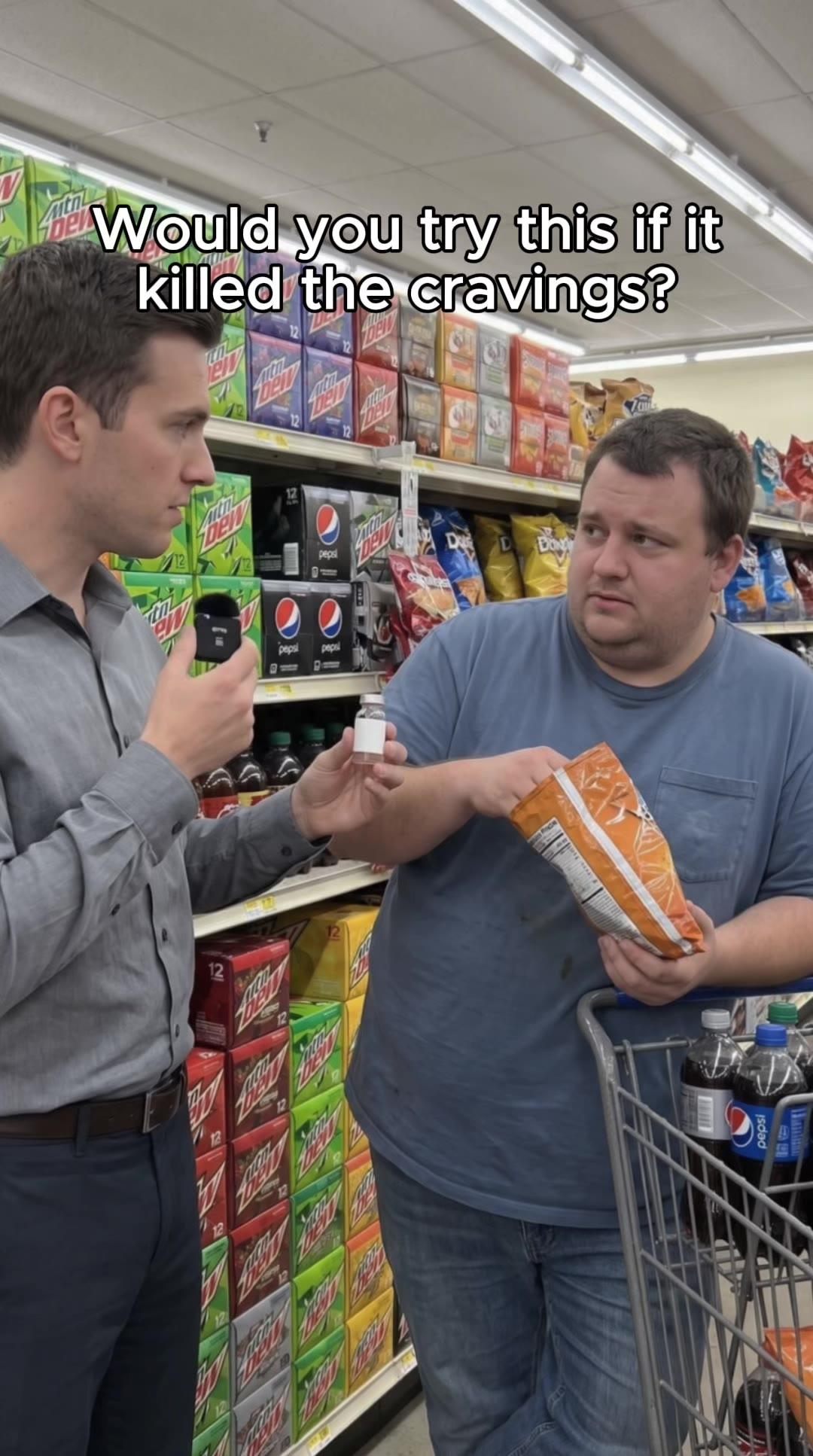
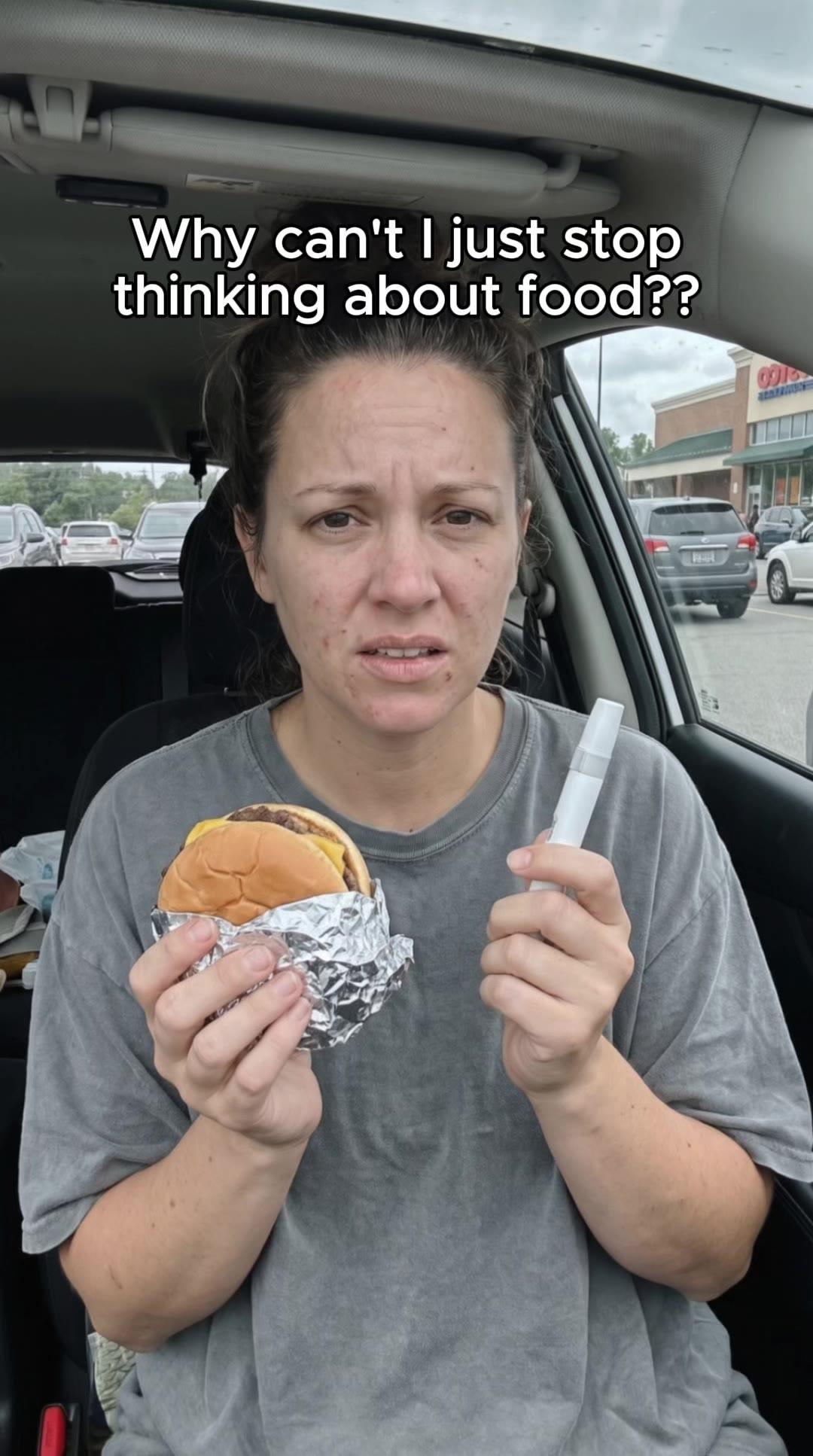

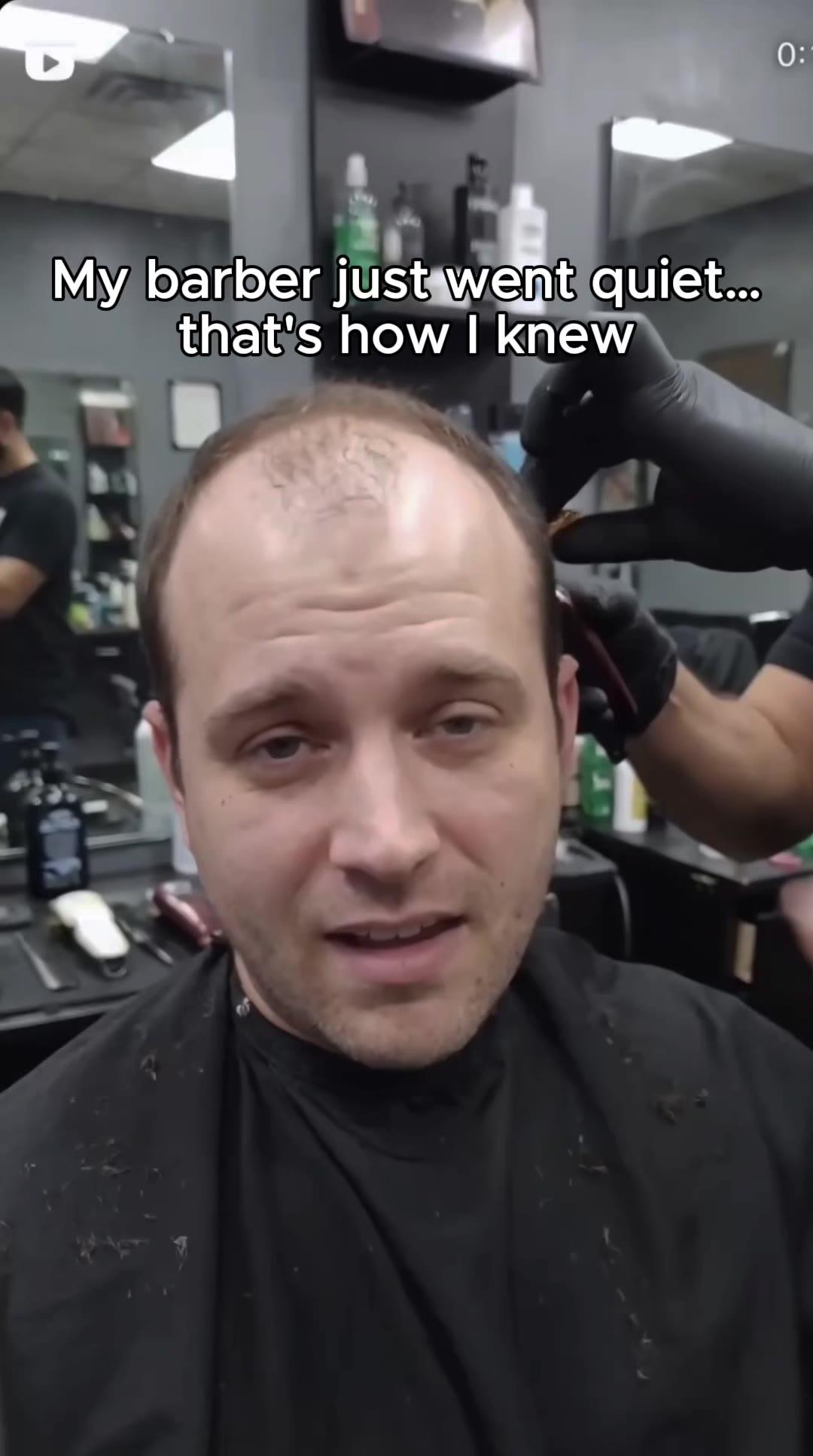



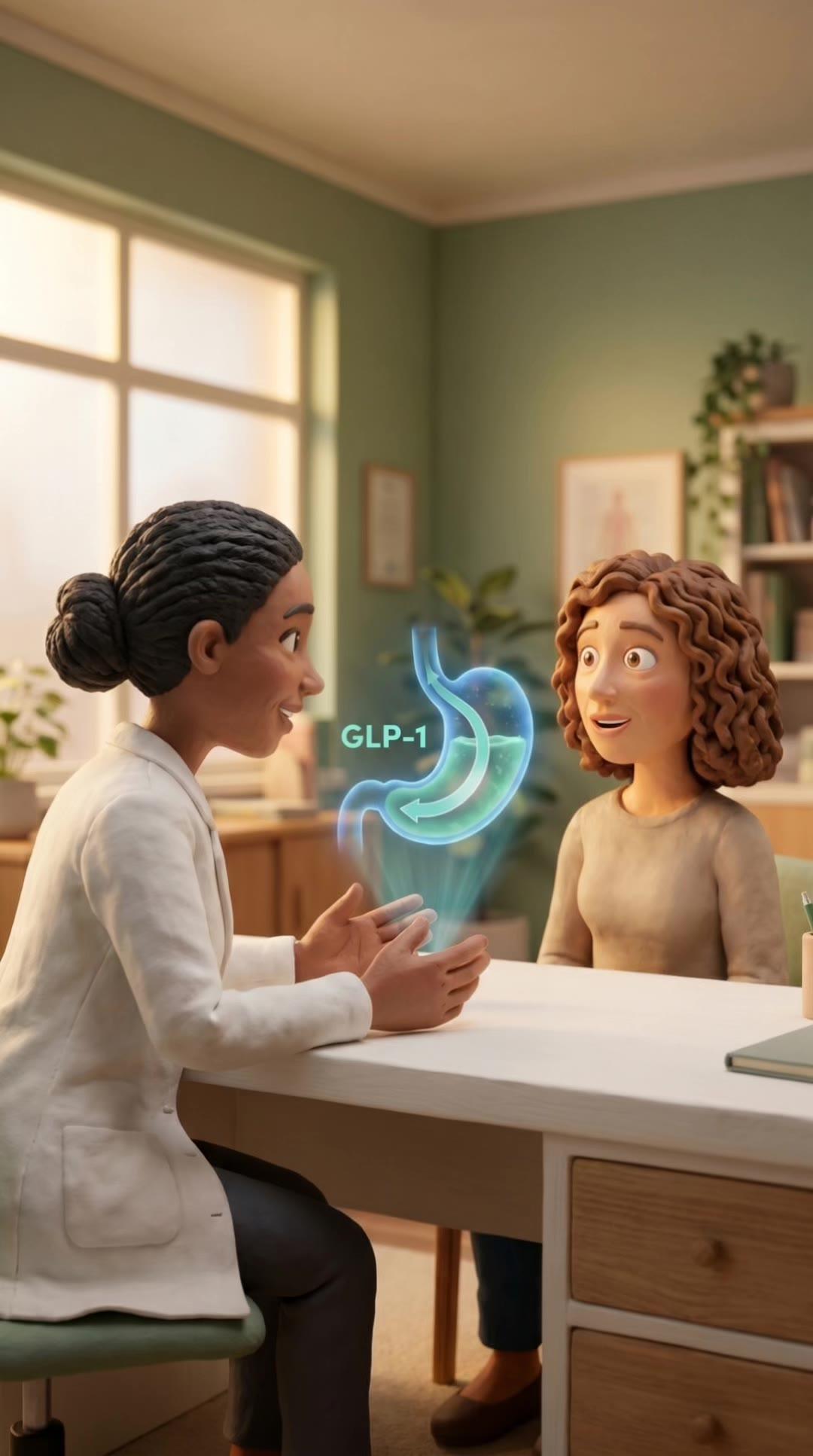
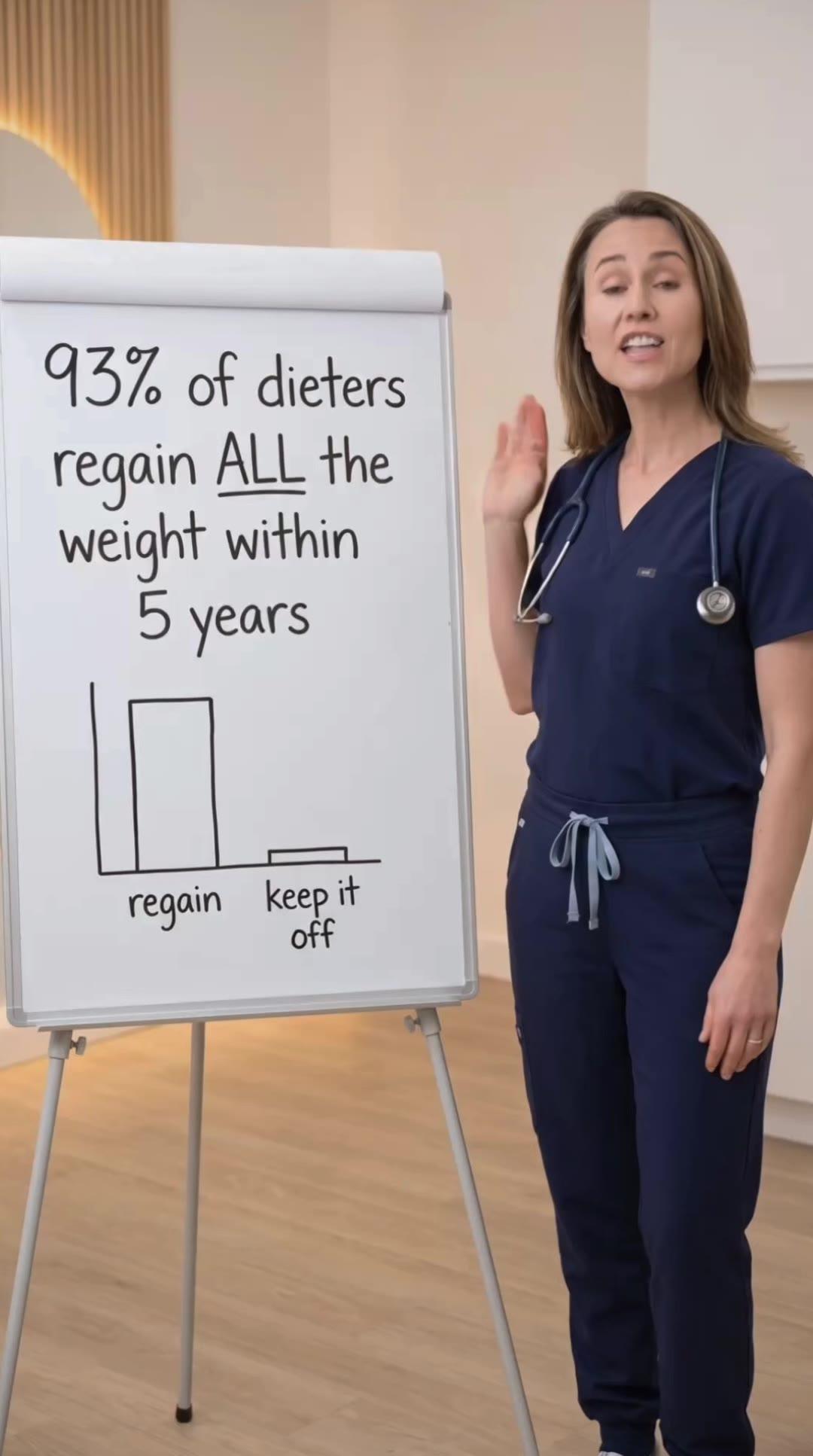
Semaglutide telehealth is the most competitive category in digital health advertising. Dozens of brands are running similar ads to the same audience on the same platforms. Patient acquisition costs are rising. Creative fatigue happens faster. The brands that win are not the ones with the biggest budgets. They are the ones with better positioning, stronger creative, and smarter full-funnel strategy. This is the marketing playbook the team uses to scale semaglutide brands from $50K to $500K monthly ad spend.
The Semaglutide Market in 2026
GLP-1 medications are no longer niche. Semaglutide has gone from specialty diabetes treatment to mainstream weight management medication in under three years. That growth created a telehealth gold rush. New brands launch every month. Existing brands are scaling aggressively. The result is a crowded market where differentiation is harder than ever.
The winners in this market are not the brands with the lowest prices or the fastest shipping. They are the brands that build trust, demonstrate medical credibility, and communicate value beyond just medication access. If your positioning is "we sell semaglutide online," you will lose to brands that position around physician oversight, long-term support, and patient success.
Positioning Strategy: How to Stand Out
Option 1: Medical credibility positioning. Position your brand as the physician-first semaglutide telehealth service. Feature licensed doctors in ads. Highlight board-certified providers. Emphasize ongoing medical monitoring. This positioning works for brands targeting patients who want clinical oversight and are willing to pay more for it.
Option 2: Accessibility positioning. Position your brand as the easiest, fastest way to access semaglutide. Lead with speed (same-day consultations, 48-hour shipping) and convenience (no insurance required, entirely online process). This positioning works for price-sensitive patients who prioritize convenience over premium service.
Option 3: Comprehensive program positioning. Position your brand as a full weight management program, not just medication access. Include dietitian support, fitness coaching, progress tracking. This positioning works for patients who want more than a prescription and are willing to engage with a structured program.
Most semaglutide brands default to accessibility positioning because it is the easiest to execute. That is why the market is saturated with "get semaglutide online" messaging. Medical credibility and comprehensive program positioning are harder to deliver, but they command higher prices and better retention.
Concepts we ship, problem-aware to product-aware.
See the work →Messaging Framework: What to Say
Problem-first messaging. Start with the patient's frustration: spending months on diet and exercise without results, dealing with insurance paperwork for weight management medications, feeling embarrassed about seeking treatment. Problem-first messaging connects emotionally before introducing your solution.
Access-focused messaging. "Get a prescription for semaglutide from licensed physicians" passes compliance review and communicates value. The emphasis is on legitimate access through credentialed providers, which differentiates you from gray-market peptide sellers.
Support-focused messaging. "Work with a physician who monitors your progress" or "ongoing medical support throughout your weight management journey" positions your service as healthcare, not just medication delivery. This messaging works for retention and upsells better than transactional access messaging.
Creative Strategy: What to Show
Physician-led content outperforms UGC in cold audiences. New patients do not trust testimonials from strangers. They trust licensed doctors explaining how semaglutide works, what to expect from treatment, and why medical supervision matters. Use physician-led explainers for prospecting and awareness campaigns.
Patient testimonials work in warm audiences. Once a user has engaged with your content or visited your site, testimonials drive conversions. But the testimonials must focus on the service experience, not weight loss numbers. "The consultation was easy and my doctor explained everything" converts better than "I lost 40 pounds."
Educational content builds trust at scale. Ads that explain what GLP-1 medications are, how they work, and who qualifies for treatment perform well across all funnel stages. Educational content positions your brand as a healthcare resource, not a transactional medication seller. It also passes compliance review more reliably than direct-response sales ads.
Ad Creative Formats That Convert
The doctor walk-through. A licensed physician explains the consultation process, what happens during the visit, how prescriptions are determined, and what ongoing support looks like. This format educates and builds trust simultaneously. Run time: 60-90 seconds.
The patient journey timeline. Show a patient at consultation, receiving medication, checking in with their doctor at month 3, and celebrating progress at month 6. This format sets realistic expectations and demonstrates that your service provides ongoing care, not one-time medication access. Run time: 45-60 seconds.
The problem-solution hook. "Spent months dieting without results? Talk to a doctor about whether semaglutide is right for you." This format leads with the patient problem and positions your service as the solution. It works for both awareness and conversion campaigns. Run time: 15-30 seconds.
Pricing and Offer Strategy
Monthly subscription pricing works better than per-dose pricing. Patients prefer predictable monthly costs over variable per-dose pricing. "Starting at $199/month for medication and physician oversight" converts better than "$50 per week" because it frames the cost as a healthcare subscription, not a product purchase.
Bundled pricing outperforms unbundled pricing. Include consultation fees, medication, and shipping in one price. Do not charge separately for the doctor visit. Patients do not want to calculate total costs. They want simple, transparent pricing.
Do not compete on price alone. If your only differentiator is being $20 cheaper than competitors, you will lose to the next brand that undercuts you by $30. Compete on service quality, physician credibility, or program comprehensiveness. Patients who choose based on price alone are the least loyal and most likely to churn.
Funnel Strategy: Full-Funnel Marketing
Top of funnel (awareness). Educational content explaining what GLP-1 medications are, how they work, and who qualifies. Physician-led videos. Blog content. Run on Meta, TikTok, YouTube. Goal: build brand awareness and prime cold audiences.
Middle of funnel (consideration). Retarget engaged users with patient testimonials, service explainers, and comparison content (telehealth vs in-person care). Goal: move prospects from awareness to consultation booking.
Bottom of funnel (conversion). Retarget site visitors with direct-response ads highlighting pricing, availability, and ease of getting started. Goal: convert warmed-up prospects into patients.
Most semaglutide brands spend 80% of budget on bottom-funnel conversion ads and wonder why patient acquisition costs keep rising. You cannot scale profitably without building awareness and warming up cold audiences first.
Platform Strategy: Where to Advertise
Meta (Facebook and Instagram) should be 60-70% of budget. The audience skews older (35-55), which matches the primary semaglutide demographic. Targeting is more sophisticated than TikTok. Creative review is predictable if you follow compliance guidelines.
TikTok should be 20-30% of budget. The audience skews younger (25-40), but semaglutide interest spans age groups. TikTok works well for educational content and awareness campaigns. Conversion rates are lower than Meta, but cost per thousand impressions is cheaper.
Google Search should be 10-20% of budget. Capture high-intent searches for "semaglutide online" or "GLP-1 telehealth." Google requires LegitScript certification, which takes 4-6 weeks. Start the certification process before launching ads.
How to Scale Without Burning Budget
Increase creative volume, not just budget. At $50K/month, plan for 20-30 new video assets per month. At $100K, you need 40-50. At $200K+, you need 60-75. Creative fatigue is the primary constraint on semaglutide ad scale, not budget.
Test new angles, not just new talent. Rotating UGC creators does not solve fatigue if the script and angle stay the same. Test problem-first hooks, authority positioning, comparison messaging, and educational framing. Angle diversity matters more than talent diversity.
Monitor cost per consultation, not just cost per click. If your CPC drops but consultation conversion rates decline, your ads are attracting low-intent traffic. Track metrics that matter: cost per booked consultation, consultation-to-patient conversion rate, patient LTV.
For more on GLP-1 marketing, see our guides on Facebook ad examples, brand positioning, and patient journey ads. If you need help with compliance, read advertising GLP-1 compliantly. More at our GLP-1 marketing hub.
Need semaglutide creative that converts and stays compliant? We produce video ads for GLP-1 telehealth brands exclusively. Book a strategy call.
Your next GLP-1 batch, minus the compliance roulette.
A 30-minute call. We audit your creative approach and show you exactly what a complete angle-format-hook system looks like for your vertical.