Tirzepatide Marketing: How to Advertise Tirzepatide Telehealth in 2026
The positioning, creative angles, paid social strategy, and unit economics that separate tirzepatide brands that scale from the ones that burn cash on rejected ads.
Concepts shown are internal creative studies, not client campaigns.
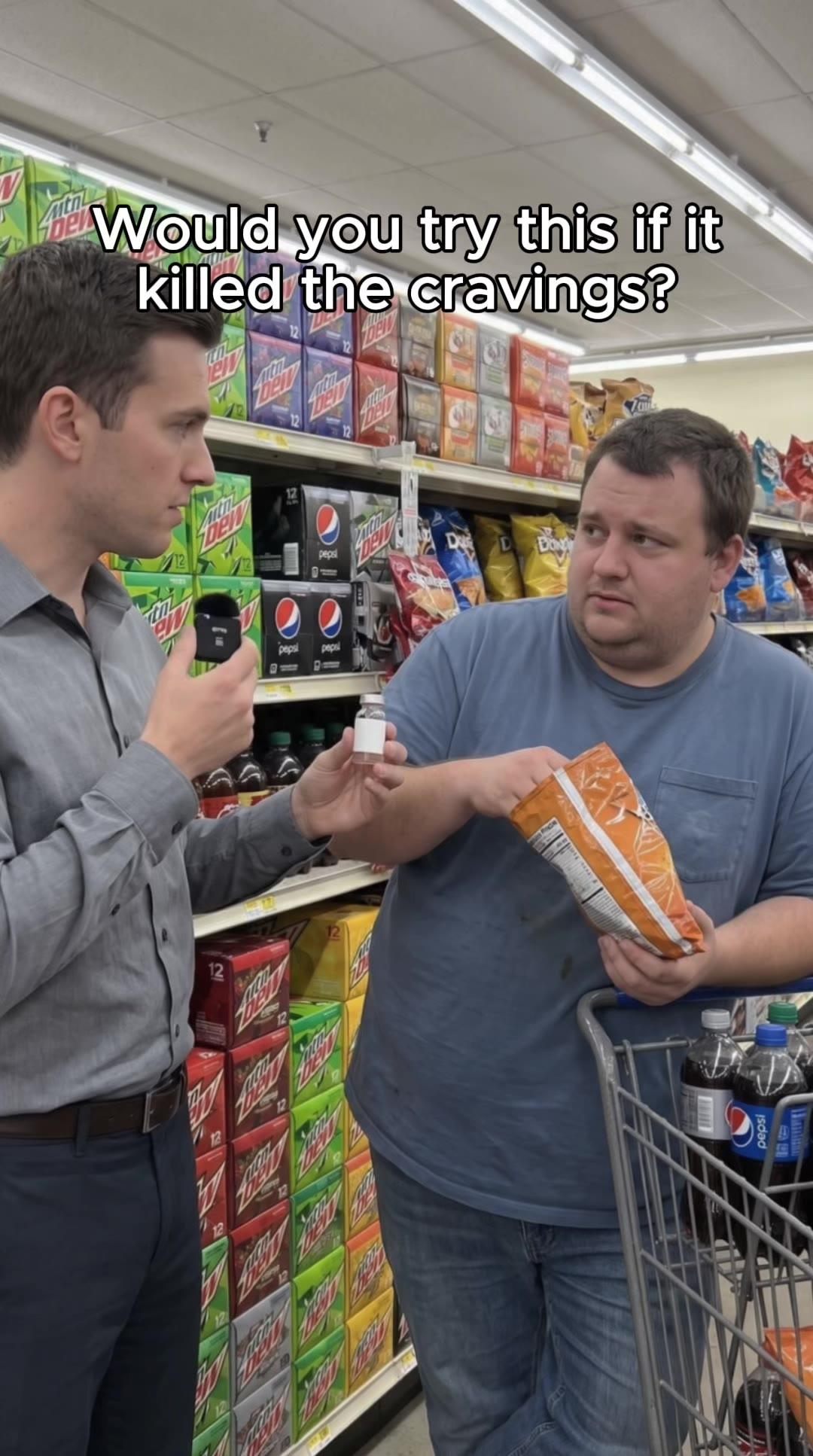
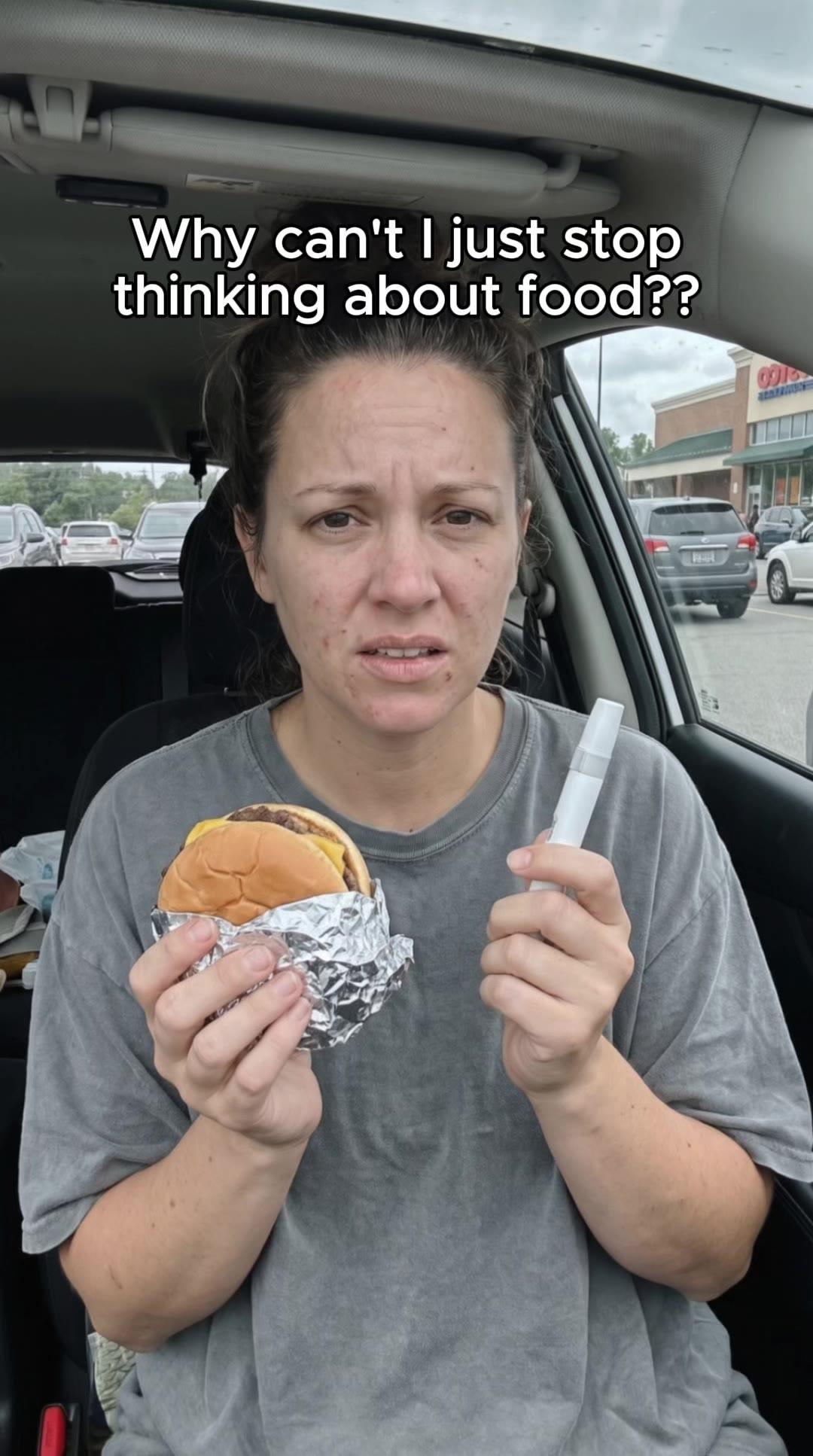

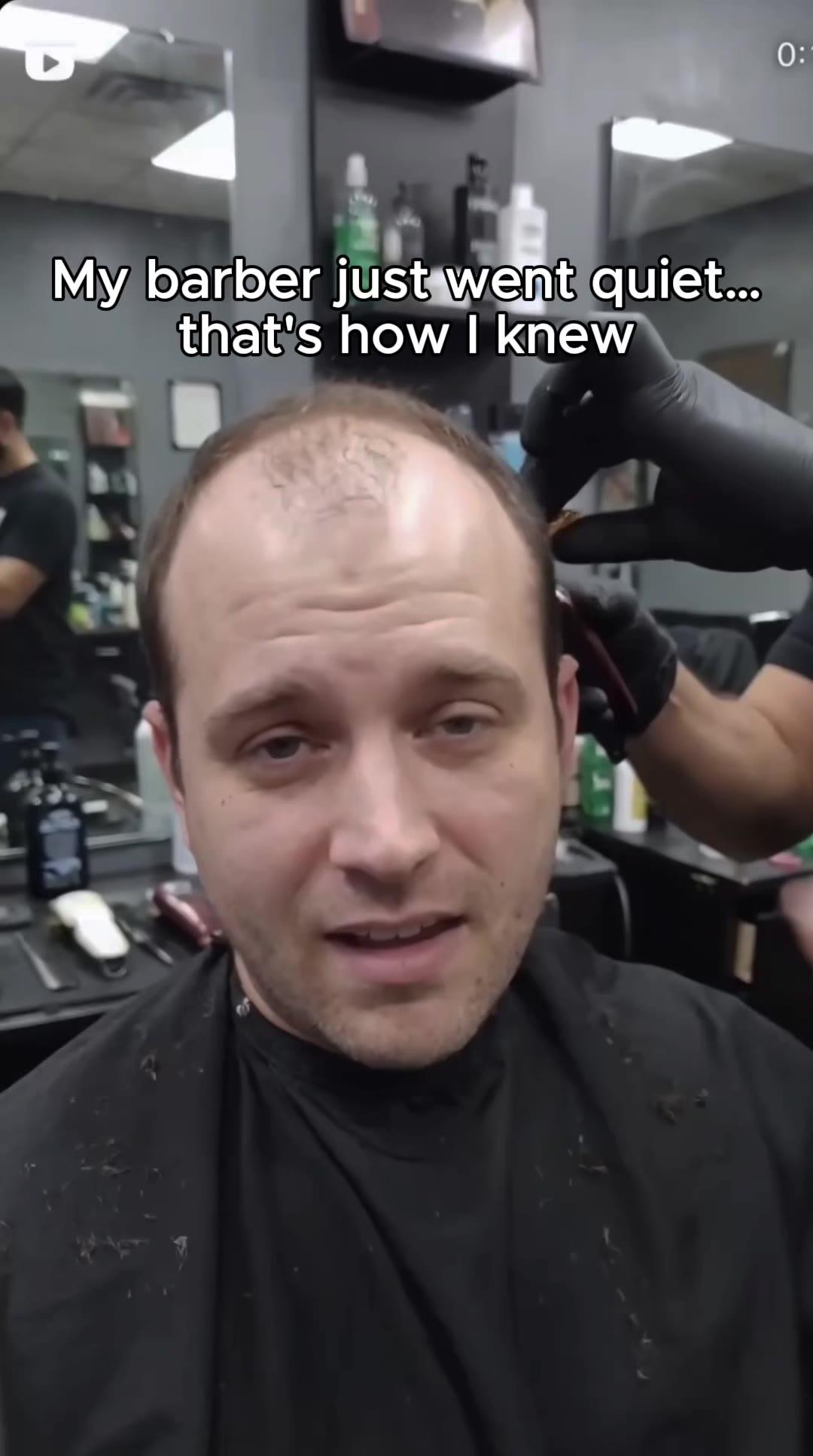



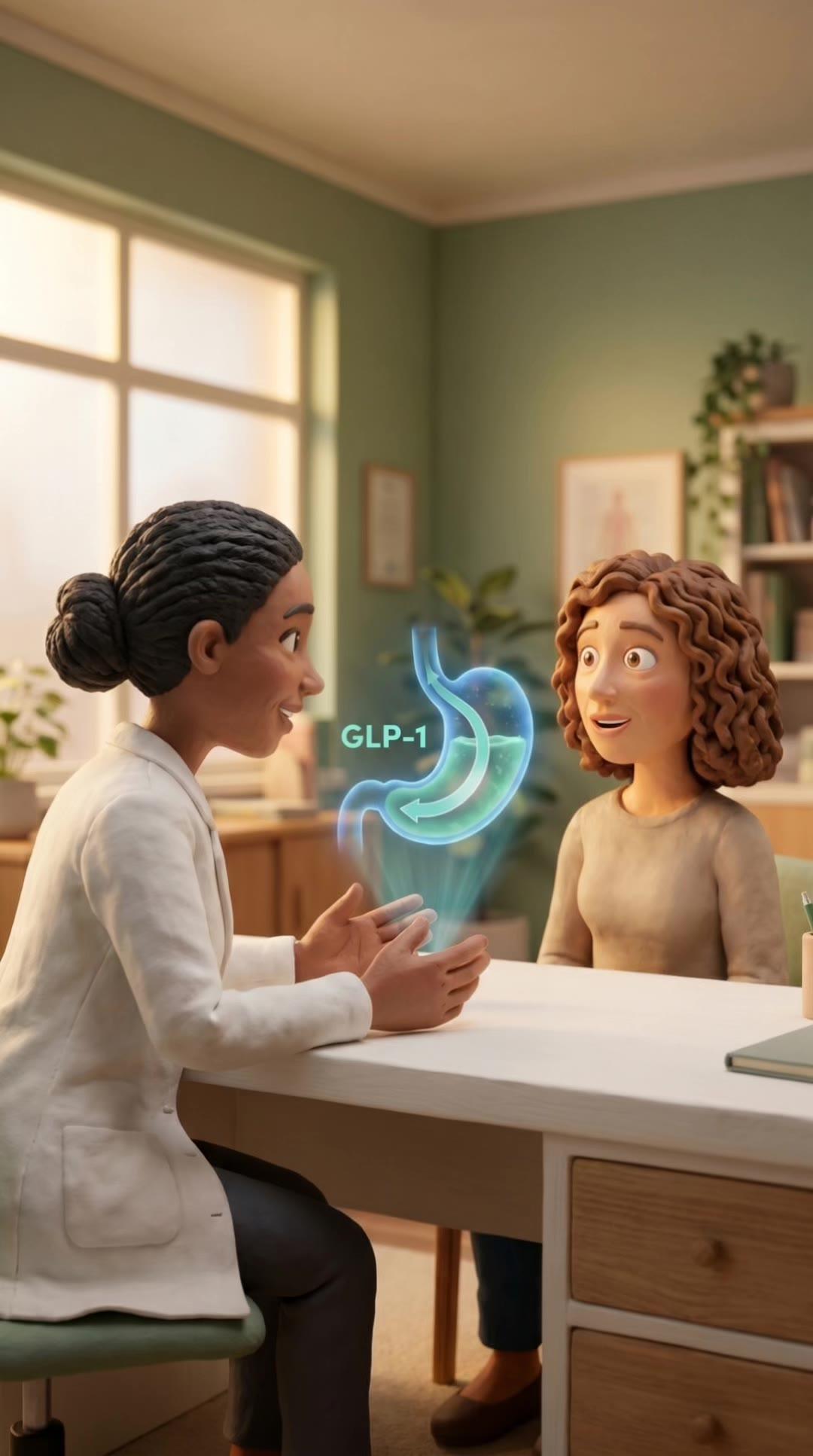
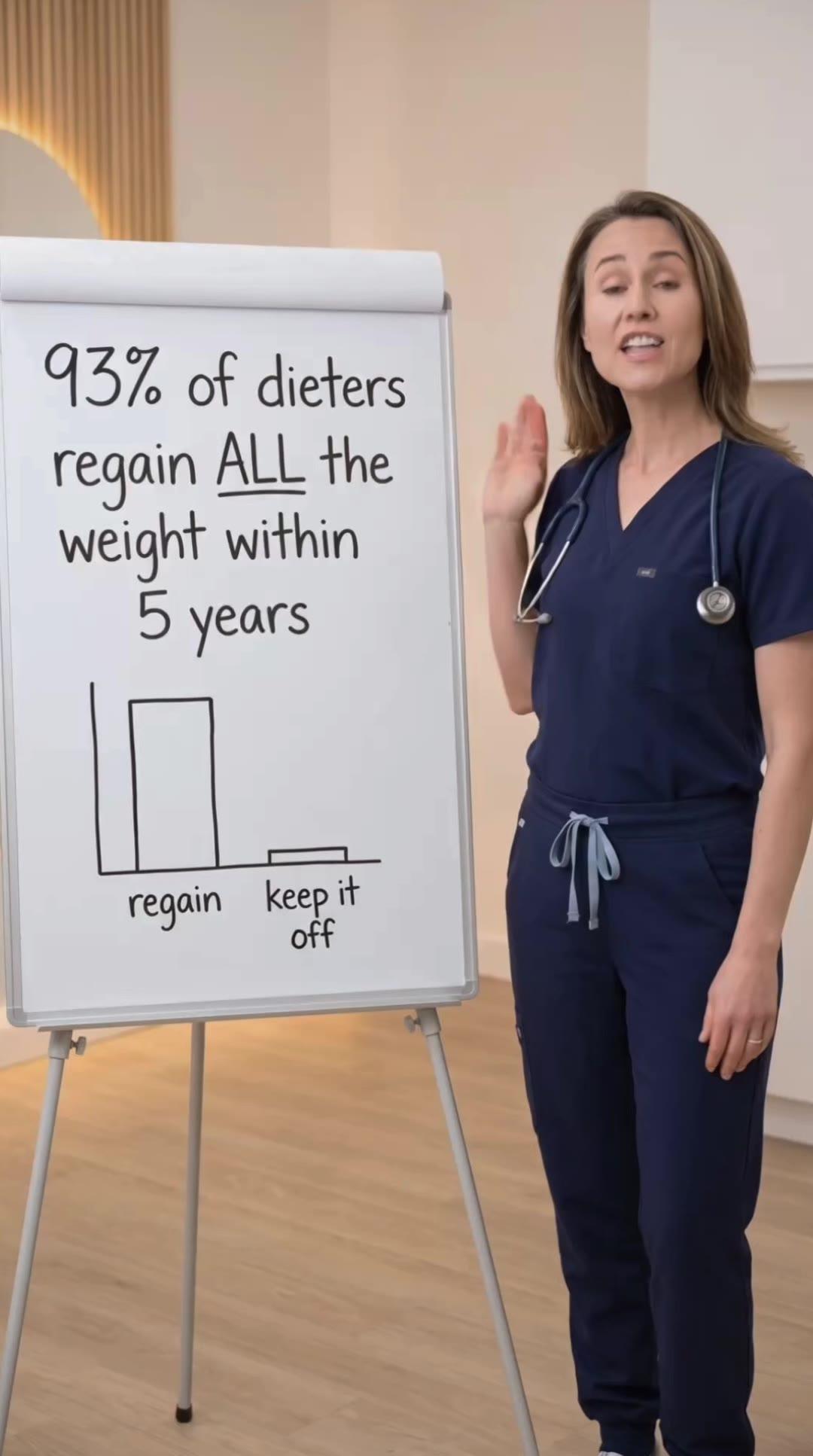
Tirzepatide marketing in 2026 is harder than semaglutide marketing was in 2024. The audience is more informed, platform reviewers are more skeptical of weight-loss positioning, compounding rules have tightened in several states, and the brand-name landscape has matured enough that DTC tirzepatide telehealth competes against retail pharmacy pricing in some markets. The brands that win are the ones treating tirzepatide as a distinct positioning challenge, not as "semaglutide 2.0".
Here is how tirzepatide marketing actually works inside GLP-1 telehealth in 2026: positioning, paid social, creative angles, retention math, and the CAC ranges by sub-vertical.
Positioning: Tirzepatide Is Not Semaglutide
The dominant marketing failure in tirzepatide telehealth is positioning the product as a stronger semaglutide. The audience that converts on tirzepatide in 2026 has already tried semaglutide, plateaued, or experienced side-effect issues. They are not first-time GLP-1 patients — they are second-product patients, and the creative has to acknowledge that journey.
Brands that lead with "the next generation" positioning underperform brands that lead with "the next step in your journey" positioning by 25-40% on conversion rate. The framing matters because the audience is more sophisticated than the brand often assumes.
Compounded vs. Brand-Name Tirzepatide: Two Different Funnels
Compounded tirzepatide: lower price point ($299-499 monthly), more restricted state availability, looser platform tolerance for explicit pricing in ads, faster qualification flow. CAC sits at $200-320 fully-loaded at $50-200K monthly spend. Creative focuses on accessibility, affordability framing without specific dollar amounts in cold creative, and provider-supervised dosing.
Brand-name tirzepatide telehealth: higher price point ($999+ monthly), broader state availability, stricter qualification gates, slower conversion. CAC sits at $300-450 fully-loaded. Creative focuses on outcome data, prescriber legitimacy, insurance navigation, and the value of brand-name supply chain certainty.
Brands that try to advertise both products through the same creative engine consistently underperform brands that run two distinct creative tracks. The audiences overlap on demographics but diverge on intent and price sensitivity. For the broader compounding view, see compounded semaglutide advertising.
Paid Social Strategy: What Actually Works
Meta is the volume engine. 60-75% of paid tirzepatide acquisitions come from Meta at every spend level. The audience skews 35-60, female-leaning by 60-70%, with strong response to provider-led and patient-story formats.
TikTok works for tirzepatide but only with TikTok-native creative. Repurposed Meta ads on TikTok hit 50-70% rejection rates. The hooks that scale on TikTok are conversational, low-production, and frame the medication-prescribing relationship rather than the medication itself.
Google Search at scale requires LegitScript and clean landing-page architecture. Branded search for established tirzepatide brands runs 40-60% below blended Meta CAC; non-branded search runs 20-40% above. The branded-search ROI is largely a function of upstream Meta investment.
Concepts we ship, problem-aware to product-aware.
See the work →Creative Angles That Convert
The "second-product" angle: a creator or provider explaining why they moved from semaglutide to tirzepatide and what changed. This angle outperforms generic GLP-1 angles by 30-50% on tirzepatide-specific audiences because it matches buyer intent.
Provider-led mechanism explainer: 45-60 second video explaining how tirzepatide differs from semaglutide at the receptor level, without making outcome claims. Strong cold prospecting performer because it satisfies the audience's research mode without triggering platform claim flags. For format-by-format performance, review GLP-1 Facebook ad examples.
Process-transparency UGC: a real patient walking through what the consultation, qualification, and first injection process actually looked like. This is the highest-converting retargeting format because most consultation drop-offs happen because the next step is opaque.
Avoid: aspirational "after" imagery, specific pound-loss claims, and any framing that implies guaranteed outcomes. These are the four most common rejection patterns on tirzepatide ads in 2026.
Compliance Patterns to Internalize
For compounded tirzepatide, the state-by-state landscape is more restrictive than it was in 2024. Several states require additional prescriber documentation or limit personal-use compounding. Creative that runs nationally has to account for the lowest-common-denominator state without naming geographic restrictions in the ad itself.
For brand-name tirzepatide, the constraint is the manufacturer's promotional posture and DTC pharmaceutical advertising norms. Telehealth brands that lift creative from manufacturer ads inherit FDA promotional framing that the brand cannot substantiate as a prescribing service. Build creative for the telehealth-service positioning, not the medication brand.
Retention Is the Whole Game
Tirzepatide unit economics are entirely determined by 6-month retention. At $280 CAC and $400 monthly net revenue per patient, payback is under one month. The risk is not CAC — it is the patient who quits at month 3 because of side effects, plateauing, or pricing fatigue.
Brands that scale tirzepatide profitably invest in 90-day retention infrastructure: side-effect education in onboarding, dose-titration guidance, plateau coaching, and proactive churn outreach. CAC optimization without these elements produces an attractive acquisition cost and a destroyed cohort.
For the broader retention math across GLP-1, see GLP-1 telehealth subscription marketing.
The Operator Summary
Tirzepatide marketing in 2026 rewards brands that treat tirzepatide as a distinct positioning challenge, run separate creative tracks for compounded and brand-name, build for second-product audiences instead of first-time GLP-1 patients, and pace acquisition against retention infrastructure. The brands chasing low CAC without the rest of the system are the ones who will rebuild from zero in 2027.
Related Articles
Tirzepatide Telemedicine: How to Market It Without Getting Flagged
Tirzepatide telemedicine creative, compliance, and paid social strategy.
How to Market Tirzepatide Telehealth
Positioning and creative angles for tirzepatide telehealth brands.
GLP-1 Telehealth Patient Acquisition Cost
CAC benchmarks and payback math for GLP-1 telehealth brands.
Compounded Semaglutide Advertising
How to advertise compounded semaglutide compliantly in 2026.
GLP-1 Advertising on TikTok in 2026
How to run GLP-1 telehealth ads on TikTok. Healthcare policy, Spark Ads, the formats that clear review, and the framing that gets rejected.
Your next GLP-1 batch, minus the compliance roulette.
A 30-minute call. We audit your creative approach and show you exactly what a complete angle-format-hook system looks like for your vertical.