How Much Does It Cost to Acquire a GLP-1 Telehealth Patient
GLP-1 patient acquisition cost benchmarks for 2026. What you should expect to pay, how to reduce CAC, and when to scale ad spend.
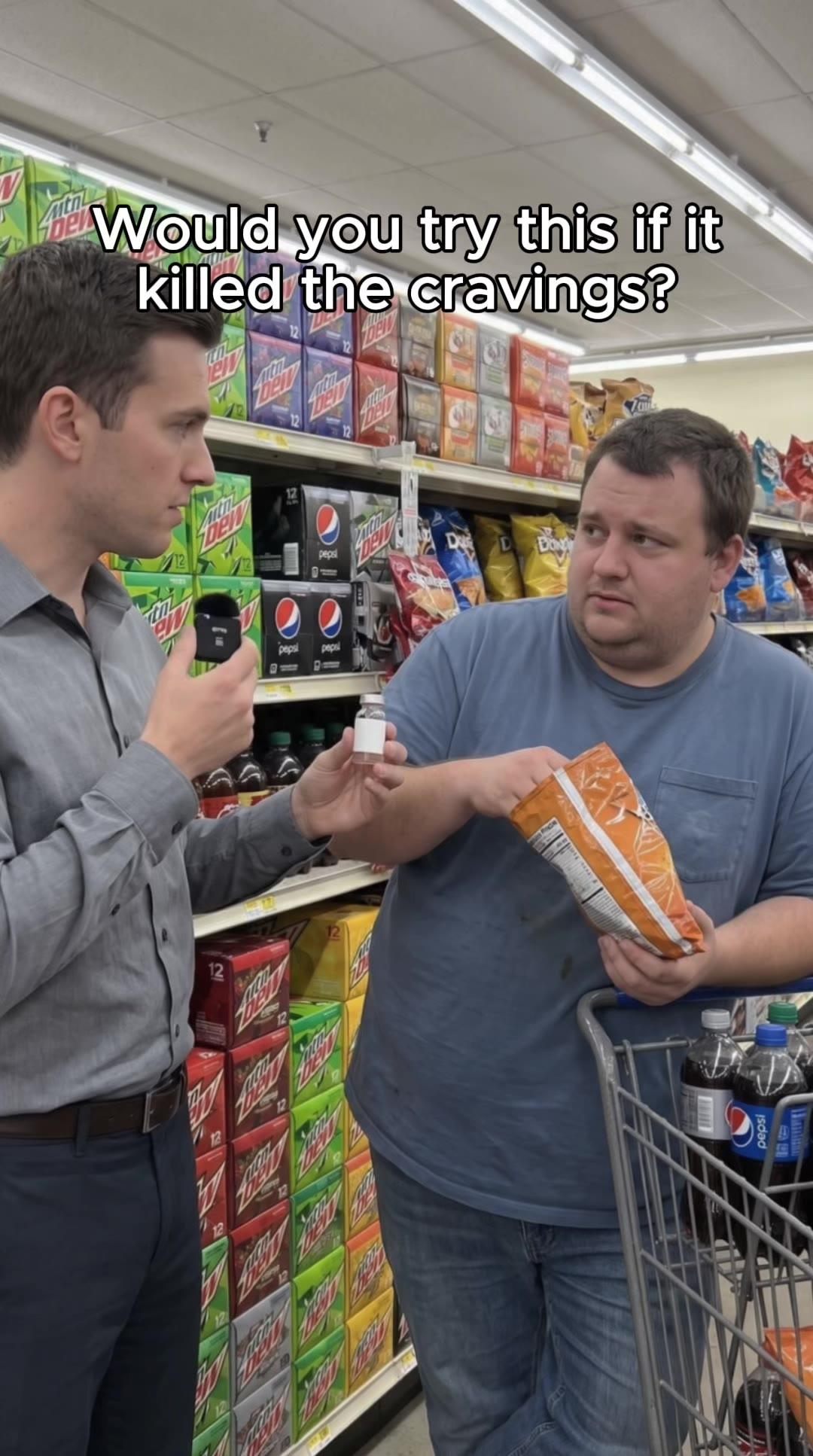
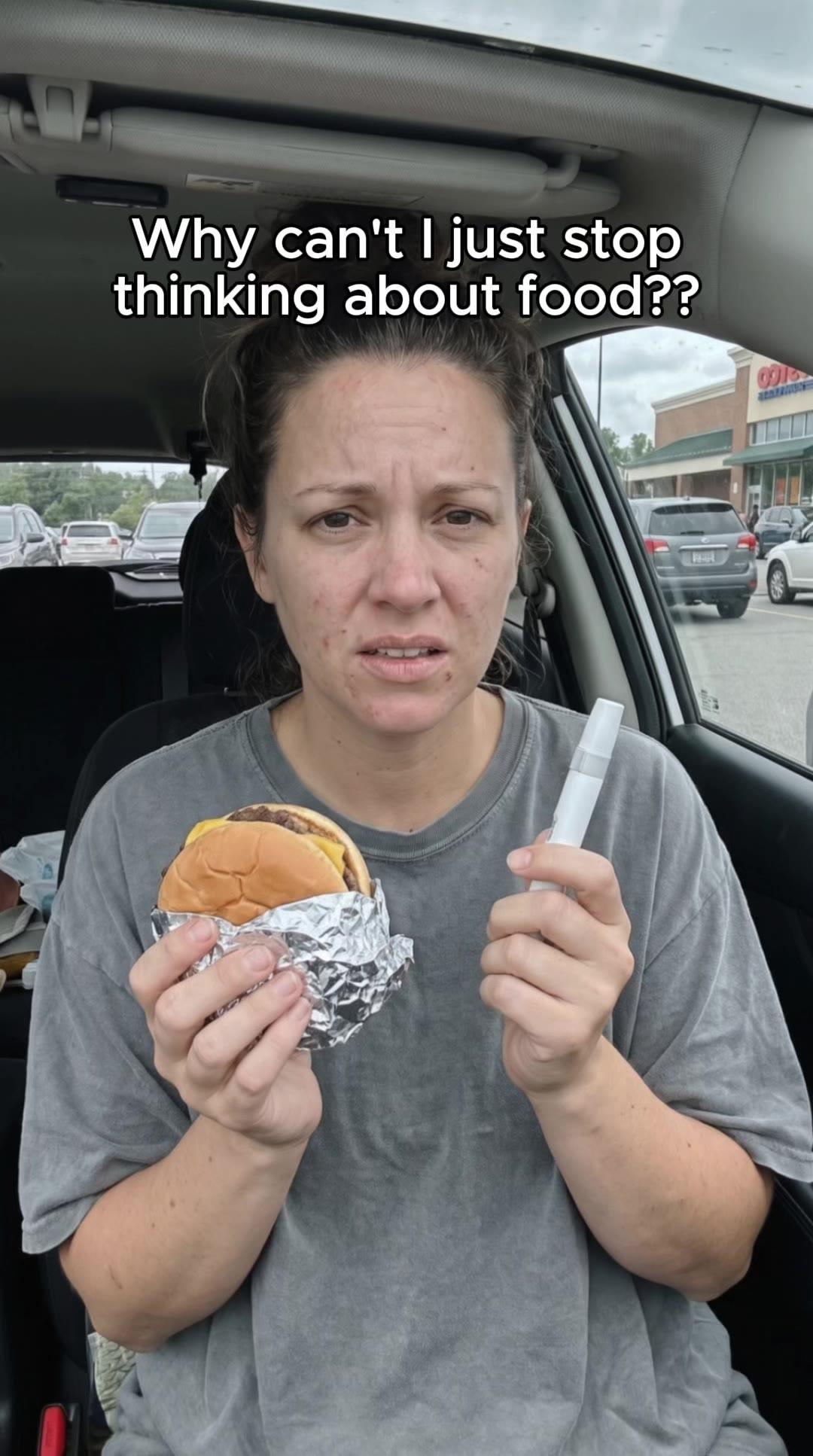
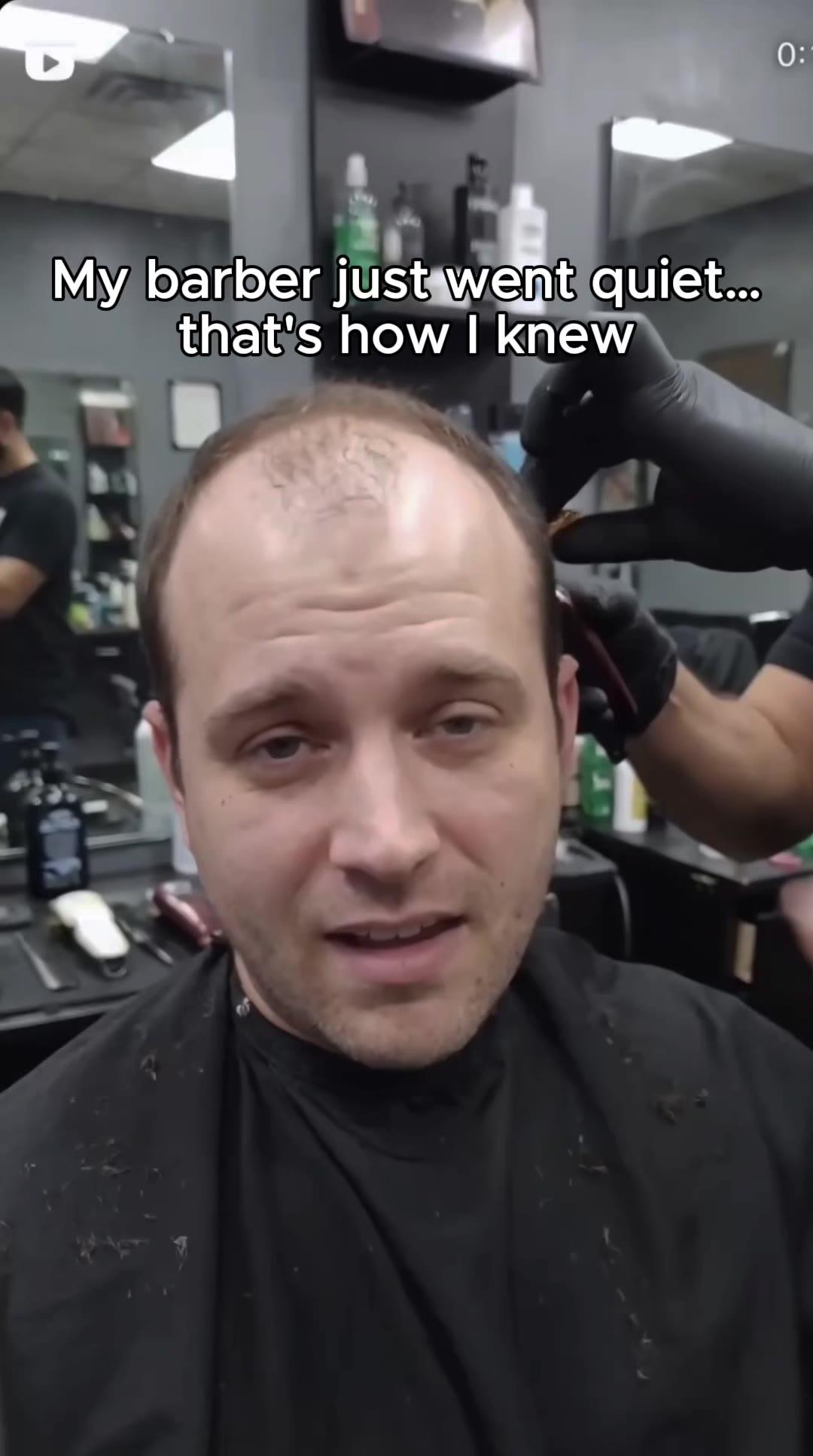
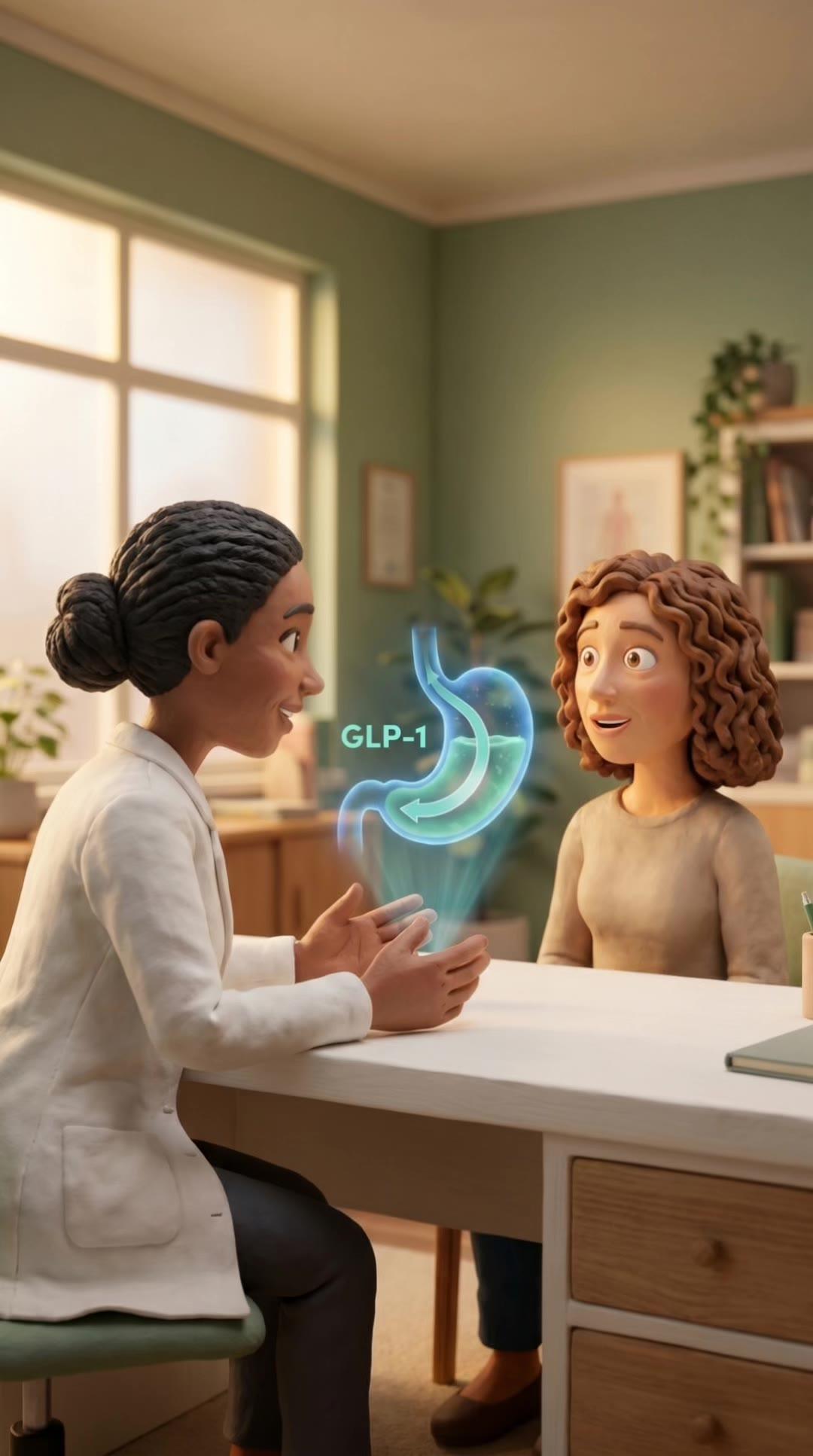
Concepts shown are internal creative studies, not client campaigns.




GLP-1 patient acquisition costs have climbed steadily as more brands enter the market. What cost $150 per patient in 2023 now costs $300-500 in 2026 for most telehealth brands. The brands that maintain profitable unit economics are not the ones with the lowest acquisition costs. They are the ones with strong retention, high lifetime value, and efficient full-funnel strategies. This guide breaks down GLP-1 patient acquisition cost benchmarks and how to scale profitably based on managing ad accounts for brands spending $10M+ annually.
Average GLP-1 Patient Acquisition Cost by Channel (2026)
Meta (Facebook and Instagram): $300-500 per paying patient. Lower-cost leads ($50-100 per consultation booking) convert at 30-50% to paying patients after the consultation. Total cost from initial click to paying patient averages $300-500.
TikTok: $250-400 per paying patient. Lower CPMs than Meta but also lower conversion rates. TikTok works well for awareness but requires more touch points to drive consultation bookings.
Google Search: $200-350 per paying patient. Higher intent searches ("semaglutide online," "GLP-1 telehealth") convert faster than social traffic. Lower volume than Meta but better conversion rates.
Organic / SEO: $0 marginal acquisition cost after initial content investment. Long-term play. Takes 6-12 months to generate meaningful traffic but offers the best long-term unit economics.
Email / SMS (Retargeting): $50-150 per patient. Retargeting engaged audiences through email or SMS drives conversions at a fraction of cold acquisition cost. Only works if you have an existing audience to retarget.
Why GLP-1 Acquisition Costs Are Rising
Market saturation. Dozens of GLP-1 telehealth brands are competing for the same audience on the same platforms. Ad auction dynamics drive costs up when demand increases.
Creative fatigue. Patients see GLP-1 ads constantly. The same hooks, angles, and testimonials stop working within 30-45 days. Brands that do not refresh creative fast enough see acquisition costs climb.
Platform policy enforcement. Meta is tightening review for GLP-1 ads, which means more rejections and higher compliance risk. Brands spend more time and budget producing compliant creative that passes review.
Patient education requirement. GLP-1 medications are relatively new for weight management. Cold audiences need education before converting, which means longer funnel journeys and higher cost per patient.
Concepts we ship, problem-aware to product-aware.
See the work →How to Reduce GLP-1 Patient Acquisition Cost
Increase creative volume. Brands running 20-30 new video assets per month maintain lower acquisition costs than brands running 5-10. Creative refresh prevents fatigue and keeps performance stable.
Build full-funnel campaigns. Brands that invest in awareness and consideration content see better conversion rates on bottom-funnel ads. Primed audiences convert faster and cheaper than cold audiences.
Improve consultation-to-patient conversion rate. If 40% of consultations convert to paying patients, your effective acquisition cost is 2.5× your cost per consultation. If 60% convert, your effective acquisition cost is 1.67× cost per consultation. Small improvements in consultation conversion have massive impact on unit economics.
Invest in retention. A patient who stays for 6 months has 3× the lifetime value of a patient who stays for 2 months. Lower churn reduces the pressure to acquire new patients constantly and improves long-term profitability.
Use physician-led content in cold audiences. Physician-led ads convert at 20-30% lower cost per consultation than generic UGC in cold audiences. The credibility boost reduces friction and improves early-funnel performance.
Optimize landing pages for conversion. A landing page that converts at 15% is 50% more efficient than one that converts at 10%. Small landing page improvements compound into significant acquisition cost reductions.
When to Scale Ad Spend
Do not scale until you hit target unit economics. If your target is $300 per patient and you are currently at $600, scaling budget will not fix the problem. Fix creative, improve conversion rates, or adjust pricing before scaling.
Scale incrementally, not aggressively. If you are spending $50K/month profitably, scale to $75K, not $150K. Sudden budget increases often lead to performance declines as platforms test new audiences and creative fatigues faster.
Scale when you have creative volume to support it. At $100K/month, you need 40-50 new video assets per month. At $200K, you need 60-75. Do not scale budget faster than you can produce compliant creative.
Scale when retention is stable. If 30% of patients churn after month 1, fix retention before scaling acquisition. Acquiring patients faster does not help if they leave immediately.
How to Calculate Acceptable Patient Acquisition Cost
Start with patient lifetime value (LTV). If the average GLP-1 patient stays for 6 months at $299/month, gross LTV is $1,794. After medication cost, consultation costs, and overhead, net LTV might be $800-1,000.
Set target CAC at 30-40% of LTV. If net LTV is $900, target CAC is $270-360. This allows for profitable growth while leaving margin for operations, team, and reinvestment.
Adjust based on payback period. If you are venture-backed and prioritizing growth, you can tolerate higher CAC with longer payback periods. If you are bootstrapped and prioritizing profitability, keep CAC at 25-30% of LTV.
Factor in retention rate. If 40% of patients churn after month 2, your effective LTV is much lower than if 10% churn. Better retention allows you to tolerate higher acquisition costs.
Benchmarks by Brand Maturity
New brands (0-6 months): $500-700 per patient. Higher acquisition costs are normal when building brand awareness from zero. Focus on learning what creative and messaging works before optimizing for cost.
Established brands (6-18 months): $300-500 per patient. As brand awareness builds and creative systems mature, acquisition costs should decrease. This is the optimization phase.
Mature brands (18+ months): $250-400 per patient. Mature brands benefit from brand recognition, organic traffic, and refined creative processes. Acquisition costs stabilize at sustainable levels.
What to Do If Acquisition Costs Are Too High
Audit your creative. Are you running the same angles and formats as competitors? Test new hooks, new talent, new ad formats. Creative differentiation reduces fatigue and improves performance.
Audit your funnel. Are you running bottom-funnel ads to cold audiences? Build awareness and consideration campaigns to prime audiences before asking for conversions.
Audit your landing pages. Are consultation booking rates below 10%? Test page layout, copy, trust signals, and CTAs. Small conversion rate improvements compound into big acquisition cost reductions.
Audit your consultation process. Are 50%+ of consultations converting to paying patients? If not, the problem is not acquisition. It is consultation quality or pricing.
For more on GLP-1 marketing, see our guides on patient journey strategy, retargeting, and creative fatigue. If you need help with conversion optimization, read landing page strategy. More at our GLP-1 marketing hub.
Need help reducing patient acquisition costs for your GLP-1 brand? We build full-funnel campaigns that optimize for lifetime value, not just cost per click. Book a strategy call.
Your next GLP-1 batch, minus the compliance roulette.
A 30-minute call. We audit your creative approach and show you exactly what a complete angle-format-hook system looks like for your vertical.