Compounded Semaglutide Advertising: What Is and Is Not Allowed
How to advertise compounded semaglutide compliantly. What disclaimers you need, what claims are allowed, and how to avoid compliance violations.
Concepts shown are internal creative studies, not client campaigns.







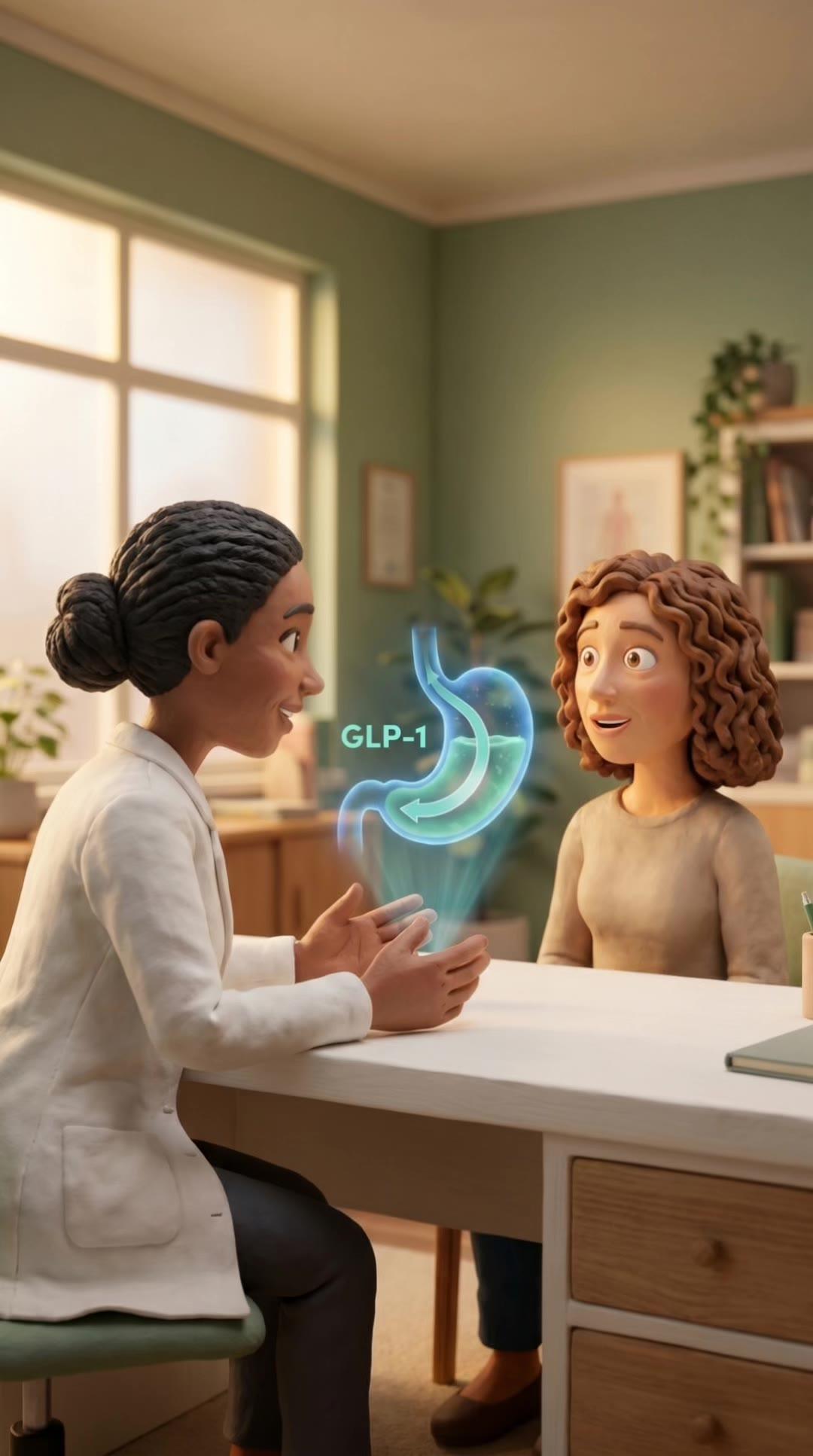
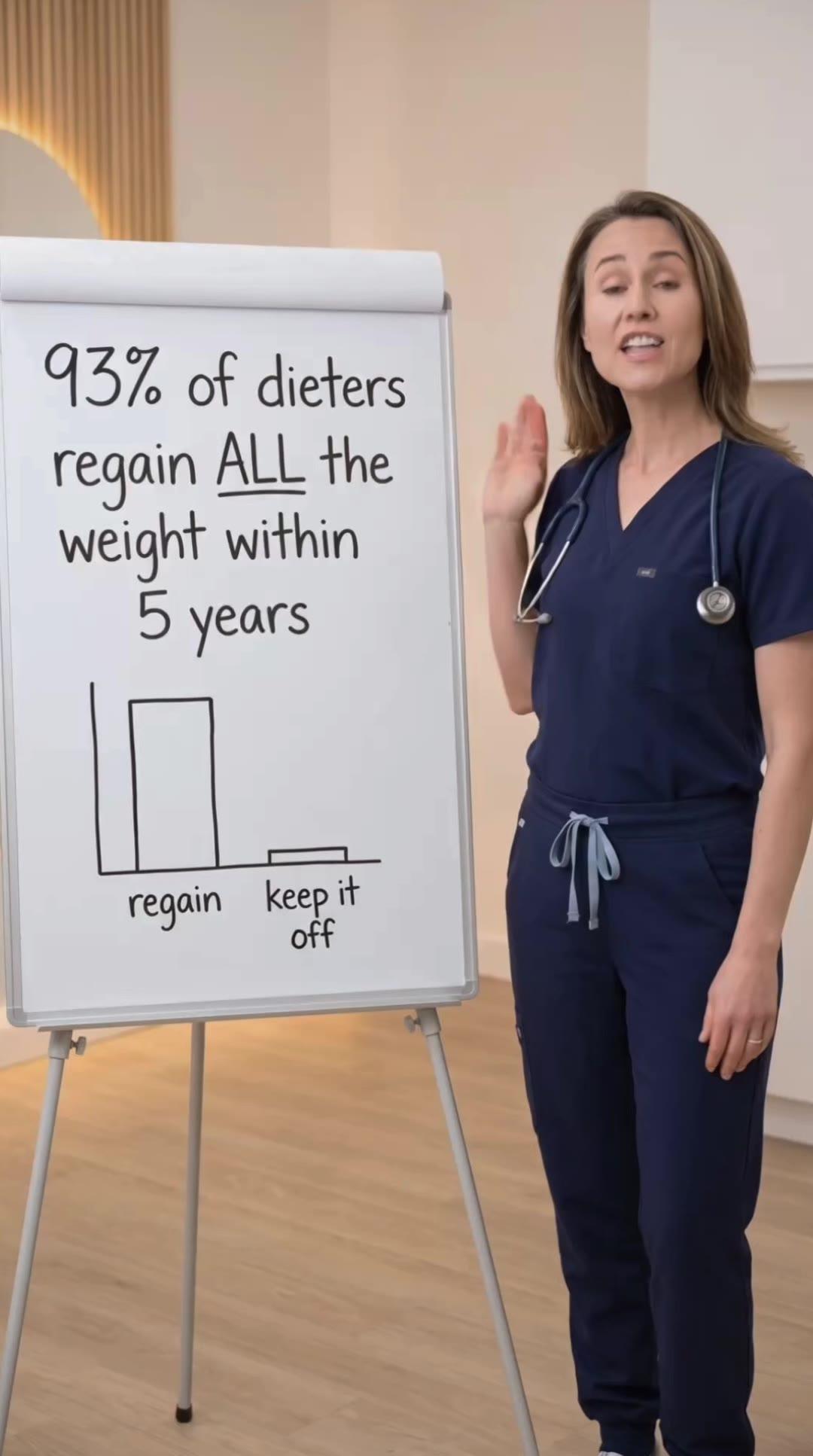
Compounded semaglutide is the fastest-growing segment of GLP-1 telehealth, and it is also the riskiest from a compliance perspective. Compounded medications are not FDA-approved like Ozempic and Wegovy, which means you cannot advertise them as equivalent alternatives. You must include specific disclaimers, avoid certain claims, and comply with state pharmacy regulations that vary by market. This guide explains how to advertise compounded semaglutide compliantly based on managing campaigns for compounding pharmacy brands spending $20M+ annually.
Why Compounded Semaglutide Advertising Is Different
FDA-approved semaglutide (Ozempic, Wegovy) has undergone clinical trials and received regulatory approval for specific uses. Compounded semaglutide is prepared by licensed pharmacies for individual patients but has not gone through the same approval process. That regulatory distinction affects what you can and cannot say in advertising.
FDA allows compounding when a physician determines that an FDA-approved drug does not meet a patient's needs. But FDA prohibits advertising compounded drugs as substitutes for FDA-approved drugs. Meta and Google enforce these rules strictly, which means compounded semaglutide ads face higher rejection rates than FDA-approved medication ads.
What You Cannot Say in Compounded Semaglutide Ads
Do not claim equivalence to Ozempic or Wegovy. "Our compounded semaglutide is the same as Ozempic" violates FDA and Meta policies. Compounded medications are not FDA-approved, and you cannot imply they have the same safety, efficacy, or quality standards as commercial drugs.
Do not reference brand-name drugs by name. Even if you clarify that your product is compounded, Meta treats trademark references as violations. You cannot say "compounded Ozempic" or "Wegovy alternative." Use "compounded semaglutide" only.
Do not position compounded medications as cheaper substitutes for FDA-approved drugs. "Get semaglutide for half the price" implies that compounded medications are therapeutic equivalents, which FDA does not recognize. Position compounded semaglutide as an option for patients whose physicians determine FDA-approved drugs do not meet their needs, not as a discount version of brand-name drugs.
Concepts we ship, problem-aware to product-aware.
See the work →What You Must Disclose in Compounded Semaglutide Ads
FDA approval status. "Compounded medications are not FDA-approved and are prepared by licensed compounding pharmacies for individual patients."
Difference from commercial products. "Compounded semaglutide may differ from FDA-approved semaglutide products in formulation, dosage, and quality standards."
Physician supervision requirement. "Compounded semaglutide is available only through physician evaluation and prescription."
These disclosures must be visible in your ads and landing pages. The exact wording can vary, but the substance must be clear: compounded medications are not FDA-approved, and they are not the same as commercial drugs.
How to Position Compounded Semaglutide Without Violating Policies
Focus on access and physician oversight. "Licensed providers can prescribe compounded semaglutide for patients who qualify" positions your service as medical care, not discount medication sales.
Emphasize affordability without direct comparison. "Access to physician-supervised GLP-1 therapy at transparent pricing" communicates value without claiming your product is equivalent to brand-name drugs.
Explain what compounding is and why it exists. Educational content that explains compounding pharmacy regulations and when compounded medications are appropriate builds credibility and passes compliance review more reliably than direct-response sales ads.
State-Specific Compounded Semaglutide Advertising Rules
California prohibits advertising compounded drugs that are essentially copies of commercially available FDA-approved products. If you offer compounded semaglutide, you generally cannot advertise it in California because Ozempic and Wegovy are commercially available.
New York requires specific disclaimers in all compounding pharmacy advertising. Your ads must state that compounded medications are not FDA-approved and may not have the same quality standards as commercial drugs.
Texas restricts which compounded medications can be advertised and requires disclosures about the lack of FDA approval. Texas also prohibits advertising compounded drugs for uses that are not medically necessary.
Before launching compounded semaglutide ads, check the rules in every state you target. If a state prohibits or restricts compounding advertising, exclude that state from targeting.
The Creative Formats That Work for Compounded Semaglutide
Physician-led explainers on what compounding is. A licensed doctor explains the difference between compounded and FDA-approved medications, when compounding is appropriate, and how the consultation process works. This format educates patients while demonstrating physician oversight.
Patient testimonials about the service, not the medication. Patients discuss the ease of the consultation, the affordability of cash-pay pricing, and the ongoing support they receive. Avoid testimonials about medication efficacy or weight loss results.
Educational content on access barriers. Ads that discuss insurance coverage issues, high brand-name drug costs, and how compounded medications provide an alternative for patients who cannot access FDA-approved drugs. Position compounding as a solution for access barriers, not as a superior product.
What to Do If Your Compounded Semaglutide Ad Gets Rejected
Check if your ad references Ozempic or Wegovy. Remove all brand-name drug references and use only "compounded semaglutide."
Check if your ad claims equivalence to FDA-approved drugs. Remove language that positions compounded medications as the same as commercial products. Add disclaimers clarifying that compounded drugs are not FDA-approved.
Check if your ad targets states with restrictive compounding laws. Exclude California, New York, and Texas from targeting if your ads do not meet state-specific disclosure requirements.
For more on compounding pharmacy advertising compliance, see our guide on compounding pharmacy ads. For GLP-1 marketing strategy, see marketing semaglutide and brand positioning. More at our GLP-1 marketing hub.
Need compliant creative for compounded semaglutide advertising? We produce video ads for compounding pharmacy telehealth brands exclusively. Book a strategy call.
Your next GLP-1 batch, minus the compliance roulette.
A 30-minute call. We audit your creative approach and show you exactly what a complete angle-format-hook system looks like for your vertical.